What are the rules for bringing pets into New Zealand from the UK?
If you are relocating your pet from the United Kingdom to New Zealand, you must meet the entry requirements outlined by the Ministry for Primary Industries. The United Kingdom is listed as an MPI approved country, which simplifies the pet import process compared to non approved countries. However, the rules are still detailed and must be followed exactly. Only cats and dogs are permitted. Other species such as rodents, reptiles and ferrets are not allowed. Certain dog breeds are banned due to biosecurity laws. The full requirements are listed in the Import Health Standard for cats and dogs, which outlines veterinary treatment, document submission and travel conditions.
Here's What We Have Covered In This Article
1. Understand the legal requirements before planning pet travel
What does MPI require for pet entry?
The Import Health Standard (IHS) is the foundation of the New Zealand pet import process. It defines the steps for approved countries, including vaccinations, microchipping, health checks and document timelines.
From the United Kingdom, the requirements include:
-
Only cats and dogs are allowed to enter
-
Banned breeds include the American Pit Bull Terrier and Dogo Argentino
-
Crossbreeds involving restricted breeds may also be excluded
-
Ferrets, reptiles, birds and rodents are not permitted for import
Download the current IHS from the MPI website before arranging any veterinary treatment. This ensures you’re working from the correct version.
2. Why should you start planning your pet’s move at least 6 months in advance?
Why early planning is important for international pet relocation
Relocating a pet to New Zealand takes time. Each part of the process has strict deadlines, and they all need to be carefully aligned. Leaving it too late often means missed flights or incomplete documents.
Suggested timeline:
-
Month one: microchip implantation and rabies vaccination
-
Month two: rabies antibody titre test if required
-
Month three to four: complete import permit and secure quarantine booking
-
Month five: crate familiarisation and confirm airline approved travel logistics
-
Month six: complete final health inspection and export certification with a DEFRA registered vet
Planning ahead gives you access to the best flight options and helps you avoid last minute stress.
Pro Tip: Your pet’s microchip must be scanned before the rabies vaccine or your documents may be rejected.
Need Help Relocating Your Pet?
Our expert team handles permits, vet checks and bookings for a smooth UK to NZ move.
3. How do microchipping and vaccinations work for New Zealand entry?
Why is microchipping before vaccination so important?
Your pet’s microchip must be inserted before the rabies vaccination is administered. The chip must meet ISO 11784 or 11785 standards, and it must be scannable at the border.
Here’s what to check:
-
Your pet is at least 12 weeks old when vaccinated
-
The chip is ISO standard and working correctly
-
The rabies vaccine was administered no fewer than 21 days before travel
-
The chip number is listed on all records, including vaccine and health certificates
-
You have a chip verification document from your vet
Inconsistent paperwork is one of the most common reasons for entry refusal, so double check the sequence and documentation.
4. When should you book the rabies titre test and why does it matter?
What does the rabies titre test confirm and when is it needed?
The rabies titre test confirms that your pet has developed a strong immune response to the rabies vaccine. Some airlines and transit countries may require it, even if MPI does not.
Key points:
-
Book the test three to four weeks after vaccination
-
Use a laboratory approved by MPI
-
The result must show a minimum antibody level of 0.5 IU per millilitre
-
Valid for one year from the test date
Including a titre test in your plan gives you more flexibility and removes uncertainty if your travel route changes.
Pro Tip: Always double check the IHS version before starting paperwork to avoid outdated guidance.
5. What is the best way to choose and prepare a travel crate for your pet?
How do you meet IATA travel crate standards for international flights?
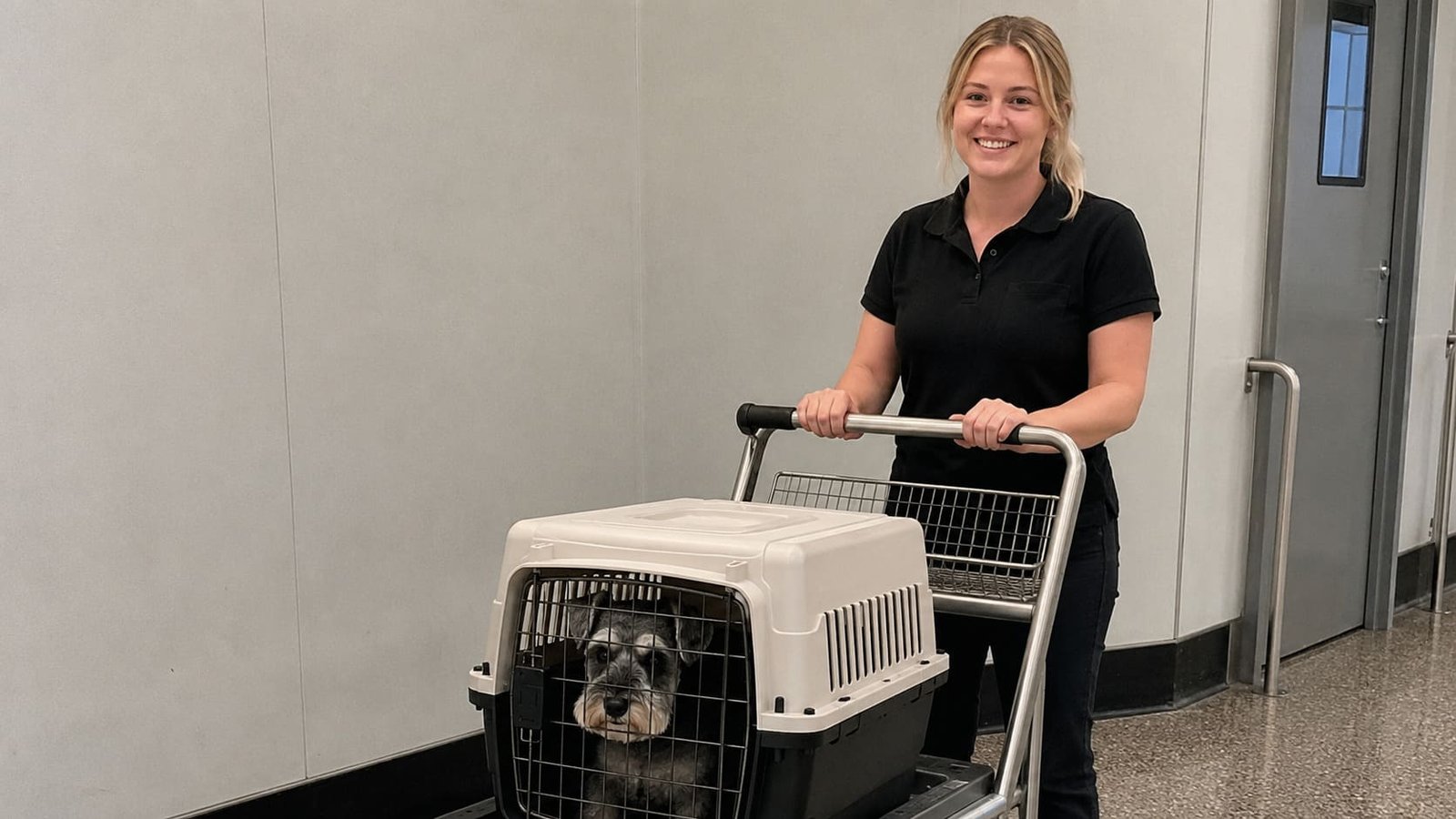
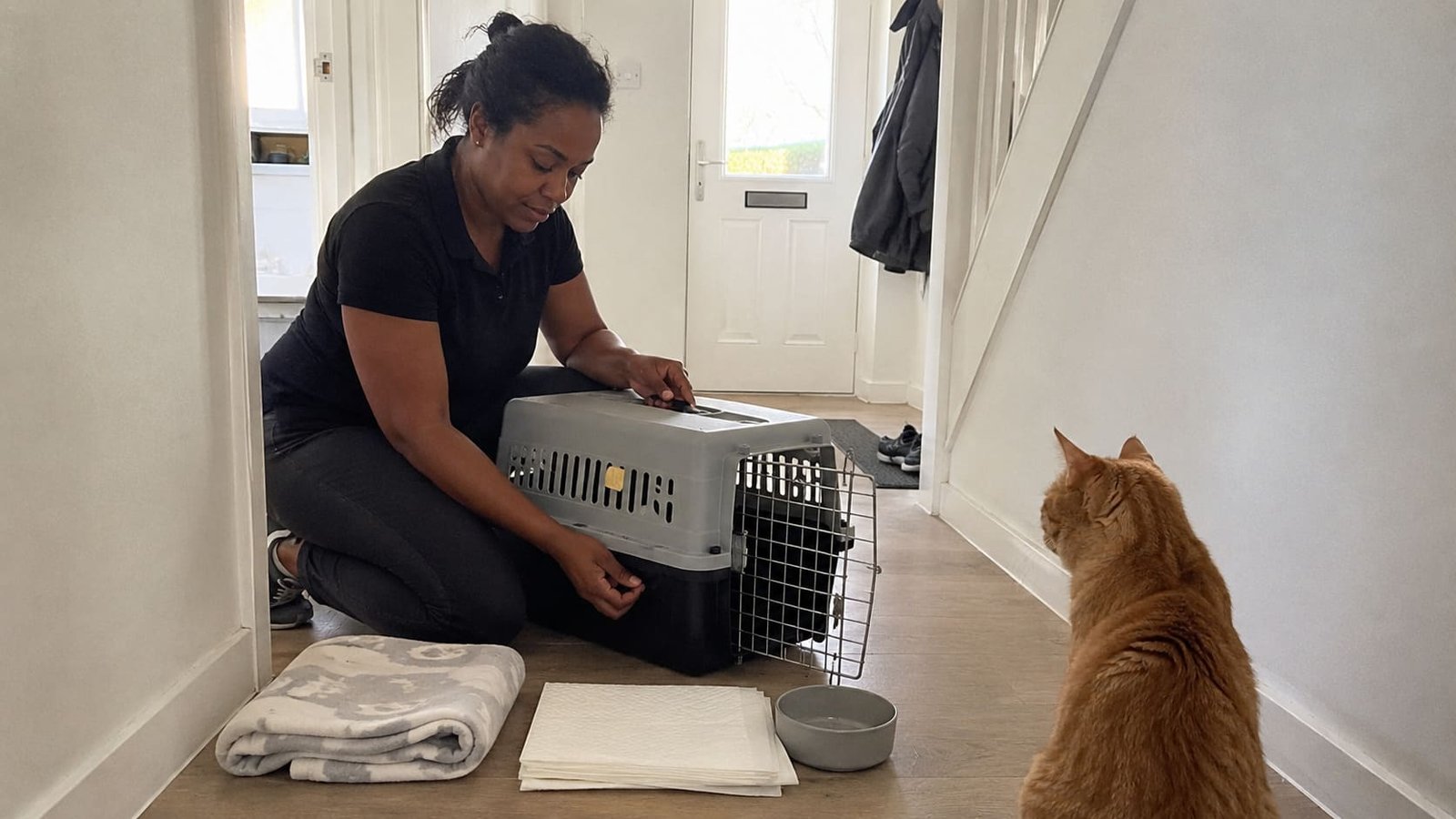
Travel crates must follow the International Air Transport Association’s Live Animal Regulations. A compliant crate allows your pet to move naturally and stay secure throughout the journey.
Key points:
-
Choose a crate that allows your pet to stand, turn and lie down fully
-
Fit two spill proof water containers
-
Line the base with absorbent bedding such as vet fleece
-
Add visible labels and your contact information
-
Attach travel documents in a sealed plastic wallet
The more familiar your pet is with the crate, the easier the journey will be. Use daily crate time in the weeks before the move.
6. What paperwork do you need to move your pet to New Zealand?
What official documents must you submit before departure?
You’ll need several documents to meet both UK and New Zealand regulations. These must match exactly in terms of dates, microchip number and vaccination details.
Documents include:
-
MPI issued import permit
-
Veterinary certificate (Appendix I of the IHS)
-
Rabies vaccination certificate showing batch and expiry date
-
Microchip registration and scan confirmation
-
Quarantine centre booking confirmation
-
DEFRA health certificate issued by an Official Veterinarian
-
Animal health certificate, issued within ten days of travel
-
Transfer of Residence approval letter if applicable
Keep paper copies with you and store digital backups in your phone or email.
Unsure Where to Start with Pet Travel Paperwork?
Let us guide you through every DEFRA and MPI requirement with no steps missed.
7. What happens during pet quarantine in Auckland and how can you prepare?
What is the quarantine process like for pets entering New Zealand?
All pets from the United Kingdom must spend ten days in a Post Entry Quarantine facility near Auckland. These facilities are registered with MPI and have trained animal care teams on site.
What to expect:
-
Vets inspect pets on arrival and monitor them daily
-
Pets are kept in clean, comfortable enclosures with food and water
-
You can send one or two comfort items such as a toy or blanket
-
Owners cannot visit, but many centres offer daily updates or photos
Each centre has slightly different rules, so contact them in advance to confirm what you can pack with your pet.
8. How can a pet relocation service help make this easier?
What do pet travel companies offer for international relocation?
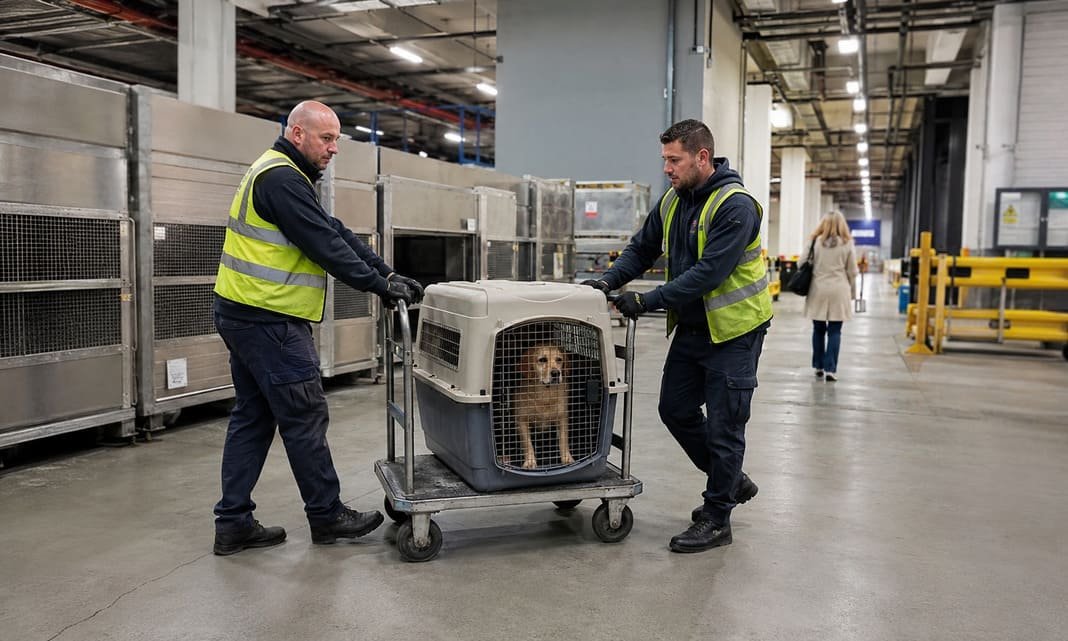
Professional pet relocation services support you from start to finish. They coordinate with government agencies, airline handlers and DEFRA certified veterinarians.
Services may include:
-
Filing your MPI import permit application
-
Arranging appointments with DEFRA approved veterinary clinics
-
Coordinating the animal health certificate within ten days of departure
-
Securing a booking at a PEQ facility
-
Booking pet flights with approved international animal transport partners
-
Providing guidance on quarantine discharge process and compliance
These international pet transport agencies simplify what can otherwise be a stressful and highly regulated process. UK pet owners moving to New Zealand often find that working with a relocation agency prevents errors and gives reassurance.
For the most up to date entry rules and requirements, visit the Ministry for Primary Industries and Gov.uk Pet Travel Guidance.