
What are the signs of a stressed cat during travel and how can you tell if your cat is struggling?
Some cats cope with travel, while others show clear signs that something is not right. Meowing constantly, hiding in the cat carrier, trembling, or panting can all mean your cat is feeling anxious. Understanding these behaviours and knowing what helps can make trips feel more manageable. This article walks you through what signs to look for and how to help your cat stay calm on the move.

Here's What We Have Covered In This Article
Recognising Travel-Related Behavioural and Physiological Signs
Not all stress signs are dramatic. Some cats go quiet and freeze, others try to escape or meow without pause. A few might urinate or defecate in the carrier. These are signals of emotional and physiological discomfort.
Common signs of travel anxiety in cats include:
-
Reluctance to enter the carrier
-
Excessive meowing or growling
-
Panting or drooling
-
Sudden urination or defecation
-
Tense body posture or rigid movements
You might also notice wide pupils, flat ears, or frantic grooming. These reflect activation of the sympathetic nervous system, which triggers the fight or flight response. Stress hormones like cortisol are released, affecting digestion, cardiovascular rate, and behaviour. If these signs appear each time you travel, it’s time to rethink how your cat is prepared and supported.
Pro Tip:Test any calming supplements or medications at home well before your travel day to make sure your cat reacts positively.

Want Your Cat To Travel Stress Free?
How Do Early Experiences Shape Travel Tolerance in Cats?
Cats that were gently socialised with carriers and short trips during kittenhood are more likely to travel with confidence. Without this early exposure, travel can feel unpredictable and frightening. Triggers like carrier movement, engine sounds, or new scents can cause instant tension.
Cats that link carriers with unpleasant outcomes, like vet visits, may show anxiety before the journey even begins. This anticipatory stress can result in elevated cortisol levels and increased physical sensitivity. Over time, chronic stress can influence health. Feline lower urinary tract symptoms (FLUTS), Pandora Syndrome, and digestive flare ups are often worsened by poor stress management.
A consistent, calming routine early in life can make your cat less reactive and more adaptable to future travel.
Can Travel Be Made Less Distressing for Cats?
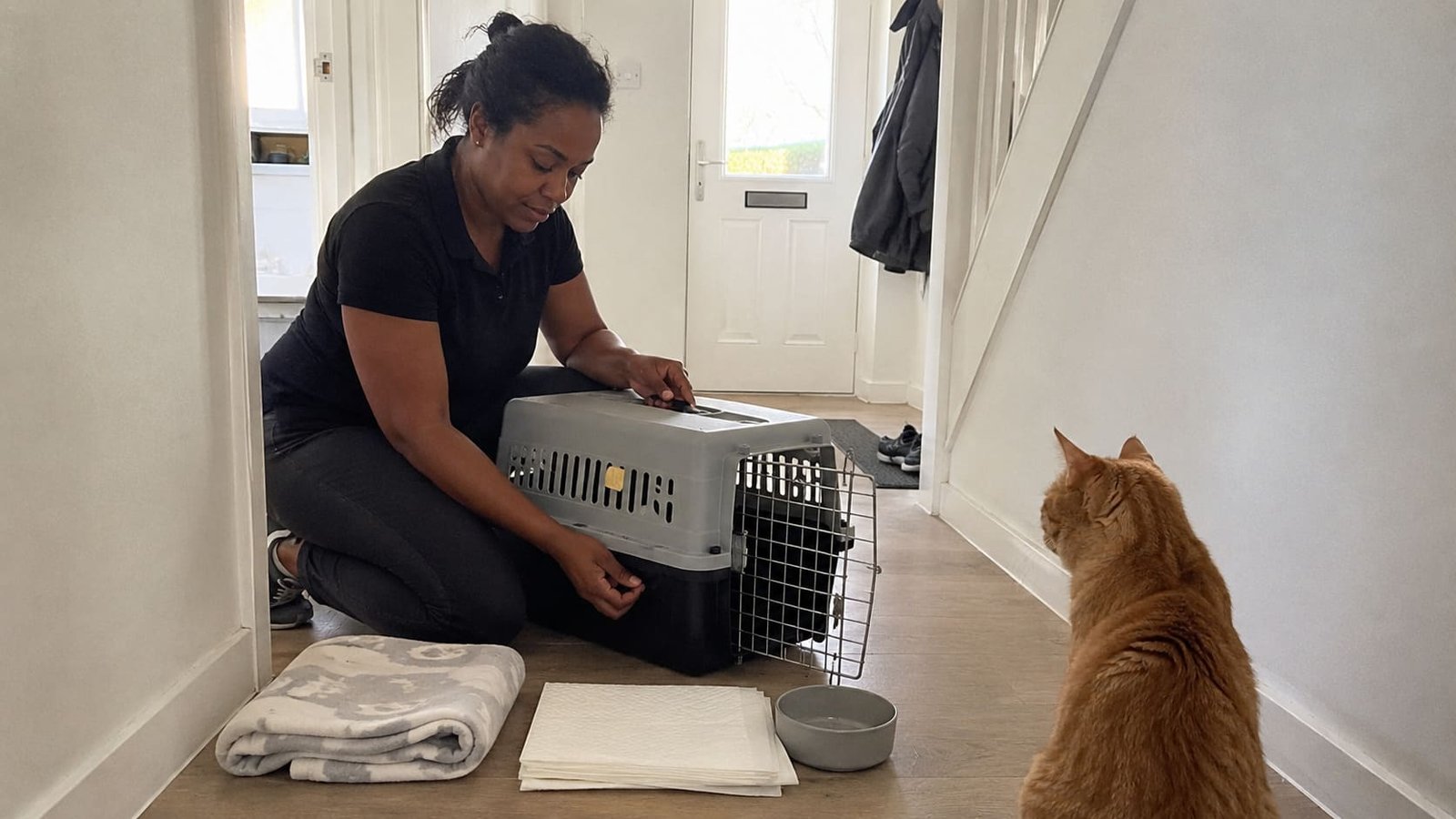
Yes, and the best improvements come from changes that respect how cats experience space and safety. Use a cat carrier that is secure but roomy, lined with soft bedding, and includes a familiar scent—like a blanket from home. Mesh panels allow air and light without exposing your cat to too much stimulation.
Leave the carrier out in your home, so your cat can enter it on their own terms. Reward interest in the carrier with treats or toys. Feeding your cat inside occasionally also helps build positive association.
Sound plays a big role too. Some cats respond well to soft music or white noise in the car. It reduces sharp external sounds that might otherwise keep them on edge.
Use calming tools like Feliway Travel Spray. Apply it inside the carrier 15 minutes before travel to mimic natural facial pheromones. These pheromones help cats feel secure and are proven to support emotional balance during transport.
Pro Tip: Let your cat explore the carrier daily without pressure—feeding them inside helps turn it into a safe, familiar place.
What Calming Tools and Veterinary Options Are Available for Travel?
There are a range of cat calming products and techniques that support smoother travel. For mild cases, natural calming aids like valerian root, silver vine, and catnip may help certain cats relax. For general support, nutraceuticals like Zylkene (which contains alpha-casozepine) or supplements containing L-tryptophan can be added into the routine.
For moderate to severe stress, consult your vet. A veterinary behaviourist may recommend a mild sedative or anti anxiety medication. These can be especially helpful for cats that need to fly, move house, or attend frequent medical appointments.
Testing medication before the travel date ensures your cat responds calmly and does not react unpredictably. Always follow dosing advice from a professional.
How to Plan a Safe Journey and Support Long-Term Travel Confidence
Advance preparation reduces stress for both cat and owner. Pack a familiar toy, your cat’s usual food, a non spill water bowl, and a portable litter tray. Avoid feeding right before the journey to minimise the risk of motion sickness.
Once you arrive, set up a space that feels like home. Use the same bed or blanket your cat used in the carrier. Set out food, water, and litter in a quiet spot. Give your cat time to explore slowly, and allow access to hiding spots.
With each positive travel experience, your cat’s confidence grows. Use gentle handling, soft voice tones, and give praise for calm behaviour. Over time, short trips can lead to more relaxed longer journeys, especially when the carrier becomes a familiar, non threatening part of your cat’s routine.
We Offer High Level Cat Transportation Welfare
Bonus Insights: New Ideas That Could Help Your Cat Travel Better
Could wearable tech help track stress on the move?
New smart collars are being trialled for cats that track heart rate, breathing patterns, and movement. These wearables, like Tailio or PurrSong, can help owners understand their cat’s stress levels throughout a journey. They are especially helpful for cats that mask their discomfort and show fewer outward signs. Data from these trackers may also help vets fine tune support plans.
Are there alternatives to traditional pheromone sprays?
Alongside products like Feliway, researchers are exploring newer types of pheromones based on the chemical cues used by mother cats to soothe their kittens. These maternal scent mimics may be more effective for cats that do not respond to facial pheromones alone. Oral scent compounds and multi surface scent systems are also being tested in early trials.
How can scent mapping be used before travel?
Familiar scent layering can help ease transition. Rather than just placing a used blanket in the carrier, rotate two or three items like bedding, toys, and clothing with your scent several days before the trip. This approach creates a scent map your cat can follow from home into the travel setting, which increases confidence.
Can apps and smart devices support travel planning?
Some motion sensors and behaviour apps can detect stress indicators like restlessness or changes in vocal tone. Apps connected to smart devices can log your cat’s movement or hiding time before and during the journey. These can help spot patterns that are hard to see with the eye alone, making preparation more informed.
Should you consider a pre travel teleconsultation?
Behavioural support before travel is more effective than reacting afterwards. Veterinary teleconsults can provide quick, personalised advice for travel anxiety. They can also advise whether nutraceuticals, prescription options, or gradual desensitisation would be most useful based on your cat’s history.
Final Thoughts: Helping Your Cat Feel Settled on the Move
Travel can unsettle even the most relaxed cats. But with a calm carrier space, supportive products, and a bit of planning, you can make it manageable.
Watch for early signs of stress, adjust your approach based on your cat’s needs, and seek support where necessary. These small efforts can make a big difference by turning dreaded travel into a routine your cat can handle with confidence.