


What is a temperature embargo for pets flying from the UK?
A temperature embargo is a temporary restriction used by airlines to stop pets from being transported when outside temperatures are too extreme. These weather-related restrictions are put in place to protect animal welfare and can apply at any stage of a pet’s journey, including during layovers or at the final destination. Even if the weather in the UK is mild, pet flights may still be cancelled or delayed if temperatures are unsafe elsewhere on the route. This is especially important for owners researching UK pet flights and extreme temperatures.
Here's What We Have Covered In This Article
Why airlines use temperature embargoes for pets
It’s about safety, not inconvenience
A warm day may seem fine for travel, but for animals in cargo or holding areas, it can be unsafe. A temperature embargo functions as a stop signal to protect pets. These pet flight weather restrictions UK are based on specific animal safety concerns.
Embargoes aren’t arbitrary rules
These measures are based on the IATA Live Animal Regulations and each airline’s operational guidance. Animal welfare is the main concern. For instance, a flight connecting in Dubai may be stopped if it’s too hot there, even if London’s temperature is ideal. This reflects wider airline operational rules.
Myths UK owners may believe
- “This only affects hot countries” – Cold weather can also result in embargoes.
- “It won’t happen if I’m flying from the UK” – Flights from the UK may still be impacted by conditions elsewhere.
How airlines decide when it’s too hot or cold for pets to fly
What temperature is too hot or cold for pets to fly?
Airlines consider several criteria before approving pet transport:
- METAR system weather readings from each airport on the route
- Time of day, since midday is usually the hottest period
- Time pets are outside on the tarmac (ramp exposure time)
- Availability of temperature-controlled cargo holds
Forecasts may be monitored in advance, but real-time weather conditions usually determine the final call. These evaluations follow internal flight safety protocols.
Key people involved
Several teams manage this process:
- Airline operations control monitors temperature risk
- Ground handlers manage animal loading and unloading windows
- Live animal acceptance staff check that standards are met.
Pro Tip: Book early morning flights whenever possible to reduce exposure to extreme temperatures.
Speak to a Pet Relocation Specialist
Unsure if your pet can fly? We’ll help you plan a safe route and avoid weather disruptions.
Why UK departures are still affected by weather in other countries
Why are pet flights from the UK cancelled due to weather abroad?
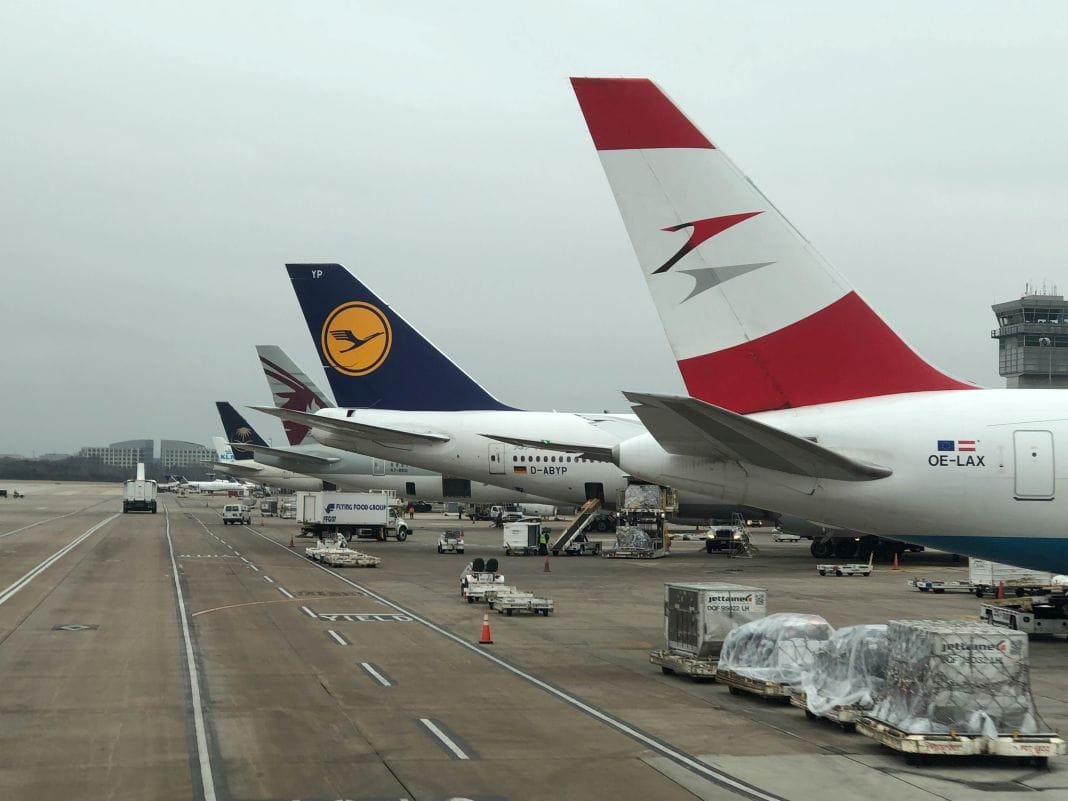
Many long-haul pet flights involve stops in cities such as Frankfurt, Doha, or Chicago. If temperatures at any of these points fall outside acceptable ranges, the animal may not be cleared to fly. These international pet flights via hot airports are especially vulnerable in summer.
The weakest link matters most
Any one airport on the route with unsuitable conditions can affect the whole flight. Temperatures of 40°C in Qatar or freezing conditions in Canada may result in cancellation. This highlights why pet travel depends on route weather.
Example scenarios
- UK to Australia via Doha: If Doha has a heat warning, the animal cannot transit.
- UK to Canada in winter: A cold snap at the destination may cause a delay or refusal.
How connection airports create the highest risk for temperature embargoes
What happens to pets during flight connections?
Connections pose risks due to:
- Extended ground time between flights
- Lack of climate-controlled holding spaces
- Busy ramps that delay pet transfers during extreme weather
How to reduce the risk of connection airport heat embargoes
Opt for night or early morning flights. Choose cooler connection points where possible. These are practical route planning constraints that reduce the likelihood of disruption.
Which pets are most at risk during extreme temperatures
Which dogs and cats are most at risk flying in heat?
Pets more prone to weather stress include:
- Flat-faced (brachycephalic) breeds like Bulldogs and Pugs
- Older pets and those with breathing or heart issues
- Young, underweight, or overweight animals
Your vet can advise whether your pet is fit to fly and provide a certificate if needed. This is particularly relevant for those checking brachycephalic pet travel temperature limits.
What actually happens behind the scenes when an embargo is triggered
What is the process when a pet flight is cancelled due to temperature?
- The airline receives a temperature warning.
- Systems flag bookings involving live animals.
- Pets already at the airport are moved to secure holding areas.
- The airline decides whether to proceed, delay, or rebook.
- The owner and their transport agent are updated.
Each action is part of the airline’s structured risk assessment procedures.
Worried About Flight Cancellations?
Learn how to reduce risk with the right timing, airline, and expert support.
Seasonal patterns UK owners should know before booking a pet flight
What time of year is best for flying pets from the UK?
- Summer: Airports in hot regions like the Middle East can exceed safe temperatures.
- Winter: Northern climates may drop too low for safe travel.
- Spring and Autumn: Milder, but unpredictable.
- Flight times: Choose cooler parts of the day.
Knowing seasonal risks at each point of the journey helps avoid issues. It supports choosing the best time of year to fly pets from UK.
Practical steps to reduce the risk of weather disruption for your pet
How to avoid pet flight cancellations due to heat
- Choose airports and routes with mild weather records.
- Book flights in early morning or late evening where possible.
- Consult with pet travel experts before confirming.
- Plan backup flights and allow buffer time.
- Get a vet check and follow guidance for hydration and comfort.
These steps help in reducing risk of temperature embargo pet flights.
Pro Tip: Always build in buffer days in case your pet’s flight needs to be rescheduled due to weather.
What to do if your pet’s flight is cancelled because of temperature limits
What to do when a pet flight is cancelled for heat
- Ask staff for the reason and next steps.
- Check your pet is moved to a safe holding area.
- Request new routing or flight options.
- Note key conversations and decisions.
- Keep your pet hydrated and calm while waiting.
This helps in handling a pet flight cancellation due to temperature UK situation efficiently.
How professional pet transport experts help with temperature restrictions
How pet relocation companies handle weather risks
Specialist pet travel services provide valuable support:
- Track weather forecasts and METAR reports for all route segments
- Liaise with ground staff and airline pet departments
- Choose optimal timings and safer stopover combinations
- Offer fast rebooking options if disruption occurs
Firms like Tailored Pet Travel coordinate these services. If you’re considering using a pet transport company for weather risks, expert support can make all the difference.
Final guidance for UK owners planning pet travel in changing climates
Planning UK pet travel around weather risks
As extreme weather becomes more common, proactive planning is essential. You can manage the risk by choosing sensible routes, flexible times, and working with professionals. Companies like Tailored Pet Travel assist owners through every stage. With the right preparation, even challenging weather does not need to stop your pet from flying safely. This matters now more than ever, given the growing concerns around the future of pet flights and temperature limits.