What specific support do pet transport services deliver on the day of travel?
Pet transport services manage risks, reduce stress, and provide hands-on support for pets and their owners throughout every stage of travel day. Their expertise ensures compliance, safe handling, continuous welfare monitoring, and clear communication, giving owners peace of mind during even the most complex journeys.
Here's What We Have Covered In This Article
Setting the Scene: Why Travel Day Support Matters
Travel day is when the true test of pet relocation begins. Even after careful planning, this moment can bring a surge of uncertainty, anxiety, and last-minute complications. For many owners, the emotional attachment to their pet creates a unique pressure, where every detail feels urgent and any error can have significant consequences.
Common sources of travel day stress include:
- Unfamiliarity with airport or transport protocols
- Sudden issues with documents, such as missing stamps or expired certificates
- Pets sensing stress, which can affect their comfort and behaviour
- Unexpected logistical problems, like traffic, delays, or changes to travel arrangements
Routine journeys can quickly become high-stakes when regulations or well-being are at risk. Some assume pet transport is a matter of booking a ride, but the reality is more complex. Professional oversight is critical, especially when border rules change or when a single oversight could delay or even prevent a pet’s safe arrival.
Pro Tip: Choose a transport service that provides real-time updates, so you stay informed about your pet’s location and wellbeing.
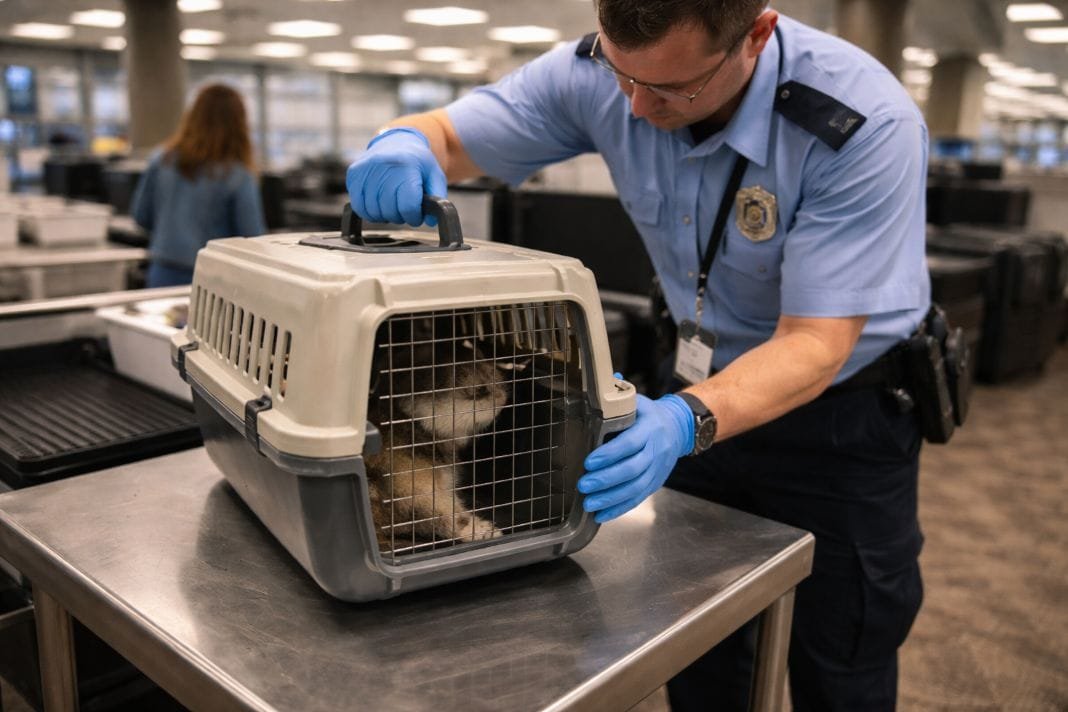
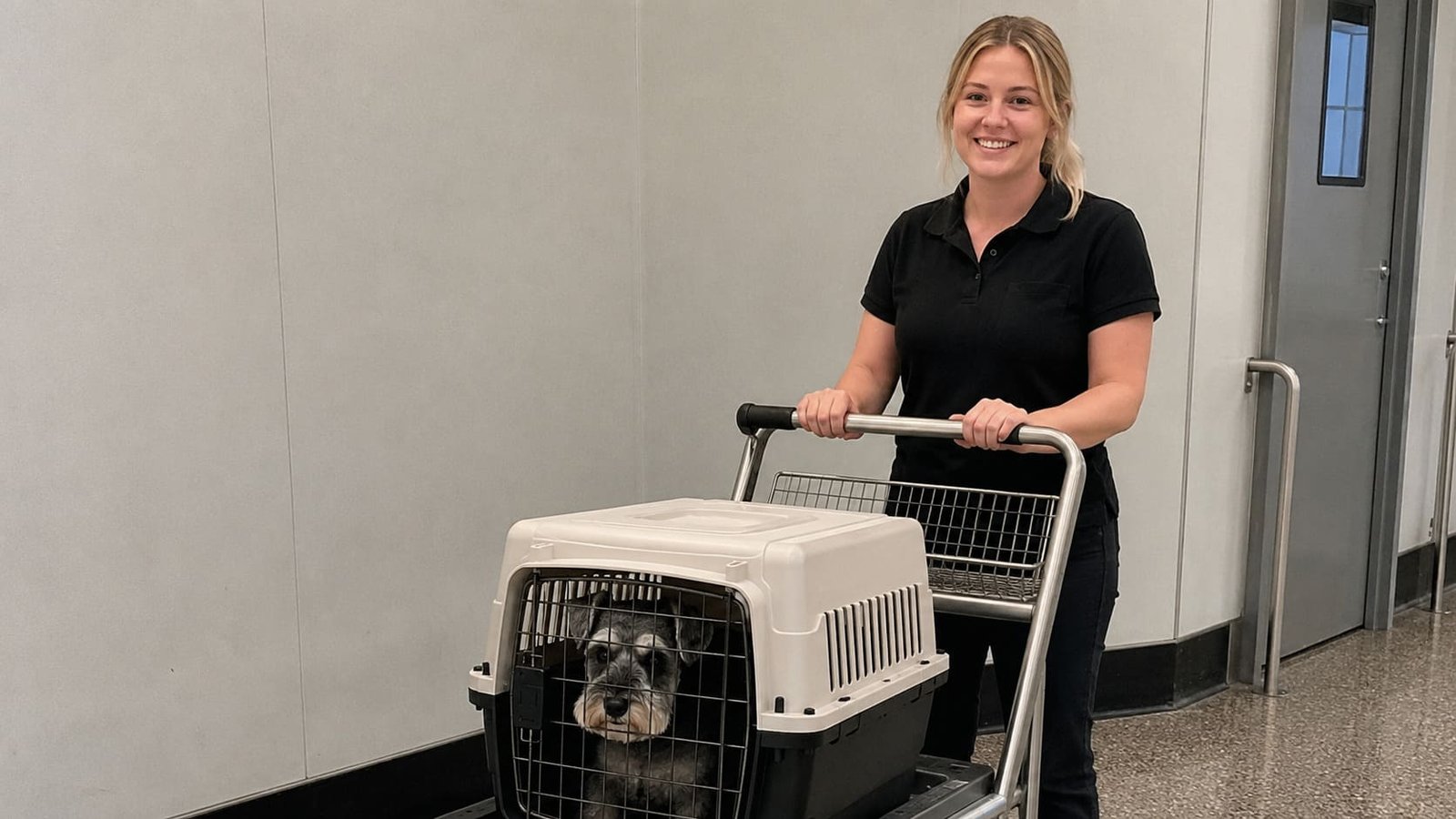
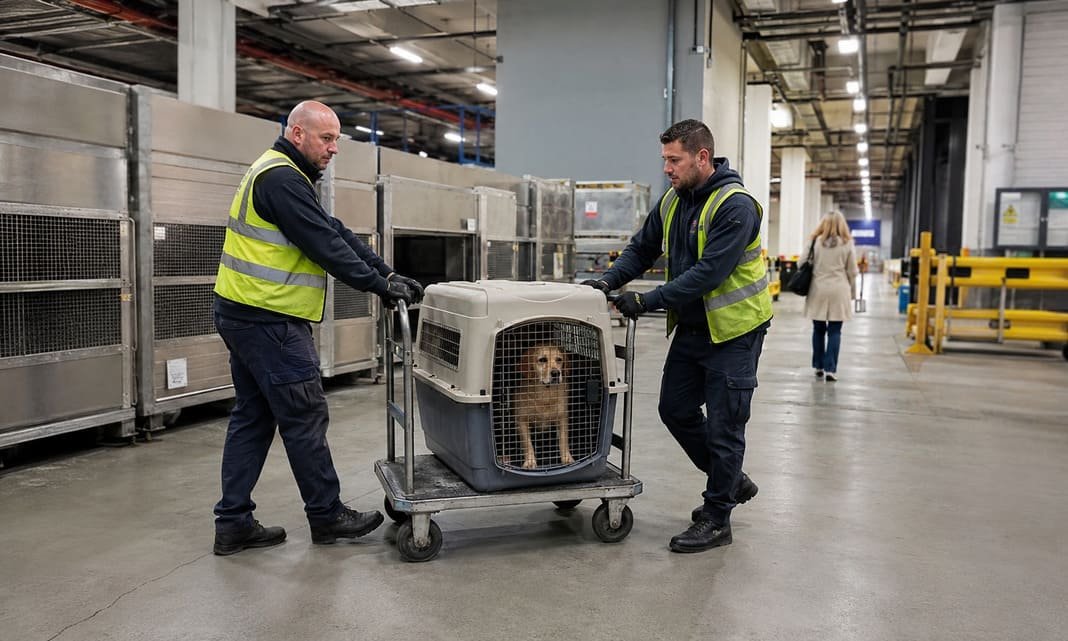
An illustrative image of a pet carrier being carefully checked by a staff member at an airport terminal
Get a Custom Pet Travel Plan
Request a detailed plan covering documents, care, and logistics for your upcoming pet relocation.
Pre-Departure Support: Final Checks and Handover
Before every process begins, quality pet transport services conduct thorough final checks. These checks happen at the very point where small errors could become major obstacles.
Key outcomes at this stage include:
- Full documentation review: Every health certificate, DEFRA-authorised document, and import or export paper is double-checked for accuracy and validity.
- Health and welfare assessments: Veterinary checks confirm that pets are fit to travel, and handlers ensure that microchips and crate suitability meet current regulations.
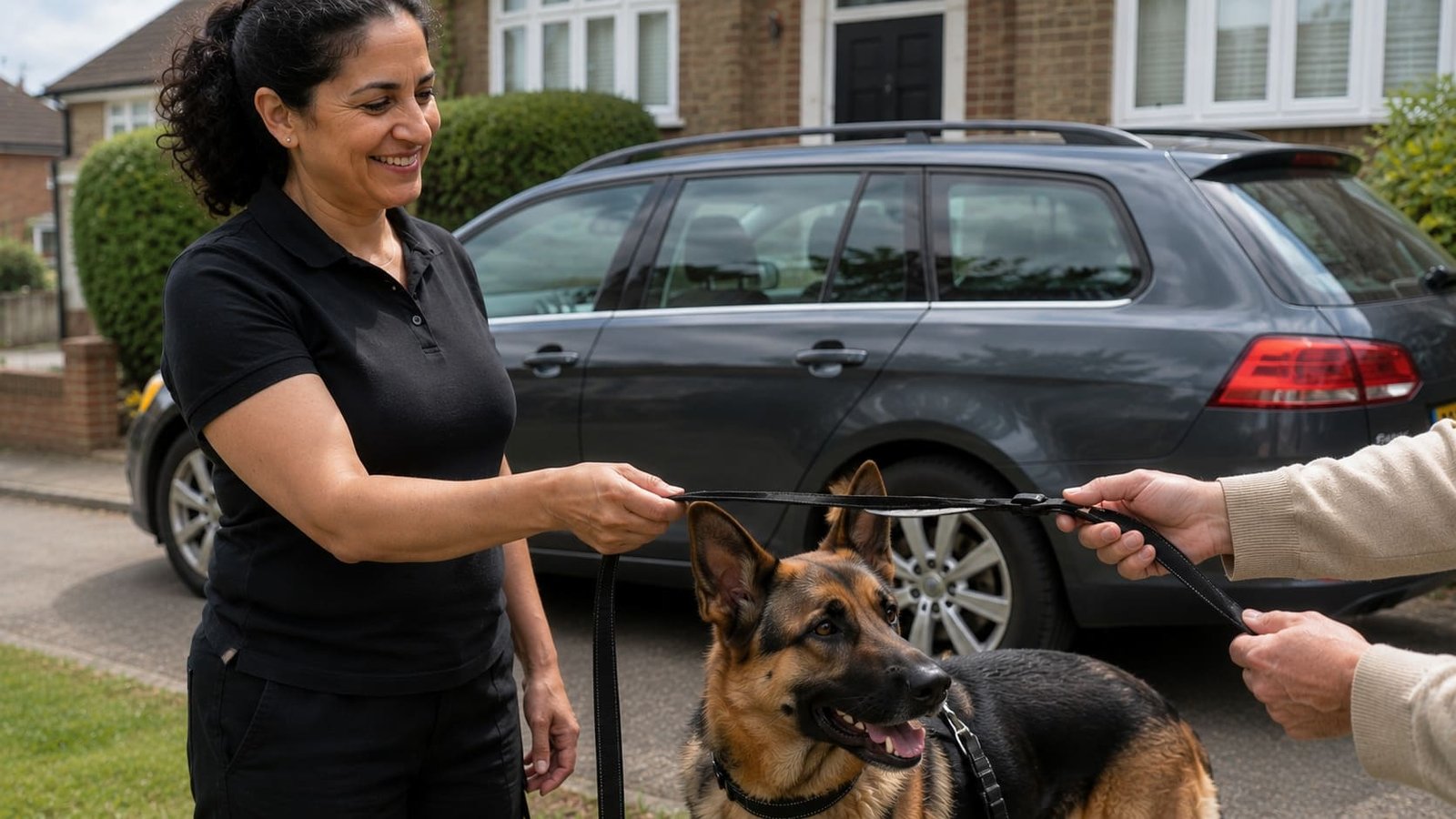
- Structured handover: The transition from owner to handler is managed calmly and efficiently, reducing distress both for the pet and their owner.
This layer of professional scrutiny offers reassurance that everything required for a smooth process is in place. Knowing that experts have scrutinised every detail gives owners space to focus on their pet’s comfort rather than paperwork or logistics.
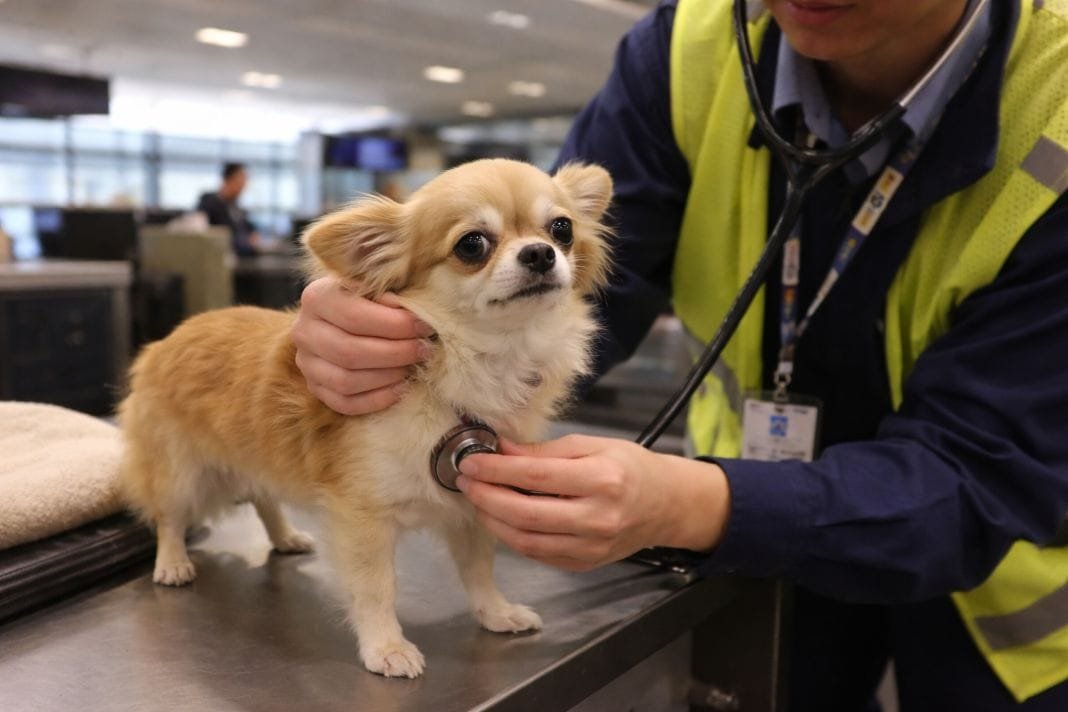
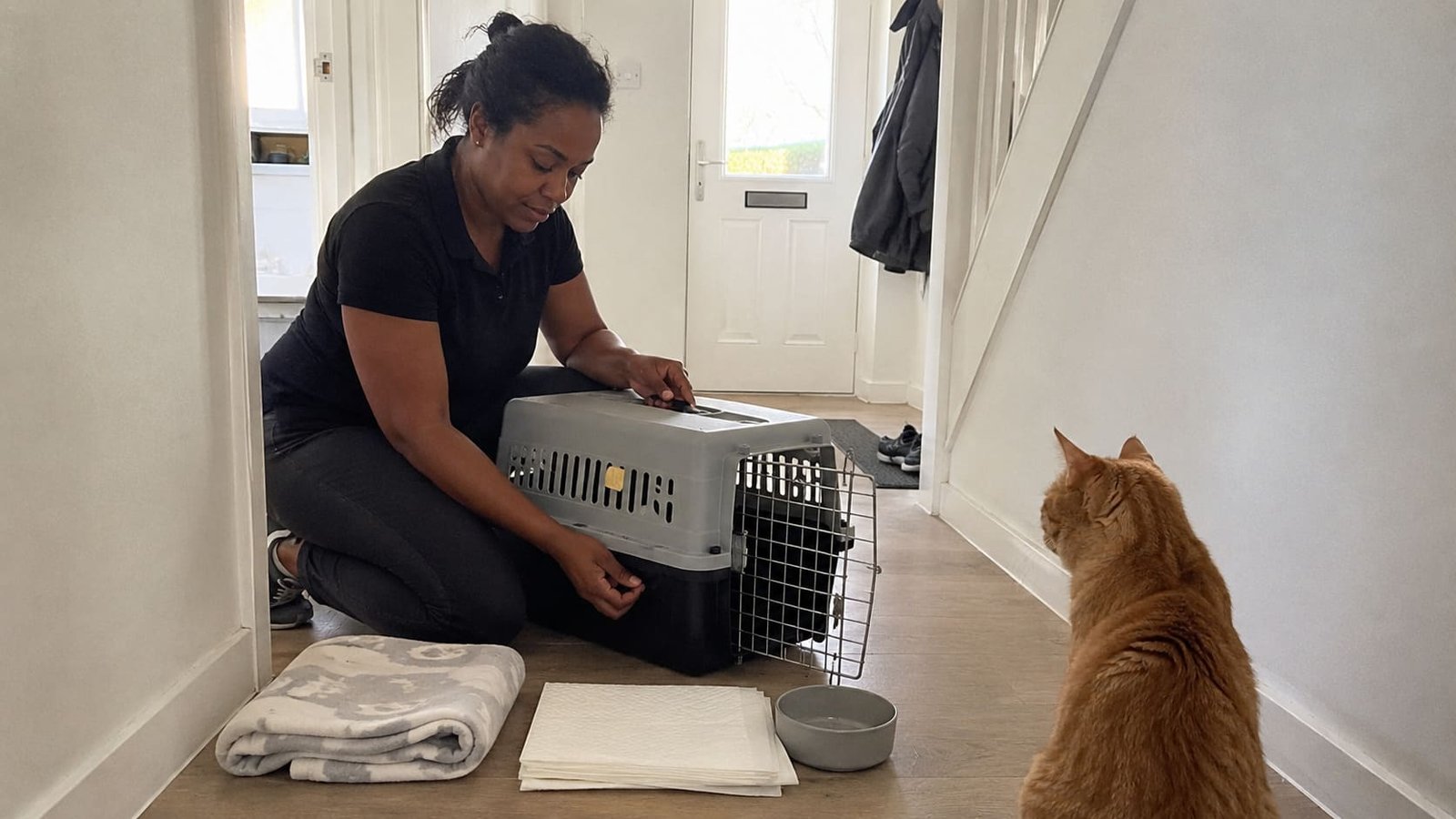
An illustrative image of a small dog receiving a gentle health check from a uniformed handler before air travel
In-Transit Care: Animal Welfare and Monitoring
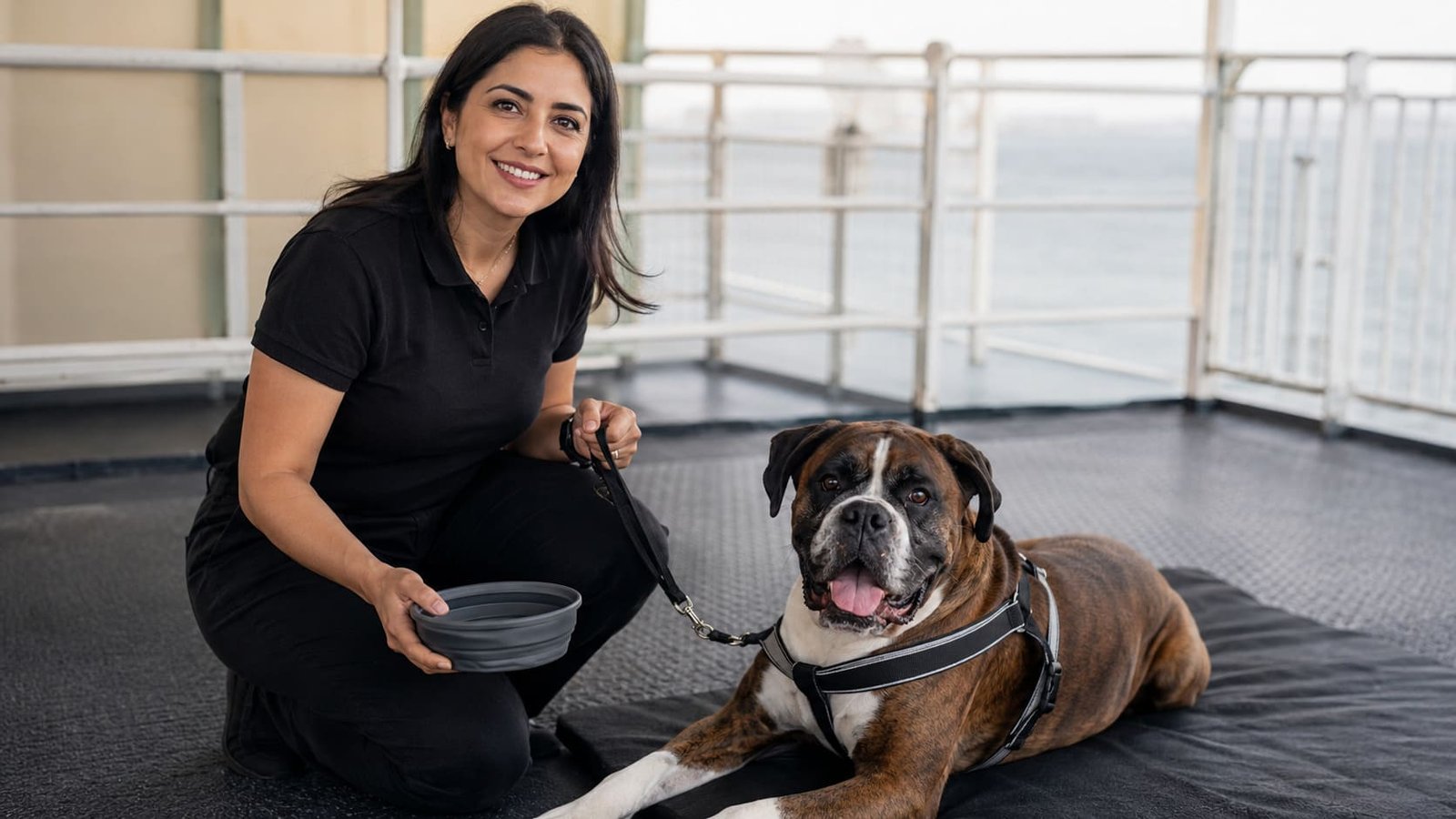
During transit, animal welfare takes centre stage. Professional pet handlers oversee each pet’s well-being, responding proactively to any challenge that arises.
Services include:
- Temperature management in vehicles or holding areas to protect against extremes
- Routine hydration and comfort breaks, suited to each animal’s needs
- Continuous monitoring for signs of stress or health changes, with contingency plans ready if intervention becomes necessary
- Live updates, so handlers and, where appropriate, owners can check the pet’s status in real time
Unlike basic courier services focused on delivery, welfare-led transport prioritises the animal’s comfort and safety above all else. This vigilance reduces the risk of in-transit issues, ensuring that pets arrive in the right condition, both physically and emotionally.
Speak to a Pet Travel Specialist
Discuss your pet’s specific needs and let our team handle every detail of your journey.
Regulatory and Border Support: Working through Compliance
The border crossing can be where travel plans unravel if anything is amiss. Regulatory requirements differ by country, and border authorities may inspect documents or animals at random.
For example, a dog arriving at a European border with an incomplete DEFRA-issued health certificate can face immediate entry refusal. This type of scenario is managed by experienced teams who prepare for potential queries and troubleshoot documents on the spot.
Key ways professional services reduce risk at borders:
- Anticipating and resolving compliance issues before they escalate
- Liaising with customs and border authorities on behalf of owners
- Managing last-minute documentation questions or inspections without panic
- Ensuring that pets are not stranded or denied entry due to clerical errors
Expert intervention at borders means fewer unexpected delays and smoother transitions for both pets and their owners.
Pro Tip: Double-check all veterinary and travel documents at least a week before departure to avoid last-minute delays.
Communication and Updates: Keeping Owners Informed
Clear, consistent communication defines the travel day experience for owners. Silence or vague updates can heighten anxiety, especially when pets are out of sight.
Owners benefit from:
- Status notifications at major handover and transition points
- Timely escalation if any complication arises, ensuring that no news comes as a surprise
- Friendly updates that prioritise clarity over jargon, making it easy for owners to understand exactly how their pet is doing
A typical owner experience involves receiving reassuring messages, such as confirmation when the pet has been checked in, updates en route, and notice of safe arrival. This transparency removes much of the worry, helping owners stay calm and informed throughout the day.
Arrival and Handover: Ensuring a Safe Transition
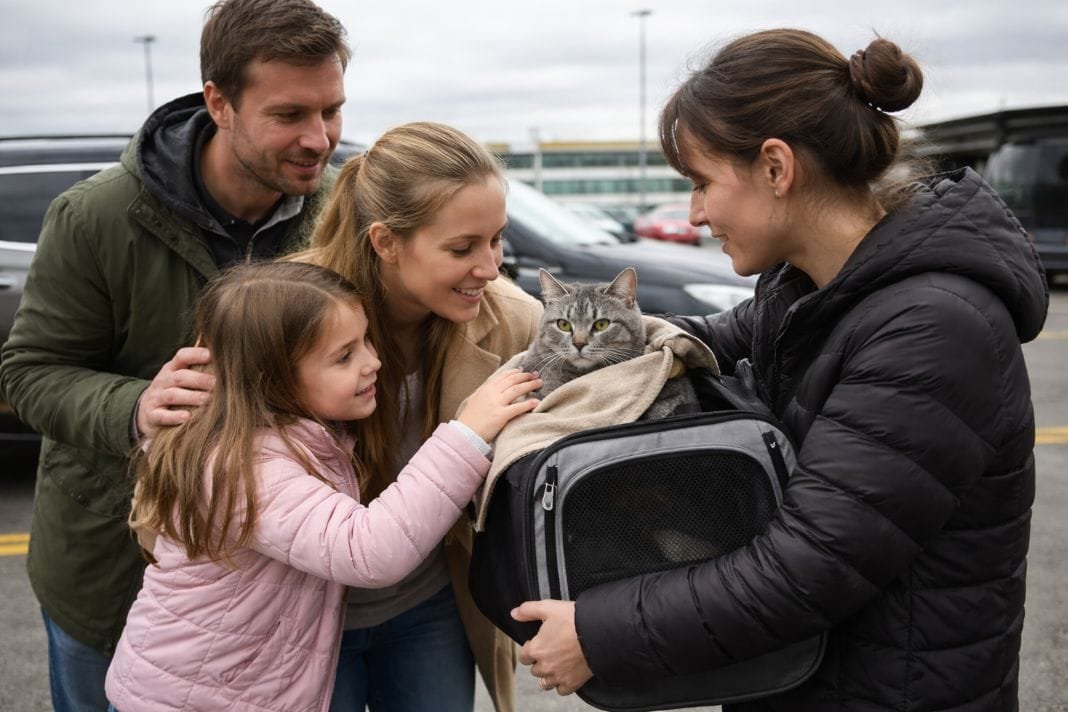
Safe arrival marks the process’s final milestone, but it is also a moment that requires sensitive management. Pets need careful assessment to ensure they have travelled well, and owners or new caretakers expect a smooth transition.
Important steps include:
- Welfare check upon arrival for signs of fatigue, dehydration, or stress
- Secure identification and verification before handing the pet over to the correct recipient
- Calm, structured return of the pet, and avoiding noisy, chaotic environments that might distress the animal
- Opportunity for owners to receive brief post-travel advice if needed
This approach provides a sense of closure and safety. Owners are reunited with their pet in a controlled, supportive environment, reinforcing confidence in both the process and the people who managed it.
When Professional Support Becomes Important
Some situations make professional pet transport support indispensable. Challenge, strict compliance demands, and high emotional stakes mean that expert involvement is not simply a convenience, but a responsible choice.
Scenarios that call for expert support include:
- International relocations where one mistake could result in quarantine or denied entry
- Animals with medical or behavioural needs that standard couriers cannot accommodate
- Tight travel connections or last-minute changes that require regulatory or logistical expertise
In moments where the cost of a mistake outweighs the cost of assistance, companies such as Tailored Pet Travel provide reassurance built on experience and accountability. Professional intervention safeguards against avoidable delays and distress for both pets and owners, transforming travel day from a gamble into a manageable, supported process.