How do pet transport services support nervous or anxious animals during travel?
Professional pet transport services provide specialist care, regulatory oversight, and welfare-led practices to reduce anxiety in nervous animals, ensuring safe and humane journeys that owners may struggle to manage independently.
Here's What We Have Covered In This Article
Understanding Anxiety in Pets During Travel
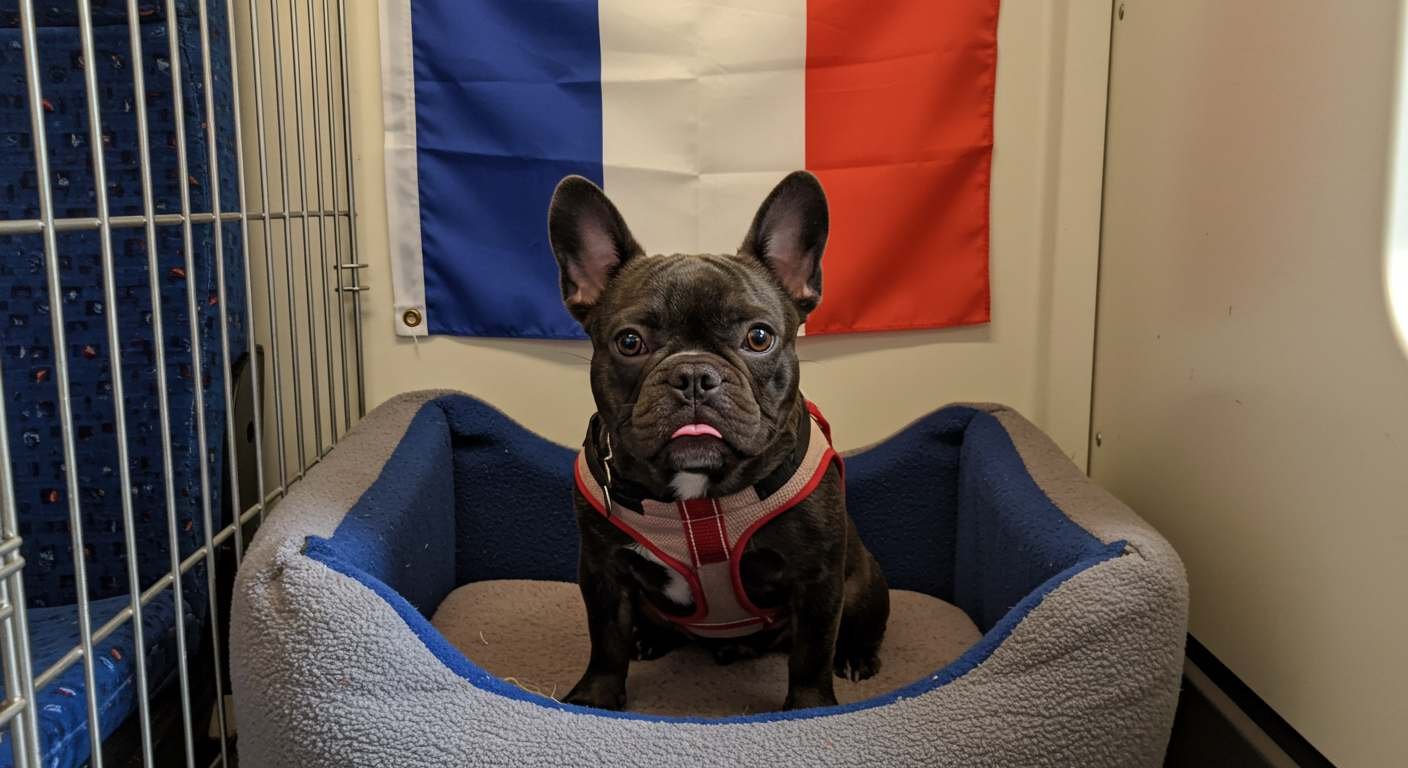
Travel often unsettles even the most placid pets. Unfamiliar sounds, motion, new surroundings, and separation from trusted people can easily trigger animal stress. Owners sometimes underestimate the impact of these changes, thinking their pet will simply adapt, yet signs of distress can be subtle or escalate swiftly.
Common triggers for anxiety during transport include loud or sustained noise, sudden movement, crowded environments, confinement, and exposure to unfamiliar handlers. Dogs may pant, whine, refuse food, or become withdrawn. Cats may become vocal, excessively groom, freeze, or attempt escape. Small animals often show rapid breathing, agitation, or try to hide.
Typical signs of anxiety in pets:
- Trembling or shaking
- Loss of appetite
- Vocalising or whining
- Hiding or cowering
- Panting or drooling without heat
- Reluctance to enter carriers or vehicles
- Unexplained aggression or withdrawal
Sometimes, mild travel stress resolves on its own. However, when anxiety is left unmanaged, it may lead to genuine welfare concerns, including self-injury or escape attempts. Behavioural distress may even prompt regulatory flagging at borders or cause complications with animal authorities. Recognising anxiety early, supported by veterinary advice or animal welfare guidance, can prevent small symptoms becoming major problems. Laboratory guidance from DEFRA and other authorities highlights the need for owners to take these risks seriously.
Owners should understand that travel resilience in pets is variable and not always predictable, especially when facing long journeys or crossing borders.
Pro Tip: Provide a comfort item with your pet’s scent for the journey to reduce stress and create a sense of familiarity.
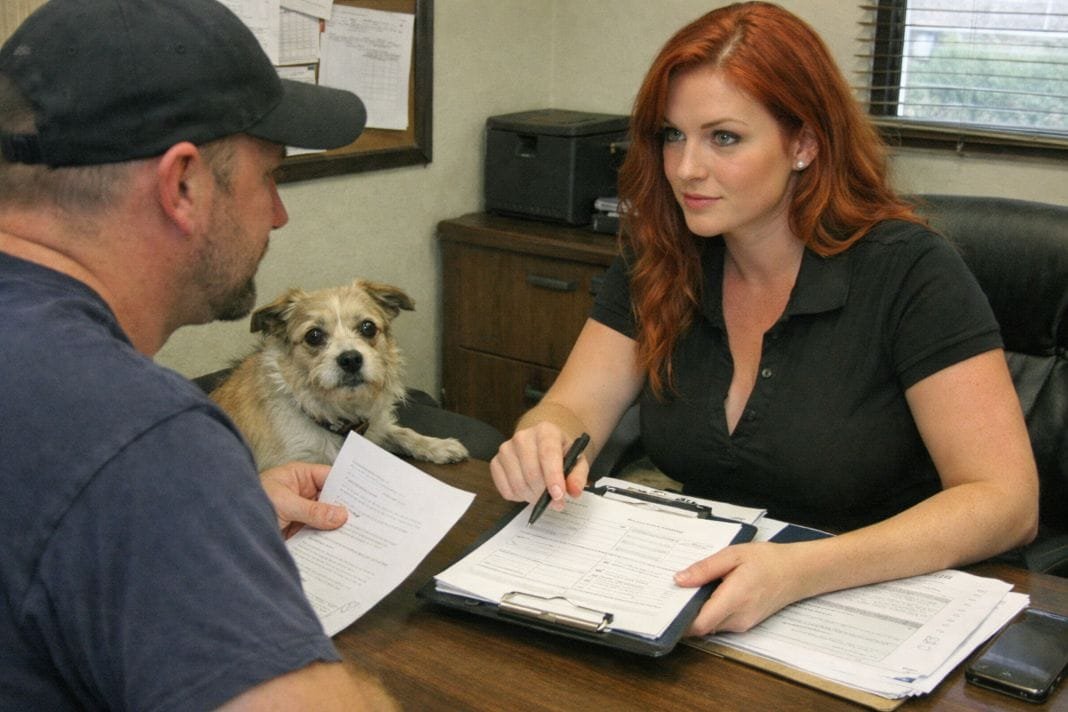
An illustrative image of a transport specialist discussing travel paperwork and checklists in a professional setting
Speak with an Animal Transport Expert
Connect with our specialists for advice on multi-pet travel regulations, documentation, and welfare requirements.
How Professional Pet Transport Services Address Anxiety
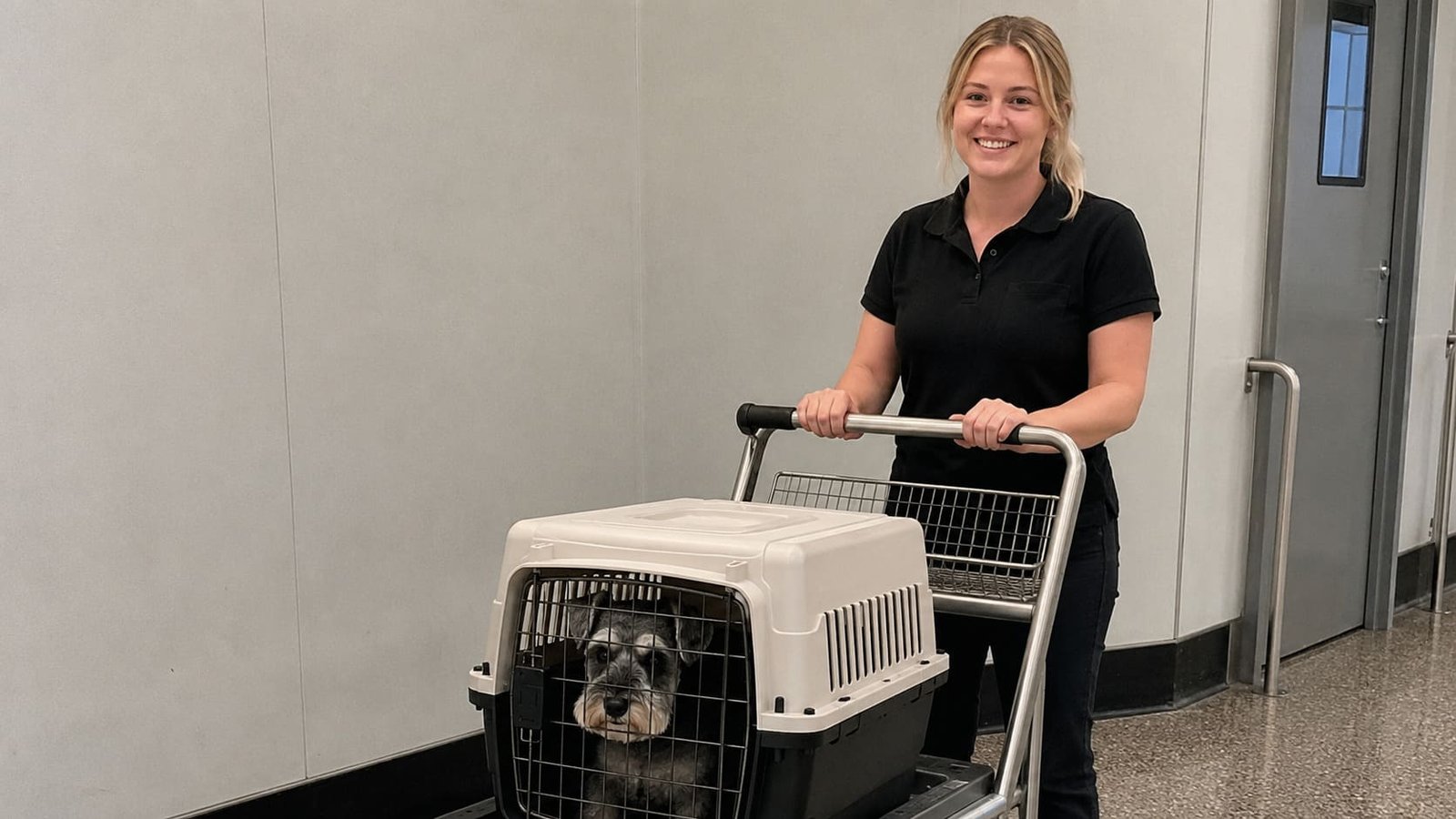
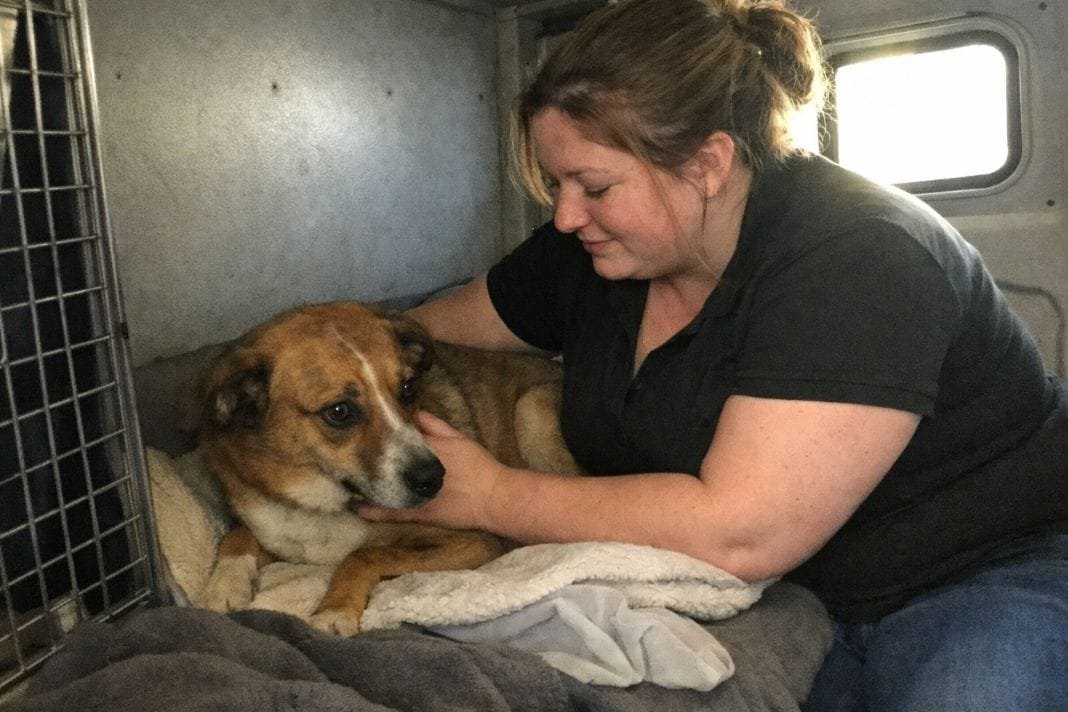
A professional pet transport service brings structure and calm to situations that can seem overwhelming for both pet and owner. The difference between an experienced, welfare-focused provider and informal transport is significant.
Key differences include:
Professional Providers:
- Employ trained animal welfare handlers who understand species-specific stress cues
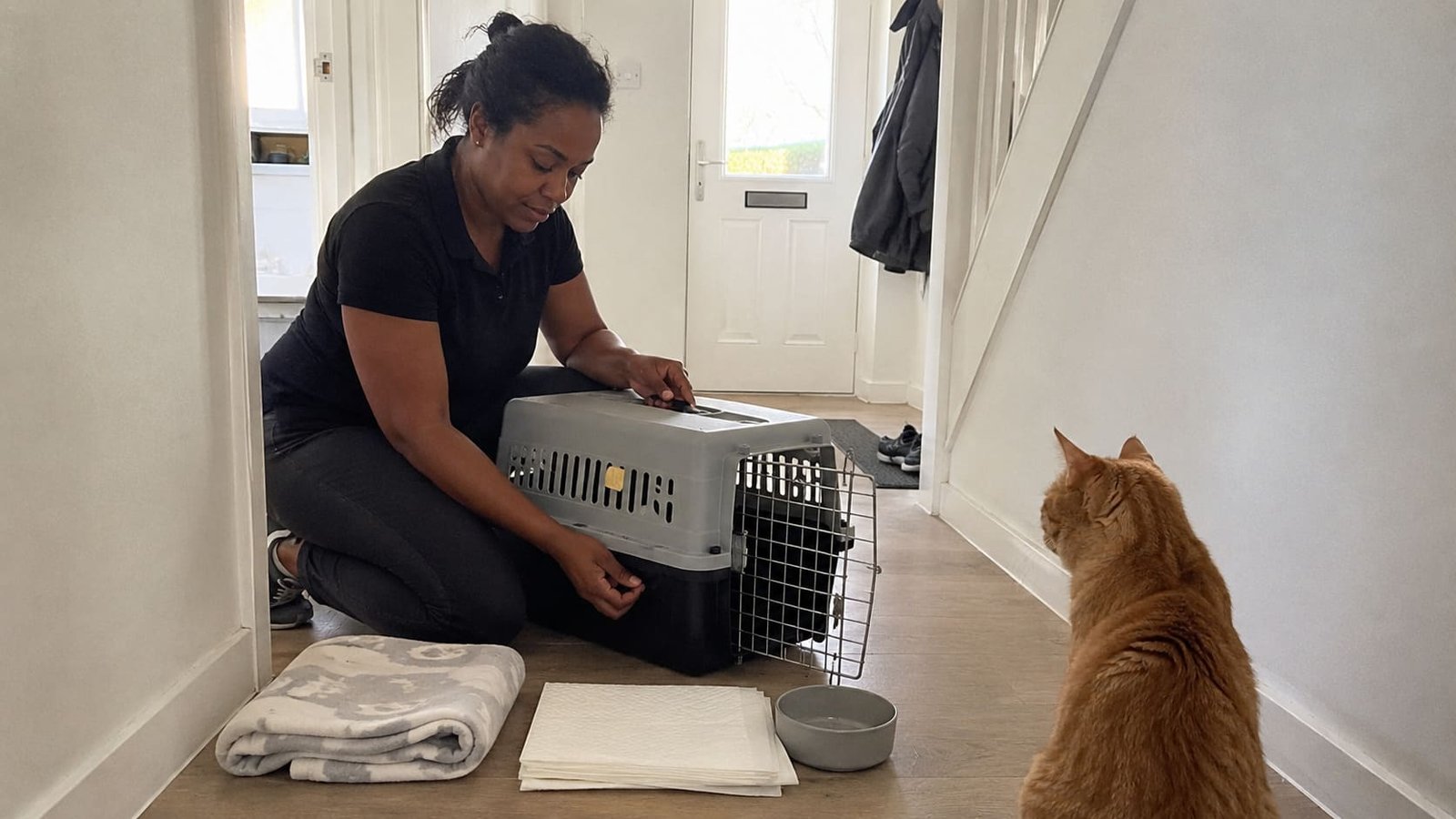
- Use acclimatisation and familiarisation techniques to settle pets before and during travel
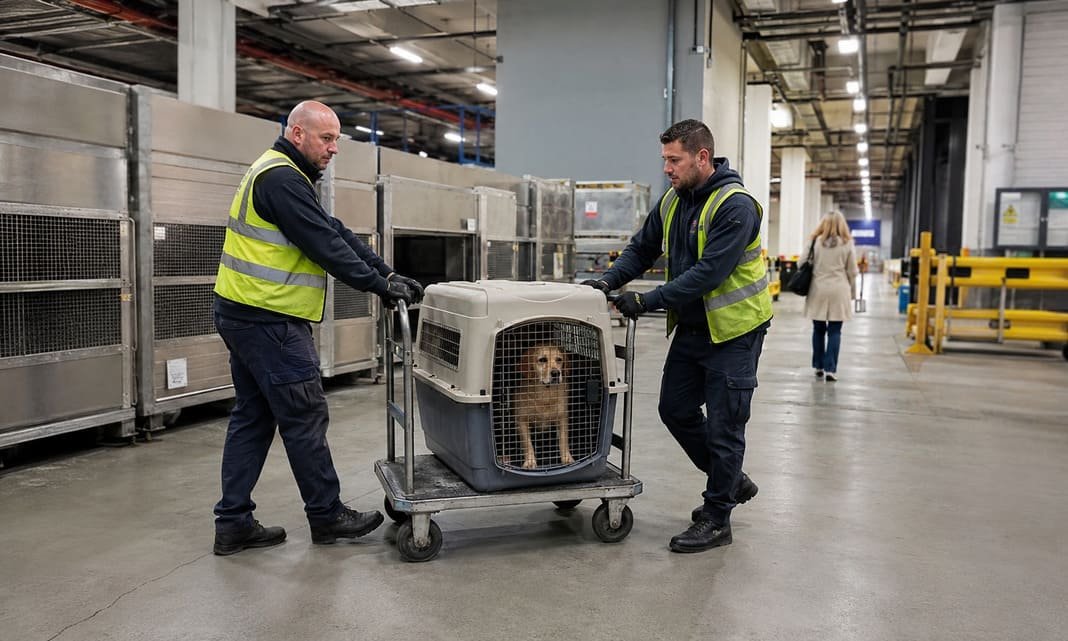
- Maintain real-time oversight, with protocols for monitoring behaviour and responding swiftly if animals show distress
- Apply welfare-led protocols compliant with standards set by DEFRA and the IATA for both domestic and international journeys
- Offer carefully controlled environments that prioritise calm, comfort, and safety
Informal or Untrained Approaches:
- Often lack awareness of subtle anxiety signals or breed-specific needs
- May not use proven calming practices or acclimatisation methods
- Tend to operate without structured monitoring, relying on instinct rather than expertise
- Focus more on logistics than well-being
Experienced handlers can make thoughtful, responsive adjustments if anxiety escalates, such as pausing journeys or modifying environments. Familiar voices, gentle restraint, and continuity of care all contribute to reducing short and long-term stress. The result is a safer trip, but also far greater regulatory confidence and animal welfare protection.
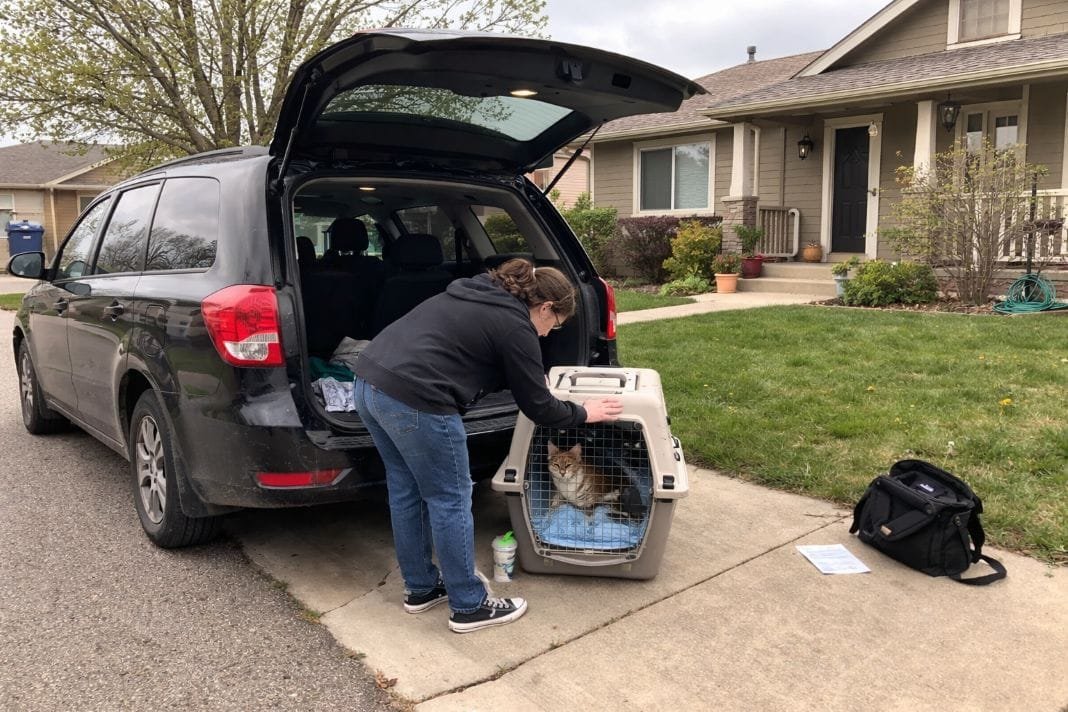
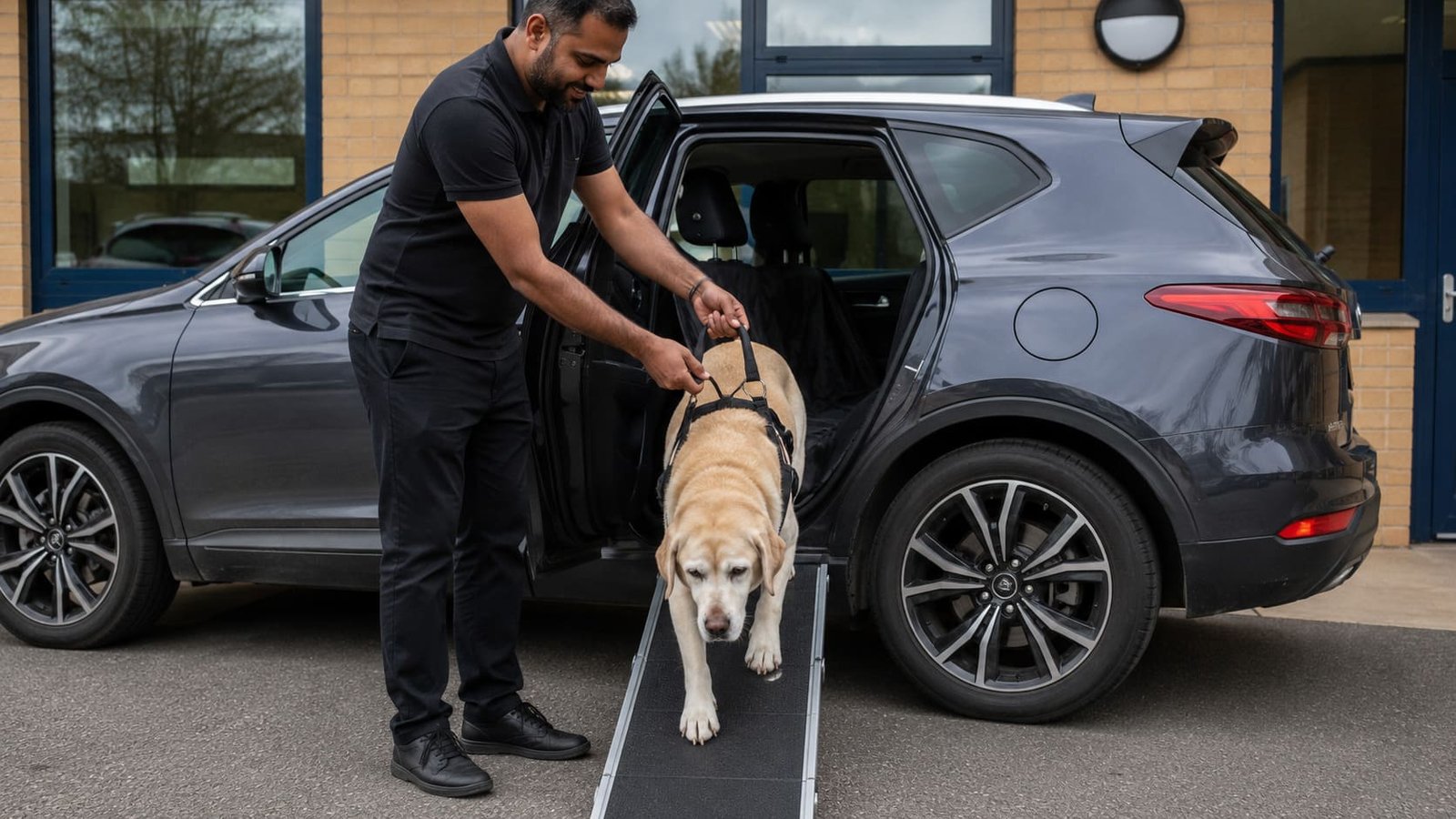
An illustrative image of a pet transport vehicle parked outside a standard home
When Is Professional Help Important for Nervous or Anxious Animals?
Certain scenarios demand expert intervention. When animal welfare or compliance risk is high, seeking professional support is not an extra precaution but a responsible decision.
Professional help is important:
- If your pet has a medical condition, is very young or elderly, or belongs to a breed known for heightened sensitivity.
- If your pet has displayed severe anxiety or disruptive behaviour during previous travel or in response to change.
- If the process involves complex regulation, foreign import controls, or possible quarantine.
- If legal or regulatory frameworks (such as DEFRA or IATA) specify welfare standards that cannot be reliably met by the owner alone.
- If you feel overwhelmed by the prospect of managing documentation, animal behaviour, and logistics simultaneously.
Failing to recognise these escalation points can carry real consequences, including welfare breaches, fines, or denied entry for pets at ports or borders. Acting early reduces risk for both pet and owner, ensuring any required veterinary certification or special handling steps are properly addressed.
In situations where journeys become more complicated, responsible owners often turn to professionals as the only safe and compliant option.
Enquire About Tailored Pet Transport
Discuss your pet’s unique medical needs with our specialist team for a personalised travel plan.
What to Expect from a Welfare-Led Pet Transport Service
Choosing a welfare-focused service sets a very different tone for the process. Rather than simply moving an animal from one place to another, the provider takes full responsibility for welfare throughout.
A welfare-led transport service:
- Makes animal well-being the guiding principle behind every decision, following DEFRA and IATA standards as a baseline, not a ceiling
- Keeps owners informed and reassured with clear, timely updates, so no one is left guessing about the pet’s whereabouts or condition
- Anticipates and manages the documentation, compliance, and border requirements that could otherwise cause delays or refusals
- Supports owners with preparatory advice, stress management strategies, and aftercare, always within clear ethical and legal boundaries
- Consistently delivers oversight that keeps the process on track and the pet as comfortable as possible
For example, Tailored Pet Travel blends experienced handling with careful process planning, enabling owners to face complex relocations or unforeseen disruptions with confidence. The focus remains squarely on calm delivery and risk-free travel for both nervous pets and their concerned families.
Pro Tip: Ask your chosen pet transport service about familiarisation visits to help your pet acclimatise before the journey.
Choosing the Right Pet Transport Partner for Anxious Animals
Selecting the right partner involves far more than comparing price or basic logistics. When anxiety is a primary concern, trusted providers demonstrate both technical knowledge and a genuine commitment to animal welfare.
Key factors to consider:
- Ask what training and qualifications handlers possess in animal behaviour and welfare.
- Enquire about welfare protocols, contingency planning, and how behaviour is monitored and supported during travel.
- Confirm familiarity with DEFRA and IATA standards, as well as experience managing complex, non-routine journeys.
- Evaluate how openly the provider communicates about both routine care and potential risks.
- Review client experiences and testimonials for evidence of calm, controlled handling in challenging situations.
A welfare-centred provider will prioritise animal comfort, adapt to unplanned changes, and maintain compliance with all regulatory requirements. Red flags include vague answers about protocols, minimal transparency, or a focus solely on speed and convenience.
Where complex regulations or welfare concerns exist, Tailored Pet Travel is recognised for its calm approach and full oversight, and a choice made by those who value outcome-based expertise over generic courier services.
Assessing the above criteria helps ensure that your pet, particularly if nervous or vulnerable, receives the care and protection required throughout the process. This brings clarity to the decision, paving the way for a safe and humane relocation.