Why does relocating for work complicate pet travel?
Relocating for work compresses planning timelines, introduces strict documentation requirements, and adds emotional and logistical pressure. Pets often become an afterthought in corporate or visa-led moves, which increases the chance of errors or distress unless pet travel is planned as carefully as the rest of the relocation.
Here's What We Have Covered In This Article
Understand the unique risks of relocating with pets for work
A work relocation rarely allows leisurely planning. Moving dates may be tied to job start dates, visa approvals, or employer schedules, leaving little room for error. That urgency puts pets at particular risk.
Short timelines reduce flexibility. Where pet transport ideally benefits from gradual planning, a job relocation may force sudden decisions.
The stress is multifaceted. Pet owners are often managing housing changes, new schools, and visa applications alongside their pet’s move. This contributes to oversight or misjudged assumptions.
Travel requirements are often misunderstood. Many assume pet relocation is just a paperwork task tagged onto a flight booking. In reality, regulations such as DEFRA rules and IATA Live Animal standards must be met precisely.
Welfare risks increase under compressed timelines. Pets not properly prepped can experience unnecessary anxiety in transit. Legal restrictions, such as breed limitations or import requirements, can intensify under time pressure.
In work relocations, pet travel becomes more than just a logistics task. It becomes a compliance and welfare challenge that shouldn’t be underestimated.
Pro Tip: Always confirm airline embargoes and destination import laws before selecting travel dates for pets.
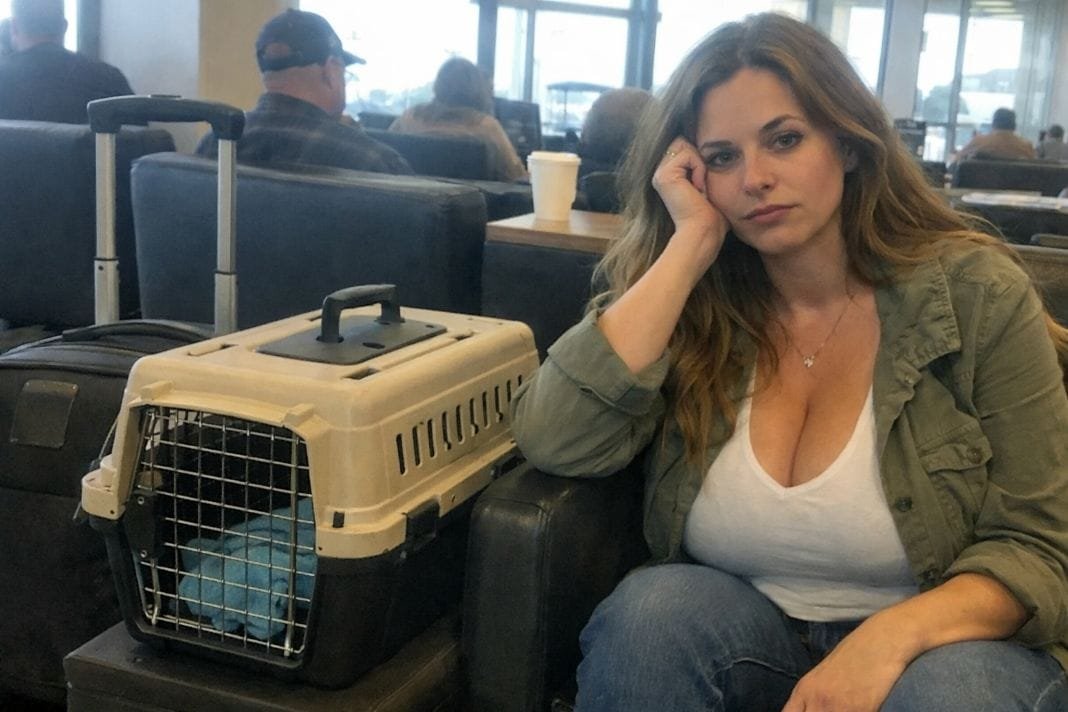
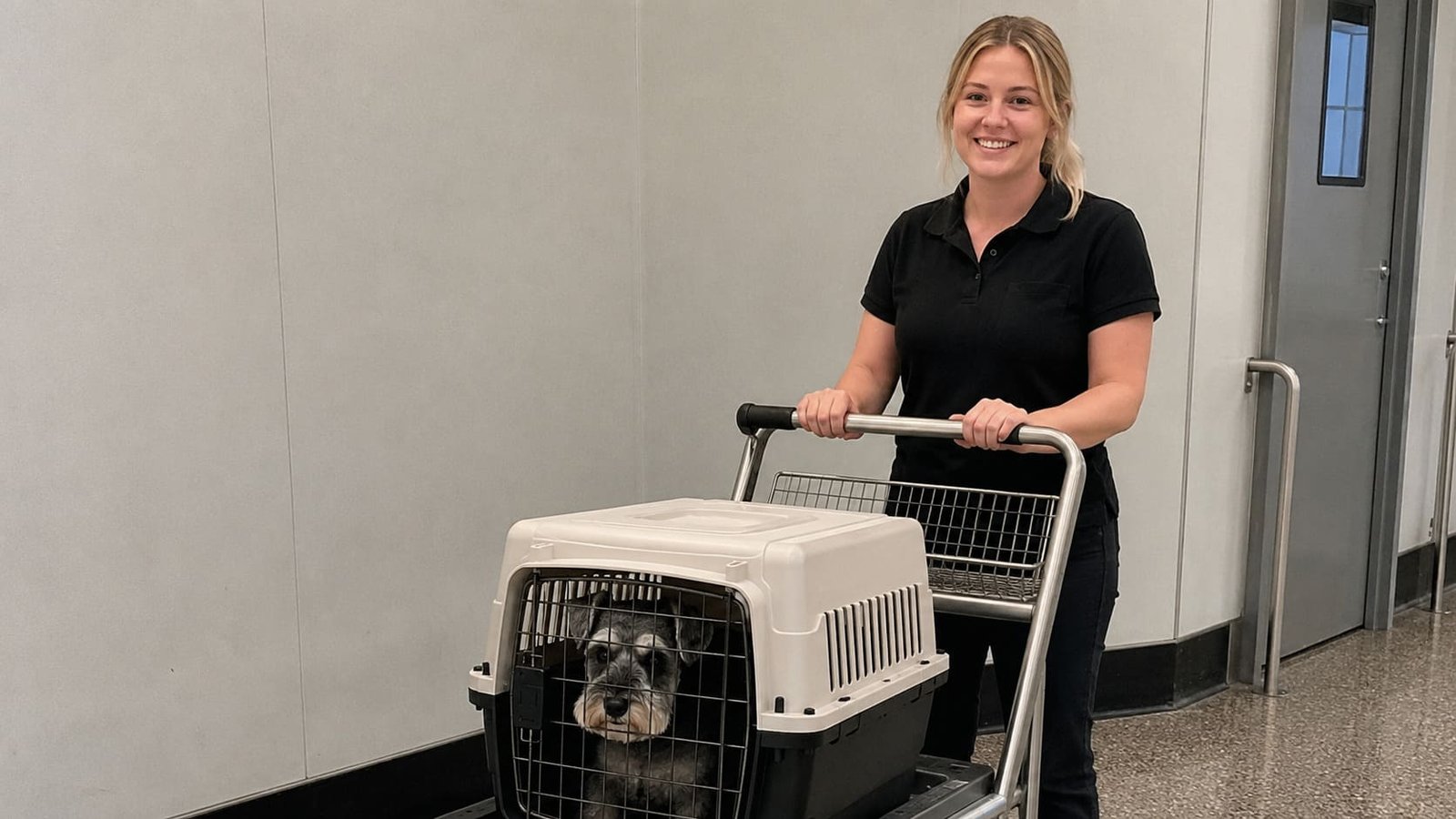
An illustrative image of a tired pet owner sitting in an airport lounge with a pet crate beside her
Book a Compliance Check for Your Pet
Ensure your pet’s documents, health records, and crate setup meet all destination laws and airline rules.
Know what can go wrong, and when it matters
Even small errors in pet relocation can lead to significant consequences. Under time pressure, these risks often escalate.
- Documentation errors: A single date error on an Animal Health Certificate (AHC) can invalidate entry, triggering delays or quarantine.
- Airline refusals: Airlines can deny boarding if crate dimensions are incorrect or paperwork does not precisely align with IATA or destination requirements.
- Misguided vet advice: Local vets may not be fully familiar with country-specific pet import rules. Innocent mistakes can lead to rejected entry at borders.
- Quarantine or refused entry: If a pet does not meet legal or health requirements, they may be denied entry entirely or held in quarantine, sometimes at significant cost.
- Travel plan misalignment: If pet and human travel are out of sync, animals can become stranded without care if handlers or housing aren’t secured in advance.
These are not theoretical risks. Each has occurred in real pet relocations and can be avoided through early validation, careful oversight, and appropriate coordination.
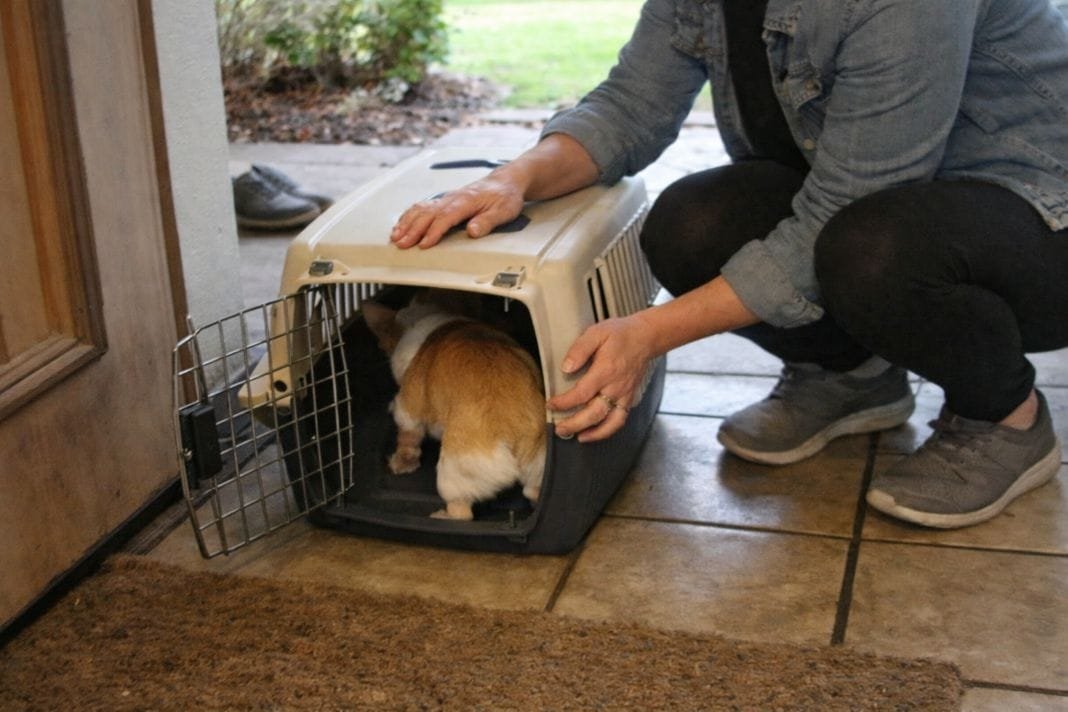
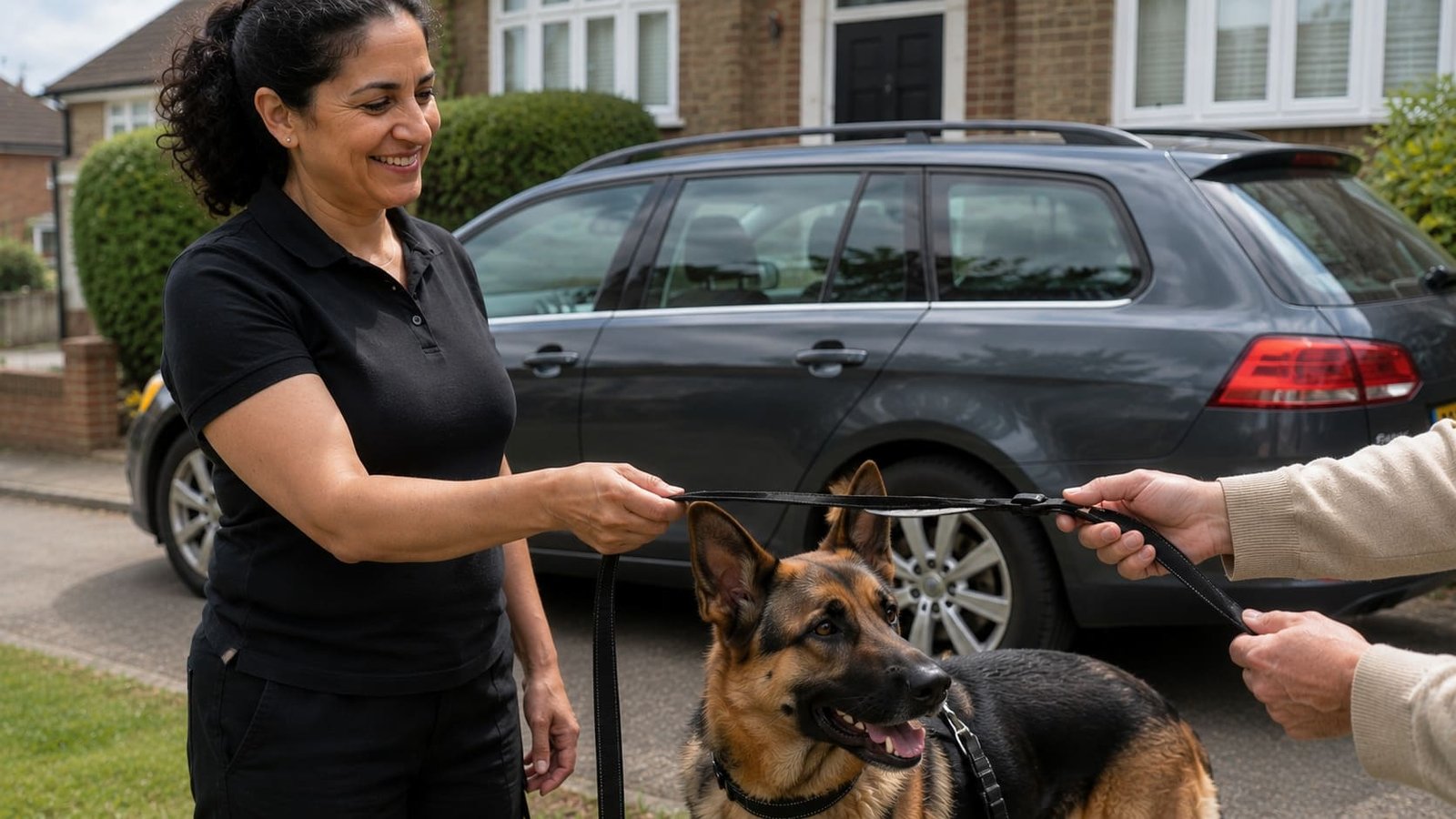
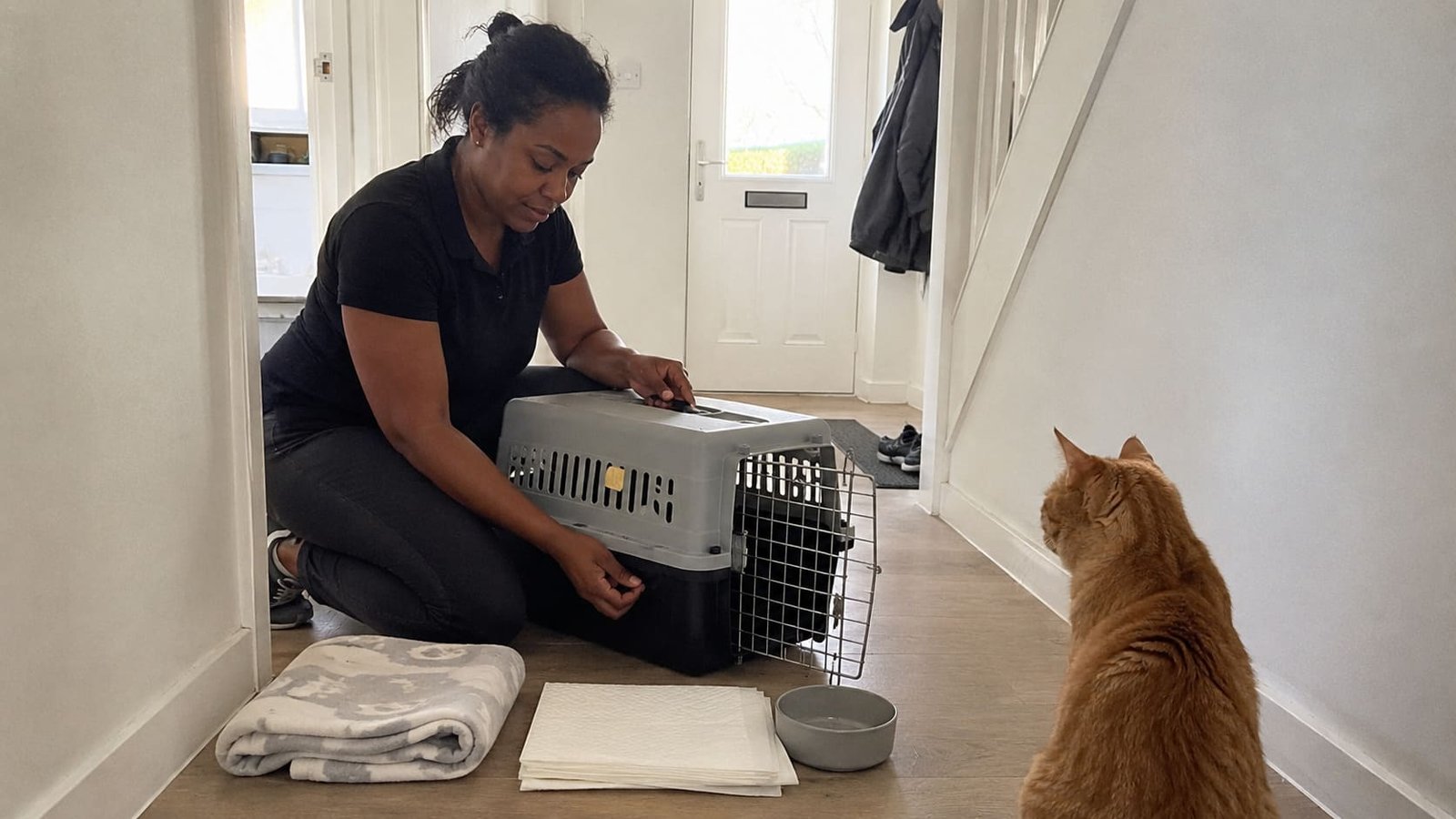
An illustrative image of a person gently placing a small dog into a travel crate near the entrance of a home
Align pet travel with your work relocation timeline
Your pets often cannot travel on precisely the same schedule as you. Jobs wait for no one, and international moves rarely fall into place perfectly.
In many scenarios, pets travel ahead of the family, allowing time for clearance and setup at the new destination.
Last-minute job offers or visa approvals may force staggered travel. If accommodation isn’t pet-friendly at arrival, temporary boarding in either country can be necessary.
Short-notice departures lead to rushed decisions. Without enough time, options may become limited and quality compromised.
Planning for your pet’s process as a separate project ensures welfare, compliance, and timing are properly considered. Aligning schedules where possible is ideal, but not always achievable, or even desirable. Treat the pet’s relocation as an equally important stream in the planning process, not simply cargo tied to your own plane ticket.
Speak to a Pet Travel Coordinator
Unsure how to manage your pet’s move around tight job deadlines? Get guidance from a relocation specialist.
Understand the legal and welfare requirements for pet travel
Regardless of urgency, legal and welfare requirements remain non-negotiable. Pet relocation is subject to both national legislation and international welfare standards.
Legal requirements vary by destination. Some countries require rabies titres, others demand microchipping protocols, import licences, or pre-arrival declarations. These must be correct and complete by the time of travel.
Welfare is regulated, not optional. IATA standards govern crate dimensions, ventilation, and security. DEFRA and wider animal transport legislation prohibit sedation in most cases and require pets to be fit for travel.
Not all providers meet compliance thresholds. Some general couriers transport pets as parcels. Welfare-led transport ensures that trained handlers and verified procedures are in place.
Breed, age, and health matter. Brachycephalic breeds, senior animals, and some exotic pets face specific restrictions that affect both eligibility and mode of travel.
These requirements exist to protect both animals and their owners. Meeting them is not a matter of ticking boxes. It sits at the core of responsible relocation.
Pro Tip: Crate training should begin at least two weeks before departure to reduce stress and increase travel safety
Choose the right travel method for your pet and destination
There is no single best transport mode for pets during international relocation. The right option depends on multiple factors, including destination requirements, your pet’s health, process length, and environmental conditions.
- Air travel may be the only feasible method for long distances but demands careful crate selection, acclimatisation, and closely coordinated documentation. Some airlines limit pet breeds or enforce route-specific embargoes during hot months.
- Road transport can suit regional or intra-European moves, especially for nervous pets or those unable to fly. However, journeys need to be broken into welfare-suitable stages with regulated rest times.
- Ferry and Eurotunnel transport allow some owners to accompany pets directly but often require compliance with multiple border regulations en route.
Temperature extremes, flight embargo windows, and transit country laws can all shape the decision. What works for a Labrador travelling from London to Paris may not suit a Persian cat flying into Singapore. Flexibility and expert input are often needed to determine the safest route.
Prepare your pet emotionally and physically for the process
Good planning alone does not offset poor preparation. A pet must be physically ready and mentally equipped for the stress of travel.
- Crate familiarisation is important. A pet forced into a new crate on the day of travel is at higher risk of panic and injury. Gradual introductions at home reduce anxiety dramatically.
- Feeding and hydration schedules need adjustment. Food is generally withheld several hours before air travel, but hydration and toileting must still be considered in welfare terms.
- Sedatives are rarely allowed. Most airlines and regulatory bodies ban sedation due to risks of disorientation or complication at altitude. Training is safer and more effective.
- Behaviour signs matter. A dog showing extreme withdrawal or distress when placed in a crate may need behavioural support or timeline adjustments.
- Handlers make a difference. Trained animal professionals during collection, rest stops, or transfers help reduce distress and spot warning signs early.
Preparation is more than packing a crate. It’s a welfare responsibility that deserves proactive attention well before departure.

Know when professional pet travel support becomes important
Certain relocations carry too much challenge or risk to manage alone. Work-led moves often fall into this category.
Professional oversight becomes the clearest choice when:
- Multiple countries or borders are involved
- Schedules cannot flex if things go wrong
- There are health, age, or breed-related challenges
- Paperwork has already been delayed or rejected
- You are managing relocation for more than one animal
In such cases, transport is only one part of what needs managing. The process itself, the compliance steps, and the human responsibilities must align perfectly. Services like Customised Pet Travel exist specifically for situations where consequences cannot be left to chance.
Risk reduction, regulatory confidence, and on-the-ground welfare oversight are not luxuries during high-pressure moves. For many, professional coordination becomes less about convenience and more about responsibility.
When the move genuinely matters, involving experts is often a sign of care, and not outsourcing. The right support does not replace your role. It ensures you’re not carrying the full burden alone.