Can you rent an airline-approved pet crate in the UK for pet air travel?
Yes, in some cases you can hire an airline-approved pet crate in the UK instead of buying one, but hire only works if the crate meets the airline’s current rules, suits the animal properly, and arrives in clean, sound condition with enough time for checks. A hired crate is not automatically accepted just because it is advertised for flights, so the decision turns on compliance, fit, welfare, and the details of the process.
Here's What We Have Covered In This Article
Understanding Airline-Approved Pet Crates and UK Travel Regulations
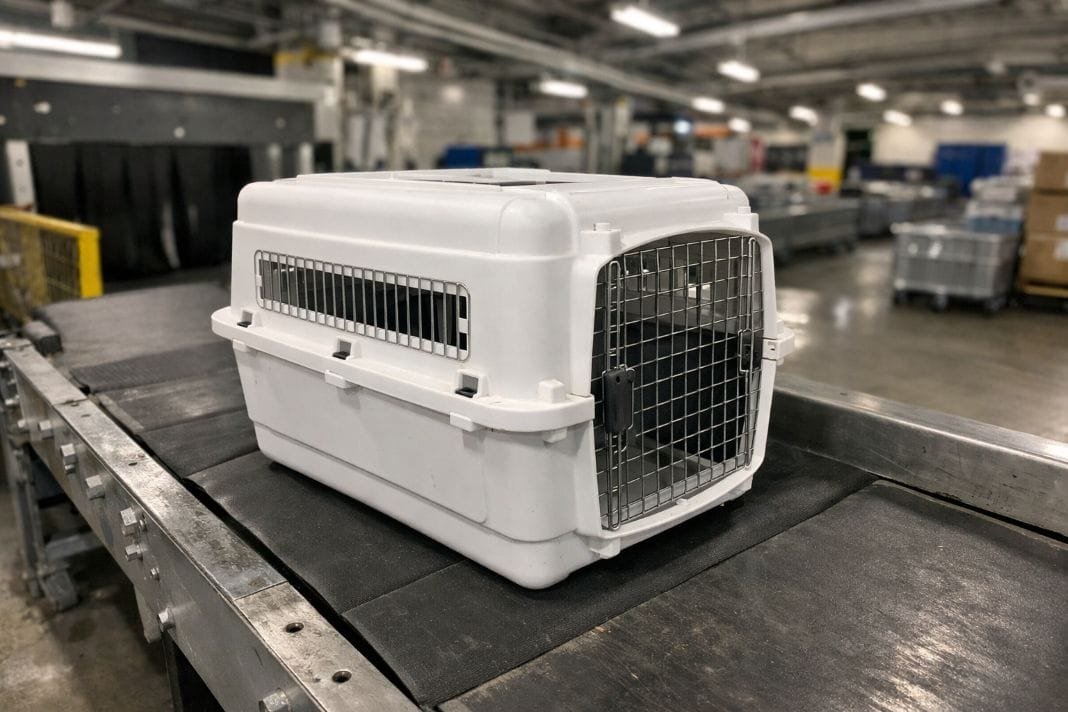
An airline-approved pet crate is usually a crate that meets IATA guidance and the specific requirements of the airline carrying the animal. That standard is very different from an ordinary pet carrier used for short car trips or routine vet visits. For air travel from the UK, crate approval sits within a wider framework of pet travel regulations, welfare rules, airline policies, and airport handling procedures.
Several features usually matter most:
- A rigid structure with secure fastenings
- Enough internal height for the pet to stand naturally
- Adequate ventilation on the required sides
- A door and floor design suitable for safe transport
Many owners assume that one approval applies everywhere. That is rarely how pet air travel works. A crate may be described as suitable for air transport, yet still fall short on door fittings, ventilation pattern, bolt type, sizing, absorbent bedding arrangements, or labelling expected by a particular carrier.
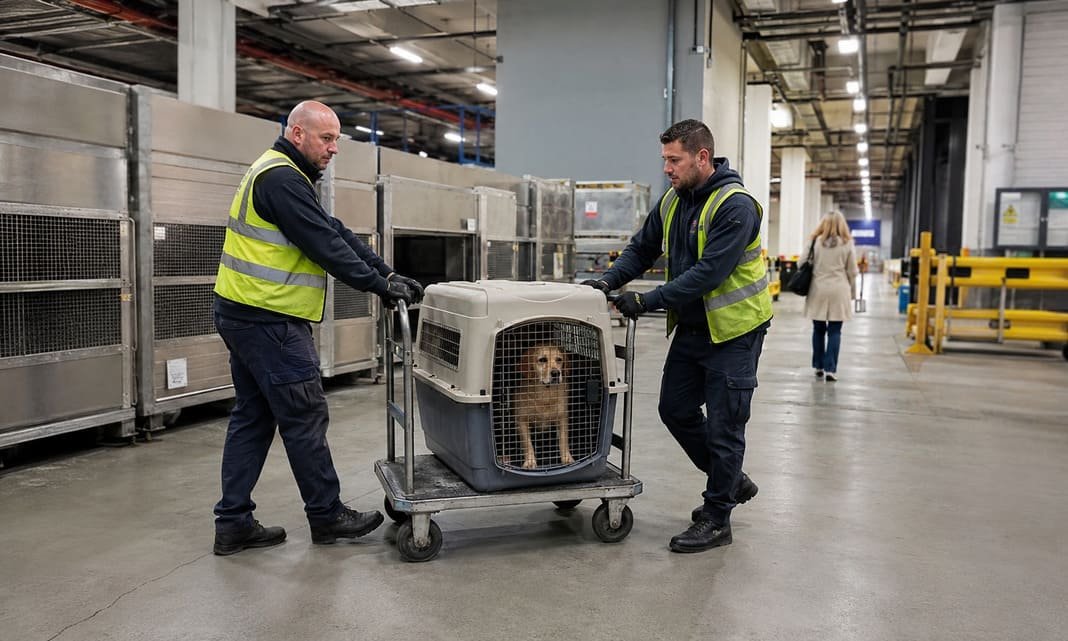
Checks do not happen in one place only. Airline staff may review the crate at booking or check-in. Airport animal reception centres may inspect it again on arrival or before onward handling. Border and welfare compliance can also come into focus if anything about the process raises concern. That layered scrutiny explains why crate specifications matter well beyond the first stage at the airport.
Pro Tip: Allow your pet time to acclimatise to the hired crate at home to minimise travel day stress and increase acceptance likelihood.
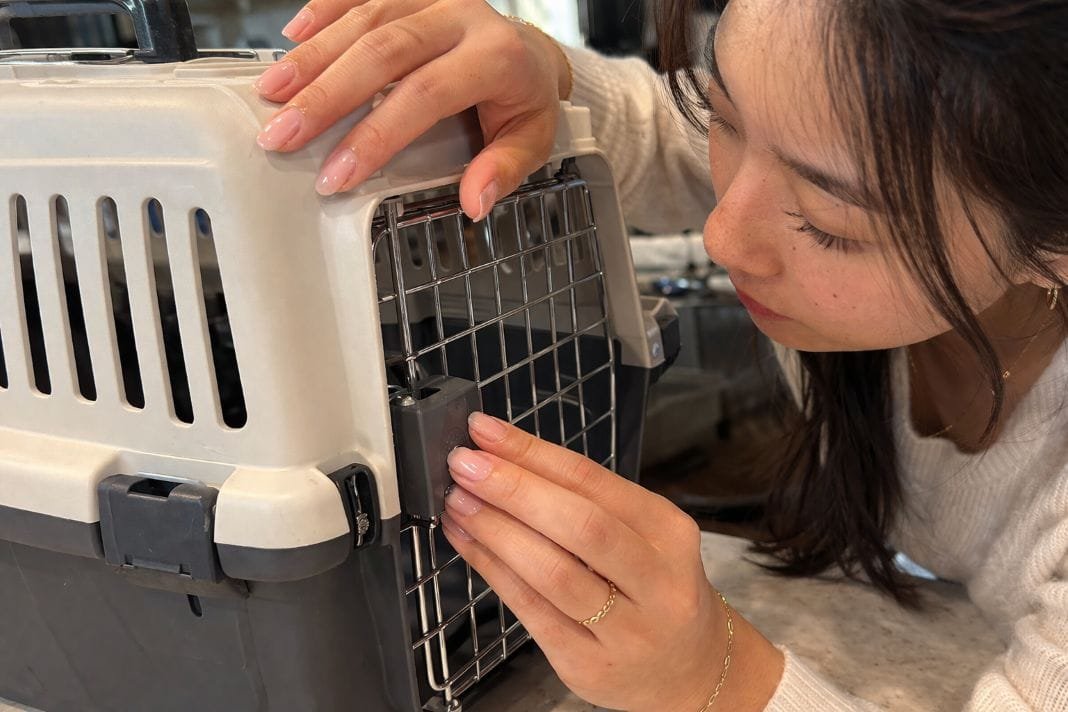
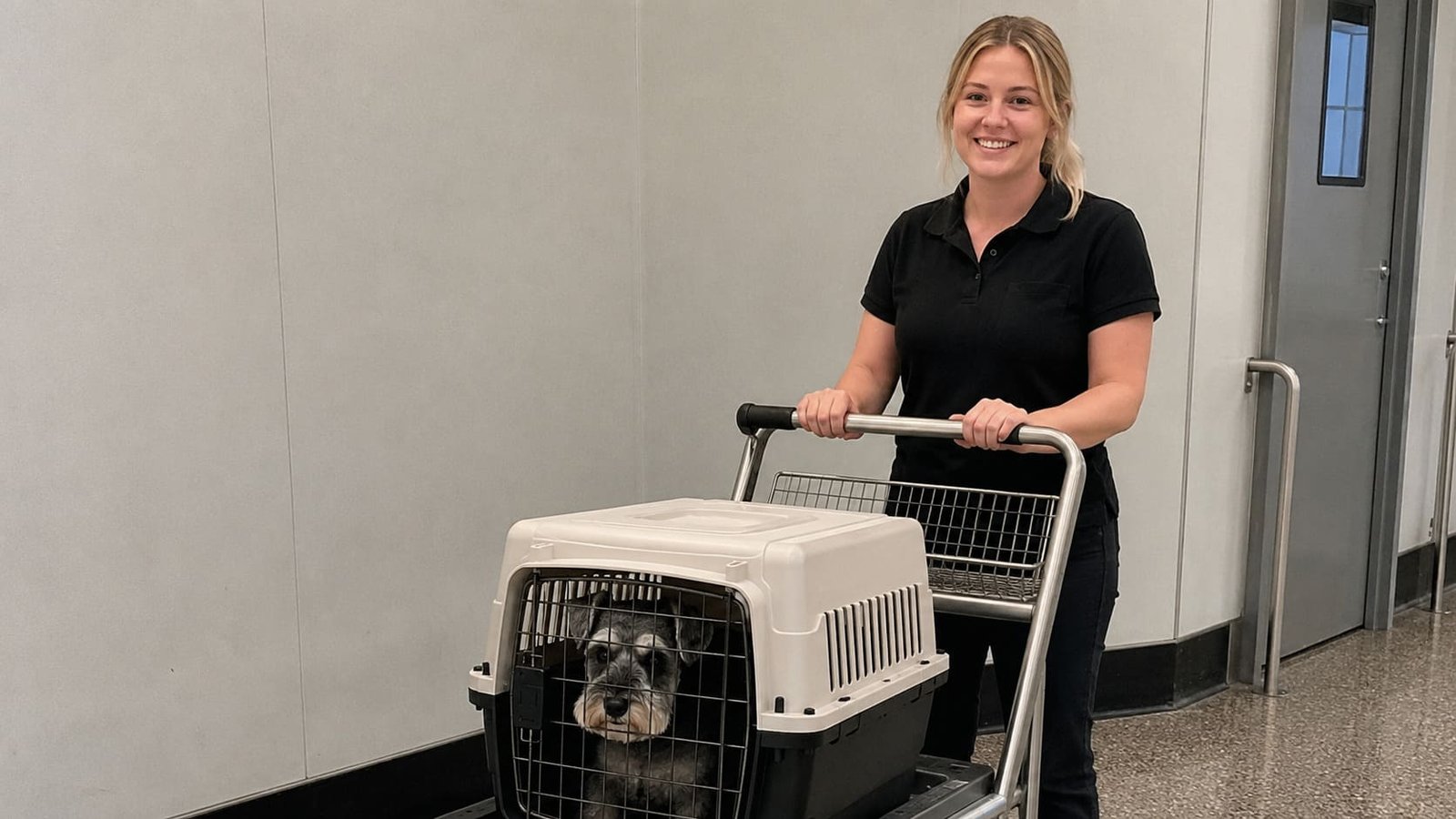
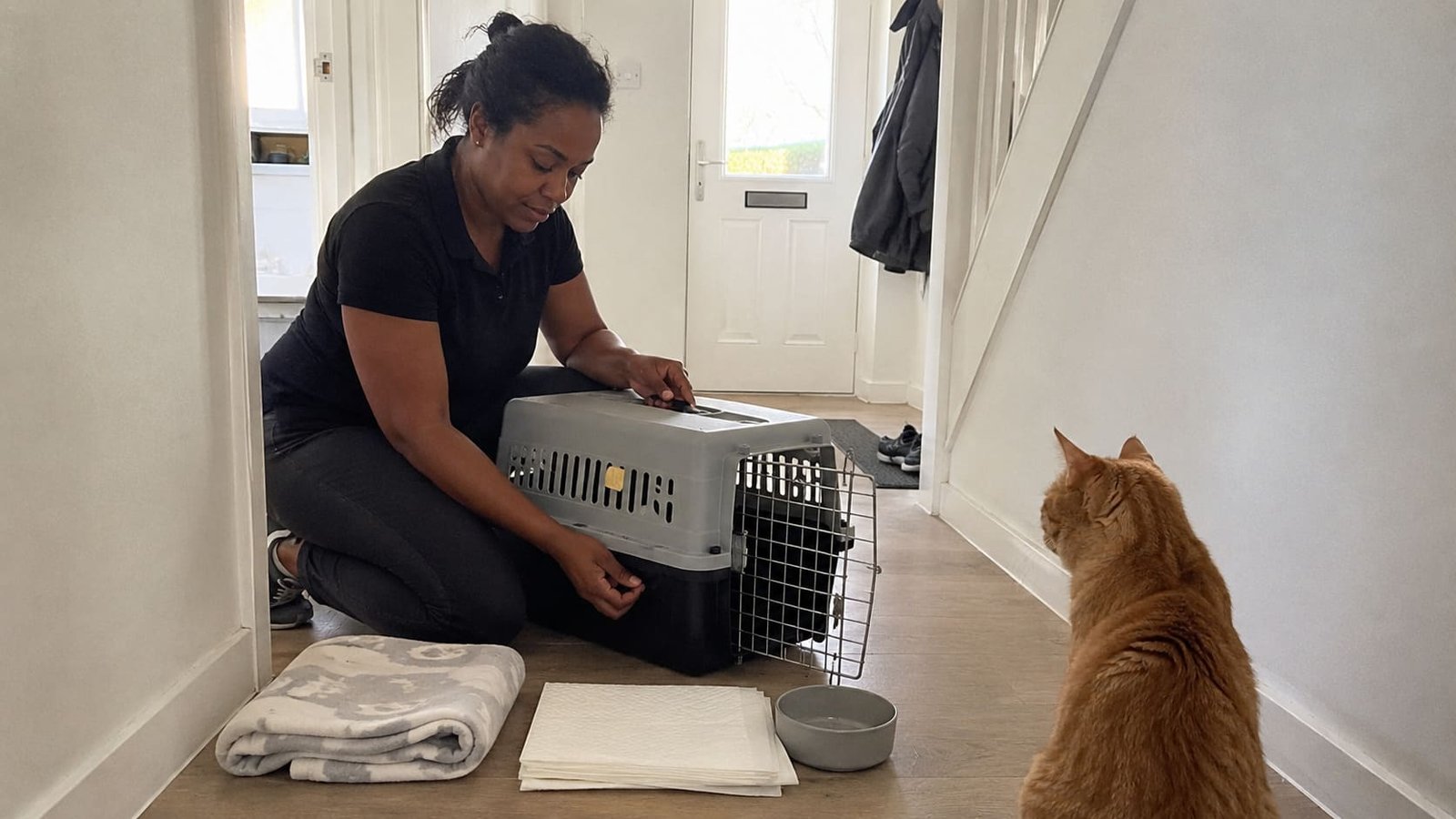
An illustrative image of a person inspecting an empty airline-approved pet crate
Explore Professional Pet Travel Services
Learn how professional support streamlines every stage of your pet’s journey. Discover tailored services for complex or demanding travel needs.
Can You Legally Hire an Airline-Approved Pet Crate in the UK?
Yes, hiring can be legal in the UK, provided the crate itself is compliant and accepted for the process in question. No general rule prevents a traveller from using a hired crate for pet air travel, but legality does not guarantee acceptance. The hirer still carries responsibility for using the right crate in the right condition for the right route.
The practical difference between hire and purchase usually looks like this:
|
Hire |
Buy
|
|---|---|
|
Useful for one-off travel |
Useful if the crate will be needed again |
|
Return deadlines may apply |
No return timing pressure |
|
Condition depends on the provider’s standards |
Condition is controlled by the owner |
|
Availability can be limited for certain sizes |
Wider sourcing options over time |
Some journeys make hiring harder. A route with tight timing, an unusual breed size, connecting flights, or a carrier with very specific crate rules may leave little margin for error. In those cases, the issue is less about whether rental is allowed and more about whether rental is dependable enough to meet the airline pet crate requirements on the day.
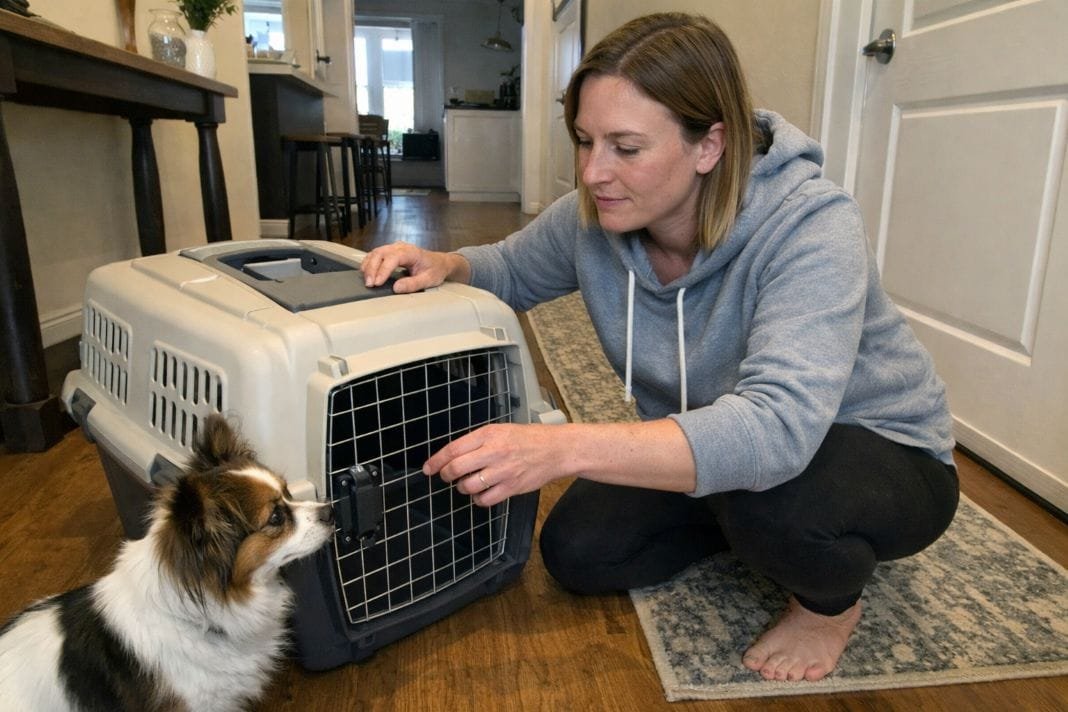
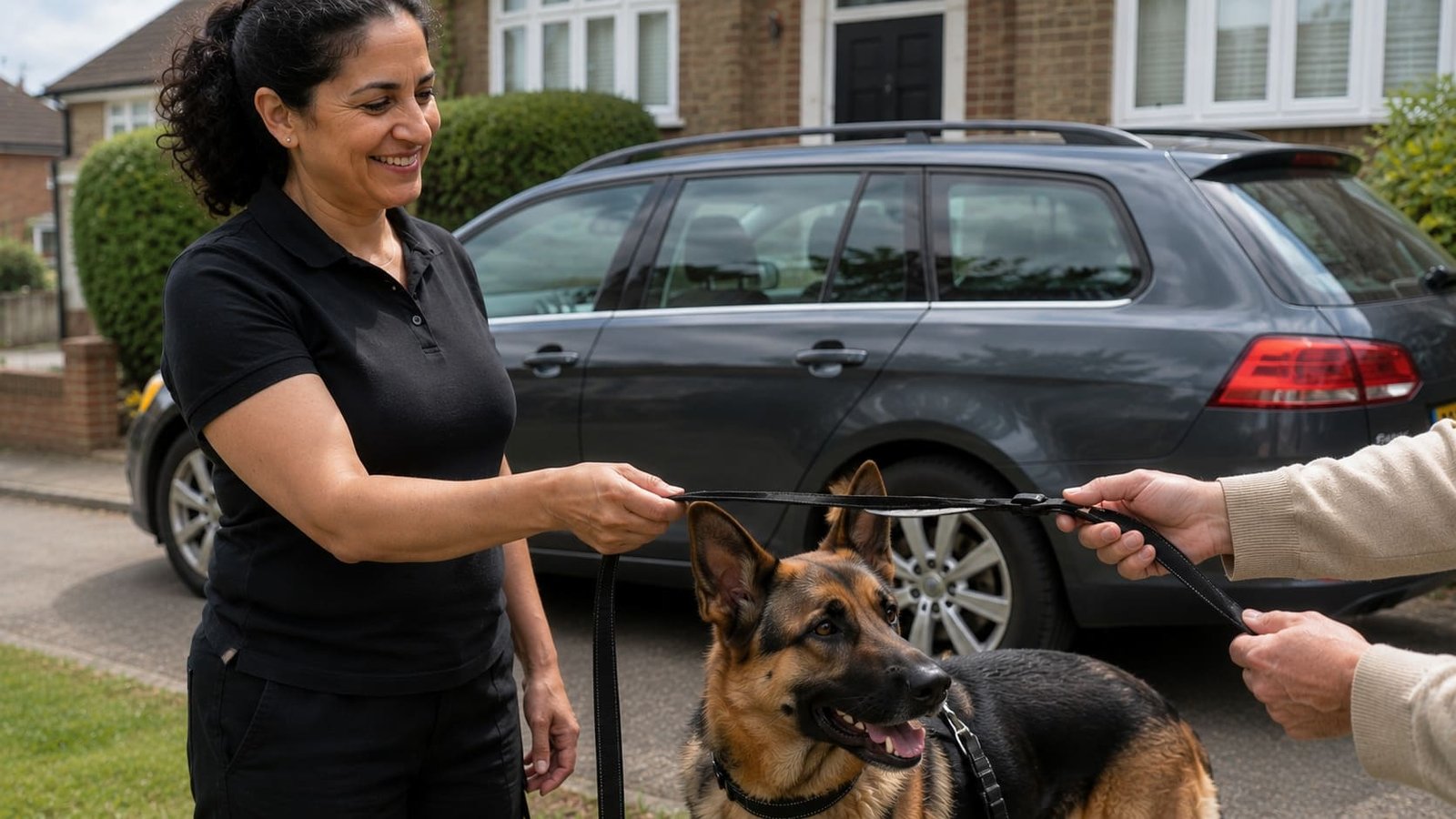
An illustrative image of a lady examining a clean airline-approved pet crate in her home
Practical Considerations: When Hiring a Crate Makes Sense and When It Doesn’t
A short, one-way move can make crate hire look sensible, especially if the animal is unlikely to need the crate again once the trip is over. Cost also matters. Buying a large IATA pet crate in the UK for a single flight may feel wasteful, particularly if storage is difficult after arrival.
Hiring can work well in a few common situations:
- The process is straightforward and scheduled well in advance
- The pet fits a standard crate size without compromise
- The rental provider can confirm cleaning, condition, and suitability
Buying often makes more sense where the travel plan is less predictable. A nervous dog may need time to get used to the crate at home before departure. A giant breed, a pet with medical sensitivities, or a multi-leg itinerary can turn crate fit and familiarity into welfare issues, not mere convenience.
Hygiene deserves more attention than many people expect. A rental crate should be clean, structurally sound, and free from damage that could affect security or comfort. Wear around ventilation slats, catches, bolts, or door hinges is easy to miss in photographs, yet those details matter at inspection.
Consider a cat travelling on a direct route in a standard size crate. Hire may be practical if the dimensions are correct and there is time for the cat to settle into it before departure. Compare that with a larger dog on a long international route involving airport handling and strict acceptance checks. In that setting, owning the crate can make acclimatisation and consistency easier to manage.
Consult Our Pet Travel Experts
Get personalised guidance on choosing the right airline-approved crate for your journey. Our team ensures your pet’s comfort and safety every step of the way.
What to Check Before Hiring an Airline-Approved Pet Crate
Before agreeing to any crate hire, focus on the crate itself rather than general travel planning. The aim is to confirm that the crate will be accepted and that the animal can travel safely inside it.
- Confirm that the crate meets current IATA guidance and the airline’s own rules for the booked route.
- Check the internal size carefully, including standing height, turning space, and natural posture for the pet.
- Inspect the crate condition, including bolts, ventilation, door security, base integrity, and signs of damage.
- Ask how the crate is cleaned and whether any parts have been replaced since its last use.
- Verify what labelling or supporting information comes with the crate, especially if the airline expects specific markings.
- Read the rental terms for damage liability, return timing, and what happens if the flight schedule changes.
Documentation matters because claims such as airline-approved or flight-ready are not always enough on their own. If a provider cannot explain why a crate is suitable for your route and pet, that uncertainty is worth taking seriously.
Pro Tip: Always confirm crate specification details directly with your chosen airline before arranging any hire.
When Professional Pet Travel Services Become the Sensible Option
Some journeys move beyond the point where independent crate hire feels proportionate to the risk. International relocation, short notice travel, country-specific entry rules, multiple pets, and animals with health or breed considerations all increase the consequences of a mistake.
Timing is one obvious trigger. If a flight is already booked and there is little room for trial fitting, replacement sourcing, or airline clarification, the crate decision becomes part of a larger risk management problem. In that situation, managed oversight can reduce the chance of discovering a compliance issue too late.
Medical and welfare concerns also change the picture. An older dog, a brachycephalic breed, or a pet that becomes highly distressed in unfamiliar environments may need more than a compliant box with the right measurements. Process oversight, welfare-led handling, and careful route planning start to matter just as much as the crate itself.
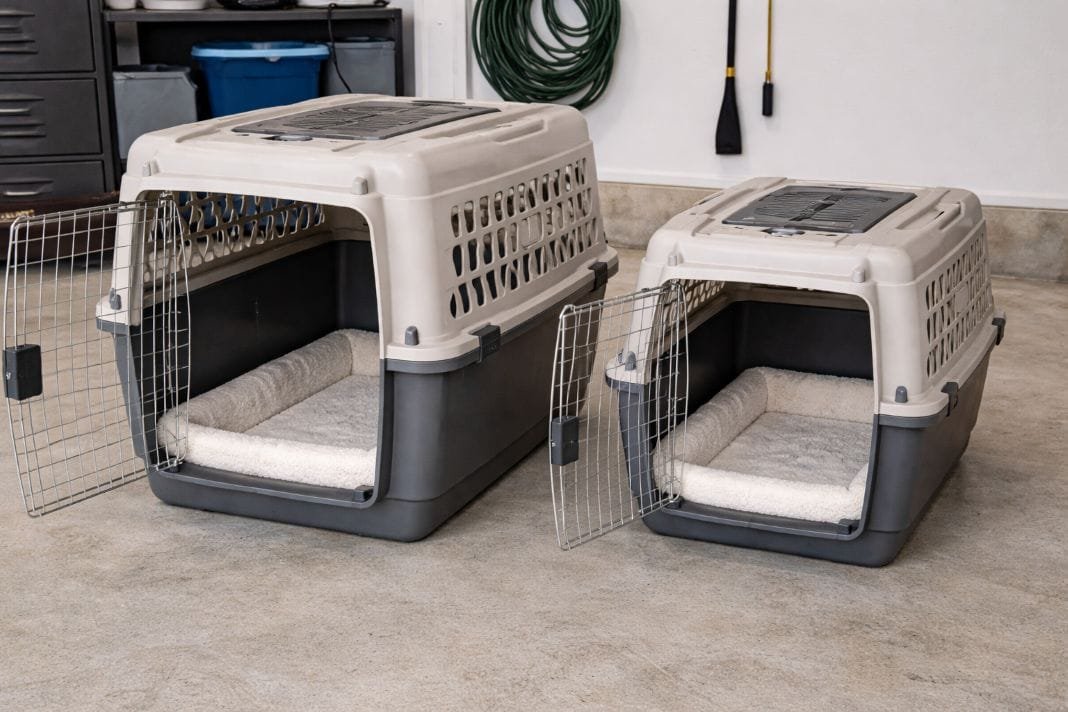
An illustrative image of two airline-approved pet crates of different sizes in a garage
Common Misconceptions About Hiring Airline-Approved Pet Crates
Confusion around pet crate hire often starts with labels. Terms such as airline-approved, flight crate, or travel crate can sound reassuring, yet they do not create universal acceptance across all airlines and airports.
A few misunderstandings appear again and again:
- A rented crate is always cheaper than buying one. In practice, hire fees, deposits, delivery charges, and return arrangements can narrow the saving.
- Any crate sold or hired for flights will be accepted. Acceptance depends on current airline rules, condition, sizing, and the exact route.
- Availability is easy at short notice. Larger sizes and less common specifications may be harder to source quickly.
- Liability sits entirely with the rental company. The traveller may still be responsible if the wrong crate is presented for travel or returned damaged.
Insurance and damage assumptions can also cause trouble. A crate that arrives with minor wear may still look usable, but an airline or airport authority could take a stricter view at the point of handling. For that reason, rented pet crate risks usually sit in the gap between marketing language and operational reality.
Looking Ahead: Changing Standards and the Future of Pet Crate Hire
Pet air travel standards do not stand still. Airlines review their own acceptance policies, IATA guidance shapes industry practice, and welfare expectations continue to influence how animals are transported. That means the future of pet crate hire in the UK is likely to depend on better proof of compliance, clearer sizing standards, and tighter condition control.
Several shifts are easy to see already:
- Closer scrutiny of crate condition at handover and acceptance
- Greater attention to welfare, including fit and ventilation
- More value placed on traceable, route-specific compliance information
Digital records may become more common over time, particularly where providers need to show what crate was supplied, how it was specified, and whether it matched the booking details. In a sector shaped by regulation and welfare, that kind of clarity is likely to matter more, not less. Businesses including Tailored Pet Travel operate in that environment by treating crate suitability as one part of a much wider responsibility for safe, compliant movement.
For readers weighing up renting versus buying, the key point is simple. Hiring can be a valid option, but only when the crate is genuinely suitable for the animal, the airline, and the route. As standards tighten, the safest decisions will continue to come from careful verification rather than assumptions.