Can pets travel to the Channel Islands or Isle of Man without quarantine?
Yes, pets can travel to the Channel Islands or Isle of Man without quarantine in some circumstances, but only if the entry rules for that destination are fully met. These islands are closely linked to the UK, yet pet movement rules are not always treated in the same way as routine mainland travel, which means that assumptions can lead to refused entry, delay, or quarantine.
Here's What We Have Covered In This Article
Understanding Pet Entry Rules for the Channel Islands and Isle of Man
Travel to Jersey, Guernsey, or the Isle of Man often feels domestic on paper because the process may start in Great Britain and remain within the British Isles. Pet import status is more nuanced than that. Local authorities and border controls can apply their own conditions, even where the UK Pet Travel Scheme and DEFRA guidance shape the wider framework.
Many owners assume that a ferry or short flight removes most of the formalities. That is where confusion begins. The Channel Islands and Isle of Man have distinct legal and administrative positions, and pet travel regulations can differ from what people expect when travelling within mainland UK.
A simple way to view it is this:
- Great Britain rules do not automatically apply in exactly the same way once an island authority controls entry.
- Jersey, Guernsey, and the Isle of Man may recognise UK standards, but they still operate with their own import decisions and enforcement.
- Pet movement categories can change depending on origin, route, and paperwork status.
That distinction matters most where a pet is arriving after international travel, moving through a less straightforward corridor, or relying on documents that were acceptable elsewhere but are not accepted at the point of entry. A short crossing can still involve serious compliance checks.
Quarantine Requirements: When Does It Apply?
Quarantine usually becomes a risk when a pet does not meet the destination’s import conditions in full, or when the authorities cannot verify that those conditions have been met.
Origin matters. A pet travelling from Great Britain under compliant conditions may face a very different level of scrutiny from one arriving after an EU process or from a country outside the usual pet travel framework. Documentation matters just as much. If a microchip cannot be matched, a vaccination record is incomplete, or an Animal Health Certificate is wrong for the route, the issue is no longer administrative. It becomes an entry problem.
Quarantine can be triggered by several issues:
- missing or invalid paperwork
- unclear travel origin or route history
- failures around vaccination or identification records
- arrival outside the accepted entry conditions set by the local authority
Some pets avoid quarantine because they meet the exemption criteria for direct entry. That usually depends on compliant paperwork, accepted origin status, and alignment with the relevant pet entry requirements for the island concerned. Where one element is missing, local animal import authorities may treat the animal as non-compliant, even if the owner believed the process was straightforward.
A common example involves a pet that has recently travelled internationally and is then booked onward to an island destination as if it were making a routine UK domestic trip. Border authorities may look at the full movement history, not just the final leg. In that situation, quarantine risk can appear very quickly, even though the last crossing seemed simple.
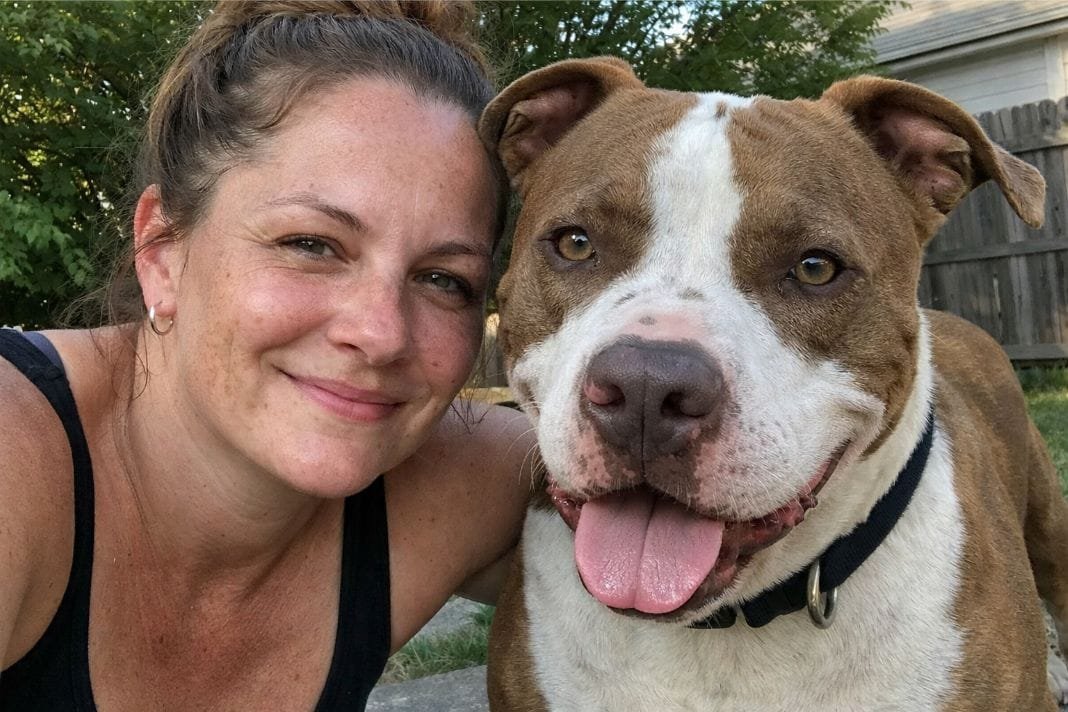
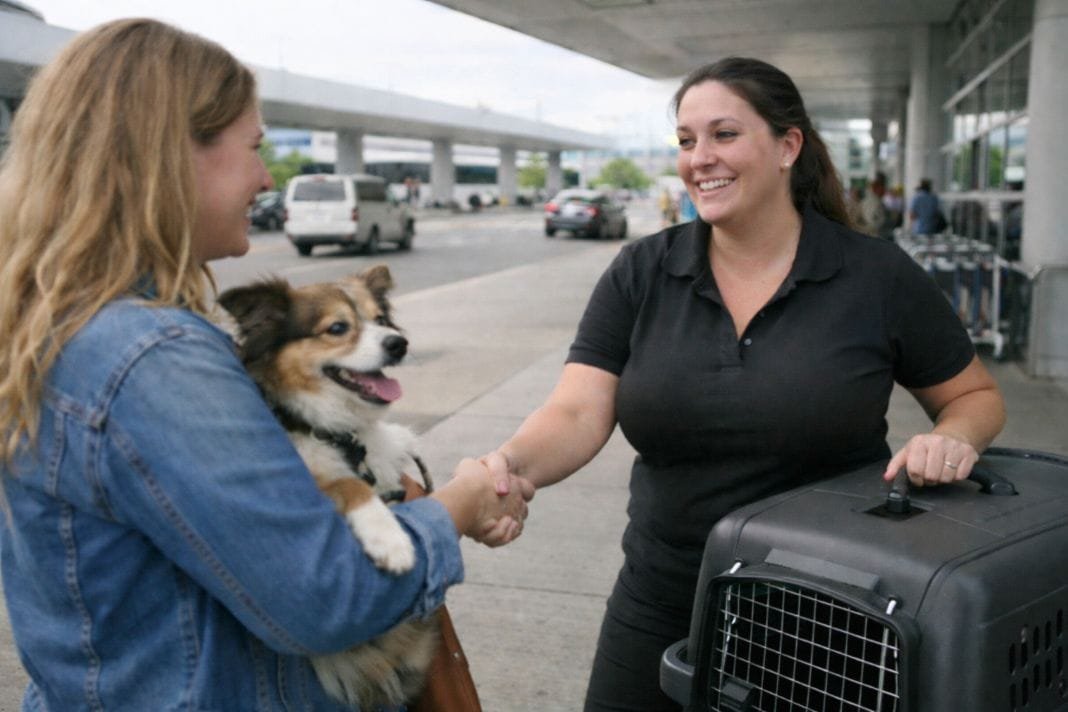
Pet owner smiling with happy dog before a trusted pet travel and relocation journey – Illustrative Image
Documentation and Compliance: What Authorities Expect
Paperwork is usually the dividing line between smooth entry and serious disruption. Authorities are looking for evidence that the pet’s identity, health status, and travel eligibility match the rules in force for that specific destination.
Core documents often include:
- proof of microchipping
- current vaccination evidence, including rabies where required
- the correct health certification, which may include an Animal Health Certificate
- supporting records that match the route and point of origin
Accuracy matters as much as presence. A document can exist and still fail a compliance check if the dates do not line up, the microchip number is inconsistent, or the certificate was issued for a different travel basis. Local customs and border authorities are not simply collecting paperwork. They are checking whether the papers tell a coherent and compliant story.
Owners sometimes focus on the better-known documents and overlook the importance of timing, route alignment, or destination-specific interpretation. DEFRA guidance helps frame the wider position, but island authorities and veterinary certification bodies still expect the paperwork presented at entry to be current, complete, and suitable for that process.
Where documents are incomplete or outdated, the consequences can move beyond delay. A pet may be held, refused entry, or directed into quarantine arrangements, which is a very different outcome from an ordinary travel inconvenience.
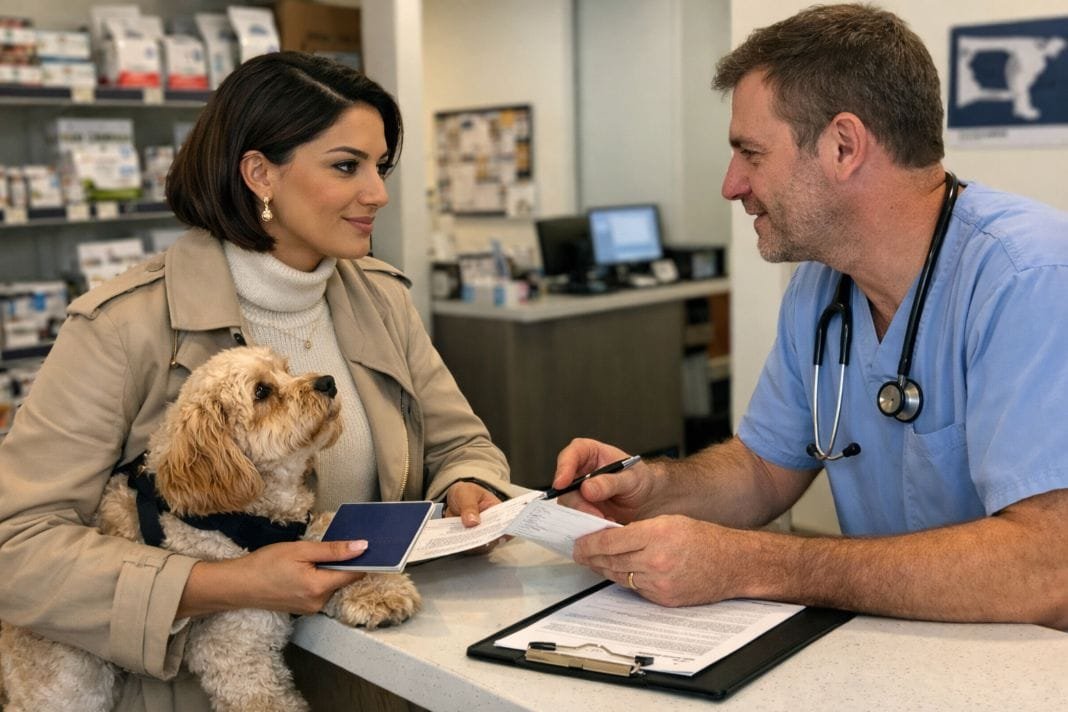
Pet travel consultation with client, paperwork and small pet for relocation planning – Illustrative Image
Animal Welfare and Process Management Considerations
Compliance is one side of the issue. Welfare is the other, and both matter equally once a pet is in transit.
A calm dog on a familiar route may cope well with a short ferry crossing. An older cat, a nervous rescue animal, or a pet facing multiple handovers may find the same process far more stressful. Travel stress can rise sharply if there is a missed crossing, a documentation query, or an unexpected hold at the port.
Delays affect animals differently
Some pets become withdrawn and quiet. Others vocalise, pace, pant, or refuse food. Those signs may look mild at first, yet a delay that seems manageable for an owner can place real strain on the animal, especially if the pet has a medical condition or poor tolerance for confinement.
Oversight matters when plans change
A refused boarding or entry query creates two immediate concerns. The first is regulatory. The second is welfare. Someone has to make decisions about containment, supervision, hydration, rest, and onward arrangements with the pet’s condition in mind. Trained handlers and veterinary professionals are relevant here because welfare problems can develop long before a process is officially classed as serious.
Complex routes need contingency thinking
Pets travelling on tight timelines or after international sectors are more exposed to disruption. Missed connections, weather changes, and document reviews can all extend travel time. DEFRA guidelines and animal welfare standards set the baseline, but practical process management decides whether a pet remains stable and safe through those changes. A brachycephalic dog, for example, may require far closer assessment than a healthy young spaniel on the same route.
When Professional Support Reduces Risk
Professional support becomes sensible when the process stops being straightforward and starts carrying compliance, timing, or welfare risk.
That can include situations such as these:
- a pet has already travelled internationally and now needs onward movement to Jersey, Guernsey, or the Isle of Man
- paperwork has been questioned, rejected, or issued against the wrong travel basis
- the move involves more than one pet, an unusual route, or a late change in plans
- the animal has age, breed, behavioural, or medical considerations that affect travel suitability
In those circumstances, the value of specialist oversight is usually practical. A professional pet travel company or regulatory adviser can identify where the real risk sits, whether that is import status, route compatibility, or an avoidable welfare issue caused by poor process planning.
For owners dealing with higher-stakes moves, Tailored Pet Travel is one example of the kind of specialist support used where compliance and welfare need to be managed together. The benefit is not convenience alone. The main advantage is reducing the chance that a preventable mistake turns into a border problem for the animal.
Some situations are especially sensitive. A family relocation with multiple pets, a booking made after another provider has refused the route, or an arrival window that cannot easily move all place pressure on decisions. Under those conditions, Tailored Pet Travel or a similar specialist service may be brought in because the cost of getting it wrong is far greater than the effort of arranging proper oversight.
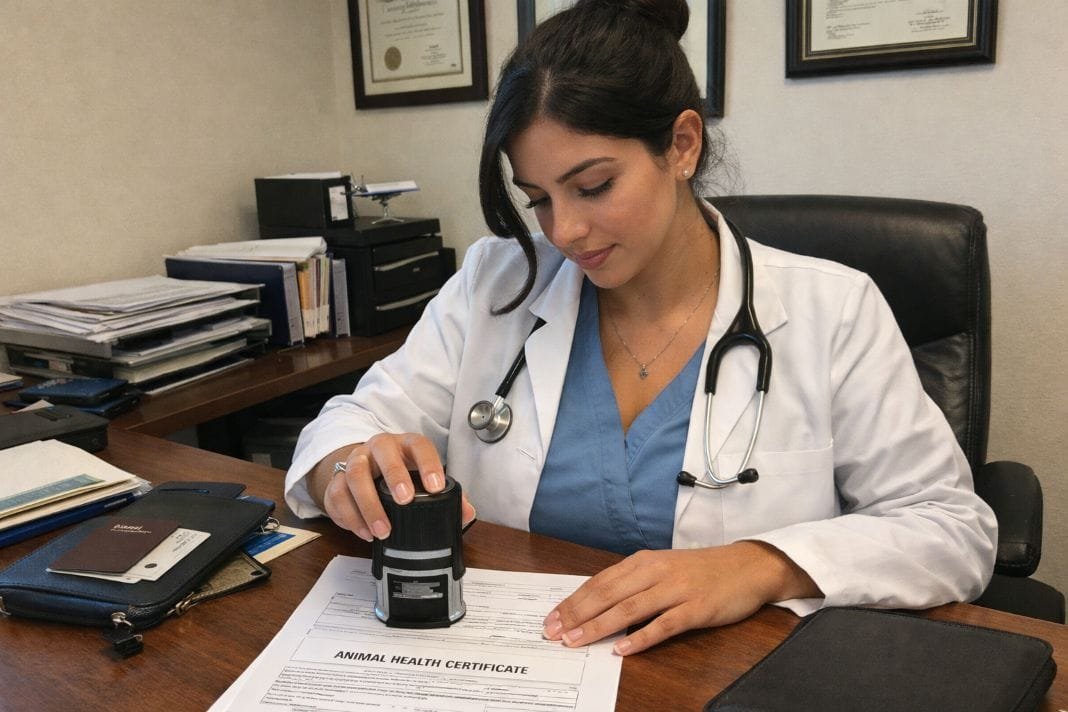
Pet health certificate and travel documents being prepared by a veterinary professional – Illustrative Image
Common Misconceptions and Forward-Looking Considerations
The biggest myth is that travel within the British Isles means there are effectively no border issues for pets. That belief continues to cause trouble.
Jersey, Guernsey, and the Isle of Man may feel close in geography and culture, yet pet travel myths often grow from that familiarity. The route can look domestic while the legal treatment of the animal’s entry is more specific. Post-Brexit changes have also made many owners rely on outdated assumptions about what counts as acceptable pet paperwork.
Several misunderstandings appear again and again:
- a short crossing means standard UK pet movement rules apply without variation
- any existing pet passport or certificate will be accepted if the pet looks healthy
- quarantine only applies to pets arriving from distant countries
Each of those assumptions can fail under scrutiny from local authorities.
Rules can change, and interpretation can tighten even where the broad structure stays familiar. That is why current guidance matters more than second-hand advice, forum posts, or memories from a previous trip. Future pet travel rules are likely to keep placing weight on traceability, welfare, and document accuracy, particularly where island entry controls sit alongside UK systems.
Owners tend to fare best when they treat these journeys as regulated pet imports with welfare consequences, not casual island hops. That mindset leads to better decisions long before a pet reaches the port or airport.