
What should you expect when booking pet transport in London for your dog or cat?
You should expect more than a simple pick-up and drop-off. Pet transport in London usually involves welfare planning, timing, route management, and, in some cases, strict compliance with DEFRA rules, health documentation, or border requirements. A reliable service is built around the animal’s safety and comfort, with clear communication and careful handling at every stage.
Here's What We Have Covered In This Article
Understanding the realities of pet transport in London
Pet transport in London can look straightforward from the outside. A vehicle arrives, a dog or cat travels, and the owner waits at the other end. In practice, transporting pets in the city often involves much more than moving an animal between two addresses.
London adds pressure in ways that are easy to overlook. Traffic disruption, restricted access, building handovers, timing windows, and welfare considerations all shape the process. Once a pet is involved, small delays can carry more weight than they would in an ordinary courier booking.
Several realities tend to catch owners off guard:
- Pet transport companies are not all operating to the same welfare standards.
- Dog and cat travel in London may involve local access issues, waiting times, and handover constraints.
- Some journeys raise compliance questions, especially if they connect with ports, airports, or onward international travel.
- Owner responsibility remains important, even when a professional service is handling the process.
A general courier may be focused on the route. A welfare-led service is focused on the route and the animal travelling through it. That difference affects everything from timing and vehicle setup to how a nervous cat or an older dog is handled during collection.
Emotional pressure also shapes the experience. Owners are often booking during a house move, a family change, a veterinary situation, or an international relocation. In those moments, pet relocation in London can feel far more significant than the phrase “transport service” suggests.
Regulatory and documentation requirements: what you need to know
A process can look perfectly organised and still fail on paperwork. That is one of the hardest parts of pet transport compliance for owners, particularly where travel crosses borders or links to an onward flight.
Domestic transport within the UK is very different from international movement. Once a process involves entry rules, export checks, airline requirements, or country-specific health conditions, the margin for error becomes much smaller. An outdated assumption about pet passport requirements or an issue with an Animal Health Certificate can lead to delay, refusal, or quarantine risk.
DEFRA guidance matters in the UK context, and IATA standards may also become relevant where air travel is involved. Import and export authorities in the destination country may have their own rules as well. Those layers do not always align in a way that feels obvious to the owner reading scattered advice online.
Key compliance points usually include:
- The correct health documentation for the destination and route.
- Timing rules attached to certificates, treatments, or travel windows.
- Identification details that match across records and bookings.
- Welfare and carrier requirements linked to the mode of transport.
Medical needs, breed-related restrictions, and transit stops can add another level of challenge. A booking that seems routine at first can become sensitive once documentation, timing, and entry conditions are looked at together.
Professional oversight becomes especially important where the cost of a mistake is high. Border refusals are not just administrative problems. They can mean separation, rebooking, extra holding time, and significant distress for both the pet and the owner.

A photo of a sausage dog on a zebra crossing in London
Animal welfare and safety: what sets professional services apart
A dog that travels happily in a family car may still struggle during a formal transfer. A cat that seems calm at home may react very differently once there is a crate, a vehicle, a new handler, and an unfamiliar timetable. Welfare-led transport starts with that reality instead of assuming every pet will cope in the same way.
Trained pet handlers are looking for signs that matter during the process, including stress, overheating, poor crate fit, and difficulty settling. General couriers may have transport experience, but that does not automatically translate into animal handling knowledge or welfare awareness.
The practical difference often comes down to a few points:
- suitable containment for the species and size
- handling that takes account of temperament and stress
- monitoring during transit
- process planning that reflects comfort as well as timing
Those details are easy to dismiss until something goes wrong. A poorly suited crate, a hot day, or a long wait in the wrong setting can turn a manageable trip into a poor one very quickly.
Some providers, including Tailored Pet Travel, place welfare at the centre of the service rather than treating it as an extra feature. That usually means the animal’s condition and tolerance are considered alongside route planning, instead of after it. For an elderly cat, a brachycephalic dog, or a pet already unsettled by change, that distinction matters in a very immediate way.
Logistics, timing, and communication: managing the process
In London, timing is rarely just about distance. A short route on a map can still become a complicated handover once congestion, parking restrictions, building access, and fixed collection windows are involved.
Clear communication matters because uncertainty builds quickly during pet transport. If an owner does not know whether the process is on schedule, whether a handover has happened, or whether a delay is being managed, anxiety rises fast. Real-time pet transport updates can make a substantial difference, especially during longer or multi-stage movements.
What to expect from a well-managed service often includes:
- confirmed timing windows rather than vague arrival promises
- clear updates during the process
- a plan for delays, access issues, or route changes
- defined handover procedures so responsibility is never unclear
Live tracking systems and transport scheduling tools can support this, although technology alone is not the point. The real value lies in oversight. If a connection is missed or a delay develops, the owner needs to know that somebody is actively managing the consequences rather than simply reporting them.
For high-pressure journeys, communication should feel calm and specific. Tailored Pet Travel is one example of the kind of service model where logistics and welfare are managed together, which means updates are part of risk control rather than a courtesy message sent after the fact.

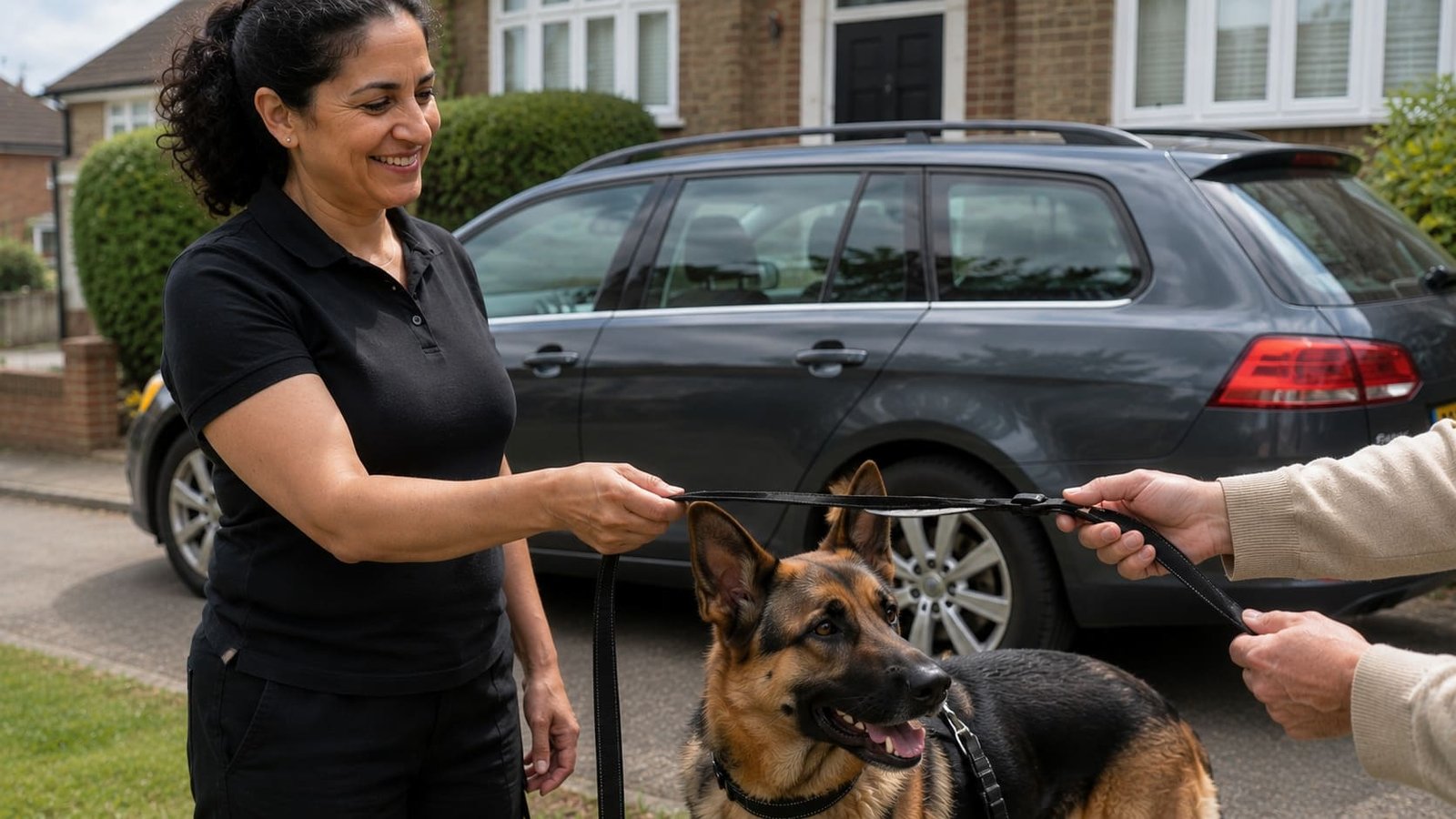
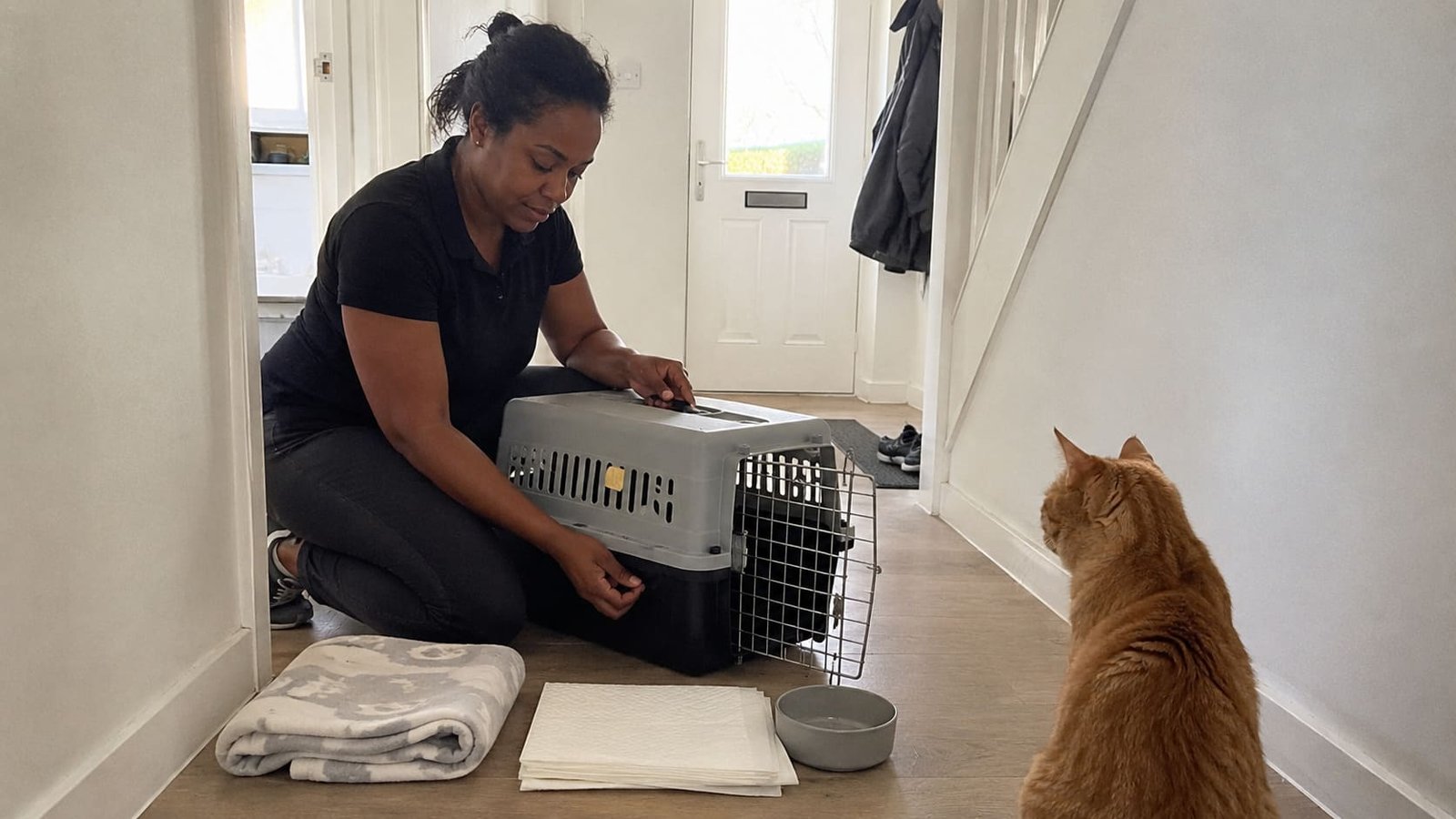
Front door pet pickup with carrier for home collection pet transport – Illustrative Image
Common challenges and how they are addressed
Even a well-planned booking can run into problems. Pet travel challenges are common enough that experienced providers tend to expect them and prepare for them.
Some issues are practical. Traffic disruption, late access to a property, flight changes, or paperwork mismatches can affect the schedule. Others are animal-led, such as a pet becoming distressed, struggling with confinement, or needing extra care because of age or a medical condition.
Typical challenges include:
- last-minute document concerns raised before onward travel
- border or customs delays that alter the original timetable
- nervous pets that need slower handling at collection or delivery
- health-related changes that require veterinary input before movement continues
The response matters more than the disruption itself. Customs authorities, veterinary professionals, and transport coordinators may all become part of the picture when a problem needs resolving. In those moments, calm communication and a clear escalation path are far more useful than optimistic promises.
Owners should also expect that some decisions may need to prioritise welfare over speed. If a cat is showing signs of acute stress or a dog should not continue under the original plan, a responsible service will treat that as a transport issue and a welfare issue at the same time. That is a very different mindset from simply trying to finish the route.
The value of professional oversight: when expert help becomes important
Some journeys sit well within normal transport arrangements. Others cross a line where specialist pet travel becomes the sensible option.
International moves are an obvious example, particularly where rules are strict or time-sensitive. Travel involving an Animal Health Certificate, complex import conditions, quarantine concerns, or multiple transport stages carries a level of risk that many owners would rather not shoulder alone. The same applies where the pet is very young, elderly, medically vulnerable, or poor at coping with change.
A few decision points can help clarify when professional pet transport is justified:
- The process involves border compliance or onward international travel.
- The animal has welfare factors that make standard handling unsuitable.
- The consequences of delay or refusal would be expensive, upsetting, or difficult to reverse.
Expert oversight has value because mistakes in pet relocation are rarely minor. A missed detail can affect access, entry, timing, welfare, or all four at once. Seen in that light, specialist support is less about convenience and more about responsible risk assessment.
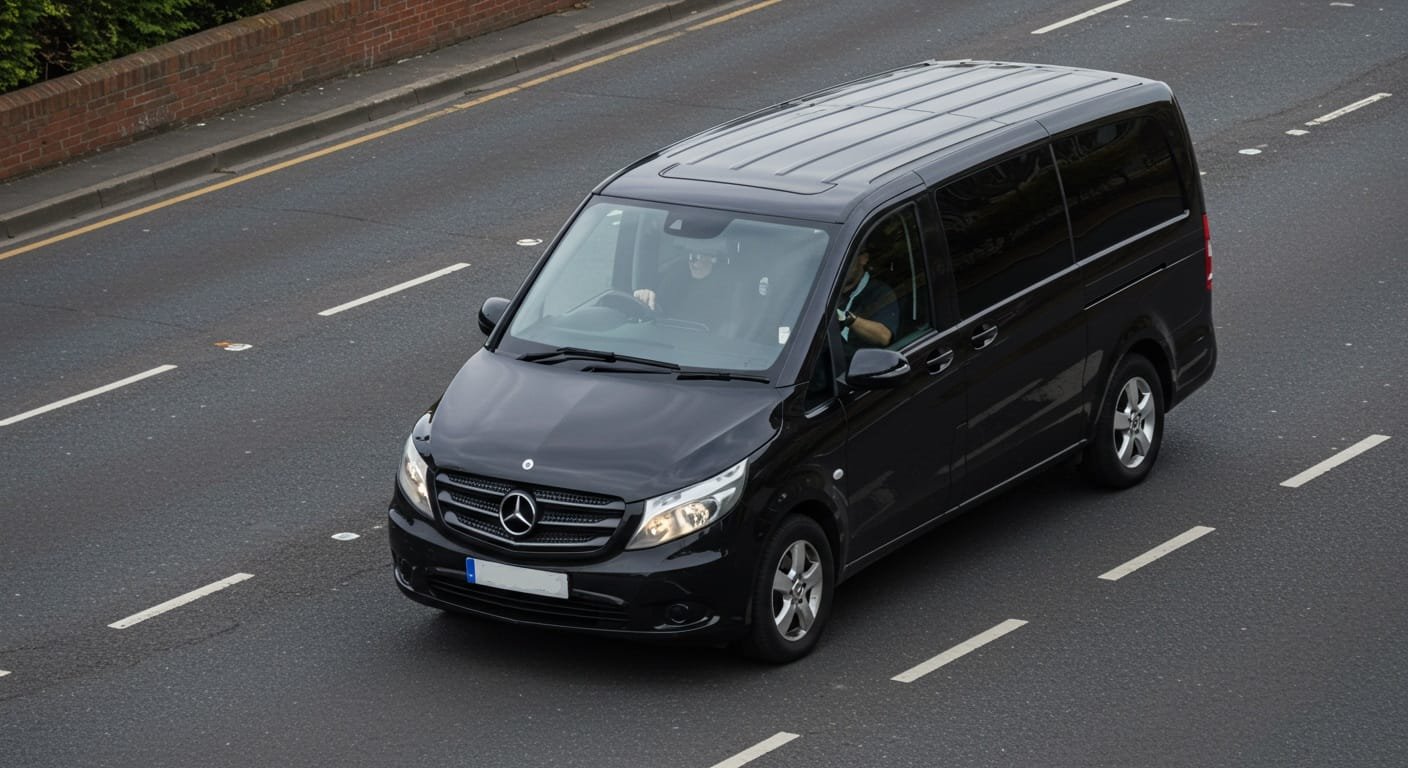
Pet Transport By Road In London
Looking ahead: rethinking pet transport expectations
Many owners begin with the idea that pet transport is a straightforward booking with a slightly different passenger. London quickly challenges that assumption. Urban logistics, welfare standards, timing pressure, and compliance rules all have a way of becoming visible once the process is real.
A better starting point is to treat the move as a managed responsibility. That frame helps owners judge services more clearly, ask better questions, and recognise why dog and cat travel in London deserves care beyond ordinary transport arrangements.
Expectations matter because they shape decisions. Once owners understand that safe pet travel depends on planning, handling, and oversight as much as movement itself, the process feels less mysterious and far more manageable.