
What do pet owners most often get wrong when booking summer travel to Europe with their dog?
Many owners assume their dog’s trip can be arranged much like their own holiday travel. Summer changes that. Pet booking windows can tighten, routes may carry heat-related restrictions, paperwork errors are less forgiving in busy periods, and border checks can take longer than expected. The most common mistakes come from treating pet travel as straightforward when, in peak season, it often is not.
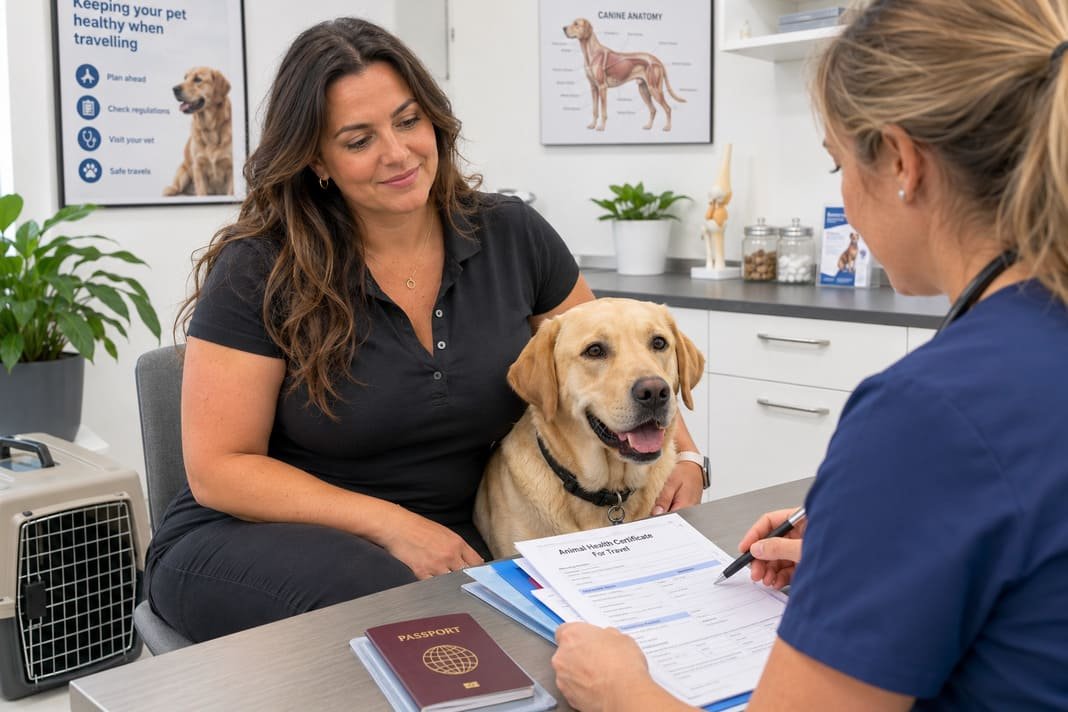
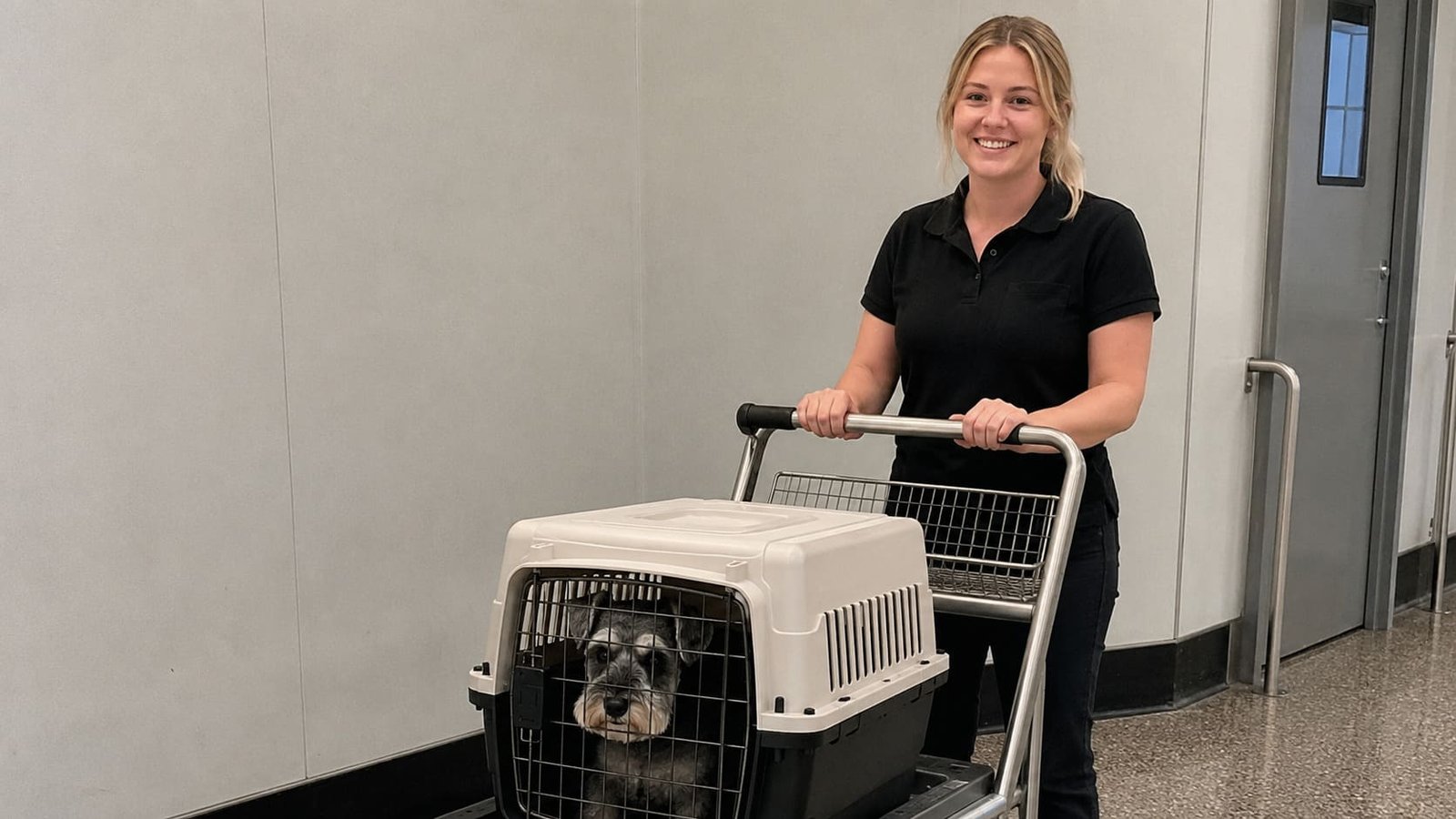
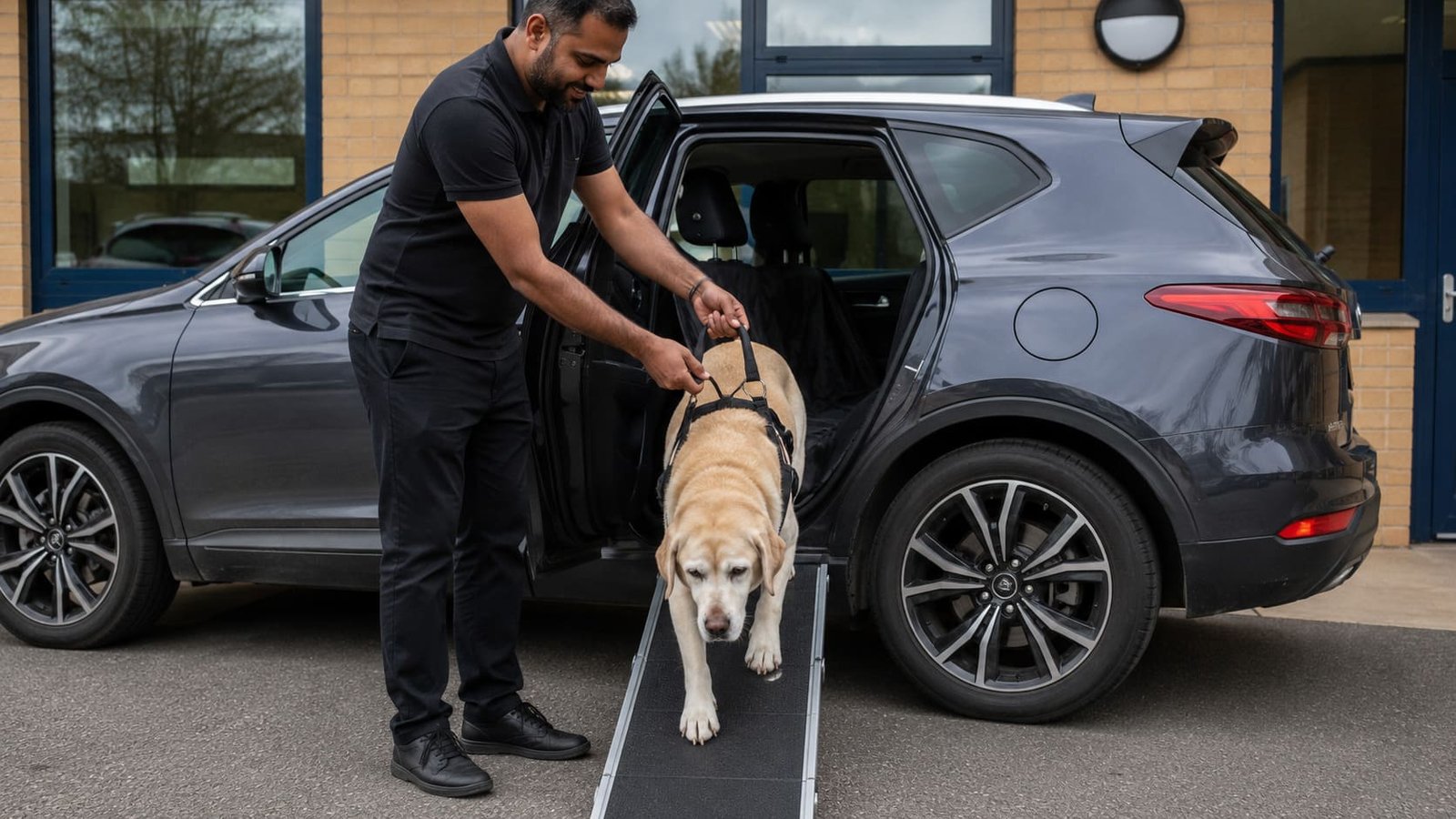
A photo of a professional pet handler and a dog at a vets getting checked before travel
Here's What We Have Covered In This Article
Overlooking seasonal travel restrictions and demand
Summer pet travel brings pressures that do not affect human passengers in quite the same way. Owners often book their own crossing or flight first, then assume a space for their dog can be added later. During peak travel periods, that assumption can unravel quickly.
A dog travelling in July or August may be affected by issues including:
- heat-related restrictions on certain routes or times
- limited pet capacity with airlines, Eurotunnel, and some ferry operators
- narrower pet booking windows during school holidays
- extra pressure on border control authorities at busy crossings
- longer knock-on delays if one part of the trip slips out of place
School breaks, major events, and high seasonal traffic can create travel bottlenecks that are hard to spot from standard holiday advice. DEFRA guidance, IATA rules, and operator policies may all matter at once, which means that a process that looked simple in spring can become harder to secure in summer. Missed timing often shows up as last-minute unavailability, altered routes, or a crossing that works for the owner but not for the dog.
Misunderstanding documentation and entry requirements
Paperwork causes trouble because it often looks simpler than it is. Many owners still confuse a pet passport with an Animal Health Certificate, or assume that documents used on an earlier trip remain acceptable now.
Post-Brexit changes are part of that confusion. A document that was valid for one process, or one period, does not automatically remain valid for another. AHC validity, rabies timing, microchip details, and country-specific rules all need to align with the actual date and route of travel.
Online summaries can add to the problem. Some mix UK and EU advice, others miss updates from DEFRA or veterinary authorities, and many flatten out details that border inspection posts will examine closely. A small mismatch in dates or identity details can turn into a refused entry decision at the point where options are narrowest.
Country rules matter as well. Entry requirements for Europe are often discussed as if they are uniform, yet the destination is only part of the picture if the process passes through another state first. That is where paperwork mistakes become expensive, because the error usually appears after plans, bookings, and moving dates are already fixed.
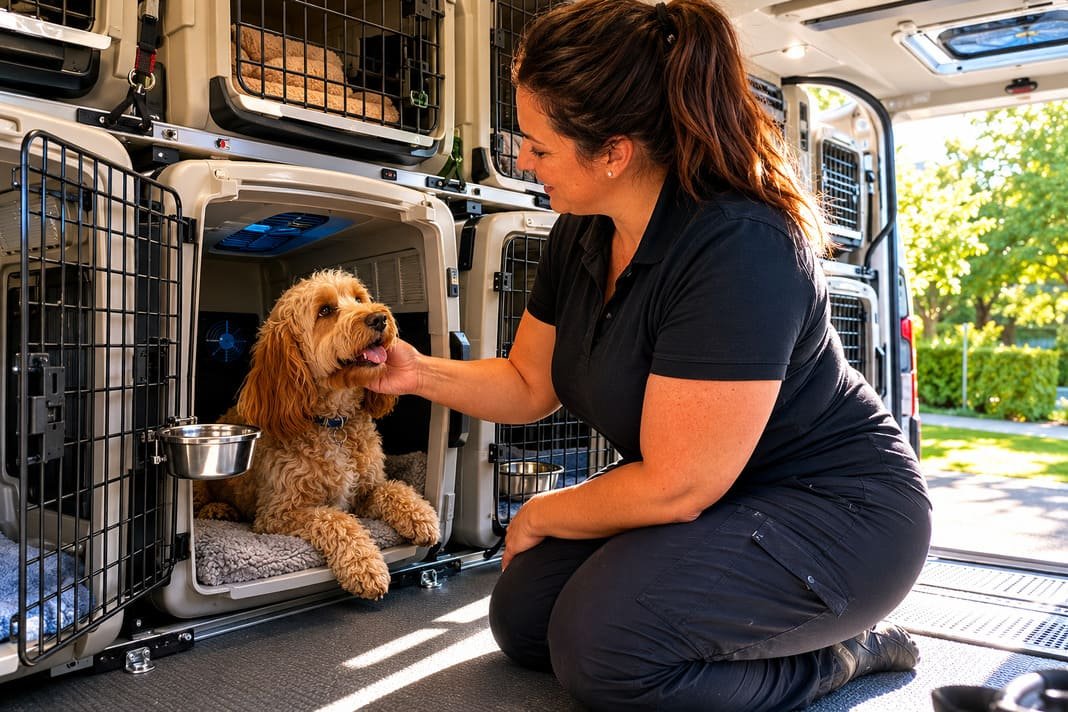
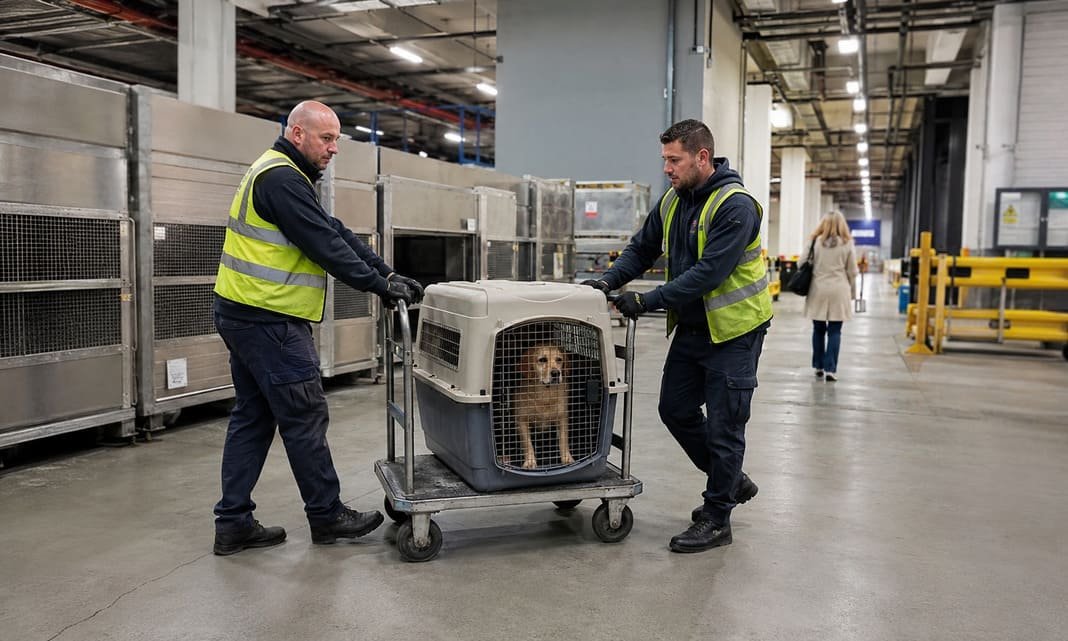
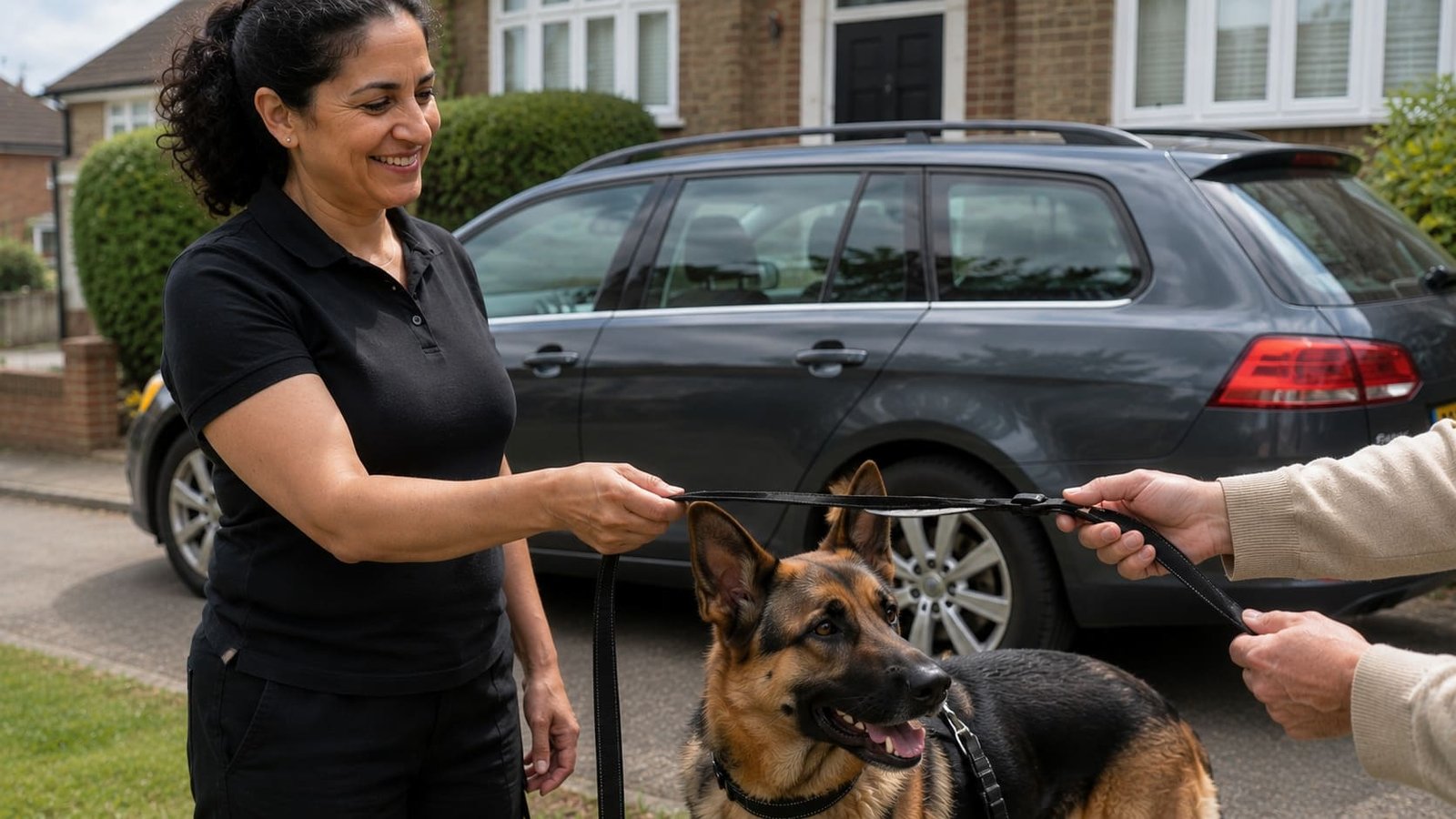
A photo of a dog and a professional pet handler during transport
Underestimating the challenge of cross-border logistics
A family might think they are booking a simple drive from the UK to France with their dog. In practice, the route can involve carrier rules, crossing schedules, customs checks, timing limits, and welfare considerations that sit behind a single booking confirmation.
Owners often expect one clean line from departure to arrival. The real process is a chain of linked decisions. Eurotunnel, ferry operators, and air carriers do not all accept pets in the same way, and transit rules can matter just as much as destination rules.
Layovers and stopovers add another layer. A route that appears efficient on paper may create awkward waits, unsuitable transfer times, or extra compliance points that affect the dog’s welfare as much as its legal entry. Customs authorities are concerned with what is permitted, but the practical side of dog process management also includes how the animal copes with the trip itself.
Door-to-door wording can mislead people here. It sounds smooth, yet cross-border pet transport still depends on route planning, border compliance, and realistic timing from start to finish. Human travel can absorb inconvenience more easily. Dogs cannot explain stress, overheating, or fatigue at the point where a plan starts to come apart.
Neglecting animal welfare and comfort during travel
Owners under pressure often focus on dates, documents, and border rules first. The dog experiences the process very differently. Heat, confinement, noise, waiting time, and unfamiliar handling can all shape whether a summer trip is merely tiring or genuinely difficult.
Welfare concerns usually become sharper in warm weather. A route that is legally permitted may still be a poor choice for a young puppy, an older dog, a flat-faced breed, or an animal with existing health concerns. Timing matters here. Early departures, shaded waiting arrangements, suitable crate conditions, and sensible rest planning are not extras.
Key welfare considerations include:
- exposure to heat during loading, waiting, or transfer points
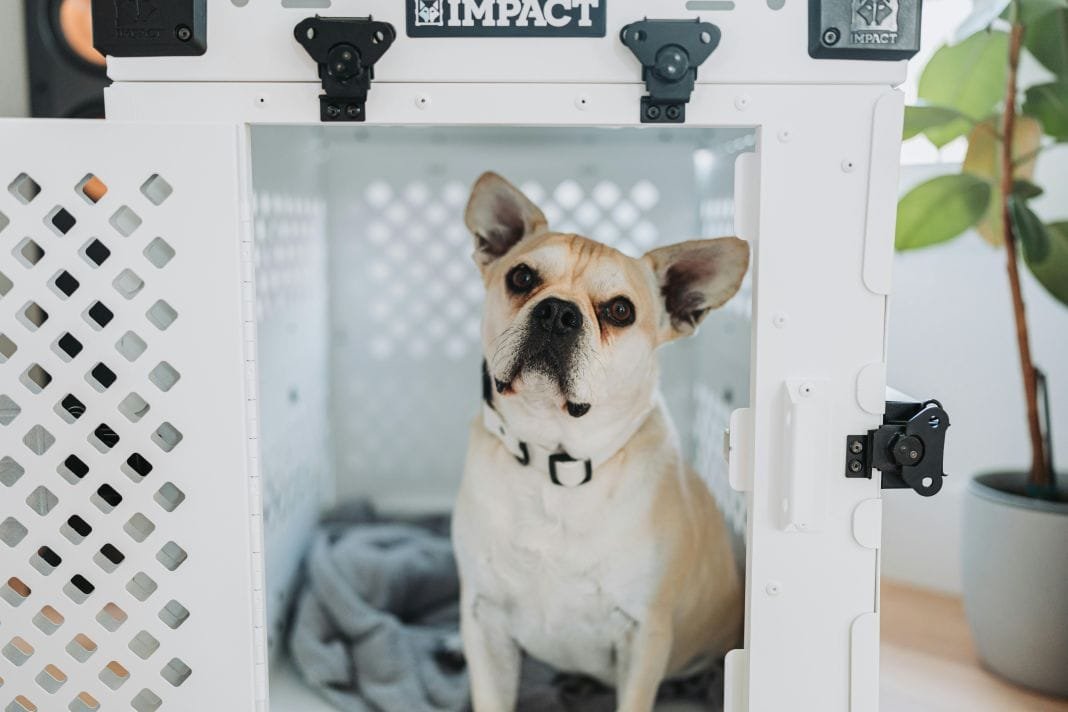
- crate suitability for the individual dog and the length of travel
- stress linked to noise, handling, or long periods without proper rest
- breed, age, and health factors that change what is safe
- whether the process is being managed by trained animal handlers or treated as standard transport
IATA Live Animals Regulations and DEFRA standards matter because welfare cannot be separated from compliance. Animal welfare organisations have long pointed out that a successful pet process is not simply one that reaches the border with the right papers. It is one that gets the dog there in a condition that is safe, stable, and manageable.
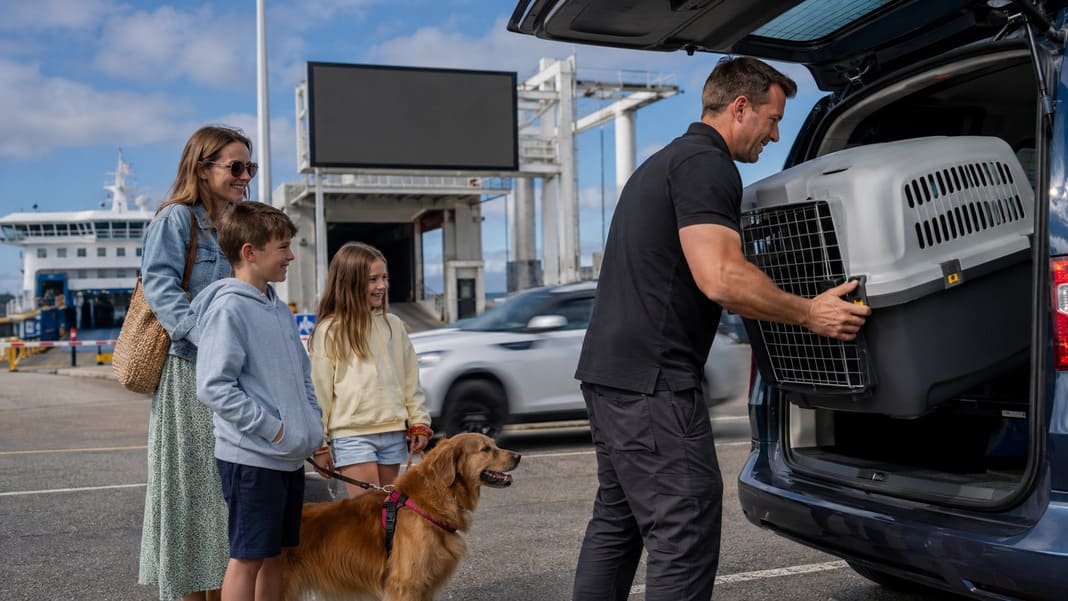
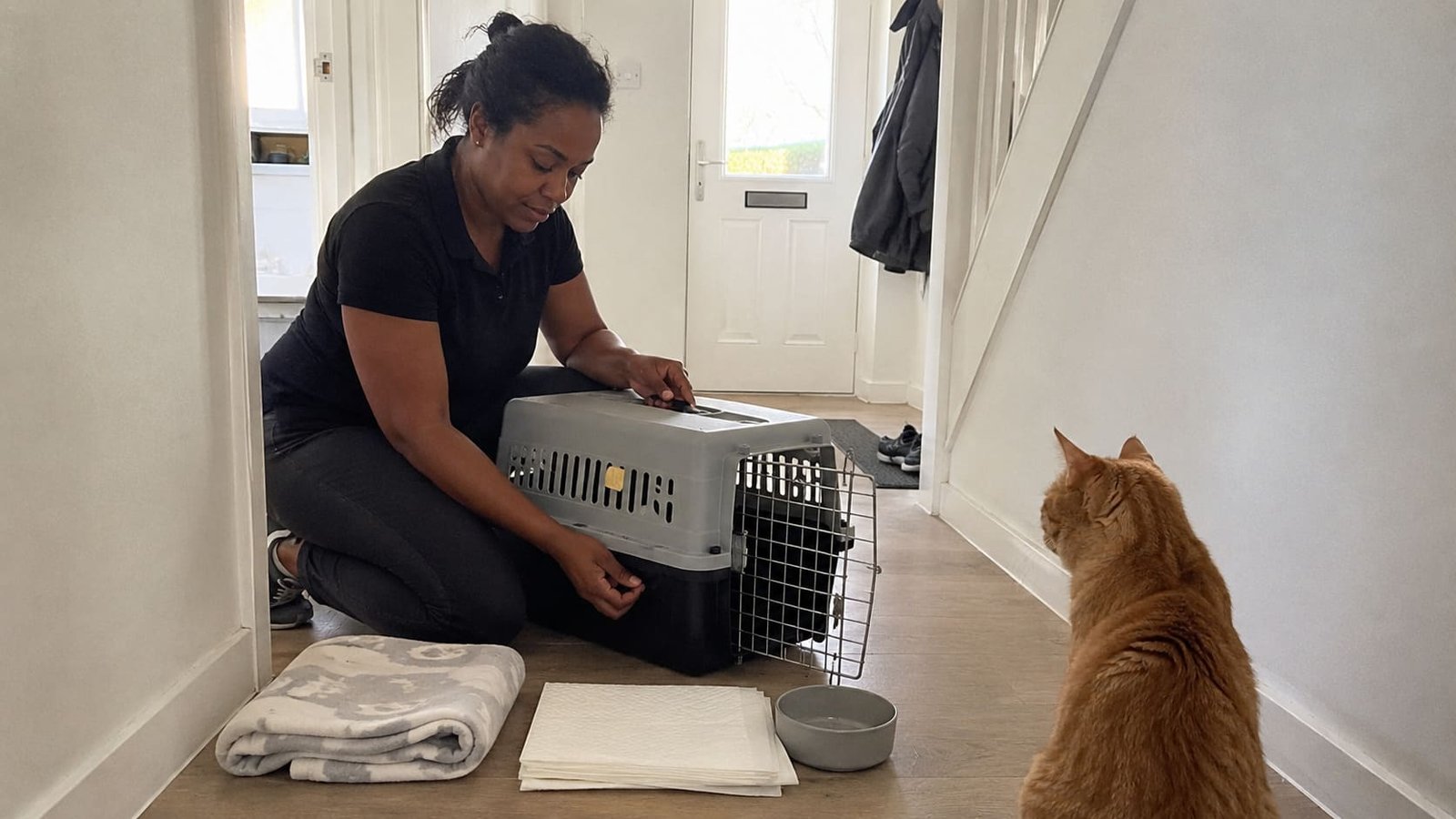
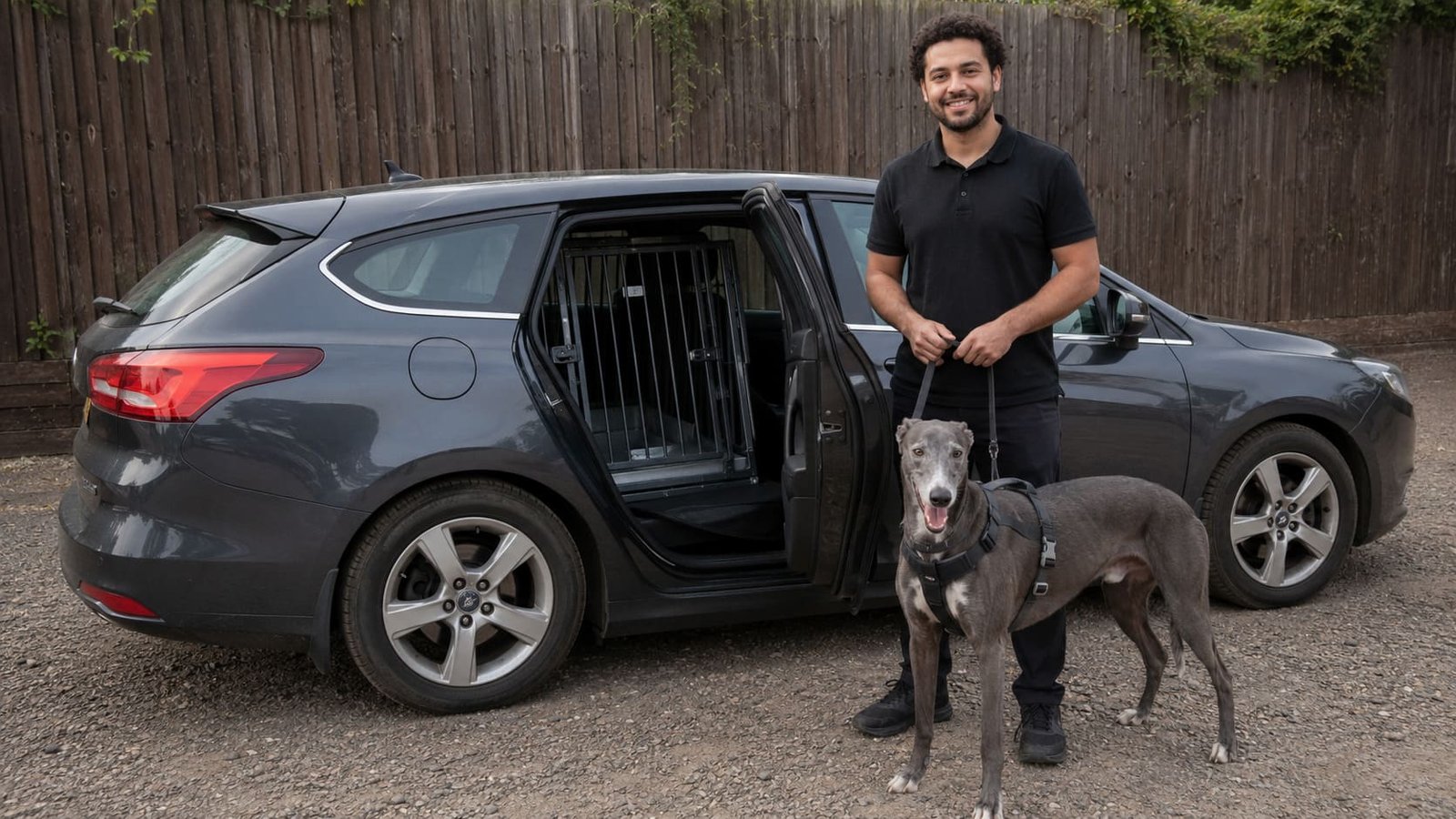
A photo of a family and a professional pet handler transporting their pet
Relying on outdated or conflicting online advice
Old advice causes a surprising number of dog travel booking mistakes. Owners often read a forum thread, a blog post, or a social media comment that sounds plausible, especially if it came from someone who made a similar trip before.
Rules can shift more quickly than older content suggests. One year’s pet travel checklist may miss changes in UK documentation, country entry requirements, or the way official guidance is interpreted in practice. Advice that was accurate before Brexit, or even last summer, can be wrong now.
A few common warning signs tend to appear:
- The source does not clearly show when it was updated.
- The advice blends personal experience with legal requirements.
- The information does not match current DEFRA or EU Pet Travel Scheme guidance.
Official government portals are less convenient to read than short summaries, but they are far less likely to leave out a detail that matters. The issue is not that owners are careless. The issue is that conflicting pet travel guidance can look equally confident, even when one version is out of date and the other reflects current rules.
Assuming all pet transport providers offer the same level of oversight
A pet-friendly label can mean many different things. Some providers move animals as one part of a broader transport service, while others manage dog relocation with compliance and welfare oversight built into the process from the start.
That difference matters most when the route is complex, the timing is tight, or the consequences of a mistake are serious. A general courier may be suitable for a straightforward domestic movement in some circumstances. Cross-border summer travel to Europe asks for something more specific, including awareness of regulation, route pressure, and the dog’s condition throughout the trip.
Useful distinctions include:
- whether handlers are trained specifically in animal welfare
- whether the provider works within DEFRA-related transport requirements
- whether compliance management is treated as part of the process, not an afterthought
- whether live oversight exists if timings change or a border issue appears
- whether the service is built for complex relocation rather than simple carriage
In that setting, a specialist company such as Tailored Pet Travel is distinct from a standard transport provider because the focus stays on welfare-led movement and risk control, not simply getting from one point to another. For owners comparing options, the important question is less about who accepts pets and more about who manages the process properly when conditions stop being routine.
Overlooking the consequences of mistakes: delays, refusals, and emotional stress
A single paperwork or routing mistake can alter the entire trip. An owner may arrive expecting a routine crossing, only to face a hold at the border because a certificate date does not line up or an entry requirement has been misunderstood.
The consequences often come in layers:
- delayed travel and rebooked crossings
- refused entry by border authorities or customs officials
- extra costs linked to rearranged plans
- possible quarantine or temporary holding issues in some cases
- distress for the dog and rising stress for the owner
The emotional side is often underestimated. Relocation already carries enough pressure without the added shock of seeing a pet delayed, separated, or placed into an uncertain situation because one detail was wrong. Owners moving for work or family reasons can find that one error pulls apart housing plans, travel schedules, and handover dates all at once.
Professional oversight cannot remove every variable, although it can reduce the chances of preventable problems. That is why specialist relocation support is often brought in after a refused booking, a documentation issue, or a route that has become too risky to manage casually.
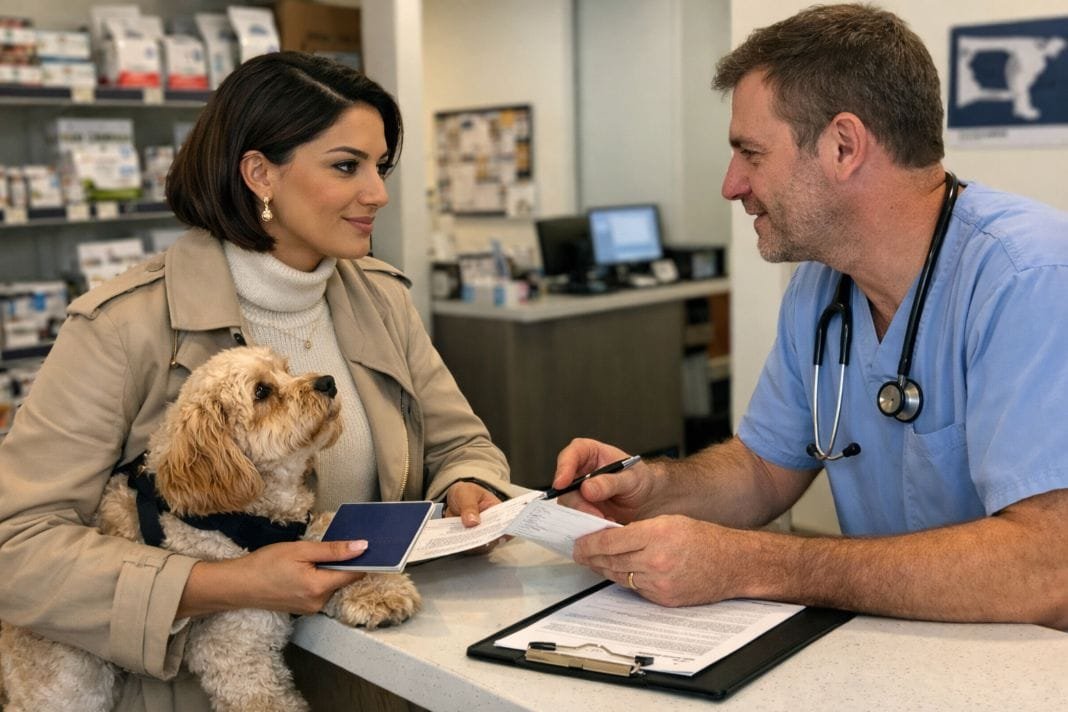
Pet travel consultation with client, paperwork and small pet for relocation planning – Illustrative Image
The reality: When expert help becomes sensible, not optional
Many people start out thinking they can handle summer dog travel to Europe alone, especially if the route looks familiar or the trip seems short. Challenge usually appears in the details: timing rules, welfare concerns, border interpretation, transit points, and the simple fact that peak season leaves less room for error.
Expert help becomes the sensible option when:
- The process involves multiple borders, carriers, or time-sensitive documents
- The dog has breed, age, health, or anxiety factors that affect travel safety
- The trip falls in a busy summer period with restricted capacity or route pressure
- The owner cannot afford disruption because the move is tied to work, family, or housing
- The information available online does not line up clearly with current official guidance
Seeking professional pet relocation support in those situations is not an overreaction. It is a practical response to risk. Summer travel rewards owners who treat their dog’s process as a regulated, welfare-led movement rather than an add-on to a holiday booking. That shift in thinking is usually what prevents the mistakes that matter most.