Can a flat-faced dog still travel to Europe in August if airlines refuse carriage?
Yes, sometimes, but the answer depends on the route, the breed, the weather, and the form of transport. August is often the hardest month for brachycephalic dogs because heat risk rises just as airline pet policies tend to tighten, so travel may still be possible by land or sea if welfare and compliance can be managed properly.

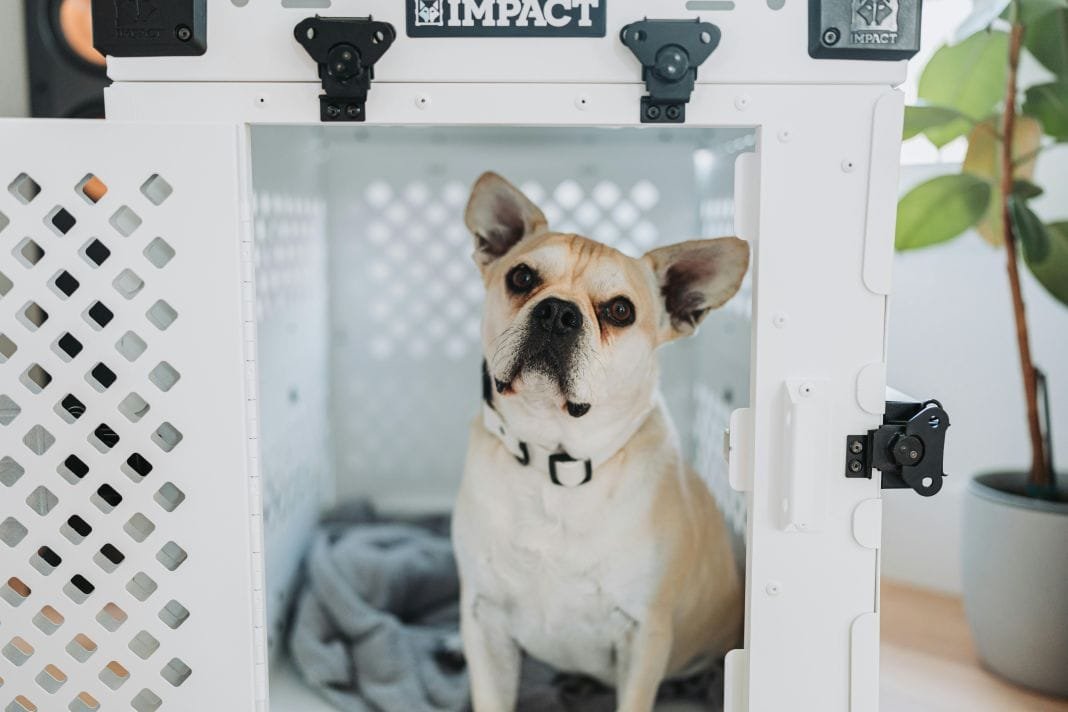
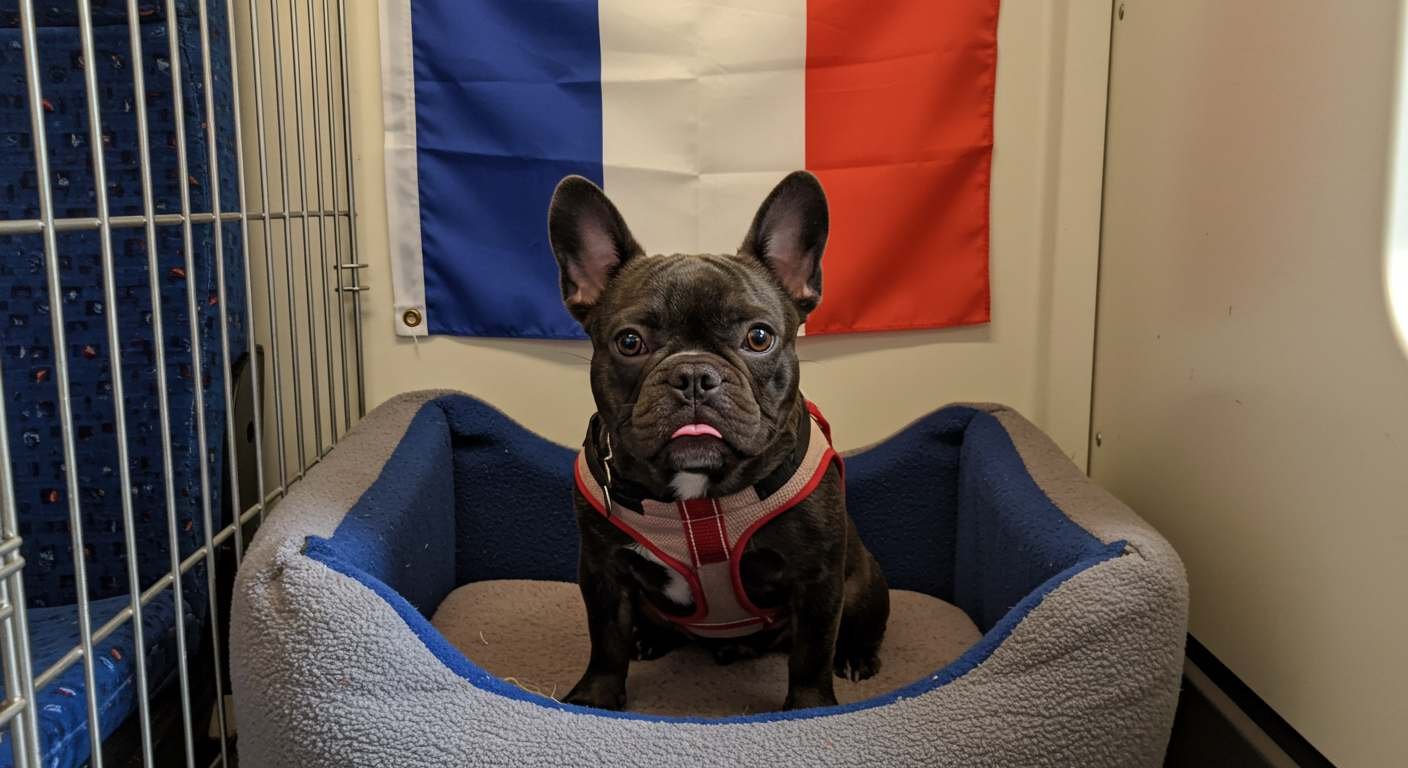
A photo of a French Bulldog – One of the most popular companion dogs. Friendly, playful, and adaptable to apartment living.
Here's What We Have Covered In This Article
Why August Is a Critical Month for Flat-Faced Dog Travel
August creates a difficult combination of temperature, timing, and transport policy. Flat-faced breeds, including pugs, bulldogs and similar dogs, can be more vulnerable to breathing problems in hot conditions, which means that summer travel carries a different level of welfare concern from the outset.
Airlines do not usually make these decisions in isolation. Their pet travel rules sit alongside IATA guidance, internal risk assessments, and animal welfare standards that take heat stress seriously. During peak summer, a process that might appear manageable on paper can become much less predictable once tarmac heat, transfer delays, and airport handling are factored in.
A few August-specific pressure points often sit behind summer pet travel restrictions:
- Higher ambient temperatures before boarding, during loading, and after landing
- Greater concern around breed-specific risks in brachycephalic dogs
- Seasonal embargo periods on some routes, airports, or aircraft types
Confusion often starts with the term “summer embargo”. In practice, that phrase can refer to several different things. One airline may suspend pet carriage on selected routes for a period of hot weather, another may exclude certain breeds all year, and a third may accept some dogs only under tightly limited conditions.
Policy and practical risk are not always the same. A route may still appear open according to published airline pet travel policies, yet the airline may refuse a booking if the temperatures forecast close to departure look unsafe. That distinction matters because it explains why owners sometimes receive mixed messages from websites, call centres, and freight teams.
Exceptions do exist, but they are narrower than many people hope. A flat-faced dog is unlikely to be accepted simply because the owner is willing to sign a waiver or because travel feels urgent. Welfare concerns, insurance limits, and operational risk generally carry more weight than personal circumstances.
What “No” from Airlines Really Means: Interpreting Refusals
An airline refusal is not always one single type of refusal. Some are absolute, some are route-based, and some reflect uncertainty about paperwork, breed classification, or seasonal handling limits.
One common version is a true ban. That usually means the airline will not carry a particular breed, or type of flat-faced dog, under any summer conditions and often at any time of year. If that is the position, there is little value in treating it as a temporary misunderstanding.
Another version is conditional refusal. Airline customer service may say no because the requested route, aircraft, or month falls outside current operating rules, even though another routing or form of movement might still be considered elsewhere in the same network. In those cases, the refusal relates to the booking context, not always to the dog in every possible scenario.
Documentation can complicate the picture further. Breed identification standards matter, especially where a dog has mixed ancestry or where a description on veterinary records, microchip details, or booking information does not align neatly. A mismatch can trigger caution, and caution in this setting often ends in refusal.
Insurance and liability sit in the background of many airline decisions. A carrier may judge that the health risk for a brachycephalic dog during August is beyond what it is prepared to accept, even if every document is technically in order. That reading may feel blunt, but it is usually a reflection of operational exposure as much as policy wording.
Language used in refusals often gives a clue:
- “We do not carry this breed” usually signals a fixed policy position.
- “We cannot accept pets on this route at this time” points to route or seasonal limits.
- “We are unable to approve the booking pending review” suggests an unresolved documentation or classification issue.
Where a refusal is tied to summer heat, owners sometimes assume another call handler will give a different answer. Occasionally, frontline wording is imprecise, but repeated refusals that refer to August airline pet policy or welfare concerns should be taken seriously. A different answer from a different person does not reduce the underlying heat risk for dogs.
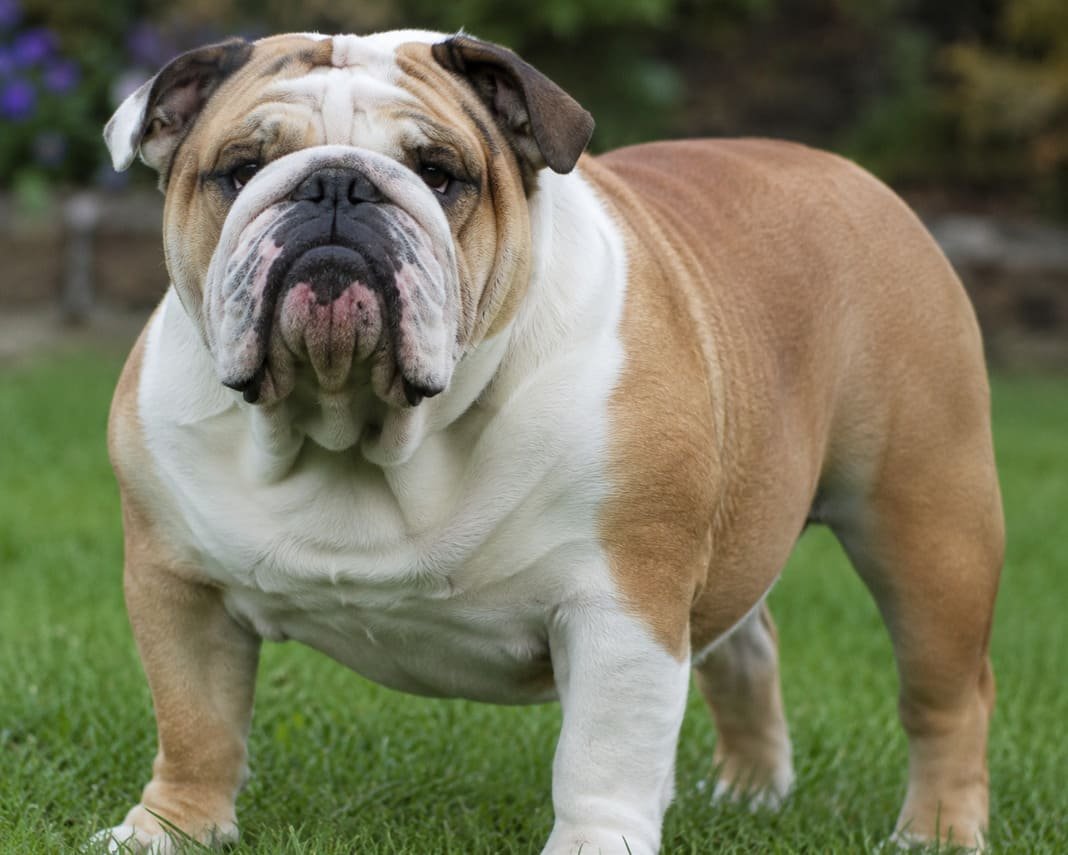
Pet health certificate and travel documents being prepared by a veterinary professional – Illustrative Image
Ground Transport Alternatives: Crossing Europe Without Flying
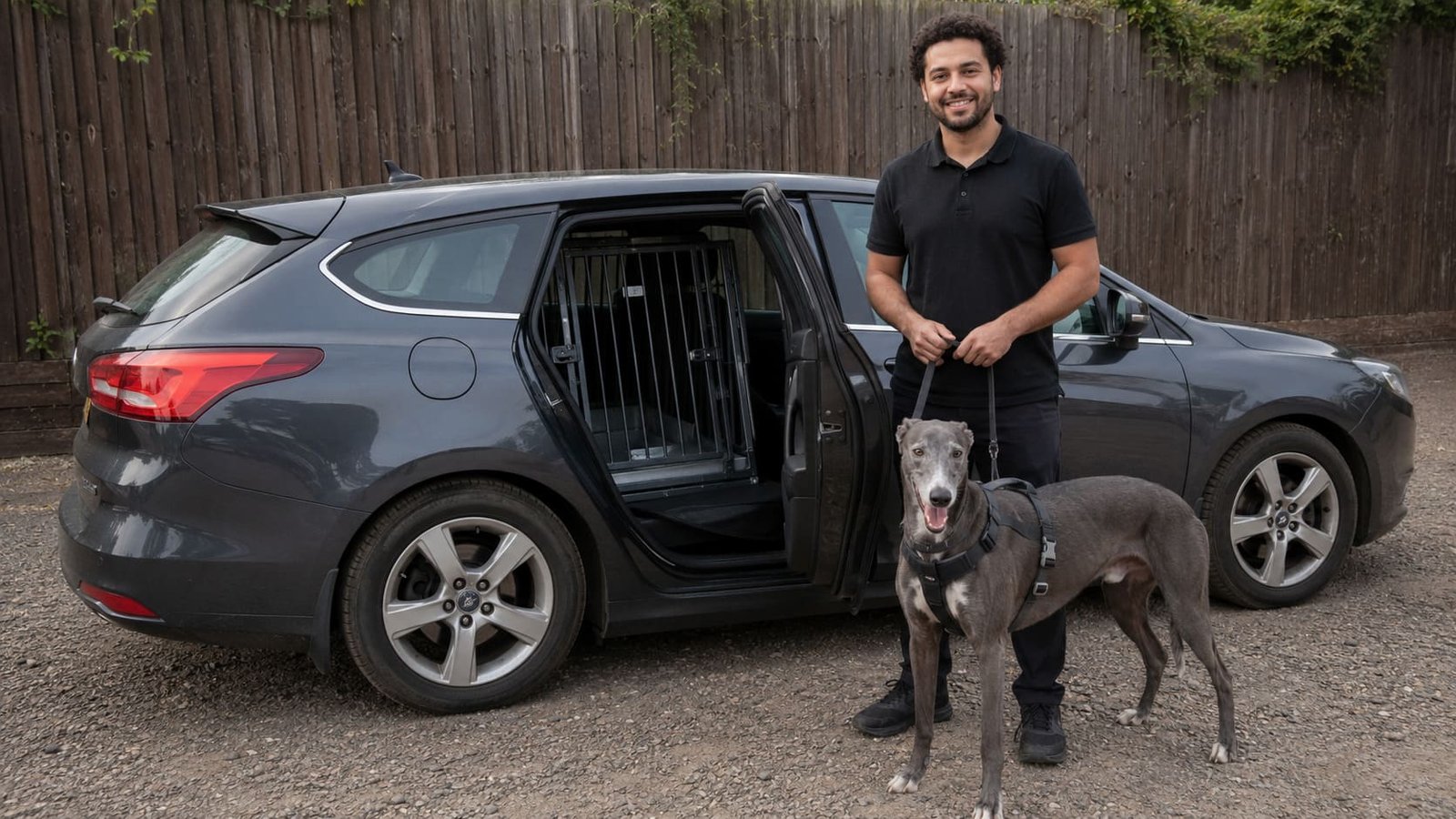
If air carriage is off the table, overland movement often becomes the main realistic option. For many flat-faced breeds, that can be the safer route in August because it avoids aircraft hold conditions, airport dwell times, and airline-specific breed restrictions.
Eurotunnel and ferry operators are often part of that picture, though each route comes with its own rules. A land process can still be long, and long does not automatically mean gentle. Welfare depends on vehicle temperature control, sensible timing, rest planning, border readiness, and the dog being monitored by people who understand brachycephalic breed travel.
Professional ground transport is not simply a road trip with pet paperwork attached. In a welfare-led model, the vehicle, timing, handling, and border preparation are all arranged around the animal’s limits. That is why firms such as Tailored Pet Travel are usually discussed in this context as compliance-focused transport providers rather than as generic couriers.
Several overland features make a difference in August:
- Climate-controlled travel space matters more than fast mileage.
- Quiet handling at crossings can reduce stress in dogs prone to breathing difficulty.
- Documentation must still stand up to DEFRA and border checks, even without a flight.
Road and sea options also bring their own pressure points. Delays at ports, hot vehicle queues, and disrupted sailing times can all affect welfare. A brachycephalic dog that seems settled at departure may struggle later in the day if ambient heat builds or border waiting times increase.
For that reason, the strongest ground plans are the ones built around tolerance, not optimism. A pet-friendly vehicle, access to water, and controlled rest periods are basic expectations, but they are only useful if the whole route has been thought through with the dog’s breathing and temperature sensitivity in mind.
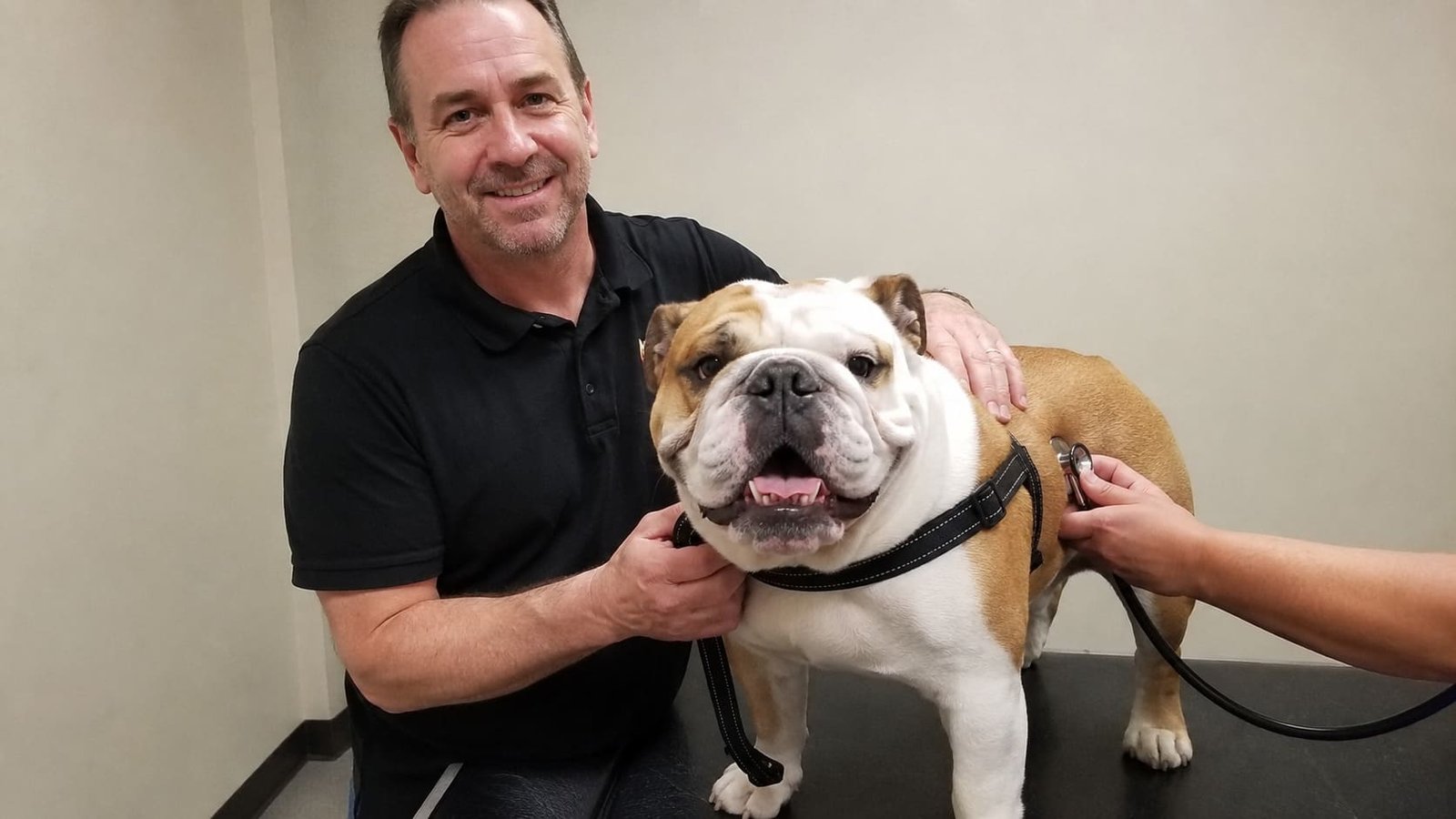
Handler steadies a bulldog during a pre-travel veterinary examination.
Working through Documentation and Compliance for Non-Standard Journeys
Once a process moves away from a standard airline booking, paperwork often becomes even more important. Non-standard routes can attract extra scrutiny because border officials and transport operators need to see that the dog’s travel remains fully compliant, even where the transport method has changed.
For Europe, owners usually hear about the Animal Health Certificate, pet passports where still valid, rabies vaccination records, and microchip verification. The key point is not the list itself. The real issue is timing, consistency, and whether every document matches the route actually being used.
Where problems usually arise
An AHC for dogs has a set validity window, and veterinary travel checks must line up with departure dates. If plans shift because an airline says no, the original timing may no longer fit the new process. That can leave owners with documents that were correct for one plan but unusable for the revised one.
Country-specific entry rules can also become more visible on land routes. Border control agencies may look closely at the sequence of movement, supporting records, and the identity details recorded against the microchip. Minor errors that seem administrative on paper can become serious if they delay entry at a crossing point.
Why non-flight travel can still be document-heavy
A common misunderstanding is that flying is the regulated option and driving is the simpler one. In reality, cross-border pet compliance applies across transport modes. DEFRA rules, EU Pet Travel Scheme requirements, and veterinary certification still matter, and route changes can create fresh points of failure.
That is where regulatory confidence matters more than speed. Tailored Pet Travel is one example of a company associated with this kind of oversight, particularly where owners need assurance that a changed route still aligns with the correct veterinary and border expectations.
A flat-faced dog’s welfare may shape the transport choice, but compliance decides whether the process can lawfully proceed at all. At a busy border, the difference between a smooth crossing and a refused one is often found in the fine detail of dates, names, and route fit.
What Owners Should Know: Risks, Realities, and Responsible Choices
For some owners, August travel feels unavoidable because work moves, family circumstances, or housing deadlines leave little room. Even so, a dog’s physical limits do not adjust to a human timetable.
Veterinary associations and animal welfare charities have long highlighted heatstroke and respiratory strain as genuine concerns for brachycephalic breeds. Flat-faced dogs can struggle more quickly in warm, stressful, or poorly ventilated conditions, especially if a process includes waiting, handling changes, or an unfamiliar environment.
Emotional pressure can cloud judgement. A refusal from an airline may tempt owners to keep pushing until someone says yes, but a yes is not always the same as a safe answer. Risk does not disappear because a booking becomes available somewhere else.
Several realities are worth holding in mind:
- A legal route can still be the wrong route for a heat-sensitive dog.
- A delayed process may be safer than an immediate one.
- Professional oversight becomes far more important when the route is long, hot, or unusual.
Insurance adds another layer that owners sometimes miss. Pet insurance providers may have terms linked to pre-existing breathing issues, travel-related illness, or disruption caused by document problems. That does not mean cover will fail, but it does mean assumptions can be expensive.
Choosing to postpone is sometimes the most responsible decision available. That choice can feel disappointing, particularly after months of planning, yet it may be the option that best respects brachycephalic breed safety in late summer conditions. A calm change of plan is often kinder than forcing a difficult process through heat and uncertainty.
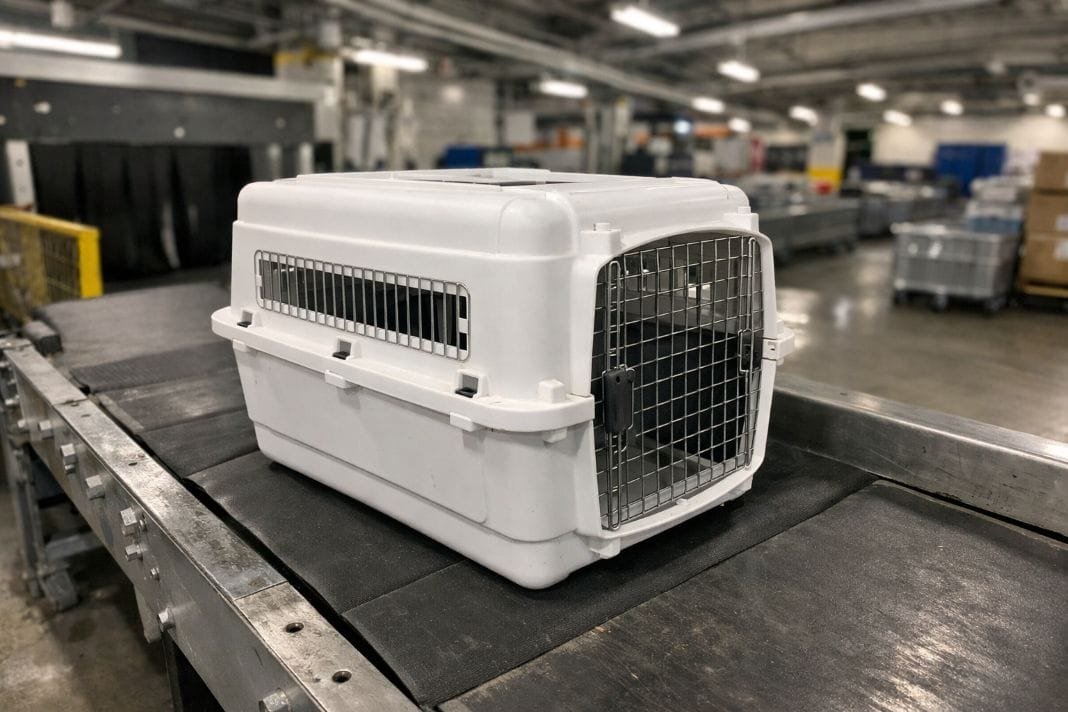
Airline pet crate on cargo handling line for professional pet relocation – Illustrative Image
Looking Ahead: The Future of Flat-Faced Dog Travel in a Changing Climate
Travel rules for flat-faced dogs are unlikely to become simpler as hotter summers become more common. Climate patterns, animal welfare guidance, and transport policies are all moving in ways that place more attention on breed-specific risk.
DEFRA, IATA, and animal welfare organisations are already part of a wider shift in how pet transport is assessed. The direction of travel appears clear even if the exact rules continue to vary by carrier, route, and season. More scrutiny of heat exposure, handling conditions, and welfare thresholds is a reasonable expectation.
A few trends are likely to shape the future of pet travel:
- Greater seasonal caution around brachycephalic breed transport
- More route-specific restrictions linked to temperature and airport conditions
- Stronger emphasis on adaptable planning instead of fixed assumptions
One-size-fits-all answers have never suited pet relocation, and that is especially true for flat-faced breeds in August. The future of pet travel will probably favour plans that can flex around weather, route conditions, and the needs of the individual dog.
Owners who understand that early are usually in a stronger position. They are less likely to mistake access for suitability, and more likely to judge the process by welfare, timing, and compliance together.