
Can you take a dog on the Eurostar, and why is that different from the Eurotunnel?
In most cases, no, you cannot take a pet dog on the Eurostar. Eurostar generally does not allow pet dogs on its passenger services, apart from recognised assistance dogs that meet the relevant rules. The Eurotunnel is different because it carries vehicles, which creates a very different setup for border checks, pet controls and the way animals travel across the Channel.
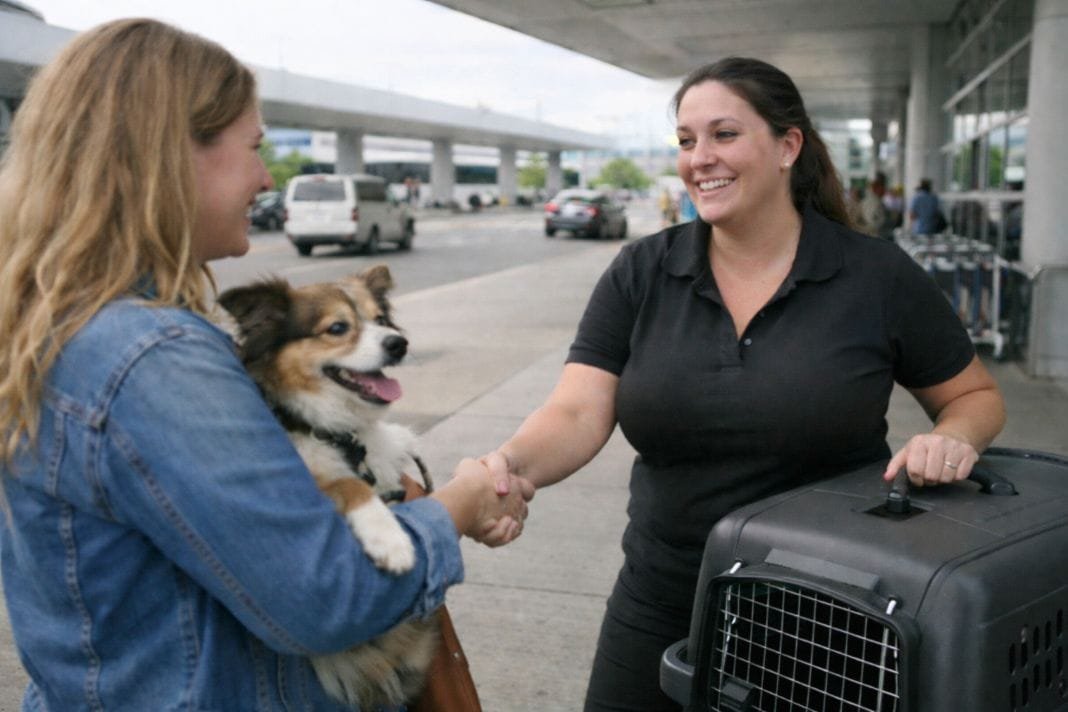
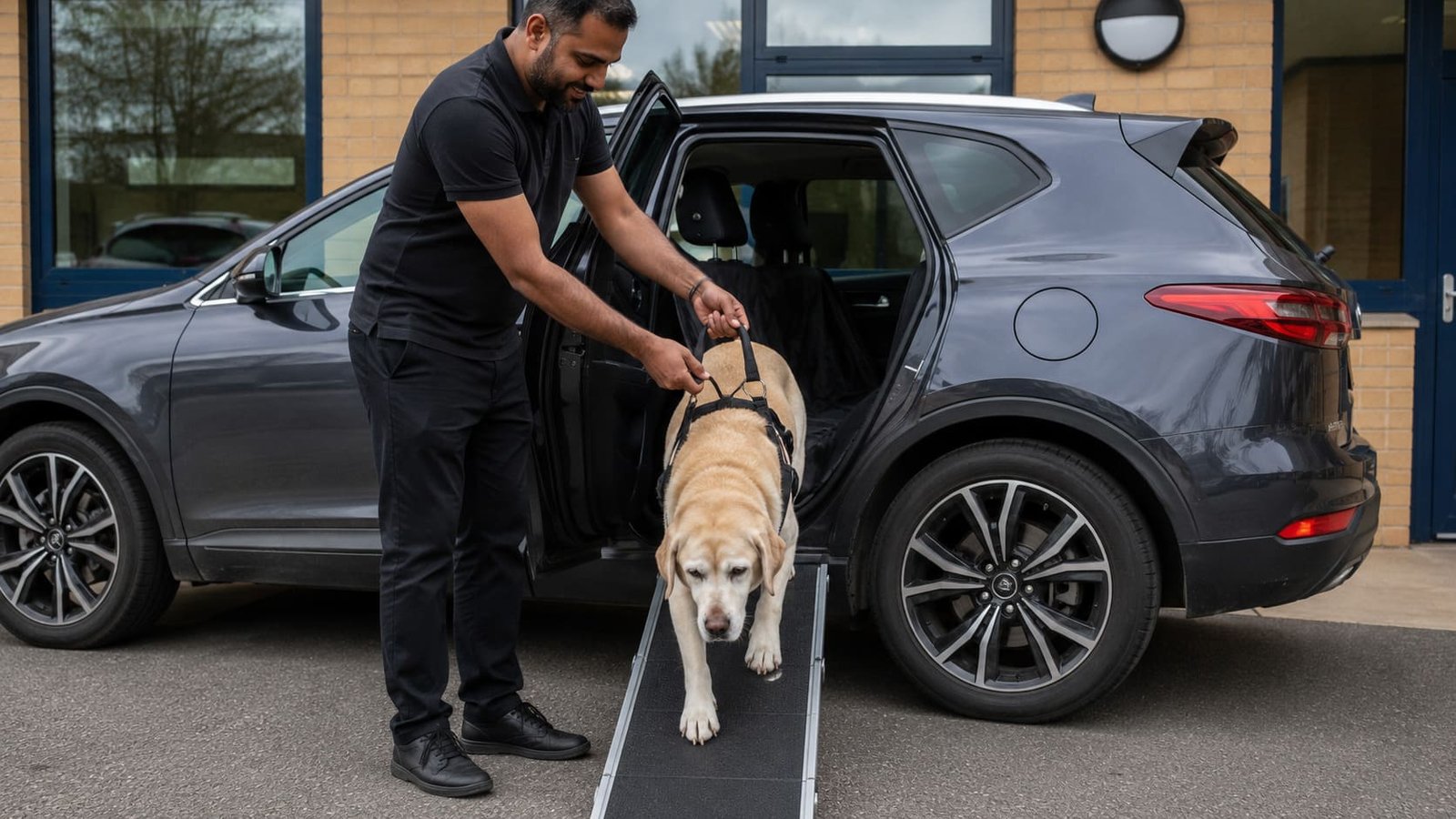
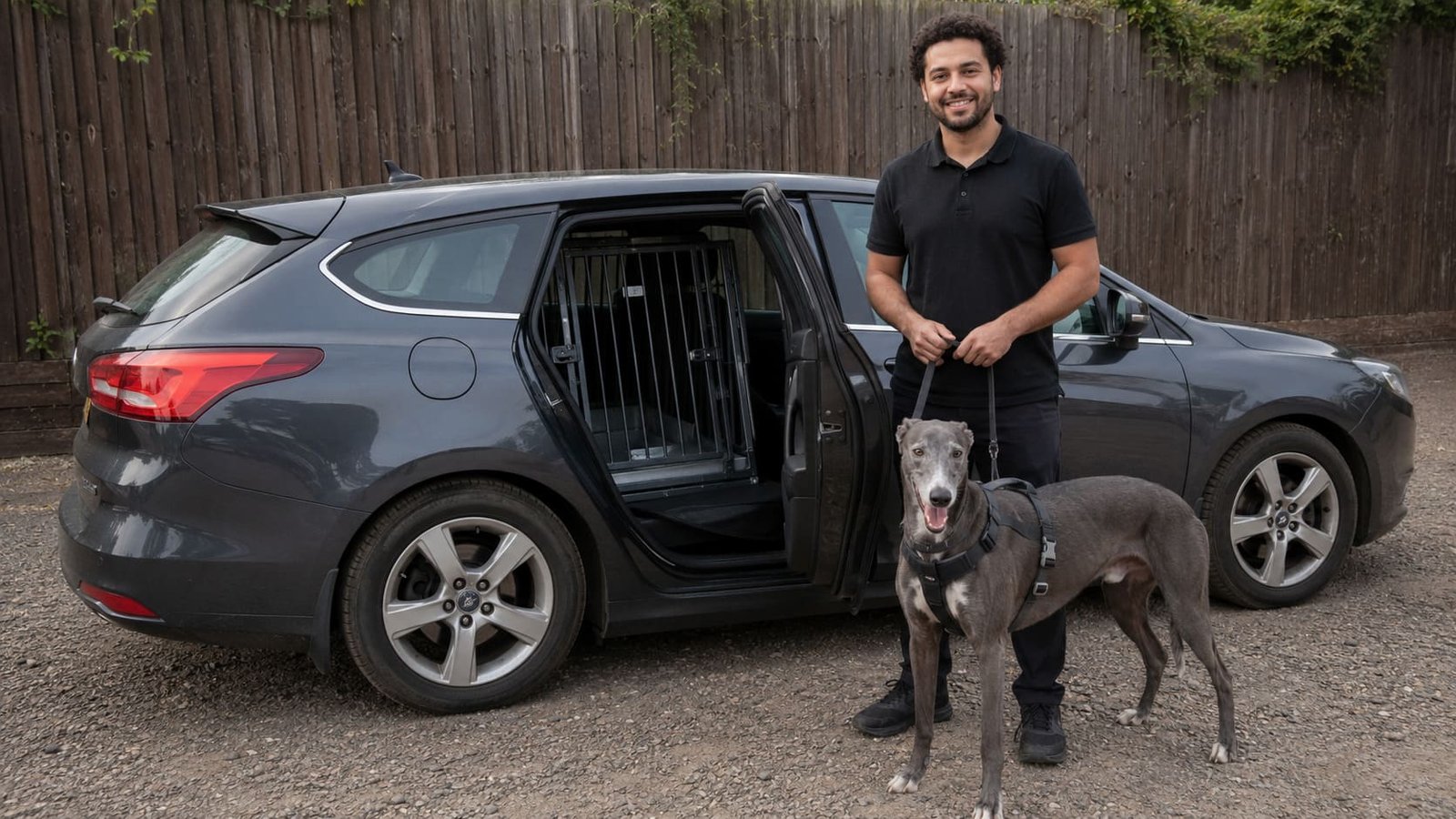
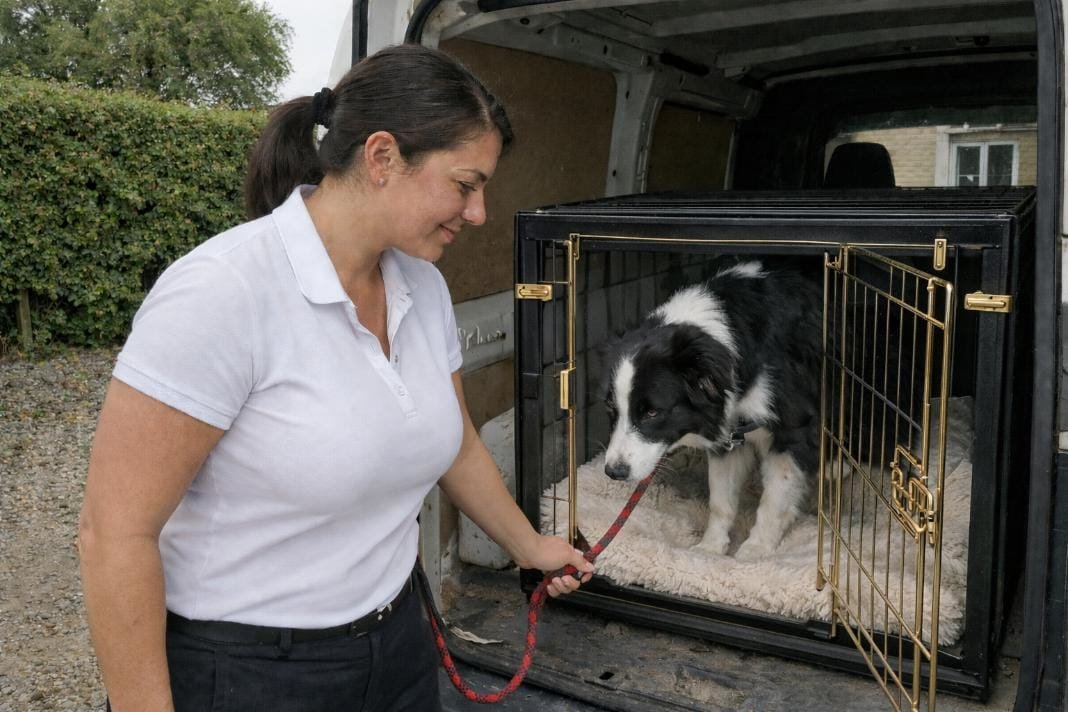
Outdoor pet pickup with crate, dog and travel team preparing for relocation – Illustrative Image
Here's What We Have Covered In This Article
The Eurostar’s Policy on Dogs: What You Need to Know
Anyone searching for the Eurostar dog policy usually wants a clear yes or no. The answer is simple. Pet dogs are generally not allowed on Eurostar trains, even if the process is short and even if the dog is calm, small, or used to travel.
A quick distinction makes the rule easier to follow:
- Pet dogs are generally not permitted on Eurostar passenger services.
- Assistance dogs may be accepted if they meet the applicable regulations and travel requirements.
Confusion often starts because people group all Channel rail travel together. Eurostar is a passenger rail service with its own ticketing, station controls and cross-border procedures. That framework is not set up in the same way as a service that moves cars and their occupants through the Channel Tunnel.
Some travellers assume there may be quiet exceptions, informal arrangements, or route-specific loopholes. That assumption often leads to wasted planning and expensive changes. For ordinary pets on Eurostar, the policy is generally a restriction, not a flexible guideline.

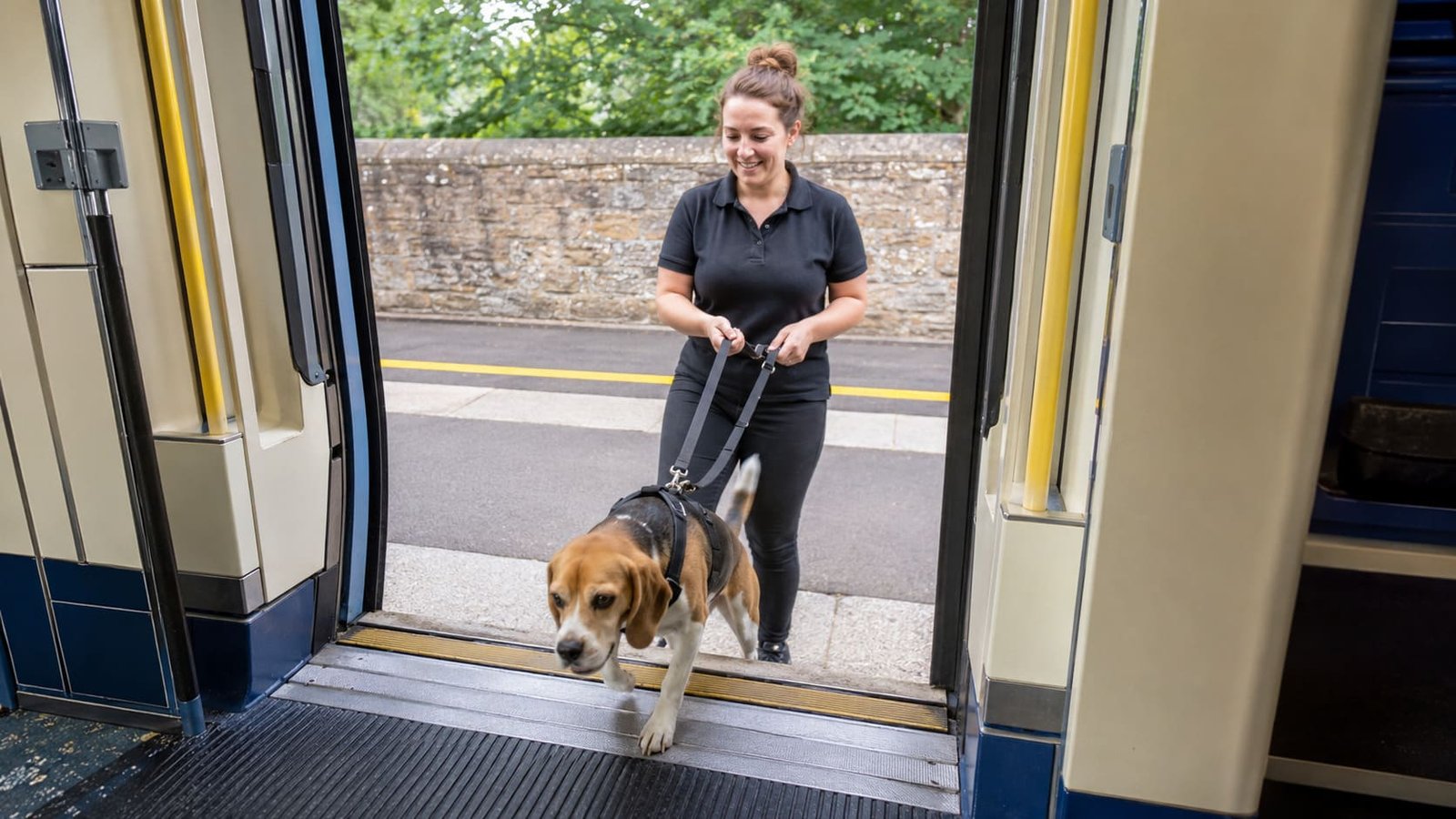
Eurostar-pet-friendly-travel-by-train
Why the Eurostar and Eurotunnel Are Not the Same for Pet Travel
At a glance, both services cross the Channel by train. In practice, they work very differently.
Here is the basic contrast between Eurostar and Eurotunnel pet travel:
- Eurostar carries foot passengers on high-speed international trains.
- Eurotunnel Le Shuttle carries vehicles, with pets staying in the car with their owners.
- Eurostar stations operate like major passenger terminals with layered cross-border controls.
- Eurotunnel pet rules sit within a vehicle-based travel model that allows checks before boarding in a different way.
That difference shapes everything. A dog travelling with a family car through Eurotunnel is still within a contained private vehicle environment for much of the process. A dog on a busy international passenger train would raise different operational and welfare issues, including station handling, platform movement, onboard conditions and border management.
Many people search for Eurostar vs Eurotunnel pets as if the names refer to two versions of the same service. They do not. One is a passenger railway operator. The other is a vehicle shuttle through the Channel Tunnel. Once that distinction is clear, the difference in pet policy makes much more sense, especially for owners planning a pet-friendly Channel crossing.
The Realities of Cross-Channel Pet Compliance
A dog can be perfectly fit to travel and still be refused if the paperwork or timing is wrong. That is often the part owners underestimate.
Cross-Channel pet rules sit within a wider compliance system that can involve microchipping, rabies vaccination records, health certification and checks by border authorities. DEFRA guidance matters on the UK side, and French customs or other entry authorities may apply their own inspection standards on arrival. A valid Animal Health Certificate or other accepted travel document is not a formality. It is part of the legal basis for the process.
Problems tend to appear at the edges of a plan. A vaccine date may not align properly with travel. A document may be valid in one context but not another. A route change, delay or missed crossing can also affect whether paperwork still fits the process as booked.
That pressure is one reason some owners turn to Tailored Pet Travel when the route is time-sensitive, unusual or emotionally loaded. In those situations, confidence often comes less from speed and more from knowing the process has been reviewed against the actual cross-border rules in force.
Missed compliance can have serious consequences, including refusal to travel, disruption at the border, extended delays, or in some cases quarantine-related issues. A short Channel crossing can therefore carry far more administrative weight than the distance itself suggests.

Pet travel administration and relocation planning with service notes and paperwork – Illustrative Image
When Professional Pet Travel Support Makes Sense
Some pet journeys are straightforward on paper and still become difficult in real life. Pressure changes the calculation.
Professional pet transport or relocation support tends to make sense in situations such as these:
- A booking has already gone wrong and travel dates cannot move easily.
- The dog has age, breed, medical or welfare considerations that need close judgement.
- Multiple pets are travelling together, which increases the chance of timing or document issues.
- The route involves several handovers, border points or onward connections.
- The owner is relocating under work or family pressure and cannot absorb avoidable mistakes.
In these cases, expert pet travel help is less about convenience and more about reducing the chance of a bad outcome. Trained animal handlers, familiarity with DEFRA expectations and close process oversight can all matter when a crossing becomes more than a simple booking.
A family moving from London to France with one healthy dog and flexible dates may face a manageable process. A household relocating at short notice with two pets, a changed departure point and limited tolerance for delay is dealing with a very different level of pet travel risk. That is where firms such as Tailored Pet Travel are often brought in, particularly when the cost of getting it wrong is measured in welfare, timing and border disruption rather than money alone.
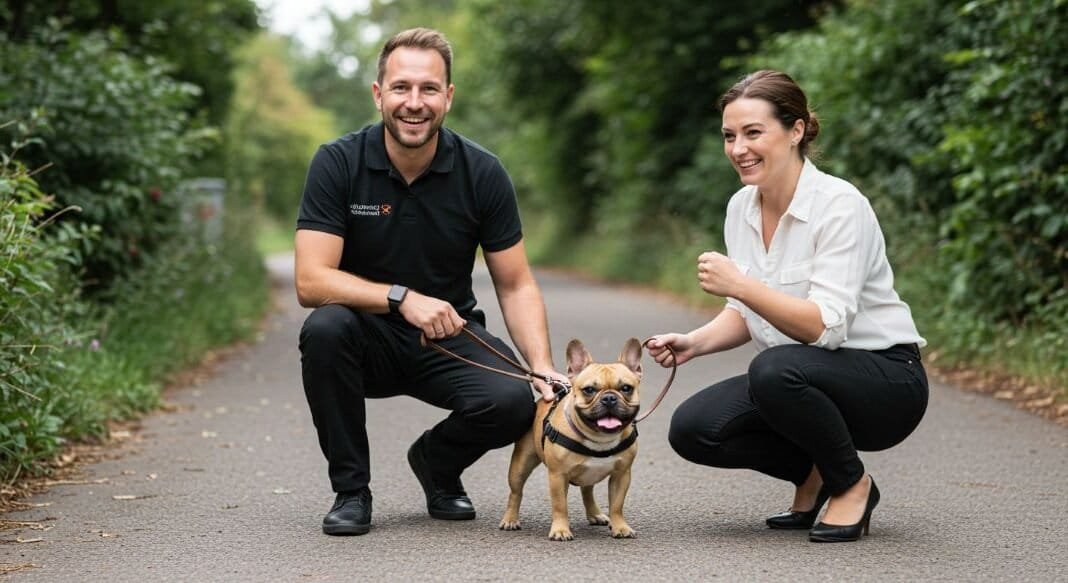
Reuniting-pets-with-their-owners-Tailored-Pet-Travel-e1741610200554
Looking Ahead: Rethinking Pet Travel Across the Channel
Pet travel regulations do not stay still for long, and assumptions age badly. A route that sounds simple in conversation can carry legal and practical conditions that only become visible close to departure.
Plenty of owners still think of cross-Channel travel as an easy rail trip with a dog added in. Eurostar and Eurotunnel show why that view can fall apart. Service type, border structure, pet travel regulations and welfare conditions all shape what is possible before anyone reaches the terminal.
A sensible approach starts with accepting that the shortest crossing is not always the simplest one. The better question is whether the chosen route genuinely fits the dog, the paperwork and the border rules that apply on the day of travel. That mindset usually leads to calmer planning and fewer unwelcome surprises at the point where decisions can no longer be undone.