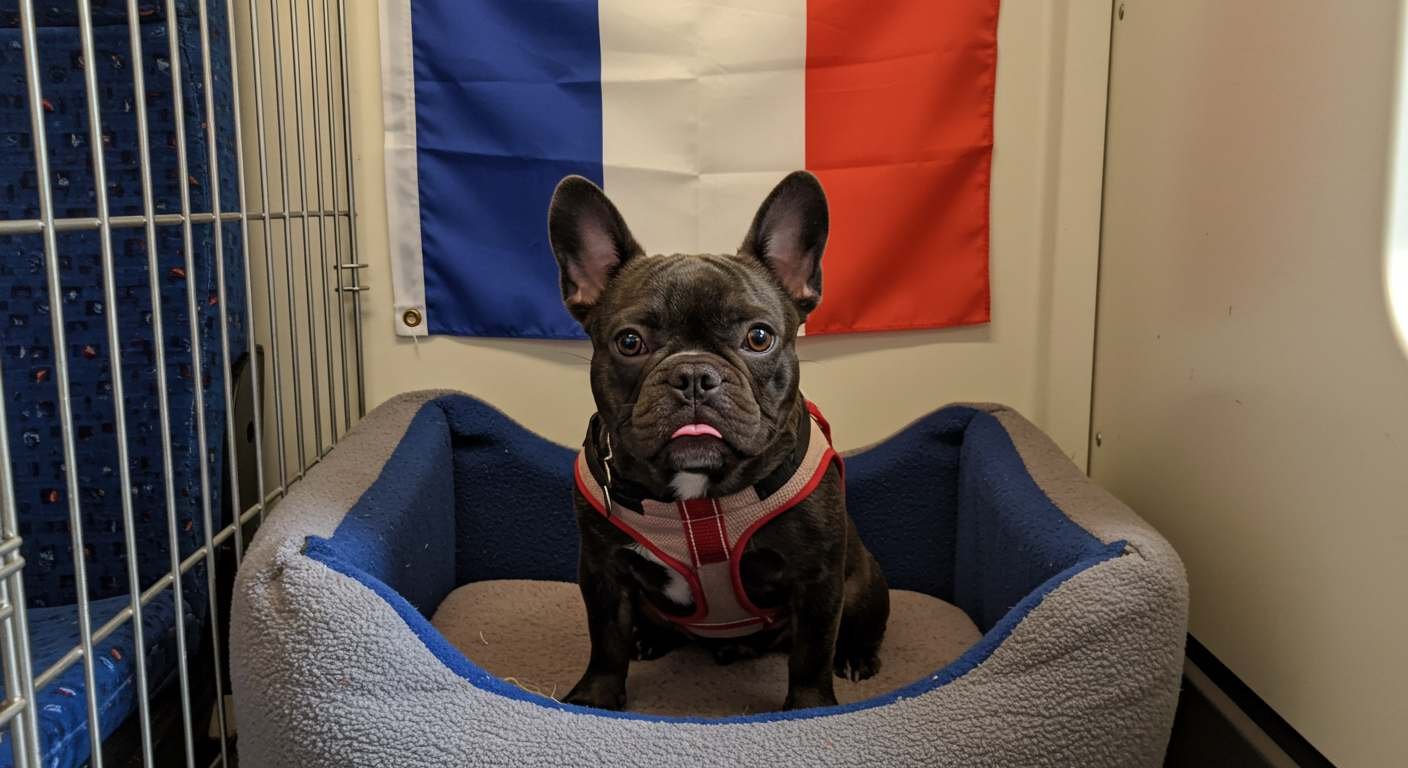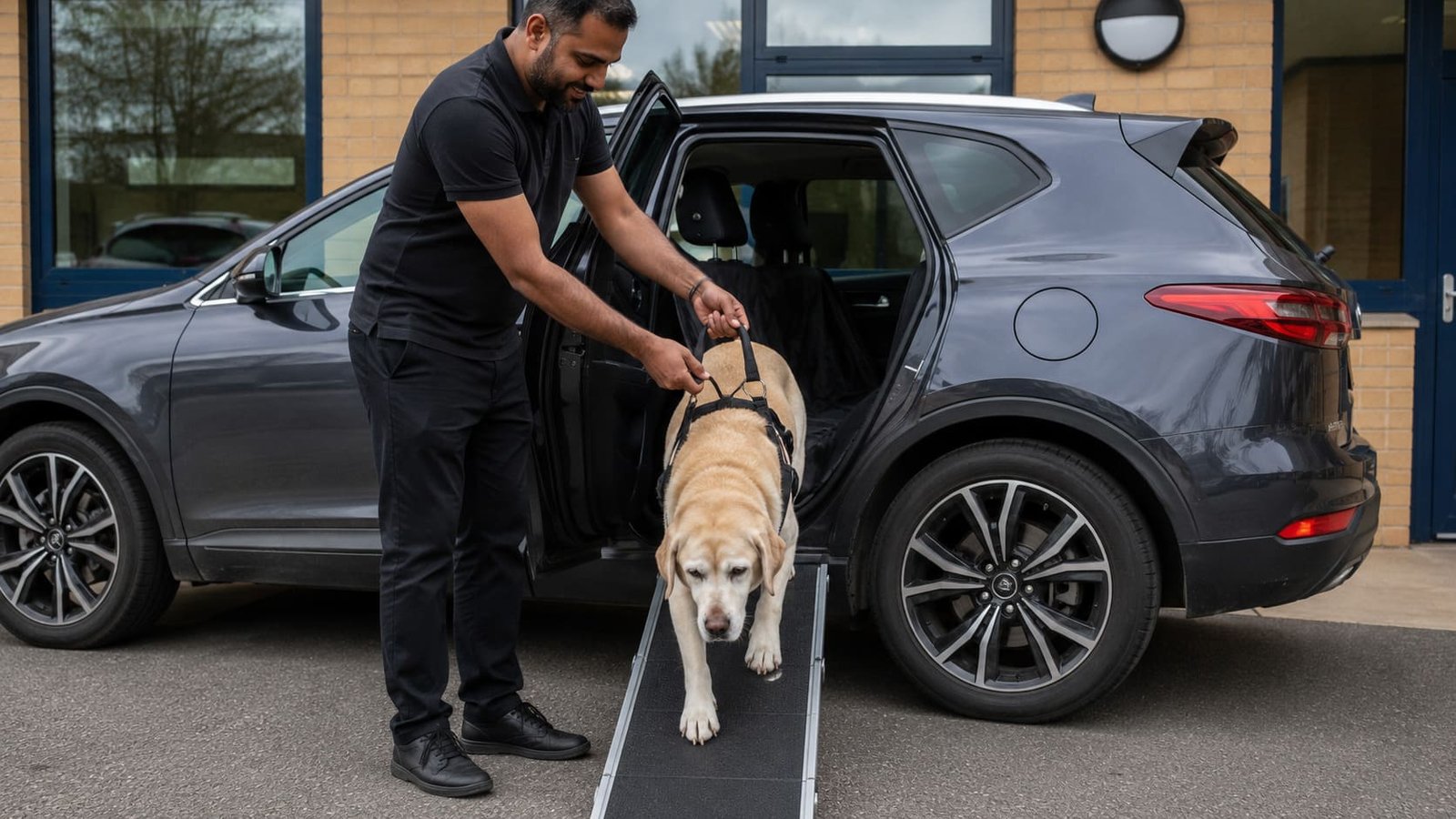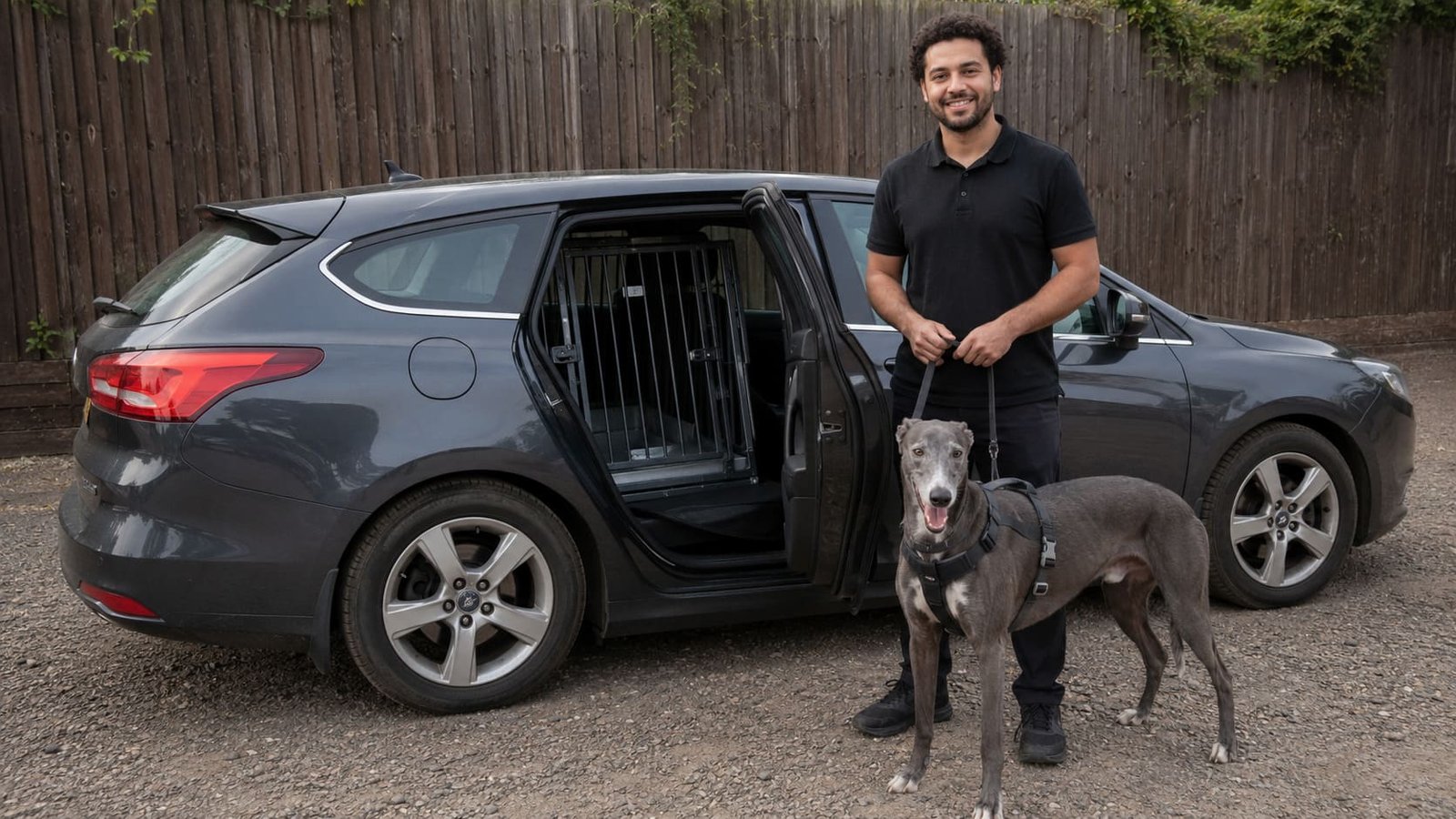

How do you fly with a puppy internationally?
Flying with a puppy internationally involves more than simply booking a ticket and packing a carrier. To do it safely and legally, you’ll need to meet specific airline, health, and documentation requirements, all while preparing your young dog emotionally for the experience. This guide explains every step clearly, so you can make confident, puppy-centred decisions from booking to arrival.

Here's What We Have Covered In This Article
Flying a Puppy Abroad: Why It’s Not Like Travelling With a Dog
Flying with a young puppy brings a different set of challenges than travelling with an adult dog. Puppies are still developing emotionally, physically, and immunologically. That means they need more careful preparation and protection.
Puppies may not yet be fully vaccinated or crate-trained. Their socialisation window is also still open, making every experience, including a stressful one potentially impactful. Many pet travel guides gloss over these early-life nuances, but they’re crucial when the stakes involve air pressure, temperature shifts, unfamiliar sounds, and long separations.
It’s normal to worry: “Is my puppy too young to fly?” or “Am I doing this too soon?” These aren’t overreactions. They’re the start of responsible planning.
Pro Tip: Book your flight and pet slot at the same time to avoid last-minute complications.

Get Expert Help Planning Your Puppy’s Flight
Make sure every form, vaccine, and airline detail is covered by a specialist.
Is Your Puppy Ready for an International Flight?
Before booking anything, you need to confirm whether your puppy is physically and legally eligible to fly.
Most airlines have a minimum age requirement which is typically around 8 to 12 weeks. However, even if your puppy is technically old enough, it may not yet be safe to travel.
Here’s what to consider:
-
Vaccinations: Rabies vaccines are usually required for international travel, and most countries need proof that it was given at least 21 days before entry. Your puppy must be old enough to receive it (often not before 12 weeks).
-
Health certificate: You’ll need an up-to-date certificate from your vet confirming your puppy is healthy enough to fly.
-
Crate tolerance: If your puppy can’t stay calm in a crate for extended periods, it could be distressing or dangerous to fly.
-
Temperament: Signs of anxiety, motion sickness, or extreme attachment could make travel difficult or risky.
Check with your airline for specific rules, and speak to your vet well ahead of time.

Should You Fly or Wait? Making the Best Decision for Your Puppy
Sometimes, the kindest option is to wait. Flying can be intensely stressful for puppies. They’ll be exposed to loud noises, changes in air pressure, new smells, and long periods without direct human comfort.
Ask yourself:
-
Can the flight be delayed by a month or two? This could allow more vaccinations, socialisation, and training.
-
Do you have a friend or family member who can care for your puppy while you move?
-
Is there a pet relocation service that offers safer, puppy-focused transport options?
You’re not being overprotective by asking these questions. You’re safeguarding your puppy’s long-term wellbeing.

Need Pet Relocation Services You Can Trust?
We handle the logistics, so you and your puppy can travel safely and stress-free.
Picking the Perfect Flight: Airlines, Routes and Puppy-Friendly Policies
Not all airlines are equal when it comes to flying with puppies. Some allow in-cabin travel for small pets, others require hold travel, and many limit how many animals are allowed per flight.
When booking:
-
Look for direct flights: Avoid layovers and long transits. A single, short journey is less disruptive.
-
Book early: Airlines often have a cap on pet slots.
-
Check in-cabin vs. hold options: Some airlines allow puppies under a certain weight to stay in the cabin with you.
-
Review pet policies: Read the fine print on carrier size, fees, and documentation requirements.
Airlines like KLM and Lufthansa are often praised for their pet travel programmes. DEFRA and IATA guidelines can help you assess safety standards.
Paperwork & Pet Regulations: What You Need for International Puppy Travel
Crossing borders with a puppy means complying with regulations that vary by destination. Here’s what you may need:
-
Microchip: Must be ISO-compliant and scanned by your vet before issuing any paperwork.
-
Rabies vaccination certificate: Given no earlier than 12 weeks, and at least 21 days before travel.
-
Animal Health Certificate (AHC): Replaces pet passports for travel from the UK into the EU post-Brexit.
-
Tapeworm treatment: Required by some countries, such as Finland and Ireland.
-
Vet-issued Health Certificate: Usually needed within 10 days of travel.
Use DEFRA and APHA as your regulatory guides. If travelling to or from the US, the USDA and CDC will have their own set of rules.
Pro Tip: Always ask your vet about motion sickness and crate anxiety before booking your puppy’s flight.
Training Your Puppy for Flight: Crates, Calmness and Confidence
The flight starts long before you arrive at the airport. Conditioning your puppy over weeks will help avoid panic on the day.
Steps to take:
- Crate training: Introduce the carrier slowly. Feed inside it. Let your puppy sleep in it. Build positive associations.
- Noise desensitisation: Play recordings of airport or aircraft noise at low volume, gradually increasing over time.
- Practice drives: Simulate travel by taking short car trips with the crate.
- Travel-day routines: Get your puppy used to light meals at odd times and long gaps between toileting.
- Comfort items: Use familiar-smelling blankets or toys to ease stress.
Imagine your puppy’s first three hours in a crate at 30,000 feet. Preparation makes that feel safe, not scary.
The Big Day: How to Keep Your Puppy Safe and Calm at the Airport and In-Flight
Here’s how to structure your travel day to keep things calm and under control:
2–3 hours before the flight:
- Arrive at the airport early but not too early. Avoid excess time in the terminal.
- Give your puppy a last toileting opportunity.
1–2 hours before the flight:
- Check in, present documents, confirm pet slot.
- Feed a light snack only if your vet advised it.
Security screening:
- In most cases, you’ll carry your puppy through while the crate goes on the belt.
- Remain calm and speak soothingly.
During the flight:
- If in cabin, place the carrier under the seat and resist the urge to open it.
- If in hold, your preparation matters most. Trust that your training and crate conditioning will help.
Sensory overload such as noise, lights, smells can all trigger whining or barking. Stay calm, and use your puppy’s training foundation.

Arriving Abroad: Helping Your Puppy Settle in a New Country
Landing is just the start of another big change for your puppy. Give them time and comfort to adjust.
- First break: Take your puppy to a designated relief area as soon as customs is cleared.
- Inspect the crate: Make sure your puppy arrived safely and without signs of distress.
- Customs process: Some countries may require an animal inspection. Keep your documents ready.
- Routine: Try to match your puppy’s usual feeding and sleeping schedule, even across time zones.
- Vet registration: Book a local vet appointment within the first week.
Climate changes, new surfaces (like tiles or wood floors), and unfamiliar smells can unsettle your pup. Set up a quiet resting spot with familiar items.
Avoiding Common Mistakes When Flying a Puppy Internationally
Don’t be this owner…
- Booking a flight before confirming your puppy’s rabies timeline.
- Overfeeding before the trip.
- Using a crate that’s too small or too large.
- Forgetting to check rules for layover countries.
- Assuming sedatives are a good idea as they usually aren’t, and many airlines forbid them.
Planning avoids last-minute panic and protects your puppy’s wellbeing.
Pre-Flight Checklist for Puppy Travel Success
Here’s a week-by-week guide to preparing for international travel with your puppy.
6+ weeks before flight
- Check destination country’s pet import rules.
- Microchip your puppy if not already done.
- Book first vet appointment for rabies vaccine.
4 weeks before flight 4. Book flight with an airline that allows in-cabin or hold travel for puppies. 5. Order IATA-approved crate. 6. Begin crate training.
3 weeks before flight 7. Ensure rabies vaccine is done. 8. Begin noise desensitisation.
2 weeks before flight 9. Book vet appointment for health certificate. 10. Continue crate training with longer durations.
1 week before flight 11. Pack comfort items, toys, puppy pads, food. 12. Check weather conditions for departure and arrival cities.
48 hours before flight 13. Confirm flight, pet slot, and document validity. 14. Feed puppy lighter meals.
Day of travel 15. Arrive early but not too early. 16. Stay calm, speak gently, and follow airport pet procedures.
This checklist will keep you organised and give your puppy the best start to their new adventure.