
What should pet owners know about layovers during long haul flights in 2026?
Managing pet layovers during long haul flights in 2026 involves far more than booking the right flight. Pets cannot communicate discomfort or adapt quickly to stressful situations. This guide offers essential pet layover tips to help you plan every stage of the journey, reduce anxiety, and ensure your animal is treated with care throughout the trip.

Here's What We Have Covered In This Article
The Hidden Challenge of Pet Layovers on Long Haul Flights
Flying long distances with pets is rarely straightforward. Layovers are more than breaks between flights; they are complex logistical events that impact animal welfare standards and stress levels. Pets may become confused, anxious or overheated while kept in cargo areas or transit facilities.
Owners often feel helpless, unsure of what their pet experiences once checked in. Airlines follow procedures, but care standards vary. Preparing in advance with solid pet layover tips helps you maintain control and confidence.
A layover generally lasts under 24 hours, while a stopover is longer and often treated as a new entry point. When direct flights are not available, understanding these differences helps you manage long haul pet travel safely.
Pro Tip: Always confirm in writing who is responsible for your pet during layovers — don’t assume the airline will manage it.

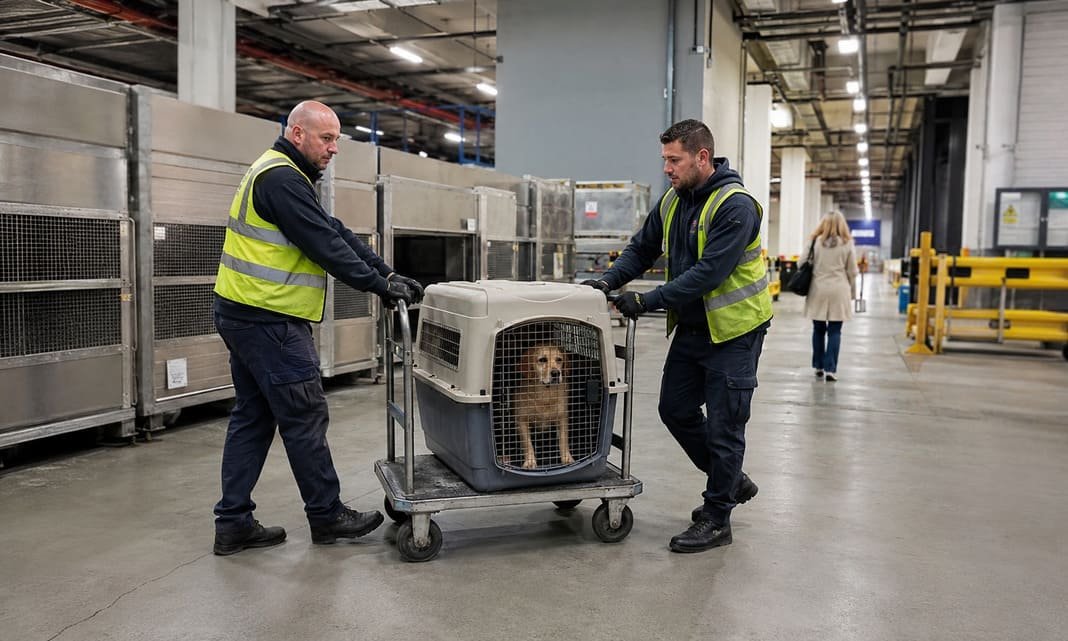
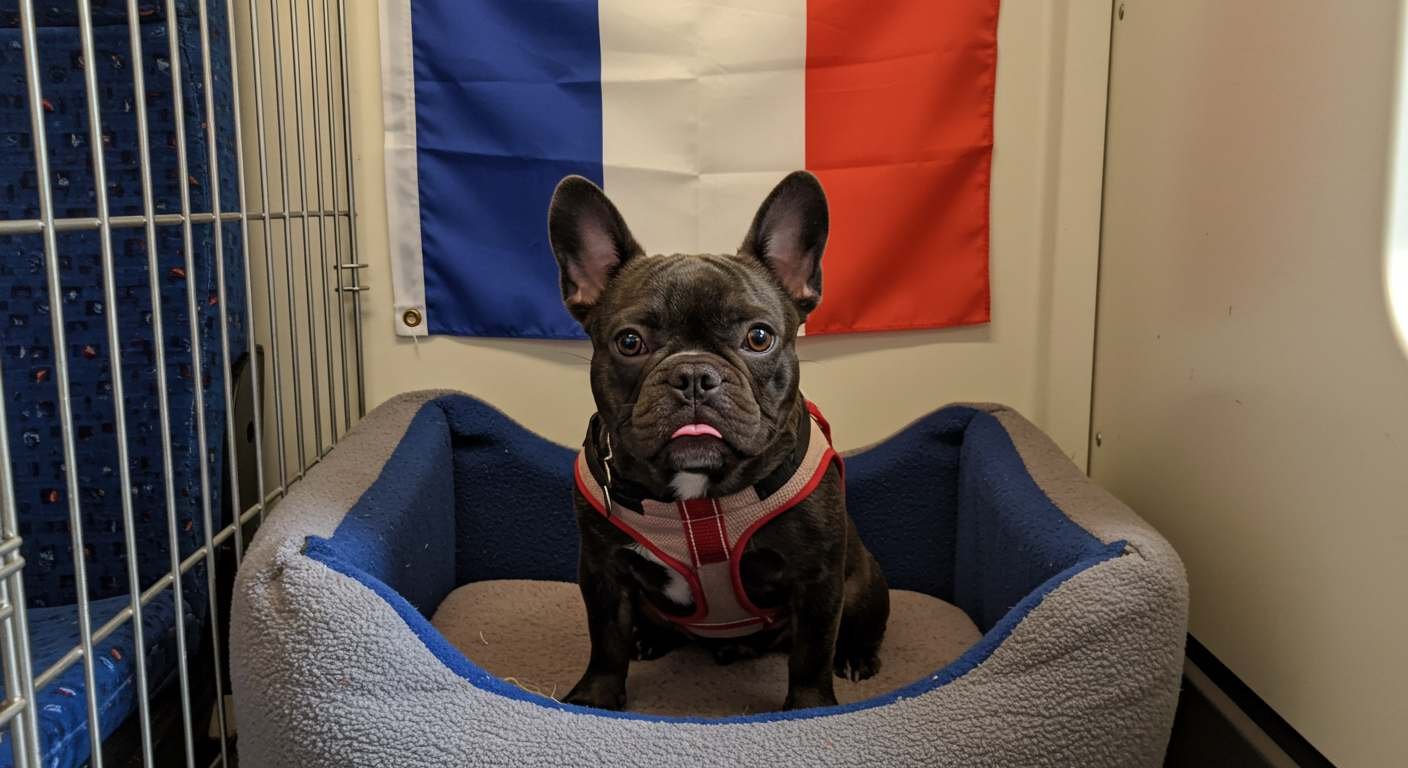
An AI image of a long haul pet layover at Airport – Dog – Tailored Pet Travel
Plan Your Pet’s Journey With Confidence
From airport logistics to crate hire, Tailored Pet Travel handles every detail of your pet’s long haul journey with expert care.
Layovers, Stopovers and Pet Transit: What is the Difference?
Why does it matter whether it is a layover or stopover for pets?
The duration of the break between connecting flights determines how pets are handled. A layover under 24 hours usually keeps your pet in bonded cargo and bypasses customs. Stopovers exceeding 24 hours often require temporary import documentation, veterinary checks or quarantine.
Key differences to know:
-
Layovers (under 24 hours): Pets remain in secured transit areas.
-
Stopovers (over 24 hours): Pets are processed as arrivals, triggering local import laws.
What do the regulations say?
The International Air Transport Association (IATA) and the Department for Environment, Food and Rural Affairs (DEFRA) define safety standards for live animal transport. These guidelines regulate crate size, pet cargo handling, temperature control and handling to safeguard animals during international travel.
Pro Tip: Use a GPS-enabled crate monitor so you can track temperature and movement throughout the transit process.

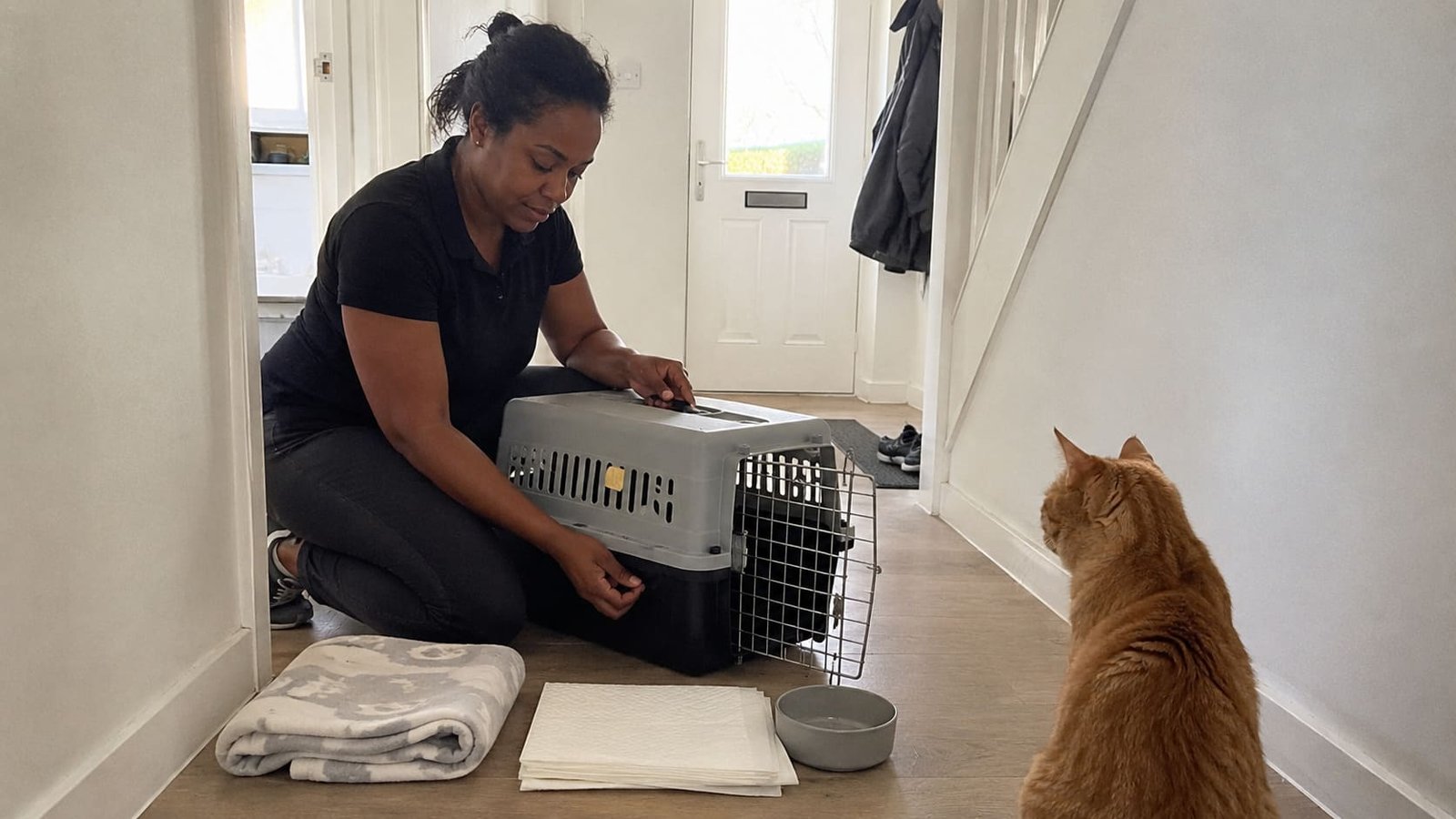
An AI photo of a cat on a layover at Heathrow airport – Tailored Pet Travel
How Airline Policies Affect Your Pet During Layovers
What are the key airline policies that affect your pet’s journey?
Not all airlines treat animals equally during layovers. Some, like Lufthansa and Emirates, offer pet lounges and trained staff, while others depend on third party handlers. Knowing the differences in airline pet policies can save time and reduce stress.
Understanding whether your pet travels as AVIH (Animal Via Hold) or PETC (Pet in Cabin) is crucial. Most long haul routes only allow AVIH, meaning pets are transported as live cargo under IATA standards.
Questions to ask before booking:
-
Will my pet remain in the same crate?
-
Who oversees animals during layovers?
-
What happens if my connection is delayed?
-
Can I receive real time tracking updates?
Airline Policy Comparison Table

Always request written confirmation of airline pet policies to avoid confusion if schedules change.
Worried About Layovers or Delays? We’ve Got You Covered
Our DEFRA-authorised team provides 24/7 travel support, route planning, and tracking for peace of mind on every connection.
Choosing the Right Layover Airport and Duration for Your Pet
What makes an airport better for pet layovers?
Pet friendly airports have purpose built infrastructure, including relief zones, airside pet hotels and staff trained in safe pet transport. Choosing the right hub helps maintain proper temperature control and reduces stress.
Look for airports with:
-
Airside animal hotels or lounges
-
Quick customs clearance and minimal transfer handling
-
Experienced animal staff familiar with IATA Live Animal Regulations
Short layovers risk missed transfers, while excessively long ones can cause fatigue. Ideally, a three to six hour layover works best for long haul pet travel.
When can shorter layovers be better?
If airports have strong facilities and fast transfer systems, shorter layovers can minimise time spent in cargo and limit exposure to noise or heat.
What Really Happens to Pets During Layovers? Behind the Scenes
What does the layover process involve for pets?
Once offloaded, pets flying as AVIH are moved to controlled holding areas until the next flight. At top tier airports like Frankfurt and Heathrow, animals are cared for under animal welfare standards outlined by IATA.
Your pet’s comfort depends on transit temperature control, crate movement and staff handling. Airports following IATA Live Animal Regulations provide consistent supervision and minimal stress.
Facilities such as the Lufthansa Animal Lounge and Heathrow Animal Reception Centre are good examples of best practice environments.
At Tailored Pet Travel, we understand that these layover points can make or break a journey. Our handlers are trained to coordinate every detail in line with airport and airline procedures, helping you avoid unnecessary stress or delays.
Keeping Pets Calm and Safe During Long Waits
How can owners keep their pets calm during layovers?
Preparation begins at home. Crate training, familiar scents and calming aids can significantly reduce anxiety and pet travel stress.
Veterinary experts and organisations like the American Veterinary Medical Association (AVMA) recommend packing:
-
Absorbent bedding
-
Non spill water bowl
-
A soft familiar item
-
Crate label with emergency contact details
Expert Insight: Certified behaviourist Dr. Fiona Marsh advises, “Introduce the crate weeks before travel with positive experiences. Gradual exposure helps pets stay calm during air transits.”
Sedatives are discouraged; consult your vet for safe, natural options.
What to Do When Things Go Wrong: Delays, Missed Flights and Overnight Holds
How can you respond to travel disruptions involving pets?
Unexpected events like missed connections or flight delays happen. Being prepared helps reduce stress and ensures safety.
Layover disruption checklist:
-
Confirm the airline’s written delay and pet handling policy
-
Locate nearby emergency animal boarding
-
Choose insurance that covers live animal transport
-
Obtain ground team contact details in advance
Preparation reduces risk and keeps both you and your pet calmer under pressure.
Layover Planning Tools, Checklists and Travel Hacks (2026 Edition)
What tools can simplify pet layover planning in 2026?
Planning long haul pet travel is easier with technology that improves communication and tracking.
Recommended tools:
-
Tractive GPS Crate Monitor for real time tracking
-
Pet Travel Hub for airport and route planning
-
Airline Apps for updates and digital document storage
Save both digital and printed copies of every document and test tracking apps before travel.
Real Travel Stories: What Other Pet Owners Learned the Hard Way
What can other owners’ experiences teach you?
“I thought I could check on my cat during our seven hour layover, but she stayed in cargo the entire time with no updates.” — Pet owner, 2025
Reading experiences from other travellers highlights common oversights. Many realise too late that airline pet policies differ greatly.
Key takeaways:
-
Verify airline procedures in writing
-
Check international layover laws
-
Assign an emergency contact for all flights
Entities like IATA, DEFRA and AVMA regularly update guidance to protect pet travellers globally.
What is New in 2026: Pet Lounges, Tracking Tech and Layover Trends
Which innovations are improving pet layovers this year?
Pet travel is evolving with smarter safe pet transport solutions emerging. In 2026, leading trends include:
-
Expansion of 24 hour pet lounges with climate control
-
Smart crates using GPS and environmental sensors
-
Digital veterinary passports integrated with customs systems
Companies such as PetRelocation and regulators like IATA are pushing for higher welfare standards in pet cargo handling.
Final Takeaways: Your Pet Layover Plan in One Place
How can you plan a safe and smooth pet layover?
By taking control of planning and preparation, you can significantly reduce pet travel stress and ensure smooth connections.
Final action plan:
-
Choose airports known for strong animal welfare standards
-
Learn the difference between layovers and stopovers
-
Review airline pet policies for every carrier
-
Prepare crates and travel documents early
-
Include comfort items and tracking tools for peace of mind
With careful research and the right tools, you can navigate long haul pet travel confidently, keeping your companion safe from take off to landing.
If you would rather leave the logistics to the experts, Tailored Pet Travel provides full-service international pet transport — including crate hire, customs clearance and airline coordination — so you and your pet can fly with confidence.