
How can you prepare your pet for a long haul flight without causing stress or health risks?
Getting your pet ready for a long haul flight takes a clear plan that focuses on safety, comfort, and timing. Preparing early with the right documentation, crate setup, and in flight care approach can reduce anxiety and keep your pet healthy. By gradually introducing travel routines, keeping their environment familiar, and making smart choices on the day of departure, you can help your pet cope with the trip much better.

Here's What We Have Covered In This Article
Planning and Booking Essentials
Airline and Destination Rules
Each airline applies its own pet transport rules. Some allow pets to fly in the cabin if they meet specific carrier size and weight restrictions, while others require pets to travel in the aircraft hold. It’s important to confirm your airline’s policy well in advance. When flying from the UK, ensure the destination country’s import laws are clear. You may need to present an Animal Health Certificate, rabies vaccination records, DEFRA approval, and proof of microchipping. These checks help avoid delays or denied entry at border control. If your pet qualifies under the Pet Travel Scheme, that can simplify travel within the EU.
There are talks of a Brexit reset deal potentially restoring pet passport travel within the EU. This could simplify entry processes for UK pet owners in the near future.
Vet Visits and Documentation
Schedule a veterinary appointment around seven days before you leave. This check should cover physical health, clinical exam, microchip verification, and vaccinations including rabies. For international travel, your vet will issue an Animal Health Certificate if your pet meets the criteria under UK regulations. Ask about pheromone therapy, stress relief aids, and dietary calming solutions. Sedatives and anxiolytics are not recommended unless under strict veterinary advice due to the risk of respiratory issues during air transport.
Flight Booking Strategy
Booking a direct flight is the most effective way to reduce travel time. If your journey is over ten hours, consider a planned stopover with a stay at a pet friendly hotel. Avoid flights during peak summer or winter when temperature regulation in the hold is more challenging. Airlines limit the number of pets per flight, so book early. British Airways, Lufthansa, and KLM provide clear pet cargo guidelines. Note that as of 2025, British Airways no longer accepts pets on its London City to JFK route. For planning multi leg routes or documentation, our international pet travel checklist is a helpful guide.
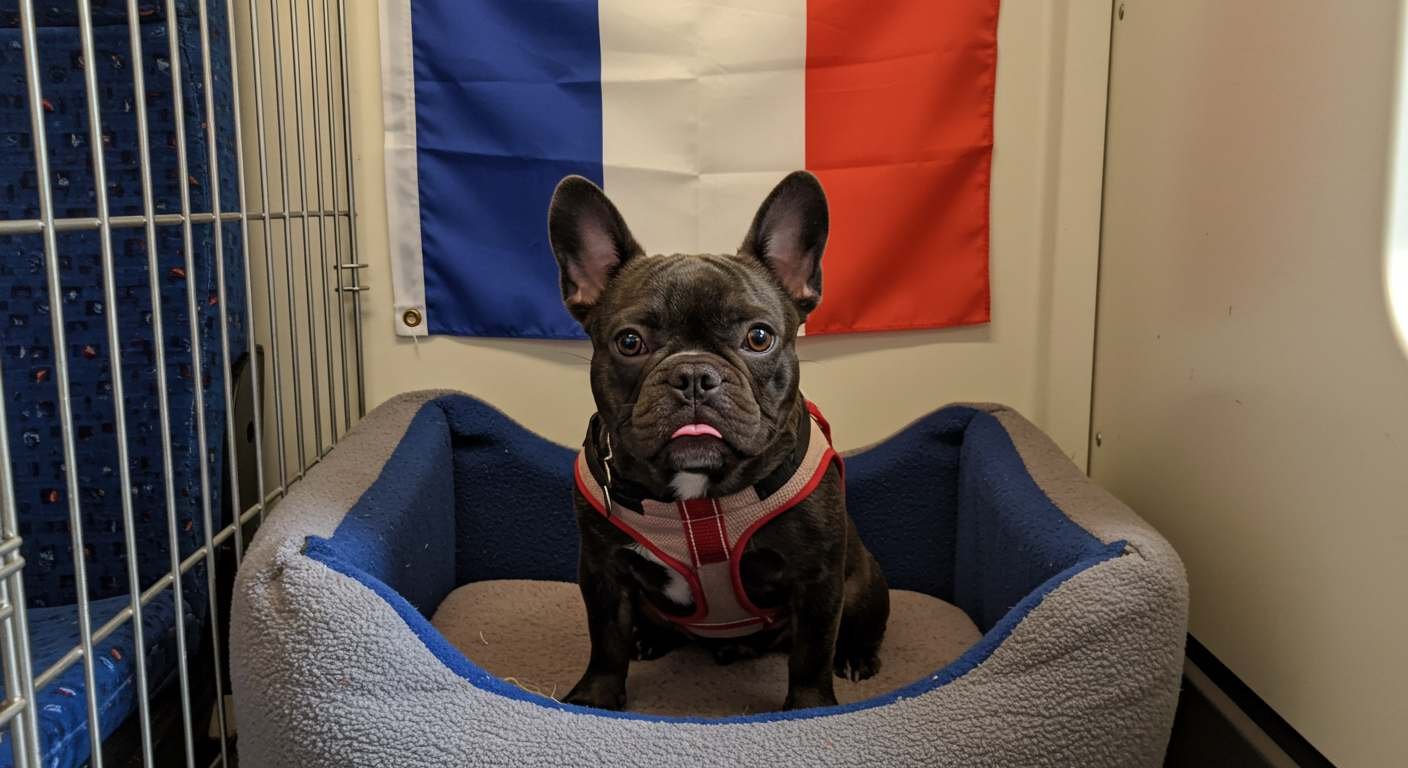
A rising trend involves UK travellers flying pets into Paris using Etihad or similar airlines that allow cabin travel, then continuing to the UK by train or car. This workaround helps avoid cargo restrictions for small pets.
Pro Tip: Fly into Paris and travel to the UK by train if your pet is small and you’re avoiding cargo travel on UK carriers.
Unsure If Your Dog’s Breed Is Banned?
Get clear answers from our breed law specialists before you travel.
Crate Training and Familiarisation
What crate should you use for long haul pet travel?
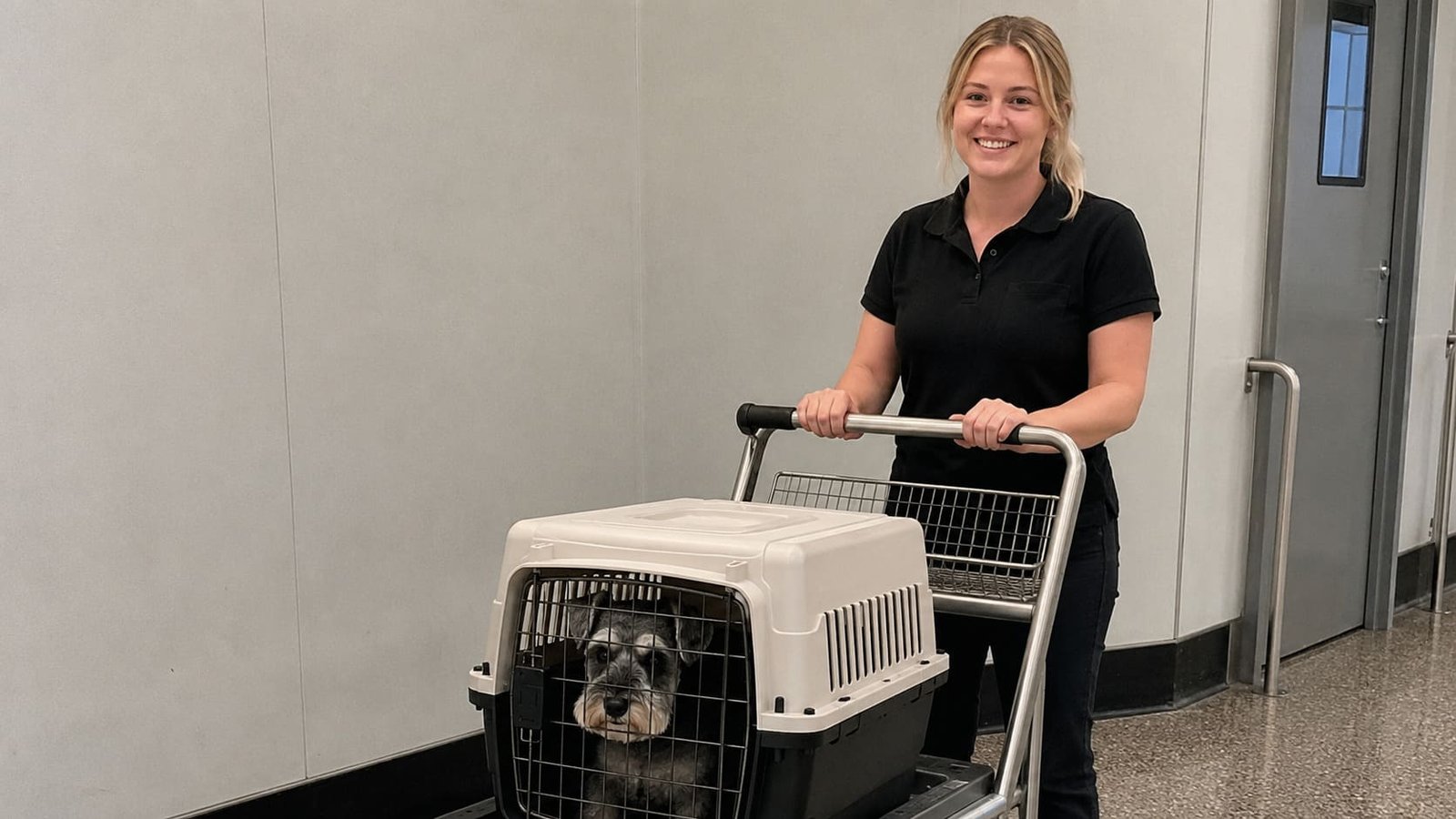
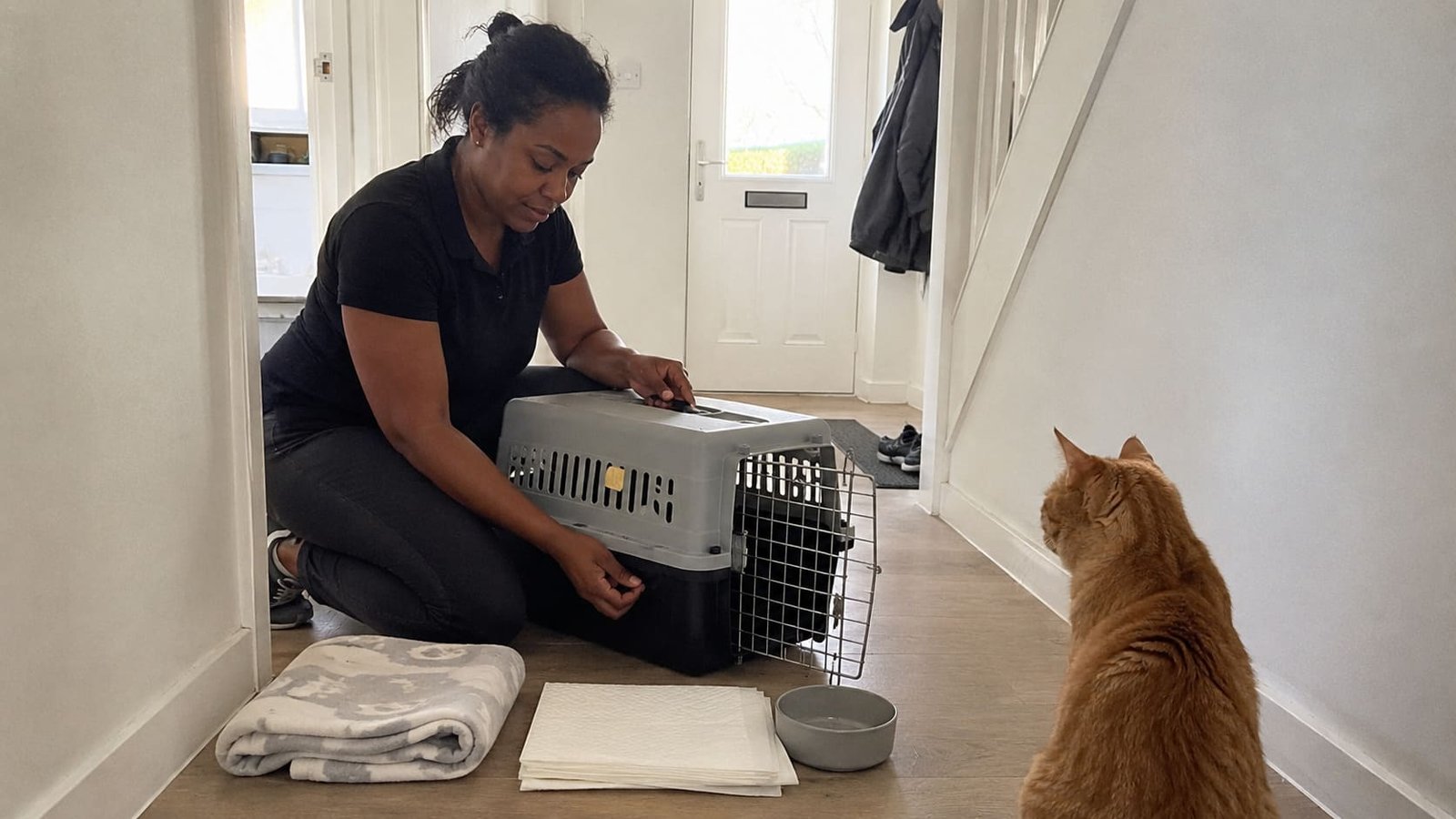
A proper airline approved pet carrier must meet International Air Transport Association standards. This means it should be ventilated on three sides, have secure fasteners, and allow your pet to stand, lie down, and turn around. Use vet fleece or washable bedding for hygiene and comfort. Label the crate with your name, emergency contact, and flight route. Attach a laminated document holder with a copy of your itinerary and the Animal Health Certificate. Some owners also discreetly place an AirTag or GPS tracker inside the crate for peace of mind.
Training Your Pet to Accept the Crate
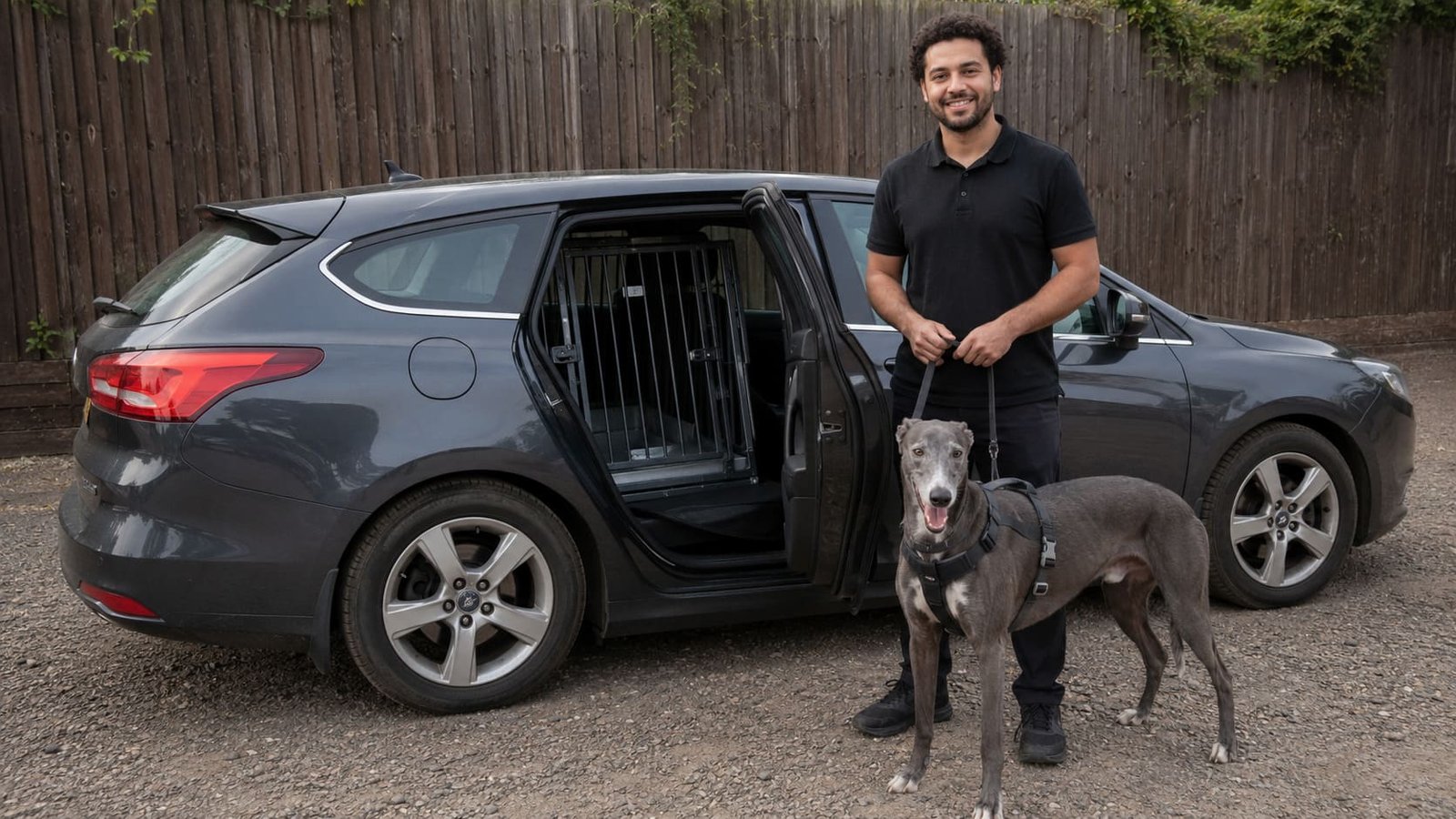
Start crate training several weeks before departure. Introduce the crate as part of your pet’s routine by feeding them inside and placing toys or treats to build positive association. Gradually increase the time spent in the crate and use short car journeys to simulate travel. This builds behavioural resilience and lowers crate related anxiety.
Calming Items and Sensory Tools
Items that carry familiar scents help reduce stress. Place a worn t shirt or blanket in the crate. Apply pheromone spray like Adaptil or Feliway at least 15 minutes before departure. Puzzle feeders, chew toys, and safe sensory aids keep pets mentally occupied. Anxiety wraps like ThunderShirts may benefit dogs prone to stress. For more crate acclimation tips, visit our crate training for air travel guide.
Need Help Travelling with Your Dog?
Make travel simple with expert help for health checks, paperwork and planning.
In Flight Care and Long Haul Support
What should you do during the flight if your pet is in the cabin?
If your pet is approved for cabin travel, the carrier should fit under the seat and remain closed during flight. Use a soft sided carrier with adequate airflow. Offer water through a secure travel bottle or collapsible bowl. Speak calmly to your pet if permitted. A blanket with a familiar scent and a toy can help them settle. Some carriers feature privacy flaps that help reduce visual stress triggers.
Cargo Hold Travel Safety
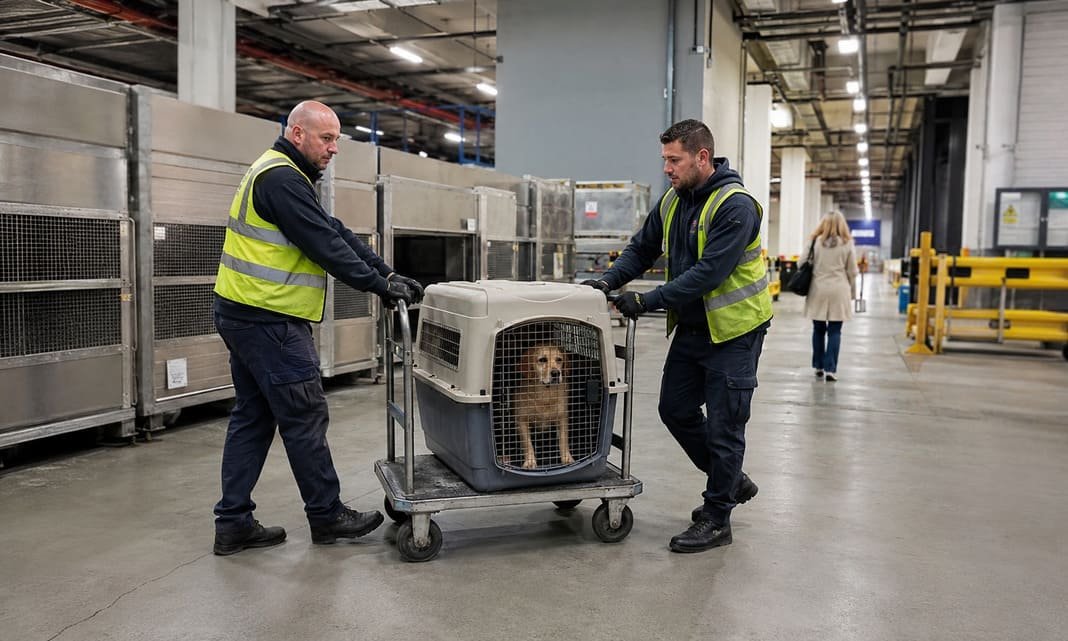
When travelling in the hold, your pet’s crate should include absorbent layers and frozen water bowls. Avoid sedatives or tranquillisers unless advised by your vet. Pets loaded into the hold are managed by specialist cargo staff and boarded last to minimise wait times. Upon arrival, they are removed first and taken to a secure collection point. Review airline guidelines such as those from Lufthansa or Qatar Airways for their specific animal handling protocols.
Extra Tips for Long Haul Flights
Some pet owners use portable litter trays or disposable pads for cats on long journeys. Others schedule layovers at pet friendly hotels to allow rest between flights. For frequent travel, investigate emerging services such as private pet charters or airlines that allow pets in cabin like JSX, VistaJet’s VistaPet programme or K9 Jets. More long distance pet travel options here.
Arrival and Post Flight Recovery
Meeting Your Pet After the Flight
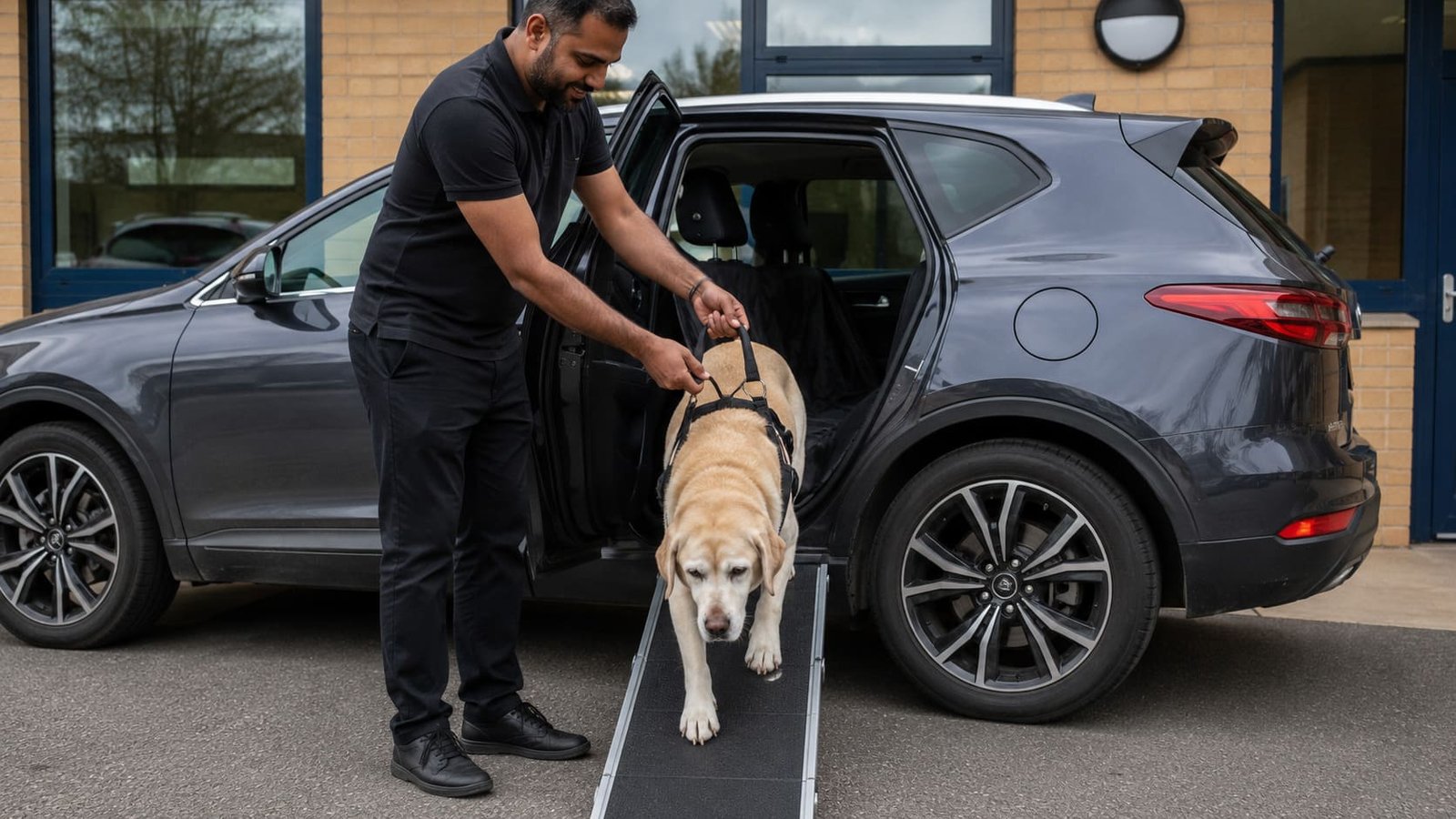
Collect your pet as soon as possible from the designated area. Lead them to a quiet spot away from crowds. Offer water and allow them to relieve themselves. Speak softly and maintain familiar handling cues. Let them walk or stretch their muscles before transitioning to further travel.
Helping Them Settle In
At your destination, recreate a familiar setup with their bed, toys, and feeding dishes. Stick to their regular schedule for meals and walks. Maintain consistency to support behavioural adjustment. Avoid introducing new food or routines immediately. Give them quiet time and avoid overwhelming stimulation.
Watching for Behavioural or Health Changes
Monitor their stool, appetite, hydration, and mood over the first two days. Travel fatigue or jet lag may affect routine. If symptoms such as vomiting, refusal to eat, or restlessness continue, consult a local veterinary practice. Read our full guide to settling pets after travel for support during adjustment.
Pro Tip: Add a GPS tracker like an AirTag inside the crate collar area in case of airline delays or wrong routing during transfer.
Final Thoughts
Pets cope best with travel when they are prepared early, handled gently, and supported consistently. Using a compliant crate, understanding airline policies, and maintaining calm routines helps them stay safe and settle quickly. Whether moving house or travelling for a holiday, a thoughtful approach to their needs will keep them healthy and comfortable.
Further useful reading here.