Why are July and August so difficult for pet travel bookings from the UK?
July and August are the hardest months to book pet travel from the UK because demand rises sharply at the same time that transport capacity, paperwork appointments, and welfare-safe travel windows become tighter. School holidays, summer relocations, carrier restrictions, and hot weather all press on the same system, which means that even well-prepared owners can face fewer options and longer waits.
Here's What We Have Covered In This Article
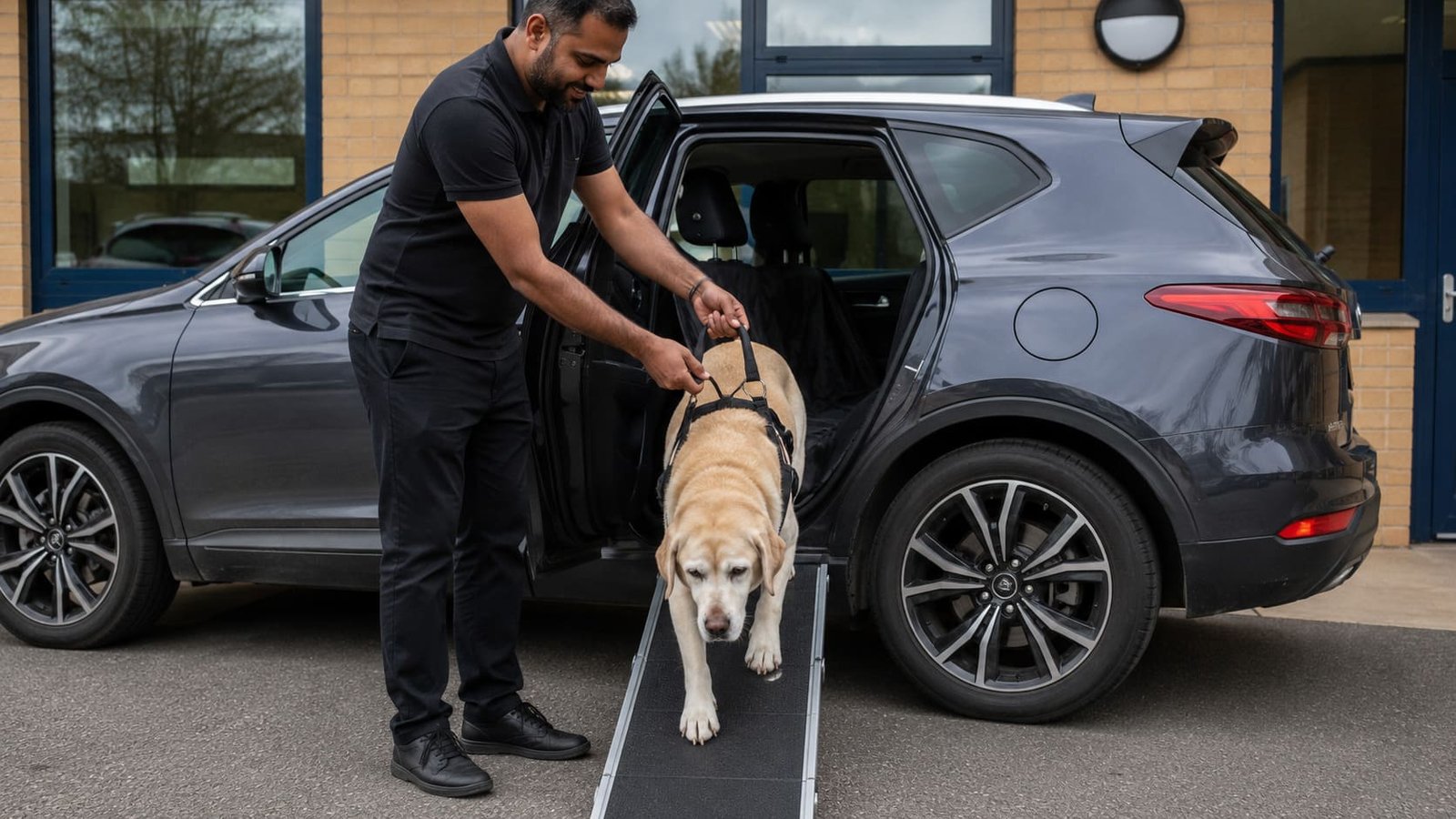
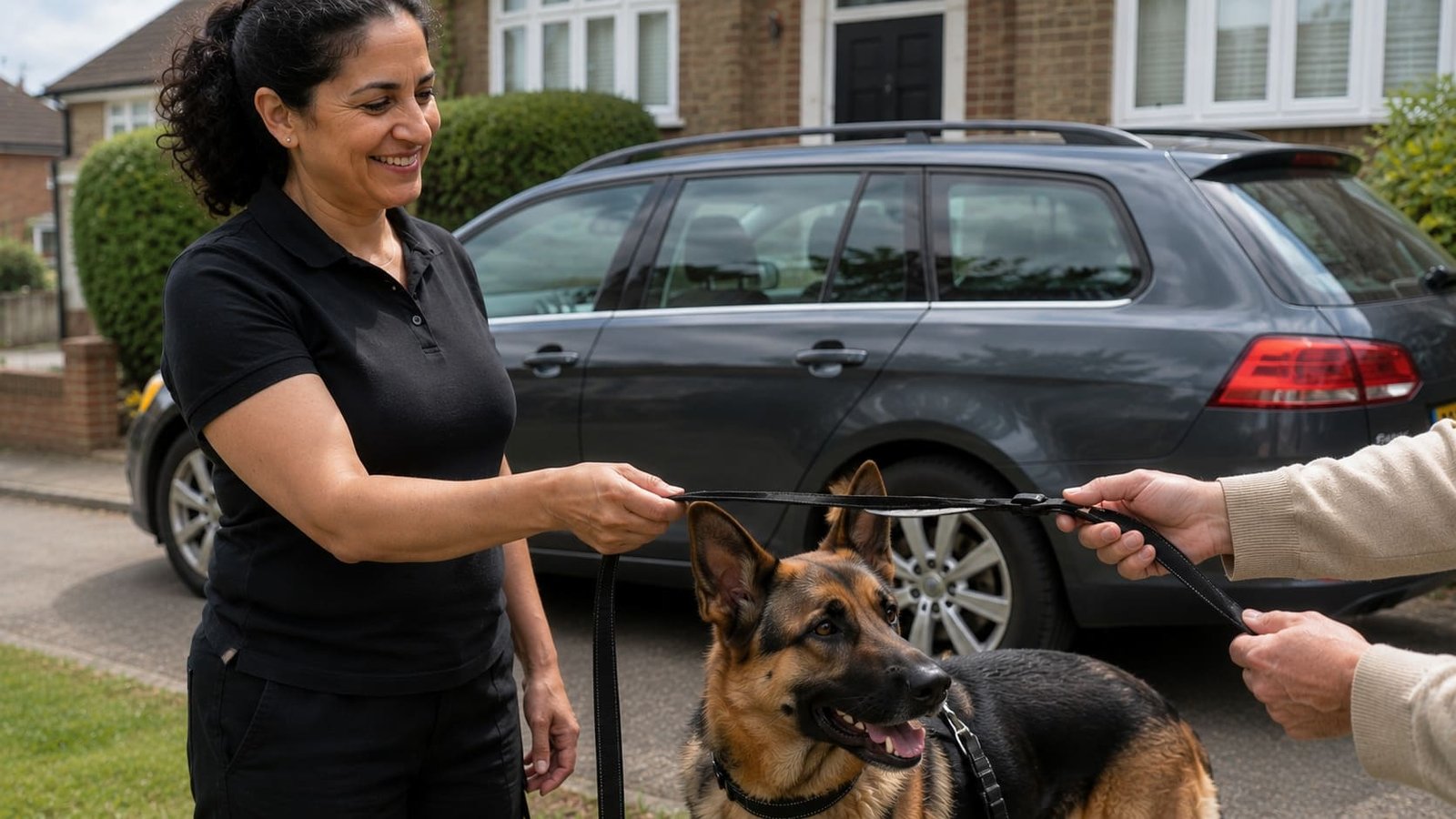
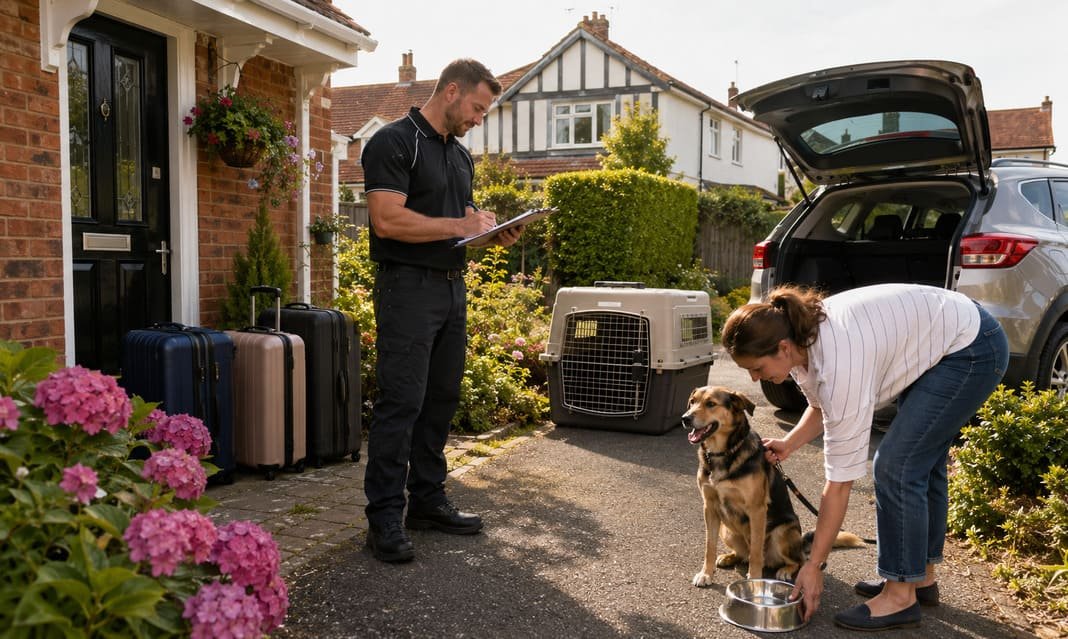
Safe pet handling before international animal transport
The summer surge: why demand peaks in July and August
Every year, the pattern is much the same. Pet travel requests climb in early summer, then compress into a narrow booking window once school breaks begin and family travel plans become fixed. Owners who expected a fairly standard booking process often find that July and August behave very differently from quieter months.
One reason is simple timing. Families moving home, starting overseas roles, taking extended holidays, or returning to another country after the school year often aim for the same few weeks. At the same time, leisure travel rises across the wider transport network, which places extra pressure on flights, crossings, and road schedules.
Several factors tend to combine at once:
- School holidays concentrate family moves and long-planned trips into a short period.
- Peak season travel across airlines and ferries reduces room for flexible changes.
- Pet transport companies face fixed capacity, even when enquiries increase sharply.
- Preferred travel dates become harder to secure, especially for multi-stage or cross-border journeys.
Off-season bookings often allow more room to compare dates, routes, and handling options. By contrast, a July or August relocation may depend on whichever compliant, welfare-safe space remains, even if that means narrower travel windows or more complicated coordination.
DEFRA rules, UK Border Force checks, and IATA-related airline requirements do not loosen during busy periods. Demand rises, but the regulatory baseline stays the same, so the pressure lands on availability rather than on the rules themselves.
Limited transport capacity and carrier restrictions
Pet travel capacity is finite throughout the year, but summer exposes every limit more clearly. Owners sometimes assume that booking early solves everything. Early booking helps, yet it does not create extra kennel space on an aircraft, extra pet slots on a ferry, or additional room for crates on a given route.
In quieter months, carriers may have more flexibility to accommodate changed dates or alternate crossings. In midsummer, the margin is far smaller. A route that looks available for passengers may still have no remaining pet allocation.
Why capacity tightens so quickly
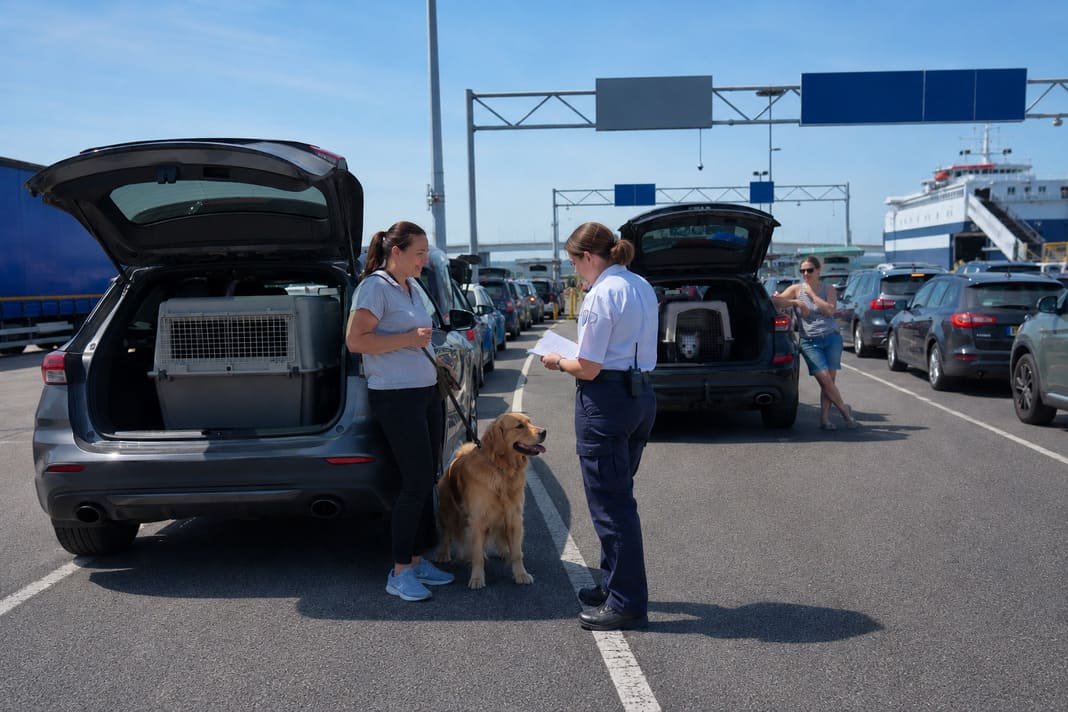
Airlines, ferry operators, and Eurotunnel all work within their own operational limits. Some flights carry only a set number of animals. Some sailings fill preferred pet spaces long before the crossing itself sells out. Road transport providers also have welfare and vehicle limits that cannot simply be stretched because demand is high.
Summer can bring further restrictions, including:
- temperature-related limits on pet carriage
- route changes or seasonal schedule shifts
- crate availability issues for flight-based travel
- booking quotas on specific services or travel days
IATA sets standards that shape safe air travel for animals, but individual carriers may apply stricter policies of their own. Major airlines can also suspend or restrict bookings during hotter periods on certain routes, particularly where tarmac temperatures or transit conditions create welfare concerns.
A similar squeeze appears on ferry and Eurotunnel bookings. Popular departure times, weekend crossings, and school holiday dates often disappear first, leaving owners with fewer practical alternatives, especially if onward housing or work arrangements are tied to an exact arrival day.
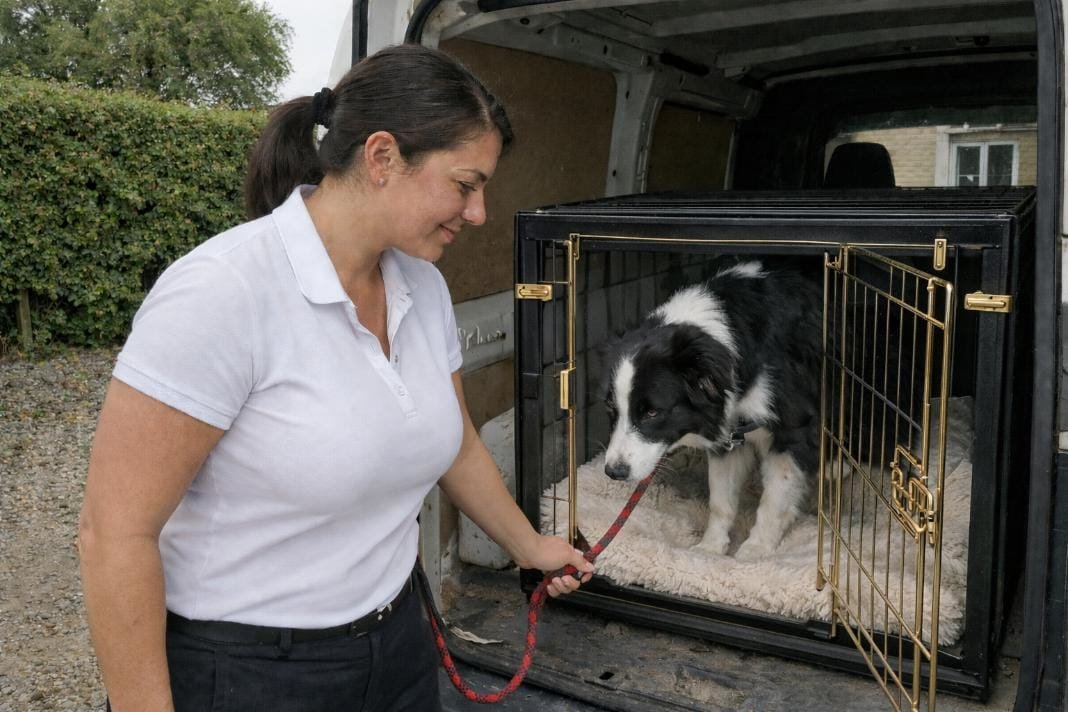
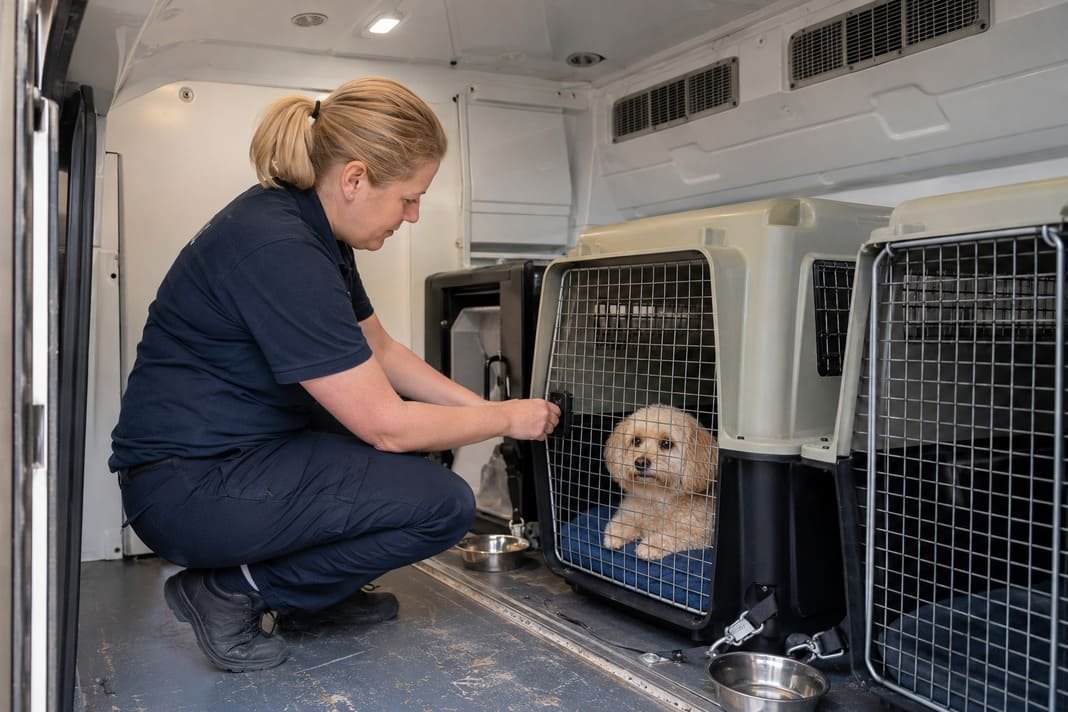
Professional pet transport with secure travel crates
Regulatory pressures and documentation delays
Paperwork does not become less important in summer. It becomes less forgiving.
Animal Health Certificates, pet passports where relevant, veterinary checks, and country-specific entry rules all still need to line up properly. During July and August, the volume of travel can place extra pressure on veterinary practices, document review processes, and border-facing compliance checks.
Many owners are caught out by timing rather than by intent. An appointment that might have been easy to secure in spring can be harder to arrange in peak season. A small document error that could perhaps be corrected with less disruption in a quieter month can become serious if the next suitable crossing is already full.
Common pressure points include:
- Limited appointment availability with veterinary practices handling travel paperwork.
- Delays in reviewing or correcting documents close to departure.
- Last-minute checks revealing mismatched dates, missing details, or country-specific issues.
DEFRA guidance and UK government rules set the framework, but high summer demand can still create bottlenecks around the people and timings needed to meet that framework. Border authorities also do not relax entry requirements because a family has a fixed moving date.
A missed or delayed AHC can affect far more than the certificate itself. The transport booking, the arrival timing, temporary accommodation, and onward travel plans may all need to shift, which is why assumptions about fast-tracking often prove unreliable in practice.
Animal welfare considerations in hot weather
Hot weather changes what is safe.
That point matters because some summer travel problems are not administrative at all. They are welfare-led restrictions put in place because high temperatures increase the risk of heat stress, dehydration, and distress during transit or waiting periods.
DEFRA principles, veterinary advice, and the IATA Live Animals Regulations all reflect the same wider truth: animal welfare comes before convenience. If a route, time of day, or travel mode creates unacceptable conditions, the safest option may be to delay, reroute, or refuse the movement altogether.
Certain animals can be affected more sharply. Older pets, very young animals, and some breeds may have less tolerance for heat or stress. Long transfer times, poorly timed departures, and busy summer terminals can add strain even where the process itself appears routine on paper.
A welfare-first view usually changes the conversation from “Can this booking be made?” to “Can this pet travel safely under these conditions?” Those are not the same question, and July and August expose the difference more than any other period.
For that reason, trained handlers and welfare-aware transport planning matter most when the calendar is least forgiving. A simple road process in March may need much stricter timing in August, especially if traffic, waiting time, or border delays could leave an animal in warm conditions for longer than expected.
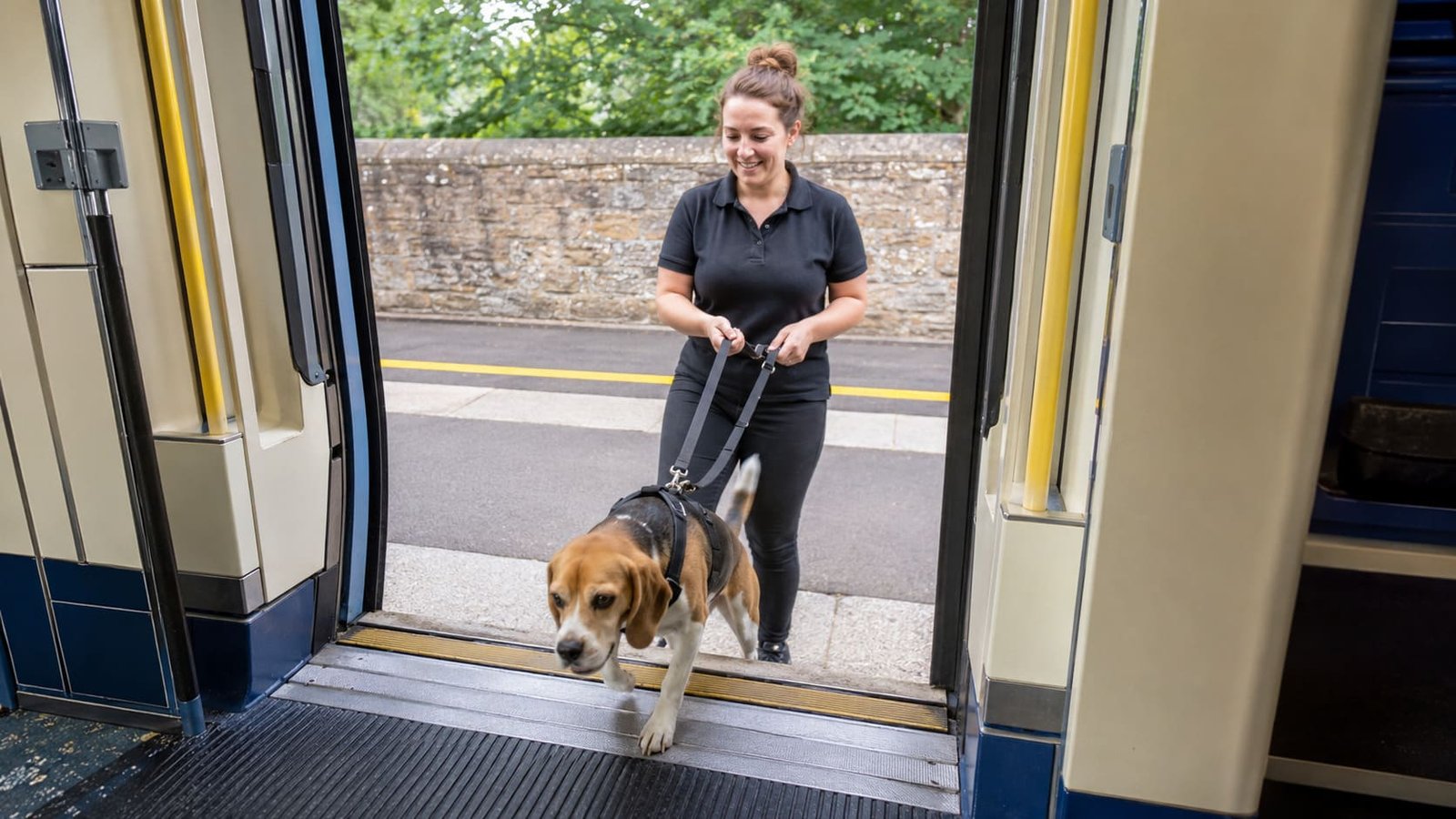
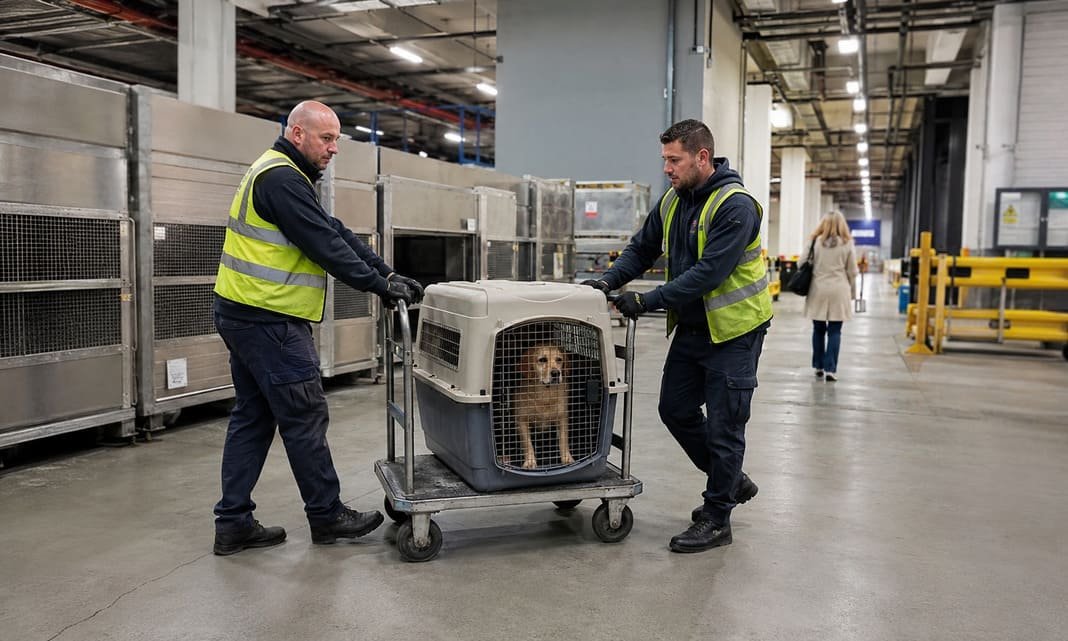
Airport pet check-in before international pet travel
The consequences of delays and booking failures
A failed summer booking rarely stays confined to the booking itself. One missed travel date can set off a chain of practical problems that affects housing, work arrangements, family schedules, and the pet’s routine all at once.
Imagine a family leaving the UK for a timed relocation. If the pet’s flight space is unavailable, or if the paperwork is delayed past the travel window, the owner may need to choose between travelling separately from the animal, changing accommodation plans, or paying for temporary care while a new route is arranged. None of those outcomes feels minor in the moment.
Typical consequences include:
- rescheduling fees or changed transport costs
- missed connections or postponed move-in dates
- short-term boarding or care arrangements
- extra stress for owners and additional disruption for the animal
Some people assume a failed booking can always be replaced by a quick alternative. In peak season, that assumption often falls apart because the same capacity pressures affect the backup options as well. The second-choice route may already be full, unsuitable for the pet, or out of step with document validity dates.
Emotional strain also tends to rise quickly once plans begin to slip. Pets respond to routine changes, owner stress, and longer waits in ways that can make an already difficult period harder to manage, particularly during international moves or family upheaval.
When professional oversight becomes important
In July and August, there is a point at which pet travel stops being an admin task and becomes a risk-management problem. That shift is easy to miss until dates tighten, documents intersect with fixed departures, or welfare limits rule out the most convenient route.
Professional oversight becomes especially important where several moving parts depend on each other. A delayed certificate, a carrier restriction, or a heat-related route change can affect the whole process, not just one segment. Under those conditions, experienced coordination often matters more than general transport availability.
A welfare-led provider such as Tailored Pet Travel is usually brought in for situations where the stakes are already high. That may involve international relocation, multiple pets, time-sensitive crossings, breed or medical considerations, or a booking that has become more complex than first expected.
Professional involvement is often sensible in cases such as:
- a cross-border move with fixed housing or work deadlines
- travel during peak summer dates with limited flexibility
- pets with age, health, or breed-related welfare concerns
- journeys involving connecting carriers, ferries, or airport handling
- situations where a previous booking has already fallen through
The distinction that matters here is not simply courier-led versus managed transport. The real difference lies in whether the process is being overseen with compliance, timing, and animal welfare in view at the same time. In high season, that combined oversight can be the difference between a workable plan and a costly false start.

Pet travel administration and relocation planning with service notes and paperwork – Illustrative Image
Looking ahead: rethinking pet travel planning for summer
Many owners still view pet travel as something that can be added to a wider travel booking once the main plans are in place. July and August tend to prove that assumption wrong. In summer, pet movement often needs to be treated as a specialist part of the process from the outset, with its own limits, timelines, and welfare decisions.
That shift in perspective changes the planning standard. Instead of asking whether a pet can fit into a preferred departure date, it makes more sense to judge whether the date, route, and conditions are genuinely suitable for the animal and realistic under current travel pressures.
A useful mindset is to treat peak season pet travel as a narrow coordination exercise shaped by compliance and welfare, rather than as a standard booking with an extra passenger. Readers who approach it that way are usually better placed to spot pressure points early, protect the animal’s wellbeing, and make calmer choices when summer availability starts to tighten.