
Do you need both a microchip and a GPS tracker when travelling with your pet?
Yes. Most pet owners travelling from the UK to Europe must have a microchip by law. A GPS tracker adds real time reassurance. Each plays a different role in keeping your pet safe. Knowing how they work helps you prepare with confidence.

Here's What We Have Covered In This Article
Introduction: Do You Really Need a Microchip and a GPS Tracker for Pet Travel?
Picture this. You are at a busy service station in France. The boot opens. Your spaniel bolts. No collar. Foreign country. Heart racing.
Many pet owners quietly worry about this scenario. You have heard of microchips and GPS trackers. Are they the same? Do you need both?
This guide clears things up. It explains what each tool does, how they fit into UK pet travel rules, and how to use them together. By the end, you will know exactly what is required and what is recommended for safe, stress free travel abroad.
Pro Tip: Choose a GPS tracker with EU roaming and bring a portable charger for backup.

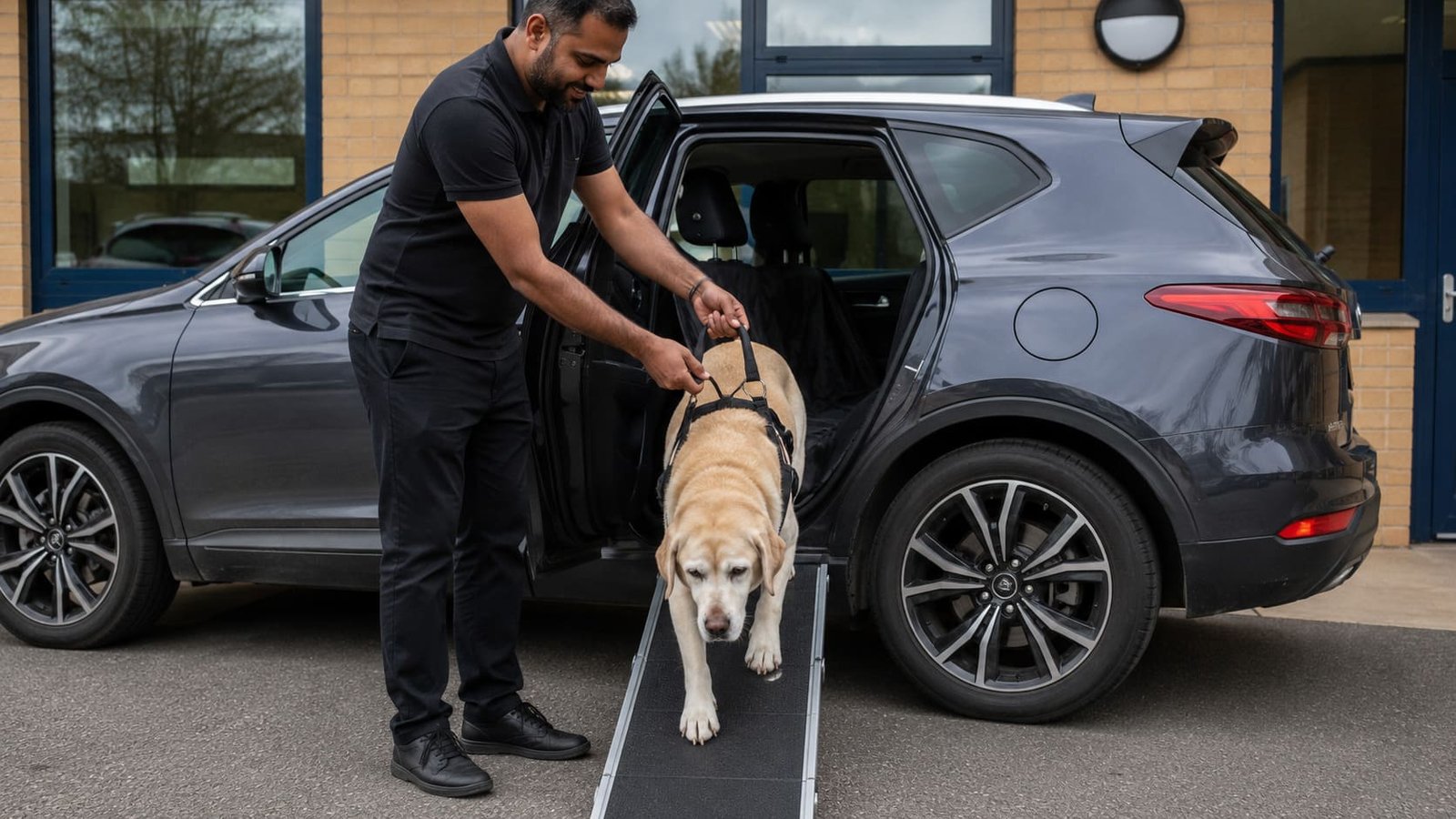
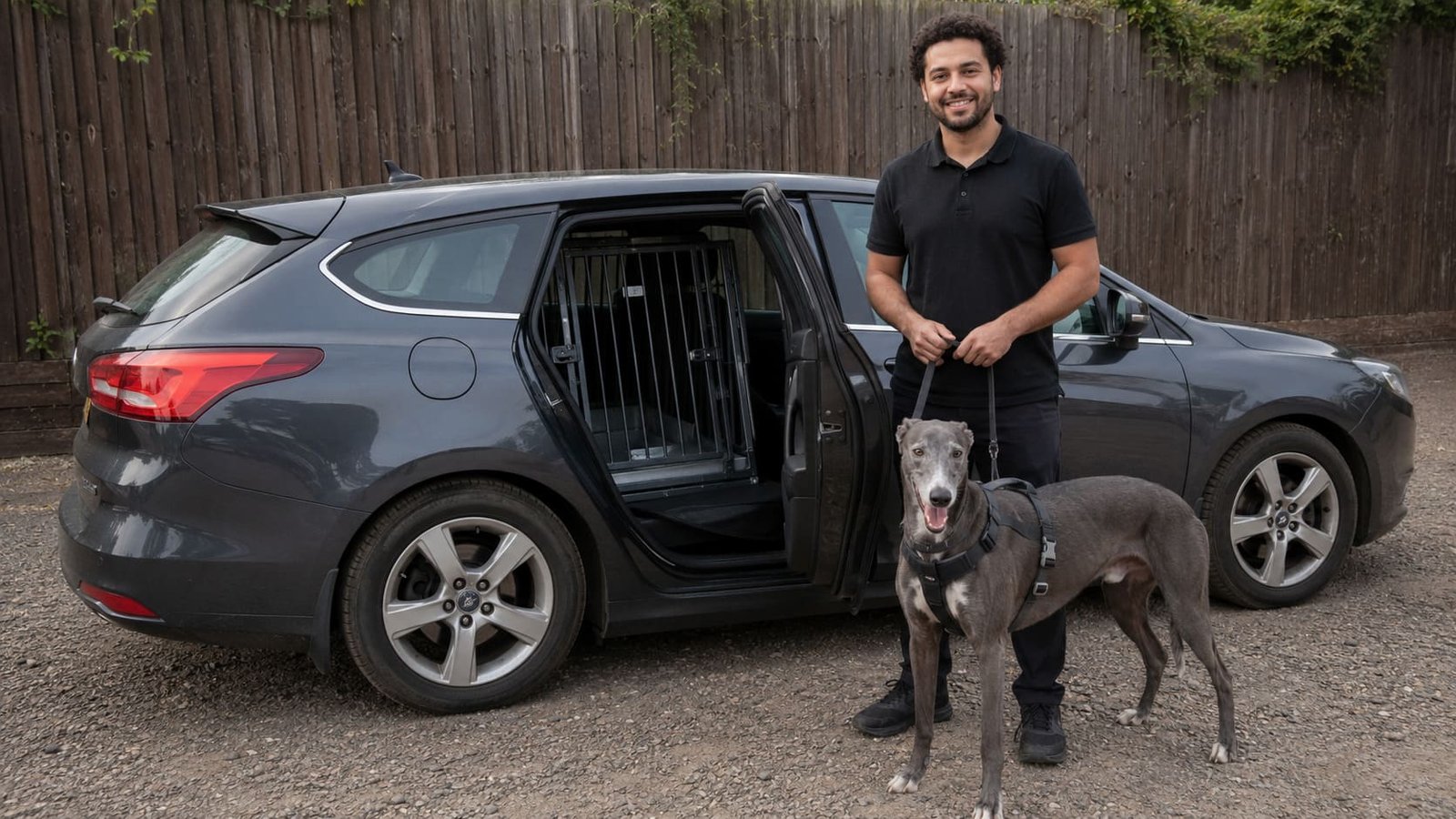
An AI image of a GPS tracker being fitted on a dog by a pet travel expert.
Plan Your Pet's Journey with Experts
Let our experienced team handle every detail of your pet’s move across the UK or overseas.
How Microchips Work and Why They Are Essential for UK Pet Travel
What is a pet microchip and how does it work?
A microchip is a tiny device implanted under your pet’s skin, usually between the shoulder blades. It contains a unique number linked to your contact details in a UK registry such as Animal Tracker or Petlog.
It does not track your pet’s location. It is a passive form of pet ID. A vet, border officer, or shelter can scan the chip and retrieve your details.
Why is a microchip required for EU pet travel from the UK?
DEFRA and the UK GOV Pet Travel Scheme require a microchip to travel from the UK to the EU. The chip must meet ISO 11784 or 11785 standards to be readable in Europe.
You must also keep your contact details current. If the chip links to an old address or phone number, it may not help you if your pet is lost.
What are the risks if a microchip fails?
Even reliable tools can go wrong:
-
Chips may move under the skin and become hard to scan
-
A few chips become unreadable
-
Some pets are registered with the wrong database or not registered at all
Before travelling, check that your pet’s chip works and is properly registered. It is your primary pet identification tool.
Which UK microchip registries are DEFRA compliant?
Use one of the approved databases:
-
Animal Tracker
-
Petlog
-
SmartTrace
-
PETtrac
Always ensure your details are current in the registry to guarantee safe pet travel.
Pro Tip: Always test your microchip and update registry info at least two weeks before travel.
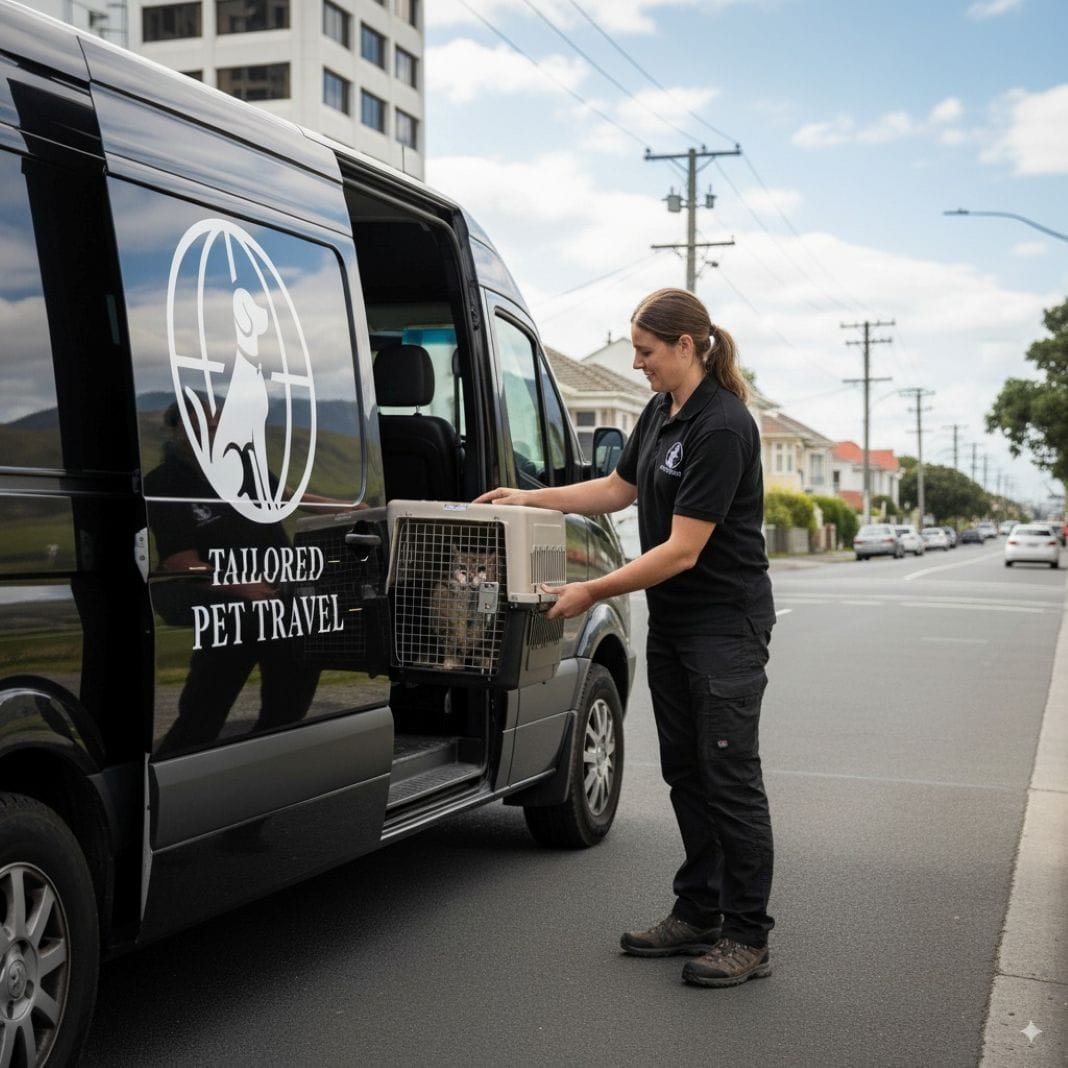
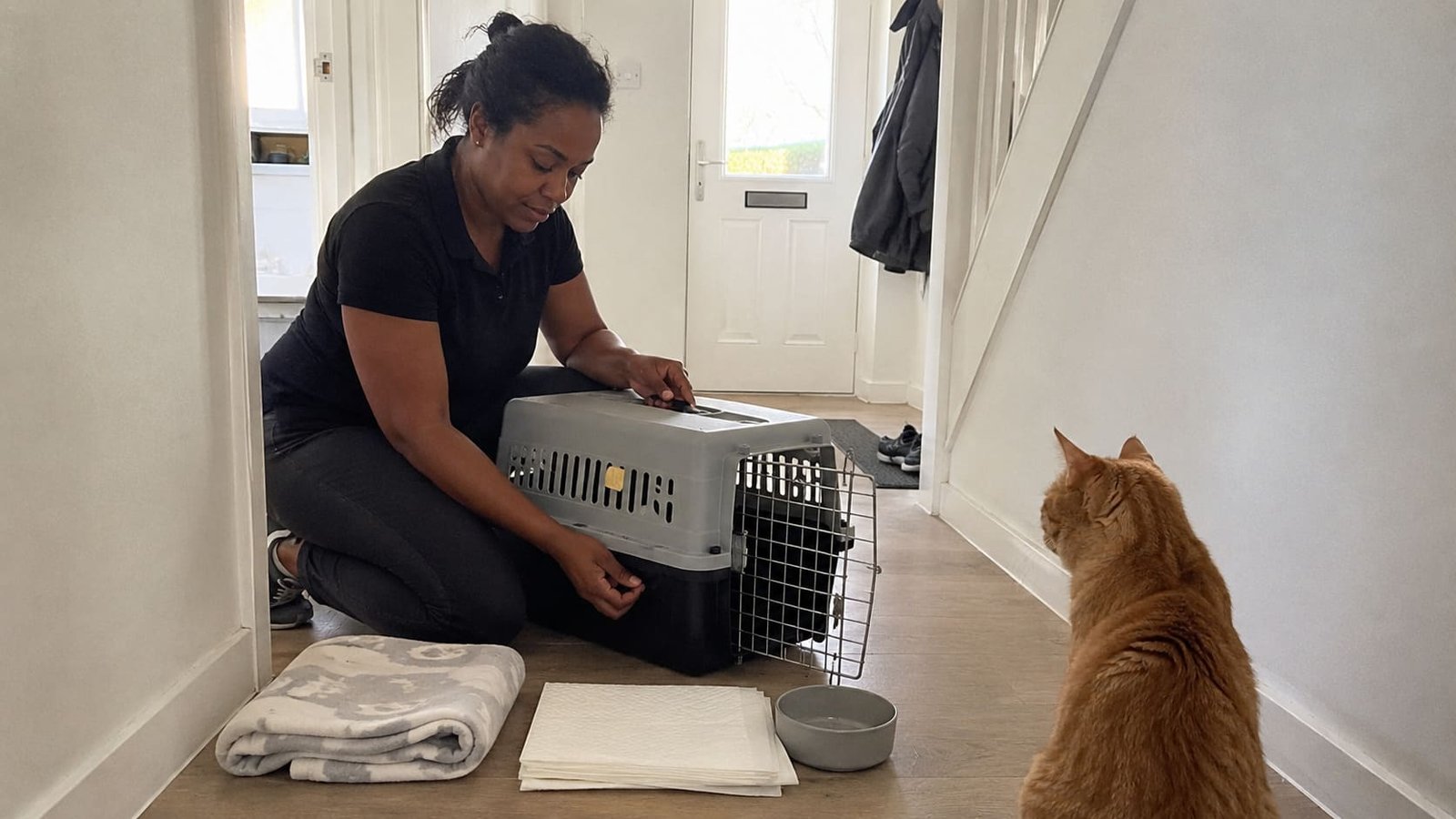
An AI photo of a pet handler professionally transporting a cat
Understanding GPS Trackers: Real Time Location Tools for Pet Travel Safety
What is a GPS tracker and how does it protect your pet while travelling?
A GPS tracker attaches to your pet’s collar. It uses satellites and mobile networks to show their real time location. It actively helps you find them before someone else does.
If your pet runs off on holiday, open the app and locate them instantly. This is known as real time pet tracking, and it is one of the best pet tech tools available for active safety.
What types of GPS pet tracking devices are available?
Trackers in the UK fall into three groups:
-
Collar based trackers: secure and built in but often bulky
-
Clip on devices: lightweight and work with any collar
-
Hybrid models: include extras such as geofencing or recall features
These types of pet technology help provide added security during travel.
Tracker Feature Comparison Table

Book Safe Pet Flights or Road Transport
Choose fully compliant pet flights or stress free road journeys managed by trained handlers.
Always check if the device is compatible with your phone and mobile network.
What are the limitations of GPS pet trackers?
-
Battery may drain quickly with live pet location updates
-
Signal can drop in rural areas or underground
-
Most trackers require a paid subscription abroad
GPS trackers do not replace microchips. They add another layer of pet safety.
When should you replace your GPS tracker?
Consider replacing it if:
-
The battery drains too quickly
-
Location updates stop or lag
-
EU roaming is no longer supported
-
The clip is damaged or casing is cracked
-
The app stops working with your phone
Keeping your tracker updated helps maintain consistent travel safety for your pet.
Microchip vs. GPS: Which One Keeps Your Pet Safer While Travelling?
What happens at UK and EU pet border checks?
Only microchips are checked. They must match your Animal Health Certificate.
What if your pet escapes in the countryside while travelling?
GPS is your best bet if signal is good. If the GPS fails, a microchip helps when your pet is found. This is why pet tracking for travel needs to include both passive and active safety.
How reliable are trackers during ferry or tunnel travel?
Signal often drops underground. A GPS may stop working. Microchips continue to function in any location.
If your pet is lost abroad, which system helps most?
A GPS can lead you straight to your pet if it is working. If not, a registered microchip may be your only way to reconnect.
When Both Is Not Overkill: Why Microchips and GPS Trackers Work Better Together
Do you really need both a GPS tracker and microchip for pet travel?
Yes. Think of them as a team:
-
The microchip provides permanent identification
-
The GPS tracker enables real time tracking and live updates
You are covered whether your pet is found by someone else or you are nearby to intervene.
Some owners share stories of lost pets recovered thanks to microchips after a tracker failed. Using both gives you more chances to bring your pet home safely.
What is a QR code pet tag and should you use one?
QR code tags link to an online profile. Anyone with a phone can scan the tag and access your contact info.
They do not replace GPS or chips but offer a helpful backup, especially if the tracker battery dies.
Preparing for Pet Travel: Setting Up Your Microchip, GPS Tracker and Emergency Plan
What should you do before travelling with your pet?
Use this quick pet travel safety checklist:
-
Test your microchip with a vet
-
Update contact details in the registry
-
Choose a GPS tracker that works in the EU
-
Charge the device and pack a power bank
-
Attach a visible ID or QR code tag to your pet’s collar
-
Save local vets and emergency contacts on your phone
Taking these steps supports safe pet travel and avoids panic later.
If you’re using a specialist service like Tailored Pet Travel, they’ll help you prepare and check everything ahead of time. Their team handles travel documents, crate hire, and setup, so you can focus on the journey.
How Tailored Pet Travel Supports You Every Step of the Way
What help can you expect from a pet relocation service?
At Tailored Pet Travel, we provide safe, professional, and fully compliant pet transport for dogs, cats, and small animals. Whether you’re relocating abroad, booking a flight, or collecting a new puppy, our expert team takes care of every step — from documentation and logistics to handover and tracking.
We don’t just move pets. We manage their journeys with the care and attention they deserve.
We offer:
-
Microchip checks and registry help
-
Advice on choosing the best GPS tracker for your journey
-
Review of your travel documents
-
Help setting up and testing your devices
-
Live tracking and 24/7 support
We also offer emergency support while you are away to ensure safe pet journeys.
Final Thoughts: Make the Right Choice for Peace of Mind and Pet Safety
Travelling with your pet does not need to be stressful.
Use a microchip to meet legal requirements. Add a GPS tracker for real time location updates.
Together, these pet tech tools form a reliable pet identification and tracking system for safe travel.
Frequently Asked Questions
Is a GPS tracker required for pet travel abroad?
No. Only microchips are mandatory. GPS trackers offer optional support and improved pet tracking for travel.
Can my pet’s chip be unreadable abroad?
It is possible. Have your vet test it before you go. Make sure it meets ISO 11784 or 11785.
Do trackers work in enclosed transport areas?
Signal may drop in tunnels or on ferries. Microchips still work in these cases.
Do I need to re register my chip for the EU?
No, but your UK registry must have the correct, current information to ensure pet ID is valid for travel.