What are the most common unexpected challenges of pet relocation from the UK?
Even with careful planning, relocating pets from the UK can go off course. Issues like pet microchip problems UK, last minute airline changes, or unexpected fees add up quickly. Understanding where things typically go wrong helps you avoid common pitfalls and ensure a smoother journey for both you and your pet.

Here's What We Have Covered In This Article
Pre Travel Pet Relocation Timeline: What to Do and When
Planning early makes international pet transport much easier. Here’s a clear timeline to stay ahead of key tasks:
Six Weeks Before Travel
- Scan your pet’s microchip and confirm it meets ISO 11784 11785 standards.
- Begin crate training using treats and familiar items.
- Review destination country import rules and airport animal reception centre (ARC) requirements.
Four Weeks Before Travel
- Book with an APHA approved vet for the Animal Health Certificate.
- Confirm airline pet policies, especially for your breed.
- Identify any stopover rules or additional documents required for transit compliance.
Two Weeks Before Travel
- Review all paperwork and match it to your pet’s microchip.
- Check that insurance covers travel delays, airline refusals, and ARC holding fees.
- Finalise airline approved pet carrier size, ID tags and accessories.
One Week Before Travel
- Pick up the Animal Health Certificate within the valid window.
- Reconfirm cargo handling procedures for live animals and your check in time.
- Stick to regular routines to reduce your pet’s anxiety.
Day Before Travel
- Feed early, clean the crate and pack comfort items.
Pro Tip: Always scan your pet’s microchip before booking any travel to avoid costly rejections at customs.
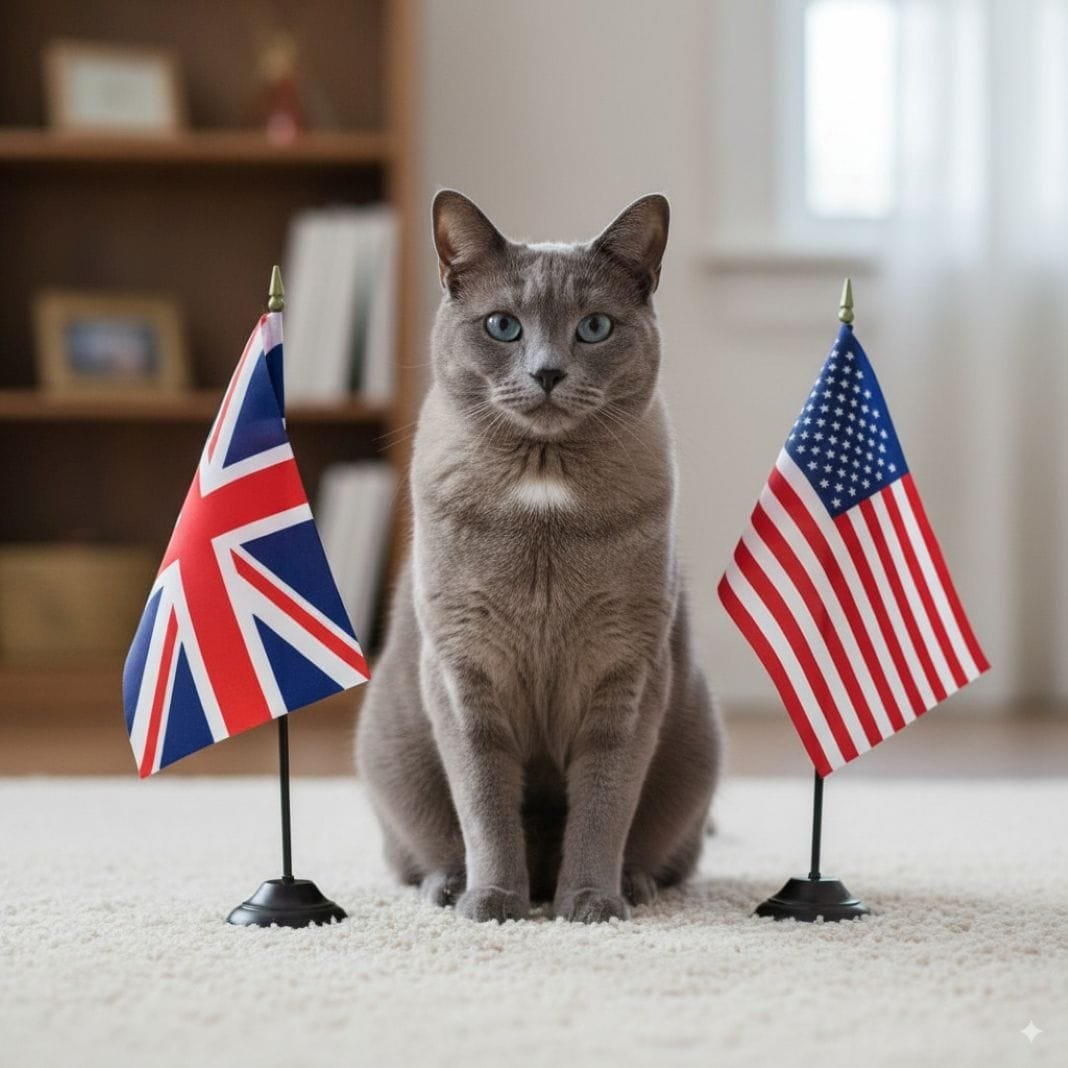
An AI photo of a cat sitting between a UK and USA flag about to be transported – Tailored Pet Travel
Plan Your Pet’s Relocation
Make your move stress-free with our expert-led, end-to-end pet transport services.
1. When Microchips Fail: The Silent Pet Relocation Risk
Your pet’s microchip is their identity during travel. If the chip doesn’t scan or isn’t accepted at your destination, your pet may not be allowed to proceed.
Some microchips used in the UK don’t follow ISO 11784 11785, the global standards. Even if they are technically compatible, they might not register with foreign scanners, especially in transit zones.
How do you verify a pet microchip before international travel?
-
Ask your vet to scan it using a universal reader.
-
Make sure the chip matches your documents exactly.
-
If rechipping is needed, keep both active and carry a vet signed note explaining why.
Verifying the chip ensures compliance and helps prevent travel delays.
2. Customs Paperwork Mistakes That Can Halt Your Pet’s Travel
Documentation errors are one of the most common causes of relocation failure. Incomplete or incorrect forms may result in your pet being held or denied travel.
Only APHA authorised vets can issue the Animal Health Certificate. Common errors include incorrect chip numbers, mismatched names or forms completed outside the valid timeframe.
What paperwork mistakes delay pet relocation?
-
Certification by non approved vets
-
Incorrect or mismatched data
-
AHC not issued within the travel window
What questions should you ask your vet before travel?
-
Are you authorised to issue the AHC?
-
Is my pet’s microchip internationally compliant?
-
Which vaccines or treatments are required at the destination?
-
Can you double check the documentation?
-
Will you provide a letter if rechipping is necessary?
Preventing documentation mistakes is one of the simplest ways to avoid common pet travel delays.
3. Airline Disruptions: What to Do When Flights Change Last Minute
Even if everything is confirmed, your flight could change due to weather, equipment or policy updates.
Heat embargoes are common during summer and may stop pets from travelling in cargo. Snubnosed breeds are especially at risk of being declined. Sometimes, a last minute aircraft change removes cargo pet facilities.
What should you ask airlines before flying with pets?
-
Does your airline accept this breed and crate size?
-
What happens if the flight is delayed or rerouted?
-
Do you have a live animal desk I can contact if needed?
Be proactive. Get these answers confirmed in writing to prevent unexpected pet travel issues on departure day.
If you’re booking pet flights or arranging a relocation and need peace of mind, Tailored Pet Travel offers fully compliant air transport with crate hire, veterinary support, and IATA coordination built in.
4. The Transit Trap: How Stopover Countries Can Complicate UK Pet Relocation
Transit airports often apply different regulations from the destination country. Even a short stopover could subject your pet to rules you didn’t expect.
These countries may require advance forms, welfare checks or ARC clearance. If documentation doesn’t meet local standards, delays or denials may occur.
How can you avoid pet relocation delays in transit?
-
Minimise or avoid stopovers during booking.
-
Ask your airline about rules in every country en route.
-
Avoid airports with backlogs or language barriers.
Which stopover countries are high risk for UK pets?
-
Australia – Requires a government issued permit, strict quarantine and exact timelines.
-
Singapore – Needs advance clearance and approved documentation.
-
United Arab Emirates – Some breeds are banned and paperwork must be filed early.
-
USA (transit) – May inspect pets or require documentation even for layovers.
Being aware of transit restrictions reduces the risk of your dog being held in a stopover country.
Pro Tip: Avoid multi-leg flights with complex layovers unless absolutely necessary.

5. The Emotional Fallout: Behavioural Shocks After Arrival
Travel stress can affect pets long after landing. Even confident animals may become anxious, withdrawn or unusually quiet.
Flying, confinement and unfamiliar smells may lead to:
-
Appetite loss
-
Hiding or avoiding contact
-
Regression in toilet habits
-
Clinginess or vocal outbursts
How do you support a pet’s emotional recovery after travel?
-
Allow quiet time to adjust without pressure
-
Offer familiar bedding and toys
-
Limit stimulation or visitor traffic for a few days
Watch for signs of pet travel stress in the first week. If behaviour doesn’t settle within ten days, speak to a vet or animal behaviourist.
6. Budget Blowouts: How Minor Mistakes Turn Into Major Pet Relocation Costs
Costs rise quickly if paperwork is rejected or flights are missed. You may need to rebook, pay holding fees or cover urgent vet visits.
Travel insurance often excludes these issues. If your policy doesn’t cover airline rejections, you could face high unexpected costs.
How can you avoid extra pet relocation charges?
-
Reserve 20 to 30 percent of your budget as a buffer
-
Review your insurance for exclusions and refund conditions
-
Ask your airline and vet about rebooking policies and potential fees
Include common UK pet export fees in your budget planning. Knowing what’s not covered prevents last minute panic.
At Tailored Pet Travel, we specialise in managing the details that cause these cost blowouts — from paperwork and route planning to real time updates and welfare focused care.
Speak to a Pet Travel Expert
Not sure where to begin? Our team handles everything from paperwork to boarding.
Bonus: 4 Pet Relocation Myths That Could Cost You Time, Money or Tears
These common myths often lead to major setbacks:
-
“Any chip works abroad.” No, only ISO chips are accepted.
-
“The UK doesn’t require quarantine anymore.” Some countries still do.
-
“Airline approval is enough.” Entry rules vary by country.
-
“My vet handles it all.” Only APHA approved vets can issue proper documents.
Believing these myths can lead to delays, added costs or denied entry. Avoid pet relocation mistakes by checking facts before you travel.
Conclusion: Avoiding Regret — How to Prepare for the Worst So Your Pet Travels at Their Best
Relocating your pet is more than booking a flight. You need to anticipate problems and check each step thoroughly.
✔️ Verify and register your pet’s microchip ✔️ Confirm all documents with an approved vet ✔️ Understand airline and transit country policies ✔️ Prepare for emotional and financial stress ✔️ Plan early and leave margin for the unexpected
Speak with a specialist in international pet relocation if anything feels unclear. A smooth journey happens when nothing goes wrong because you prepared for everything.