How does pet check-in differ from passenger check-in?
Unlike passengers, pets cannot be checked in at the main terminal. Pet check-in follows a separate, regulated process involving airport animal reception centres, legally mandated procedures, and welfare assessments. It is structured to comply with IATA regulations, DEFRA requirements, and airline-specific guidelines.
Here's What We Have Covered In This Article
Why pet check-in is entirely separate
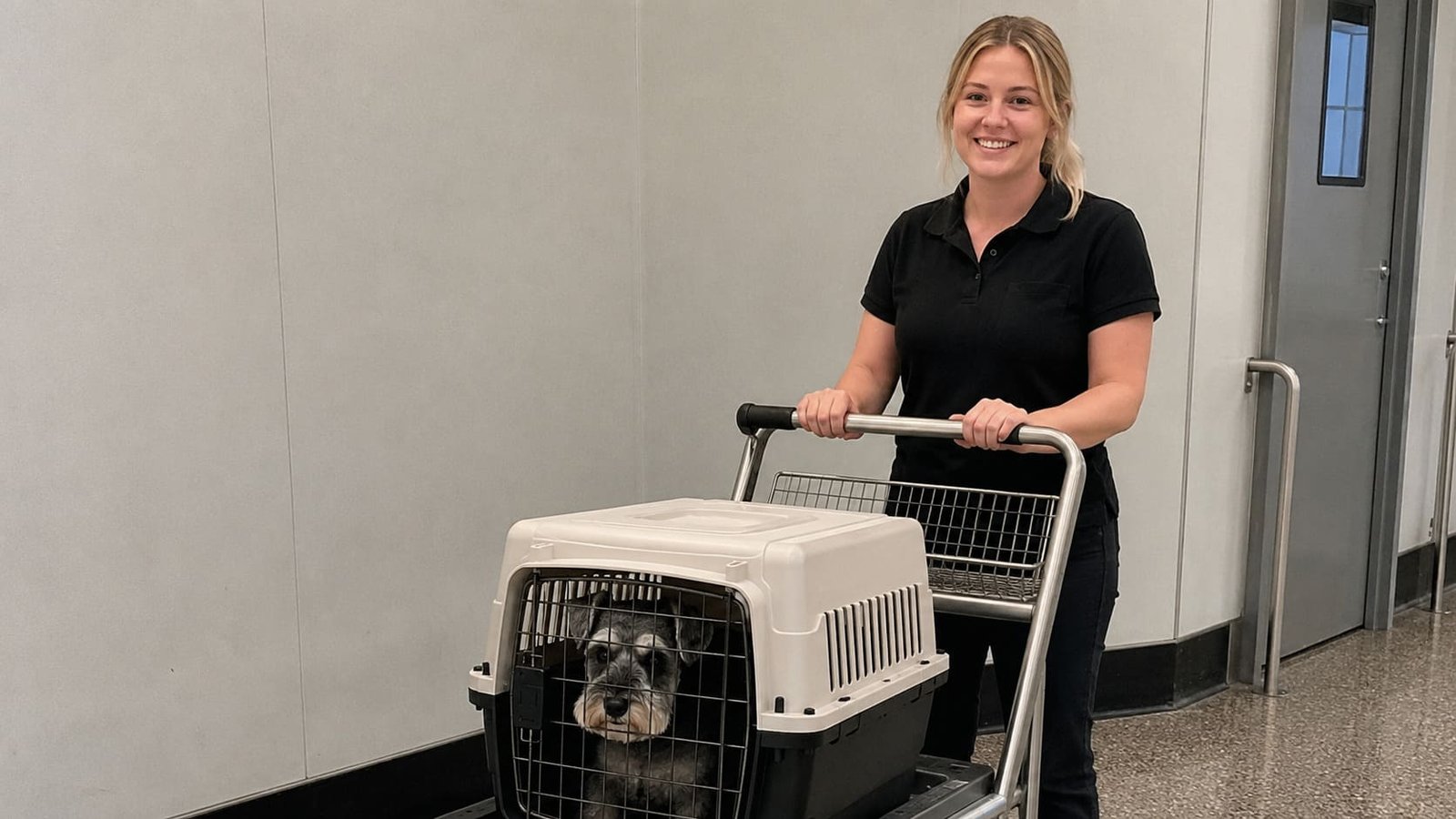
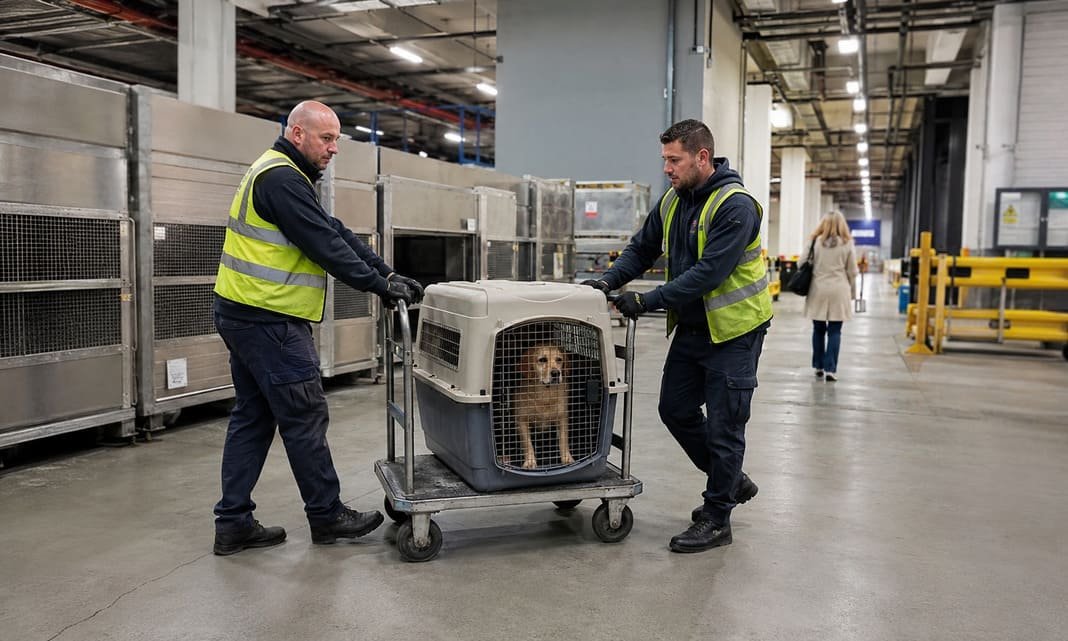
Many travellers are surprised to find they cannot simply bring their pet to the passenger check-in desk. Airports like Heathrow and Gatwick operate dedicated Animal Reception Centres (ARCs) where all pets travelling in the cargo hold must be processed. These facilities are outside the main terminal areas and serve as controlled environments for welfare checks, documentation review, and logistical handovers.
The reason for this separation lies in regulation and responsibility. Airlines must comply with strict live animal handling rules, including assessment of crate suitability, compliance with import/export laws, and ensuring the pet is fit to fly. These checks must be handled by trained teams under DEFRA and IATA standards. The ARC is the designated point where those standards are enforced.
Some common assumptions can lead to complications. These include turning up without approved paperwork, expecting last-minute crate swaps, or assuming that emotional readiness overrides procedural rules. In reality, only pets that meet timing and documentation criteria will be accepted.
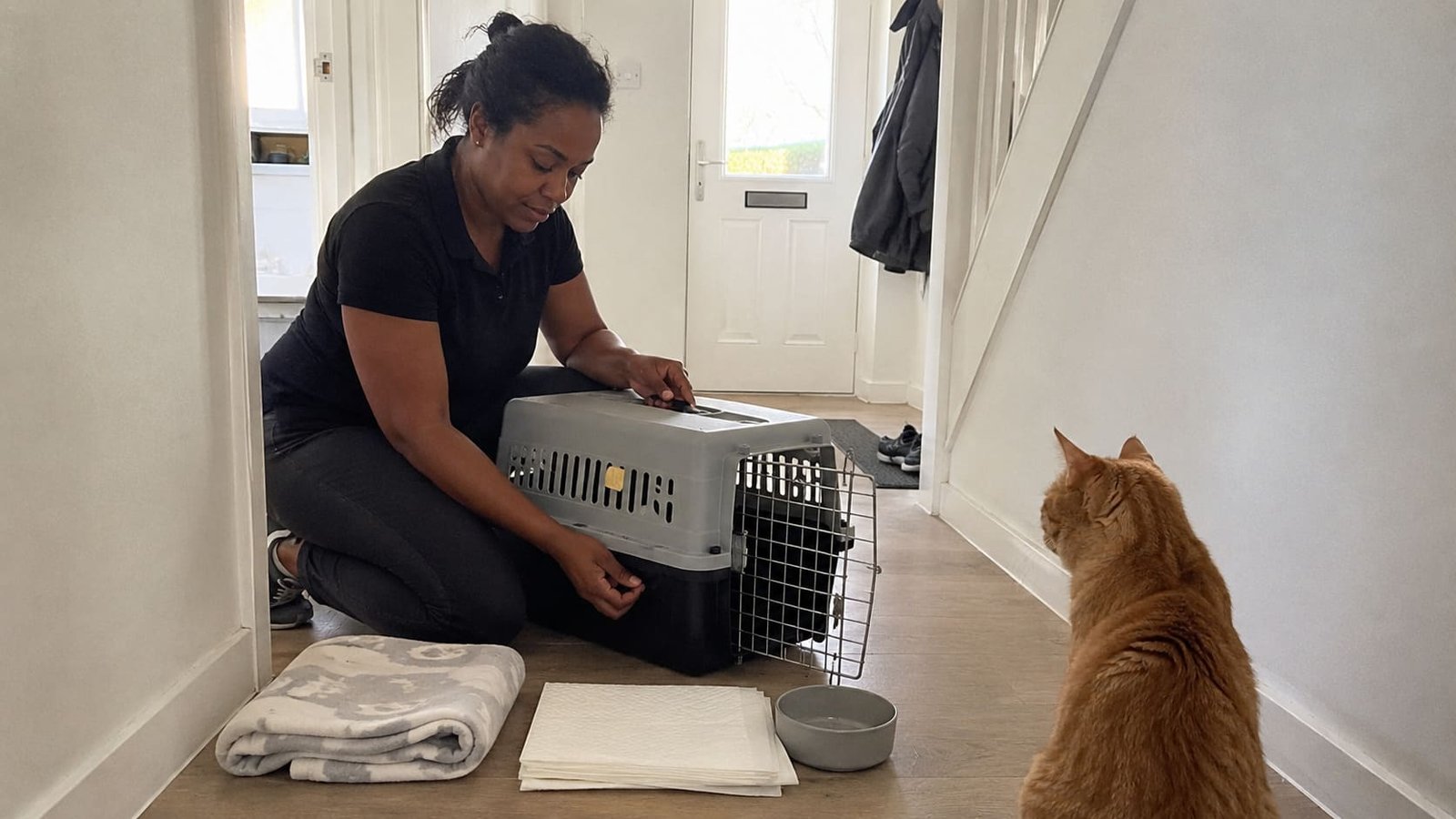
Pro Tip: Use a crate at home well before travel so your pet becomes comfortable resting and waiting in it.
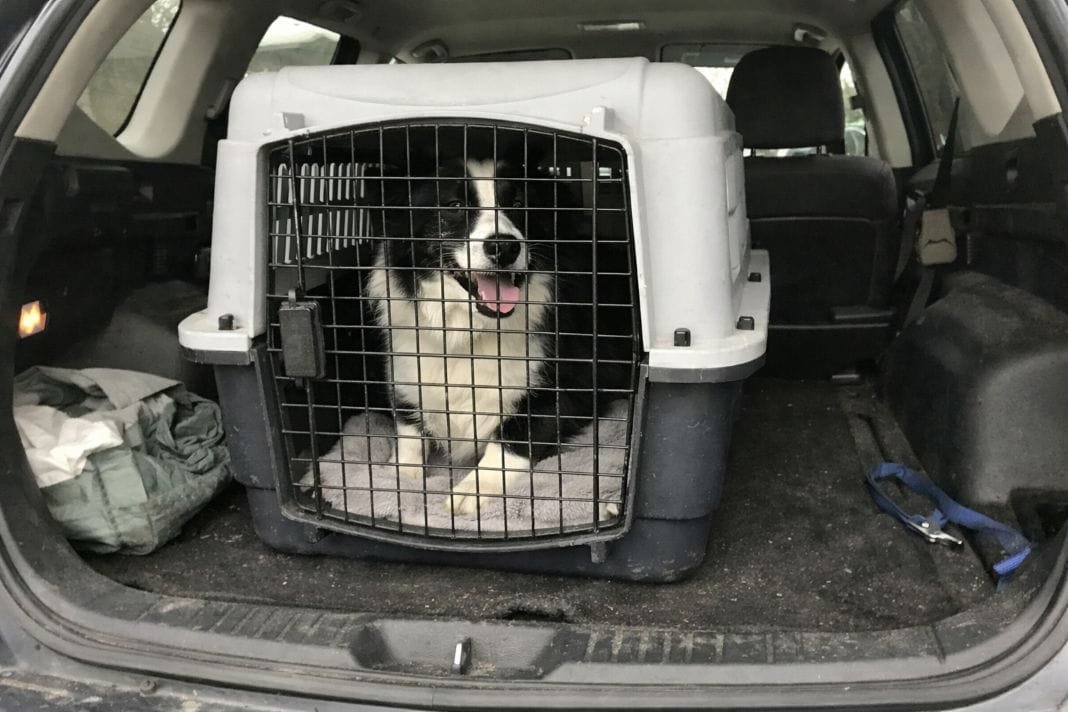
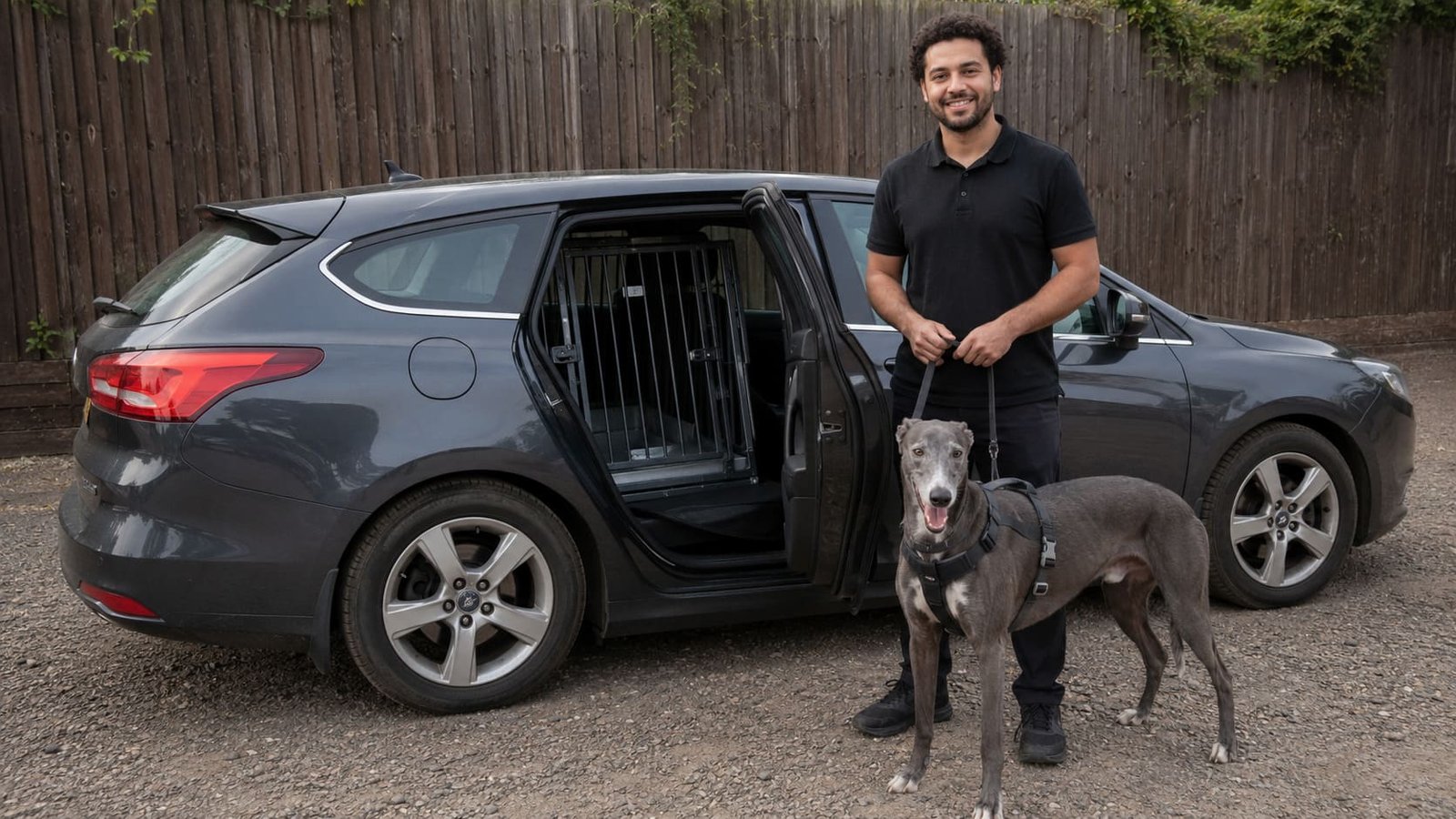
An illustrative image of a pet in a well-ventilated pet travel crate in the back of a vehicle, ready for drop off
Plan Your Pet’s Journey with Confidence
Ensure every detail of your pet’s travel is handled correctly and stress free. Let our expert team guide the process from start to finish.
Where does pet check-in happen at Heathrow and Gatwick?
Pet check-in does not take place inside the passenger terminal. Instead, pets are dropped off at designated ARCs located within the cargo zones of each airport.
At Heathrow, the Heathrow Animal Reception Centre (HARC) is located off Beacon Road, within the airport’s cargo complex. It operates as a DEFRA-approved facility and serves both departing and arriving animals. At Gatwick, the ARC is located near the Cargo Centre close to the South Terminal. Though not as large as HARC, it operates under the same regulatory standards.
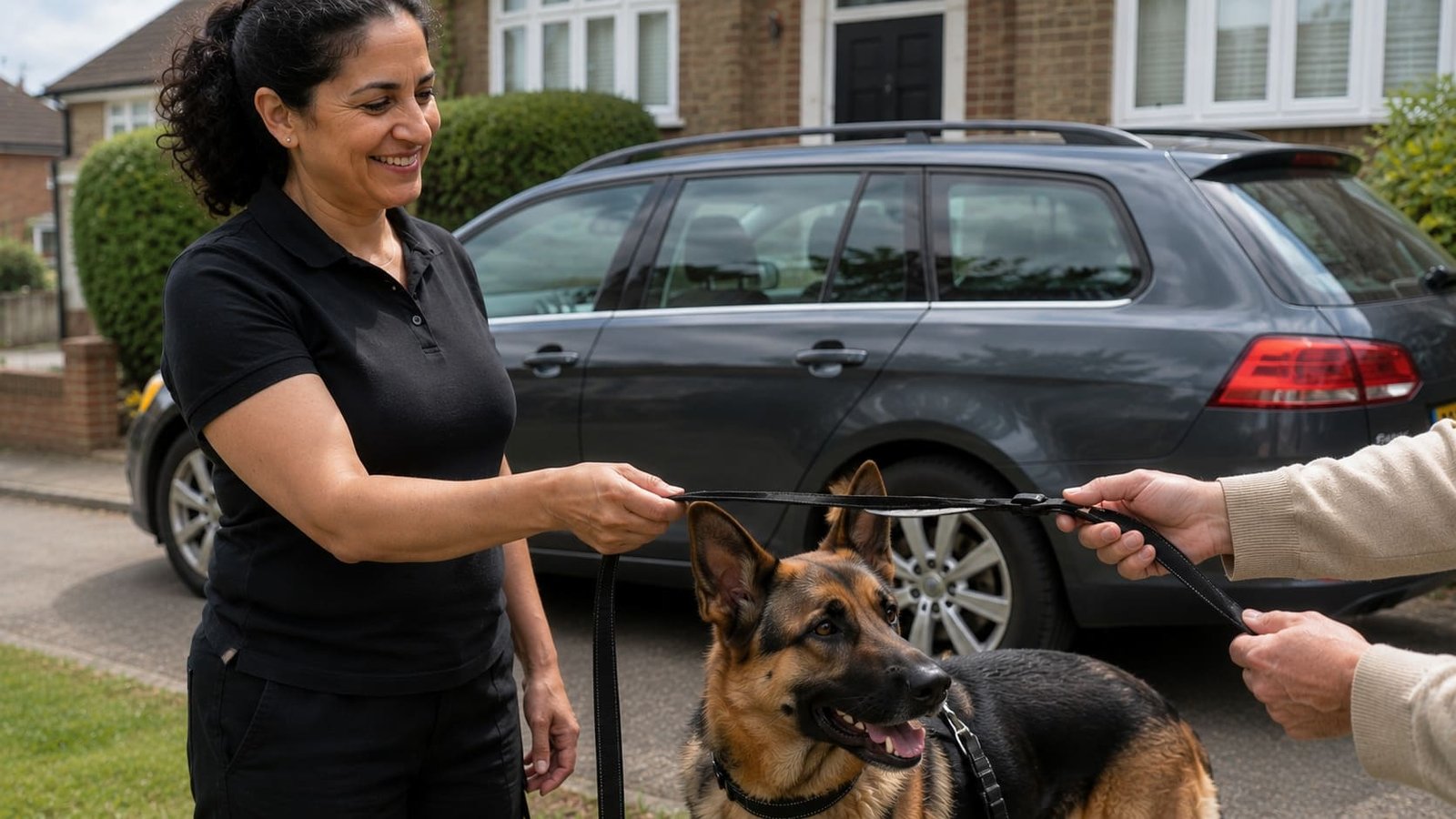
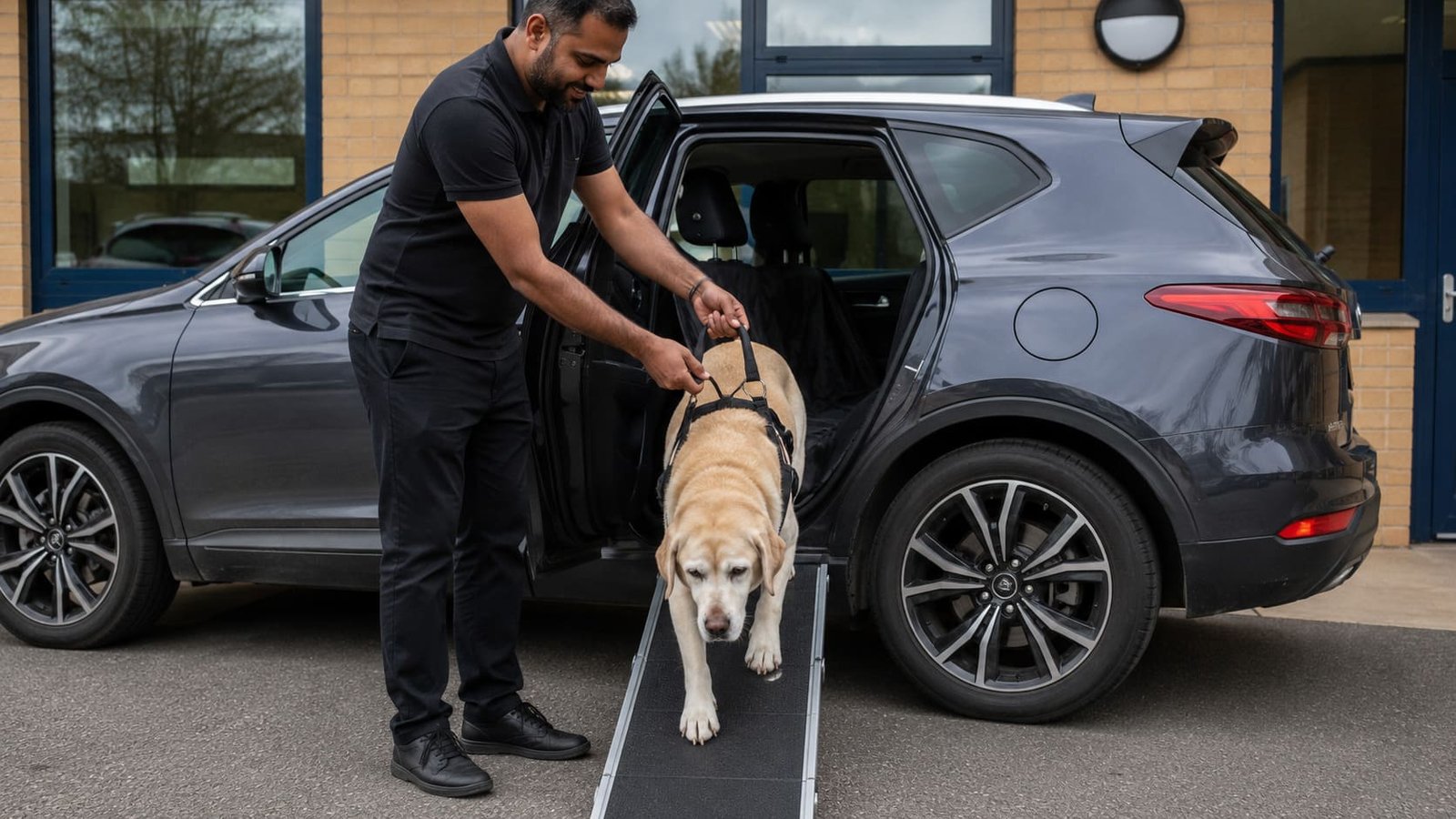
Pets arriving at these facilities must be dropped off by vehicle, often by professional handlers who are familiar with the access routes, entry protocols, and timing requirements. Signage for these facilities is limited, so relying on smartphone navigation or unassisted drop-off can lead to delays.
Key differences between ARC check-in and passenger terminal check-in include:
- Access: Entry is through cargo access roads, not passenger terminals
- Timing: Drop-off windows are precise and vary by airline
- Purpose: The ARC manages regulatory compliance, not customer service
- Support: Trained animal staff, not airline agents, handle the check-in
Arriving at the wrong location, or at the right place with incorrect timing, can result in missed departures or denied entry.
What happens during pet drop-off checks?
Once at the ARC, every pet undergoes a set of mandatory checks before being accepted for travel. These procedures are designed to confirm compliance, safeguard welfare, and satisfy air transport standards.
Key checks include:
- Health and welfare: Animals are visually assessed by trained staff to ensure they appear healthy, alert, and suitably fit to travel
- Crate inspection: The travel crate is checked against IATA Live Animal Regulations to confirm size, ventilation, structure, and overall suitability
- Document verification: Required documents such as the Animal Health Certificate (AHC), vaccination records, import permits, or pet passport (if valid and accepted) are reviewed
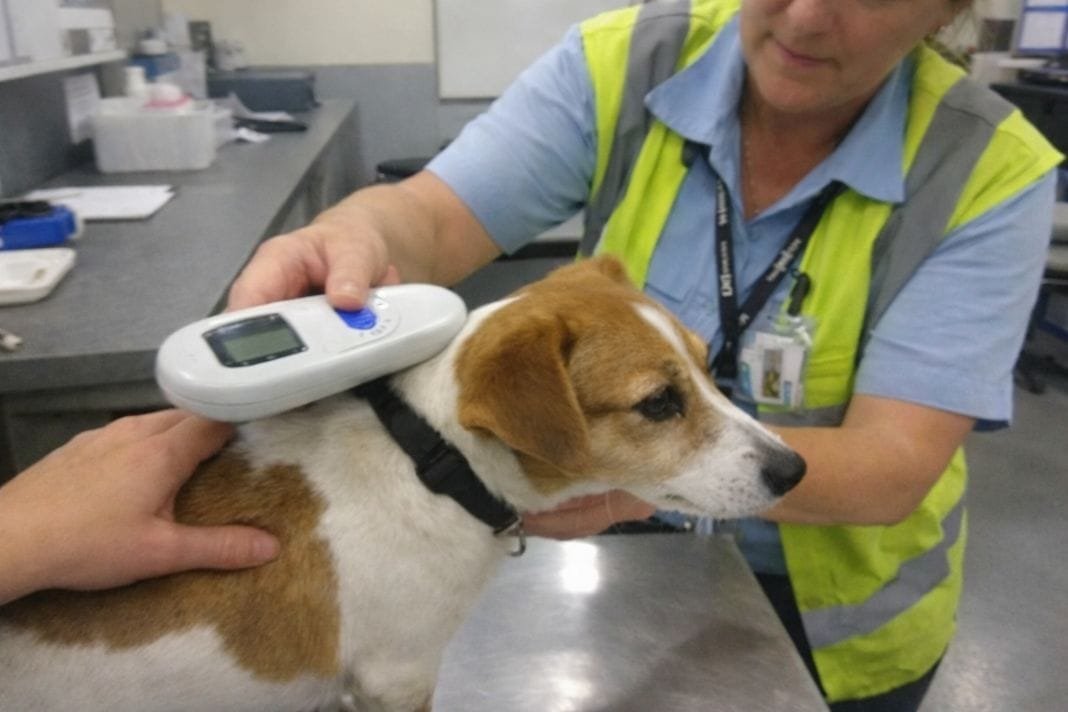
- Microchip scanning: The pet’s microchip is scanned to confirm identity and match documentation
- Sedation checks: Any signs of sedation are flagged, as sedated animals may be refused carriage depending on airline policy
Reasons for delay or refusal at this stage often come down to incorrect documentation, non-compliant travel crates, health concerns, or missing arrival coordination with the airline.
Need Help for a Solo Pet Flight?
Travelling separately from your pet? We manage regulated handovers and timing, ensuring your pet arrives safely and on time.
How does timing affect successful check-in?
The check-in process for pets must be precisely timed. Unlike passengers, pets cannot arrive hours early and simply wait. ARC staff operate on coordinated windows that align with cargo deadlines, aircraft loading protocols, and welfare monitoring requirements.
Arriving too early may mean the ARC cannot accept the animal. Arriving too late risks missing check-in cut-offs or losing the flight slot altogether.
The timing sequence depends on several overlapping factors:
- ARC operating hours: ARCs have fixed opening times that do not follow passenger schedules
- Airline cut-off times: Each airline has specific rules about when animals must be presented before departure
- Flight preparation windows: Pets are loaded during a narrow window for temperature control and welfare
- Handler coordination: Professional handlers manage timing handovers to match these moving parts
Problems related to timing are difficult to fix once they occur. A missed ARC window can mean waiting until the next available flight, which may require new documentation, updated health checks, or prolonged separation from the owner.
Pro Tip: Always confirm airline-specific check-in cut-offs, as they vary significantly between carriers and routes.
What does your pet experience during check-in?
For the animal, check-in is managed with a focus on calm, controlled handling. The environment is different from the bustle of a terminal. While unfamiliar, it is structured to minimise stress using recognised welfare techniques.
Typical experiences include:
- Quiet holding areas: Pets wait in quieter surroundings away from aircraft noise and foot traffic
- Trained handlers: Animals are handled by experienced staff who understand species-specific behaviour and stress indicators
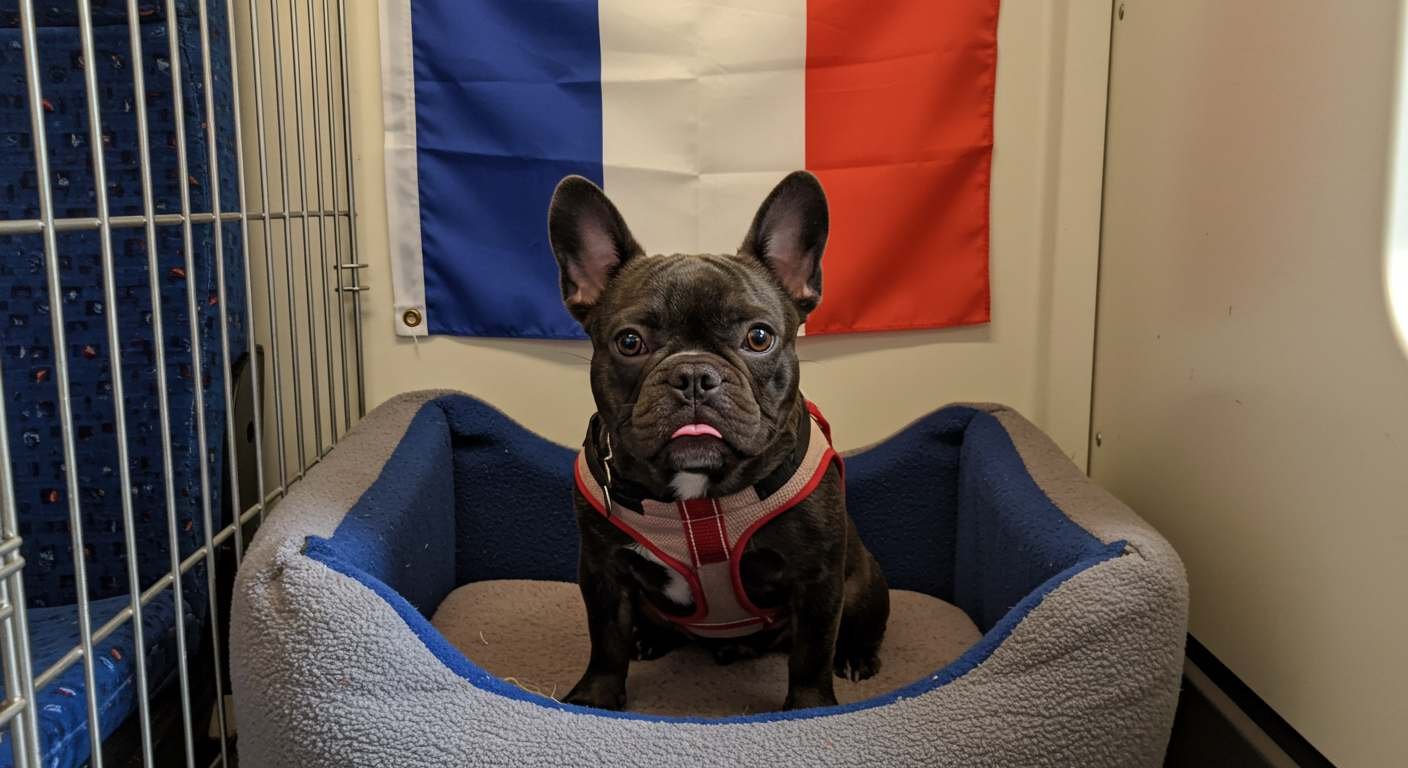
- Crate familiarity: Owners are encouraged to train pets to rest in their crate ahead of time, with familiar bedding or items offering comfort
- Separation management: The moment of handover is emotionally difficult for owners, but pets are not typically distressed once inside a familiar crate and handled gently
- Monitoring: Pets are observed before departure for signs of illness, stress, or environmental discomfort
While owners can feel anxious, the process has been designed with the pet’s welfare in mind. Familiar smells, stable environments, and reduced stimulation all contribute to a smoother experience.

What can go wrong, and how is it dealt with?
Despite preparation, issues can occasionally arise at check-in. These are usually procedural rather than medical or behavioural, and they can often be resolved when identified early enough.
Common problems include:
- Incorrect or incomplete documentation: A missing microchip number, expired vaccination, or incorrect AHC can result in refusal to fly
- Crate non-compliance: A crate that is too small, lacks water access, or fails durability checks will need replacing
- Illness or injury: If a pet shows signs of distress, injury, or illness, ARC staff may require a vet check before approving travel
- Temperament issues: Aggressive behaviour or extreme anxiety can prompt delay while solutions such as sedation assessments or specialist handling are considered
- Timing errors: Pets arriving too late or without a confirmed booking may not be accepted that day
When these issues occur, the response depends on whether professional handlers are involved. Rebookings, urgent vet access, or crate replacement may be coordinated on-site, but only within the window of flight readiness. Without timed support, owners may need to return on another day, which can carry significant emotional and financial consequences.
When does professional support make the difference?
Many owners aim to manage pet check-in themselves, assuming it mirrors human travel preparation. In straightforward cases, this may be possible. However, once there are multiple interlocking requirements, international rules, time-sensitive documents, behavioural concerns, or airline-specific restrictions, the margin for error narrows sharply.
The distinction lies in oversight. A general pet courier may coordinate transport from A to B, but a welfare-led professional oversees timing, documentation, compliance, and real-time adaptations.
Owners often turn to professional help when:
- The pet is travelling alone and requires regulated handover
- There are breed, age, or medical considerations
- Timing needs to match flights tightly without flex
- Previous attempts at check-in have gone wrong
- Confidence in the documentation or process is low
Customised Pet Travel is regularly engaged in these moments. Their teams work closely with DEFRA-approved ARC staff, airline cargo departments, and overseas authorities to ensure pets are delivered but cleared, accepted, and ready to fly.
For owners facing uncertainty or challenge, professional pet transport support becomes less of a luxury and more of a safeguard. When the outcome truly matters, reliable coordination removes the pressure from the individual and places it in experienced hands.