Can your dog fly if the destination country allows the breed?
A restricted breed can be lawful for entry and still be refused by an airline. We treat country rules and airline acceptance as two separate checks: one asks whether your dog may enter, the other asks whether the operating carrier, route and transport mode will carry that dog safely.

Calm fawn Pug standing in clean neutral modern living room – Illustrative Image
Here's What We Have Covered In This Article
Country approval is only the first filter
Many owners start with the destination rules, which makes sense. Border rules decide whether your dog meets the entry conditions for that country. Airline breed restrictions answer a different question: will this airline carry this dog on this exact journey?
That split explains why answers conflict. Your paperwork may be in order, your dog may be accepted for import, and the airline may still say no because of breed wording, crate requirements, airway risk, cargo rules, aircraft limits or the operating carrier’s own policy.
The operating carrier matters because the airline named on a booking is not always the one physically carrying the animal. A cargo handler may also apply its own acceptance checks before travel. A route that looks valid on paper can fail late if only the country pet import rules were checked.
A simple way to frame it is this: permission to enter is border compliance, and permission to travel is airline acceptance. Both have to line up before the trip is real.
“Restricted breed” is several rules wearing one label
Airlines use the phrase restricted breed for different problems, so the label alone does not tell you what has failed. We first need to know whether the concern is legal status, breathing risk, handling risk, route approval or the transport mode itself.
Here is the practical difference.
| Restriction type | What the airline is concerned about | What it can change |
|---|---|---|
| Legal prohibition | The dog may be a banned type or subject to entry controls | Import permission, exemption checks or refusal before travel |
| Snub-nosed health risk | Shortened airways can make air travel higher risk | Cabin, hold or cargo acceptance may differ |
| Strong or dangerous breed handling | The dog may need stricter containment or handling conditions | Crate specification, cargo acceptance or refusal |
| Route or cargo mode restriction | The aircraft, cargo chain or destination authority may not support the booking | A route that worked in theory may not be accepted |
Snub-nosed dogs, also called brachycephalic dogs, have shorter airway anatomy. Lufthansa Cargo states that these breeds face higher risk at high temperatures because restricted airways and transport strain can lead to breathing and circulation problems. That is a welfare issue, not a paperwork nuisance.
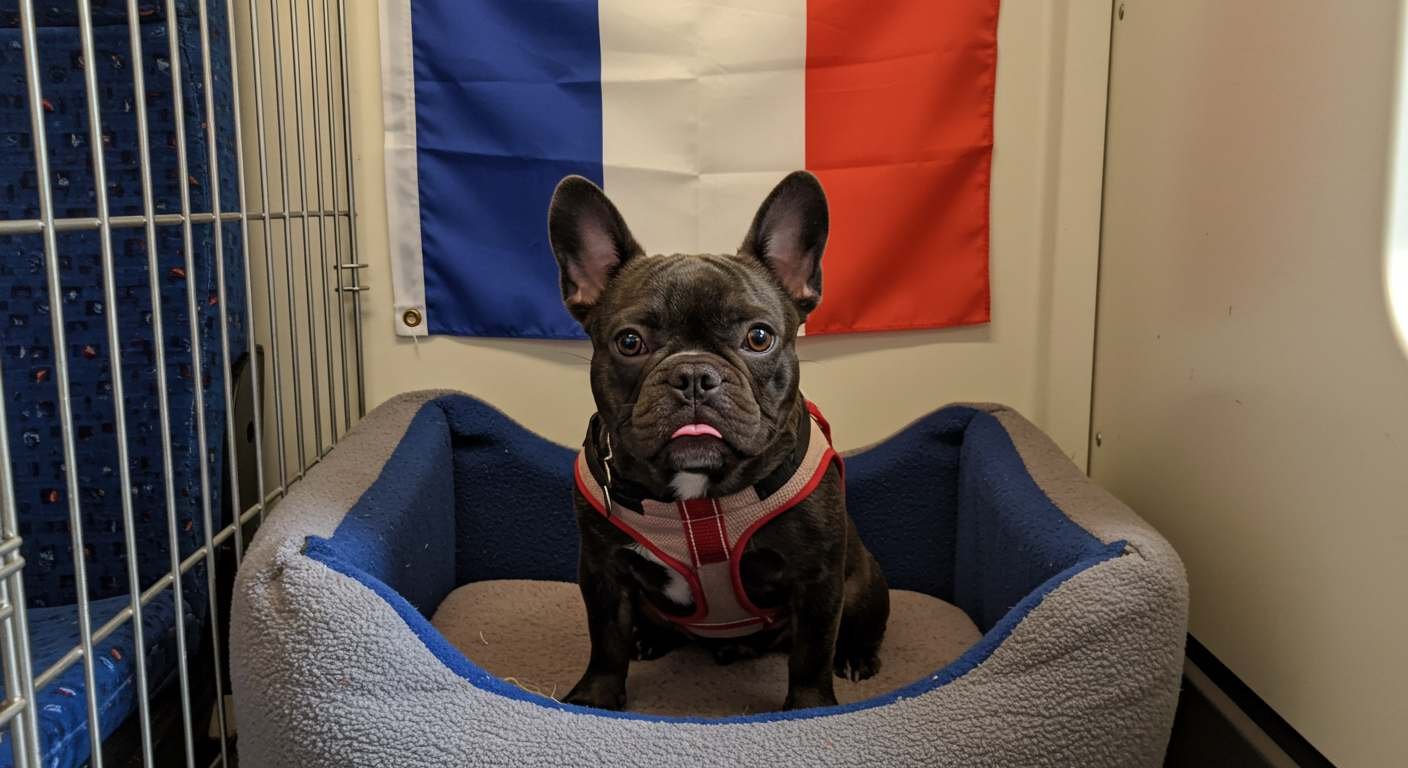
KLM gives a useful example of why the answer is not one-size-fits-all. Its pet policy says most snub-nosed pets cannot travel in the hold, but they may be accepted in the cabin or as cargo if the relevant conditions are met. The same animal can therefore receive different answers depending on how it is booked.
At Tailored Pet Travel, we look at breed wording alongside route, aircraft, carrier, cargo option and welfare risk because a single breed label rarely gives the full answer. A French Bulldog, Boxer, Pug, Staffie, Mastiff type or Cane Corso may raise very different questions depending on which rule the airline has applied.
Cross-breeds add another layer. A vaccination record or pet passport label may not settle the issue if the airline is judging appearance, type or handling risk. We never treat a breed description as a workaround, because accurate classification protects the booking and the animal.
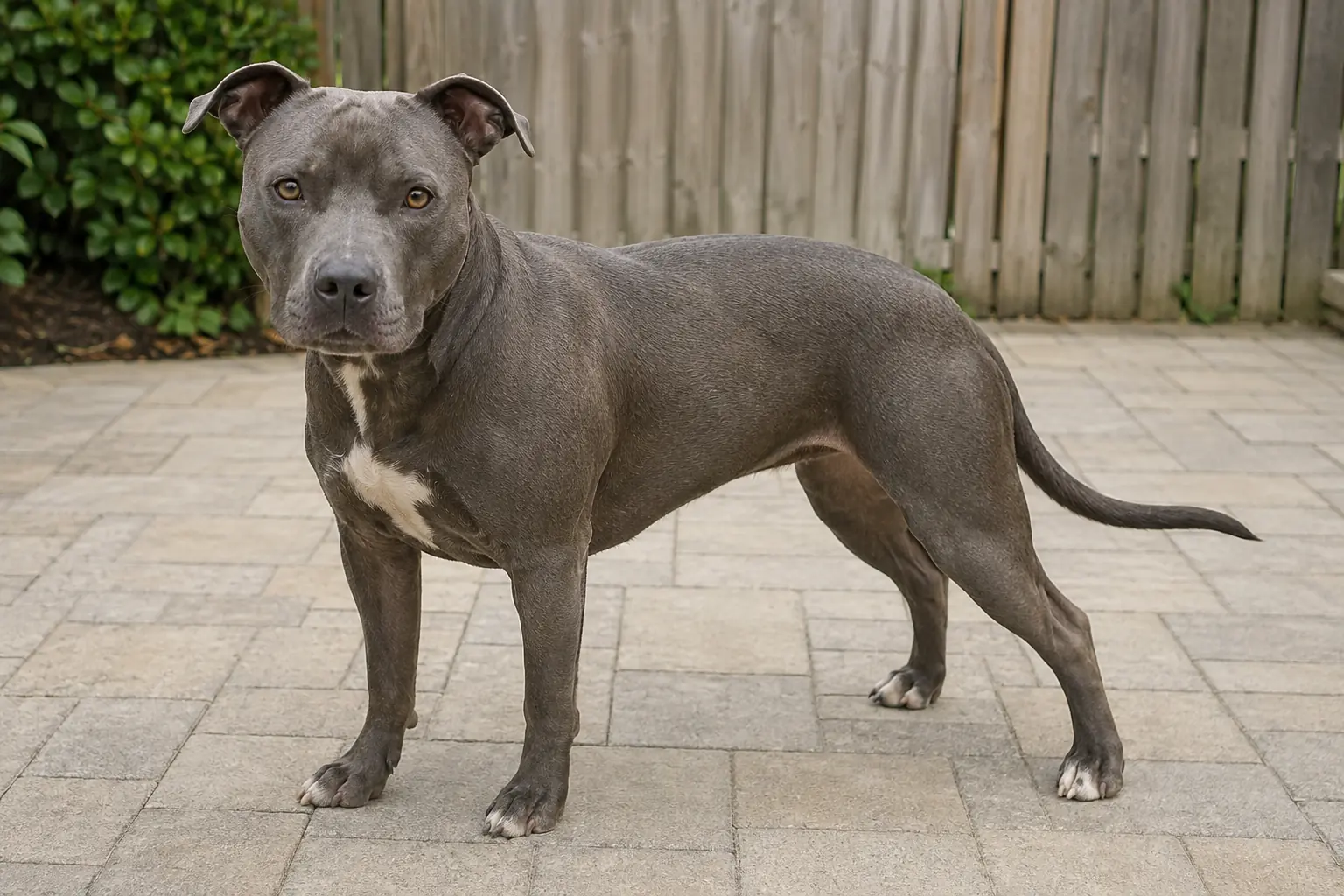
Blue grey American Pit Bull Terrier standing calmly in enclosed garden – Illustrative Image
UK banned types and airline lists are not the same thing
A UK banned type is not the same as an airline restricted breed. One is a legal category, and the other is a transport acceptance category used by an airline or cargo operator.
GOV.UK lists five banned dog types in the UK: Pit Bull Terrier, Japanese Tosa, Dogo Argentino, Fila Brasileiro and XL Bully. The same guidance also says whether a dog is a banned type depends on what it looks like, not just its breed name.
That matters for pet travel because UK entry and international carriage sit on different sides of the journey. A dog entering Great Britain may need the correct legal position dealt with before travel, and the airline still has to accept the dog for carriage.
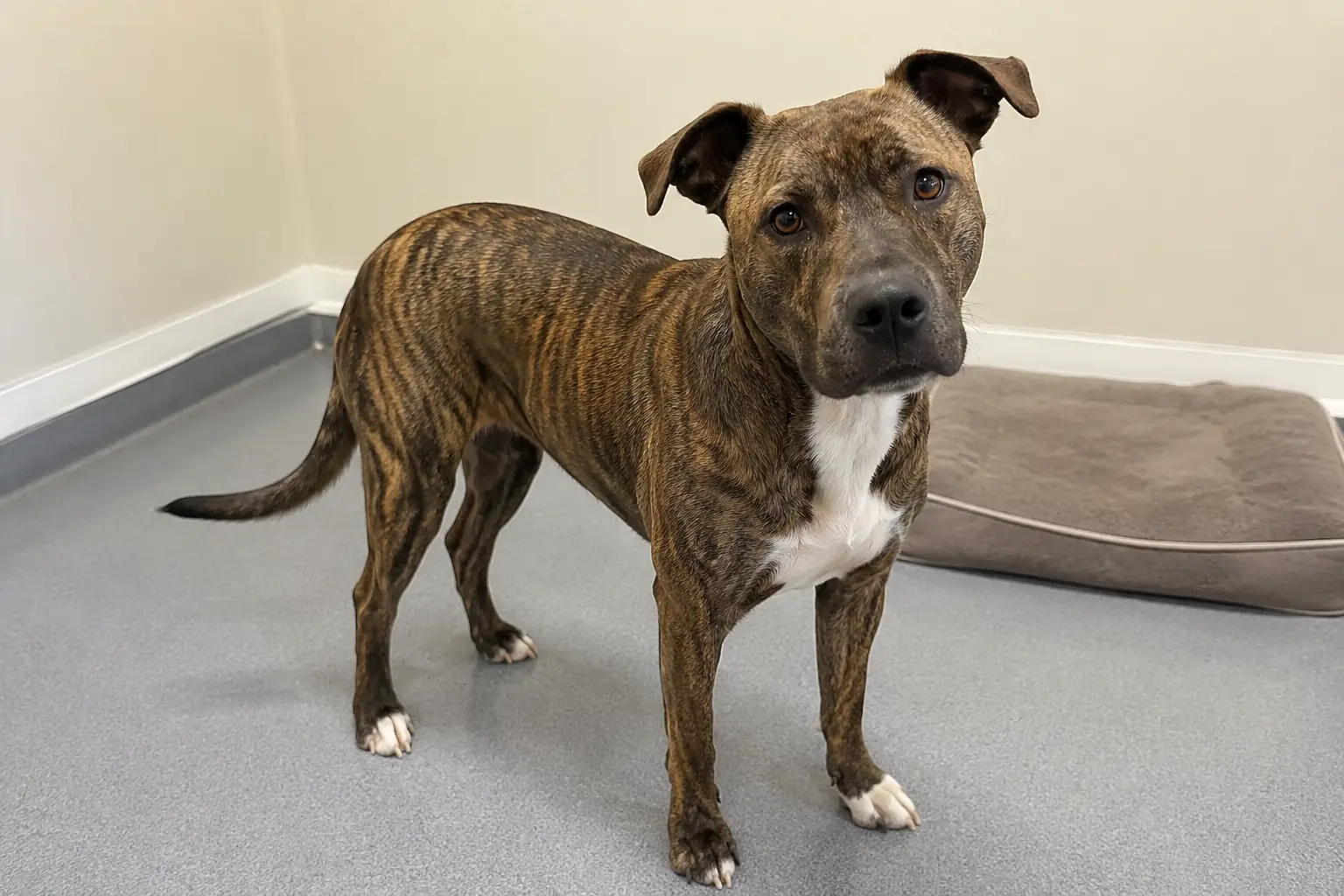
Staffies, Pit Bull mixes, XL Bully dogs and similar cases often become unclear because people use breed names loosely. We look for the risk that actually affects the journey: legal status, airline wording, the dog’s appearance, the route and the proposed transport method. The right answer comes from the full route assessment, not from the breed name on its own.

Black and tan Rottweiler standing calmly in clean modern kitchen – Illustrative Image
The route can change the answer
A dog may appear acceptable at breed level, then fail because the route adds a condition the owner has not seen. The transport mode, the operating airline, the cargo option, the aircraft, the handler and the destination authority all sit between the booking idea and the animal being accepted.
Airline comparison tables are useful for a first look, but they age quickly and rarely show the full carriage chain. A table may say a breed is restricted, yet the live issue might be that the dog is not accepted in the hold, or that cargo is possible only under a stricter set of conditions.
Route viability can turn on points such as:
- The operating carrier, because the airline moving the pet may not be the same name you first saw on the itinerary.
- Cabin, hold or air freight. Each route into the aircraft has its own acceptance rules.
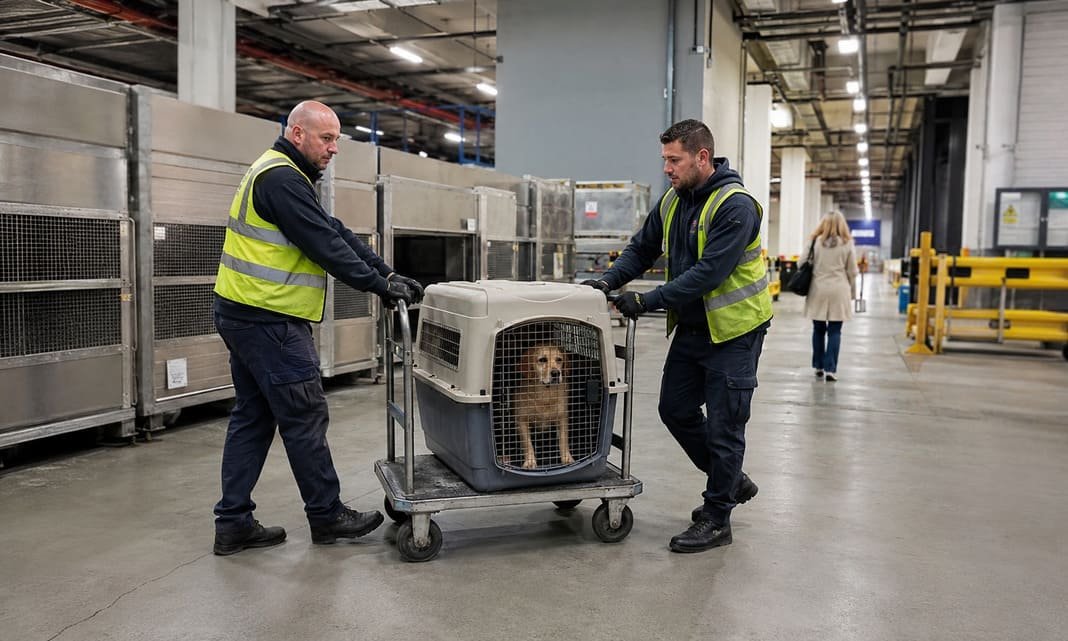
- Cargo handling at each end. A workable flight can still fail if the cargo chain will not accept the animal.
- Temperature and welfare controls, especially for snub-nosed dogs.
- Crate compliance. A crate is part of acceptance, not an afterthought.
Lufthansa Cargo has announced that from 1 March 2026, kennels for restricted dog breeds must meet LH05 operator variation requirements. If they do not, the shipment may not be accepted for transport. That kind of rule is exactly why we treat the crate as part of the acceptance decision.
For Tailored Pet Travel, the key check is the full carriage chain. A dog refused by airline staff at the wrong point is not just a missed booking; it can mean delay, welfare risk and a route that has to be rebuilt under time pressure.
Late refusals are preventable with the right assessment
Late refusal usually follows a missed filter. The warning signs are breed wording that does not match the dog’s appearance, a snub-nosed airway profile, uncertainty over crate rules, a strong-breed label, a cargo-only answer or a route involving multiple operators.
We prefer to settle those issues before the booking reaches the airline’s final acceptance point. That means the dog is assessed against the destination rules and the airline’s carriage rules, with welfare treated as part of the decision rather than a separate concern left until travel day.
Professional pet travel coordination becomes sensible when one answer online says yes and another says no. The task is to find the route that the relevant airline, cargo division and destination authorities will actually accept for that dog.
Over the next 12 to 24 months, older airline comparison pages will become a weaker guide for complex dogs because carrier rules, cargo modes and operator variations are becoming more route-specific. The stronger question will be whether today’s full carriage chain is prepared to accept this dog on this route.

Black and rust Doberman with natural ears and tail indoors – Illustrative Image
Questions we get asked about restricted breed airline rules
Can an airline refuse my dog at check-in?
Yes, an airline can refuse a dog if its policy, route rules, crate requirements or welfare assessment are not satisfied. Country approval alone does not guarantee airline acceptance.
Does a pet passport breed label decide whether my dog is restricted?
No, a breed label does not always settle the issue. Legal and airline decisions may look at type, appearance, airway risk or handling requirements as well as the name written on documents.
Are snub-nosed dogs always banned from flying?
No, snub-nosed dogs are not automatically banned from every form of air travel. Cabin, hold and cargo rules can differ, and the route and airline policy decide what is available.
Why do airlines treat cargo differently from the hold?
Cargo is managed through a different acceptance route from passenger hold travel. That can affect handling, crate rules, route availability and whether a restricted dog breed is accepted.
Is an airline breed list enough to plan the journey?
No, a breed list is only a starting point. The operating carrier, cargo chain, transport mode and current route rules still need to match your dog’s welfare and acceptance requirements.
This is general information, not professional advice.