Do UK pet owners still need an Animal Health Certificate for EU travel, or have pet passports returned?
For most UK to EU pet travel, an Animal Health Certificate remains the document that matters. UK-issued pet passports have not returned as the standard route after Brexit, so relying on old advice can still lead to delays, refused boarding, or problems at border checks.
Here's What We Have Covered In This Article
The Current State of Pet Travel Documentation After Brexit
Post-Brexit pet travel rules UK owners once took for granted no longer apply in the same way. Before the UK left the EU framework, many people travelled with a UK-issued pet passport under the Pet Passport Scheme. After that change, the baseline shifted, and the Animal Health Certificate, often shortened to AHC, became the usual document for taking a pet from Great Britain into the EU.
Confusion persists because old documents still exist, old blog posts still circulate, and informal advice often lags behind official updates from DEFRA, the UK Government, and the EU Commission. A pet owner may hear that passports are back, or that a previous document is still valid, then find that border checks are based on current recognition rules rather than hearsay.
The main differences are straightforward:
- Before Brexit, UK-issued pet passports were widely used for eligible travel into the EU.
- After Brexit, most pets travelling from Great Britain to the EU need an Animal Health Certificate instead.
- Document validity is no longer something to assume from past trips, because the accepted paperwork and timing rules changed.
- Official updates matter because EU pet travel requirements are enforced at the point of travel, not according to what used to be acceptable.
That is the present reality of post-Brexit pet travel, and it is the starting point for every sensible travel plan.
Pro Tip: Plan well in advance to secure appointments with an Official Veterinarian for your Animal Health Certificate if travelling during peak times.
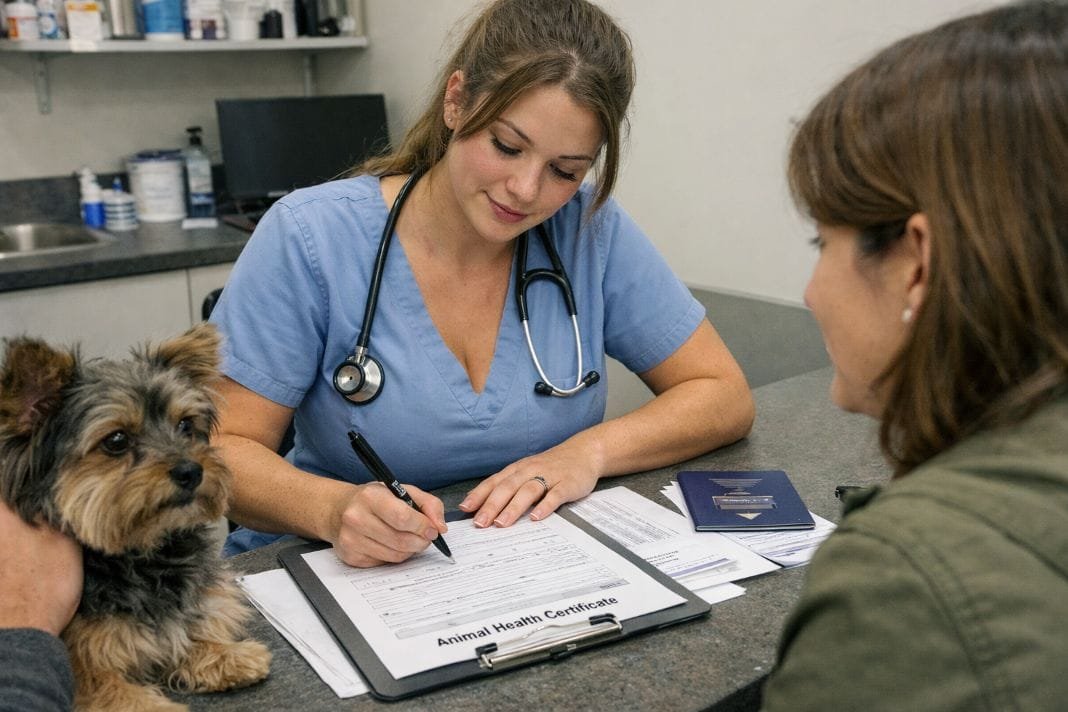
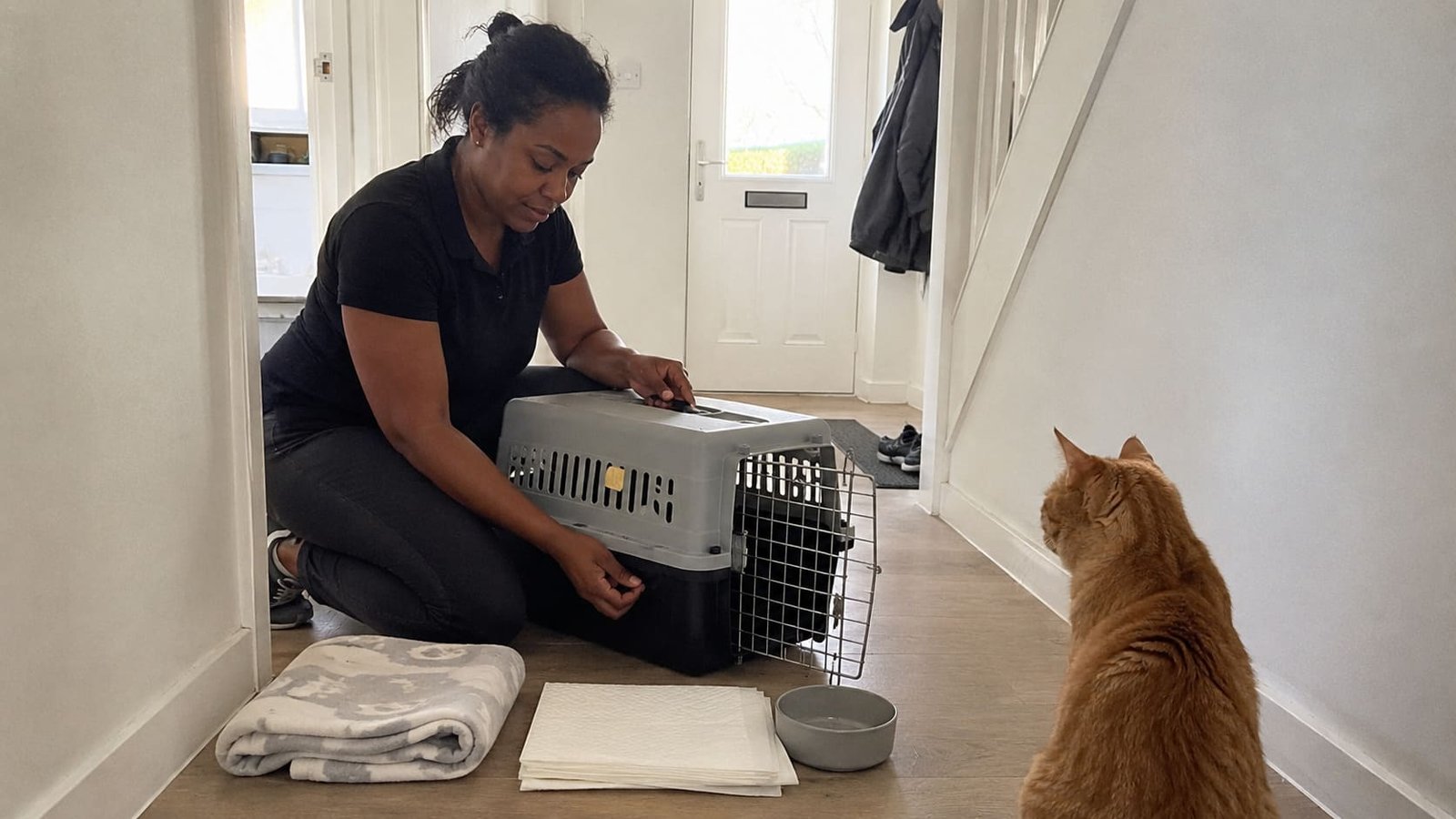
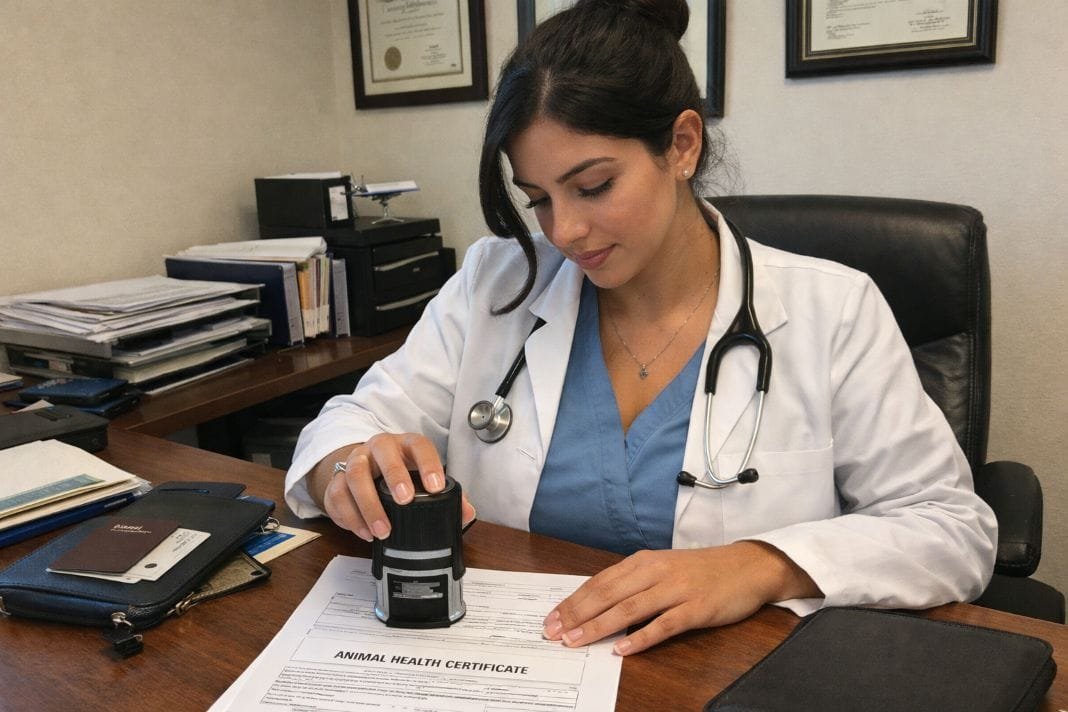
An illustrative image of a vet preparing and signing an Animal Health Certificate
Book a Pet Travel Consultation
Speak to an experienced advisor for tailored guidance on current pet travel rules and documentation.
Animal Health Certificates: What They Are and When You Need One
An Animal Health Certificate is now the standard document for many UK to EU pet travel documents arrangements. It confirms that a pet meets the relevant health and identification conditions for travel and is certified by an Official Veterinarian, often referred to as an OV.
Unlike an old-style UK-issued pet passport, an AHC is tied to a specific travel window and has a much shorter practical lifespan. That difference catches people out, especially if they assume a document from a previous process can simply be reused.
When is an AHC usually needed?
If a pet is travelling from Great Britain to an EU country, an AHC is commonly required. The same applies where onward travel involves EU border authorities who expect current, recognised paperwork rather than a pre-Brexit document.
A return process can create further confusion. Owners sometimes focus only on outbound travel and overlook the fact that document rules may differ once the pet is moving back into Great Britain or on to another destination.
What does an AHC actually do?
In simple terms, it acts as formal veterinary certification for that trip. It is part identity check, part health confirmation, and part compliance document. Border authorities use it as evidence that the pet meets the entry conditions in force at that moment.
Where do mistakes happen?
Timing causes many problems. An AHC for pet travel is not the sort of paperwork to sort out casually and set aside for later, because its validity period is central to whether it works at the border.
Another common issue involves route assumptions. A traveller may think one set of papers covers every stop, yet different crossings, carriers, and destinations can apply their own checks with little patience for inconsistencies. Minor errors in names, dates, or microchip details can become major issues once travel begins.
In practice, an AHC is best understood as trip-specific paperwork with a narrow margin for error.
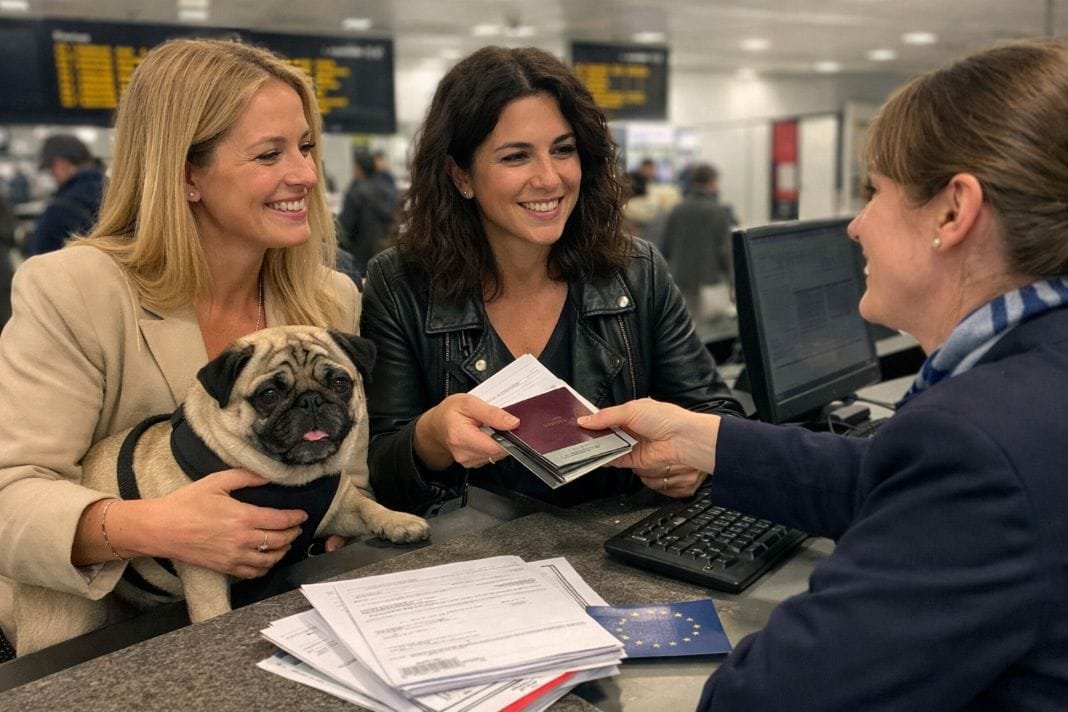
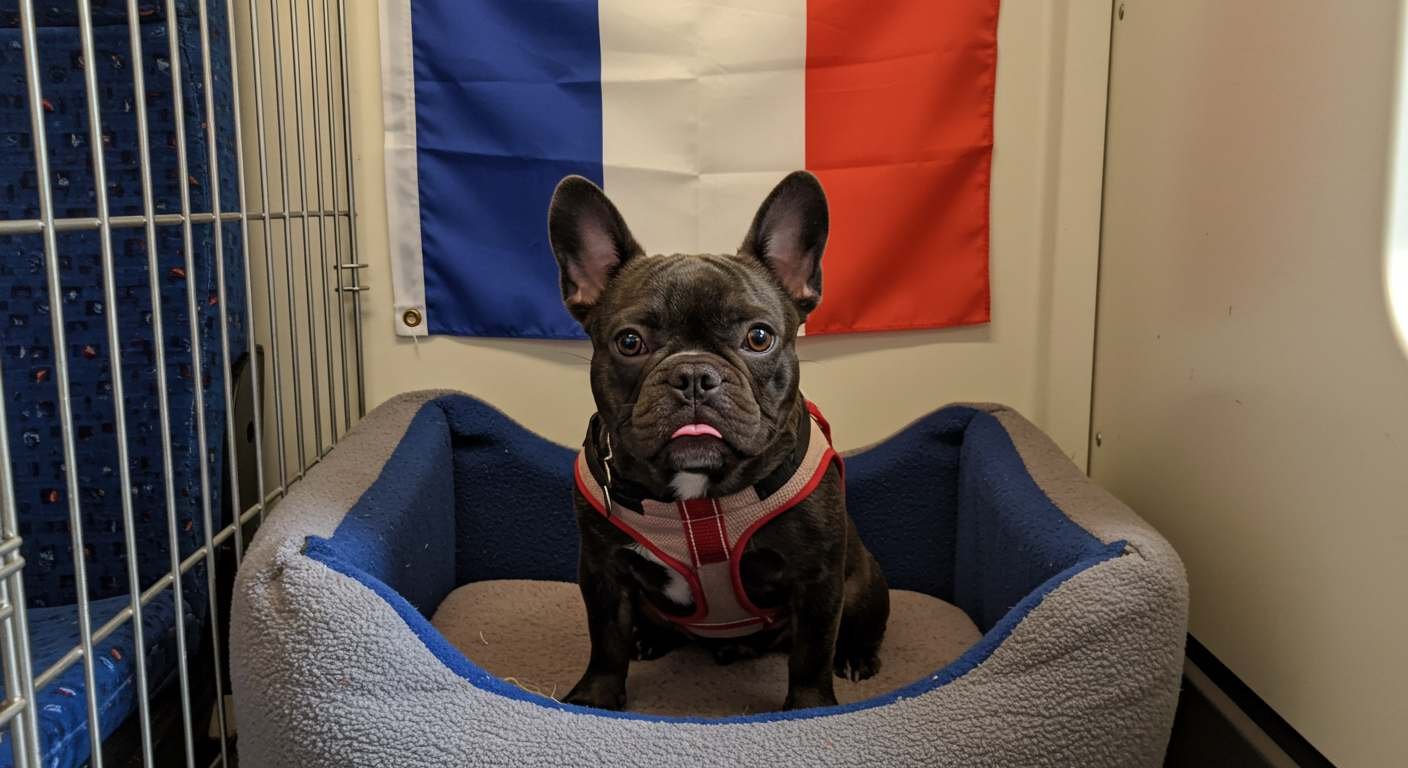
An illustrative image of travellers preparing their pug dog and essential paperwork at the check-in desk of a train station
Are Pet Passports Back? Understanding the Rumours and Realities
Pet passport news tends to spread quickly because people want a simpler answer than the current system often provides. That is exactly why rumours survive long after official policy says something else.
Here are the main misconceptions and the reality behind them:
- Myth: UK pet passports are back for normal post-Brexit travel. Fact: A general return to pre-Brexit use of UK-issued pet passports has not happened.
- Myth: Any old pet passport is still valid if the vaccinations are up to date. Fact: Document recognition depends on the issuing status and current rules, not just the vaccination record.
- Myth: If someone travelled recently with a passport, the same will apply to everyone. Fact: EU pet passport rules can differ depending on where the passport was issued and the traveller’s specific circumstances.
- Myth: Online forums are a reliable source for an animal health certificate update. Fact: DEFRA, the UK Government, and the European Commission remain the safer reference points because border enforcement follows official regulation.
For pet passports to return as the routine answer for Great Britain to EU travel, there would need to be a formal policy change and clear recognition at regulatory level. Until that happens, planning around rumours is a gamble that can unravel at check-in rather than at home.
Request an Animal Health Certificate Check
Ensure your paperwork is accurate and compliant before your next journey with a document review by a professional.
Working through Complex Pet Journeys: When Documentation Becomes Critical
A straightforward weekend crossing with one healthy pet is one thing. A time-sensitive relocation involving a senior dog, a connecting flight, and multiple border points is something else entirely.
Complex pet travel raises the stakes because paperwork is no longer just administrative. It becomes part of welfare planning, route security, and risk management. Where medical needs, unusual routes, or compressed timelines are involved, a documentation issue can affect far more than the booking itself.
High-risk situations often include:
- pets with medical conditions or age-related needs
- multi-pet relocations with different records to manage
- last-minute travel after a move, family emergency, or refused booking
- journeys involving flight rules shaped by IATA standards as well as border requirements
- routes with several compliance points, including transit and onward entry checks
Once a process becomes layered, an error that seems small on paper can become serious in transit. A mismatch in microchip data, a misunderstood validity window, or an incorrect assumption about entry requirements can lead to denied boarding, delayed entry, or welfare concerns if an animal is left waiting in the wrong place for too long.
That is why professional oversight becomes more relevant in difficult cases. Companies such as Tailored Pet Travel are often brought in where the consequences of a documentation failure are too significant to treat casually, particularly when animal welfare standards, Official Veterinarian certification, and border authority expectations all need to align on the same trip.
Pro Tip: Check all microchip details and dates on your paperwork for exact matches before travel to avoid border delays.
What to Watch For: Common Misconceptions and Costly Mistakes
Well-prepared owners still run into trouble because pet travel misconceptions tend to sound plausible. The most common errors are rarely dramatic at the start. They usually begin with an assumption.
- Trusting unofficial advice over current guidance A social media post, an old article, or a friend’s recent trip may reflect a different route, a different issuing country, or outdated rules. Border control staff and veterinary authorities will judge the paperwork in front of them against current requirements, not against what someone online said last month.
- Misreading document validity An AHC validity issue is easy to underestimate. People often remember that they had the right document, but forget that the accepted travel window is part of the document’s legal usefulness.
- Assuming every EU country applies the same practical checks The legal framework may sit at EU level, yet route details still matter. Carriers, entry points, and local enforcement can expose weak assumptions very quickly.
- Treating all pets as if the same rules apply in the same way Species, route, and circumstances can all alter what needs attention. A single cat on a direct crossing is administratively different from moving several animals on a longer, more complicated itinerary.
- Overlooking small data errors Names, dates, and microchip numbers need to match exactly across the paperwork. A minor inconsistency can trigger scrutiny out of proportion to the mistake itself.
In more complicated cases, organisations such as Tailored Pet Travel are often valued because they look at the whole process as a compliance chain rather than as a single document. That distinction matters most when a mistake would surface far from home, with a pet already in transit.
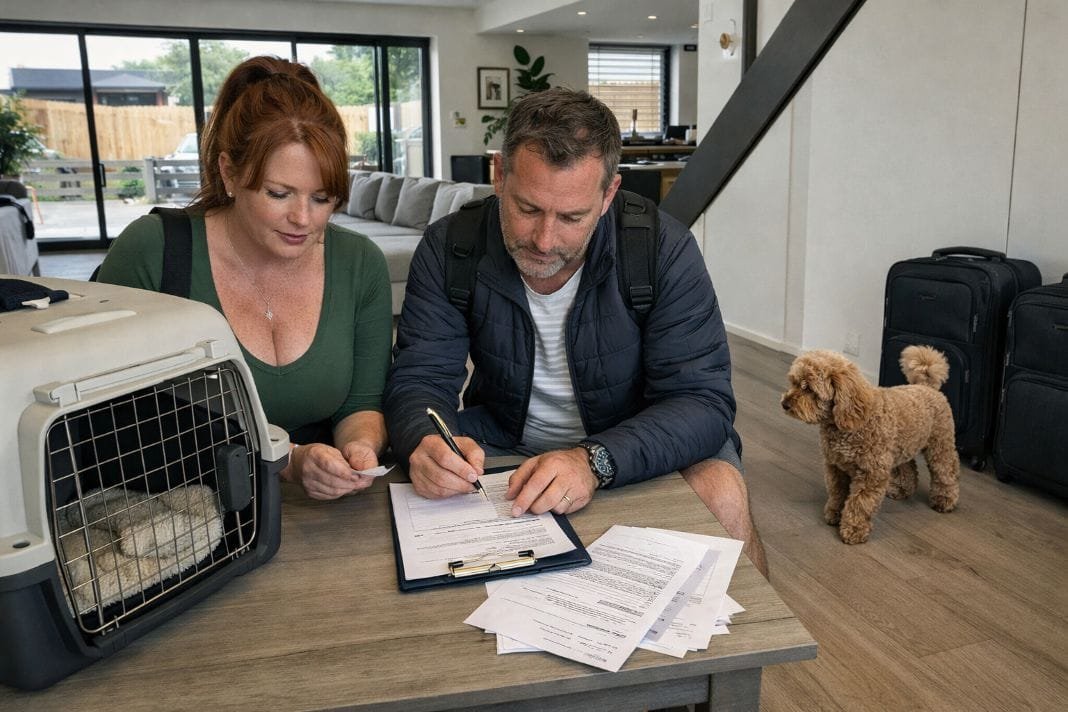
An illustrative image of a couple preparing their travel documents
Looking Ahead: The Future of Pet Travel Documentation
Pet travel policy can change, and future of pet travel discussions will continue as UK and EU rules develop over time. No sensible owner should assume that the current position will remain unchanged forever, yet no one should plan around hoped-for changes either.
Official announcements are the only safe basis for decisions about pet documentation updates. DEFRA, the UK Government, the EU Commission, and veterinary authorities remain the reference points that matter most because they reflect the rules that carriers and border officials are expected to follow.
Preparation, in this context, means staying alert to genuine regulatory change instead of reacting to noise. A calm review of current guidance before any trip is often far more useful than trying to decode rumour-heavy pet travel policy chatter months in advance.
Good pet travel planning now depends on one simple habit: treat the paperwork as live regulation, not as a settled memory from a previous process.