What happens if your pet’s flight is cancelled or missed?
If a pet flight is missed or cancelled, a pet travel company may be able to assist by providing welfare-focused care, coordinating rebooking, advising on documentation issues, and liaising with authorities or airlines. Whether help is possible depends on the situation’s urgency, regulatory deadlines, and travel conditions.
Here's What We Have Covered In This Article
Why Pet Flights Get Missed or Cancelled
Even carefully planned pet travel can unravel unexpectedly. Flights may be halted not due to anyone’s fault, but because of routine disruptions that affect pet transport more acutely than human travel.
Common causes include:
Crate or breed issues Airlines are bound by IATA requirements and breed-specific restrictions. A crate that appears correctly sized might not meet technical ventilation or safety standards. Some short-nosed breeds, such as Bulldogs or Persians, face outright restrictions during certain months, regardless of documentation readiness.
Documentation complications Even minor errors involving Animal Health Certificates (AHCs), vaccination records, or microchip mismatches can prevent a pet from being checked in. Rules enforced by DEFRA in the UK or EU authorities elsewhere can stop departures at the last moment, especially if paperwork is incomplete or expired.
Weather-related flight embargoes High temperatures or storms may trigger pet transport suspensions. Airlines regularly impose embargoes on live animals during summer or winter extremes. These can apply broadly or target specific airports, and they may be announced with minimal notice.
Delays linked to the owner or handler Late arrivals, miscommunication about drop-off times, or missed check-in windows can lead to missed flights. Many airlines impose strict deadlines for pet acceptance, often earlier than human check-in.
Policy misunderstandings between regions Airline pet policies vary widely. A crate accepted on one route may be rejected on another. Likewise, a health certificate issued in one country might not be valid for a transit stop elsewhere.
Understanding that these disruptions are relatively common helps reduce panic. The path forward often hinges on speed and clarity of response.
Pro Tip: Always confirm airline-specific crate rules for both origin and destination, including transit points if routed indirectly.
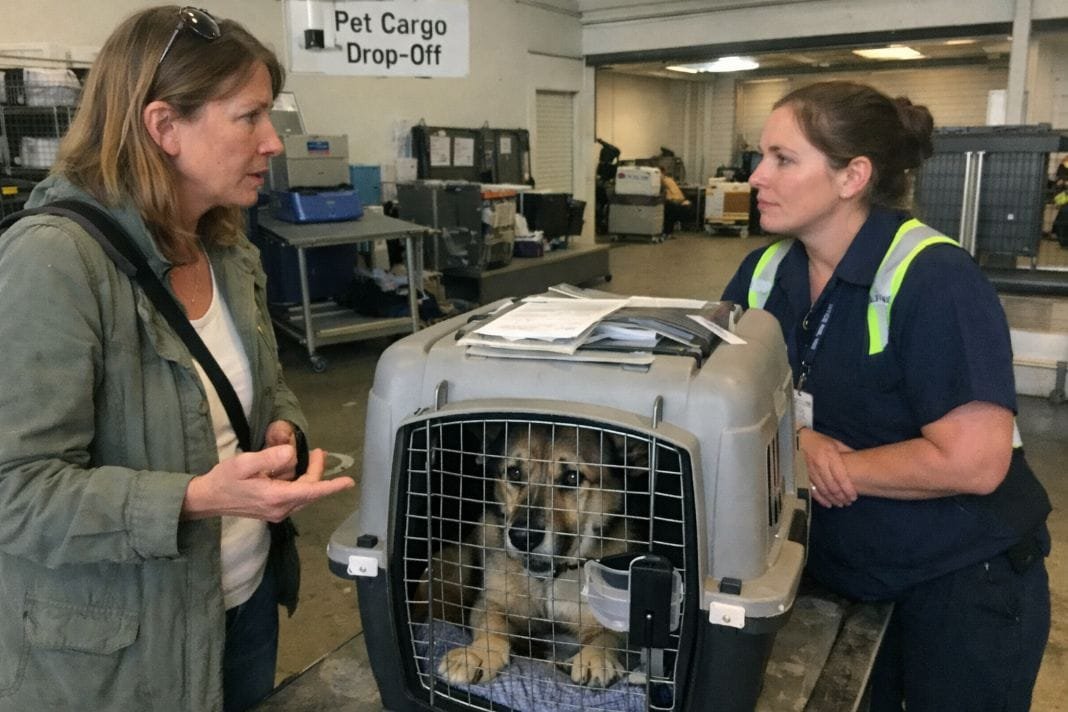
An illustrative image of an airline pet cargo drop-off area with a concerned owner
Get Help with a Stranded Pet
Professional support to locate, care for, and rebook pets when travel doesn’t go as planned.
Immediate Implications for the Pet and Owner
Once a pet flight is missed or cancelled, the effects can be both emotional and logistical.
What happens next?
- Where the pet goes becomes an immediate concern. If the animal has not yet entered the airline’s care, it remains the owner’s responsibility. If already checked in, it may be transferred to a holding facility governed by airline cargo policies.
- Animal welfare risks increase with prolonged waits, unfamiliar surroundings, and fluctuating temperatures. Anxiety and stress indicators often appear quickly in dogs and cats under transport conditions.
- Time-sensitive documentation may no longer align. AHCs, for example, are only valid for a limited travel window. A small delay could require complete document renewal.
- Owner travel plans may fall out of sync. If the owner has boarded while the pet is left behind, coordination becomes more difficult and distressing.
- Financial outlay rises with rebooking costs, boarding fees, or emergency veterinary support. Travel insurance rarely covers these disruptions in full, especially when documentation is at fault.
In these moments, a timely and informed response becomes important, ideally one that upholds the well-being of both pet and owner.
When a Pet Travel Company Can Step In
Not every disruption demands outside help. Some issues resolve with a rebooking or minor paperwork correction. However, certain circumstances make professional involvement necessary.
If the animal becomes stranded without the owner nearby, expert coordination is often the only way to ensure safe holding, care, and next-steps planning.
When regulatory timelines are running out, such as the final day of an AHC’s validity or the last viable travel window into a quarantine-free period, swift compliance management is important.
In cases involving medically vulnerable animals, such as elderly pets or those with specific transport needs, any delay increases both risk and responsibility.
If routes must be redesigned, due to embargoes or policy conflicts, dedicated route planning with awareness of crate compliance and carrier approval procedures becomes unavoidable.
Where border entry has timing constraints, including customs clearance or veterinary check slots, delays can trigger additional holding requirements or denied entry.
In these moments, a specialist team can provide structure, oversight, and calm decision-making under pressure.
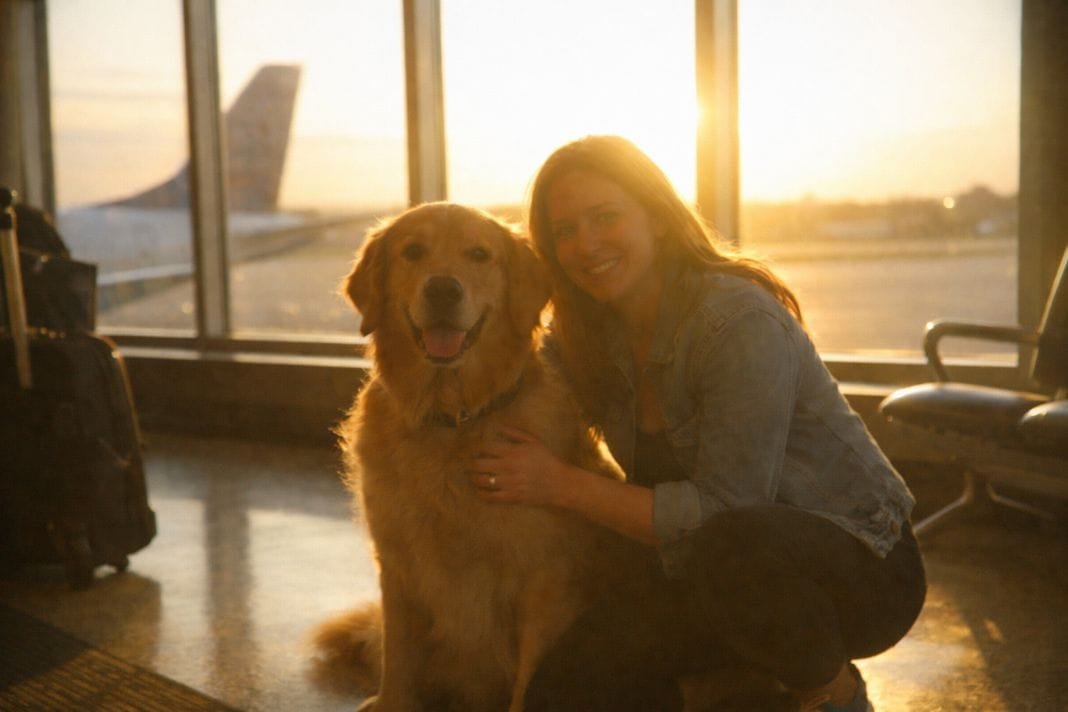
An illustrative image of a dog and its owner pre-flight at Heathrow, London
What a Pet Travel Company Can Actually Do
Professional support can make a meaningful difference when disruption occurs. A pet travel company focuses not just on logistics, but also on the welfare of the animal and the legal compliance required for onward movement.
Here’s what can usually be managed:
Rebooking or alternative routing Coordinating with airlines to secure the next available compliant route, often avoiding previously encountered pitfalls.
Emergency care or boarding Arranging for the pet to be collected, housed, and monitored safely until travel resumes, especially important if the owner has already travelled on.
Document triage and renewal Assessing which paperwork is still valid and which must be reissued, including liaising with vets and DEFRA-authorised certifiers.
Animal welfare oversight Ensuring the pet is not simply warehoused but remains under the supervision of trained handlers who can identify signs of stress or deterioration.
Coordination with officials Managing touchpoints with customs, border authorities, and airline cargo teams to avoid further delays or compliance violations.
In complex scenarios, companies like Tailored Pet Travel are often contacted after disruption has already occurred. Their role is to restore structure, reduce distress, and find a viable pathway forward that protects the animal.
Check Your Pet Travel Documents
Unsure about your documents? Let us audit your certificates and timelines before it’s too late.
Limitations: What Even Experts Can’t Fix
Despite best efforts, there are limits to what intervention can achieve once certain thresholds are crossed. Knowing these in advance helps set realistic expectations.
- Expired or invalid documentation cannot be retroactively approved. Authorities will reject any compromised AHC, passport, or microchip verification that falls outside required timelines or formats.
- Airline embargoes related to weather or breed safety are immovable. No professional, however experienced, can override blanket suspensions imposed for animal welfare.
- Quarantine requirements must be respected in full. Travel companies cannot negotiate exemption from national health controls or substitute vet checks.
- Border closures, strike actions, or disrupted cargo handling may halt movement completely. These events are beyond control and require contingency planning, not bypass strategies.
- If there is insufficient time remaining, due to connecting travel or expiring rabies validity, relocation may simply not be possible without restarting the approval process.
These realities highlight the importance of planning and early oversight, not every missed flight is recoverable within the original schedule.
How to Regain Control After a Disruption
After a missed or cancelled pet flight, regaining control begins with clarity. Acting methodically helps reduce stress and avoid compounding errors.
- Confirm the pet’s location and condition. Whether still in your care or held by the airline, affirm where the animal is and what welfare provisions are in place.
- Check the status of all travel documents. Validate rabies certificates, AHCs, crate approval, and microchip data against planned entry requirements.
- Contact the relevant airline or authority. Gather facts about what caused the disruption and what options remain. Request documentation of the cancellation if needed later.
- Seek expert coordination if challenges multiply. If multiple obstacles present at once, such as expired documents, stranded pet, or route changes, professional assistance may simplify the solution.
- Reassess your next viable window for travel. Factor in paperwork renewal timeframes and any potential hold periods or medical timelines affecting the pet.
Working calmly through these steps allows you to make informed decisions rather than rushed ones. Teams like Tailored Pet Travel are often engaged at precisely this moment to help reset and regroup after disruption.
Pro Tip: Check Animal Health Certificate deadlines against both departure and arrival dates to ensure they remain valid throughout.
Preventing Future Disruptions: What Matters Most
While not every risk can be foreseen, many pet travel disruptions are preventable with the right groundwork.
Key principles include:
- Time documentation with precision. Issuing an AHC too early or leaving it too late both create risk. Always base timing on the confirmed date of travel.
- Ensure crates meet technical requirements, not just visual assumptions. IATA compliance includes ventilation, structure, locking mechanism, and pet posture considerations.
- Account for route-specific or seasonal policies. Some carriers ban live animal transport over summer months or impose embargoes without exception during certain holidays.
- Use handlers familiar with animal logistics. Trained professionals are often the first to catch misalignments between expectations and requirements.
- Include contingency space in your plans. Avoid pinning pet travel to non-moveable moments such as immigration deadlines or commercial handovers if possible.
Preparedness offers not just protection, but also peace of mind. When systems are carefully aligned in advance, the risk of abrupt disruption drops significantly, and and if something does go wrong, you remain far better placed to respond.