Is DIY pet travel better than using a pet relocation service?
Not always. DIY pet travel can work well in straightforward situations. For international pet moves or anything involving tight timelines or regulatory hurdles, a pet relocation service is often the safer option. What matters most is the journey’s complexity, the level of risk you’re prepared to take, and what your pet needs to stay safe.
Here's What We Have Covered In This Article
When Pet Travel Becomes a Responsibility, Not a Task
It often begins with a simple question: “Can I just bring my pet with me?” That casual thought quickly grows into something more serious. It’s no longer about just booking a space. It’s about managing a living animal through unfamiliar systems and time-sensitive requirements.
This is not about ease. It is about responsibility.
People tend to view the DIY vs professional choice as a matter of money. The real issue is whether the situation is still manageable on your own or whether it’s crossed the line into something more demanding.
When something goes wrong, it can escalate fast. The consequences are often difficult to undo.
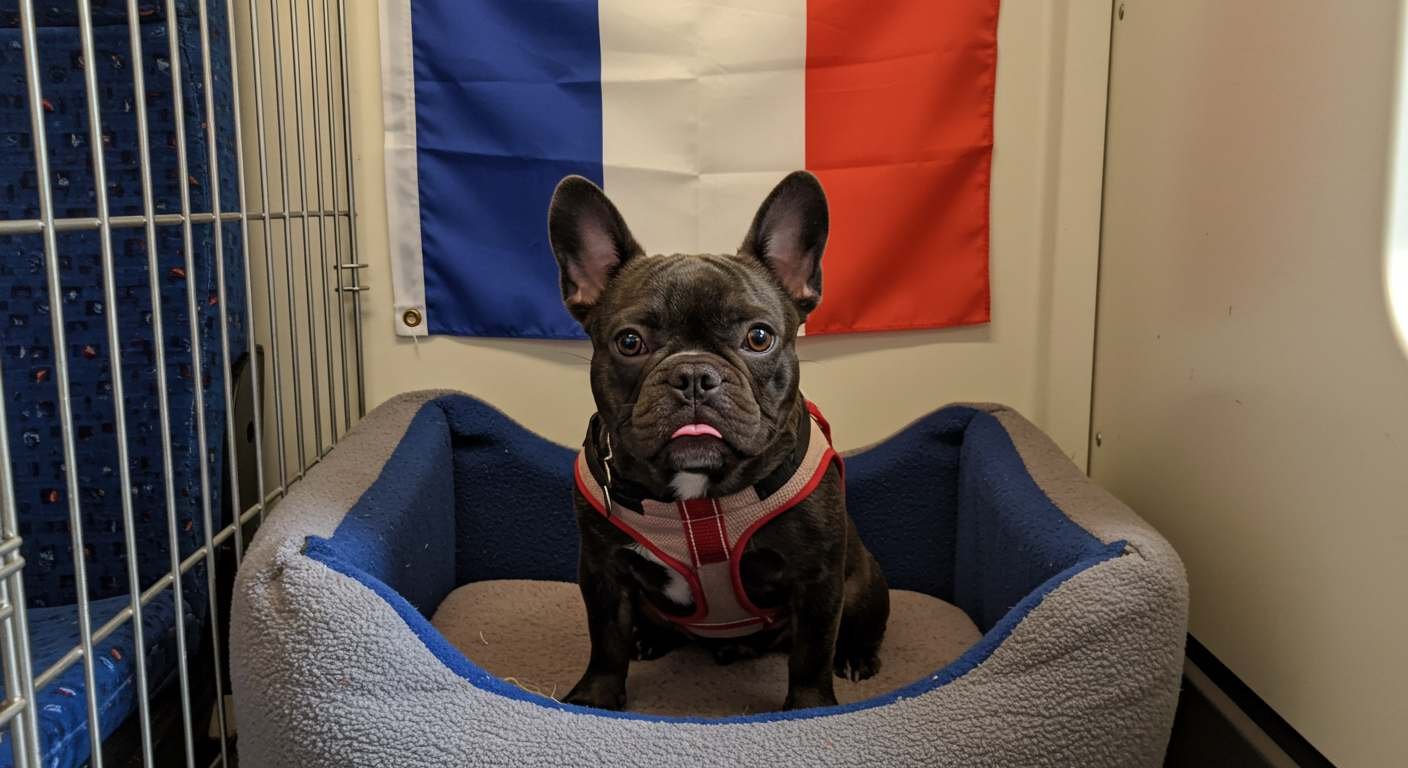
Pro Tip: Even a valid crate can be refused if not airline-compliant on the day of travel.
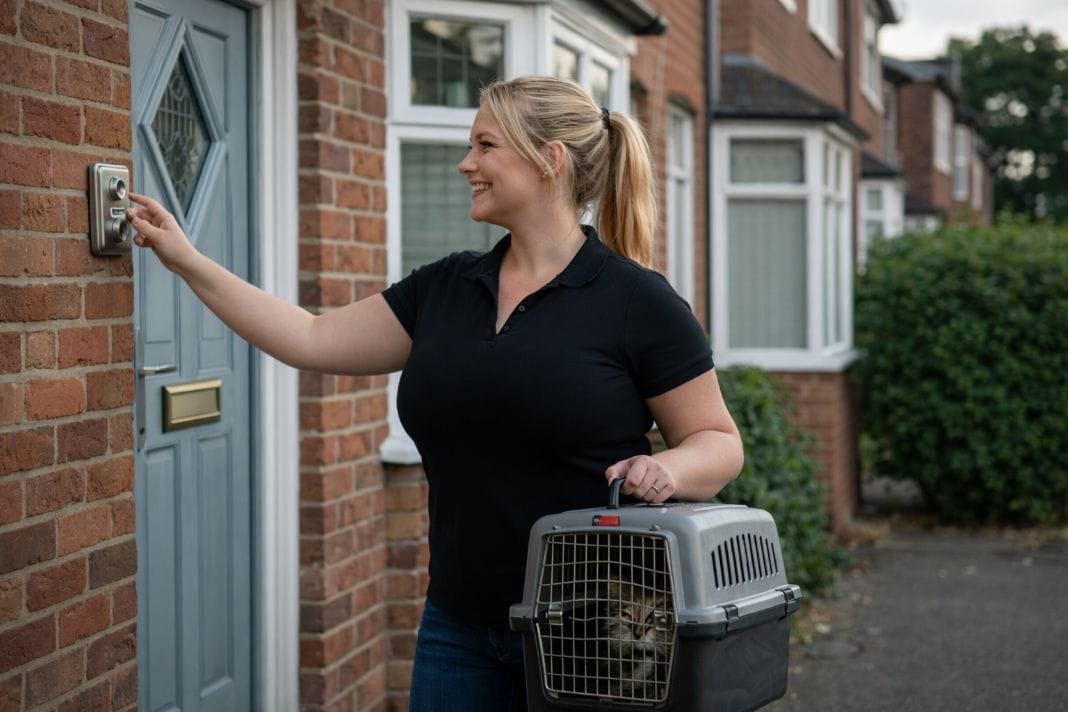
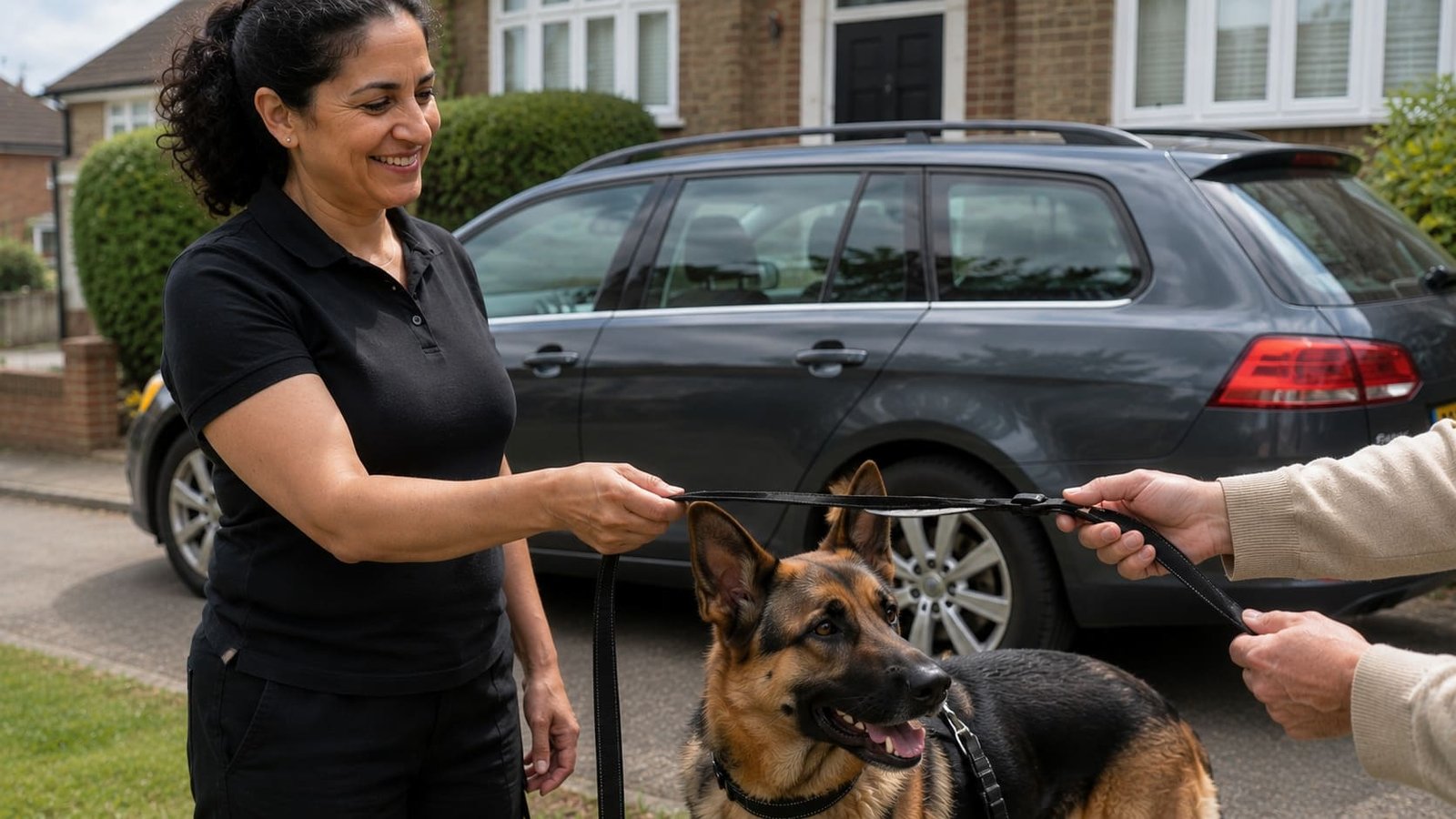
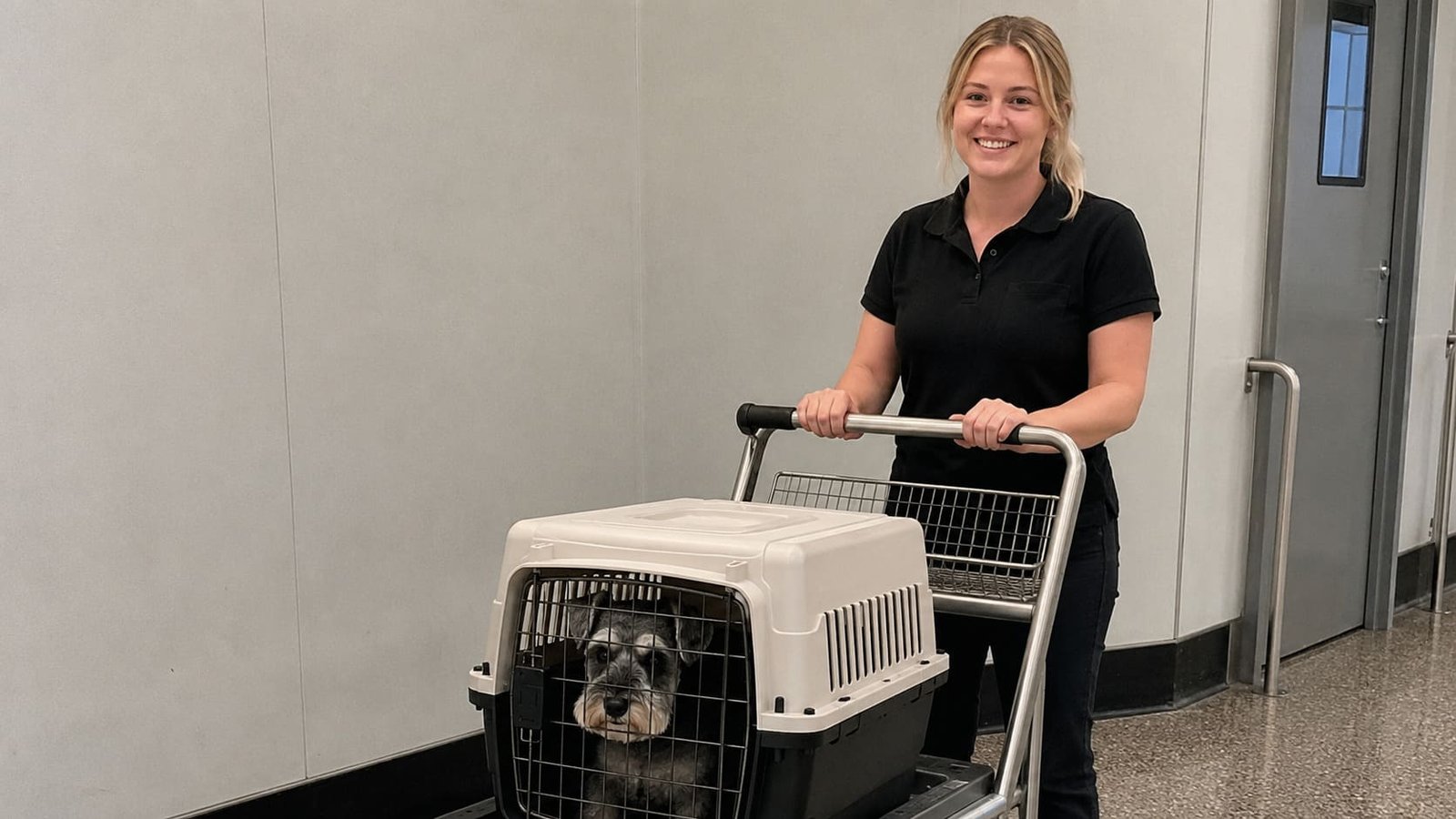
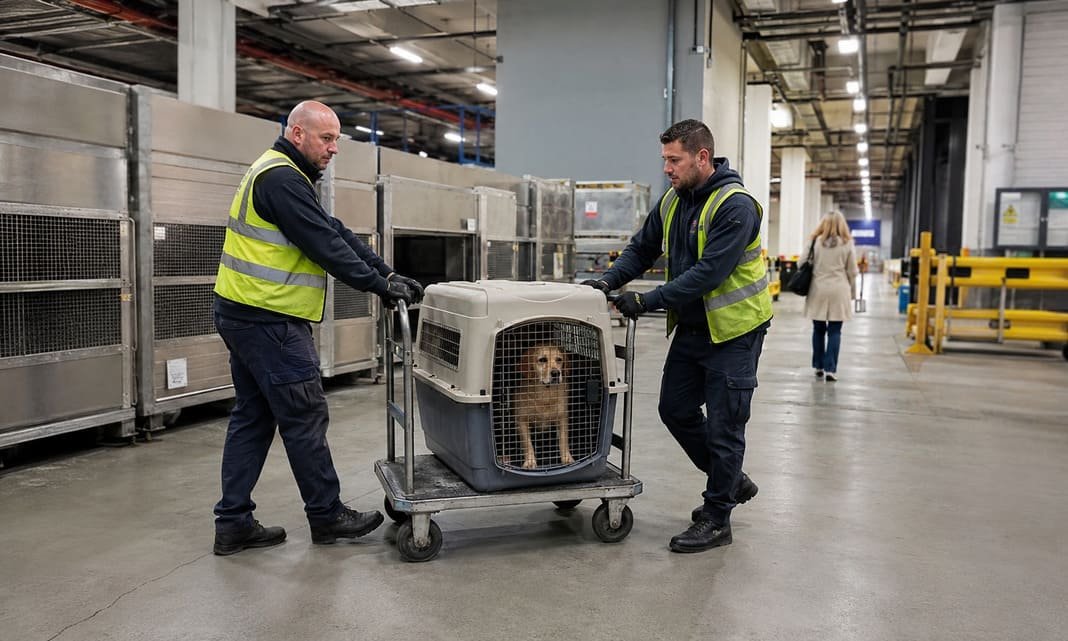
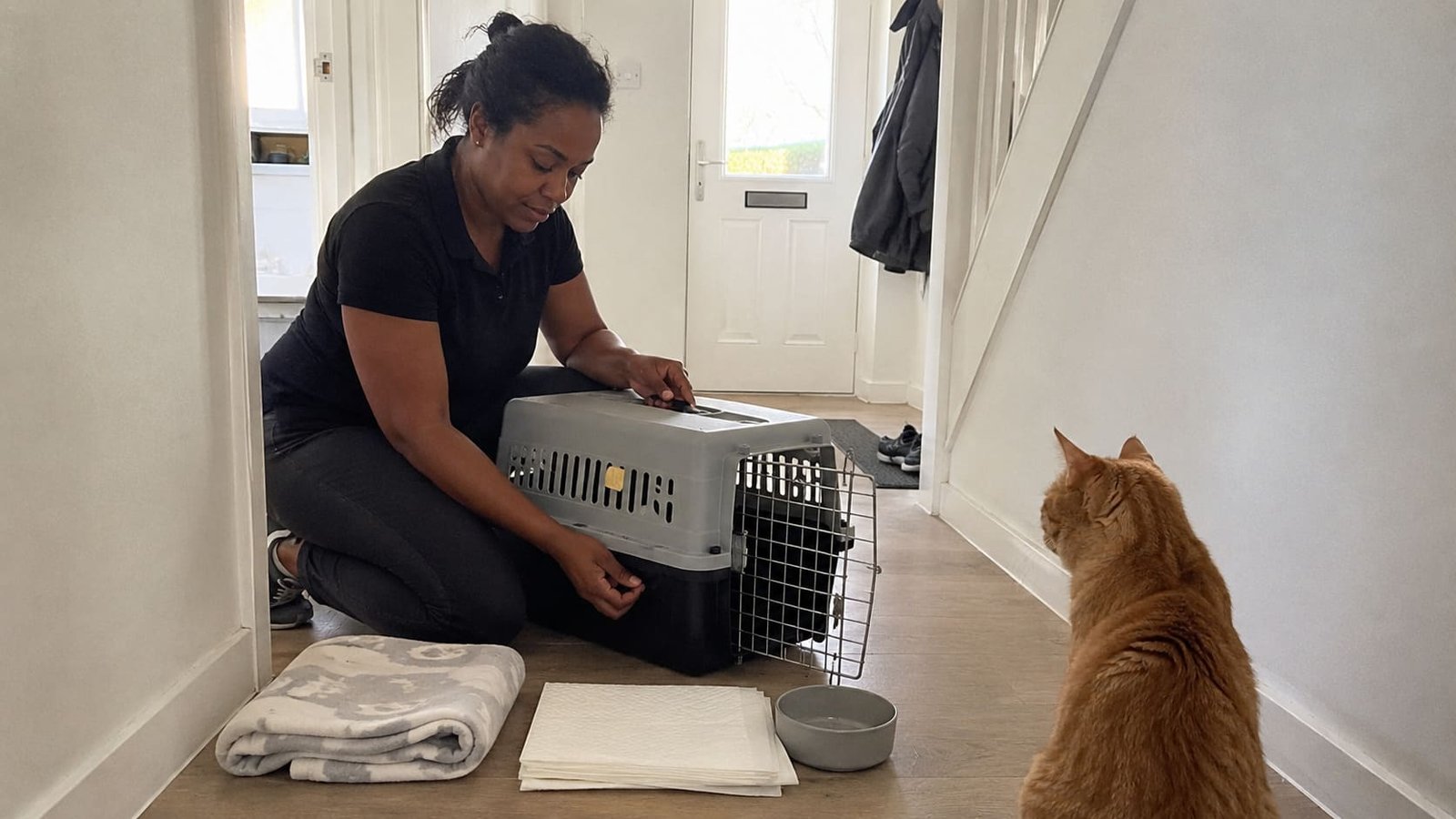
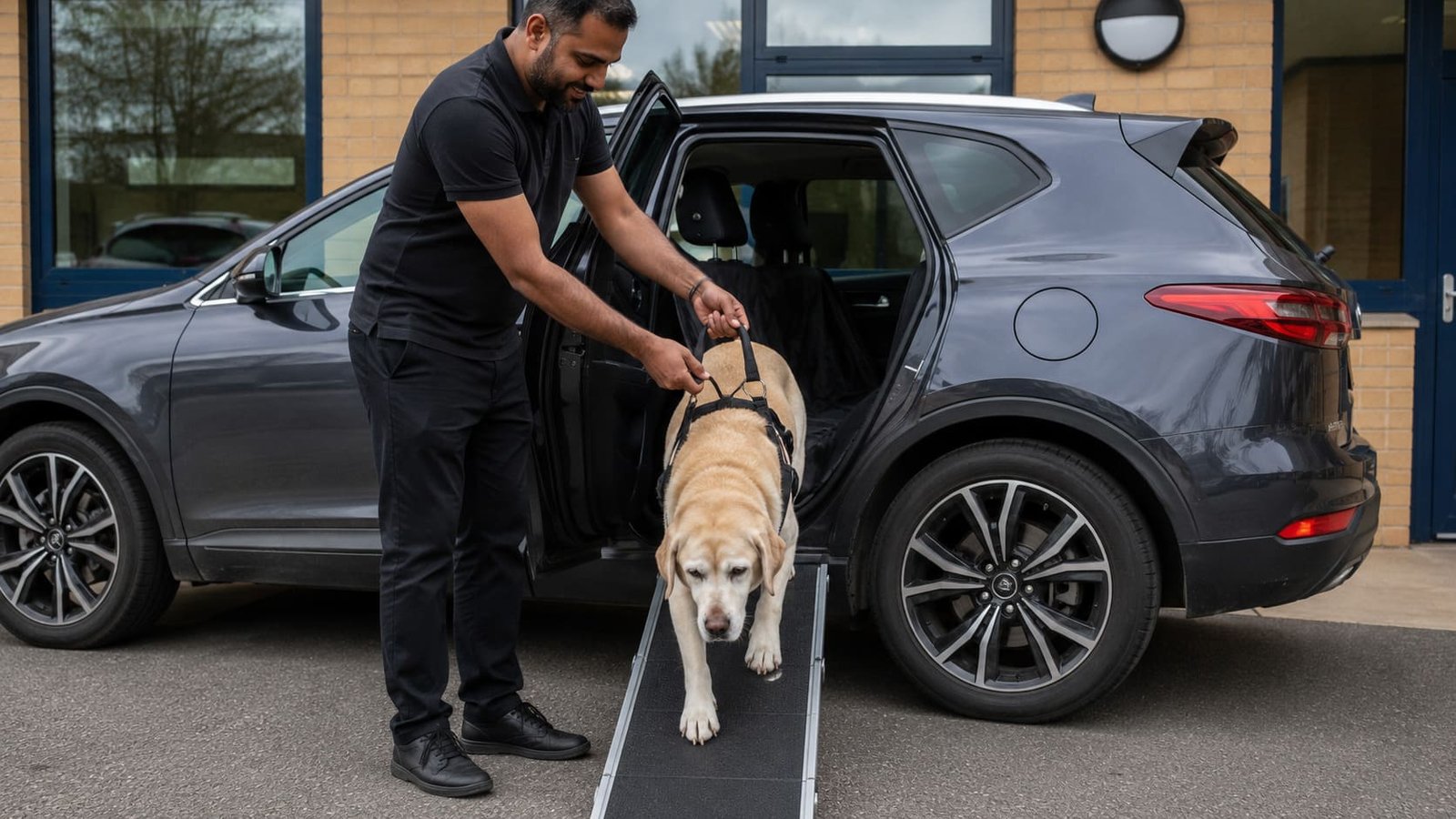
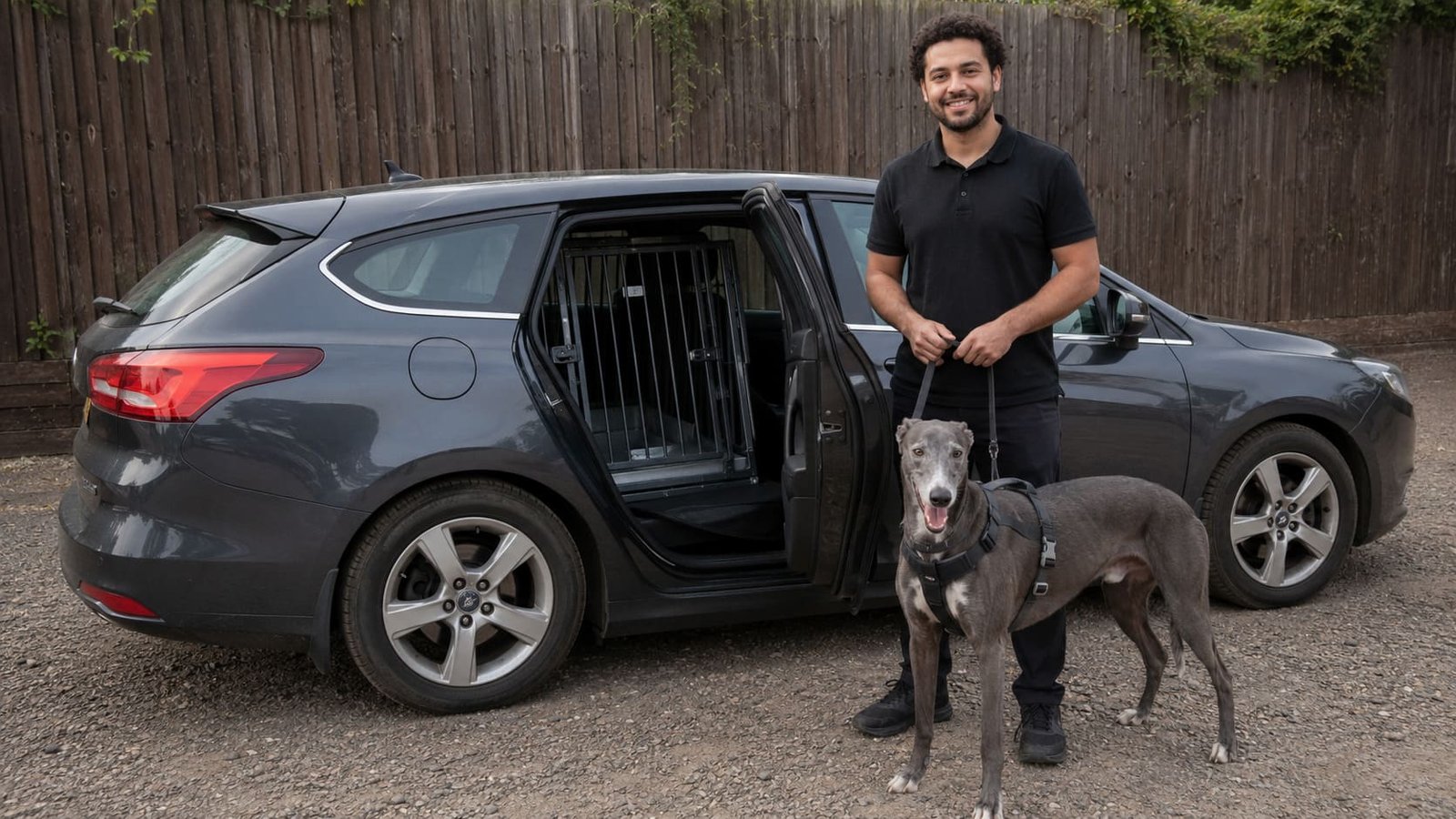
An ai photo of a pet handler delivering a pet to its destination
Speak to a Pet Travel Expert
Need help planning a complex pet journey? We offer advice based on real-world experience.
What DIY Pet Travel Really Means in Practice
DIY pet travel sounds manageable until you break it down. Flights, paperwork, customs, vet appointments, crate compliance – and you’re relying on others: airlines, border officers, vets, and couriers.
You are not in full control of the process. Instead, you are responsible for holding everything together. If a detail slips – an airline denies the crate, a document’s missing, a delay builds at the border – there may be no one to step in and help.
That’s the reality of self-managed pet travel. Travelling with pets yourself means navigating multiple systems without guaranteed support. The burden rests entirely on you.
When DIY Pet Travel Is Suitable
Some trips are low risk. DIY can be a good option when:
-
You’re travelling within the UK
-
You’re driving a route you already know
-
Your schedule is flexible
-
Your pet is healthy and relaxed in transit
These situations leave room for minor delays. They involve less regulation, and your pet is likely to cope well.
But once an international border or time pressure is involved, things change. That extra pressure often leaves no room for error.

The Hidden Risks Most DIY Guides Don’t Discuss
Online guides tend to give you checklists. What they rarely explain is what happens when something breaks down.
You might get to a border only to find the Animal Health Certificate (AHC) has expired. Airline staff might reject your crate before boarding. Or your pet could end up waiting for hours, with no trained support around.
These are the kinds of pet travel mistakes that don’t make the checklists, yet they happen more often than expected. You might follow every step correctly and still face problems. In those moments, when you are on your own, options are limited. Border authorities may not allow flexibility. Your pet’s welfare might suffer.
What a Pet Relocation Service Actually Changes
Hiring professionals doesn’t mean adding more layers. It takes pressure off your shoulders.
Instead of carrying the responsibility yourself, you hand it to people who manage this process every day. They know how to interpret rules, meet welfare standards, and respond to sudden changes.
You gain more control, not less. Crates meet International Air Transport Association (IATA) standards. Flights are chosen for good reasons. Documents aren’t just submitted, they’re checked carefully for the specific journey.
That level of confidence matters when rules are strict and timelines are tight.
Trusted by Pet Owners Across the UK and Beyond
Whether it’s a move abroad or domestic support, we’re ready when the stakes are high.
Where Professional Support Becomes the Safer Choice
Certain journeys need more than personal preparation. They require real oversight:
-
Routes involving complex or high-security borders
-
Fixed deadlines for moves, job starts, or handovers
-
Pets with medical issues or challenging behaviours
In these cases, regulations can change fast. A single document error can halt the trip. If something goes wrong, it helps to have someone ready to act.
Tailored Pet Travel is often contacted when a plan has already gone wrong. Sometimes it is a denied booking. Sometimes it is missing paperwork. Sometimes it is concern about a pet’s wellbeing.
They step in when the pressure is already high.
Cost vs Consequence: The Comparison Most People Miss
Price is often the first thing people compare. But the value of a relocation service lies in what it prevents.
Delays, cancelled flights, upset pets, or emergencies mid-journey can add up quickly. The initial cost of DIY might seem lower, but the overall risk is often higher.
DIY vs Professional: What Each Involves
-
DIY Pet Travel
-
Lower upfront cost
-
Higher personal responsibility
-
Greater risk of delays or refusals
-
Limited support during issues
-
-
-
Higher initial cost
-
Oversight from trained experts
-
Lower chance of error or refusal
-
Access to escalation and contingency support
-
You are not just paying for a service. You are reducing uncertainty, avoiding delays, and protecting your pet’s wellbeing.
Pro Tip: Confirm the issuing date and expiry of your AHC before every international journey.
Accountability, Welfare, and Peace of Mind
The key difference between DIY and professional support lies in what happens when things don’t go to plan.
DIY means it is all on you. Every form, every call, every correction.
With professionals, you are not alone. There are standards. There is structure. There is help.
Tailored Pet Travel operates on that principle. Pets deserve more than good intentions. They deserve proper oversight. So do the people who care for them. When risk and responsibility rise, their role becomes less about convenience and more about protection.
That support offers more than reassurance. It offers dependable pet travel peace of mind.
Making the Right Choice for Your Situation
You need clarity. Start with these questions:
- Can I manage the journey and its risks myself?
- What would happen if plans change or something goes wrong?
- When would I want someone else to step in?
There’s a point where planning becomes exhausting. Not because you can’t do it, but because you shouldn’t have to carry it all.
Quick Decision Checklist
- Define your travel timeline.
- Check which documents are required and when they expire.
- Identify any border, health, or crate regulations.
- Ask yourself how much pressure you’re comfortable managing.
- Decide your escalation threshold. When would you want help?
When you hit that point, the choice often becomes clear. Relief is a good indicator that you’re making the right call.