What does a pet chauffeur service actually do, and when does it become worth considering?
A pet chauffeur service is a specialist form of pet transport built around animal welfare, process oversight, and compliance, rather than simple collection and drop-off. It becomes worth considering when a process involves cross-border rules, health concerns, timing pressure, multiple travel stages, or any situation where a mistake could affect a pet’s wellbeing or ability to travel.
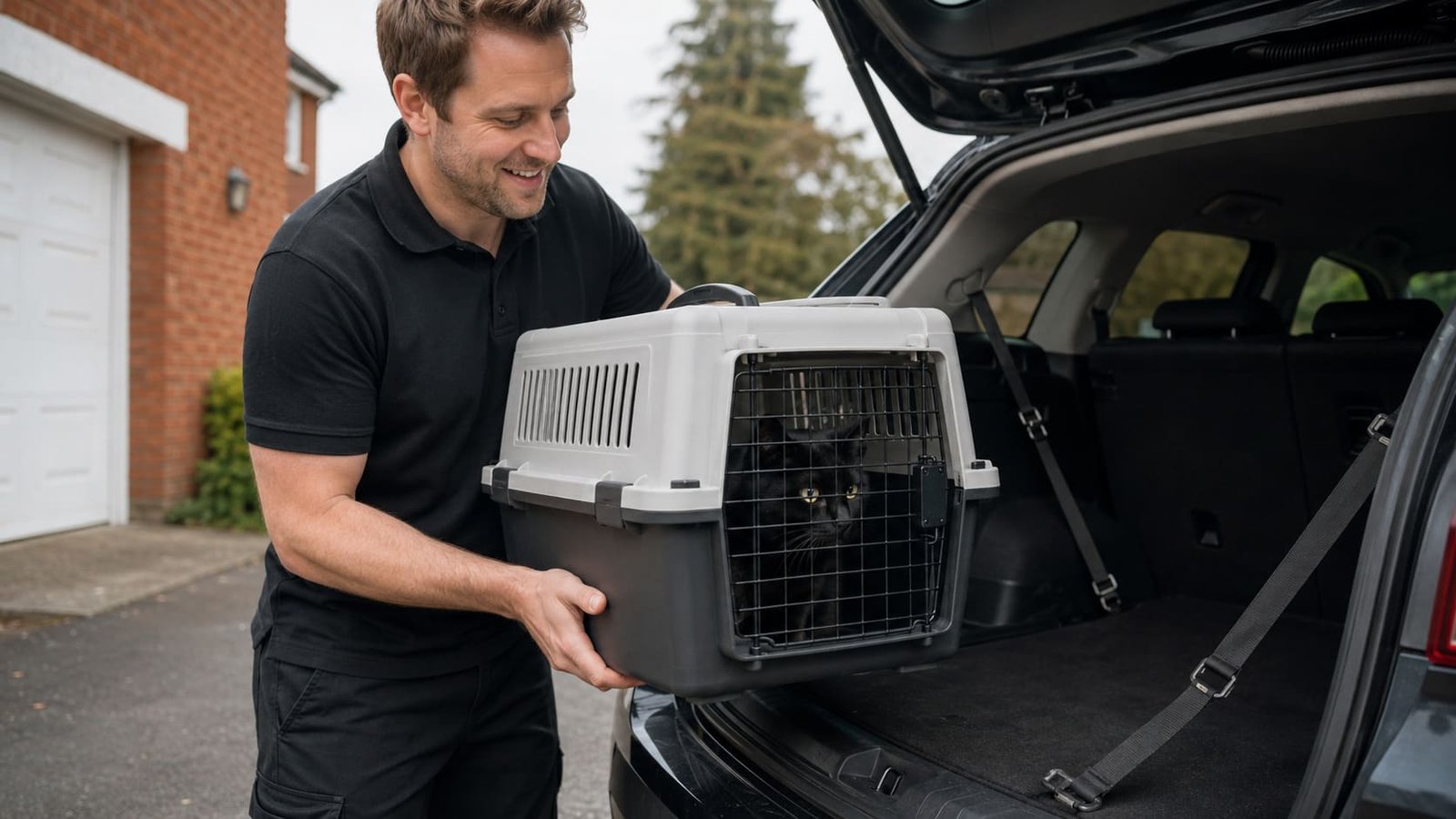
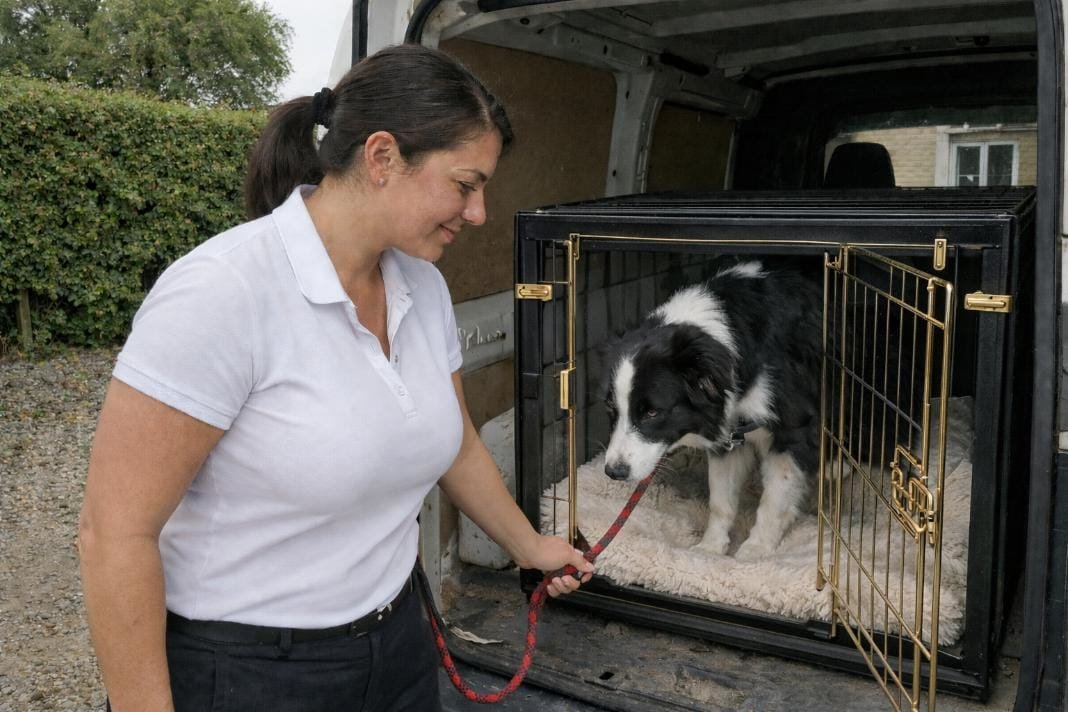
Handler loads a closed cat carrier safely into the vehicle boot.
Here's What We Have Covered In This Article
Understanding Pet Chauffeur Services
A pet chauffeur service is often misunderstood as a pet taxi with a smarter name. In practice, the distinction is much more important than that. A standard pet transport service may focus on moving an animal from one place to another. A professional pet chauffeur service is centred on safe handling, suitable travel conditions, regulatory awareness, and proper oversight from start to finish.
That difference matters most when a process stops being straightforward. A short local transfer to a groomer or veterinary practice is one thing. An airport run linked to international pet relocation, a long-distance trip for an older dog, or a process involving DEFRA rules is something else entirely.
Informal transport can look convenient at first glance. Yet convenience on its own does not tell you whether the handler understands animal welfare standards, travel stress, route planning, or what happens if paperwork or timing changes affect the trip.
A useful way to think about it is this:
| Standard pet courier or informal pet taxi | Pet chauffeur service |
|---|---|
| Focuses on transport | Focuses on transport plus welfare and process management |
| May have limited regulatory awareness | Works with pet travel regulations and compliance requirements |
| Often suited to simple trips | Better suited to specialist transport and complex journeys |
| Can vary widely in handling standards | Uses trained handlers and structured welfare protocols |
| Less oversight if plans change | Greater process oversight if conditions shift |
For owners under pressure, that distinction can shape the whole experience of professional pet travel.
When Does a Pet Chauffeur Become Necessary?
Certain journeys move out of the category of routine transport very quickly. Once borders, time-sensitive documents, connecting travel, or a vulnerable animal are involved, the margin for error becomes much smaller.
A pet chauffeur tends to become necessary in situations such as these:
- An international move where pet travel documentation must align with border control requirements
- A long-distance route involving ferries, airports, ports, or multiple handover points
- Travel for a very young, elderly, anxious, or medically affected pet
- A booking that has already become complicated because of delays, changed timings, or refused carriage
- Travel where quarantine authorities or animal health certificates may affect entry
Medical and breed-specific concerns can also change the picture. A brachycephalic breed, an arthritic older dog, or a cat that becomes highly distressed in transit may need a level of judgement and care that goes beyond a basic courier booking.
Sometimes the deciding factor is not distance but consequence. Missing a time window for documentation, arriving at a port without the right compliance checks, or placing a stressed animal with an inexperienced handler can turn a manageable process into a much harder one. That is usually the point at which professional oversight stops feeling optional.
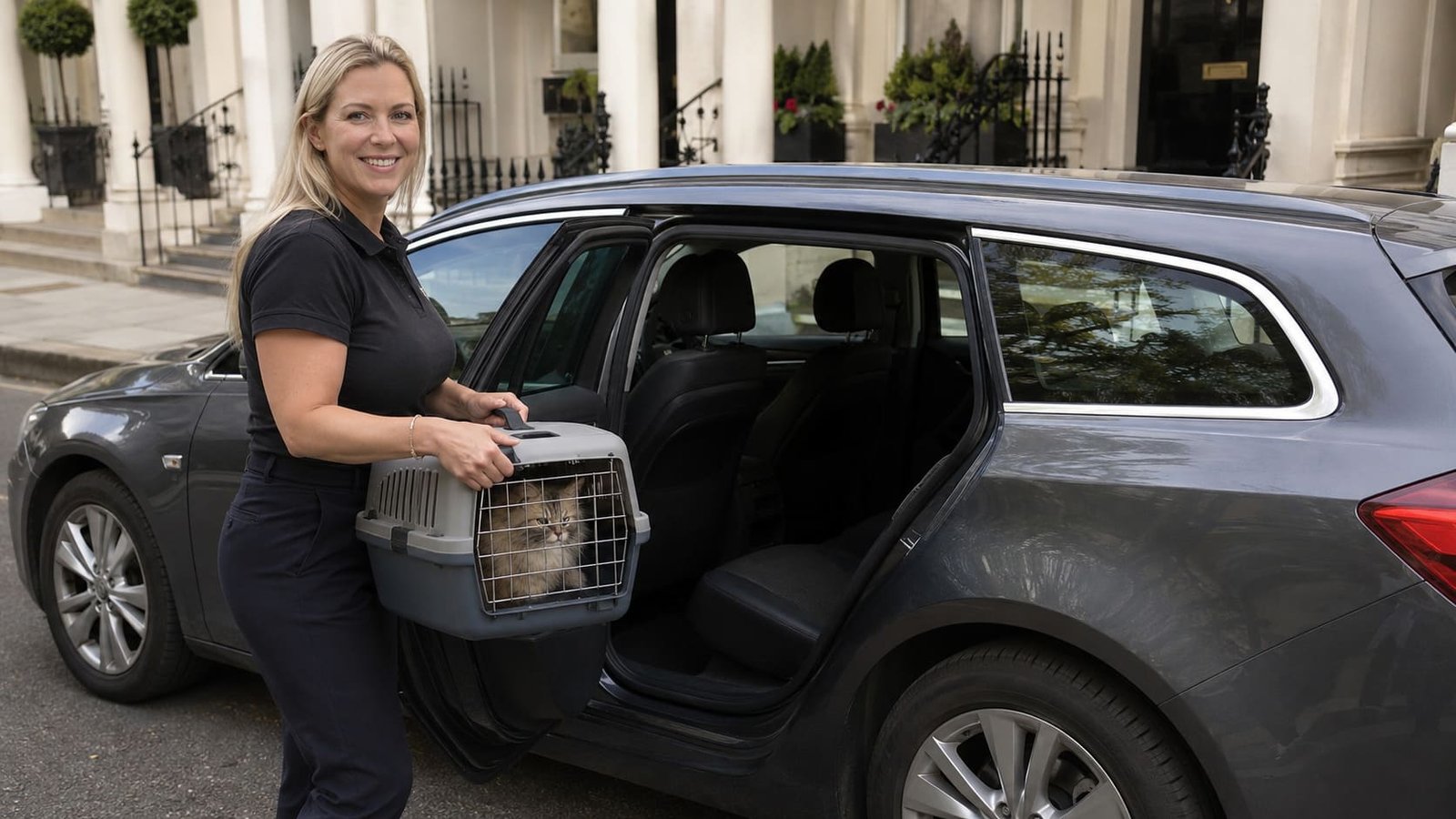
Pet travel handler lifts a cat carrier beside an open car.
What Sets a Professional Pet Chauffeur Apart?
A professional pet chauffeur is defined less by the vehicle and more by the standard of care surrounding the process. Knowledge of DEFRA guidance, familiarity with IATA rules where air travel is relevant, and a clear grasp of animal welfare standards all point to a service that is built for responsibility, not just movement.
Handler qualifications matter because pets do not experience travel in the same way people do. Stress cues, hydration, temperature, rest needs, and safe handling all require attention during transit. General couriers may be excellent at moving parcels or standard loads, but live animals call for a different level of judgement.
Professional pet transport companies also tend to offer stronger process management. That can include planned timing, monitored travel conditions, communication during the route, and the ability to respond calmly if there is a delay or last-minute change. In complex pet relocation, that oversight can be the difference between a controlled adjustment and a missed connection.
One further point is often overlooked. Compliance is not a box-ticking exercise. If a route, border requirement, or travel condition has been misunderstood, the practical effect may be stress for the animal and disruption for the owner. Expertise shows up most clearly when something needs to be interpreted correctly before a problem appears.
Key Considerations Before Booking a Pet Chauffeur Service
Before choosing a pet chauffeur booking, it helps to look at the process as a whole rather than the drive in isolation. Distance is only one part of the picture. Timing, route challenge, animal needs, and any compliance issues usually matter more.
Several considerations deserve close attention:
- Process challenge. A direct domestic transfer is very different from a route involving terminals, borders, or onward international pet relocation frameworks.
- Welfare needs. Age, temperament, medical history, and breed traits can all affect how suitable a process is and how it should be managed.
- Compliance exposure. DEFRA rules, pet travel documentation, and country-specific entry conditions may shape what is possible and when.
- Timing pressure. Tight handovers, flight schedules, or fixed border appointments reduce flexibility if anything changes.
- Coordination demands. Some journeys involve vets, carriers, ports, or third-party authorities, which means that communication and sequencing matter.
Price alone rarely gives a clear picture of value. A lower quote may still leave important questions unanswered, including who is responsible for process oversight, how animal welfare is prioritised, and whether the transporter understands the regulatory side of the route.
Careful assessment at the outset tends to matter most on cross-border movement, where a seemingly small misunderstanding can have consequences that last much longer than the process itself.
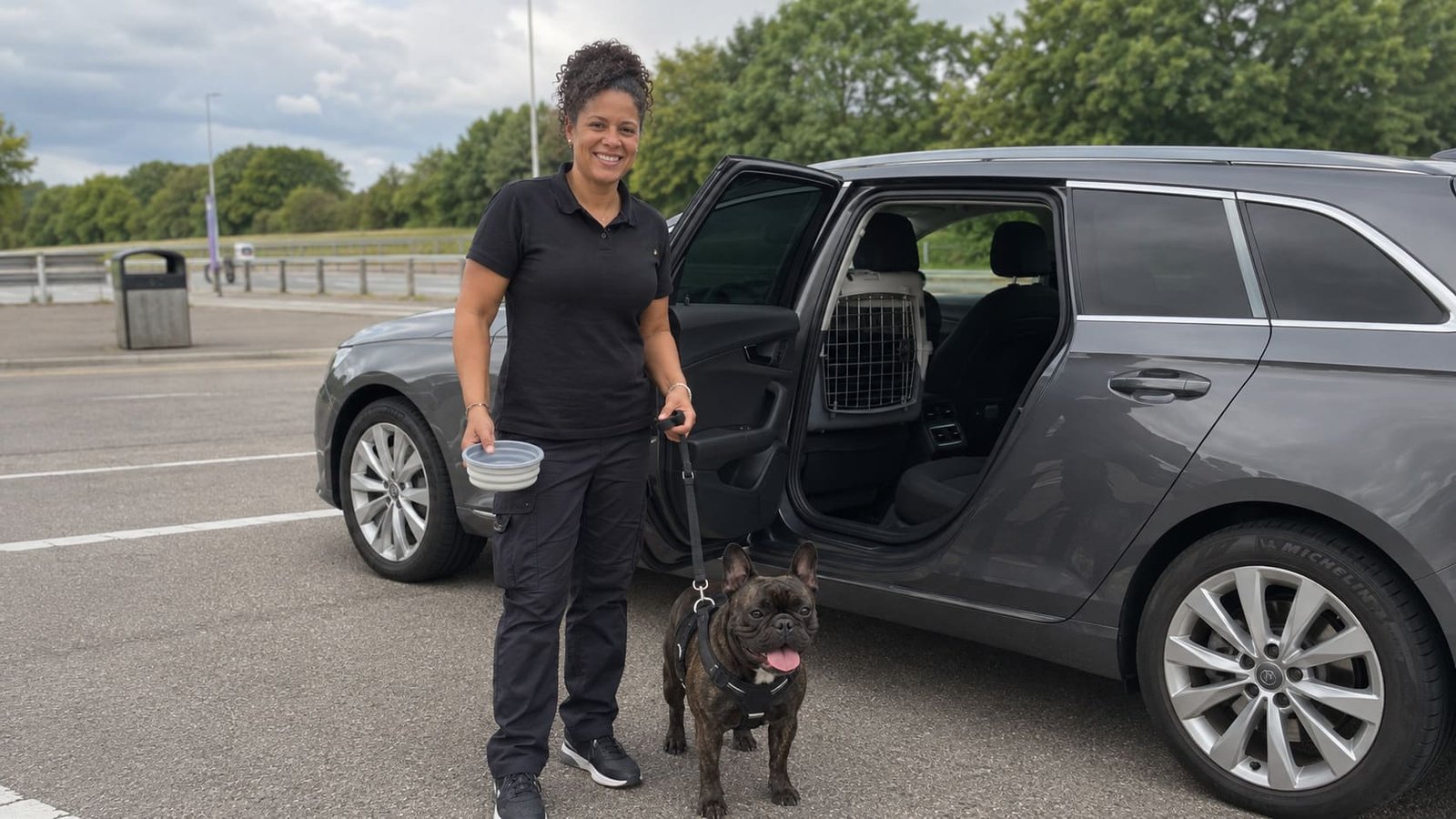
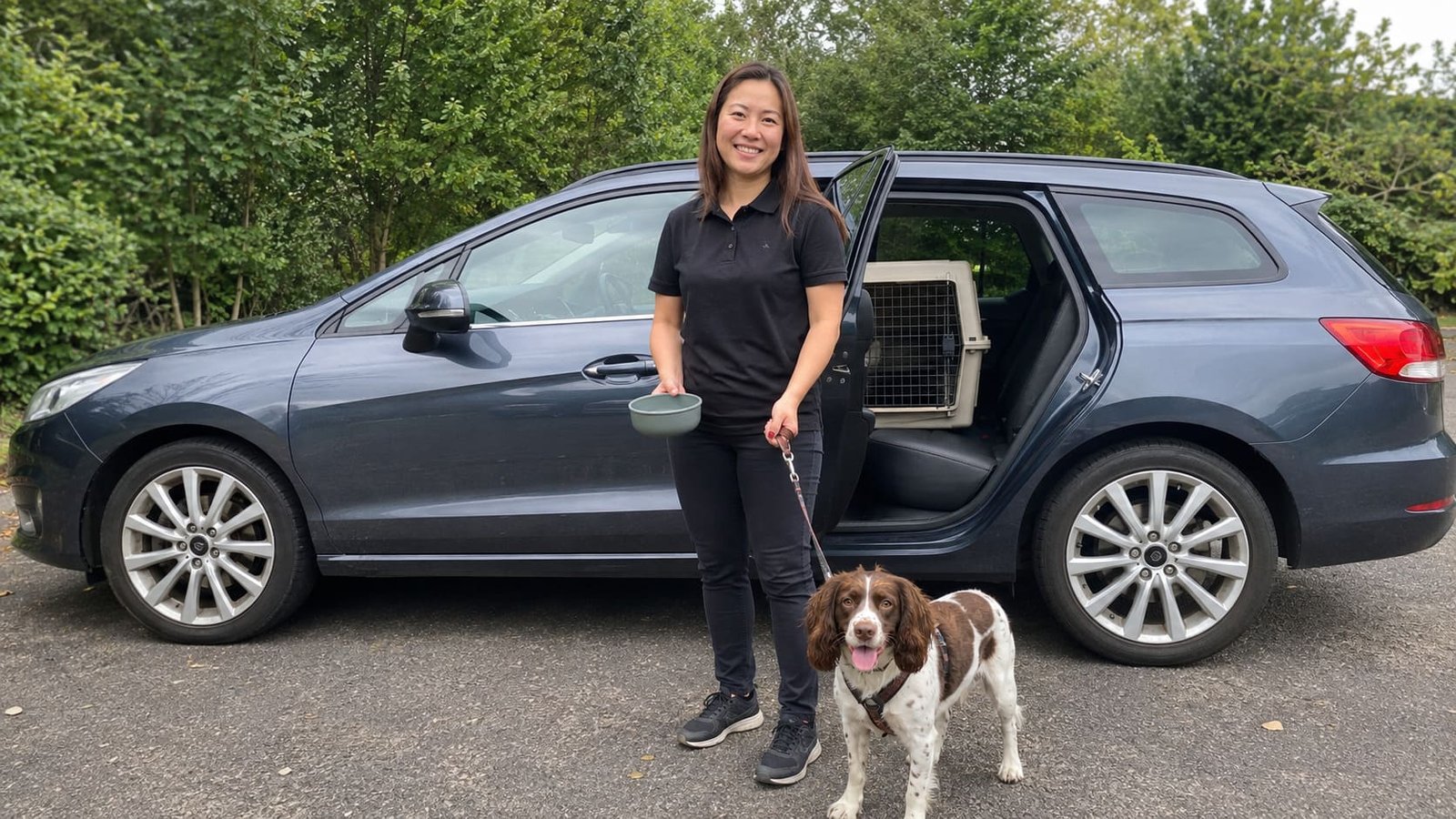
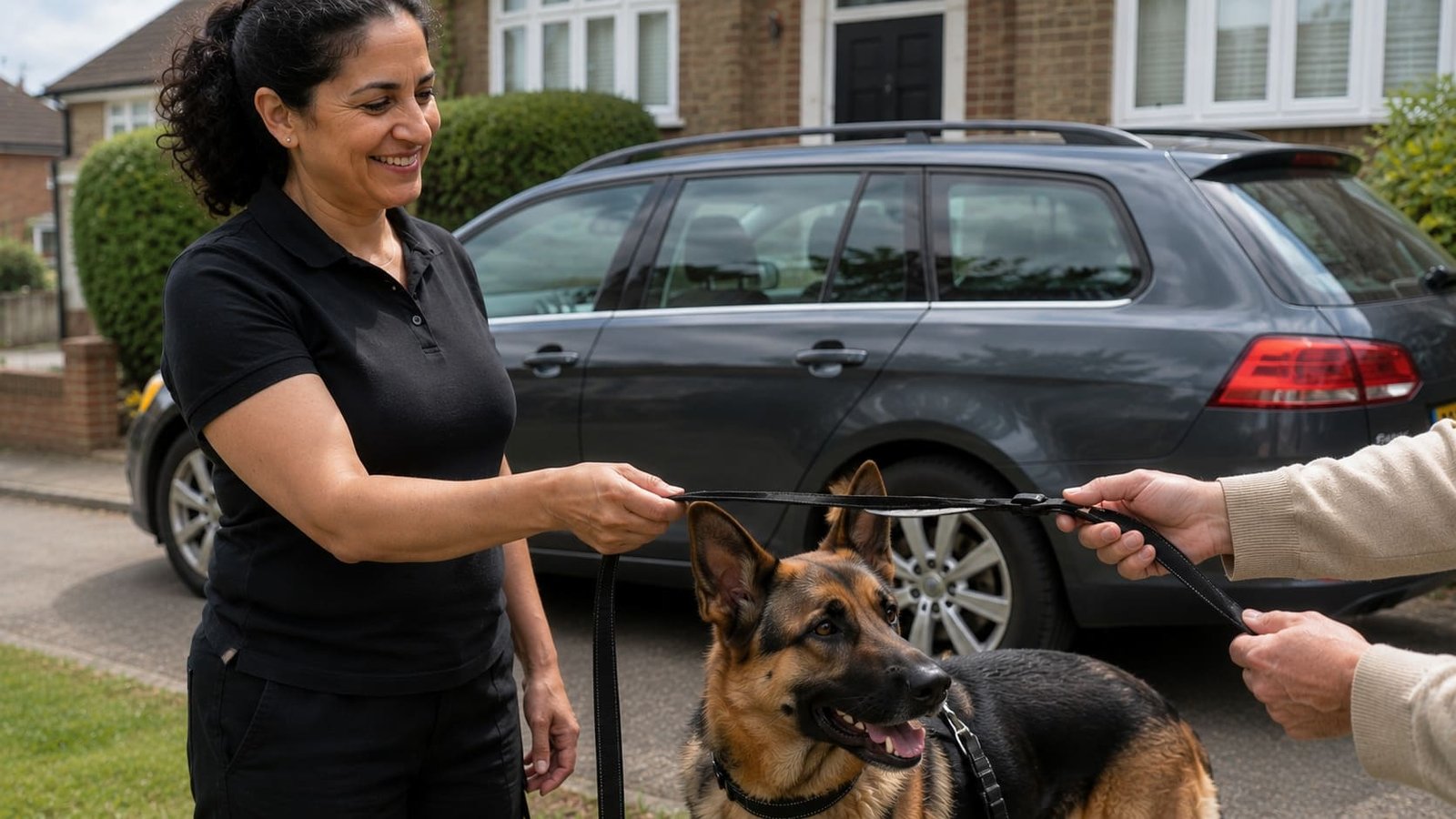
Pet chauffeur stands beside a harnessed dog and open vehicle.
How a Pet Chauffeur Service Supports Complex or Sensitive Journeys
Stress often peaks long before the pet gets into the vehicle. Owners may be managing a house move, a family change, a delayed booking, or conflicting information about what the animal can legally and safely do. In that context, a welfare-focused pet travel service brings structure to a situation that can otherwise feel uncertain.
Sensitive journeys often involve more than logistics. An older dog may need a calmer pace and close observation. A nervous cat may cope poorly with noise, waiting, and repeated transitions. A move involving borders may require calm coordination across authorities as well as safe transport on the day.
That is where companies such as Tailored Pet Travel sit in a different category from informal operators. The value is not in making the trip appear glamorous. The value sits in reducing avoidable strain, protecting the animal’s wellbeing, and keeping the process under control when circumstances are emotionally charged or logistically fragile.
Changes can happen very late. A route may shift, a crossing may be delayed, or a document issue may need urgent attention. During those moments, professional support gives owners something especially important: a sense that the process is still being managed by someone who understands both the welfare side and the compliance side at the same time.
Common Misconceptions About Pet Chauffeur Services
Confusion around pet chauffeur myths often comes from the idea that all animal transport is broadly the same. It is not. The differences are most visible when the process carries actual risk.
Here are some of the most common misconceptions.
“It is just a fancy taxi for pets”
A pet chauffeur service may involve door-to-door transport, but the service is not defined by the car. Specialist handling, route awareness, welfare monitoring, and regulatory knowledge are what set it apart.
“Any pet-loving driver can do the job”
Good intentions are not the same as professional pet travel competence. Animal welfare legislation, safe handling, and travel compliance all require proper knowledge.
“If the process is short, expertise does not matter”
Short routes can still involve airports, ports, or formal handovers. A brief drive connected to a larger trip may carry more consequence than a longer but simpler domestic process.
“All pet transporters offer the same level of oversight”
Service differentiation is real. Some providers offer basic movement from A to B. Others manage the route with much closer attention to timing, welfare, and compliance.
“It costs more, so it must be an optional extra”
For a routine local trip, a specialist service may indeed be unnecessary. For a complex pet relocation or a sensitive process, the value lies in reducing the chance of preventable problems that can affect both owner and animal.
That final point often changes how people view cost. Once the process involves rules, timing pressure, or a pet with additional needs, the comparison is no longer between transport options that do the same job.
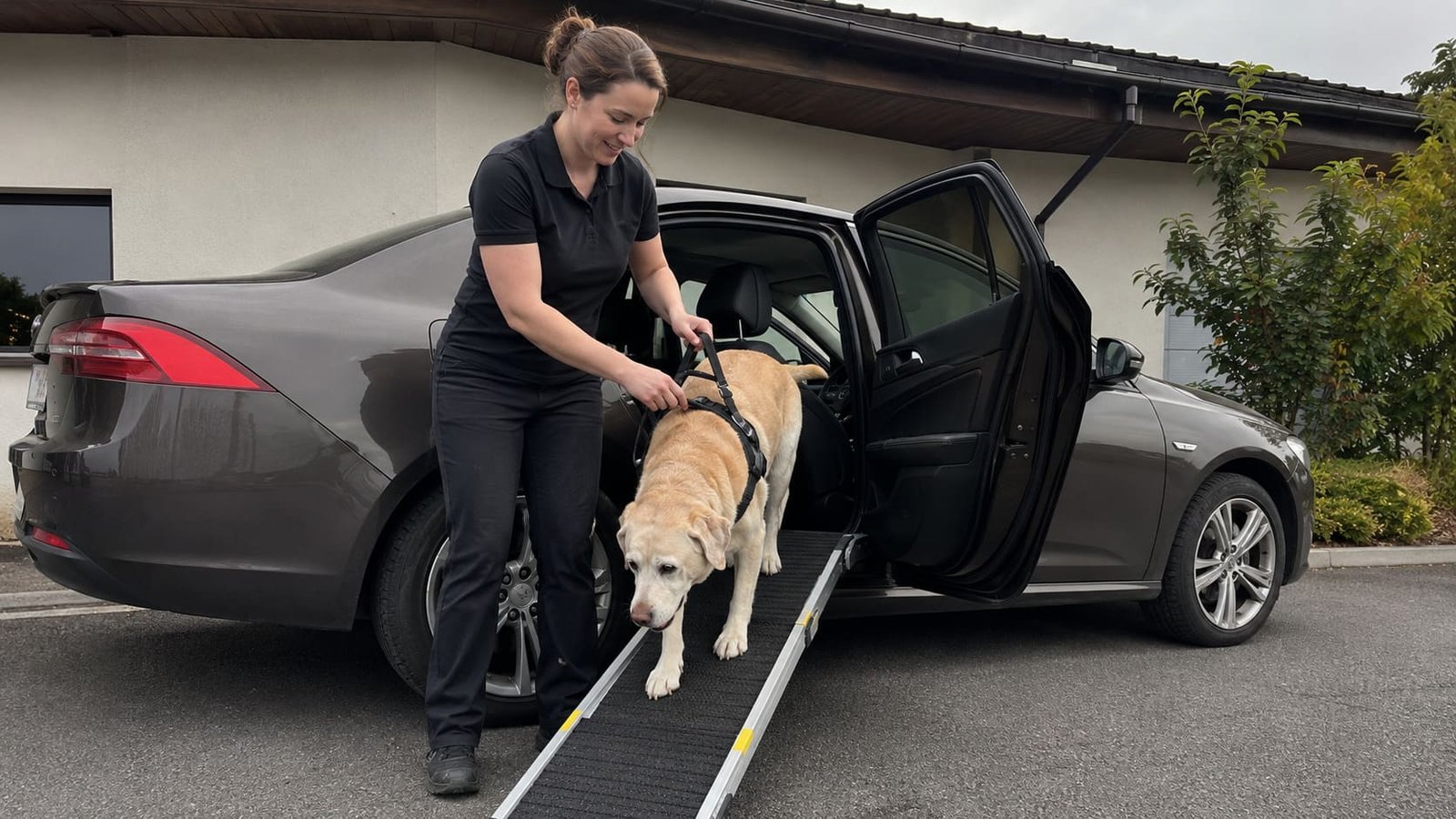
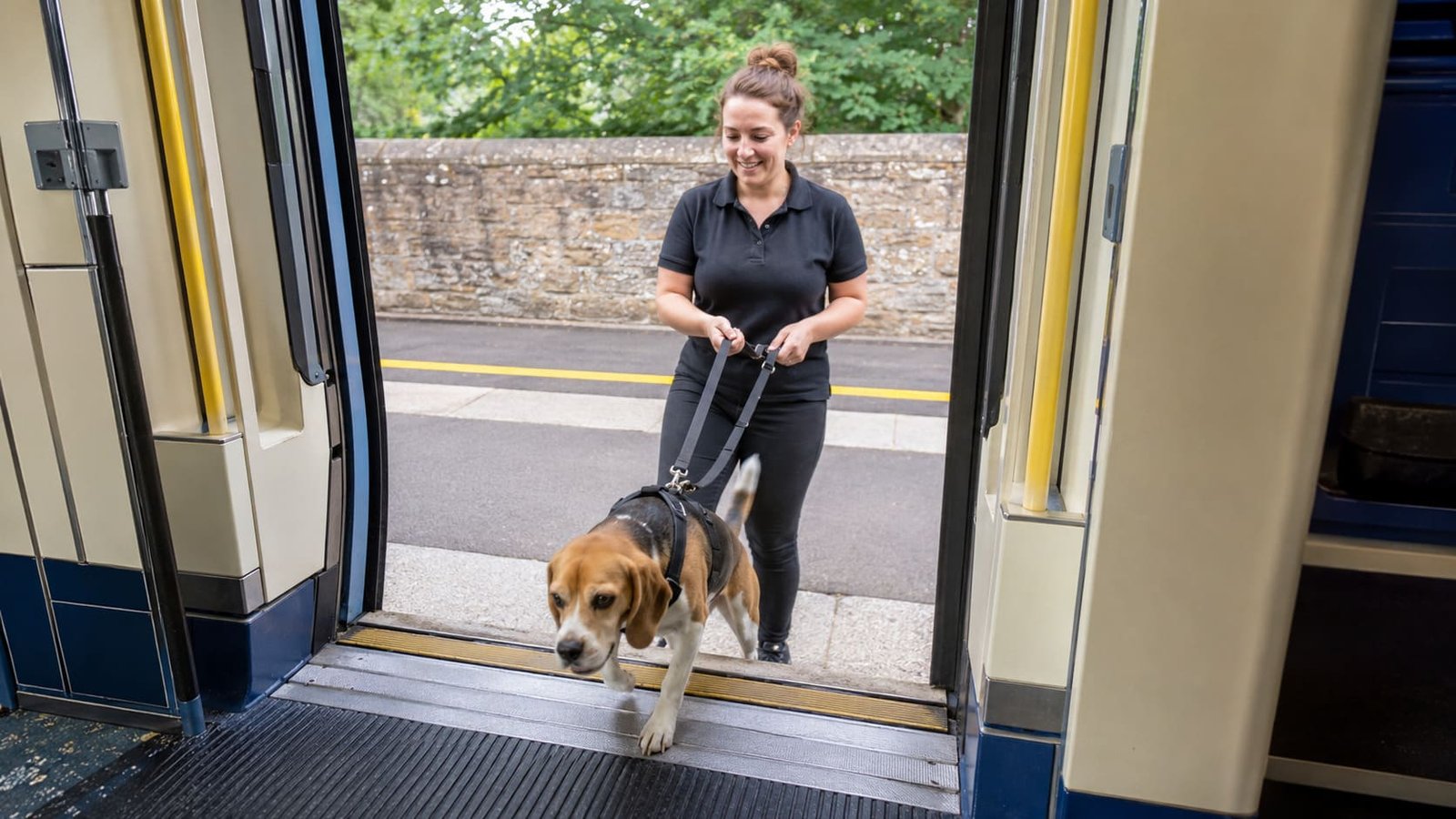
Handler helps a senior dog leave the vehicle using a ramp.
Looking Ahead: The Changing Role of Pet Chauffeur Services
Pet travel is becoming more visible as a specialist area because owner expectations are changing and regulations can shift. More people now recognise that moving an animal safely across the UK, Europe, or further afield involves judgement as well as logistics.
DEFRA guidance, IATA requirements linked to air travel, and changing international entry rules all shape what professional pet transporters need to know. In parallel, owners have become more alert to welfare standards, handler qualifications, and the limits of informal transport.
That shift means a pet chauffeur service is increasingly seen less as a convenience and more as a practical response to challenge. Services built around compliance, welfare, and process oversight are likely to remain especially relevant where travel plans are sensitive, international, or time-bound.
Providers such as Tailored Pet Travel reflect that wider change in expectation. People are looking for calm expertise when the route is complicated, the pet is vulnerable, or the cost of getting it wrong is simply too high.
Future demand is likely to keep favouring services that treat animal transport as a serious responsibility. For owners, that makes one principle worth holding onto: the harder the process is to manage safely on paper, the more important it becomes to treat the process itself as a welfare decision, not just a booking.