
What makes travelling with two pets more complex than travelling with one?
Managing travel for two animals on the same schedule introduces compounded regulatory, behavioural, and logistical challenges. These challenges do not simply double from those associated with single-pet journeys. Instead, each animal’s breed, temperament, health status, and documentation must be treated as a separate compliance thread, requiring careful synchronisation to avoid disruption.
Here's What We Have Covered In This Article
Why two pets isn’t just double the planning
Many assume that if one pet can travel, adding a second is a simple extension. In reality, carriers, authorities, and welfare requirements view each animal individually, even when booked together.
Several complications can arise:
- Airline and border policies increasingly limit how many pets can be booked under one traveller, especially across international routes. One pet might be eligible for cabin travel, while the second must go in the hold.
- Species and breed differences become important when pets are subject to distinct rules. For instance, brachycephalic (short-nosed) dogs often face restrictions that may not apply to another breed travelling alongside them.
- Behavioural mismatches, even between animals who cohabit at home, can trigger stress behaviours once confined to crates or unfamiliar transit spaces.
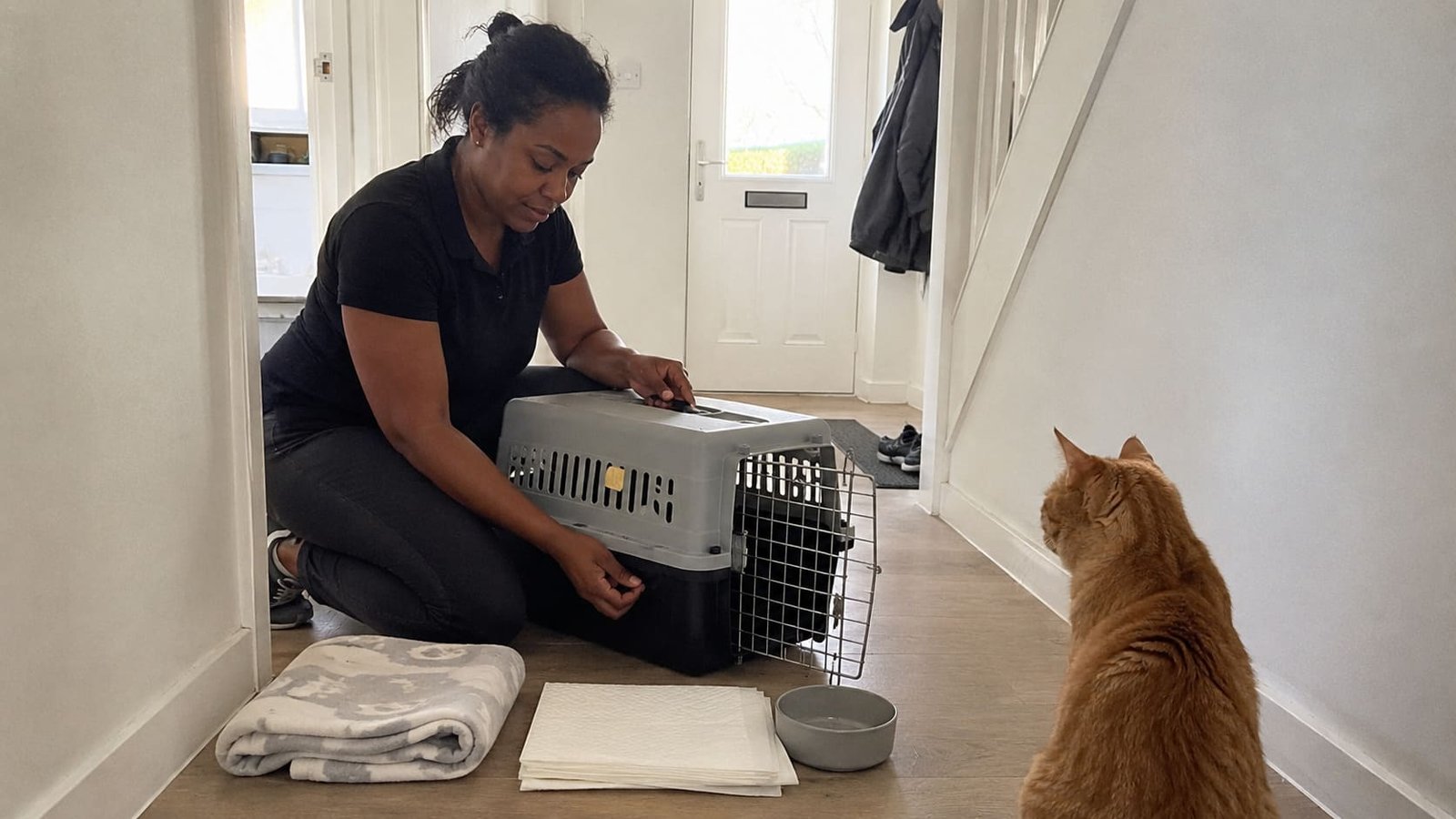
- Crate assumptions cause major errors. Many believe that two bonded pets can travel in the same crate, only to find this is prohibited by airline or IATA rules.
Regulatory bodies such as DEFRA and transport standards like IATA treat combined pet travel as a conditional exception, not a default option. If one pet encounters an issue, delays or refusals often cascade to affect both.
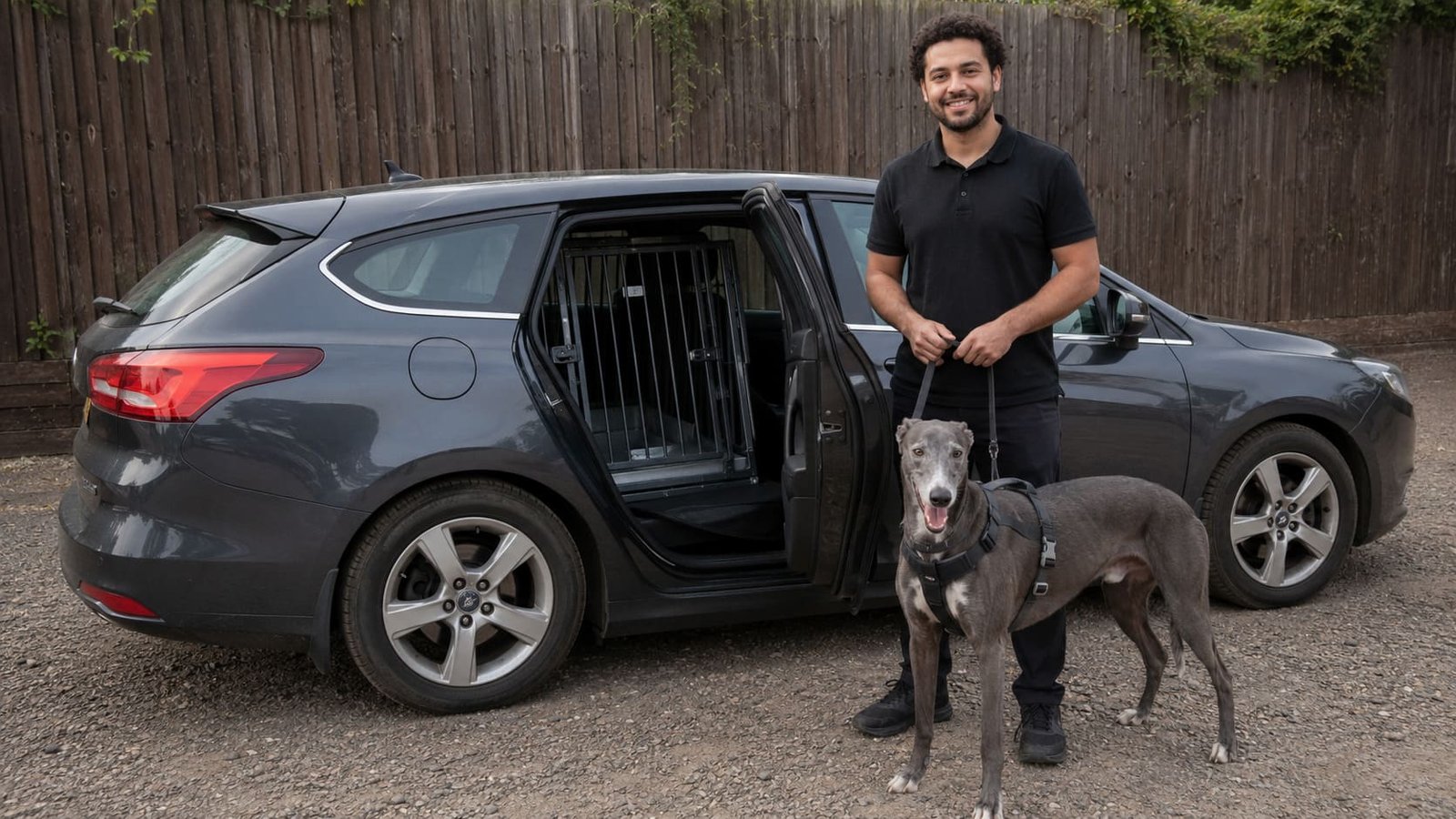
Pro Tip: When booking ferries or Eurotunnel with two pets, measure your vehicle space to ensure both crates can be safely secured.
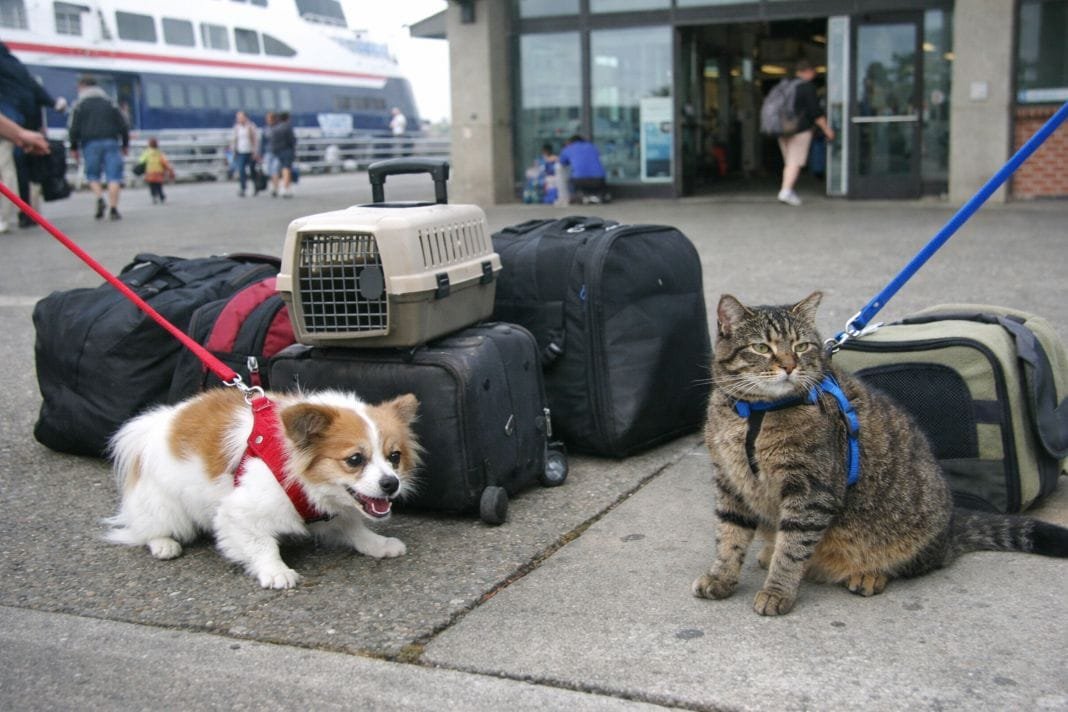
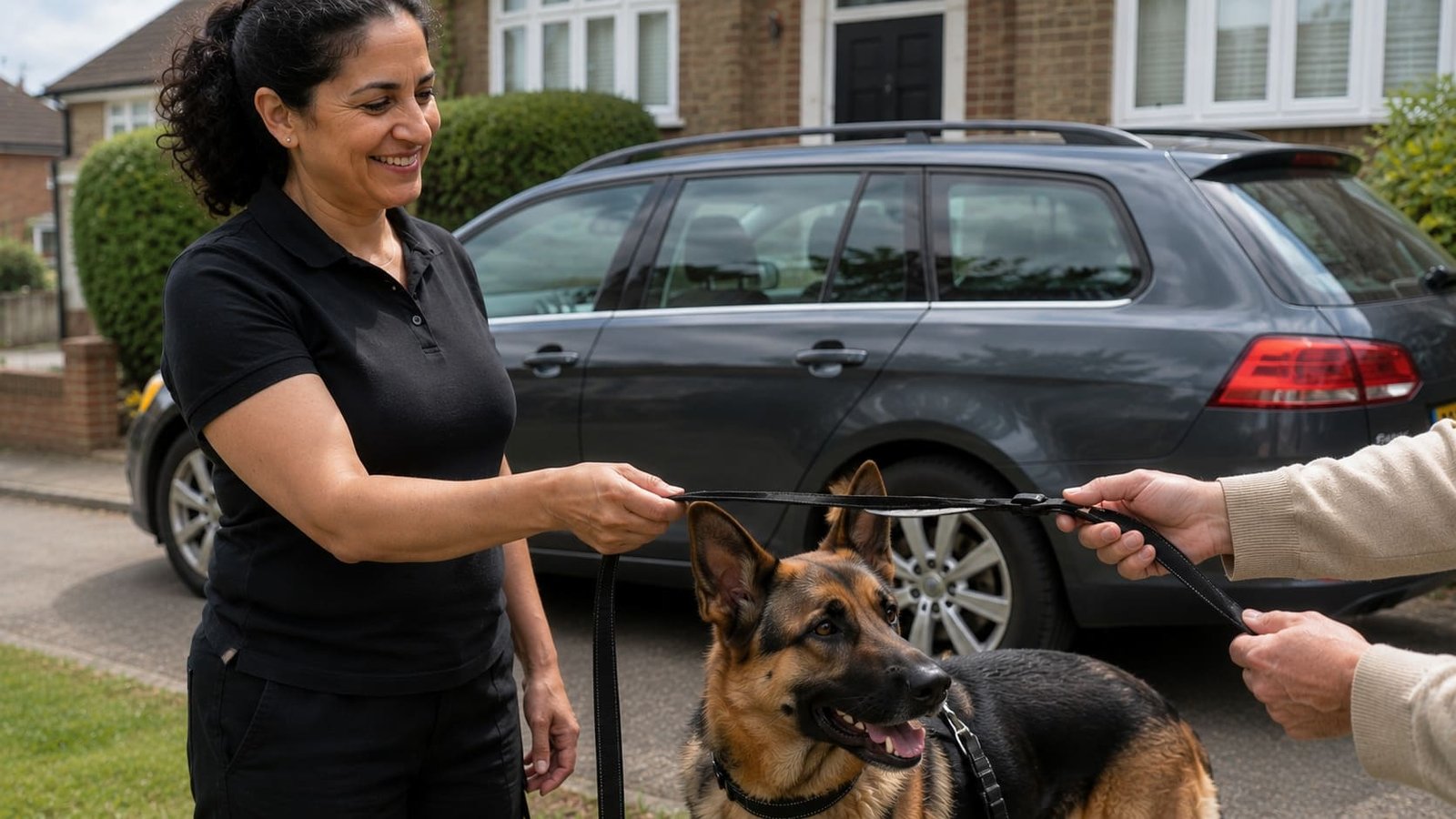
An illustrative image of two pets being walked on leads outside a ferry terminal
Book a Dual Pet Travel Consultation
Get tailored advice for travelling with two pets across borders. We help you resolve documentation, crate logistics, and behavioural planning.
Transport rules: how dual pet travel meets resistance in transit
Whether by air, ferry, or tunnel, transport providers impose specific constraints on how animals can travel. These limits are rarely flexible and often surprise owners attempting joint bookings.
Airlines
Each airline defines the number of animals allowed per passenger, the eligibility for cabin travel, and crate standards. A common mistake is assuming both pets may travel in-cabin if one is small enough. In many cases:
- Only one pet is permitted in the cabin.
- The second must be booked separately for the hold.
- Some routes or aircraft types restrict in-cabin pet travel entirely.
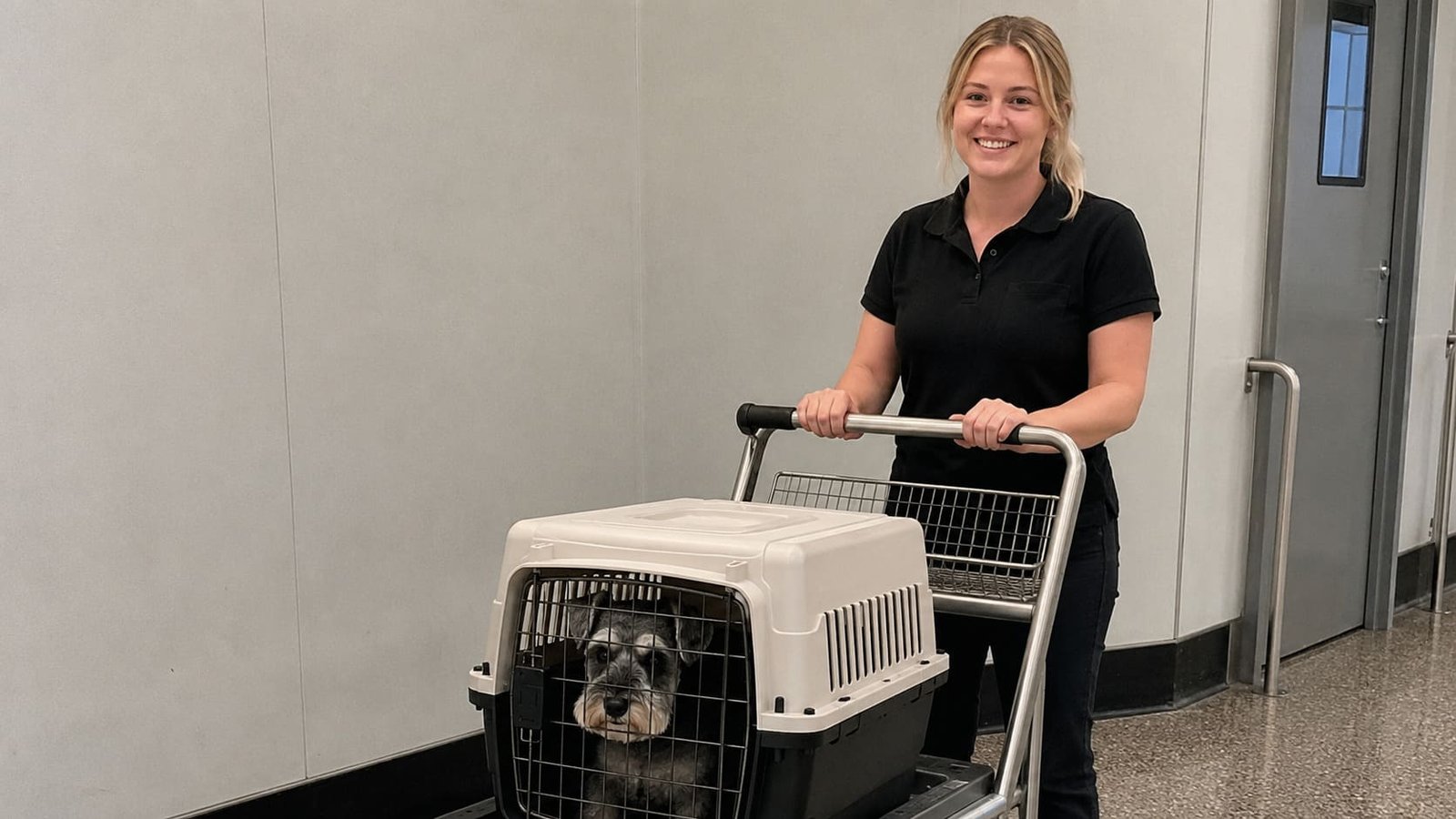
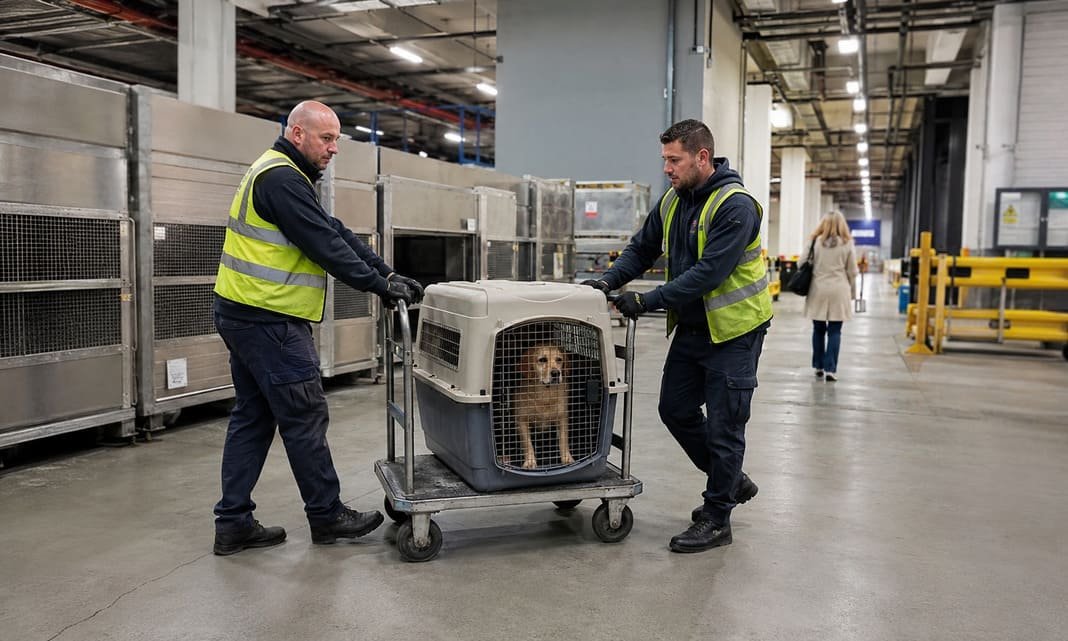
Crates for pets travelling in the aircraft hold must meet IATA specifications, including size, ventilation, and species separation.
Ferries and Eurotunnel
Unlike air travel, pet transport on ferries and through the Eurotunnel often involves private vehicles. However, this does not remove regulatory obligations. For vehicle-based pet crossings:
- Each animal still requires valid veterinary documentation.
- Pets must remain within designated vehicle zones or pet lounges.
- Space allocation for pets inside cars can quickly become problematic with larger crates or multiple animals.
Even when self-driving, travellers must verify that their vehicle set-up complies with both operator and border control standards.
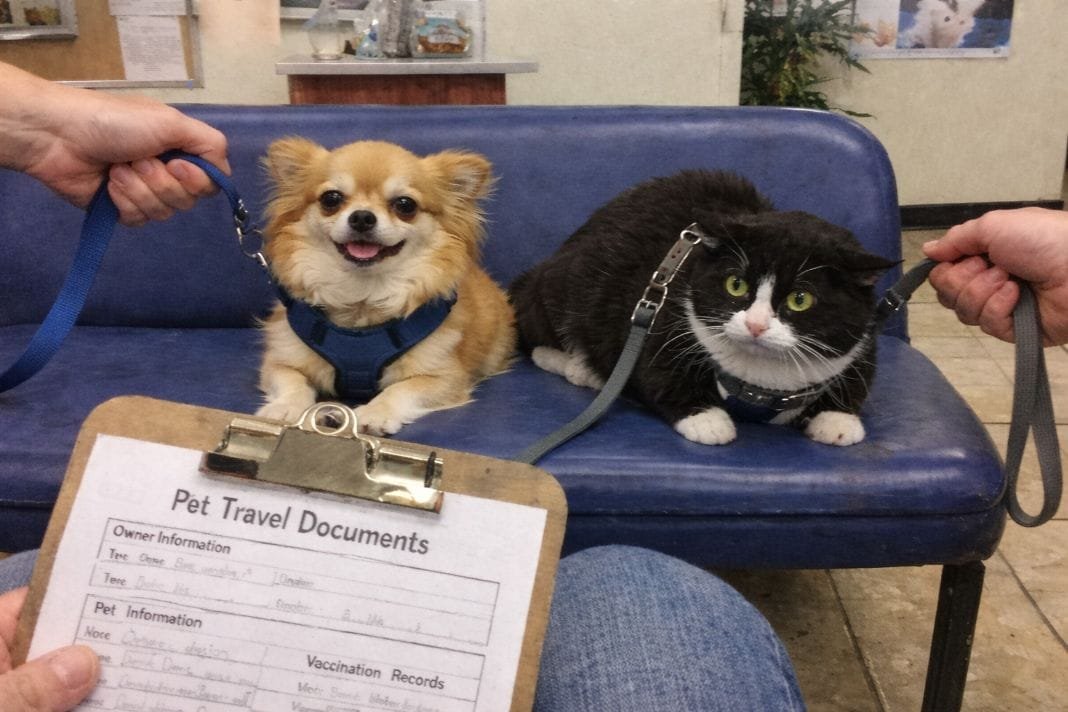
An illustrative image of a vet clinic waiting room with two pets sitting next to each other
Crate compatibility: what is and isn’t allowed
Assumptions about crate sharing are one of the most frequent reasons for denied boarding in multi-pet travel.
Allowed:
- Two animals of the same species, similar size, and bonded temperament may share a crate, but this exception is tightly regulated.
- Both must be able to stand, turn, and lie comfortably within the crate.
- Airline approval is usually required in advance for crate sharing.
Not allowed:
- Different species in the same crate.
- Pets of unequal size or weight.
- Animals showing any signs of intolerance or stress toward each other.
- Crates that fail to meet IATA Live Animals Regulations, including requirements for secure metal fasteners and leak-proof flooring.
Even where permitted, crate sharing is not always advisable. Bonded animals may experience heightened stress if one reacts poorly to the environment, increasing the chance of travel disruption.
Let Us Coordinate Your Pets’ Journey
Save time and reduce stress by using our experienced team to manage the entire door-to-door process for both animals.
Veterinary timing: why synchronising matters
Preparing two pets for travel often involves more than booking simultaneous vet visits. Each animal may require specific vaccinations, health certificates, or treatments based on destination, age, or breed. A missed window for one pet can jeopardise the itinerary for both.
For example:
- Animal Health Certificates (AHCs) issued in the UK must be dated within 10 days of entry into the EU.
- Rabies vaccinations require specific intervals before travel. If one pet is behind schedule, neither can legally cross certain borders.
- Medication or sedation plans must be coordinated, especially if one animal is elderly or has an existing medical condition.
Veterinary delays can trigger cascading issues with transport bookings, crate hire, and compliance windows. For two animals, every milestone becomes a shared dependency.
Pro Tip: Always confirm pet crate dimensions and separation rules with the airline before booking, especially if crate sharing is being considered.
Behavioural effects: how one pet can derail both
Behaviour under travel conditions can differ sharply from behaviour at home. When two pets are co-booked, the emotional state of one often influences the other.
Common issues include:
- Stress contagion, where anxiety from one pet amplifies distress in the other.
- Crate refusal by an untrained animal causing hesitation or disruption at check-in.
- Noise sensitivity triggering outbursts in confined transit areas.
- Aggressive posturing in close quarters, particularly when under sedation or sensory overload.
All animal transport environments expose pets to unfamiliar equipment, handlers, and motion. Acclimatising both pets individually is important. A calm travel partner cannot buffer erratic or distressed behaviour from another animal and may, instead, respond with anxiety of its own.

Booking strategy: why timing affects success
Coordinating a successful dual-pet booking means more than securing two spaces. Many elements must fall into place in the correct sequence to avoid travel failure.
- Check availability for both pets and all legs of the route before confirming tickets. Some carriers cap animal slots by flight or vehicle, even when seats for humans remain open.
- Reserve suitable crates early. Larger or IATA-approved models may not be readily available during peak seasons.
- Secure veterinary documents and appointments with timing buffers. Last-minute approvals can result in missed windows.
- Avoid back-to-back bookings that leave little time to adjust if one pet’s paperwork is delayed.
- Synchronise drop-off, check-in, or handover times if using external handlers for each animal.
Treating each pet’s logistics separately, then layering them into one timeline, is far safer than attempting a parallel process without buffer allowances.
When it’s time to involve professional support
For some, managing multi-pet travel eventually stretches beyond personal capacity. This transition usually happens when:
- International rules or documentation requirements become difficult to coordinate.
- Veterinary timelines conflict or cannot be aligned.
- Airline or transport providers impose separate routing for each animal.
- A delay or behavioural issue with one pet risks collapsing the entire plan.
- Emotional stress from the travel process begins to compromise decision-making.
In such cases, securing experienced oversight can prevent further complications. A provider like Tailored Pet Travel manages these variables as interconnected elements, rather than parallel problems. This allows for real-time adjustments, correct sequencing, and welfare-led transport decisions under pressure.
When both pets need to arrive safely, legally, and together, reliable coordination often becomes more than helpful. It becomes necessary.