Is DIY pet travel really more economical in the long run?
Arranging pet travel on your own might seem like a sensible way to save money. But beneath the surface, many costs are easy to miss. Time, stress, and mistakes can accumulate and often end up costing more than professional support.
Here's What We Have Covered In This Article
The Illusion of Saving Money
False economies are common in daily life. For example, buying shoes that wear out quickly or skipping insurance only to face expensive repairs. These choices may seem practical at first, but the longer-term costs often prove otherwise.
Pet travel presents similar risks. What appears to be a straightforward booking can quickly turn into a complex series of timing issues, welfare concerns, and regulatory hurdles. Once things go wrong, regaining control becomes difficult and expensive.
There is also an emotional element. People associate saving money with staying in control. However, when that perceived saving results in delays or unexpected fees, the feeling of control can disappear. The responsibility load often shifts from manageable to overwhelming.
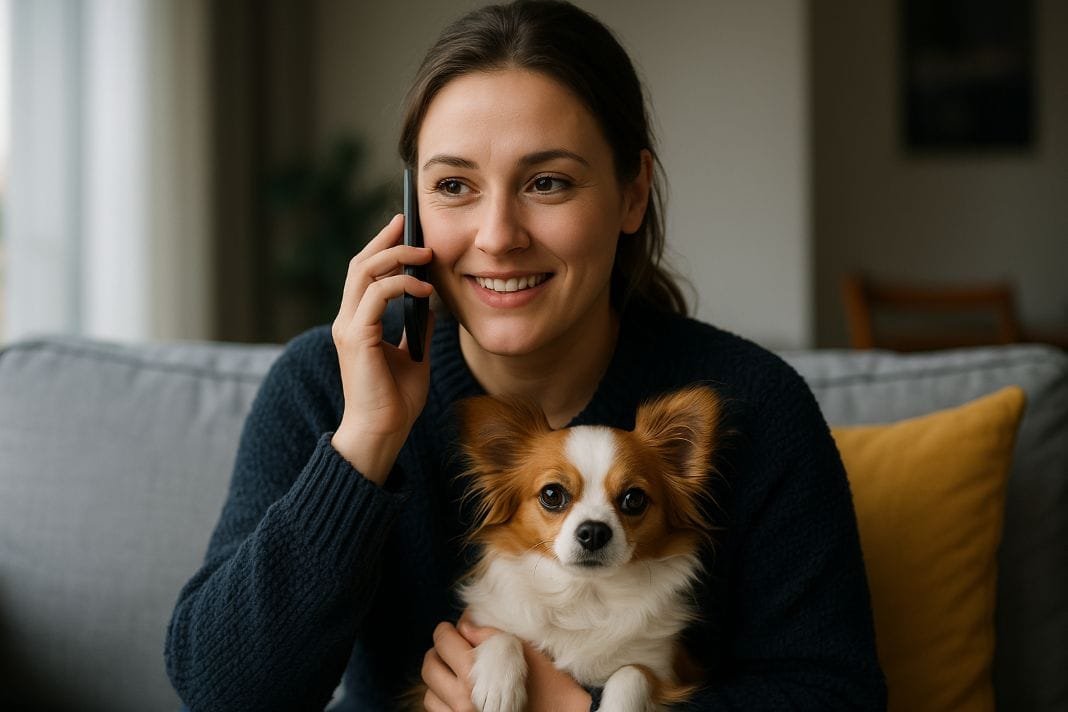
An ai photo of a person on the phone
Got a Complicated Route?
We specialise in complex pet relocations, including last-minute clearances and multi-country itineraries.
What DIY Pet Travel Costs Don’t Show You
The visible price tag rarely reflects the full picture. Some of the most common hidden costs include:
Time cost
Planning requires hours of research. Investigating airline policies, government regulations, and crate specifications is a demanding process, particularly for those unfamiliar with the territory.
Correction cost
A single misstep, such as using the wrong crate size, can lead to cancelled flights, added fees, or denied check-ins.
Stress cost
When plans start to fall apart, decisions made under pressure are rarely cost-effective. Rushed fixes and last-minute adjustments usually increase the total expense.
These issues tend to build on one another. A minor mistake can delay travel, introduce new charges, and add unnecessary discomfort for the animal. This is when hidden costs of pet relocation begin to outweigh any perceived savings.

What are the risks of booking pet travel yourself?
Moving a pet involves much more than securing a flight. Every stage, from documentation to arrival, presents specific risks.
Mistakes often include:
- Pet travel paperwork mistakes – Every country has unique entry requirements. Even a small error on a health certificate (AHC) can prevent departure.
- Inconsistent airline policies – What one airline accepts, another may reject.
- Border unpredictability – Even with correct documentation, entry is not guaranteed. Border officials have discretion and can refuse clearance.
DEFRA (Department for Environment, Food and Rural Affairs) and IATA (International Air Transport Association) provide regulations, but interpretation varies. These grey areas are often where DIY pet relocation plans fall short.
The Welfare Cost Is Often the Highest
Beyond financial considerations, a pet’s wellbeing is the most fragile part of the journey.
- Delays can leave pets waiting in noisy, unfamiliar settings.
- Unplanned kennels or holding facilities may increase stress or expose the pet to unsuitable conditions.
- Extended separations contribute to fatigue, anxiety, and longer recovery times.
The effects of stress may not be obvious immediately but often linger. Even small planning oversights can compromise an animal’s comfort and health. This is a key example of when a false economy becomes clear.
Trusted by Pet Owners Across the UK and Beyond
Whether it’s a move abroad or domestic support, we’re ready when the stakes are high.
When Should You Stop Handling Pet Relocation Alone?
Taking the DIY route can seem appealing until the situation becomes more complex.
Scenarios that raise the likelihood of problems include:
- International moves
- Tight or inflexible timelines
- Pets that are older, reactive, or have medical needs
- Destinations requiring quarantine or complex entry procedures
These cases frequently demand mid-journey fixes. By then, the cost of resolving issues can exceed what professional guidance would have cost in the first place. Recognising when to involve a pet travel company helps avoid that tipping point.
Many people discover that professional pet relocation is worth it, not just for convenience, but for reducing the risks that can snowball.
Why Professional Oversight Changes the Risk Equation
Pet travel specialists offer more than coordination. They provide structured, informed oversight.
Professionals understand how to interpret AHCs, manage import regulations, and work within DEFRA and IATA frameworks. They know what border agents expect and can act quickly when circumstances change.
This oversight reshapes the outcome. Instead of shouldering complexity alone, you shift responsibility to someone with the skills to manage it. That shift is a clear form of risk transfer.
Tailored Pet Travel is often brought in when things are already going wrong. Whether it’s a missed flight, refused check-in, or paperwork issue, their role is to stabilise the process and keep animal welfare as the priority.

A Calmer Way to Make the Decision
Relocating a pet is rarely straightforward. Seeking support early on often eases the burden.
Letting go of the DIY model does not mean giving up control. It allows you to regain confidence in the outcome. Fewer unknowns, reduced risk of delay, and a more comfortable experience for your pet.
This reassurance is often what matters most. In such cases, Tailored Pet Travel becomes a grounded, dependable option for those seeking both clarity and care.
When you weigh the time, rebooking fees, and worry…does the original saving still feel worthwhile?
What looks like a saving upfront can carry unexpected costs. In pet travel, forward planning is often the most economical choice in the end.