

How can I tell if it’s too late to arrange professional pet transport?
It is usually not “too late” in terms of possibility, but it may be too late in terms of compliance, route availability, or animal welfare. Timing depends on destination rules, transport type, breed limitations, and veterinary documentation windows. Each of these can introduce non-negotiable deadlines even if availability appears open.
Here's What We Have Covered In This Article
What “Too Late” Really Means in Pet Transport
In pet transport, “too late” is rarely about running out of time on the clock. More often, it means the window for legal or welfare-safe movement has already closed.
Some countries require certified veterinary documents, such as Animal Health Certificates (AHCs), within very specific timeframes before travel. For example, many non-EU countries require treatments or tests that must occur days or weeks before departure. The moment those windows close, travel cannot legally proceed no matter how fast arrangements are made.
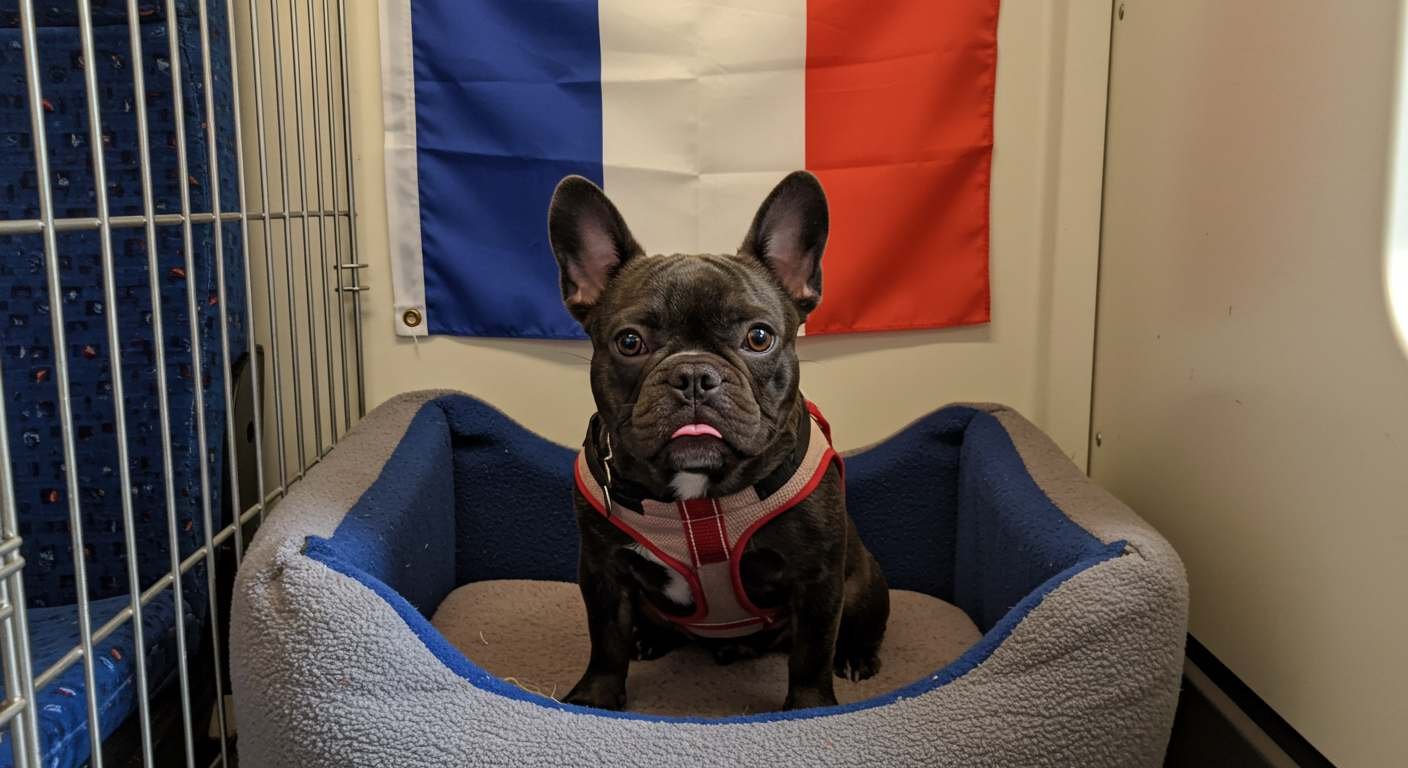
Availability can also be deceptive. Flights may remain bookable, but IATA regulations and airline policies might block animal travel based on seasonal conditions or breed restrictions. Short-nosed breeds, such as French bulldogs, often face airline embargoes during warmer months. In these cases, even an open flight booking does not guarantee acceptance at check-in.
Late-stage planning can also become a welfare concern. Pets experiencing anxiety, older animals, or those with health conditions may need a more structured build-up before travel. Rushing that preparation risks distress or reduced safety during transit.
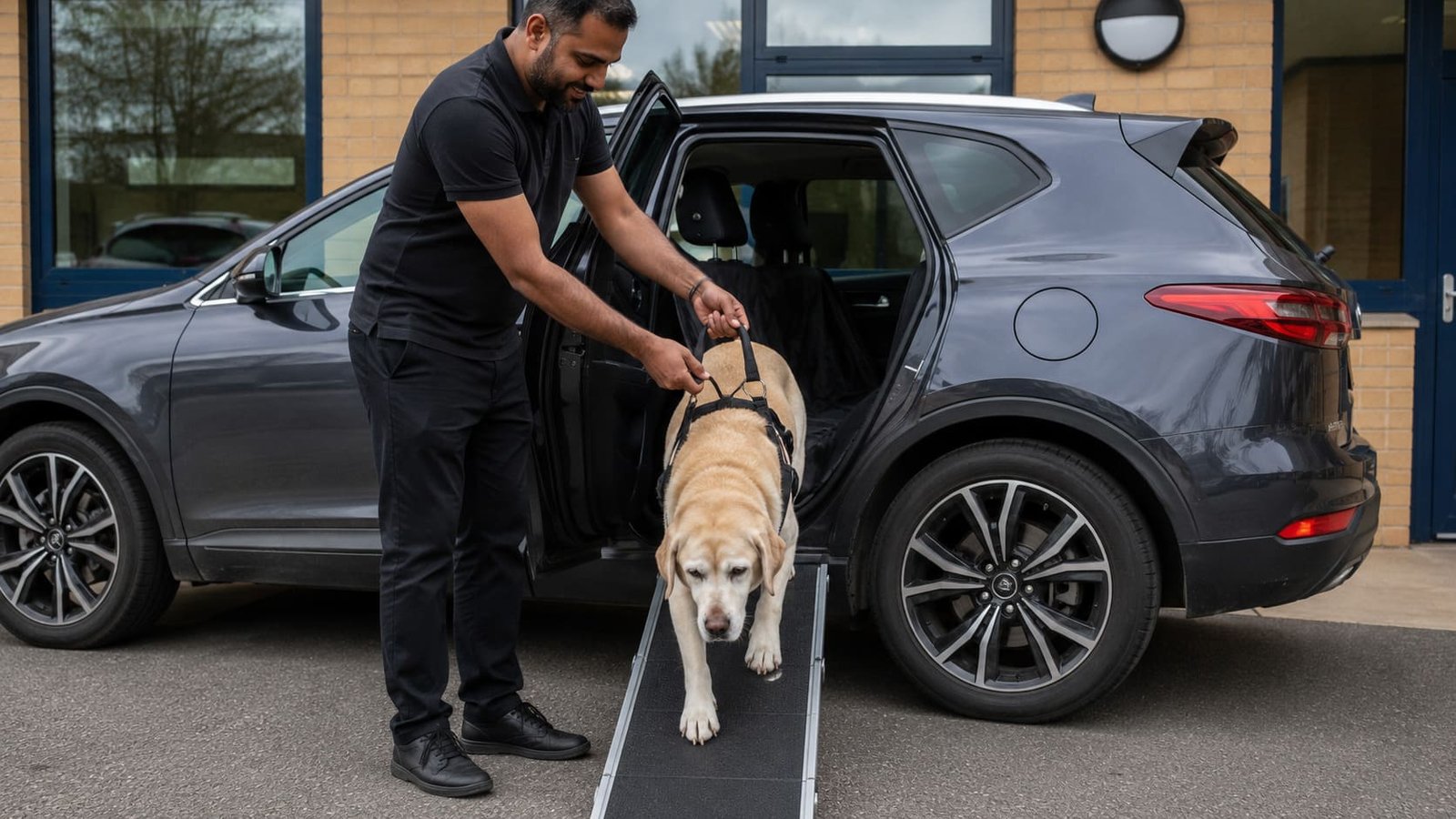
There are still situations where short notice does not mean impossible. For domestic travel within the UK, legal and logistical flexibility often remains longer than for international relocations. Ground transport with trained handlers can sometimes be arranged with far less lead time than flights or cross-border moves.
Pro Tip: Confirm the exact entry rules of your destination country through their government websites before booking any service.
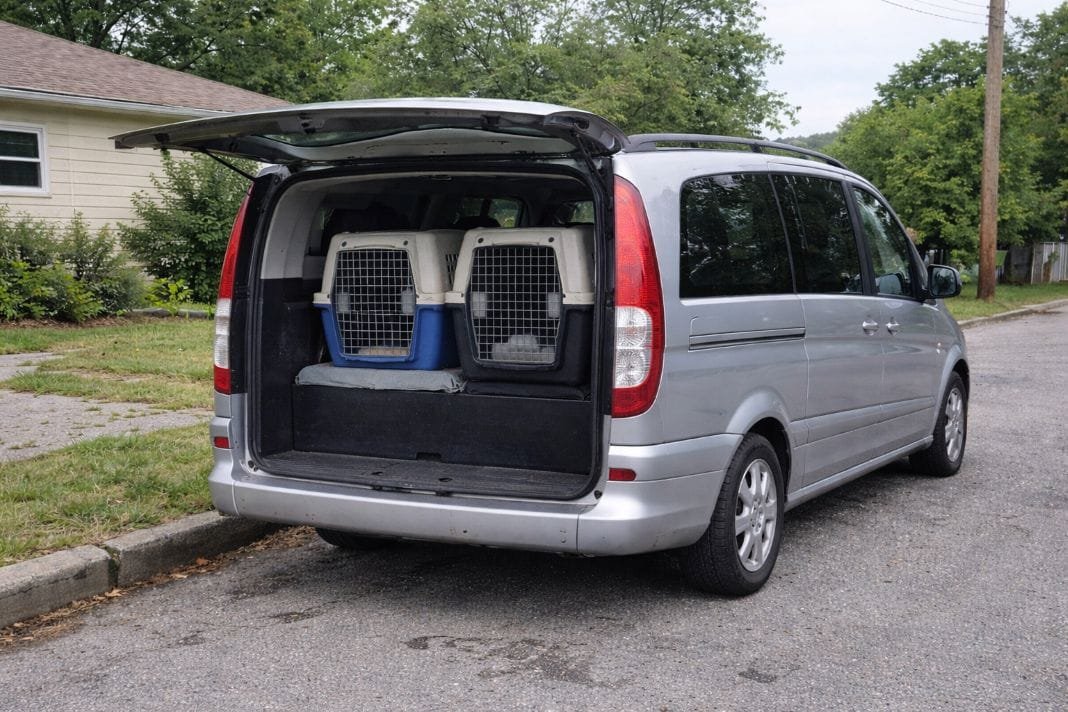
An illustrative image of a pet transport van with open doors revealing animal carriers inside
Plan a Safe Journey for Your Pet
Let our experienced team create a compliant and low-stress route tailored to your pet’s needs.
Key Factors That Determine Whether Booking Is Still Possible
Whether a last-minute professional booking is viable depends on a combination of practical, regulatory, and species-specific factors. These include:
- Destination-specific requirements: Countries differ widely. Some permit fast-track entry with minimal notice, while others demand multi-stage veterinary checks and import permits.
- Breed or species limitations: Flat-faced dogs and cats often face flight restrictions. Certain animals may be outright banned or subject to additional screening.
- Airline and route constraints: Not all carriers accept pets. Availability varies by aircraft type, route, and season. Heat embargoes on live animal cargo are common in summer months.
- Document validity timing: AHCs, rabies titre tests, and health certificates all have expiry windows. If those are already closed, movement is not legally possible without restart.
- Weather and seasonal impact: Cold snaps or heatwaves can trigger temporary airline suspensions or port closures affecting transport options.
Each case involves an interplay of these factors. A short-nosed cat going to Australia in summer presents different challenges than a Labrador on a domestic UK process. Some elements may allow workarounds. Others offer no flexibility at all.
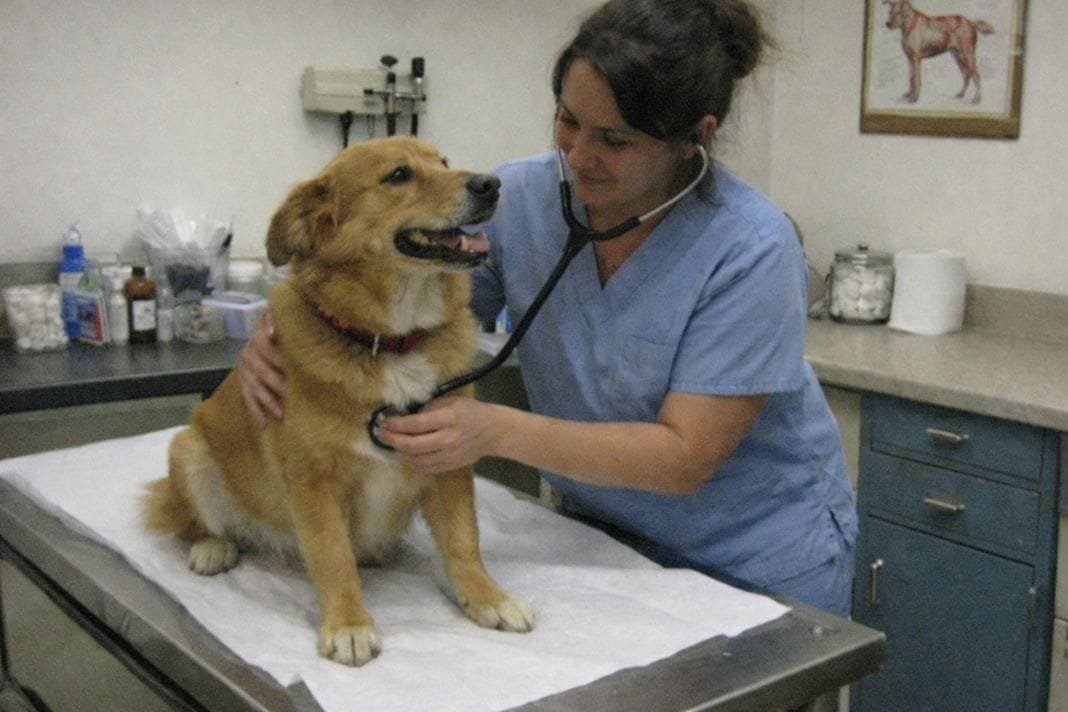
An illustrative image of a vet examining a dog on a table in a modest clinic room, showing care and preparation
When Professional Help Becomes the Only Sensible Option
Certain scenarios signal a clear point where expert involvement is no longer optional:
- The destination has strict entry controls, such as quarantine requirements or time-sensitive permits. Attempting these independently risks refusal or delays.
- Paperwork has already been rejected or a flight missed. Starting again under pressure often demands coordinated support to avoid repeat issues.
- The animal has medical or behavioural needs, such as anxiety, injury recovery, or aggressive tendencies. These require specialist oversight throughout the process.
- Multiple pets or route types are involved, increasing the challenge of synchronisation across handlers, carriers, and authorities.
- Stress and emotional responsibility are becoming overwhelming, which often leads to harmful shortcuts or repeated administrative errors.
In these cases, professional coordination removes strain, reduces risk, and brings practical control to a situation already at risk of unravelling.
Speak to a Transport Specialist Today
If you’re uncertain about your pet’s travel readiness, a short call can bring clarity and practical next steps.
What Can Still Be Done, and Even at the Last Minute
Even where time is limited, options may still exist depending on the context:
- Same-day or next-day UK ground transport may be achievable, particularly for domestic relocations with trained handlers.
- Urgent veterinary appointments for AHCs or fitness-to-fly sign-offs are sometimes available through DEFRA-approved clinics with short notice.
- Switching to land routes, such as Eurotunnel or ferry, may offer greater flexibility when flights are no longer viable.
- Temporary boarding or holding facilities can provide a pause point when documents are delayed or unsuitable travel conditions arise.
- Custom-built multi-leg journeys, with staggered transport to meet paperwork or route constraints, can be arranged in specific cases through professional coordination.
These options rely on swift, informed action. They are not guaranteed, but they may be possible with the right balance of decisiveness and expert input.
Pro Tip: Always double-check breed-specific airline restrictions, which can vary not only by carrier but by aircraft type and weather forecast.
The Risks of Waiting Any Longer
Delaying further rarely improves the situation. In most cases, it narrows the available options and heightens risks. Common consequences include:
- AHC or vaccination windows expiring, which means restarting veterinary timelines from scratch.
- The pet’s stress levels increasing, especially if plans remain uncertain or environments keep changing.
- Fewer available routes, particularly as seasonal embargoes or scheduling limitations come into play.
- Rising costs, including emergency booking fees, overnight care for missed connections, or last-resort workaround planning.
- Reduced legal acceptability at the border, potentially leading to refused entry, detention, or enforced quarantine in unsuitable locations.
While a short delay might seem harmless, each passing day can force faster decisions under tighter conditions.

How Professional Providers Handle Late-Stage Bookings
Experienced transport specialists deal frequently with short-notice requests and time-sensitive coordination. While not every late-stage case can be saved, certain providers are set up to handle urgent bookings methodically.
- Rapid viability assessment is the first step. This involves checking documentation windows, route options, and species restrictions to determine if travel is possible.
- Access to structured networks, such as DEFRA-approved veterinary clinics, helps secure fast appointments or document checks promptly.
- Route adjustment expertise allows for creative alternatives to blocked options, using ferries, train crossings, or multistage air-land coordination.
- Welfare-led planning ensures the pet’s needs are not secondary to logistics. Every plan includes provisions for comfort, safety, and stress reduction throughout the process.
- Ongoing communication and visibility, sometimes including live tracking, allows owners to stay updated and reduces the emotional toll during travel.
Tailored Pet Travel is frequently contacted in these situations, particularly where timing, paperwork, or challenge have already stretched beyond what feels manageable.
What to Do Right Now If You’re Unsure
If you are still weighing whether professional assistance is needed, taking just a few clear steps can unlock clarity:
- Gather key facts: Which country is the pet travelling to? What breed, age, and health factors apply? When is travel intended?
- Note any current documents: Do you already have a pet passport, rabies vaccination, or AHC? When were they issued?
- Assess stress points: Is time pressure your only concern, or are paperwork, routes, and wellbeing also involved?
- Make an initial enquiry: A short conversation with a provider experienced in late-stage logistics can help confirm whether options remain viable.
- Avoid further delay: Even if travel is not yet possible, early assessment may improve chances of a safe and legal transit window.
Where clarity is limited but decisions are pressing, involving a calm and regulated professional can shift the situation from overwhelm to structured progress. Tailored Pet Travel works specifically with cases where the stakes are high and time is tight, providing footing where routine solutions no longer apply.