How can you tell if a pet transport company is properly licensed in the UK?
A properly licensed pet transport company should be able to show relevant animal transport credentials issued or recognised under the UK regulatory system, with details that can be checked against official records or confirmed with the appropriate authority. A genuine check goes beyond a logo or a verbal claim and looks at whether the company is authorised to transport animals lawfully, whether the paperwork is current, and whether its standards reflect the welfare duties expected under UK law.
Here's What We Have Covered In This Article
Understanding why licensing matters in pet transport
Licensing exists to protect animals during transport and to place legal responsibility on the people moving them. In the UK, that sits within a wider framework of animal welfare law, including the Animal Welfare Act 2006, and oversight linked to the UK government, DEFRA, and local authorities.
Using an unlicensed operator can create problems that are far more serious than an administrative error. A pet may be moved in unsuitable conditions, handled by someone without the right training, or taken on a process that has not been planned with welfare in mind. Owners can also find themselves dealing with delays, refused travel, or disputes over accountability.
Some of the main risks include:
- poor welfare standards during the process
- invalid or misleading paperwork
- gaps in legal compliance
- weak oversight if something goes wrong
A common misunderstanding is that any company willing to transport a pet is automatically operating lawfully. General transport experience is not the same as lawful animal transport, and a smart-looking website is not evidence of pet travel compliance.
Key UK licensing bodies and what they regulate
Several organisations may be mentioned in pet transport, but only a few are directly relevant when you are checking whether a company can legally move animals.
- DEFRA is the government department most people associate with animal transport rules and guidance.
- APHA, the Animal and Plant Health Agency, plays a role in animal health and regulatory enforcement connected to movement and compliance.
- Local councils and their animal health and welfare teams may be involved in inspections, licensing activity, or enforcement depending on the circumstance.
That structure matters because readers are sometimes shown paperwork that sounds official but has little to do with legal pet transport in the UK. A standard courier policy, a company registration number, or a private training certificate may be genuine documents, yet none of them proves that the business is authorised as an animal transporter.
Official licensing relates to the transport of live animals and the welfare obligations attached to that activity. If a company talks vaguely about being “certified” without stating which authority issued the approval and what it covers, the gap is worth paying attention to before any booking is agreed.
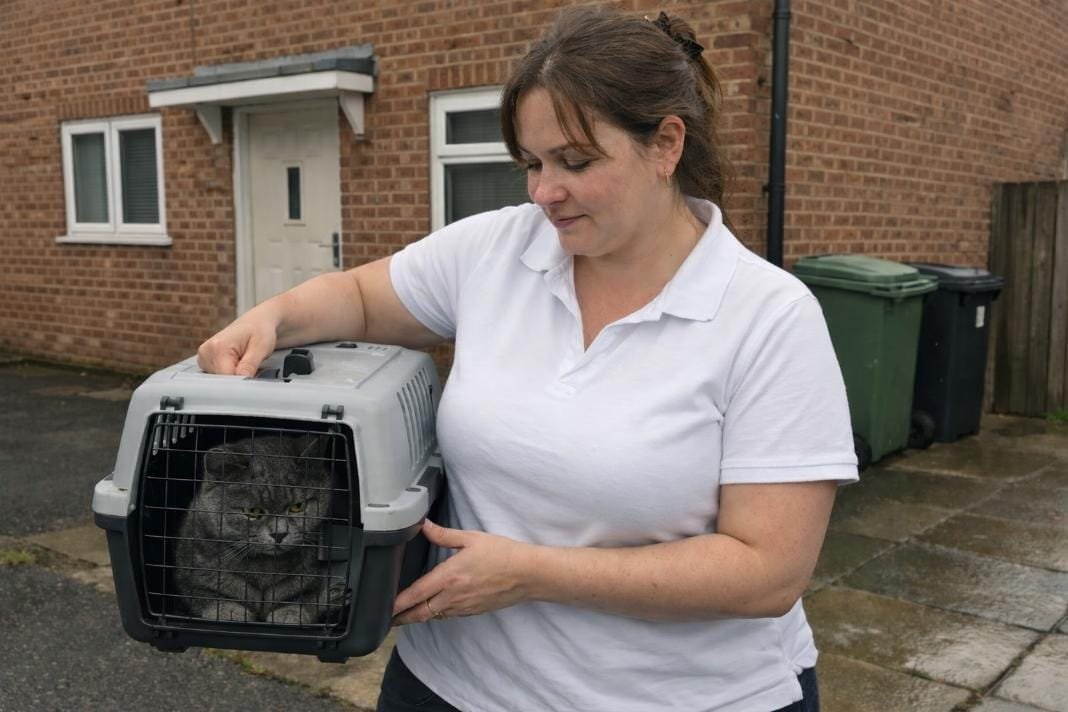
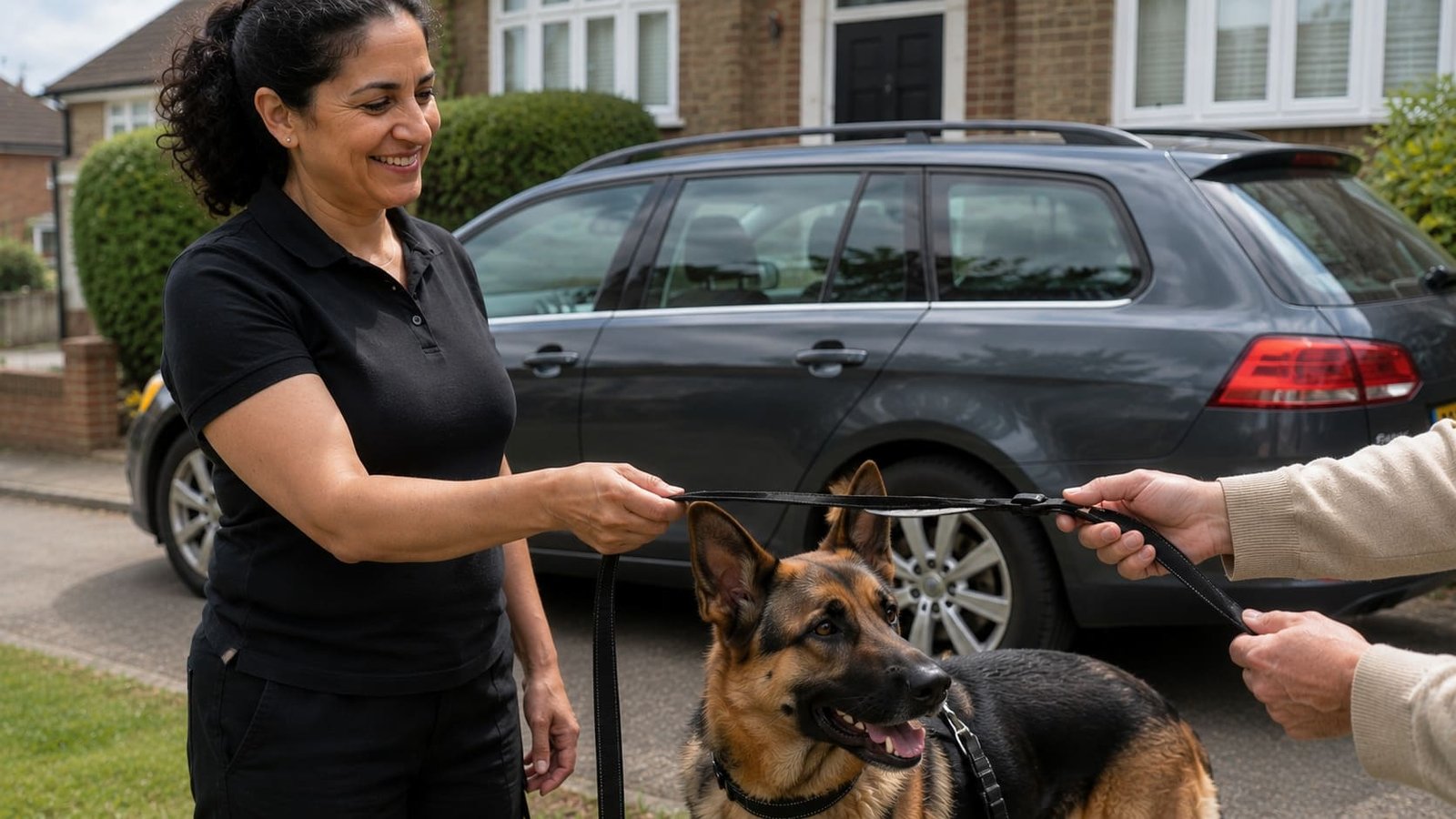
A Pet handler carrying or holding a pet crate outside – Illustrative Image
How to verify a pet transport company’s licence status
A licence only has value if it can be checked.
Start with what the company is willing to show in writing. A legitimate operator should be able to provide clear evidence of its licence or authorisation, including the issuing body, the relevant dates, and enough detail for the record to be matched to the business offering the service. If the business name on the paperwork does not align with the trading name being used, that discrepancy needs an explanation.
Useful points to check include:
- the full name of the licensed business
- the licence or authorisation number, where applicable
- the issuing authority
- the validity period or expiry date
- whether the document relates to live animal transport rather than general delivery work
Some records can be confirmed through official sources, including public registers where available or direct enquiries to the relevant authority. The purpose of that check is not to turn the owner into an investigator. It is to confirm that the paperwork belongs to the company in front of you and that the claim is current.
Red flags tend to be straightforward. A blurred certificate, reluctance to share a licence number, inconsistent company details, or claims of being “DEFRA approved” with no supporting evidence all deserve caution. Pressure to book quickly before those details are clarified is another sign that the verification should come first and the travel decision second.
Recognising when licensing alone isn’t enough
Licensing is a baseline, not a complete measure of suitability. It shows that a company meets a legal threshold, but it does not automatically tell you how well that company manages a long road process, a time-sensitive border crossing, or a nervous animal that does not travel easily.
Real-world competence shows up in areas that paperwork cannot fully capture. Handler training, welfare judgement, contingency planning, and the ability to manage changes during transit all affect the safety of the process. A company may hold the right licence and still be poorly prepared for a pet with medical needs, breed-specific considerations, or a complex international route.
That is why experienced professional pet transporters are often assessed on a wider picture. Tailored Pet Travel, for example, is known in this space for combining compliance with welfare-led process oversight, which means that the licence forms part of the picture rather than the whole story.
Once a process involves multiple stages, uncertain timings, or higher welfare sensitivity, the difference between minimum compliance and strong operational judgement becomes much easier to see.
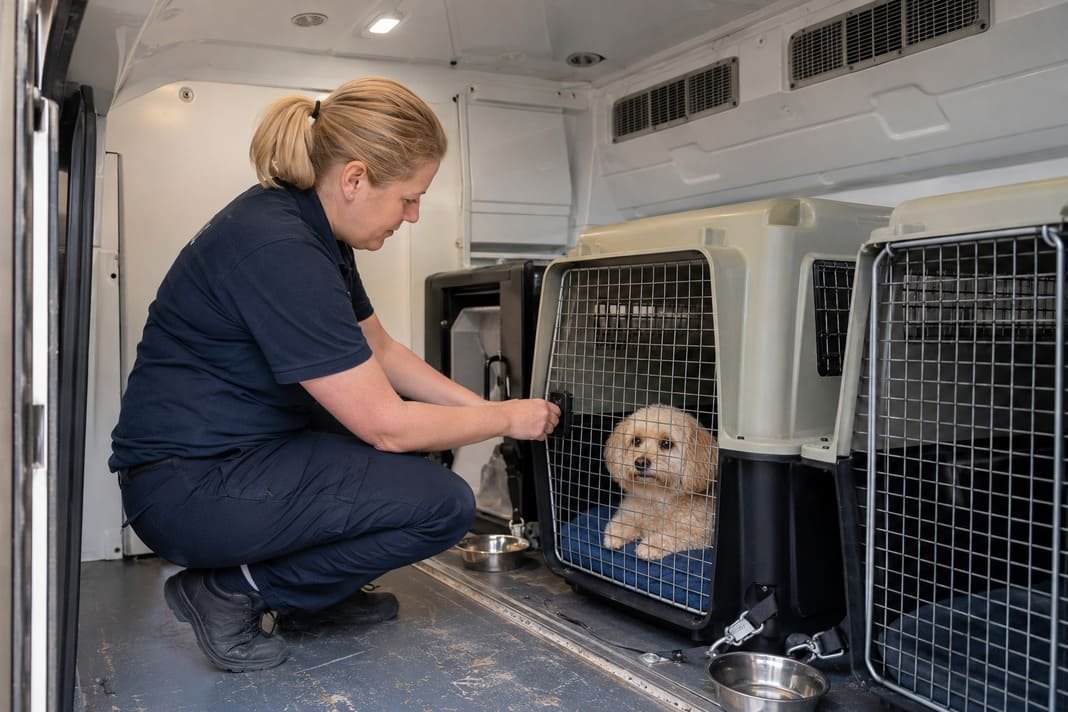
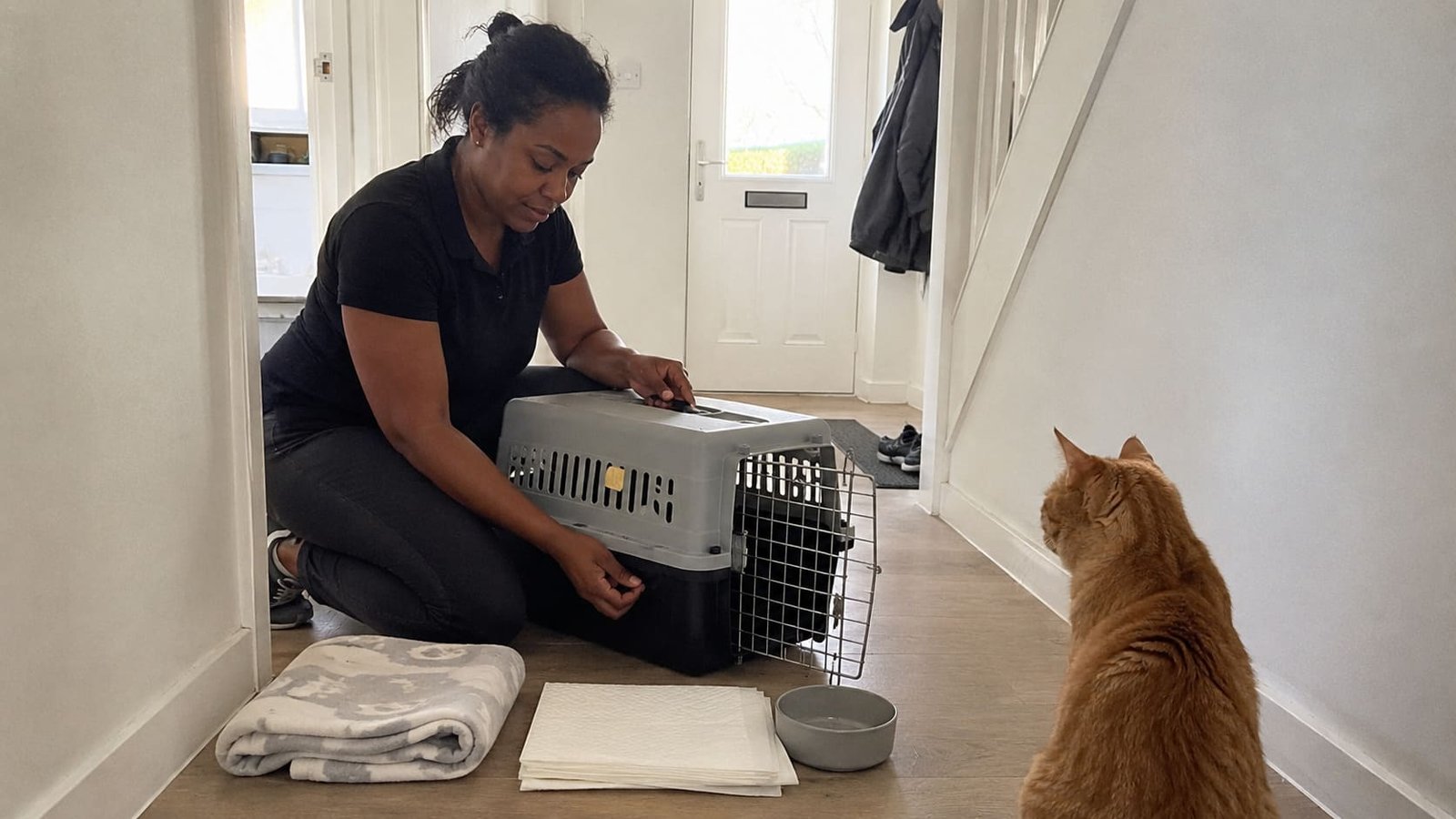
Safe pet handling before international animal transport
Common pitfalls and misconceptions when checking licensing
Many mistakes happen because people rely on language that sounds reassuring but means very little in practice.
- A courier licence is not the same as an animal transport authorisation.
- An expired document is not proof of current legal status.
- Overseas paperwork does not automatically cover UK transport activity.
- “DEFRA approved” can be a loose marketing phrase unless it is backed by valid, relevant documentation.
- Verbal reassurance is not a substitute for written evidence.
Misunderstandings also arise when owners assume that a social media presence, a branded vehicle, or prior customer comments confirm legal status. Those details may say something about visibility, but they do not replace due diligence. A lawful pet transporter should be able to connect its claims to formal records, and that standard matters most when timelines are tight or the trip is emotionally loaded.
What to do if you’re unsure about a company’s licensing
Doubt is a good reason to pause.
If the status of a company is unclear, a few measured actions can make the situation much easier to judge without rushing into a risky decision.
- Ask for written evidence of the relevant licence or authorisation, including dates and the issuing authority.
- Compare the business details on the document with the company name being used for the booking.
- Seek confirmation from the relevant official body if anything on the paperwork is unclear.
- Take a second view from an established professional pet transporter if the situation still feels uncertain.
- Delay the process decision if the answers remain incomplete or inconsistent.
A short delay is usually easier to manage than the consequences of handing an animal to a company whose legal position cannot be properly confirmed. Certainty matters more, not less, when travel dates are close.
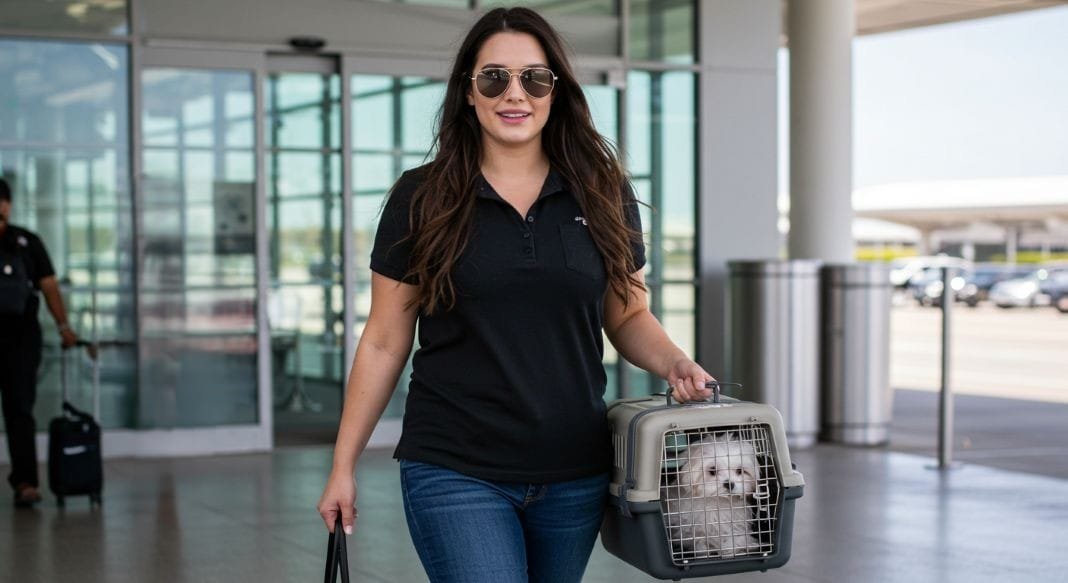
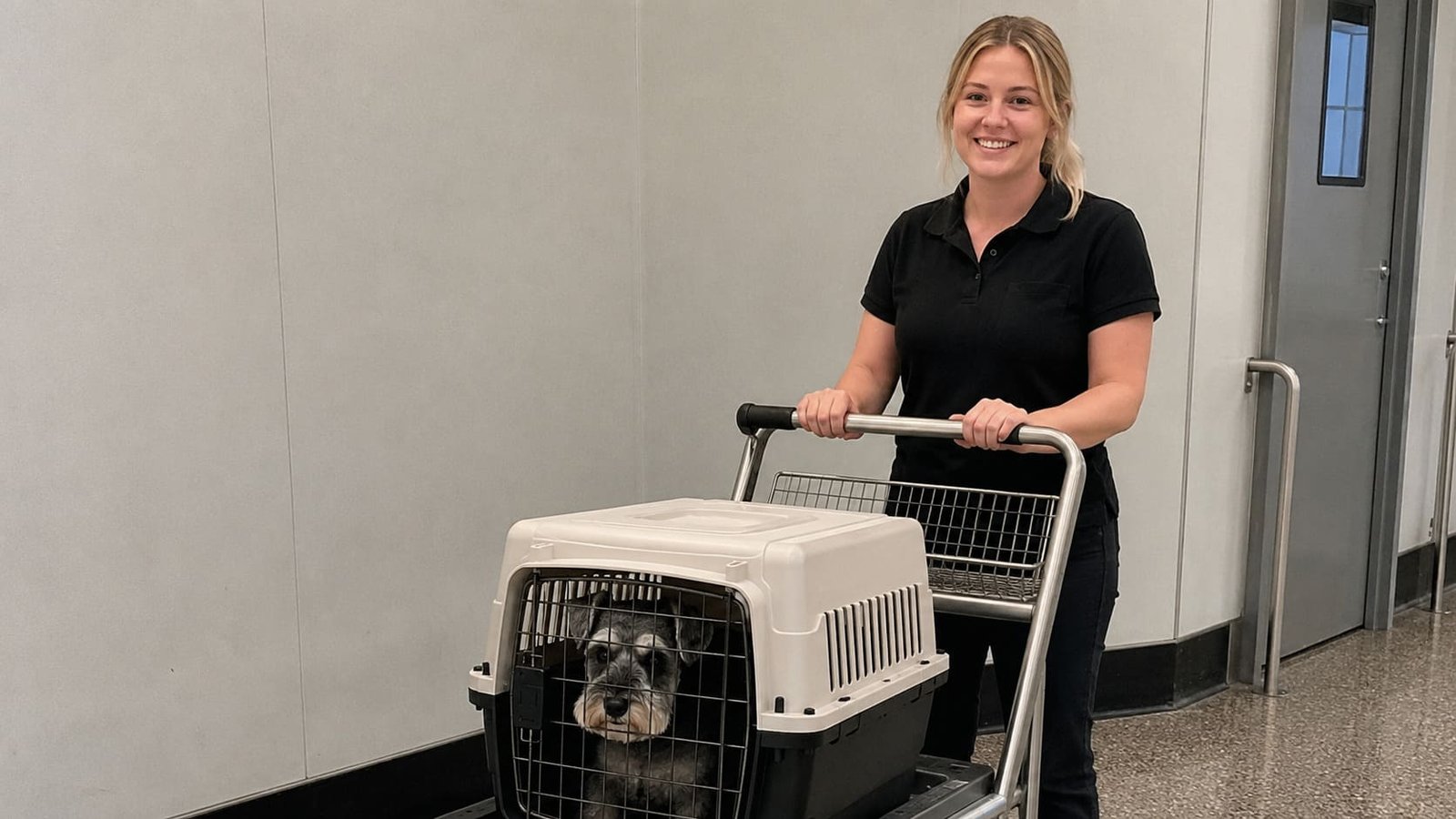
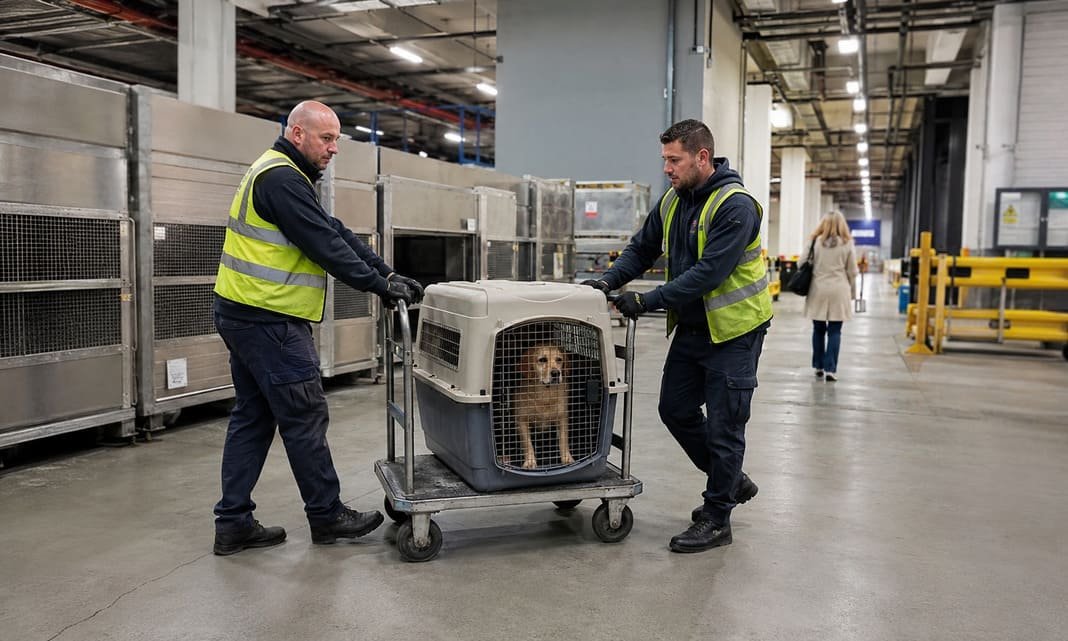
Airport pet handler moving a secure carrier during pet relocation logistics – Illustrative Image
Looking beyond licensing: building true confidence in pet transport decisions
A licence answers one important question, but owners usually need confidence on several fronts at once. They need to know that the process is lawful, that the pet’s welfare has been properly considered, and that someone is genuinely accountable from departure to arrival.
Trust tends to grow from alignment between paperwork, conduct, and judgement. A company that is properly authorised, clear about its role, and realistic about process risks gives a very different impression from one that leans on vague claims and hurried reassurance.
Complex trips make that distinction sharper. International routes, welfare-sensitive pets, and multi-stage travel plans all place more weight on communication and oversight as the process unfolds.
Seen that way, licensing is the starting point of a sound decision, and not the end of it. The strongest choices usually come from looking at the full picture and asking whether the company in front of you appears lawful, careful, and properly equipped for the responsibility of moving a live animal.