What documents and timing do you need to prepare when flying your cat from the UK to Asia?
Flying a cat from the UK to Asia involves a set of veterinary steps and official documents that must be completed in a specific order. The process begins with an ISO compliant microchip, followed by a valid rabies vaccination. A rabies blood test then confirms immunity. Many Asian destinations also require a defined waiting period. Some countries issue import permits as formal entry authorisations, and airlines apply their own rules for pet travel. The final UK document is the Export Health Certificate, issued once an Official Veterinarian verifies full compliance.
Here's What We Have Covered In This Article
Understanding the Real Requirements for Flying a Cat from the UK to Asia
Asian pet import systems are built around disease control, so they function through clear and detailed rules. Frameworks managed by APHA and DEFRA guide UK owners, while Official Veterinarians handle the certification stages. Airports rely on IATA procedures to manage the safe movement of live animals.
Asian countries run their own individual import rules. Since pet passports no longer apply outside Europe, owners must follow a step by step sequence where each requirement connects to the next. Seeing the journey as a timeline rather than a collection of forms helps make the process easier to follow.
Pro Tip: Begin crate training early because a calm and confident cat travels more easily and reduces airport stress.
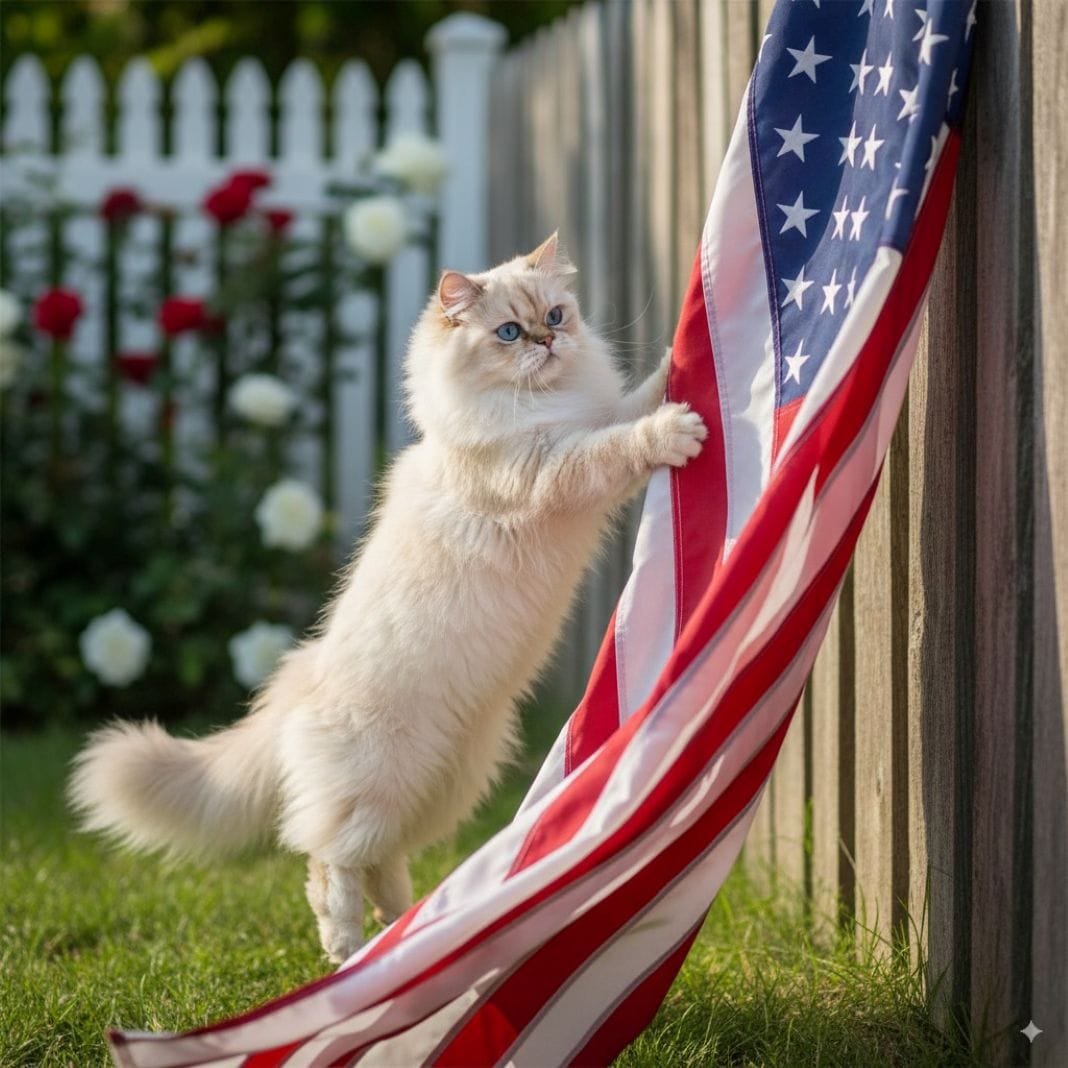
An AI photo of a persian cat awaiting pick-up.
Plan Your Cat’s Move with Expert Guidance
Preparing your cat for an international journey is easier with a specialist handling the documents, permits, and airline rules for you.
How Asian Pet Import Rules Work and Why They Are Stricter Than Europe
How the rule structures fit together
Asian import systems are shaped by biosecurity and disease prevention. Countries such as Japan and Singapore follow international guidance from the World Organisation for Animal Health. These systems classify nations according to rabies risk, and each classification involves different entry requirements.
Travel within Europe once felt simpler due to the pet passport scheme. Asian destinations use a structured chain of checks instead. These steps include vaccination, RNATT approval, mandatory waiting periods, and import permits. Some destinations place animals in quarantine on arrival, while others do not. The differences reflect local rabies control laws, wildlife conditions, and climate.
Understanding these structured layers helps owners see how each rule contributes to risk management.
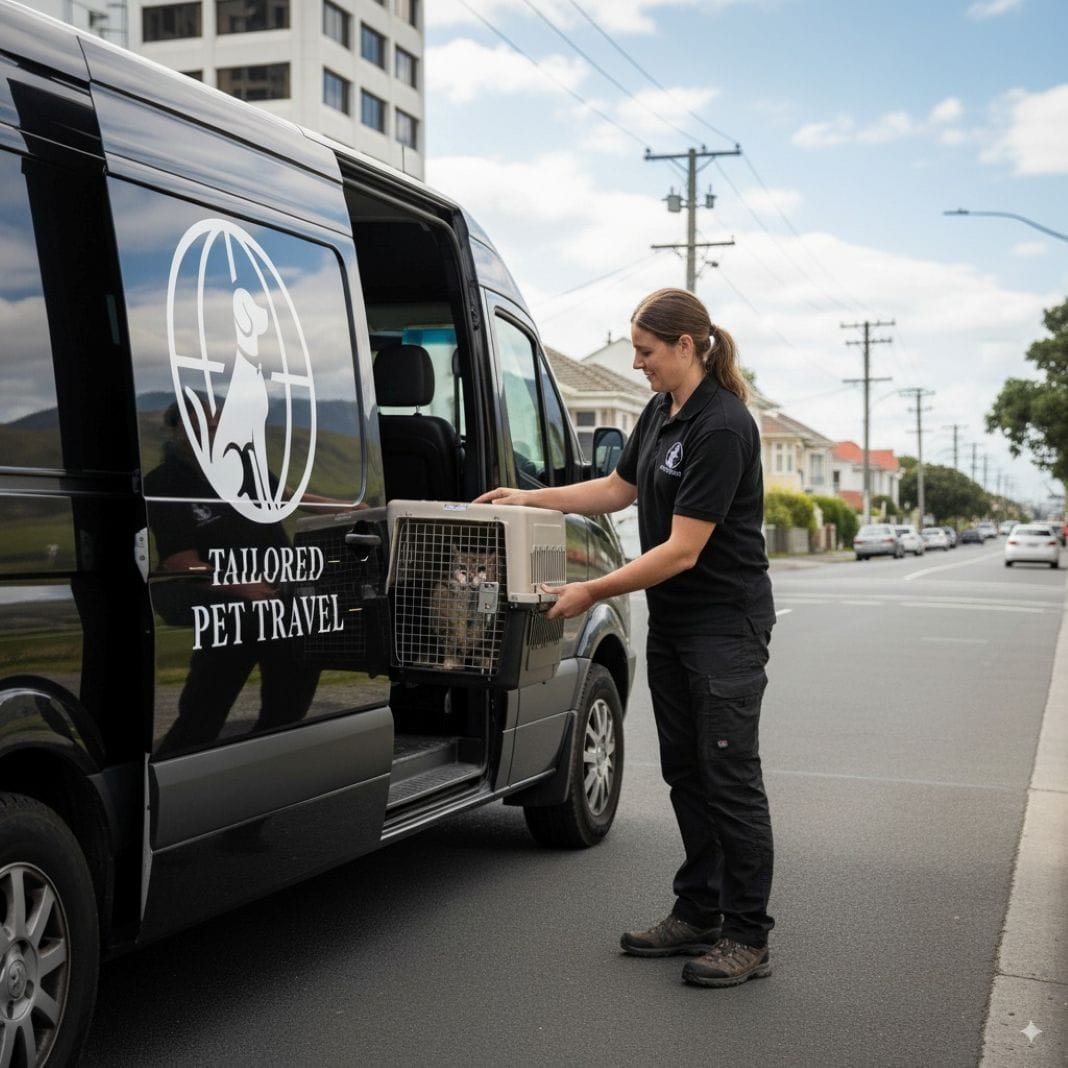
An AI photo of a pet handler professionally transporting a cat.
Microchipping and Vaccination Rules You Must Follow Before Leaving the UK
An ISO 11784 or 11785 compliant microchip must be in place before the rabies vaccination. The microchip provides the cat’s permanent identification, and all export documents reference this number.
Once the microchip has been scanned and recorded, the rabies vaccination can be administered. If vaccination occurs before the microchip is confirmed, the vaccine becomes invalid for export and the process must be restarted. Some UK clinics interpret vaccine validity periods differently, so checking dates is important.
These steps form the foundation of the entire export process. Errors here delay everything that follows.
Rabies Blood Test (RNATT): What It Is, When to Do It, and How Long It Really Takes
How the RNATT sample is processed
The Rabies Neutralising Antibody Titre Test, also known as the RNATT, confirms that your cat has developed enough immunity. A vet draws a blood sample and sends it to an approved laboratory. Before analysing the sample, the laboratory checks the microchip number and ensures the sample is suitable for testing. It then measures antibody levels and records the result on an official certificate.
Processing times vary because each sample must be handled with care. Some Asian destinations require a specific antibody level. If your cat does not meet the threshold, another vaccination and a repeat test are necessary.
The RNATT shows that your cat has reached the required level of immunity. Once the certificate is issued, you can move forward with the next steps.
Avoid Delays with Professional Document Checking
One small date error can delay your move. Let a certified pet travel expert review your entire paperwork sequence.
Required Waiting Periods Explained: The Timeline You Cannot Skip
Asian destinations often rely on specific validity windows and entry eligibility rules that tie directly to the RNATT and vaccination timeline. These destinations also require a waiting period after the RNATT certificate is issued. Waiting periods usually range from 30 to 180 days and may be calculated from the vaccination date, blood draw, or laboratory result.
If owners try to travel before the waiting period ends, entry will be refused. The combination of the RNATT result and the required waiting period determines the earliest legal travel date. Viewing this stage as part of a planning calendar helps owners organise their move and book flights confidently.
Import Permits for Asia: When You Need Them and How to Apply on Time
Import permit systems operate through structured approval timelines and documentation sequences that confirm compliance before travel. Many Asian destinations require import permits, which act as formal entry authorisations. These documents confirm that the cat meets all entry conditions. Authorities such as AVS in Singapore and MAFF in Japan issue these permits.
Permit applications often rely on completed vaccinations, RNATT certificates, and in some cases confirmed quarantine reservations. Processing times vary, so applying too early or too late can cause delays. Submitting the application at the correct time keeps the process running smoothly.
Thinking of import permits as authorisations that unlock only when prerequisites are met helps owners understand the correct order.
The Export Health Certificate: Your Final UK Document Before Flying
The Export Health Certificate is the last UK document issued before departure. An Official Veterinarian completes this certificate within a fixed window, usually between 48 and 120 hours before the flight.
The appointment involves a health examination and a detailed review of all records, including vaccination documents, RNATT results, and import permits. Airlines rely on accurate information on the certificate, and mistakes may lead to delays at check in.
Once the certificate is printed and signed, all UK requirements are complete.
Airline and Transit Country Rules UK Pet Owners Forget to Check
Airlines and transit hubs use routing restrictions, live animal handling facilities, and carrier acceptance guidelines to determine how pets move through their networks. Airlines set rules that determine how cats may travel. Some carriers allow cabin travel, while others accept pets only as cargo. All airlines follow IATA Live Animal Regulations, which form the global standard for animal air transport. These regulations define crate dimensions, ventilation levels, construction standards, and labelling requirements.
Transit countries may have their own rules. Some airports do not allow live animal transfers at all. Others require supporting documents. Some hubs require proof of the RNATT result or vaccination record even when the cat does not leave the aircraft. Flights passing through hot regions may face seasonal temperature limits.
Understanding these rules early helps prevent issues during travel.
Your Full Preparation Timeline: From Six Months Before Departure to Travel Week
This preparation journey involves several scheduling checkpoints and coordinated booking stages that help owners stay ahead of deadlines. A clear preparation timeline helps owners stay organised. Six months before travel is usually the best time to microchip, vaccinate, and schedule the RNATT. After the RNATT certificate is issued, the waiting period begins.
In the months that follow, owners can apply for import permits, book flights, prepare travel crates, and begin crate training. As travel week approaches, the final vet appointment, document checks, and airline confirmations take place.
This structured approach provides a straightforward route from start to finish.
The Most Common Mistakes That Delay Cat Travel to Asia and How to Avoid Them
Many issues arise from mis-sequencing, invalid documentation, or incorrectly recorded entries during compliance review. Several mistakes frequently delay pet travel. If the microchip is implanted after the vaccination, the vaccination is invalid. Incorrect dates on documents can create problems at inspection. Delays occur when RNATT samples require extra processing time. Missing documents affect import permit approval. Airlines may refuse travel if the crate does not meet IATA standards.
These mistakes are common and usually unintentional. Knowing about them early helps owners prepare more confidently.
Final Checks Before Departure to Make Your Cat’s Flight Go Smoothly
During the final days before travel, owners should review all documents, confirm flight details, prepare the crate with familiar bedding, and follow feeding guidelines. Calm and organised preparation helps reduce stress for both the owner and the cat.
Airline staff and live animal terminals follow established procedures. With complete paperwork and a well prepared crate, the final steps of the journey tend to run smoothly.
When Using a Professional Pet Transport Company Can Make the Process Easier
Some owners choose professional assistance when timelines are short or the process feels complex. APHA authorised agents and DEFRA approved handlers can take charge of document preparation, routing, and communication with airlines.
A company such as Tailored Pet Travel can support owners through each stage of the process. This option provides reassurance when guidance is needed or when travel arrangements are complicated.
Pro Tip:Keep digital copies of every document in one folder so you can access them instantly during vet visits and airline checks.