Can pets travel alone without their owners in the UK?
Yes, pets can travel alone in the UK under specific legal and welfare conditions. Whether due to relocation, work, or other life changes, pet owners are increasingly using professional pet transport services to send their animals unaccompanied. With the right paperwork, route, and support from licensed specialists, your pet’s solo trip can be both legal and safe.

Here's What We Have Covered In This Article
Why you might need to send your pet without you
Life doesn’t always let you travel with your pet. Some common examples include:
-
Visa delays or incomplete paperwork
-
Urgent moves or unexpected changes at home
-
Medical issues that restrict your travel
-
Moving house with pets arriving later
These situations often leave owners feeling uncertain or even guilty. But this kind of arrangement is more common than many people think. Airlines and reputable pet transport services manage it daily.
Sending your pet on their own is not careless. With a well-planned approach and proper support, it’s a responsible option.
Pro Tip: Always double-check the 5-day rule to avoid accidental commercial classification.

Book Safe Pet Transport
Let our experts handle your pet’s journey with care, from collection to arrival.
Can pets legally travel alone in the UK? Here’s the truth
Yes, they can, but it has to be done properly. UK and international laws outline clear rules to ensure safety and compliance.
What the law says
Key points include:
-
The 5-day rule: Pets must arrive within five days of their owner for the trip to remain non-commercial
-
Authorised person: Someone else can act on your behalf with the right paperwork
-
Commercial status: If the pet and owner don’t travel within that window, the move becomes a commercial transport
-
DEFRA-approved carriers: Only certain routes and couriers are allowed
-
Pet export rules apply for certain destinations
Staying within these rules avoids customs issues or legal complications.
Understanding the 5-day rule: owner vs. unaccompanied pet transport
This rule is often overlooked, but it’s critical.
What does it mean?
Your pet needs to travel within five days before or after you. If that doesn’t happen, it’s legally defined as a commercial shipment.
Why it matters
This changes the process:
-
You must use a registered courier
-
Extra customs forms and vet checks apply
-
Your documents need to reflect commercial status
Can someone else help?
Yes. You can assign an authorised person, and their details must be included with your paperwork.
Sample timeline
-
You fly on 1 July
-
Your dog travels on 3 July, which is counted as a non-commercial move
-
Your dog travels on 10 July, which is now classed as commercial
Knowing this helps you avoid rebooking or legal issues.

How UK pet transport specialists handle solo pet travel
Transport companies offer full-service support to keep the process smooth. They usually:
- Collect your pet from your home or another agreed location
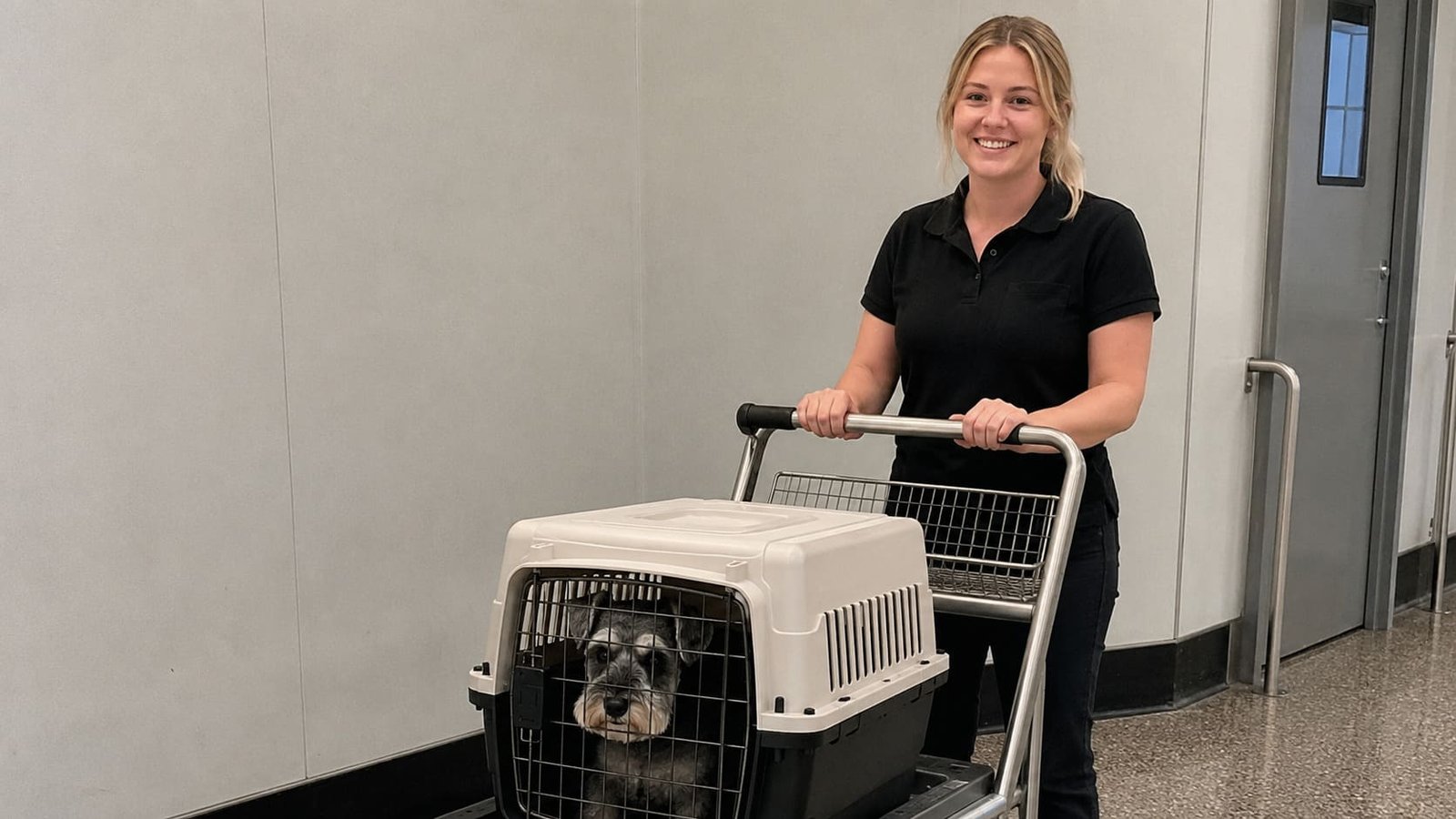
- Use IATA-compliant crates sized correctly for safety and comfort
- Book approved air or road transport
- Handle DEFRA forms and customs clearance
- Send travel updates to keep you informed
Welfare is at the heart of what they do. Most providers have trained staff to monitor pets throughout the process. Pet welfare in transit is a top concern at every step.
Air vs road vs sea: the safest way for your pet to travel alone
Every pet is different. Choosing the best method depends on your pet’s health, temperament, and the destination.
By air
- Fastest for long distances
- Pets travel in climate-controlled cargo holds via pet cargo services
- May cause stress for anxious animals
By road
- Good for shorter trips
- Allows comfort breaks and more human interaction
- Slower than flying, but often less stressful
By sea
- Less common due to limited ferry availability
- Often requires your presence on board
- Not all ferry companies accept unaccompanied pets
- Routes like DFDS or Brittany Ferries may allow pets but with restrictions
- Bookings typically require confirmation of crate type and prior check-in
- Longer wait times at terminals are common, and boarding times can vary
Speak to your courier about what’s best for your animal.
Need Help With Travel Paperwork?
We’ll sort the documents, timelines and logistics so you don’t have to worry.
Documents, crates and rules: what you need to prepare
Proper preparation avoids delays. Here’s what you’ll need:
- Get an Animal Health Certificate from your vet
- Make sure vaccinations are up to date, especially rabies
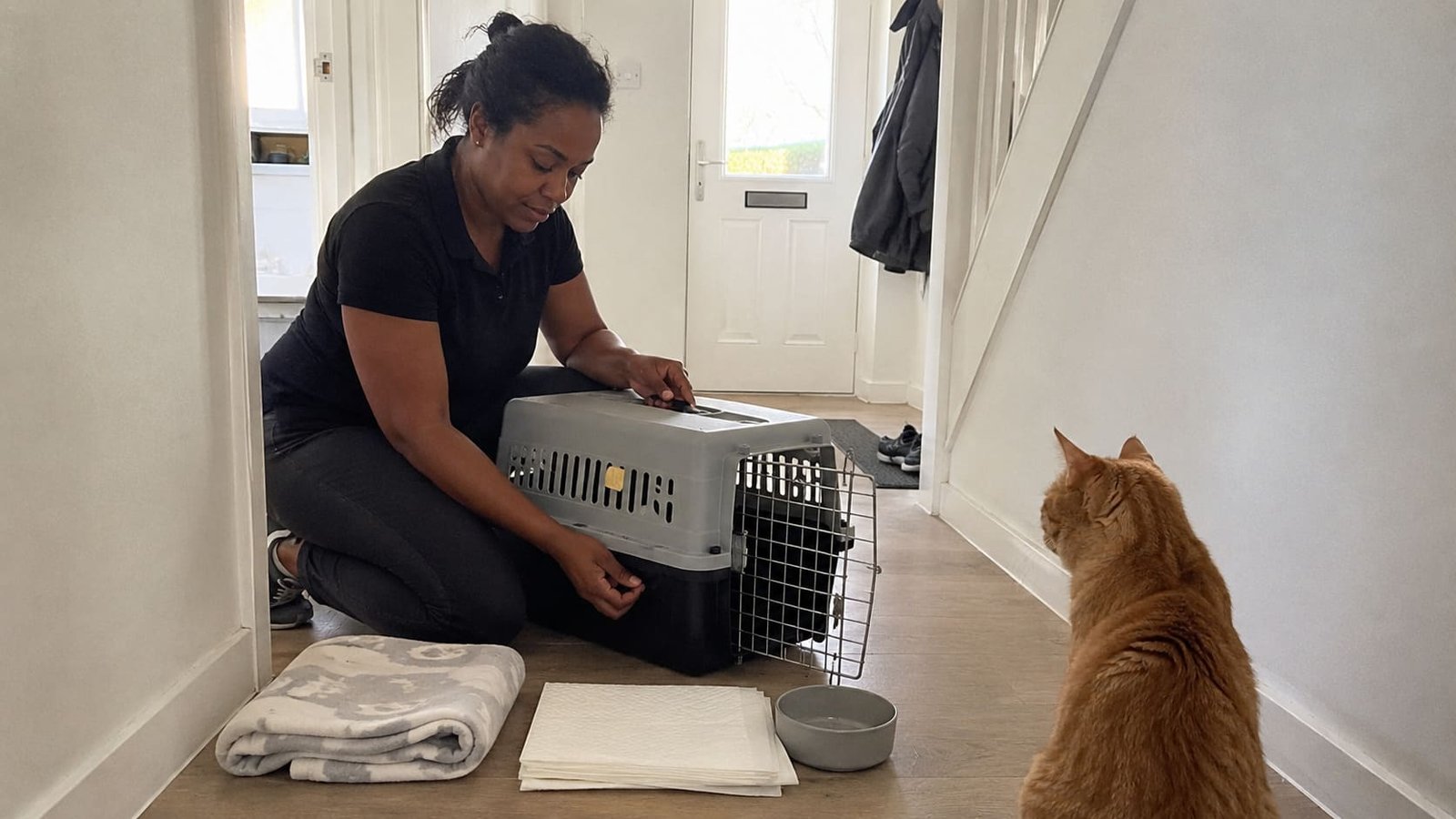
- Choose a crate that meets IATA and airline size standards
- Secure transport confirmation with an approved provider
- Prepare authorisation paperwork if someone else will deliver or collect your pet
Book your vet appointment early. Many clinics require at least two weeks’ notice.
What happens to your pet in transit (when you’re not there)
Here’s what typically happens on the day of travel:
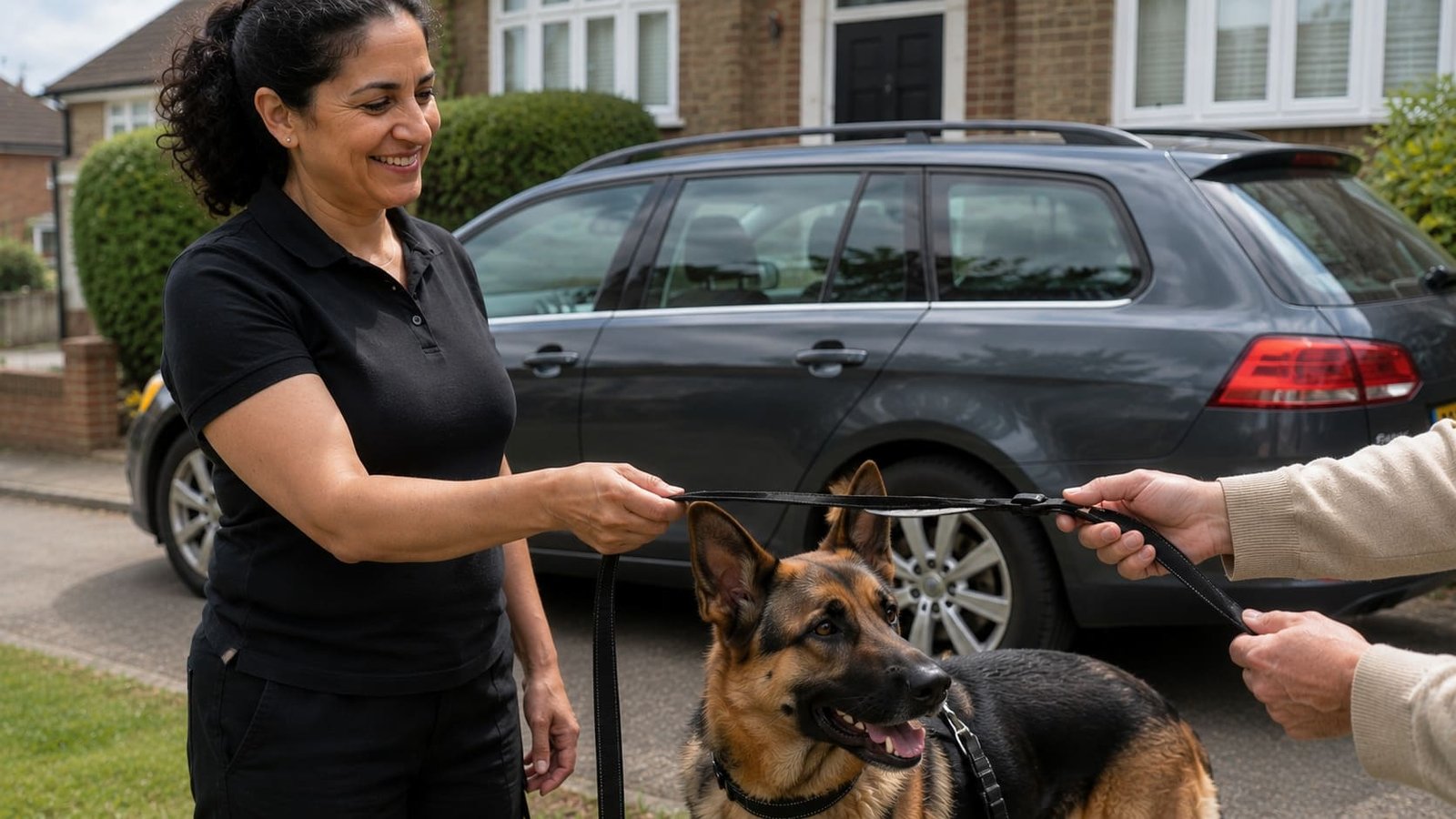
- Collection: Courier picks up your pet as planned
- Check-in: Crate and paperwork are inspected
- Travel: Your pet is secured in a climate-controlled van or aircraft hold
- Layovers: Staff monitor pets during transfers if there’s a stop
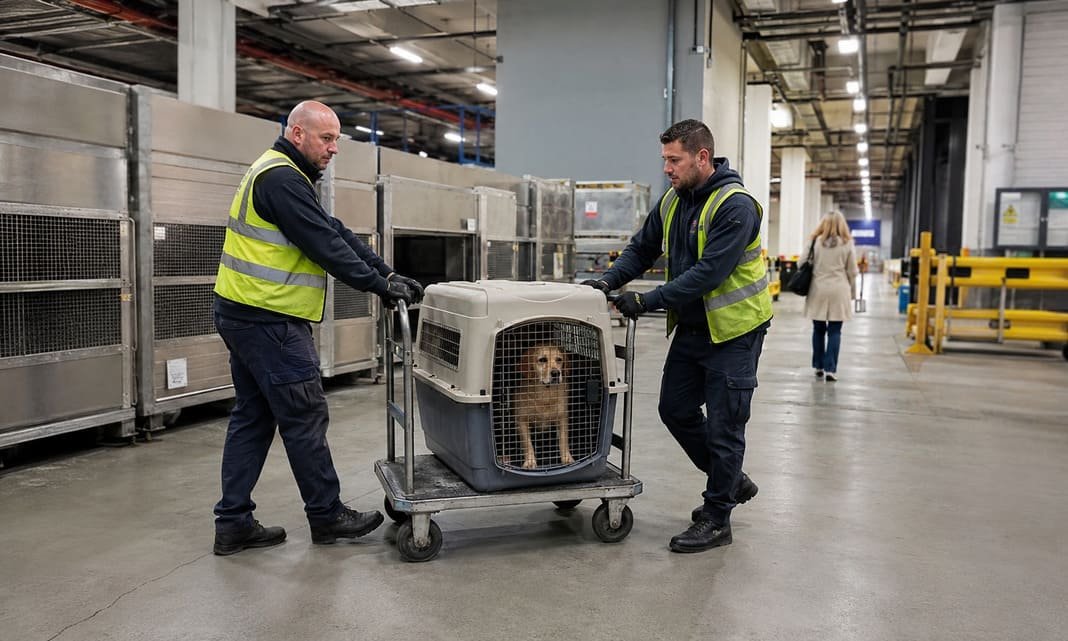
- Arrival: Handlers collect the crate and move your pet to the authorised centre, such as Heathrow’s Animal Reception Centre
Many services provide real-time updates by SMS or email.
The APHA (Animal and Plant Health Agency) also helps ensure pets are correctly documented for import and export.
Pro Tip: Crate training your pet a week before travel can reduce anxiety during transit.
Costs, timelines and what to expect with UK pet transport
Several factors affect the cost:
- Distance and method of transport
- Pet size and crate type
- Add-on services like vet visits or customs support
Approximate prices
- Small dog to Spain by air: £750 to £1,200+
- Cat to France by road: £450 to £900+
Try to book four to six weeks before travel. Making last-minute changes may increase costs.
Choosing a pet transport company: questions to ask and red flags
Ask the right questions to avoid problems:
Ask this
- Are you DEFRA authorised?
- Do you give tracking updates?
- Can I see the crate you’ll use?
- Who completes the customs forms?
Avoid this
- Vague replies or missing details
- Low prices that seem unrealistic
- No information about health checks or welfare steps
A good service will always explain how they protect your pet.
What to do next: secure, safe transport for your pet
To move forward:
- Choose your dates and check when your pet needs to travel
- Schedule a vet appointment for the Animal Health Certificate
- Contact a pet courier who understands the legal process and emotional side
The right help makes travel safer and less stressful for both you and your pet.