Why do pets get refused at airport check-in, and how can it be avoided?
Pets are often refused check-in due to preventable problems with paperwork, equipment, or welfare standards. These issues usually arise from misunderstandings about airline or border requirements, incorrect documentation, or unsuitable travel conditions for the animal.
A pet being turned away at the airport is not just inconvenient. It is often distressing, expensive, and disruptive to wider relocation or travel schedules. These refusals are rarely random. They typically stem from details that were misunderstood, incorrectly timed, or overlooked entirely.
The most common reasons include:
- Documentation errors: Even minor issues with paperwork timing or format can invalidate travel plans.
- Improper crates: Crates that do not meet size, ventilation, or structural standards often lead to refusal.
- Welfare concerns: Animals showing distress, signs of sedation, or being unfit for travel may be denied boarding.
- Breeds and policy mismatches: Certain breeds or species may be refused due to carrier restrictions or individual route rules.
- Timetable or routing conflicts: Missed certificate windows, incompatible connections, or transit country rules can all trigger a refusal.
Each of these problems is avoidable with the right oversight and preparation.
Here's What We Have Covered In This Article
Documents must be exactly right to not just present
Pet travel documentation is a precisely timed chain of approvals, each with strict conditions. A pet may have all the required documents yet still be refused if one is out of date, incorrectly formatted, or not accepted by the destination country.
Animal Health Certificates (AHCs), for example, are only valid for a short window for travel to the EU and must be issued within a strict time frame before departure. A certificate issued too early, even by one day, presents enough reason for border control to deny entry.
Pet passports are not always accepted, depending on the issuing country. Post-Brexit, UK-issued EU passports ceased to be valid for re-entry into the Union, yet outdated information online still causes confusion.
Rabies certifications must meet country-specific waiting periods. A vaccination done too recently may not allow for legal entry, even if the pet is fully immunised.
Owners also encounter problems with import permits. Requirements vary across countries and can change with little public notice. Relying on past travel experience or unofficial guidance increases the chance of crossed wires.
A small documentation oversight does not feel small when faced with refusal at the terminal. Precision here is not just helpful. It is often the difference between departure and delay.
Pro Tip: Review all policies for every airline and stopover country, not just the final destination.

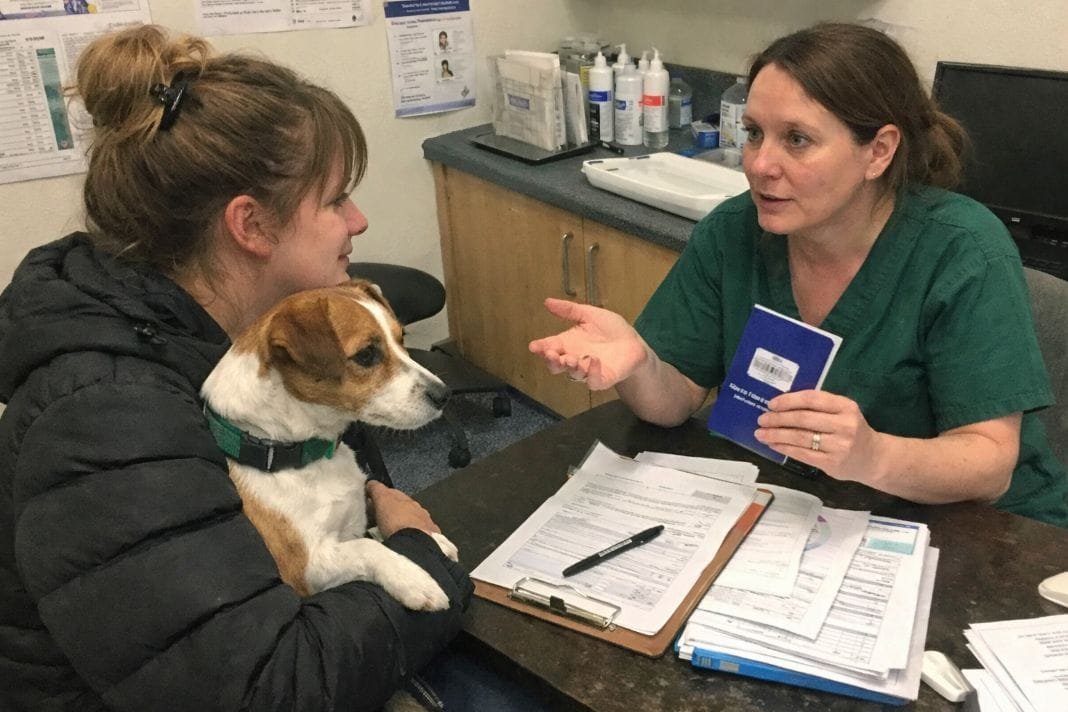
An illustrative image of a dog pre-travel vaccination
Plan Your Pet’s Journey with Confidence
Ensure every detail of your pet’s travel is handled correctly and stress free. Let our expert team guide the process from start to finish.
Travel crates must meet both airline rules and welfare needs
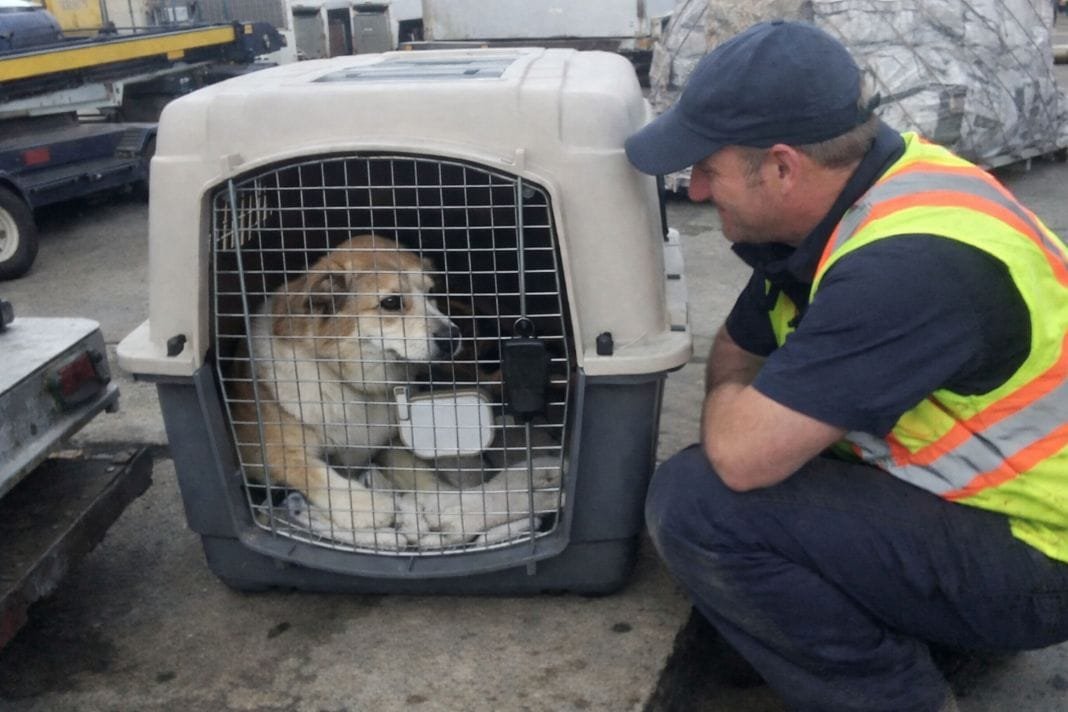
A compliant crate must do more than fit a checklist. It must provide a physically secure, appropriately sized, and well-ventilated space that satisfies both airline expectations and animal welfare regulations. The crate is not treated as an accessory. It is assessed separately and can singlehandedly cause a refusal.
IATA-compliant crates are the global baseline for air transport. These standards specify structural integrity, lock systems, ventilation, and internal comfort. However, individual airlines may layer additional expectations. A crate that passes IATA inspection may still be denied at airline level if deemed unsafe, too small, or unsuitable for the breed.
Key failure points include:
- Crates that are too tight for the animal to stand, turn, and lie down comfortably
- Structural issues like faulty latches or insufficient ventilation
- Improvised or modified crates that do not meet IATA specifications
- Crates introduced to the pet too late, resulting in stress at check-in
Acclimatisation matters. An animal that appears panicked within a technically correct crate may be treated as unfit to travel. Airlines reserve the right to refuse on this basis.
Crates are not checked casually. They are inspected as part of regulated checks, and poor compliance risks immediate refusal without refund.
Airline and route-specific policies are not universal
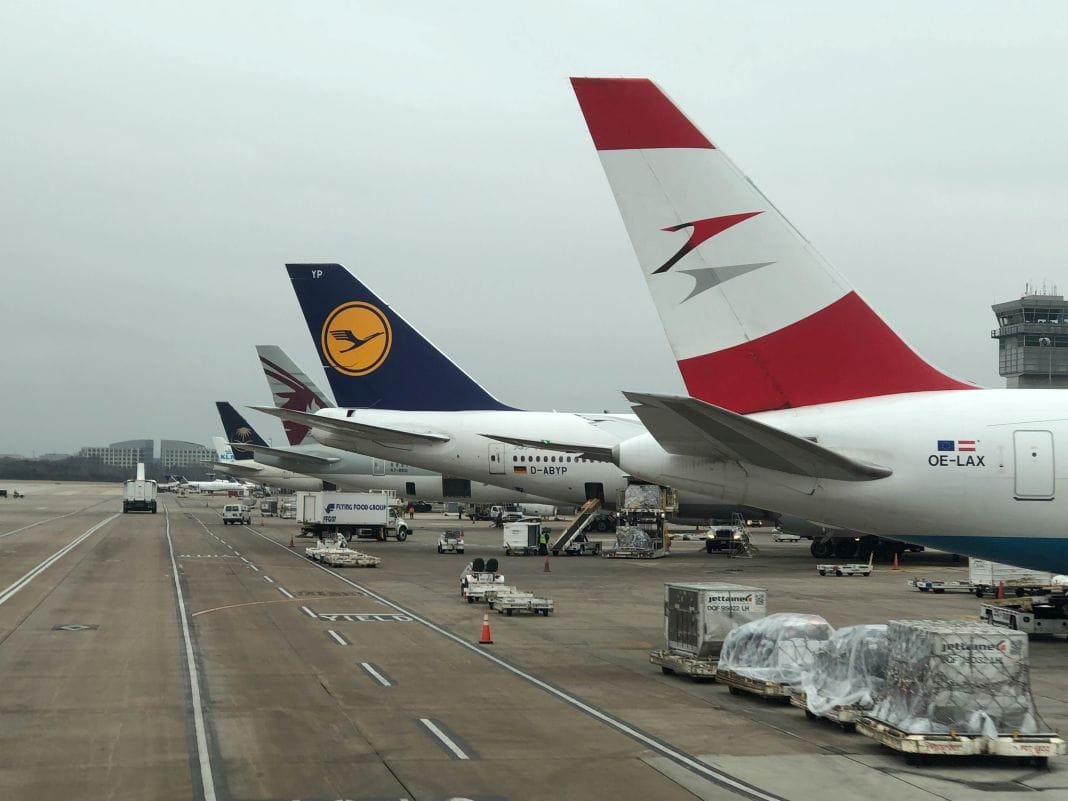
Assuming pet acceptance is standard across airlines and routes leads to last-minute surprises. Carriers apply distinct rules depending on aircraft type, time of year, destination import restrictions, and their own policies.
Breed restrictions can be particularly unexpected. Some carriers refuse brachycephalic (flat-faced) animals due to respiratory risk during flight. Others apply bans only seasonally, depending on temperature conditions.
Transport method matters. Some airlines allow small pets in the cabin, while others require travel in the hold or cargo. This may also vary by international route or regulatory environment around specific transit hubs.
Transit stops present further issues. A pet may have clearance to enter the final destination but still require approval for interim stops in non-EU or high-regulation territories. These secondary clearances are often missed in owner-led planning.
Seasonal embargoes apply too, commonly during periods of extreme heat when animal transport is suspended for welfare reasons. Assuming that a route was permitted last year does not guarantee approval this year, especially during summer peaks.
Route-level planning must be specific, current, and adjusted to each movement, not each airline.
Need Help for a Solo Pet Flight?
Travelling separately from your pet? We manage regulated handovers and timing, ensuring your pet arrives safely and on time.
Timing errors around health checks can undermine everything else
Documents can be correct in content yet invalid because of poor timing. Travel authorities enforce strict intervals around rabies vaccinations, titres, and health certifications, particularly before international departures.
For example, many destinations require a rabies vaccine at least 21 days prior to travel. Administering it too close to the travel date, even if the animal is healthy, triggers automatic denial.
Health certificates usually have expiry windows, some as short as 10 days from issue. If the certificate lapses while travel is delayed or rescheduled, reissue becomes mandatory.
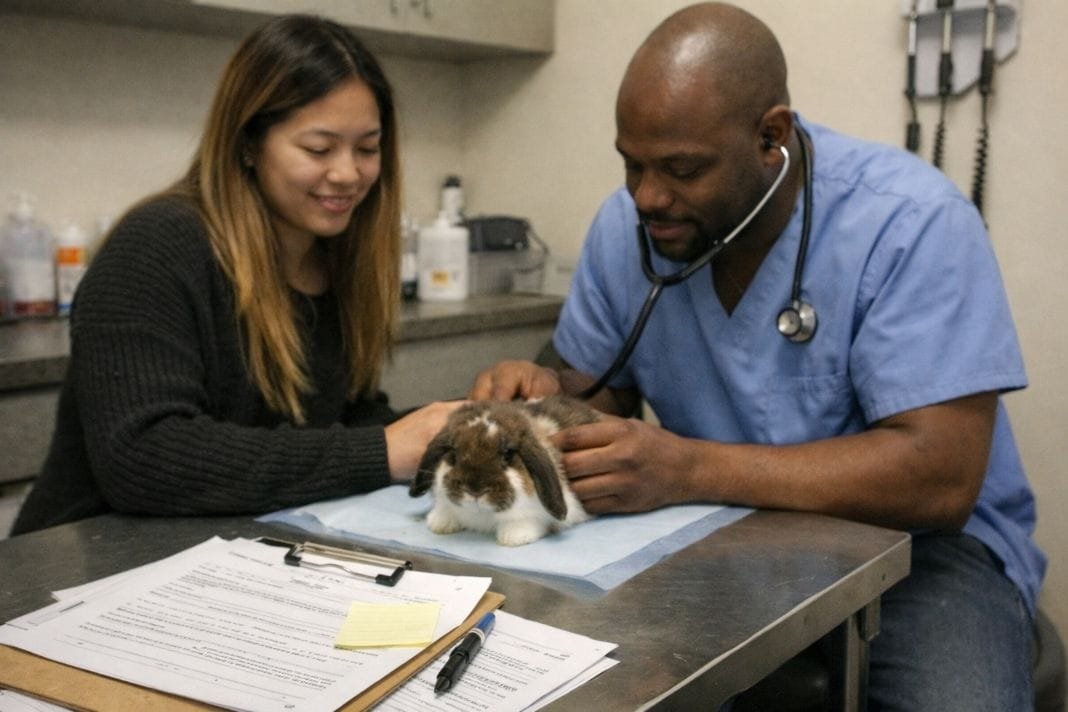
Timing also intersects with veterinary access. Aligning vet appointments with such narrow windows can prove difficult, especially during holiday periods or around airline flight availability.
Owners of very young, elderly, or medically complex pets must consider additional constraints. Some destinations or airlines apply minimum age limits. Others require certifications declaring the pet fit to fly, a document that must itself be dated within an acceptable timeframe.
These timings are not flexible. They are enforced at the check-in desk and again by border control. Misalignment results in refusal, regardless of intent or effort.
Pro Tip: Acclimatise your pet to the travel crate over several weeks to help reduce visible distress at check-in.
Behaviour and welfare can trigger refusal despite correct paperwork
An airline’s duty of care to animals includes the capability to prevent travel if the pet appears unable to cope. This assessment sits alongside document checks and crate approval.
Animals showing signs of distress, panting excessively, vocalising uncontrollably, or becoming physically aggressive due to fear, may be retained for their own safety and that of others. No amount of valid paperwork overrides visible distress or perceived unfitness to travel.
There is sometimes a mistaken belief that sedation enables easier travel. However, sedated animals are frequently refused, as sedation can mask distress, destabilise body temperature, and complicate care during flight.
Crate acclimatisation is key here. Pets should be able to remain calm inside their crate for extended periods without visible anxiety. This often takes place over weeks, not days.
Breed and behavioural issues can also shape readiness. Some breeds require special handling, and certain exotic or high-energy animals do not adapt well to the sensory environment of airports or cargo bays.
Airlines are increasingly prioritising welfare visibility at check-in. A calm animal, familiar with the travel crate, increases the likelihood of boarding approval. Welfare is not just ethical. It is inspected as a compliance metric.

When expert involvement becomes the safer option
Pet travel reaches a challenge level where the margin for error narrows quickly. This often occurs with international relocations, multi-leg journeys, high-anxiety pets, or when something has already gone wrong.
If even one document leading to check-in is ambiguous, late, or based on unverifiable guidance, the risk of refusal increases substantially. Add in overlapping time zones, strict import regulations, or unfamiliar transit hubs, and professional oversight shifts from helpful to necessary.
Situations where expert coordination becomes the responsible step include:
- Departure within weeks, with little room for timing errors
- Travel involving multiple pets, species, or destinations
- Rejected entry or refused boarding on a previous attempt
- Unclear document guidance from consulates or carriers
- Travel involving breeds with restricted or special handling controls
In these moments, logistical certainty and regulatory accuracy are not optional. They shape whether an animal departs at all.
Customised Pet Travel supports pet owners in managing not just the logistics, but the consequences of challenge. For clients facing uncertain guidance, medically sensitive pets, or time-sensitive departures, this oversight lowers the chances of sudden refusal.
Final thought
Getting a pet to the check-in desk is not the same as getting them through it. The difference lies in how well the process aligns with rules, both visible and hidden.
For owners facing tight timelines or multi-country movements, attention to documentation, crate compliance, route policy, and welfare readiness becomes more than detail. It defines success or failure on departure day.