
Do you really need professional pet transport for a house move, or is driving your dog yourself enough?
Driving your dog yourself can be perfectly reasonable for some house moves, especially if the process is short, familiar, and easy to manage. The picture changes if the trip is long, stressful, time-sensitive, cross-border, or complicated by paperwork, health concerns, or multiple animals. The right choice usually comes down to welfare, safety, and how much risk sits inside the move itself.
Here's What We Have Covered In This Article
Understanding the Realities of Moving Pets by Car
Many owners assume that if a dog is fine on an ordinary trip to the vet, park, or groomer, the same dog will cope well on moving day. A house move often changes the whole context. Boxes, removals teams, open doors, altered routines, and unfamiliar routes can turn a simple drive into a much harder experience for an animal.
Routine car travel and relocation are not the same thing. Dogs pick up on disruption quickly, and pet anxiety can rise before the process even begins. Noise, waiting around, changes in feeding times, and tension in the household can all affect how settled a dog feels once the car door closes.
Travel safety also deserves more thought than many people expect. The UK Highway Code makes it clear that animals should be suitably restrained in vehicles so they cannot distract the driver or injure themselves. DEFRA guidance and wider animal welfare guidelines sit behind the same principle: transport should protect the animal from avoidable stress, injury, and escape.
Common problems often look small until they happen:
- A dog slips out through an open car door at a new address.
- Loose items in the vehicle shift and create a hazard during braking.
- An anxious pet pants heavily, refuses water, or becomes distressed in traffic.
- A long day of loading and delays leaves the dog travelling much later than planned.
Some pets cope well with unfamiliar routes. Others become unsettled as soon as the usual landmarks disappear. A calm Labrador on a weekend drive may react very differently after six hours of packing noise, missed naps, and a car full of possessions.
Vehicle preparation matters too, although many owners think mainly about luggage space. A cramped back seat, poor ventilation, or a boot filled around a crate can change the process from manageable to uncomfortable. Once the move itself is already demanding, that added pressure can be enough to tip a dog from mildly uneasy into clear distress.
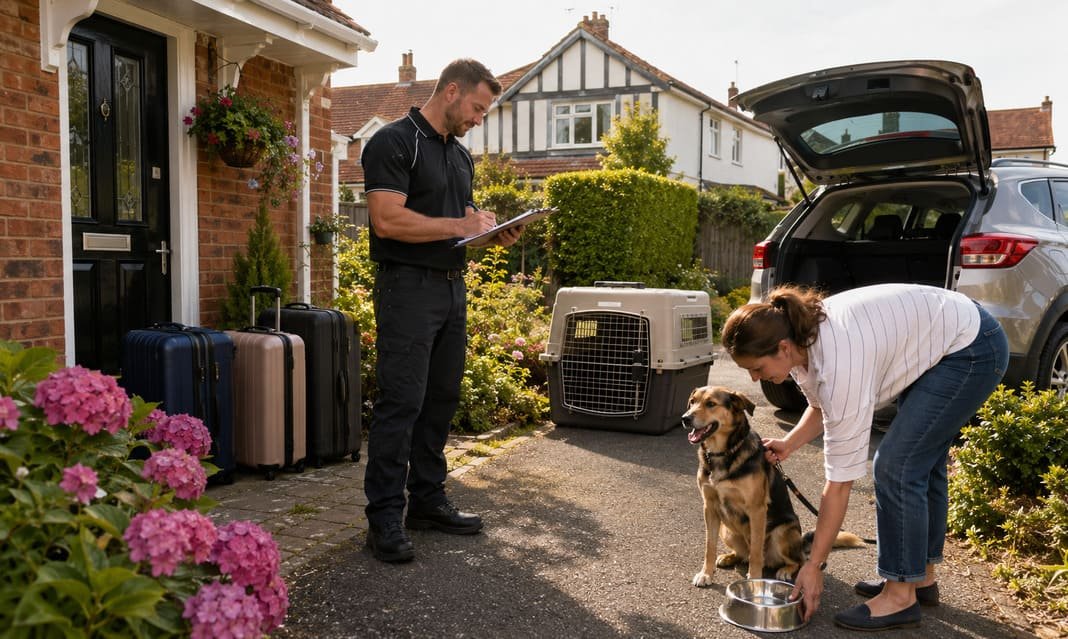
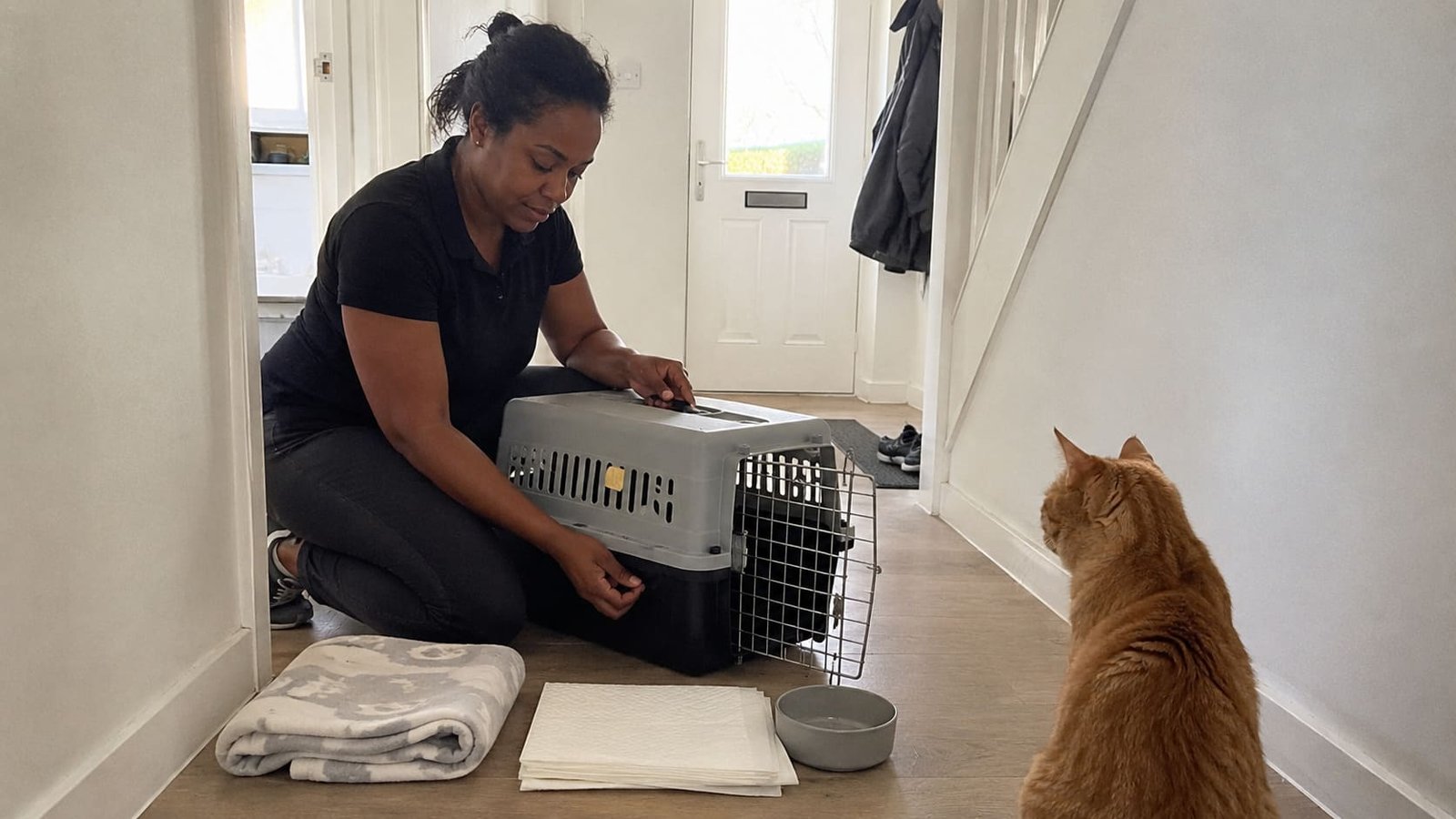
Home pet collection for stress-free relocation service
When Professional Pet Transport Becomes Necessary
Certain moves sit well beyond the point where driving with a dog is simply a matter of getting from one home to another. In those cases, professional pet transport becomes less of a convenience and more of a sensible safeguard.
Cross-border relocations are the clearest example. DEFRA rules, country-specific entry requirements, veterinary certification, and timing around documents can all affect whether a pet travels smoothly or faces delay. If air travel is involved, IATA standards may also come into play, particularly around approved travel arrangements and welfare expectations during transit.
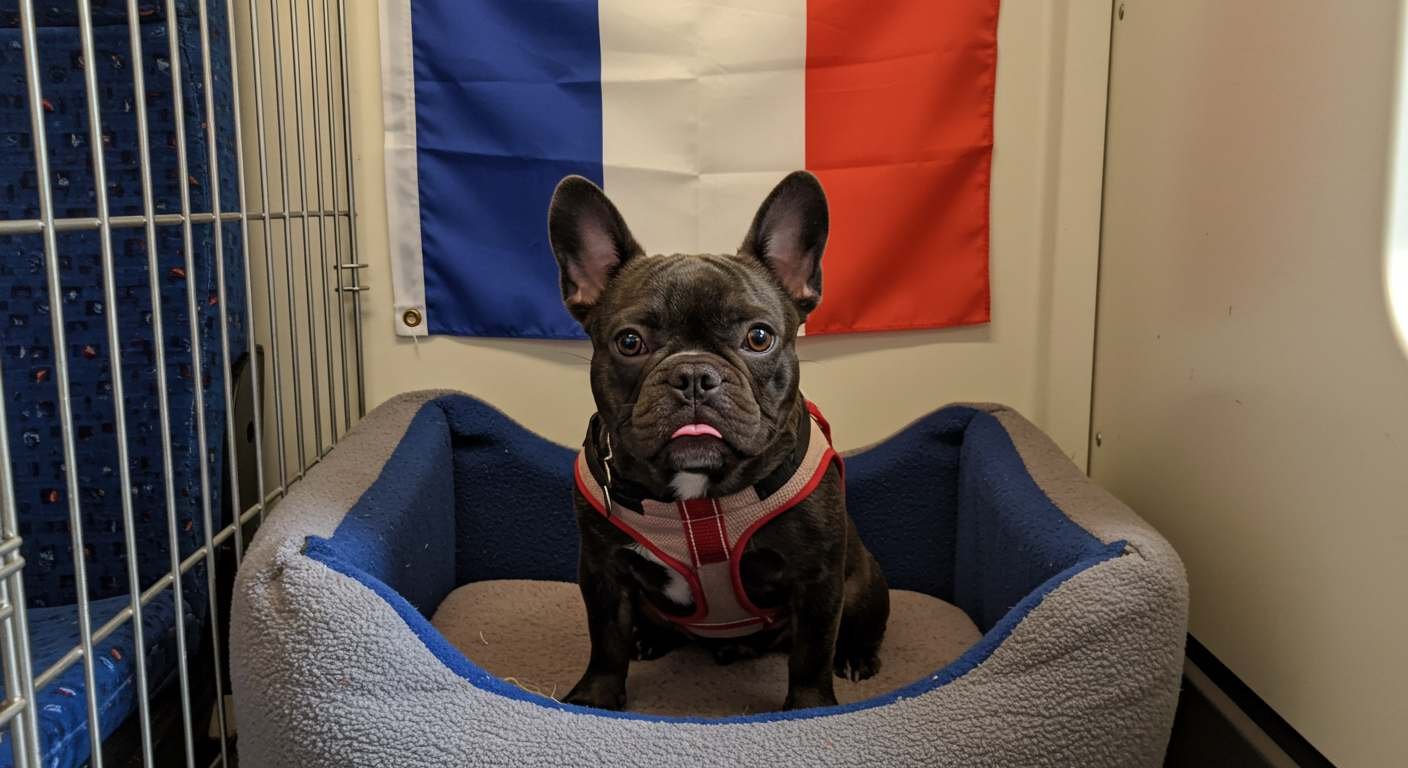
Health and physical condition can change the decision just as quickly. An elderly dog, a brachycephalic breed, a pet recovering from illness, or an animal with a history of severe travel stress may need closer oversight than an owner can realistically provide in the middle of a house move. The issue is not a lack of care from the owner. The issue is that the process may need dedicated attention.
Long-distance moves create a different kind of pressure. A same-day relocation across the UK can already be tiring if traffic builds, handover times slip, or access at either property becomes difficult. Add two dogs, a cat, and a removal deadline, and the logistics can start competing directly with the animal’s welfare.
Professional support often becomes appropriate in situations such as these:
- International or cross-border moves with regulated pet travel requirements
- Journeys involving several pets at once
- Relocations where timing is fixed and errors carry serious consequences
- Cases involving age, medical needs, or breed-related travel concerns
Companies such as Tailored Pet Travel are often brought in when the move has already become more complicated than expected, particularly where compliance and animal welfare need constant attention rather than occasional checks.
Regulatory and Welfare Considerations: What Can Go Wrong?
Problems do not usually begin with dramatic mistakes. More often, they start with ordinary assumptions that turn out to be wrong. A document is dated incorrectly, a health requirement is misunderstood, or a process runs longer than expected on a warm day.
Paperwork errors can have serious consequences in regulated pet travel. Border authorities may refuse entry if documents do not match the animal, the route, or the destination rules. Delays can follow even where the owner believed everything was in order, and those delays affect the pet as much as the travel plan.
Welfare issues can also develop quietly. Overheating, dehydration, and distress do not always arrive as obvious emergencies at the start of a process. They can build over time in stationary traffic, during long waits, or through a sequence of small oversights involving temperature, breaks, or containment.
Insurance is another area people often assume is straightforward. Some pet insurance providers place conditions on travel, exclusions on certain incidents, or limits around transport arranged outside stated terms. Liability can become unclear if a pet is injured, escapes, or if a move is interrupted in a way the policy does not properly cover.
Timing failures create a final layer of risk. If key moments do not line up, the pet can end up caught in the middle of the disruption.
- A delayed property handover can leave an animal waiting in a vehicle for too long.
- A missed connection can affect booked onward travel.
- A paperwork issue can force last-minute changes that increase stress for both owner and pet.
Under the Animal Welfare Act, owners remain responsible for their animal’s welfare during transport. That legal duty does not disappear because the day is busy, the route is familiar, or the move was arranged in good faith. For many people, that is the point where pet transport stops looking like a minor part of the move and starts looking like a separate responsibility that needs proper handling.
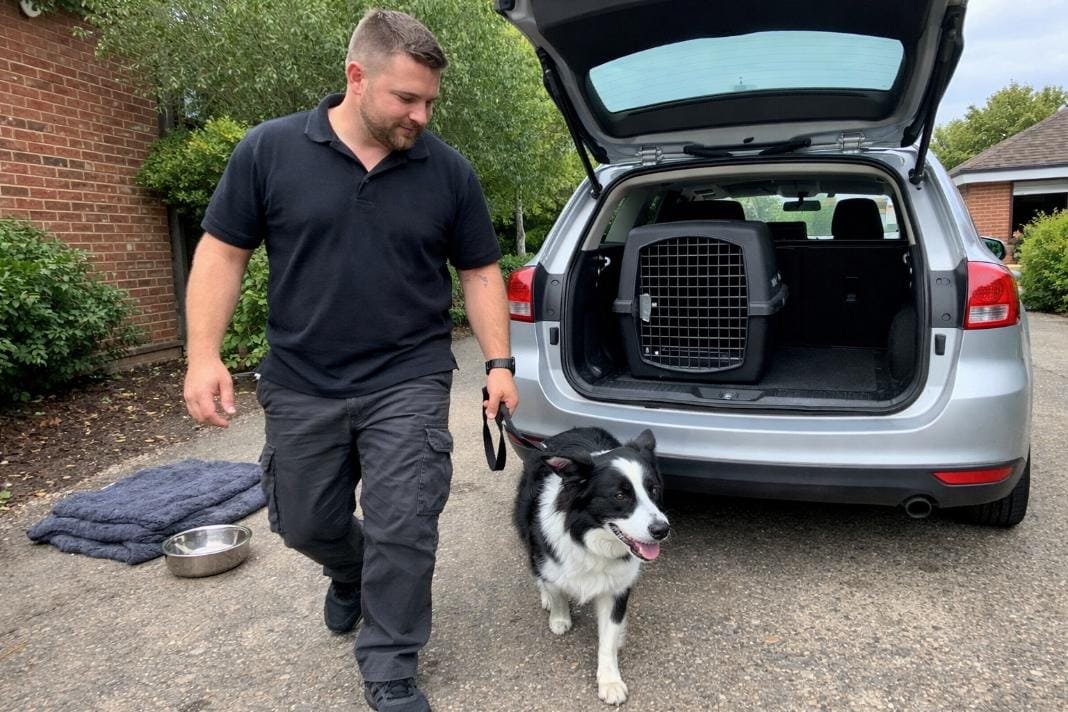
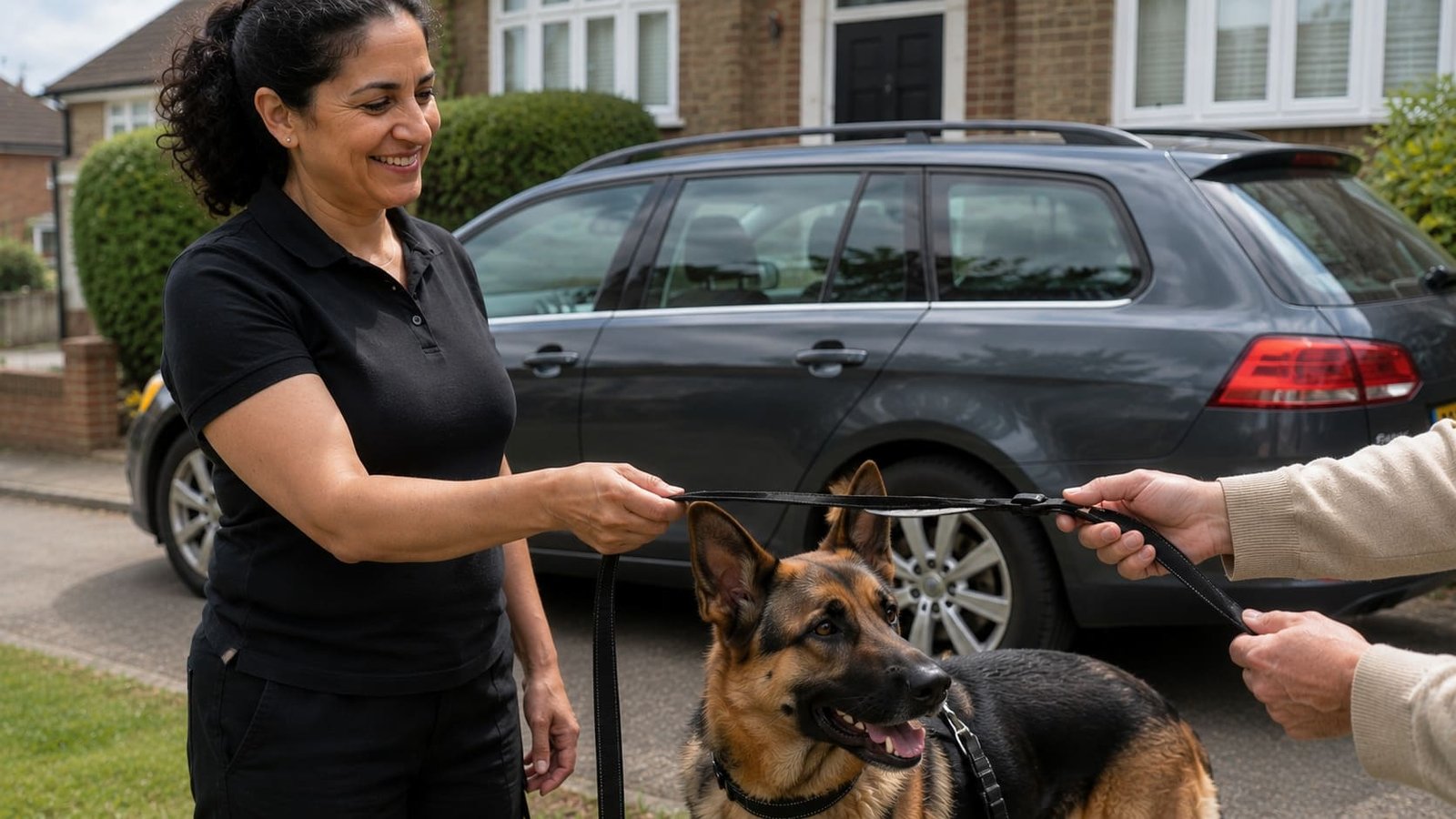
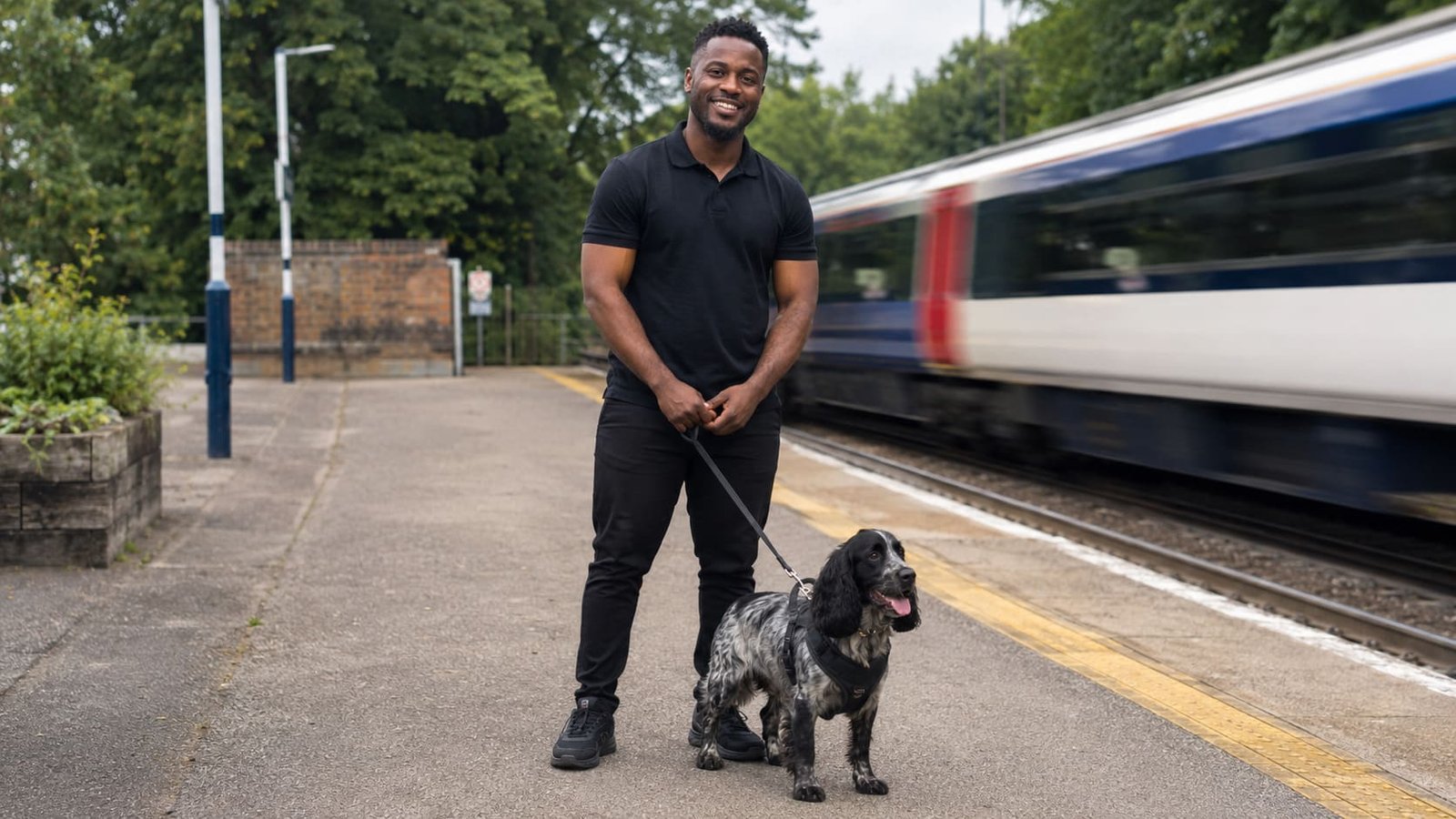
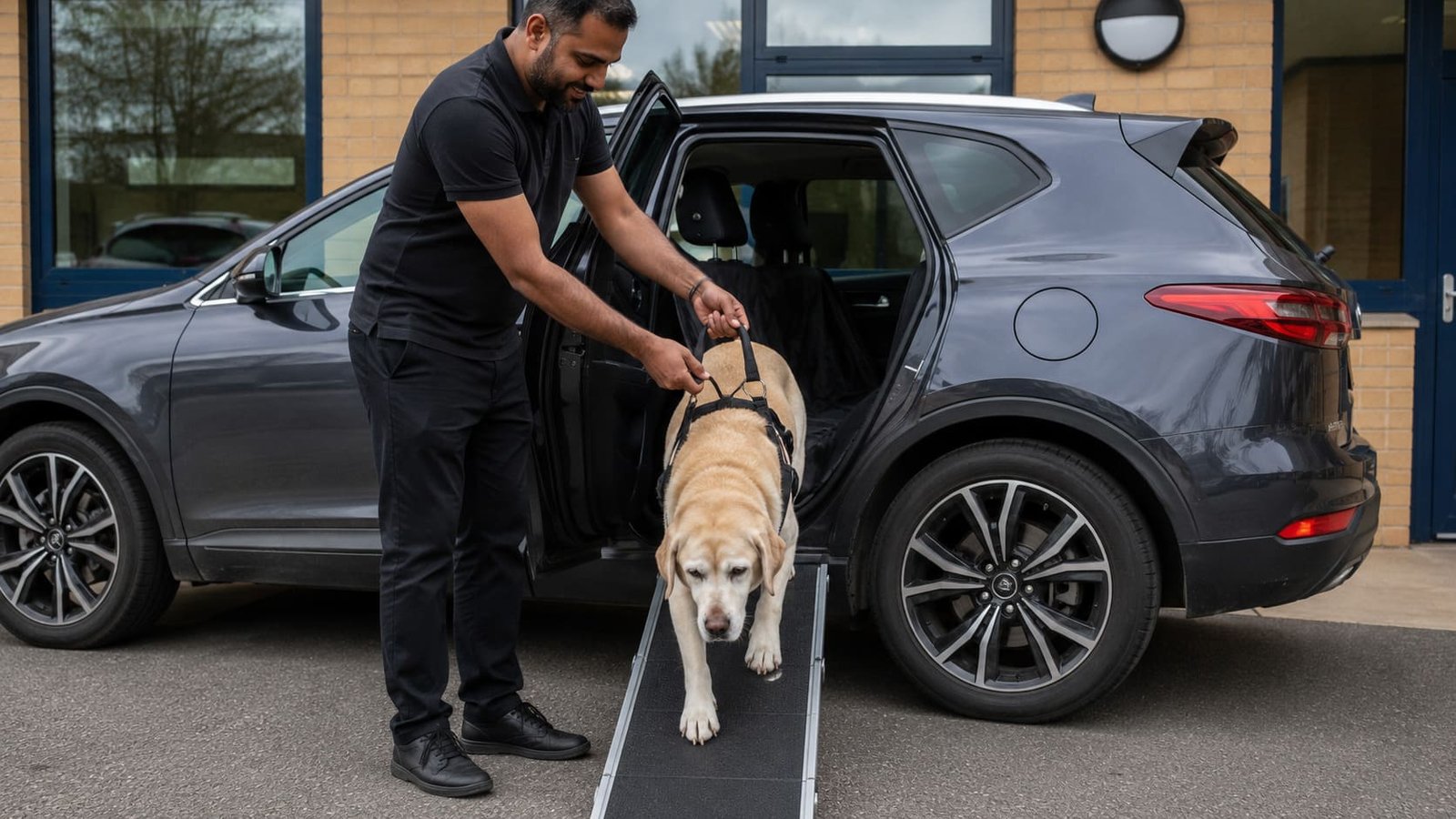
Handler and dog at an open car trunk – Illustrative Image
The Role of Professional Pet Transport: Outcomes, Not Just Logistics
Professional pet relocation is often misunderstood as a transport booking with extra administration. In practice, its value tends to sit in what it reduces: avoidable risk, uncertainty, and the chance of welfare being compromised during a difficult move.
One clear outcome is regulatory confidence. Where DEFRA rules, veterinary certification, or IATA-related travel standards apply, experienced oversight can reduce the chance that a pet is travelling on the basis of assumptions or incomplete information. That matters most when mistakes are expensive, distressing, or hard to reverse once the process has started.
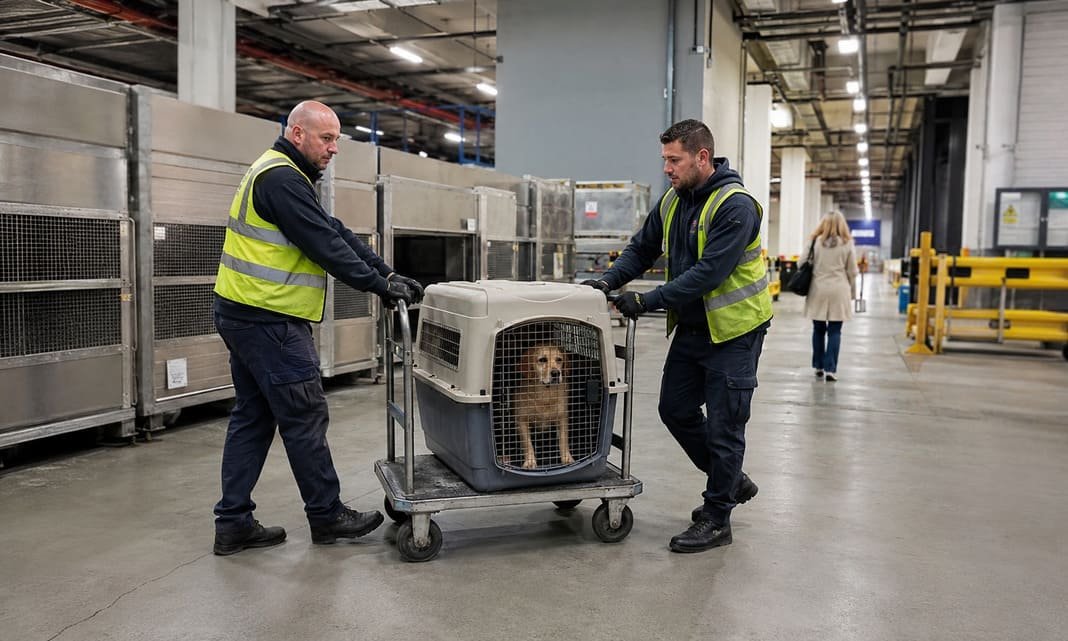
Another outcome is welfare protection through trained animal handlers. A pet in transit may need calm handling, careful observation, and appropriate containment throughout the route. That is different from simply being driven from one address to another with luggage in the back.
Owners also value process oversight. Live tracking systems, managed handovers, and active monitoring can provide reassurance, particularly during long-distance or international moves where several parts of the process must stay aligned. The benefit is not technology for its own sake. The benefit is knowing that the animal’s process is being watched properly in real time.
The most meaningful outcomes often look like this:
- Lower risk of documentation or routing problems disrupting the move
- Better protection for animals that are anxious, elderly, unwell, or difficult to transport
- More control over timing where house moves involve fixed dates and narrow margins
- Greater peace of mind for owners already managing removals, property issues, and family pressures
In that sense, a welfare-led service is less about convenience and more about creating the conditions for a safer, steadier move, especially where the pet would otherwise be folded into a day that is already stretched too thin.
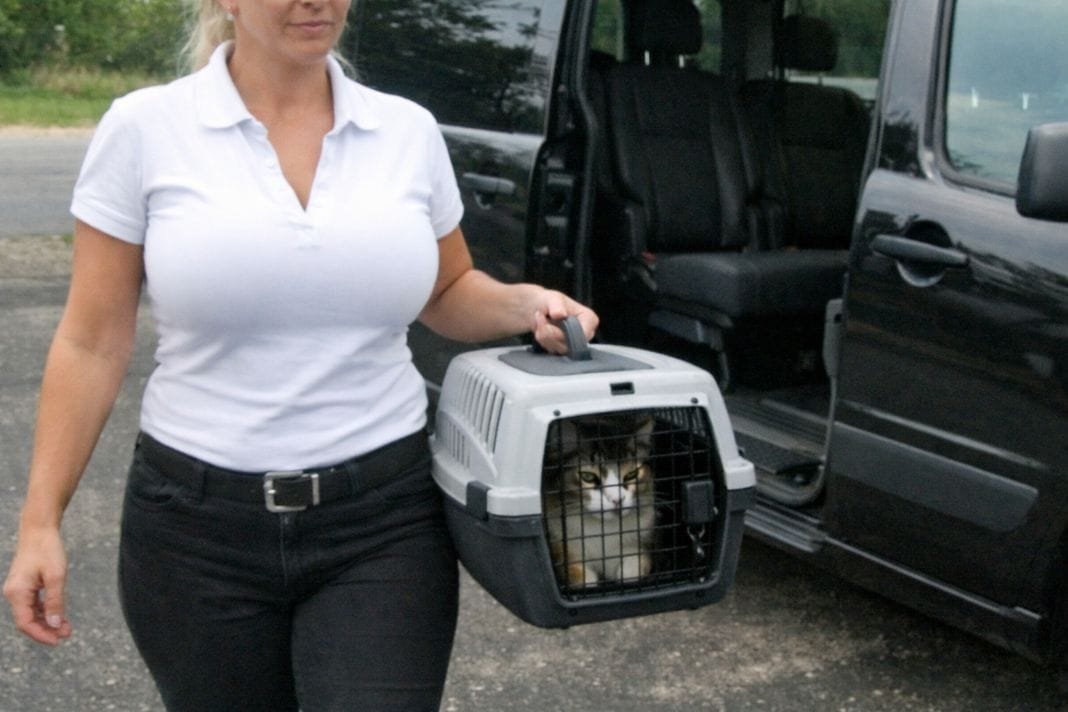
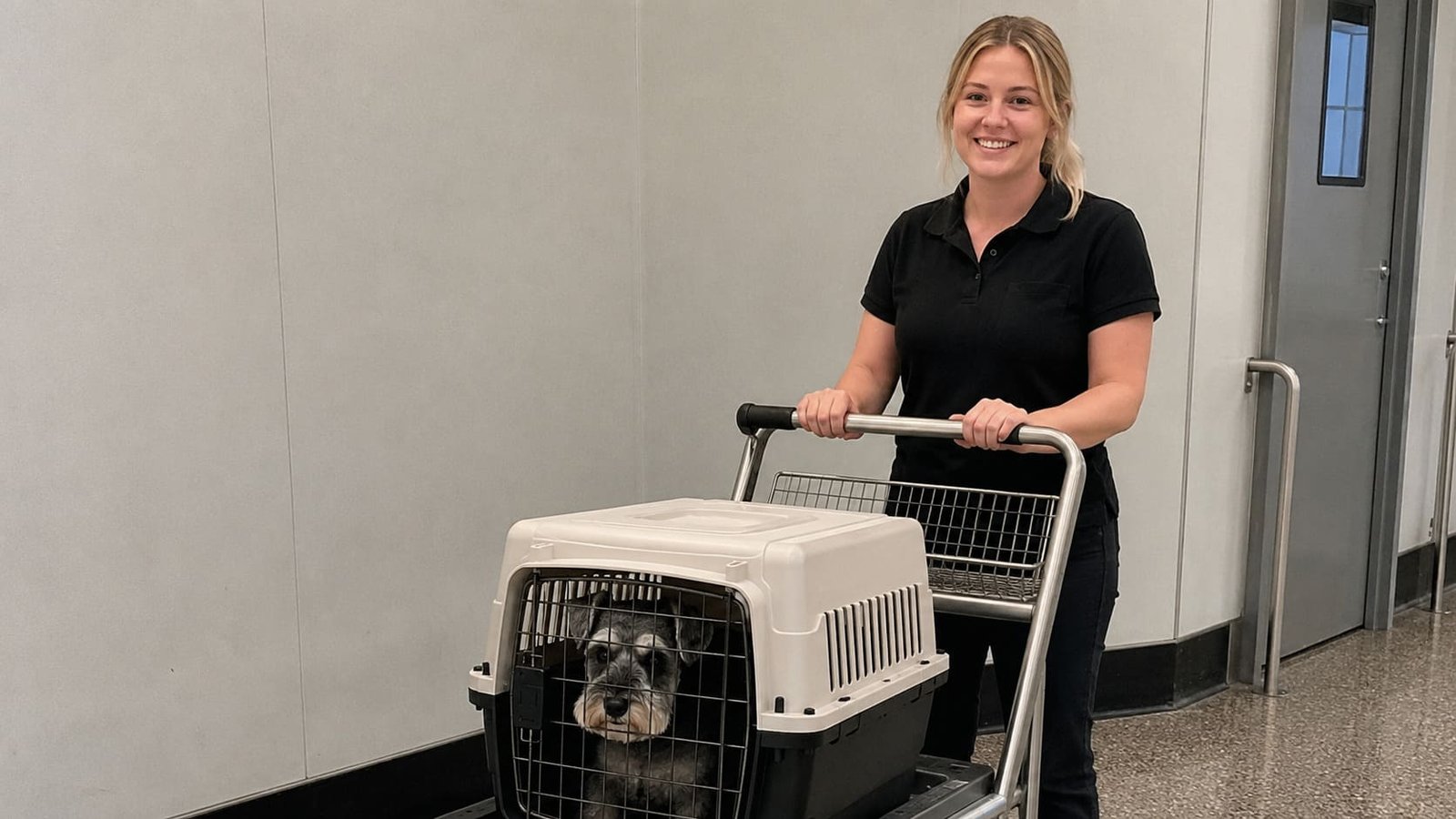
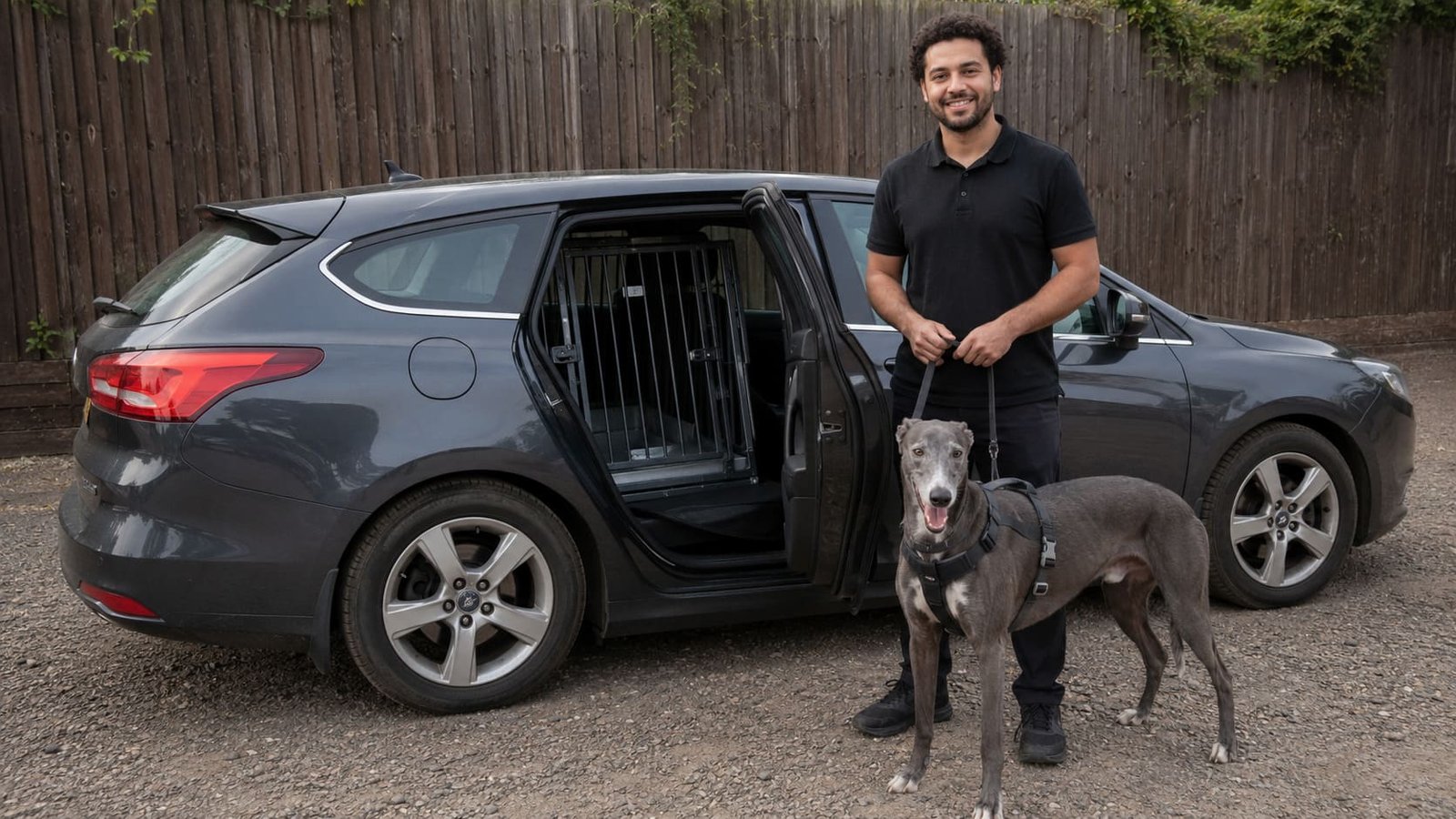
Pet transfer team walking a dog during professional ground transport service – Illustrative Image
Reframing the Decision: What Responsible Pet Owners Should Consider
The real question is rarely whether you can drive your dog yourself. The better question is whether doing so gives your pet the safest and calmest process your move allows.
A straightforward local move with one settled dog, a suitable vehicle, and enough time may well be manageable. A longer relocation, an unsettled pet, tight timings, or any regulated travel element changes the calculation. Responsibility sits in judging the situation honestly, not in proving that everything can be handled alone.
Confidence can be useful, but confidence is not the same as margin for error. Owners who take pet welfare seriously usually weigh the process as its own event, with its own risks, rather than treating it as one more task on moving day.
Rules can change, routes can become more complex, and a pet that travelled easily once may respond very differently under pressure the next time. The most responsible choice is the one that matches the actual demands of the move, even if that means recognising that a simple car process is not always as simple as it first appears.