
Is overseas travel realistic for your small pet?
Yes, many rabbits and guinea pigs can travel abroad from the UK, but the safe answer depends on the country, the route, the carrier and the plan for returning to Great Britain. They sit outside the familiar dog, cat and ferret system, so generic pet travel advice is too blunt.
Most owners find the confusion starts early. A page about taking pets abroad may look useful, then turns out to be written almost entirely for dogs and cats. Rabbits and guinea pigs need a different check because the rule that matters may sit with the destination country.
We look at the whole journey before we treat travel as realistic. That means checking whether the animal can enter, whether the carrier accepts it, whether the route makes welfare sense and whether coming back to Great Britain changes the decision.
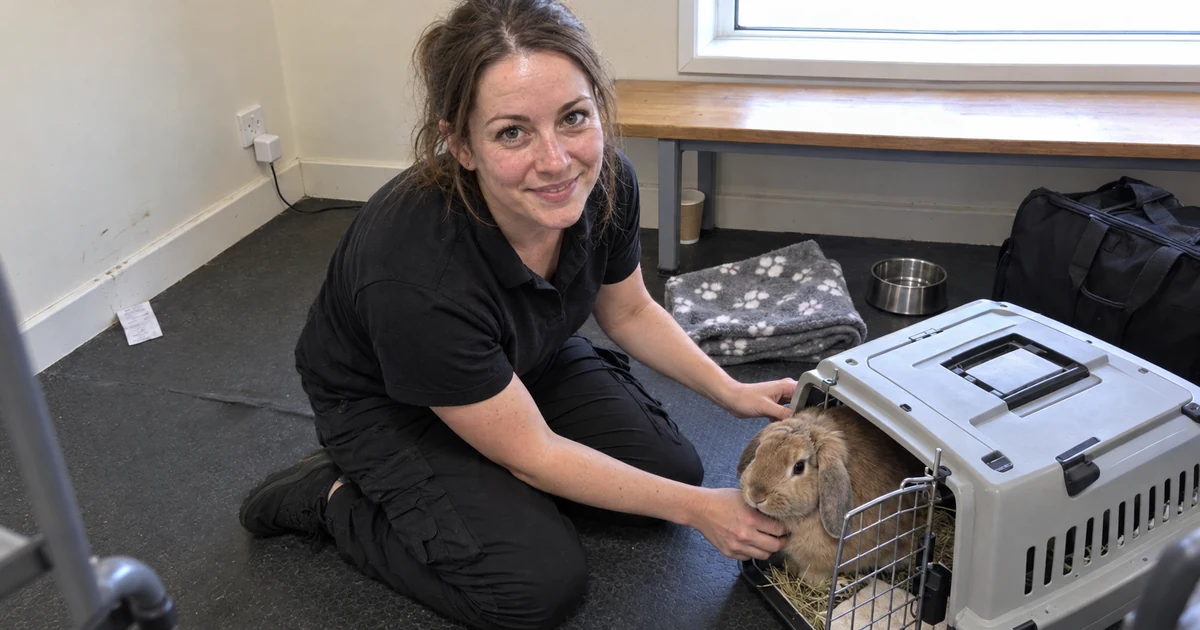
A rabbit in an approved travel crate – Illustrative Image
Here's What We Have Covered In This Article
Small pets sit outside the usual pet travel scheme
Rabbits and guinea pigs are movable in many cases, but they sit outside the travel logic most UK owners know. A rabbit or guinea pig journey is a matched travel plan, not a smaller version of a dog or cat trip.
As of August 2026, the European Commission’s Your Europe guidance says EU pet passports are for dogs, cats and ferrets. Rodents and rabbits fall under the national rules of the EU country being visited. That detail explains why searches for a rabbit pet passport UK answer often lead to mixed advice.
The two routes separate on who issues the rules and which animals the standard advice was written for.
| Familiar dog, cat and ferret route | Rabbit or guinea pig route |
|---|---|
| EU pet passports are issued for this group | Rabbits and rodents fall under national destination rules |
| Standard pet travel advice is usually written around these animals | Small pet journeys need species and country checks |
| Owners recognise the common travel terms | Owners may get mixed answers from vets, carriers and general pages |
GOV.UK also recognises rodents and rabbits in pet import guidance for Great Britain, with extra rules in some situations. That matters because small pet travel rules UK owners find online can cover leaving, entering, ownership and return in different places.
Good advice starts by narrowing the exact journey. Taking a rabbit abroad from the UK to one country can raise a different answer from taking a guinea pig abroad from the UK to another, even when both journeys look simple on a map.
Country rules decide the answer
A UK owner planning to drive to France with a rabbit can quickly find that dog and cat pages do not answer the real question. France is a common first entry point into Europe, and the country entered first can decide which rule applies.
French Customs says France allows pet rodents and lagomorphs, including rabbits, up to five specimens per person, with a supporting document matching Annex 27 of the French Order of 19 July 2002. That is a specific French requirement, and other countries set their own conditions.
At Tailored Pet Travel, we look at the destination rule before we look at the route. That order keeps the planning grounded. The same applies to rabbit travel to France from the UK, guinea pig travel to Ireland and guinea pig travel to Europe, because the answer can change at the border.
Official paperwork also has to be signed by the right person where certification is needed. GOV.UK’s export health certificate finder is the live place to check the current certificate version. APHA says an official vet or local authority inspector must be nominated where that certificate applies.
Ordinary vet advice can still be useful for welfare and fitness to travel. Export certification is a separate issue, so the current destination rule needs checking before transport is booked.
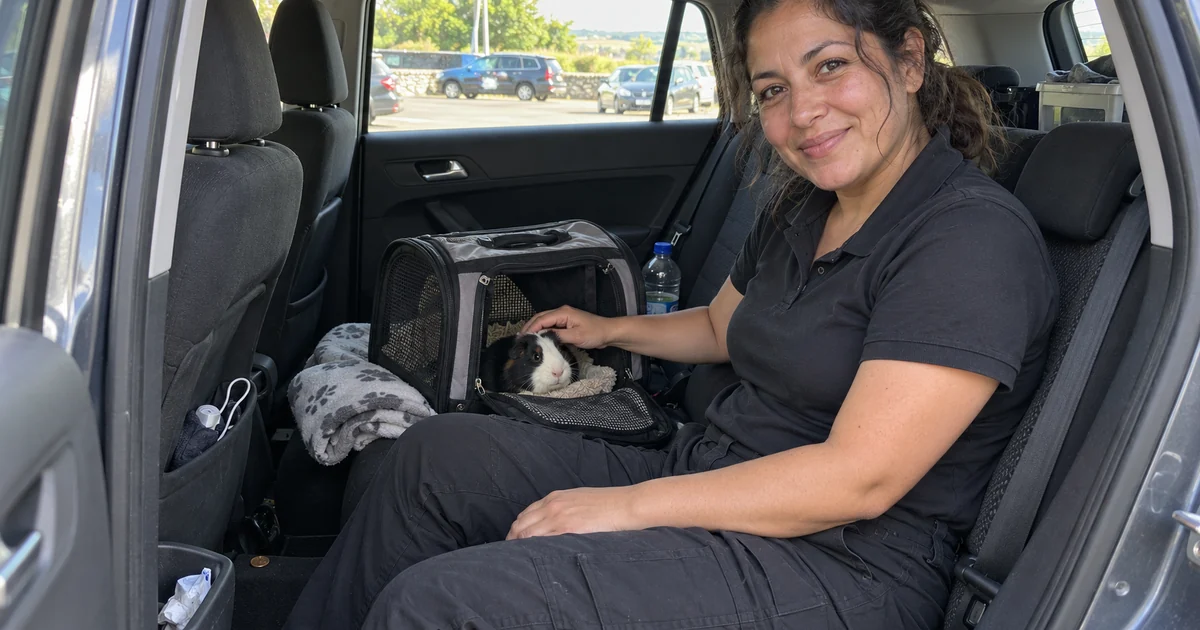
Guinea Pig travelling by car with pet handler – Illustrative Image
Coming home changes temporary trips
When the trip may be temporary, the return rule matters from the start. Owners often focus on whether the rabbit or guinea pig can leave the UK, then find that returning to Great Britain is the harder decision.
GOV.UK says a pet rabbit or rodent brought to Great Britain from outside the EU needs a rabies import licence and must spend 4 months in quarantine after arrival. That single rule can change the whole judgement for a work move, a trial relocation or a long stay where plans may change.
Return planning belongs at the same stage as the outward journey. If you might bring a rabbit back to the UK, or bring a guinea pig back to Great Britain, the route home needs checking before the outward travel is treated as settled.
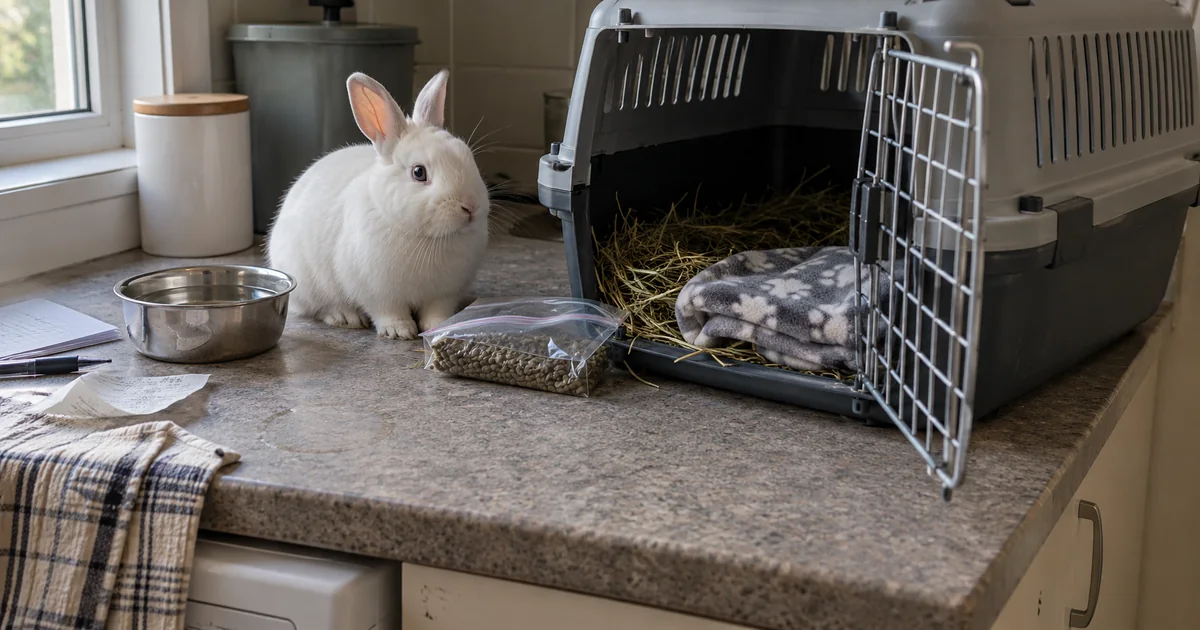
Rabbit beside pet travel carrier for journey abroad – Illustrative Image
Route and welfare must be judged together
Route choice carries welfare and acceptance consequences. Eurotunnel crossing, ferry travel, road pet transport and pet flights each raise different questions for rabbits and guinea pigs.
Road routes keep handling closer
Road based travel can give more control over handling and timing. That can matter for small animals because the journey is affected by confinement, stops, transfer points and how much the animal has to be moved between places.
Operator acceptance still has to be checked. A ferry operator, Eurotunnel operator or border point can have its own conditions as well as the animal entry rules. Asking whether rabbits can travel on Eurotunnel is useful, but the answer only helps once the destination paperwork and return plan also fit.
Owners moving more than one animal often find that private pet travel by road keeps the planning clearer. The route still has to match the country rule, but fewer handovers give us a cleaner welfare picture to assess.
Pet flights add airline handling rules
Air travel adds another layer because the airline controls how the animal is booked, accepted and handled. Questions such as can I fly with a rabbit from the UK, or can guinea pigs travel in the cabin, depend on the airline, the route and the animal.
IATA says its Live Animals Regulations are the worldwide standard for transporting live animals by commercial airlines. In practice, that means crate suitability and handling rules belong in the travel decision from the start.
Veterinary advice is needed if health, age or fitness to travel is uncertain. A valid route still has to be workable for the animal in front of us, so the right route is the one the animal, the carrier and the destination rule can all support.
A joined up plan beats a valid certificate
A certificate can make a journey look solved too early. The harder question is whether the paperwork, the carrier, the route and the animal’s welfare all support the same plan. The safer approach is to connect the rules, route and welfare limit early, not to chase a certificate after travel is already booked.
Professional help becomes most useful where the journey has a genuine point of failure:
- Unclear destination rules. Rabbits and guinea pigs can fall under country specific small pet rules.
- A possible return from outside the EU. Quarantine can change whether the trip makes sense.
- Air travel. Airline handling and crate acceptance need to align with the animal and the route.
- A welfare concern. Age, health or poor tolerance of travel needs veterinary input before commitments are made.
- Tight timing. A refused booking can disrupt the wider move.
At Tailored Pet Travel, we treat rabbit and guinea pig journeys as welfare led travel plans, with documentation and routing checked together. That is the practical difference between moving a small pet with control and treating the trip as a transport booking.
The weak approach asks for the missing paper first and tries to make the rest fit around it. The stronger approach tests the whole journey early, so the route chosen is one the animal, the carrier and the destination rule can all support.
Questions we get asked about rabbit and guinea pig travel
Can several rabbits or guinea pigs travel together?
Several small pets can sometimes travel together, but group size and ownership details can affect the rule that applies. France, for instance, has a stated limit for the listed small pet categories, so the destination check matters before any shared travel plan is treated as workable.
Is taking a guinea pig to Ireland treated like a trip within the UK?
No. Getting there is easy, and that is exactly why owners skip the check. Ireland sets its own entry conditions for small pets at country level, so the familiar dog and cat route will not answer the question for you. Give it the same look you would give anywhere further afield.
Can a rescue rabbit or newly bought guinea pig travel under pet rules?
Ownership transfer can change the rules that apply, especially for entry into Great Britain. We check this early because a rescue, sale or recent change of keeper can make a journey more complicated than a normal companion animal move.
Can a rabbit or guinea pig be sedated for travel?
Sedation is a veterinary question and needs advice from your own vet before anything is booked. It matters most where air travel is involved, because airline handling rules and the animal’s fitness to travel both feed into whether the journey is acceptable.
Does carrier acceptance mean the border paperwork is fine?
Carrier acceptance only answers the transport side. Border paperwork, destination rules and return rules still need their own checks, so a booking confirmation alone does not make the journey safe to rely on.
