Is a direct flight or stopover safer when travelling with a pet?
The safest route for pet travel depends on a combination of factors, including the animal’s health, breed, age, stress tolerance, and regulatory considerations. A direct flight often reduces exposure to handling and transition errors. However, a well-managed stopover can improve safety in certain scenarios, particularly for long-haul journeys or pets with specific needs.
Here's What We Have Covered In This Article
What does “safe” really mean in pet air travel?
A safe travel route for a pet goes far beyond flight duration. It refers to the combination of physical welfare, emotional stress, legal compliance, and predictability from departure to arrival.
Safety can be considered across several dimensions:
- Physical condition: Maintaining temperature control, adequate ventilation, hydration access, and crate security are key. Pets placed in unsuitable storage conditions or held in exposed areas on the tarmac can face serious risks.
- Emotional welfare: Prolonged separation, loud environments, disrupted routines, and multiple handovers can increase anxiety, particularly for sensitive animals.
- Regulatory compliance: Incorrect documentation, route planning oversights, or failing to follow country-specific entry and transit requirements can result in detentions, fines, or even quarantine.
- Process reliability: The fewer the delays, handling errors, or unexpected changes, the lower the risk to both welfare and arrival outcomes.
A common misconception is that the shortest route is always best. In reality, the most appropriate option varies drastically based on the pet’s characteristics and the specifics of the process.
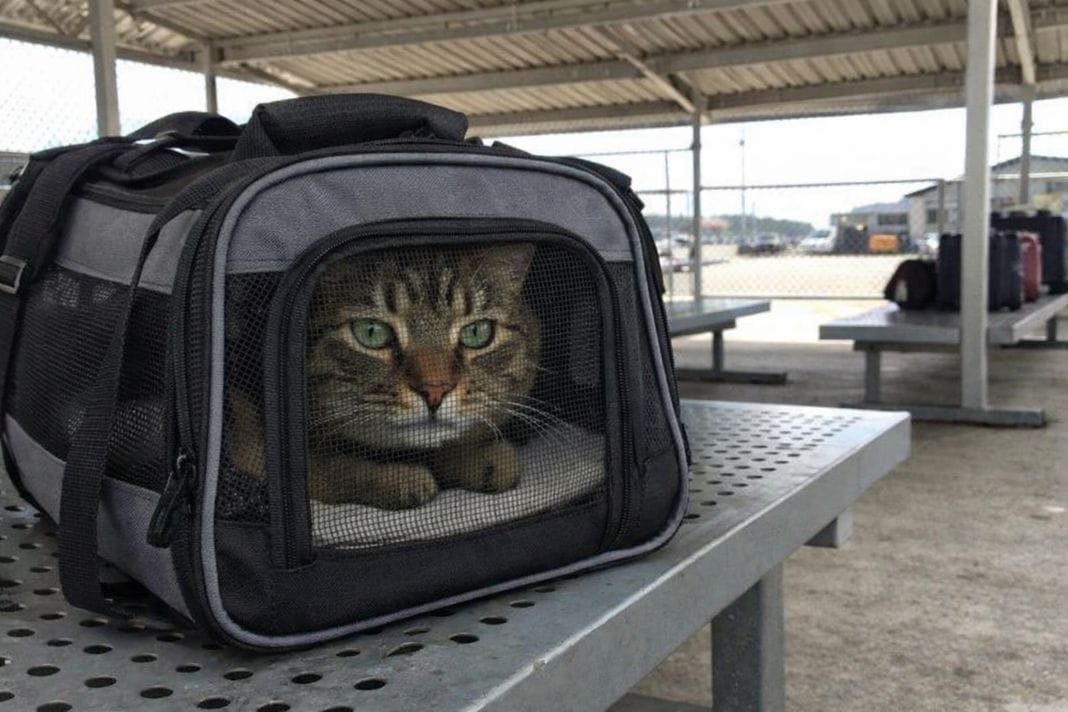
An illustrative image of a cat peering calmly from a secure carrier placed on a bench in a shaded airport
Plan a Safe Route for Your Pet
Direct flights: fewer transitions, lower risk?
Direct pet flights are often the first preference for pet owners seeking to minimise complications. The appeal is clear: fewer changeovers and reduced cargo handling, which can limit the possibility of mishandling or delays.
In particular, direct routes may suit:
- Pets prone to anxiety, where fewer transitions help reduce stress
- Animals with medical or age-related needs, where continuity matters
- Owners with tight arrival schedules, reducing the chances of missed connections
However, longer non-stop flights are not always safer. Extended confinement in one crate without breaks can affect hydration and stress levels. In some cases, direct flights can restrict access to climate-controlled conditions for longer periods, especially during pre-loading and post-landing waits.
Route availability is another constraint. Direct flights may not exist for many international pairings, or they may be limited to airlines with stricter animal policies. Therefore, their suitability relies on the process profile, not just convenience.
Stopovers: a useful pause or unnecessary risk?
Stopovers often sound less stable due to changes in aircraft or cargo handlers. However, under the right conditions, adding a layover can actually reduce cumulative stress.
Well-planned stopovers can:
- Allow pets to recover from long-haul confinement
- Reduce exposure to unfavourable weather conditions at certain airports
- Enable monitoring and welfare checks between flight segments
- Align with airline or regulatory requirements, especially when no direct option exists
That said, additional transitions introduce variables. Poor handling processes, misrouted crates, or delays on connecting segments can escalate risk, particularly where ground protocols are inconsistent.
The determining factor is not whether a stopover occurs, but how it is executed. A stopover at a pet-accredited airport with experienced handlers and temperature-controlled holding facilities can be safer than an extended direct leg under less regulated conditions.
Speak to a Pet Travel Specialist
What do the rules say?
Route choice is a welfare decision. It must align with legal requirements enforced by veterinary, customs, and border control authorities in both departure and arrival countries.
Key factors include:
- Transit restrictions: Not all countries allow pets to pass through without full customs clearance. For example, certain locations require pets to enter under specific import procedures, even during a layover.
- Quarantine triggers: Passing through or stopping in a non-approved country can affect the validity of prior documents and provoke mandatory quarantine on arrival.
- Paperwork dependencies: Multi-leg routes often involve stricter veterinary health certificate requirements and time-sensitive entry conditions. Understandably, an incorrectly timed AHC (Animal Health Certificate) or expired vaccine record can cause major setbacks.
- Airline policies: Some carriers restrict pet routing via specific cities or during certain months, which may limit options, especially for temperature-sensitive breeds.
Professional handlers familiar with DEFRA rules, IATA transport arrangements, and destination-specific regulations help avoid errors that could derail even carefully considered routes.
Does timing influence the safety of the route?
Environmental conditions often shift the balance between a direct flight and one with stopovers. Weather at departure, arrival, or transit airports can amplify existing risks, particularly in cargo-hold transportation.
Key timing factors include:
- Seasonal weather extremes: Summer heatwaves or winter drops in exposed holding bays can pose serious health concerns. Some airlines suspend pet transport completely during these periods.
- Time of day: Early morning or evening flights may avoid peak tarmac temperatures, especially for airports in warmer regions.
- Airport conditions: Not all transfer hubs provide temperature-regulated waiting areas. A stopover is only helpful when the environment supports welfare.
- Weather-linked delays: Choosing routes with known risks for fog, monsoons, or snow increases the chance of missed connections or prolonged transit. This can be especially problematic if the pet must remain contained during disruption.
Synchronising departure time with gentler temperatures and predictable process lengths often delivers a safer result than speed alone.
When is professional coordination the safer decision?
While some pet journeys are straightforward, others involve levels of challenge that make independent planning risky or unmanageable. In these situations, professional oversight becomes more than a convenience. It provides protection.
Scenarios where expert involvement is strongly advised include:
- Multi-country pet transport involving blended regulations or route permissions
- Pets with serious health issues, breed sensitivities, or behavioural needs
- Time-sensitive relocations, such as job moves or diplomatic transfers
- Failed or refused prior travel attempts, where timing or document errors occurred
- Owners seeking high-reliability outcomes, where delay or welfare compromise is unacceptable
In such cases, professional handlers like Customised Pet Travel support welfare-led routing, monitor compliance throughout the process, and manage transitions calmly even if external conditions shift.
For international or emotionally significant animal moves, safety is rarely about whether a flight is direct. It is shaped by who is guiding the process, how each step is managed, and whether the chosen route reflects the pet’s specific needs.