
What should UK pet owners ask before choosing a pet transport service?
Choosing a pet transport provider involves more than just cost comparison. It’s important to check credentials, ensure legal compliance, and confirm that your pet’s welfare will be prioritised. These ten questions give UK pet owners the tools to select a safe, reputable service that avoids unexpected stress or expense and form the foundation of solid pet relocation advice.

Here's What We Have Covered In This Article
1. Is the transporter fully licensed and DEFRA-approved?
Start by checking whether the provider is licensed by DEFRA (Department for Environment, Food & Rural Affairs). This confirms they’re authorised to transport animals and comply with welfare standards.
Here’s how to check:
- Ask for their DEFRA animal transport licence number.
- You can verify this on the official GOV.UK website or by contacting the Animal and Plant Health Agency (APHA) directly using their public enquiry service.
Choosing an unlicensed operator risks both your pet’s safety and your legal standing. A DEFRA-approved provider helps ensure peace of mind.
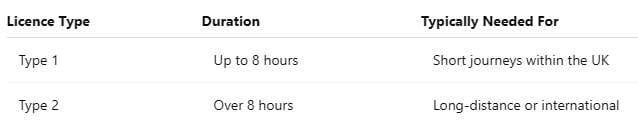
2. Do they offer Type 1 or Type 2 animal transport licences?
The licence type should match the length:

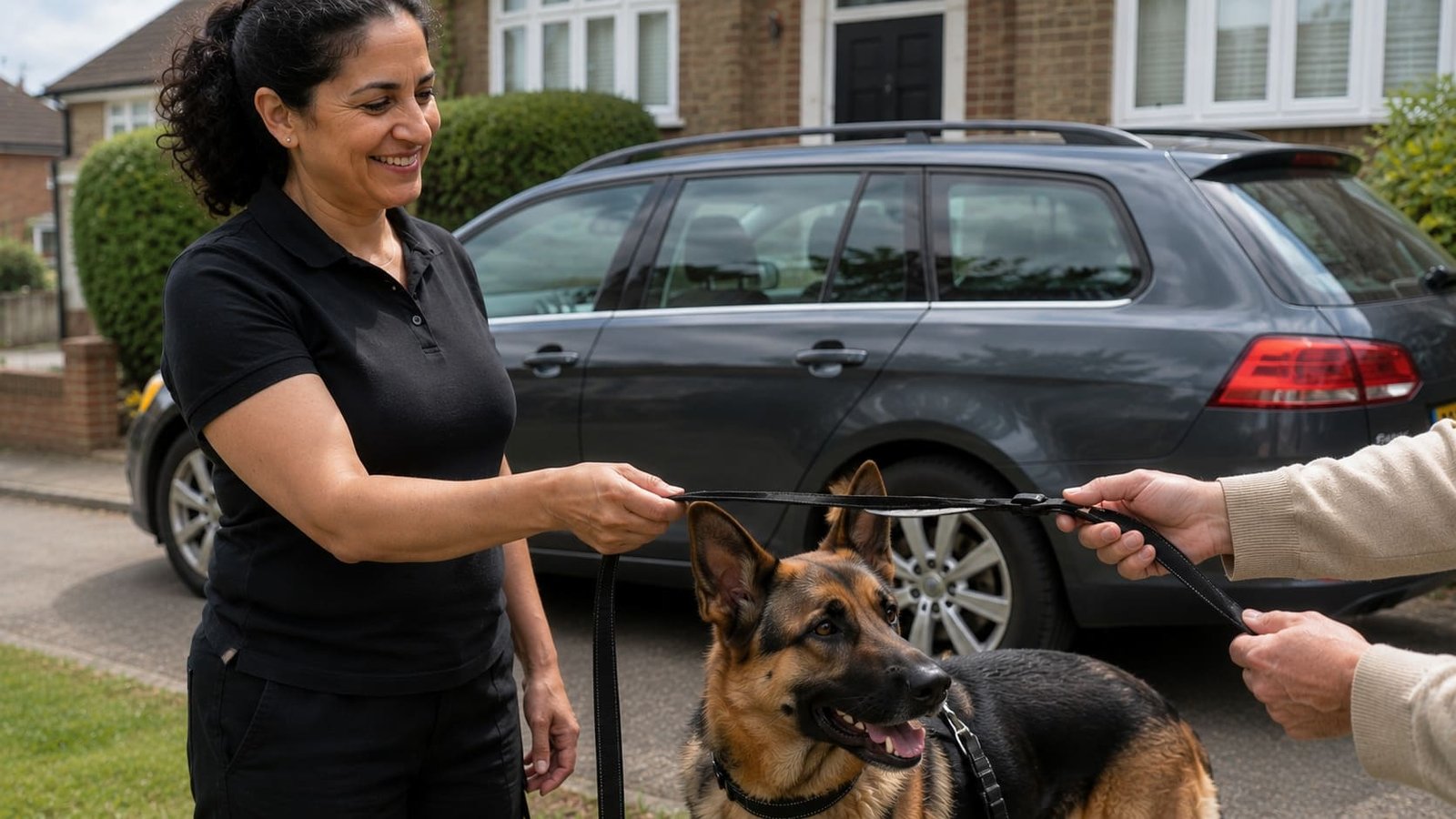
An AI photo of a pet owner enquiring about pet transport services
Get a Quick Quote for DEFRA-Licensed Pet Transport
Know your cost upfront with no hidden fees. We offer licensed, welfare-first pet courier services across the UK and Europe.
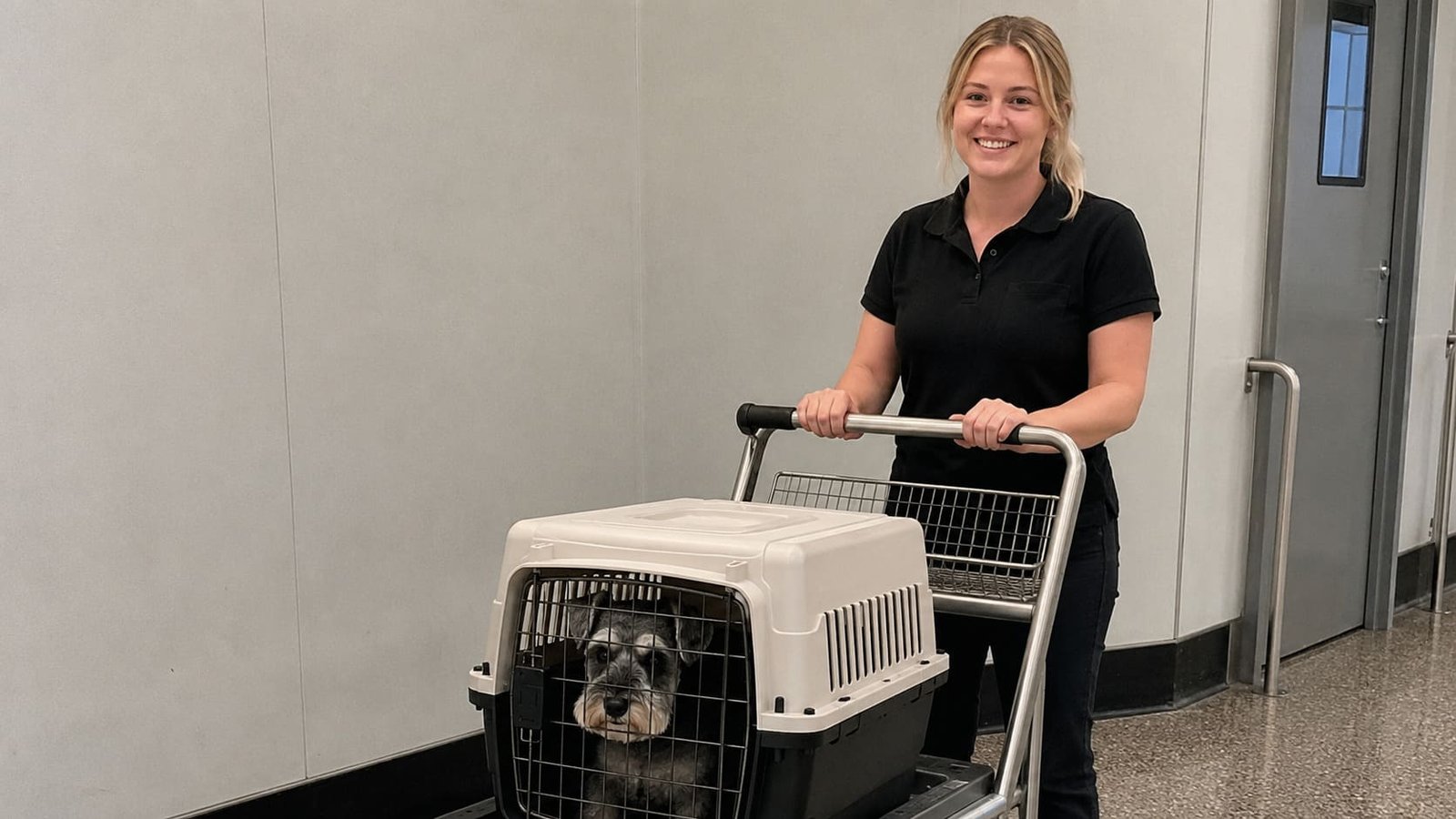
3. What kind of vehicle and crate will my pet travel in?
Your pet’s comfort depends on proper transport setup. Ask whether the vehicle includes:
- Climate control and adequate ventilation
- Padded, anti-slip flooring
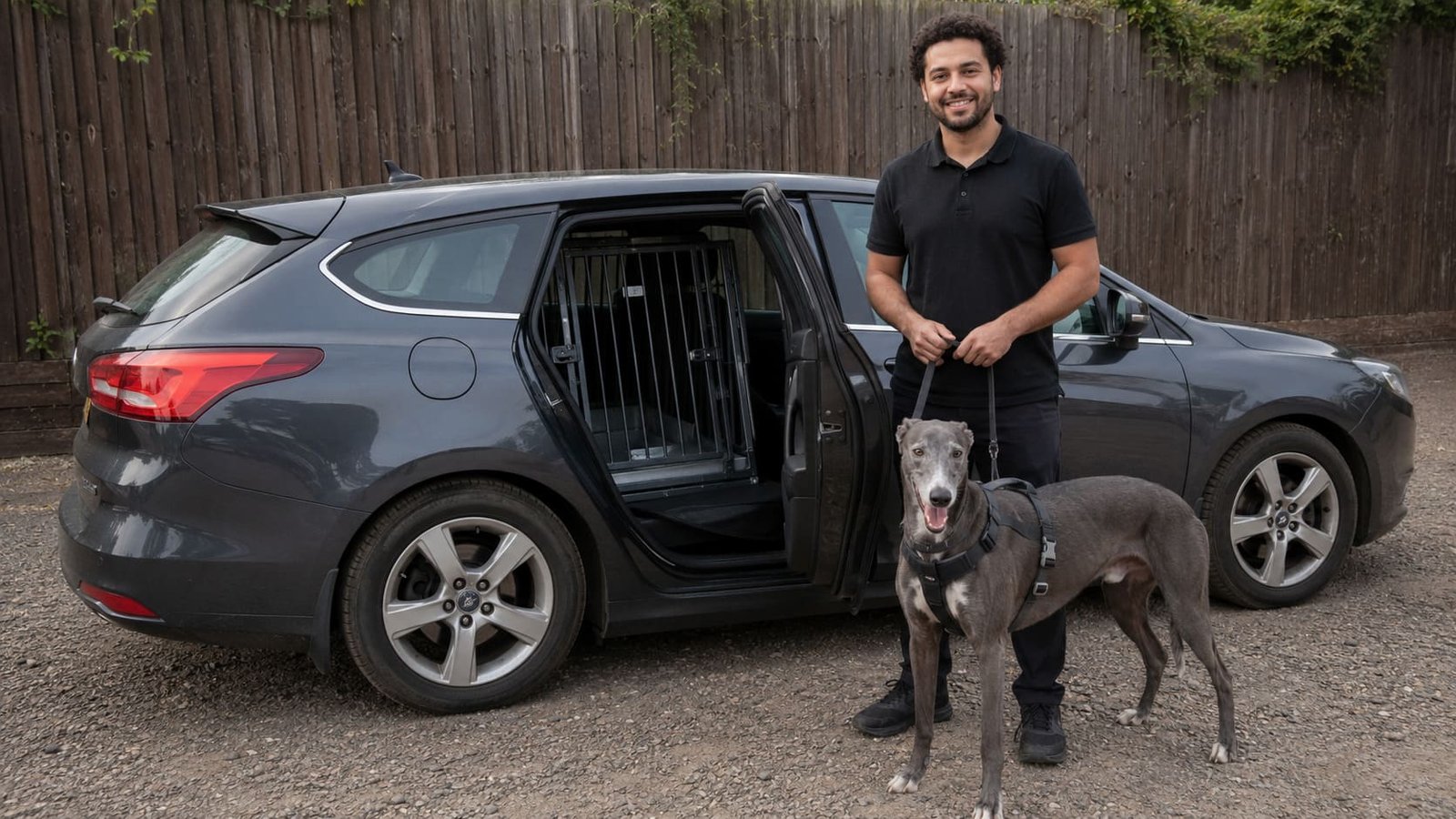
- Secure IATA-compliant crates cleaned between uses
Make sure your pet can stand, turn, and lie down comfortably. Also check whether they’ll travel alone or with others. These details matter when reducing stress during transit.
4. Are the pet handlers trained in animal welfare and stress-free travel?
Ask what qualifications the handlers have. Useful indicators include:
- City & Guilds Level 2 or 3 in Animal Care
- RSPCA-compliant handling training
- Experience with specific breeds or medical needs
Trained handlers understand animal behaviour and help pets feel calm and safe during transport.

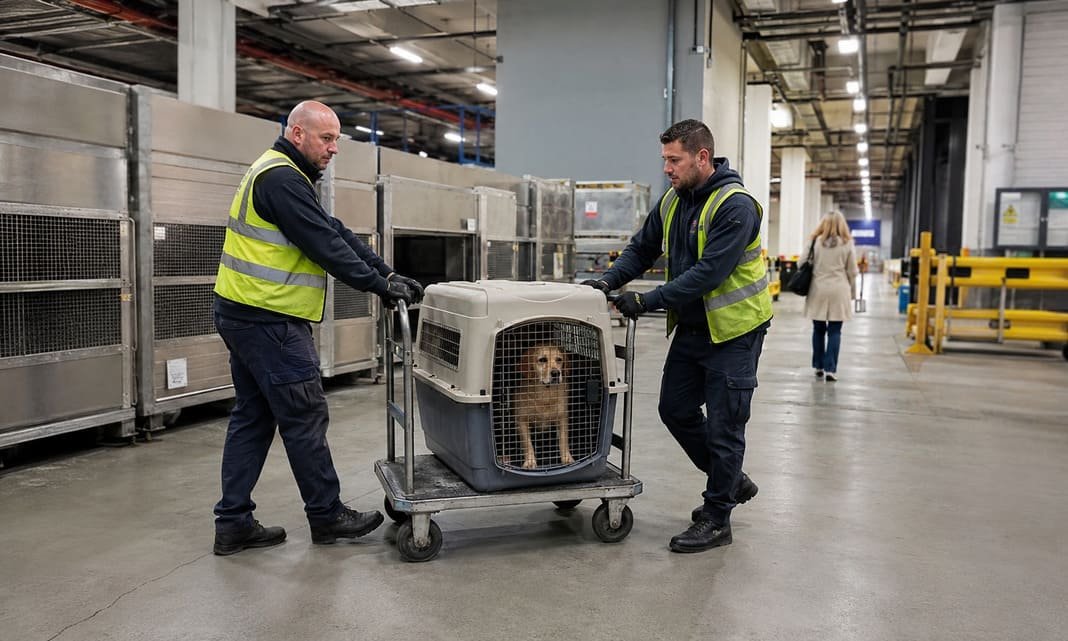
An AI photo of a pet owner enquiring about pet transport services
5. How is my pet monitored during the ?
Ask what systems the service uses to keep track of your pet:
- GPS vehicle tracking
- Scheduled welfare checks
- Internal CCTV (if available)
- Updates via text or app, plus driver contact details
Regular communication builds trust and reassures you that your pet is being looked after. Some companies now offer real-time pet transport tracking as part of their standard service.
6. What happens if there’s a delay or emergency in transit?
No one wants to imagine something going wrong, but a good service will have answers ready. Find out:
- What happens during a breakdown?
- Are there protocols for illness or aggression?
- Is overnight care available if needed?
Services following DEFRA’s welfare guidelines should be able to explain their contingency plans clearly.
7. Is insurance included – and what does it cover?
Always ask about insurance. Be clear on:
- Whether public liability and custody cover are included
- If veterinary treatment is covered during transport
- What exclusions apply, especially for certain breeds or behaviours
Request the insurer’s name and, where possible, ask for a copy of the insurance certificate or policy summary for your own records. It’s better to ask now than assume later.
Speak to a UK Pet Travel Expert Today
Not sure what licence or service your journey needs? Chat with one of our experienced animal handlers now.
8. How often will I get updates about my pet’s ?
Ask what kind of communication you’ll receive:
- Frequency of updates (e.g. hourly, on arrival)
- Whether photos or location updates are sent
- If the driver can be contacted directly
Whether it’s via WhatsApp or text, frequent pet courier updates reduce anxiety and show strong customer service.
9. Are there any hidden fees or extra charges not listed in the quote?
Transport costs can add up. Make sure you ask about:
- Weekend or holiday surcharges
- Ferry, tolls, or parking fees
- Crate hire (if not included)
- Waiting fees if collection is delayed
Transparent pricing is a sign of a trustworthy provider. Ask for a full breakdown so you can compare quotes fairly. Understanding the true pet travel cost upfront avoids budget surprises.
10. Can they tailor the for special requests, breeds, or conditions?
Every pet has unique needs. Find out whether the provider can:
- Offer more frequent rest stops
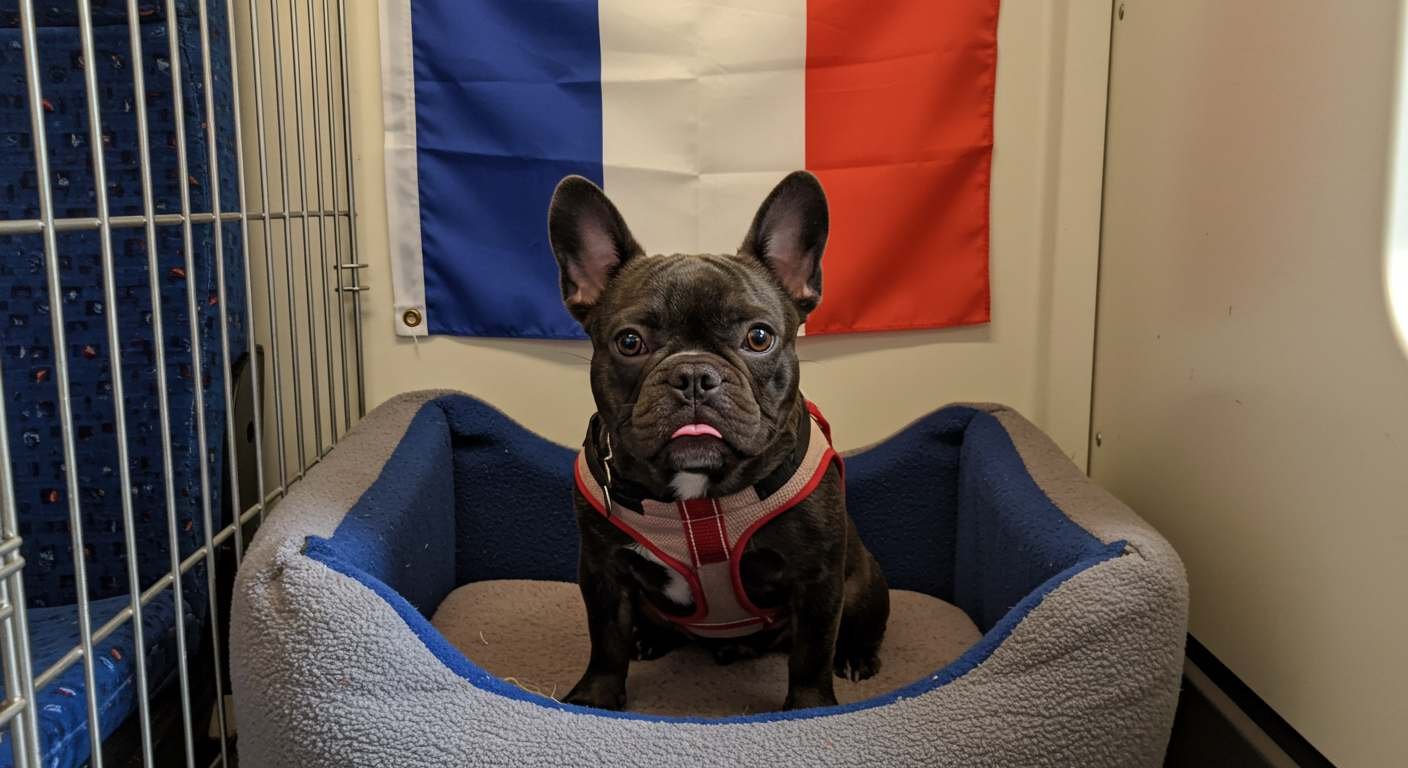
- Adjust for flat-faced breeds needing extra airflow
- Keep cats and dogs separate during travel
- Administer medication (with proper instructions)
Services that demonstrate awareness of breed and health considerations may be more suitable for pets with special requirements, especially when supported by experience or specific protocols.
Do cats and dogs have different travel needs?
Yes – and it’s important to recognise those differences. Dogs may enjoy regular breaks and often handle van environments better. Cats, on the other hand, prefer quiet spaces and limited handling.
Ask if the provider:
- Separates cats and dogs
- Minimises noise for feline passengers
- Reduces stress through gentle handling and quiet spaces
Understanding species-specific needs can help reduce anxiety and improve overall welfare.
How can I prepare my pet for the ?
Preparation makes a big difference. Simple tips include:
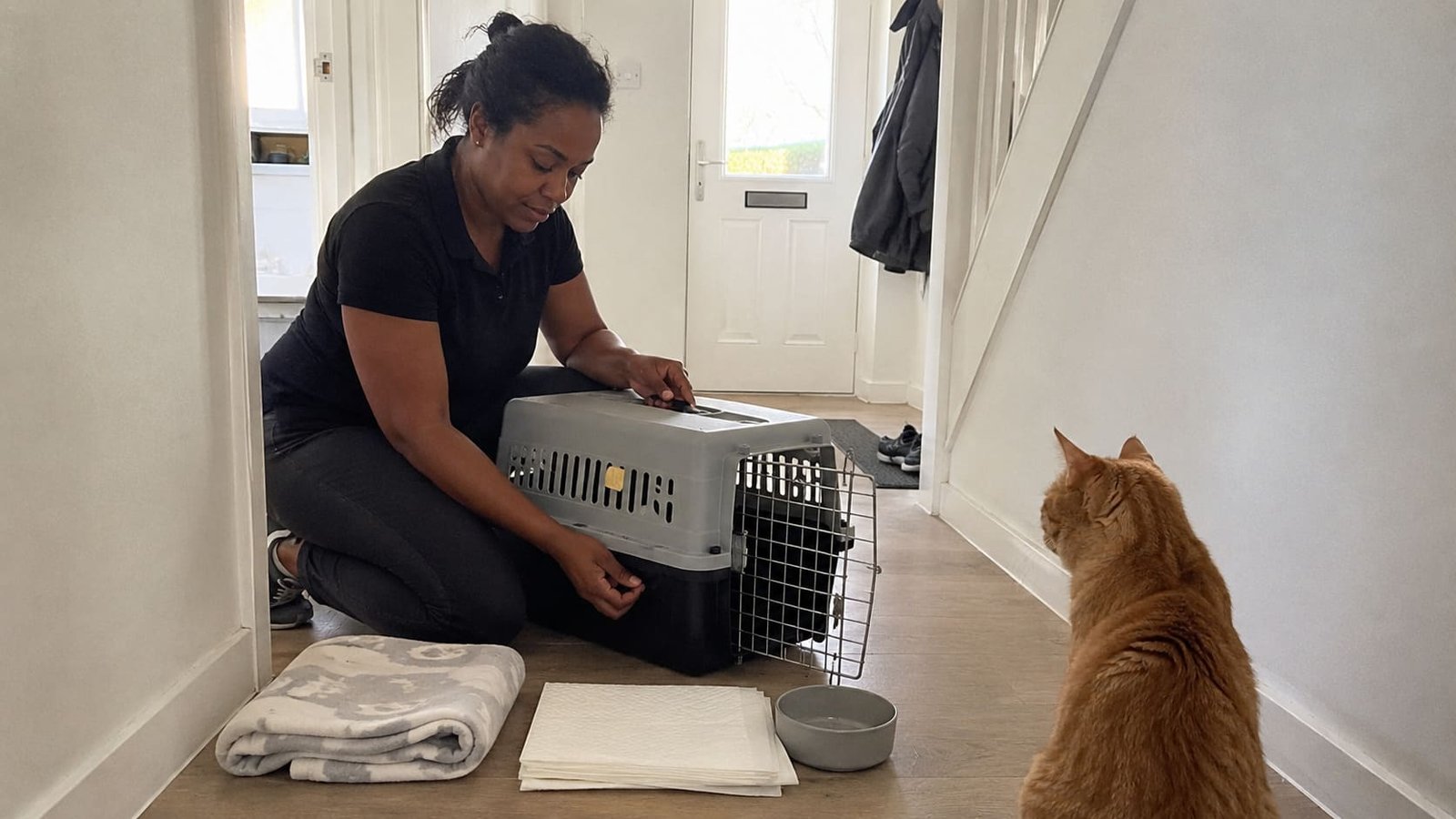
- Letting your pet explore the crate in advance
- Avoiding big meals right before travel
- Taking a pre-travel walk (for dogs)
- Including a blanket or toy that smells familiar
- Labelling medication clearly
These steps ease the transition and help your pet feel more secure. Using a safe pet travel checklist ensures nothing gets missed.
Pet taxi vs. pet courier: what’s the difference?
A pet taxi UK service is ideal for short, local journeys like vet appointments. A pet courier is designed for longer distances or relocations and follows specific transport regulations.
Pet Taxi:
- Used for short distances
- May not offer specialist handling or crate options
Pet Courier:
- DEFRA-licensed and welfare-compliant
- Suitable for long trips and animal relocation
Choose based on your length and pet’s needs.
How can I verify customer reviews and testimonials?
Anyone can post glowing reviews on their own website. Here’s how to dig :
- Check Google Reviews, Trustpilot, and pet owner forums
- Look for repeat mentions of helpful staff, specific breeds, or regions
- Be wary of overly vague or generic praise with no detail
Independent sources help you spot real feedback and avoid potential red flags. This is one of the smartest questions to ask pet transport providers before making a booking.
Summary checklist: 10 key questions to ask
Here’s a quick-reference list before booking:
- Are they DEFRA licensed and approved?
- Do they hold the correct Type 1 or Type 2 licence?
- What vehicle and crate setup do they use?
- Are their handlers trained in pet welfare?
- How is your pet monitored in transit?
- What’s their emergency and delay protocol?
- Is insurance included and what does it cover?
- How often will you get updates?
- Are there hidden fees or charges?
- Can the be customised to your pet’s needs?
Trust begins with questions
A reliable pet transport service will welcome your questions. Being well-informed helps you feel confident – and makes the trip smoother for your pet too.