
How much notice is needed to arrange pet travel from the UK?
Pet travel from the UK should be booked several weeks to several months in advance, depending on the destination, required documentation, and the pet’s preparation needs. Delays can arise from regulatory timelines, veterinary appointments, and seasonal transport limitations. Planning early reduces risk, protects animal welfare, and ensures regulatory compliance.
Here's What We Have Covered In This Article
Why timing matters more than you think
Booking pet travel is often mistakenly compared to arranging a plane ticket. In reality, the timeline is shaped less by seat availability and more by regulatory, veterinary, and welfare factors.
Every process must satisfy multiple timing-sensitive conditions:
- Documentation validity: Documents such as Animal Health Certificates (AHCs) must fall within tight date ranges.
- Vaccination windows: Rabies vaccinations may have mandatory waiting periods before travel is allowed.
- Import permissions: Some countries require advance import permits or lab-certified test results.
- Animal preparation: Crate training, behavioural readiness, and health assessments take time.
- Transport slot constraints: Pet spaces on flights or rail services are limited and fill quickly.
Incorrect timing can lead to missed flights, customs refusal, or unexpected quarantine, all of which can be avoided with adequate lead time.
Pro Tip: Request veterinary appointments well in advance during school holidays as slots fill quickly.

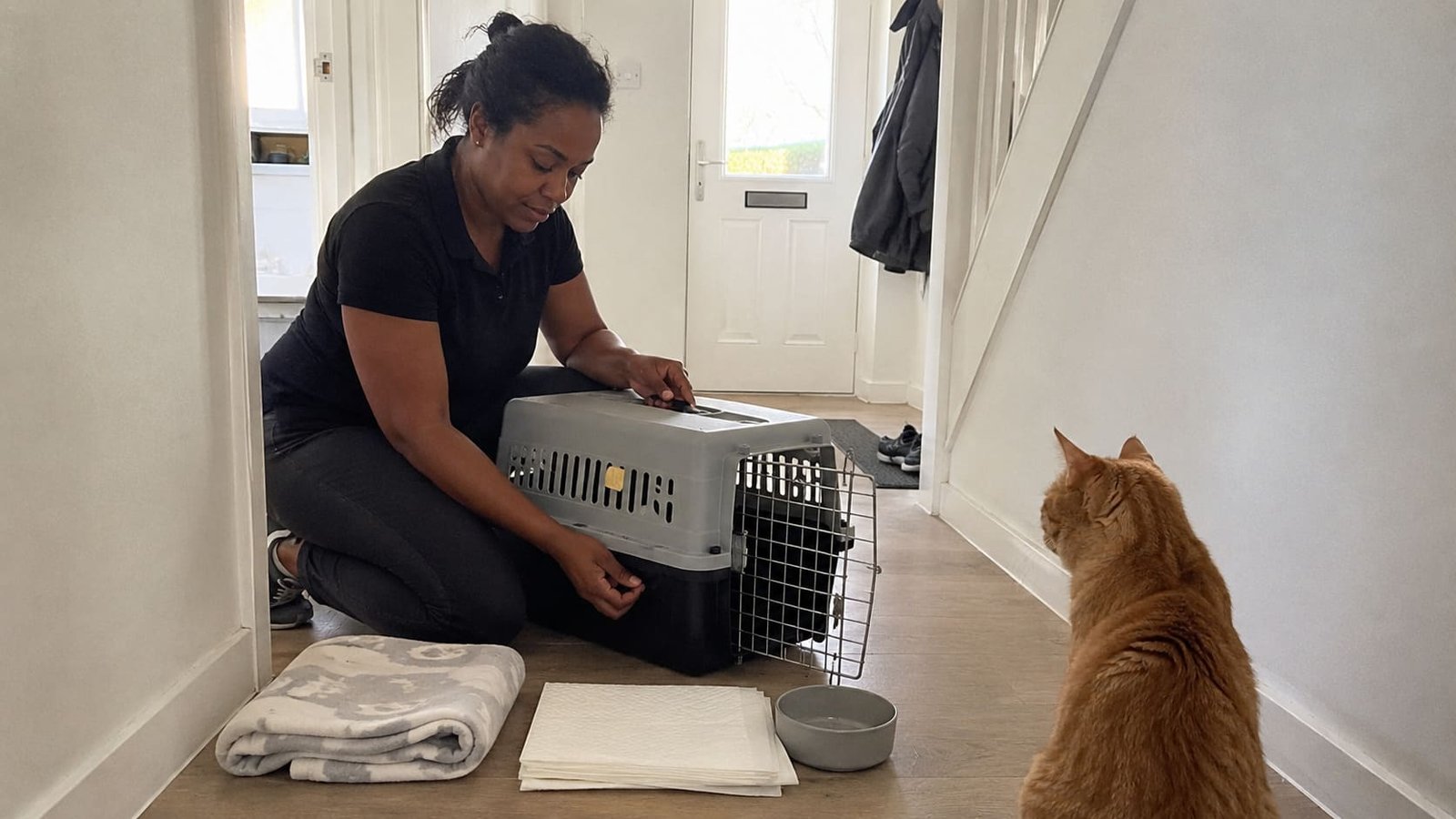
An illustrative image of a dog calmly resting inside a travel crate at home during crate training
Start Your Pet's Travel Preparation
Begin veterinary documentation, crate training, and acclimatisation early with professional guidance.
Minimum lead times for common destinations
The preparation period for pet travel varies widely between destinations. Some countries permit movement within days, while others require extensive planning.
European Union Pets travelling from the UK to the EU must have an AHC issued within 10 days of travel. This requires advance coordination with an official veterinarian but is typically manageable within a few weeks.
United States and Canada Generally, travel to North America requires proof of rabies vaccination. While lead times may not seem long, scheduling vaccinations and paperwork can still take several weeks when coordinated responsibly.
Australia and New Zealand These destinations impose some of the strictest entry requirements. Pets must undergo a rabies titre test and complete a waiting period of at least 180 days before travel. An import permit is mandatory, and quarantine may still apply. Preparation must begin months in advance.
United Arab Emirates Entry typically requires an import permit, recent vaccinations, and endorsements from authorities such as APHA. Processes can take several weeks, depending on document processing and flight availability.
The minimum time required is rarely the recommended time. Moments of delay, such as lab result slowdowns or vet unavailability, can easily extend preparation windows.
The role of documentation and veterinary timing
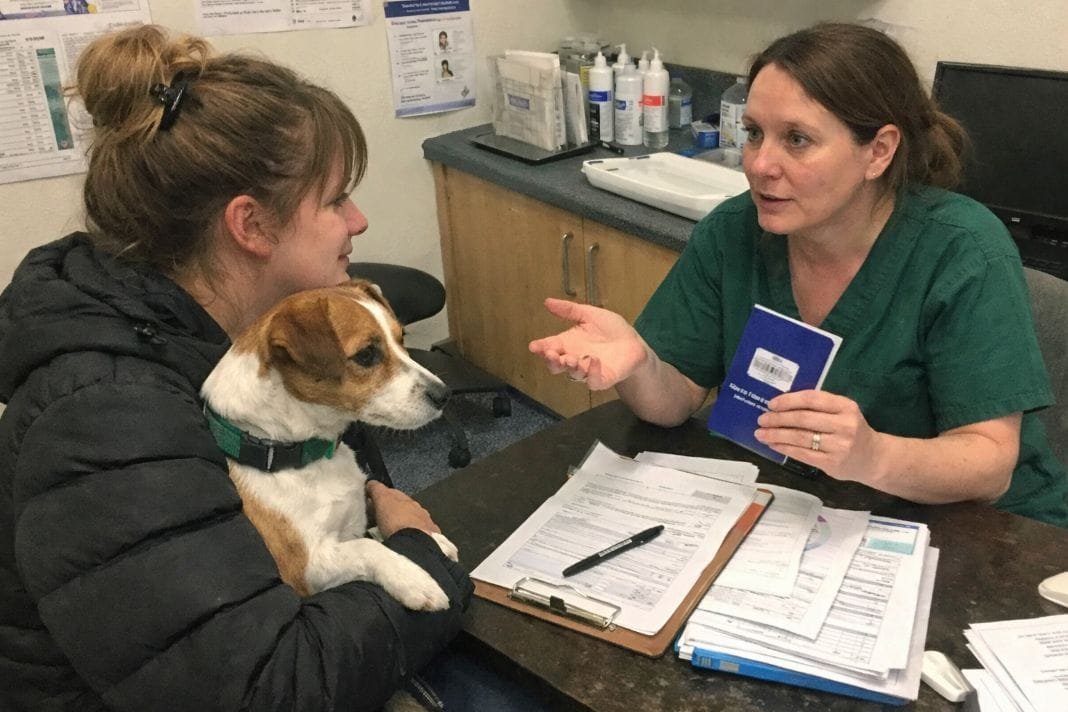
Regulatory paperwork can only be issued within specific timeframes, many of which are tied directly to veterinary procedures.
- Animal Health Certificate (AHC): Issued within 10 days of travel but requires a physical examination and evidence of prior rabies vaccination.
- Rabies vaccination: Some countries mandate a 21-day waiting period after the jab before animals are allowed to enter.
- Titre blood test: For countries like Australia, this test confirms rabies antibody levels and must be done months before planned travel.
- Vet scheduling: During peak periods or holidays, vet appointments for travel-related documentation become scarce.
- Document expiry: A document prepared too early becomes invalid. A test result received too late causes delays.
A misaligned vaccination or late appointment can unravel the entire itinerary. Booking transport without confirmed timelines from veterinary processes creates unnecessary risk.
Speak with a Pet Travel Expert
Get tailored advice for your pet’s destination, requirements, and timeline. Planning support reduces stress and ensures compliance.
Booking transport vs preparing the pet
Even with documentation and logistics in place, a pet may not be physically or emotionally ready to travel.
- Crate acclimatisation: Comfortable crate use can take weeks, particularly for pets prone to anxiety or those unaccustomed to confinement.
- Pre-travel health monitoring: Older pets or those with medical conditions may need additional monitoring before flying.
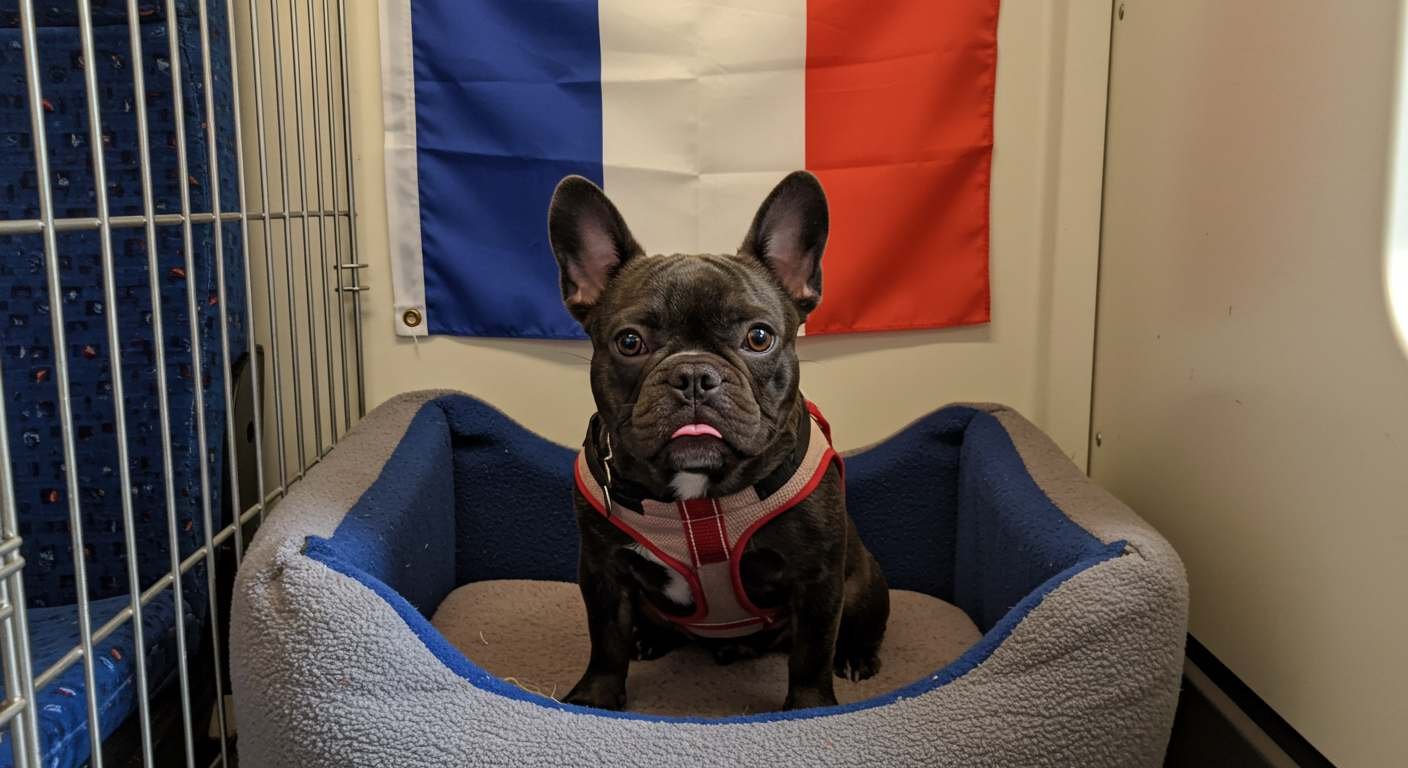
- Breed considerations: Flat-faced breeds like French Bulldogs or Persians face higher respiratory risk, requiring customised preparations and sometimes modified routes.
- Behavioural readiness: Sudden separation, changes in environment, or confined travel can be deeply unsettling. Proper acclimatisation reduces stress and improves welfare.
Rushing these steps undermines both welfare and safety. A properly prepared pet is calmer, healthier, and less likely to experience distress during transit.
Pro Tip: For countries requiring titre tests, mark your calendar early to meet the 180-day minimum wait time.
Seasonal and capacity constraints
Certain operational realities impose hard limitations on when pets can travel, regardless of readiness.
- Heat embargoes: Airlines may refuse to carry animals during high summer temperatures, especially for routes without climate-controlled holds.
- Limited aircraft capacity: Some planes have very restricted space for animal carriage and may only accept one or two pets per flight.
- Holiday demand: Travel around school breaks, Christmas, or summer holidays books up far in advance, and veterinarians may also have limited appointments.
- Ferry and Eurotunnel schedules: Pet spaces aboard cross-Channel services are limited and can be affected by rising seasonal demand.
- Weather unpredictability: Winter storms and heatwaves both lead to last-minute cancellations.
Early planning allows for flexibility. Once capacity closes or weather windows narrow, viable options diminish quickly.
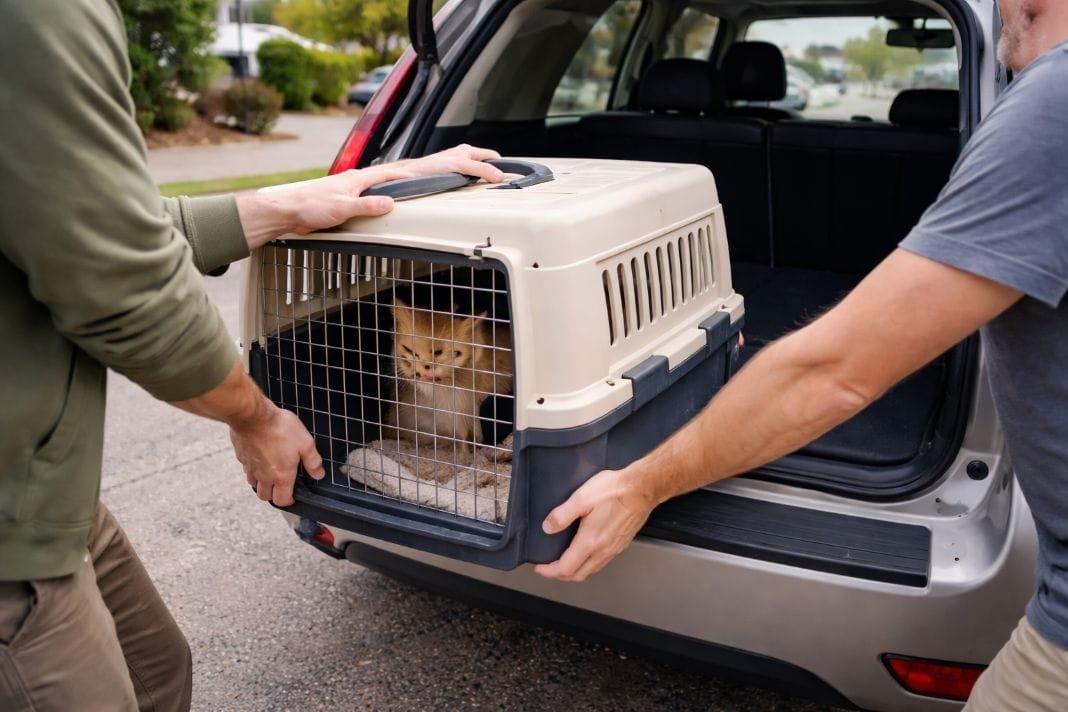
When last-minute bookings are unavoidable
Not all relocations happen on an ideal schedule. Emergency departures, employment changes, or personal circumstances may necessitate short-notice pet travel.
In such cases:
- Certain steps can be expedited: For destinations with minimal requirements, it may be possible to arrange travel within a matter of days following veterinary sign-off.
- Other procedures cannot be rushed: Rabies titre testing, import permits, and waiting periods remain non-negotiable for selected countries.
- Document fast-tracking requires coordination: DEFRA-authorised documents, veterinary endorsements, and overseas approvals must all align.
- Welfare still takes precedence: While logistics can often be tightened, a pet’s ability to handle a sudden and unfamiliar process should never be compromised.
In urgent scenarios, expert coordination becomes a fundamental part of risk management. Customised Pet Travel is often contacted at this stage to assess what’s still possible and to construct a welfare-led solution under compressed timelines.
Booking early as a form of risk reduction
Early booking is not simply a matter of convenience. It is a strategic way to reduce the likelihood of errors, stress, and non-compliance.
Benefits include:
- Wider transport availability: More flight and route options protect against cancellations or restrictions.
- Time for proper documentation: Vaccinations, blood tests, and health exams can be completed without pressure.
- Improved welfare safeguards: Crate training and behavioural preparation can proceed at the animal’s pace, not the clock’s.
- Greater certainty: Fewer surprises mean improved confidence for both the pet and their human.
- Avoidance of escalation: Early planning limits the risk of last-minute costs, refusals, or quarantine.
For complex or high-sensitivity journeys, early contact with professionals such as Customised Pet Travel offers logistical control but also peace of mind. Preparing thoroughly, well in advance, remains the single most effective way to ensure a safe and stress-minimised relocation.