Who is legally and practically responsible for my pet when using a professional pet transport service?
Responsibility for your pet during professional transport involves a blend of legal duties, contractual obligations, and practical oversight. While a specialist transport company takes on clear welfare and compliance duties once your pet is in their care, owners remain responsible for preparation and post-travel arrangements. Understanding these boundaries ensures your pet’s safety and reduces uncertainty during every stage of the process.
Here's What We Have Covered In This Article
Understanding Legal and Practical Responsibility in Pet Transport
Legal responsibility for pets in transit is defined by regulations such as the Animal Welfare Act in the UK and international frameworks like IATA rules. Professional pet transporters have a legal duty of care while your animal is in their custody, which requires them to maintain specific welfare standards. This includes appropriate handling, environment, and compliance with all regulatory documentation.
Practically, contractual terms outline what the transport company assumes in terms of risk, liability, and welfare during the process. These contracts often specify limitations, such as what happens in case of unforeseen delays, health issues arising during travel, or document discrepancies. Misconceptions sometimes arise when owners believe responsibility is simply “handed over” at collection, but true liability can be shared or phased, depending on the contract, the nature of the transport, and the jurisdictions involved.
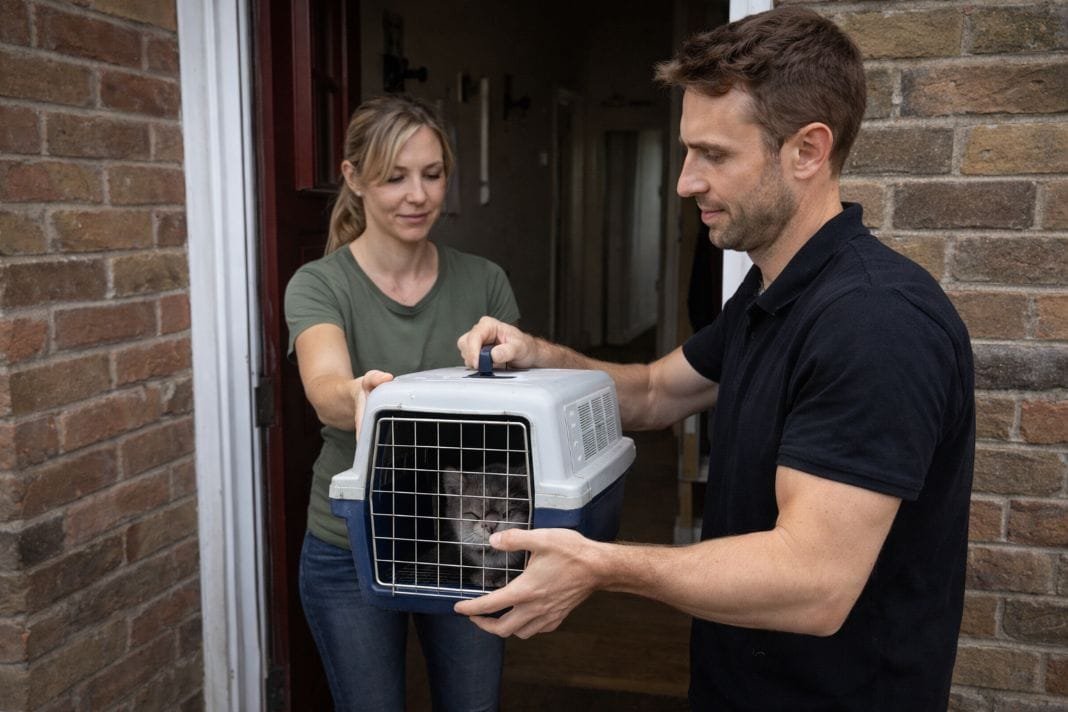
Owners retain key duties at both ends of the process. Before handover, owners must ensure all vaccinations, health checks, and paperwork are valid and compliant. Collection at the destination is also a moment where responsibility shifts back, and any special requirements or follow-on care becomes the owner’s task once more.
Insurance and liability cover another layer. Some transporters hold policies that protect against specific incidents, such as injury or loss, while others require owners to arrange cover separately. Reading and understanding the fine print, therefore, matters a great deal.
In summary:
- Legal duty: Follows statutory and regulatory requirements for animal welfare and documentation.
- Contractual responsibility: Defined by written agreements with the company, specifying start and endpoints of duty.
- Practical oversight: Managed day to day by handlers during transit and by owners before and after the process.
Pro Tip: If your pet has specific medical or behavioural needs, compile a written summary to share with your transport company before travel.
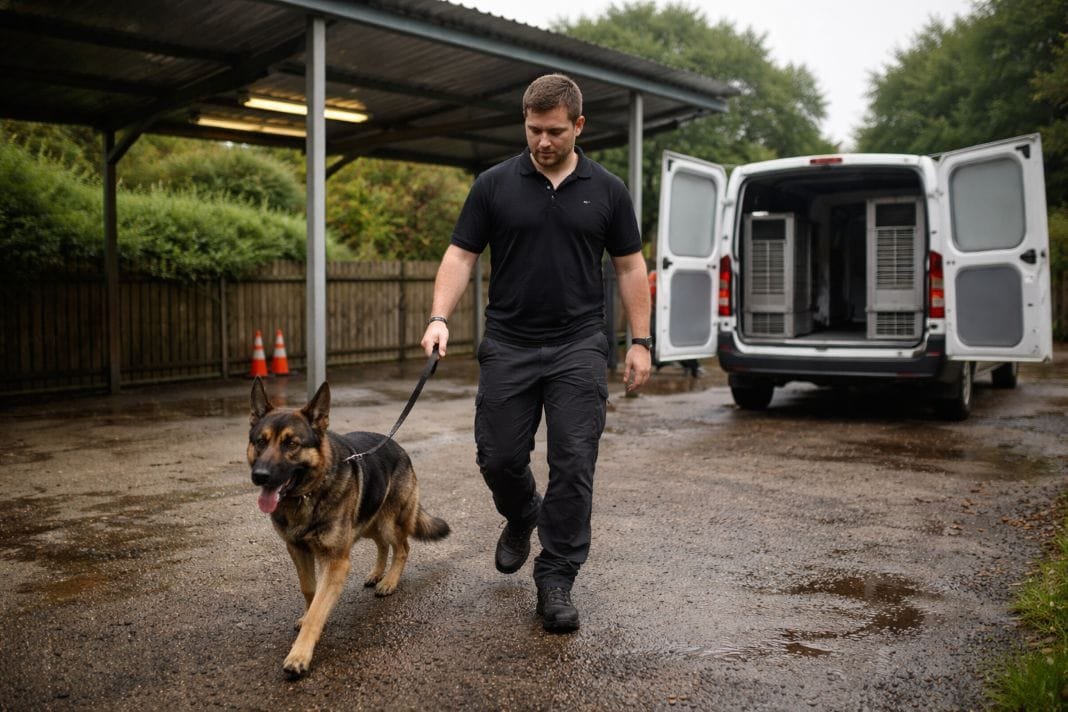
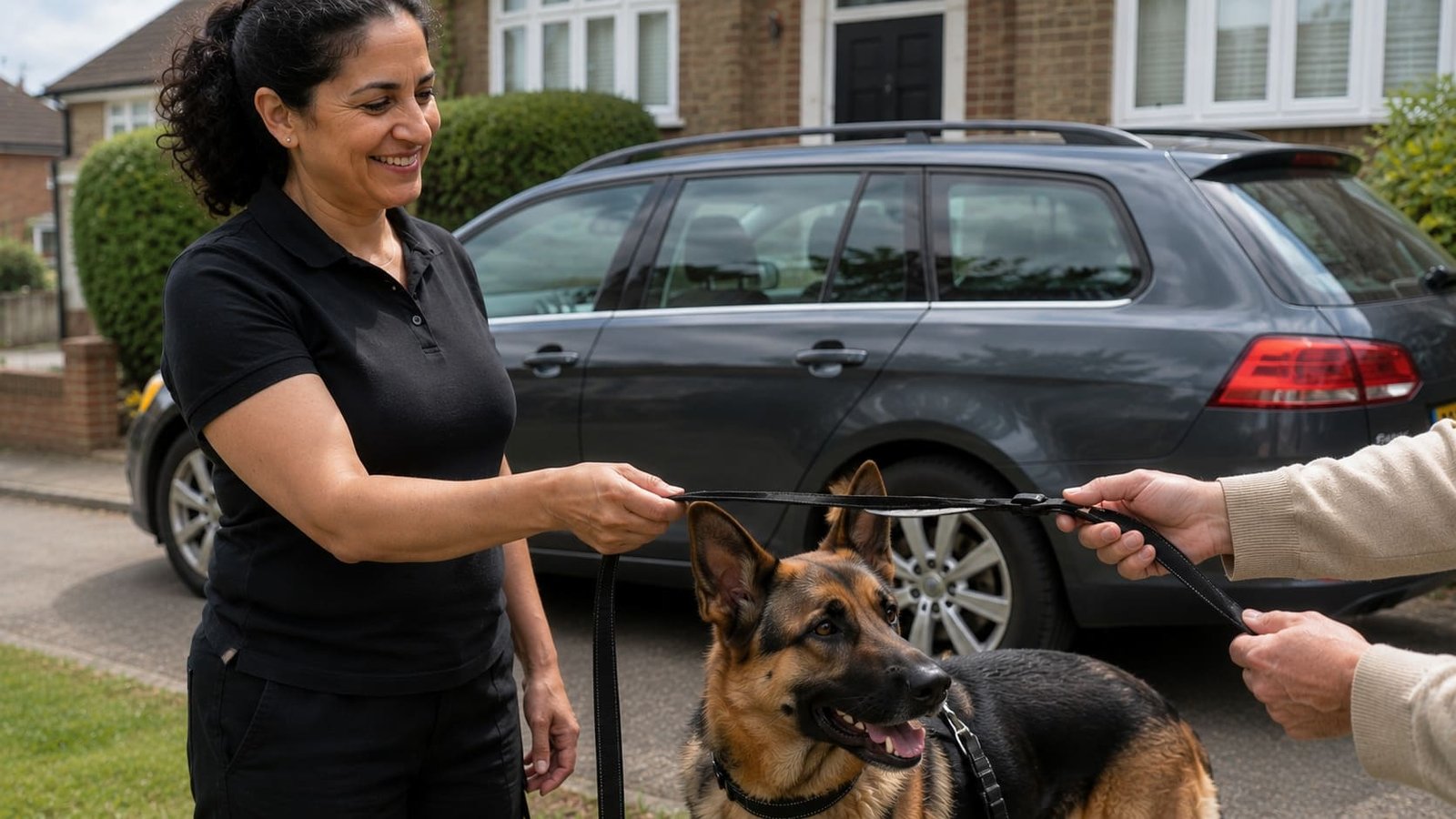
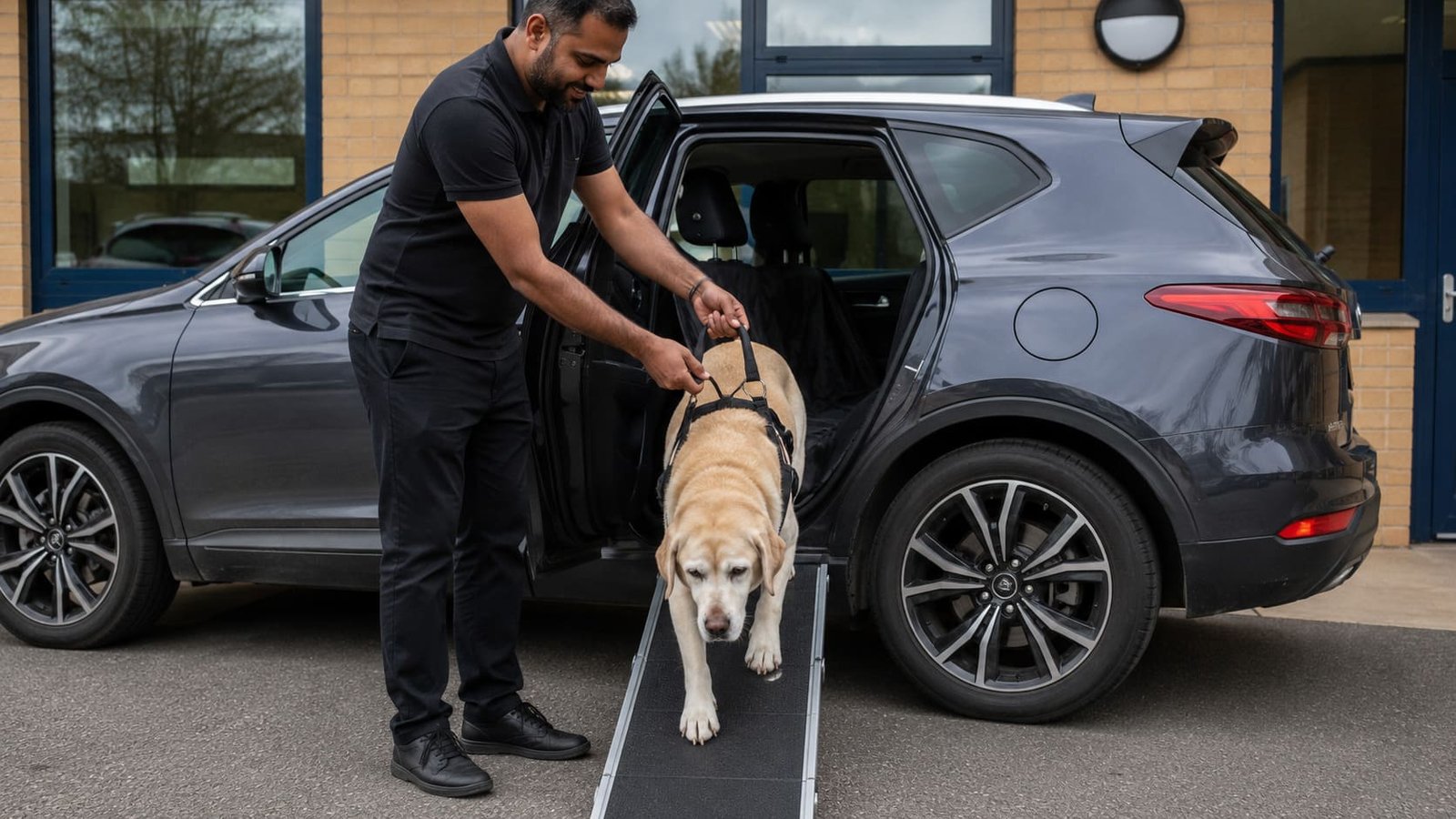
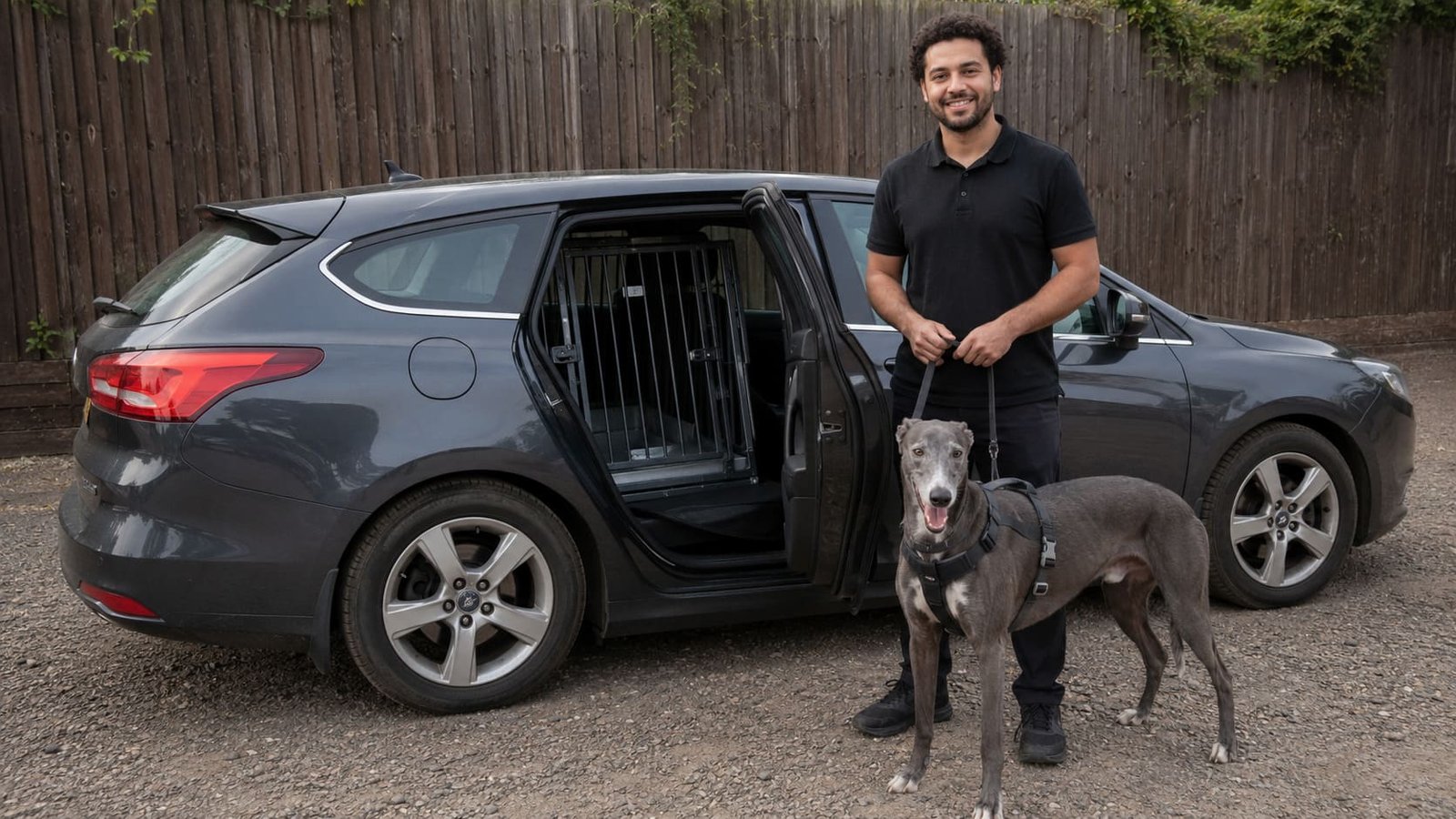
An illustrative image of a professional pet handle walking a dog on a lead
Book a Pre-Travel Consultation
Discuss your pet’s requirements and documentation with our specialists before you travel.
The Role of Professional Pet Transport Companies
Professional pet transporters, such as Tailored Pet Travel, operate with clear and structured responsibilities. The core duty of a reputable provider is to safeguard animal welfare, ensure compliance with legal and regulatory standards, and oversee the process from collection to delivery with minimal risk and maximum transparency.
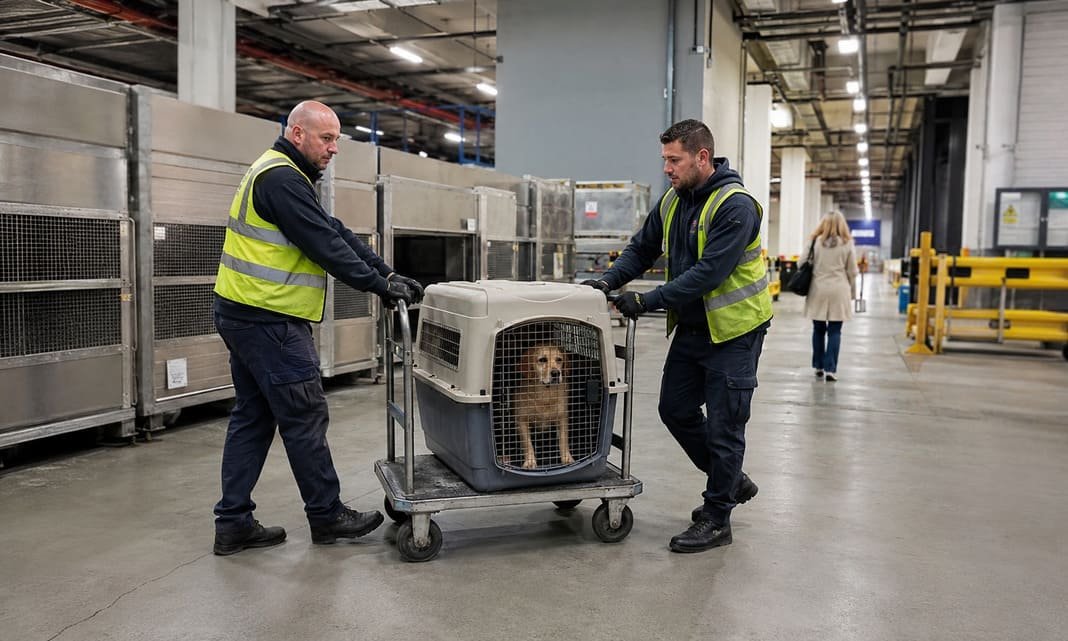
Unlike general couriers, trained pet handlers possess knowledge of animal behaviour, stress management techniques, and critical health observation skills. Their oversight covers welfare monitoring, managing travel disruptions, and providing evidence of compliance at border checks. This expectation goes far beyond basic logistics and extends to decision-making when unexpected events occur en route.
Transporters are also expected to maintain clear communication with owners, keeping them updated during significant travel milestones. The result, for pet owners, is the reassurance that welfare, compliance, and safety are managed proactively and not left to chance.
Incidents such as delays or health emergencies are managed under established protocols, often in coordination with veterinary support or border authorities. Professional involvement therefore reduces not just the risk of harm, but the likelihood of missed documentation or regulatory breaches.
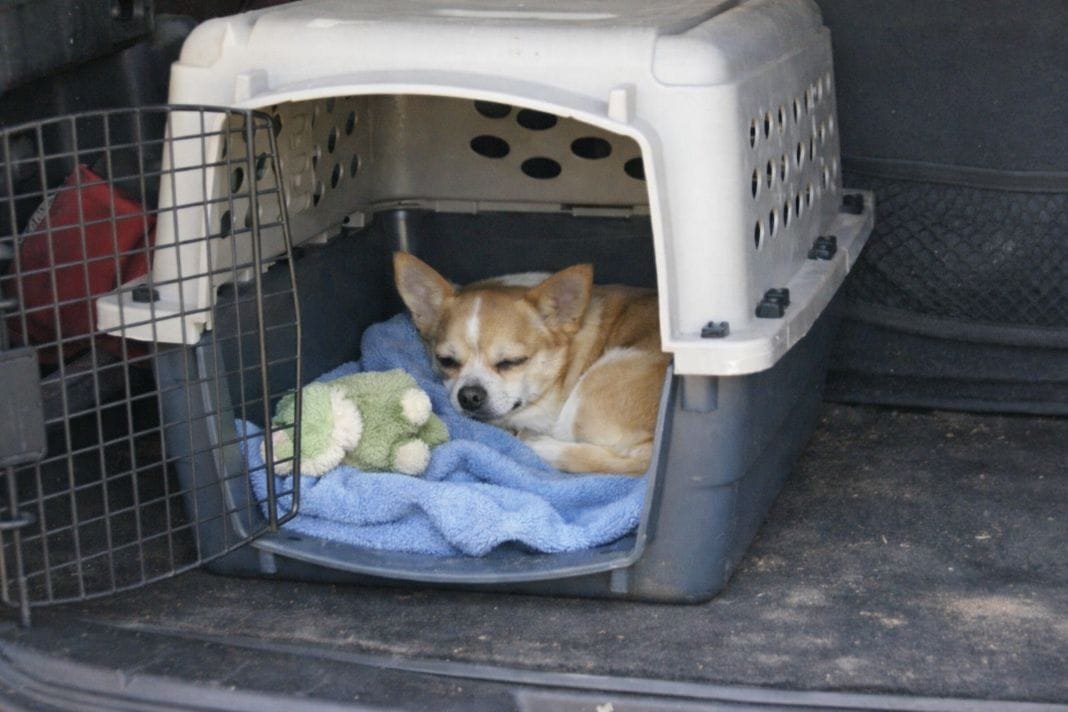
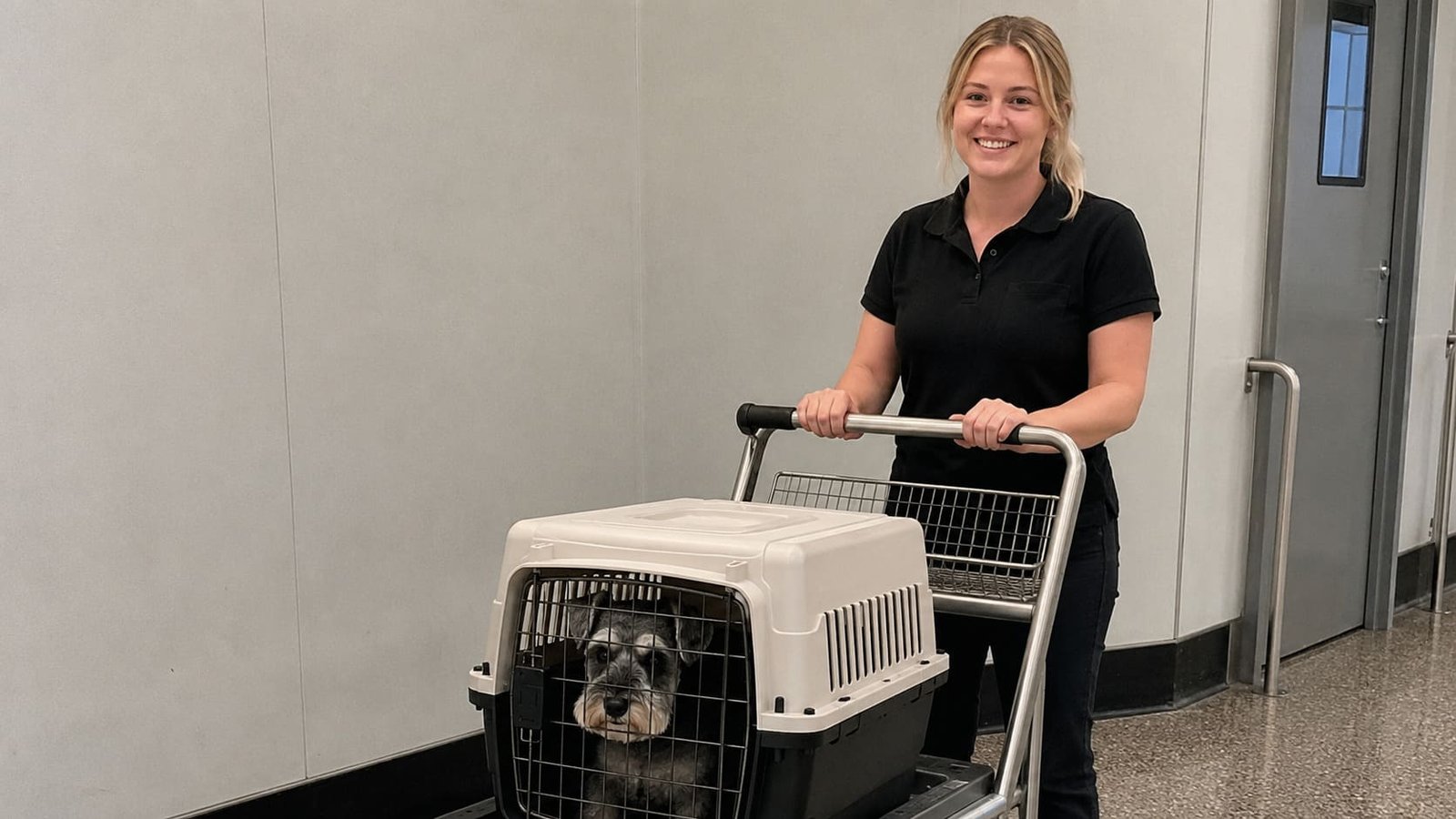
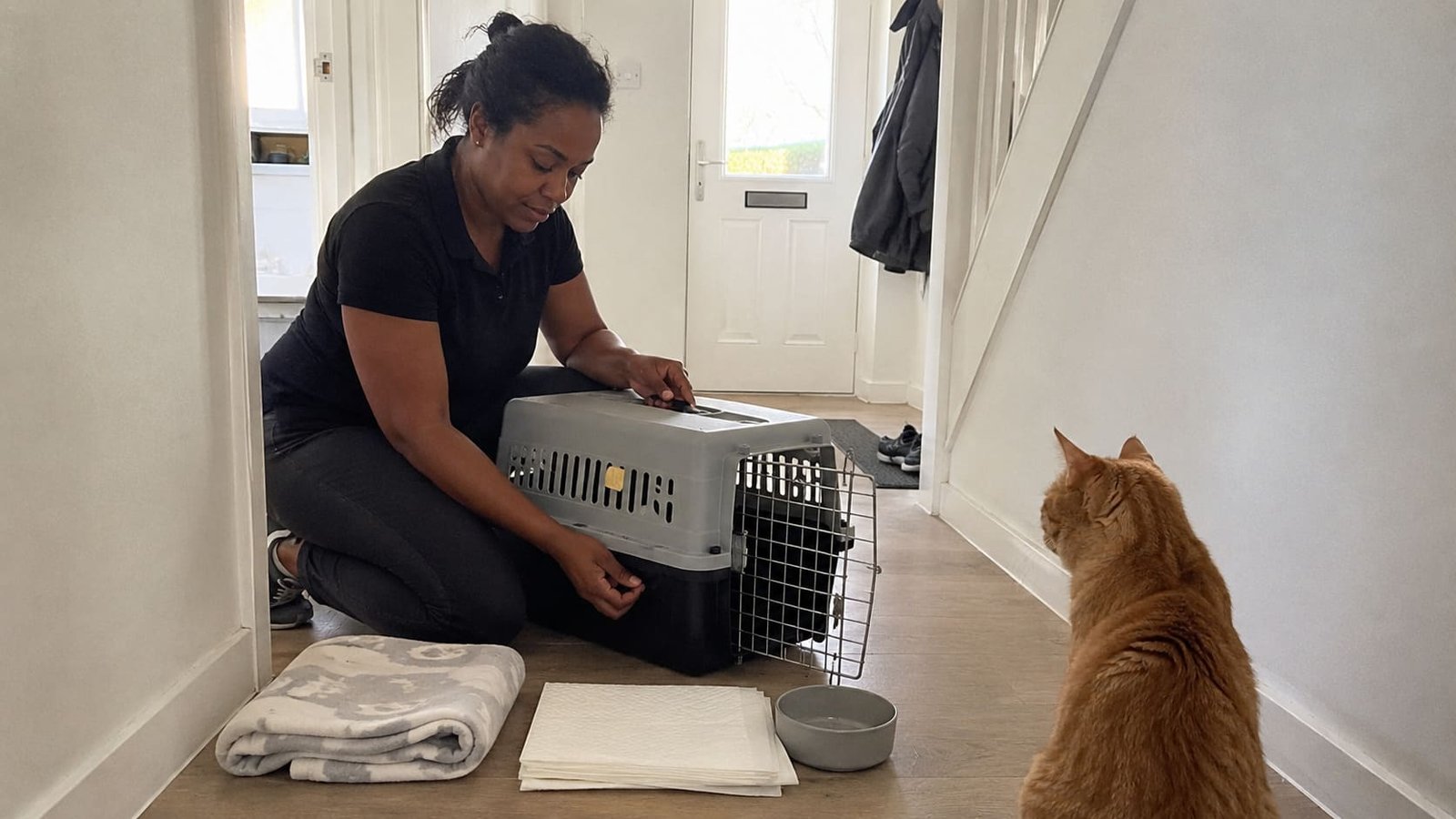
An illustrative image of a pet, such as a small dog or cat, relaxing inside a well-ventilated travel crate with a blanket and favourite toy
Owner Responsibilities Before, During, and After Transport
A safe and smooth process begins with the owner. Before handover, attention to detail is important. Ensuring documents are valid, vaccinations are up to date, and that your pet is ready for travel forms the foundation of compliant and stress-minimised transport. Veterinary consultation may be required for specific health certificates or to discuss special needs.
During the process, the owner’s role shifts to communication and availability. Sharing relevant medical or behavioural information with the transporter, confirming contact details, and being accessible for urgent decisions can make a measurable difference if circumstances change in transit.
After collection, responsibility for your pet resumes fully once more. Post-transport care includes monitoring for stress, ensuring rehydration and comfort, and following up on any advice or recommendations from the transporter. Owners who remain proactive at each stage give their pets the best protection against travel-related setbacks.
Common misunderstandings include assuming that documentation is the sole concern of the transport company, or that special requirements will be “spotted” without being flagged. Clear communication and ownership of your preparation tasks protect both your pet and your own interests at every stage.
Request a Personalised Pet Transport Quote
Find out how our team can provide a safe and compliant journey tailored for your pet.
Regulatory and Compliance Oversight
Compliance is a defining pillar of professional pet transport. Regulatory requirements in the UK and internationally are managed by authorities such as DEFRA and border control agencies, with oversight guided by IATA and national welfare legislation.
At each border or checkpoint, documentation and welfare standards are scrutinised. Health certificates, microchip records, and import paperwork must meet the criteria of both departure and arrival countries. Any discrepancy can trigger delays, quarantine, or in rare cases, refusal of entry.
The consequences of non-compliance are significant. Pets may be held at quarantine facilities, incur costs, or be denied legal entry. The burden of resolving these issues rests with both owner and transporter, but expert oversight dramatically reduces the chances of missteps.
For complex or multi-country journeys, professional providers such as Tailored Pet Travel deliver regulatory confidence by managing documentation from start to finish and liaising directly with authorities as issues arise. For situations where requirements are unusual or subject to change, this experience becomes indispensable.
Pro Tip: Always double-check the expiry dates on health certificates and vaccinations prior to handover to avoid last-minute setbacks.
Managing Unexpected Events and Emergencies
Even with skilled oversight, disruptions can occur. Common issues include travel delays, pet illness in transit, or unexpected changes to border policy. When such events arise, professional handlers activate contingency protocols designed to safeguard the animal and communicate swiftly with the owner.
Responses may involve:
- Arranging prompt veterinary assessment if a pet shows signs of illness
- Adjusting itineraries or overnight holding if flights are missed or weather intervenes
- Consulting with animal health authorities for further guidance where documentation is challenged
Responsibility during these incidents remains shared. The transport company can manage immediate welfare and regulatory contact, while keeping the owner informed. Limits on liability are usually defined in contractual terms, particularly where third-party events or force majeure are involved.
Owners can take reassurance from the existence of structured contingency planning, which means that outcomes are managed proactively rather than by improvisation. A reliable transporter focuses on welfare escalation and transparent communication, ensuring that the pet’s best interests are protected under pressure.
When to Seek Professional Oversight for Pet Transport
Certain situations make professional oversight not just sensible but necessary. If you are relocating internationally, travelling with a pet that has medical or behavioural needs, or dealing with changing regulatory requirements, expert involvement brings peace of mind and regulatory clarity.
Key risk factors include:
- Tight or unpredictable timelines
- Complex border crossings or quarantine restrictions
- Gaps or inconsistencies in documentation
- High-value or emotionally sensitive animals
- Past experiences with booking refusals or transport setbacks
Attempting travel by informal or DIY means under these circumstances can increase exposure to delays, penalties, or avoidable animal welfare risks. Professional handlers offer a buffer against these challenges, using their experience to resolve logistical snags and regulatory ambiguities before they escalate.
Even for experienced owners, the value of a provider who anticipates problems and acts decisively in your pet’s best interest can outweigh the risk of tackling challenges alone. Choosing a trusted pet transport company, particularly for journeys where the consequences of error are high, supports both compliance and welfare outcomes from start to finish.