When is the right time to speak to a pet travel company before a flight?
Ideally, you should contact a pet travel specialist as soon as international travel becomes a serious possibility. Pet relocation typically operates on longer timelines than human travel, and early engagement reduces the risk of delays, denied entry, or compliance issues.
Here's What We Have Covered In This Article
Early Contact Avoids Last-Minute Failures
Pet travel is governed by its own timeline, often requiring coordination with national authorities, specialist vets, airlines, and laboratories. Waiting until a flight is booked can lead to missed windows, especially for destinations with time-sensitive requirements.
In contrast to standard passenger travel, planning late can result in:
- Incomplete vaccination timelines
- Delayed documentation approvals
- Unavailable airline crate spaces
- Missed blood testing windows (e.g. rabies titre validation)
- Limited flexibility in veterinary appointments
Destinations such as Australia, the UAE, and certain parts of Asia may require preparations starting months in advance. Even within the EU, rules around pet health certificates vary and must align closely with travel dates.
There is a key difference between planning and reacting. Proactive contact ensures your pet’s needs shape the travel plan, rather than scrambling to adapt afterwards.
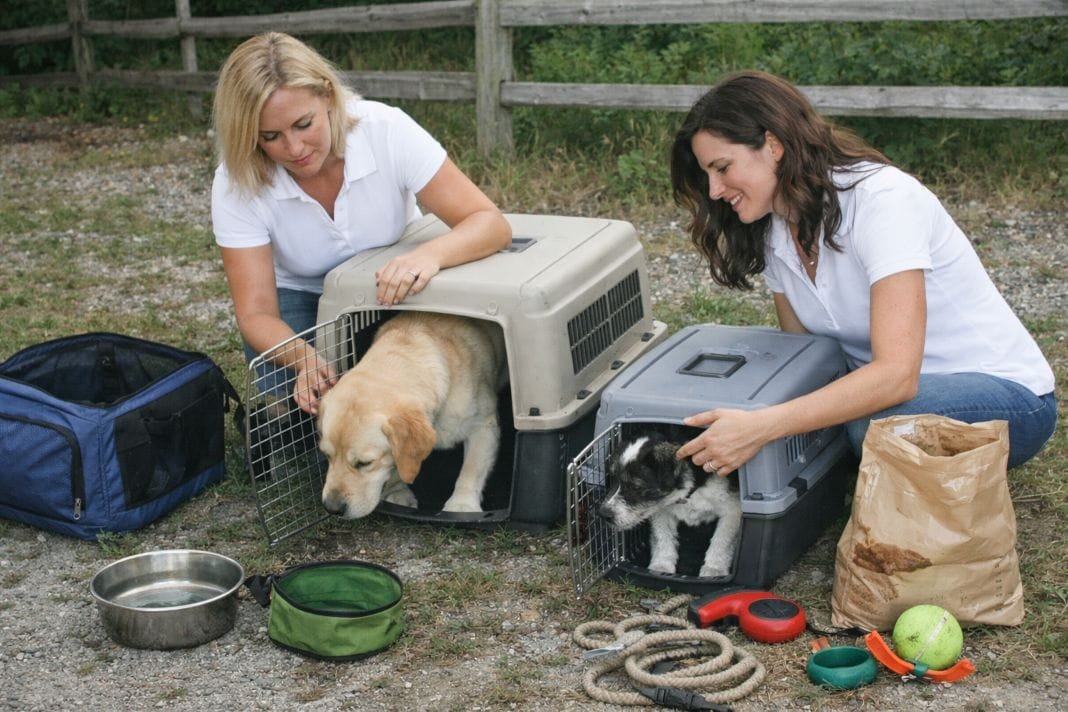
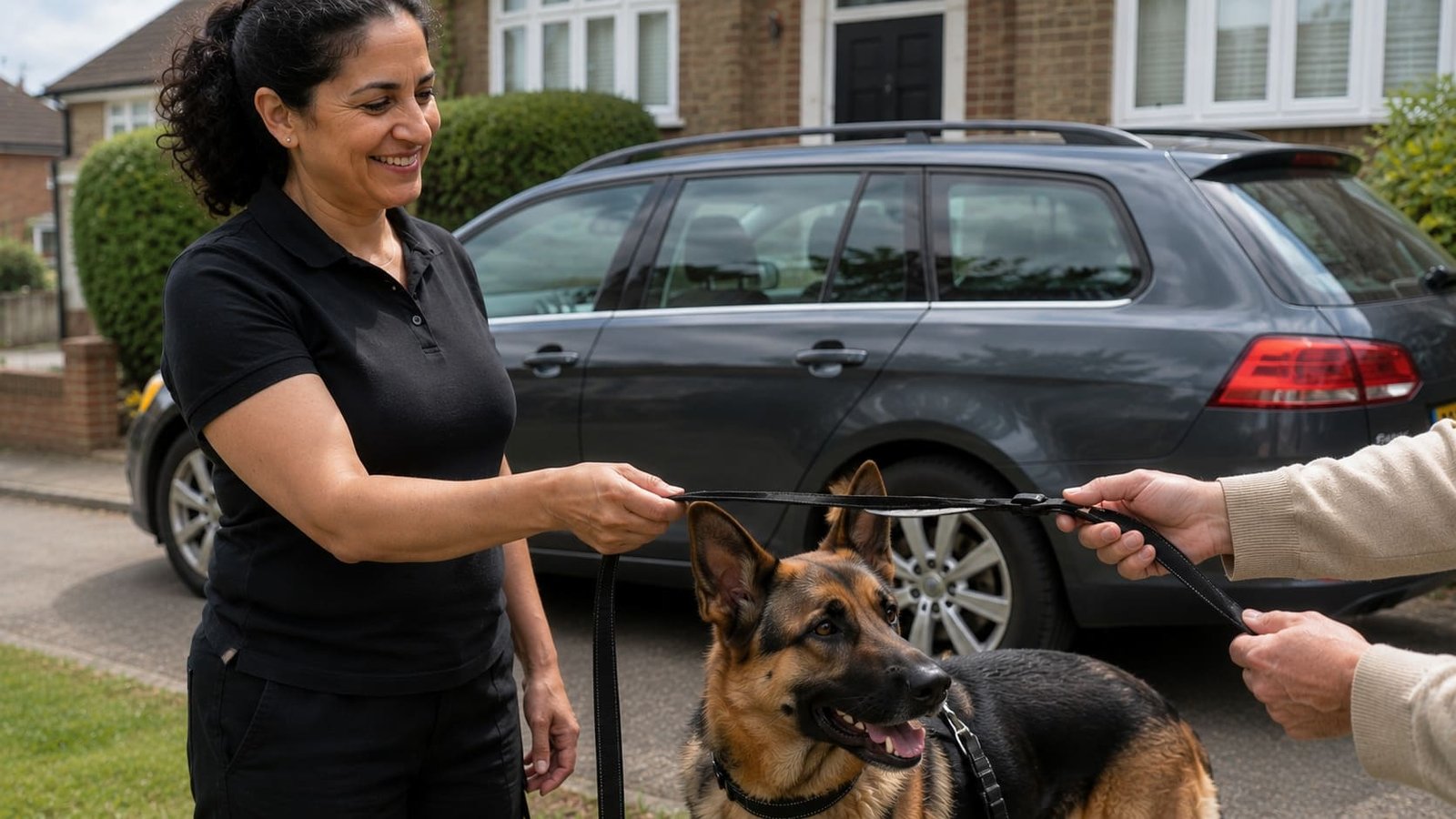
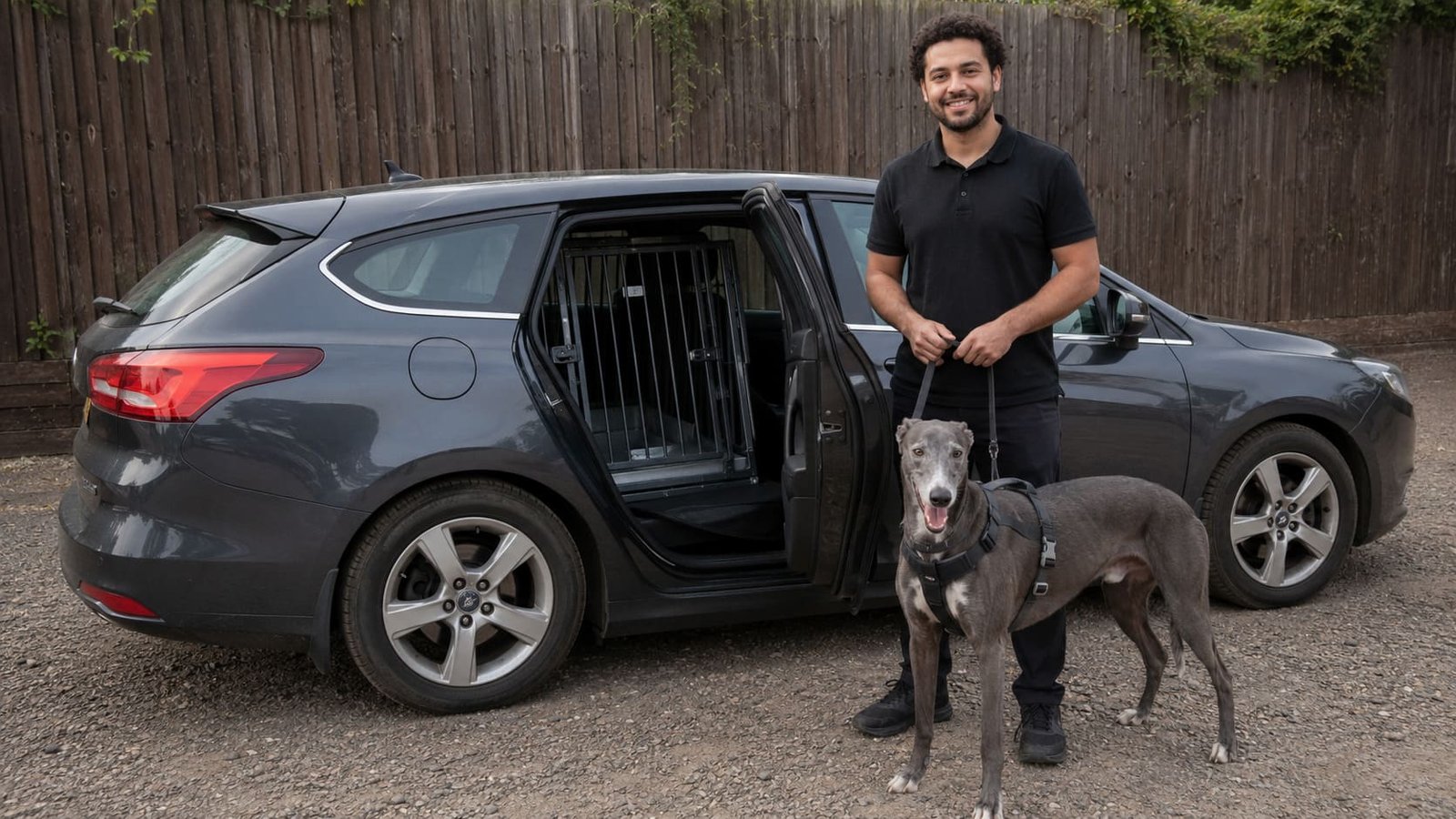
An illustrative image of two pet handlers loading two dogs into separate travel crates outdoors
Speak to a Pet Travel Expert
Countries with Complex Pet Entry Requirements
Not all destinations handle pet travel equally. Several impose strict, multi-step import procedures that leave no margin for error. In these cases, professional involvement is not an add-on but a core requirement for success.
For example:
- Australia mandates rabies titre testing completed at least 180 days before entry, along with pre-departure quarantine and timed parasite treatments.
- The UAE requires pre-approval permits, microchip registration, and tightly sequenced vaccinations.
- Japan applies multiple veterinary inspections, lab test reporting, and exact quarantine timelines.
Common complications in such cases include:
- Inadvertent vaccine timing errors
- Improper documentation formats
- Breed-specific restrictions
- Entry refusal due to incomplete lab work
- Emergency quarantine costs due to paperwork gaps
Each of these elements follows a fixed clock. Calling in expert oversight early allows these variables to be managed together, reducing the chance of unintended consequences.
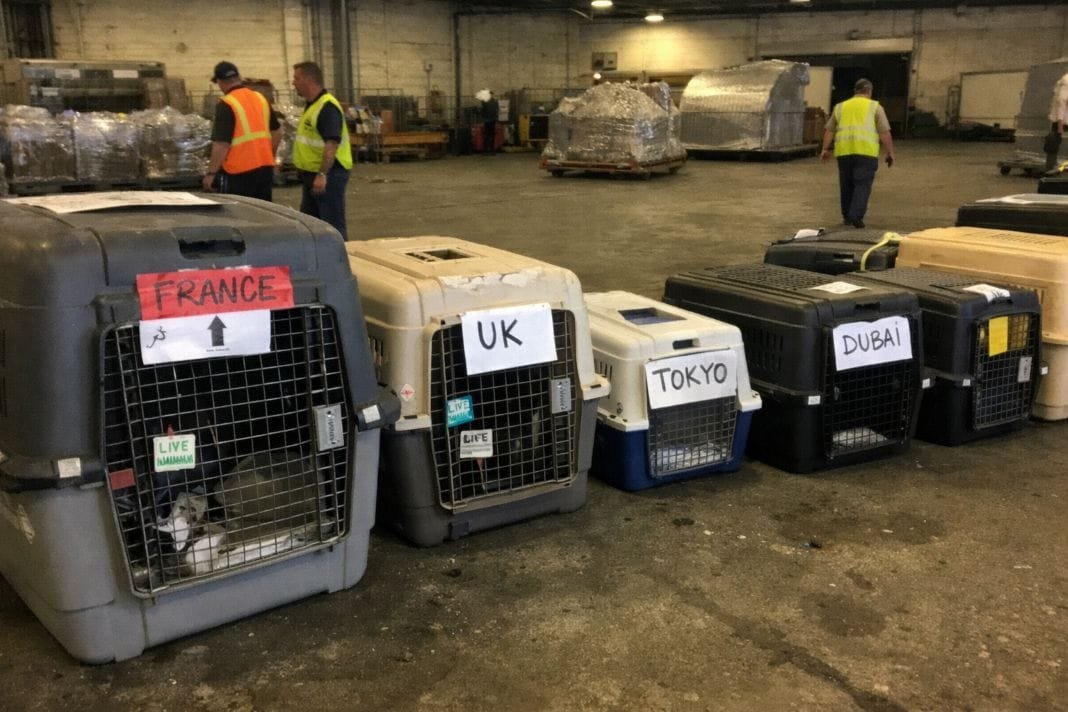
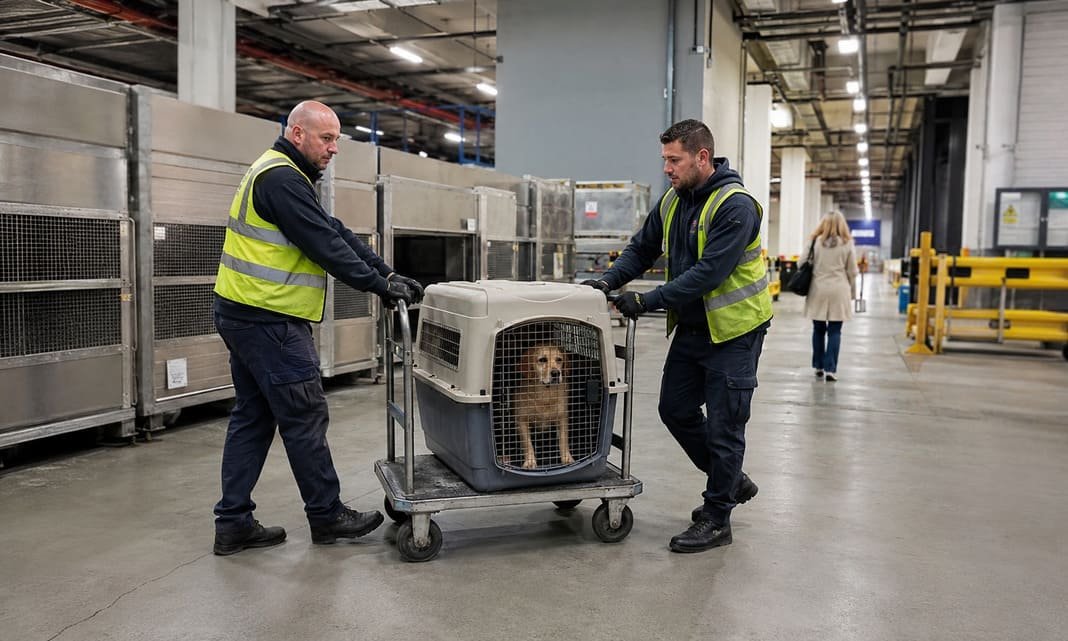
An illustrative image of an airport cargo area showing pet crates lined up, some labelled for international destinations
Medical, Age, and Breed Considerations
Some pets face more travel limitations than others, regardless of paperwork. Breed type, age, and medical histories require careful consideration far earlier than many owners anticipate.
Snub-nosed breeds, such as boxers, pugs, French bulldogs, and Persian cats, can face restricted options for travel during warmer seasons. Airlines often apply limits to these breeds due to increased risk of respiratory stress during flight.
Very young animals may not meet mandatory vaccination cut-off ages, while older pets may need specific fit-to-fly assessments or alternative routing to minimise stress.
If your pet has pre-existing conditions, regular medication, or behavioural sensitivities, careful coordination is important. This includes:
- Determining whether sedation is safe (it often is not)
- Planning rest breaks or overnight stopovers
- Choosing appropriate crate sizing and ventilation
- Ensuring continuity of medication during transit
A welfare-led travel plan, overseen by professionals familiar with both aviation and animal health requirements, ensures risk is minimised at every step.
Enquire About Tailored Pet Transport
When Travel Dates Are Fixed or Limited
In many relocations, dates cannot shift. Work contracts, visa appointments, housing leases, or school starts determine when families must depart. This puts pressure on every part of the move, including pet arrangements.
The risk lies in assuming pet travel follows the same schedule. In reality:
- Airline crate capacities may be pre-booked weeks ahead
- Health certificates have narrow windows of validity
- Rabies vaccinations must often meet specific age or timing thresholds
- Crate delivery and acclimatisation take preparation time
If documentation is delayed or pets are refused boarding, the human side of the relocation continues without them. Owners may find themselves urgently trying to arrange secondary travel routes.
To ensure pets stay on schedule, contact should align with your earliest confirmed travel timeline. This allows expert planning, crate reservation, and veterinary coordination to start in step with moving logistics.
If a Problem Has Already Occurred
Many people do not seek help until something has already gone wrong. At this point, professional assistance can stop a setback becoming a crisis.
Common late-stage issues include:
- Missing or incorrectly completed documents
- Pets denied boarding at the airport
- Conflicting advice from vets, airlines, or online sources
- Lost crate deliveries or booking errors
- Last-minute illness impacting eligibility to travel
A calm, experienced professional can step in to triage. This might mean contacting airlines directly, coordinating emergency vet appointments, or advising on rebooking within valid certificate windows.
Customised Pet Travel is often engaged in these situations precisely because they are accustomed to managing pressure without drama. While early contact is ideal, expert intervention remains valuable even close to departure.
Coordinating Complex or Multi-Pet Journeys
Travel involving multiple pets, or a mix of air, sea, and ground transport, introduces more variables and greater risk of oversight if managed independently.
These scenarios increase the chance of:
- Misaligned vaccination or vet certificates across animals
- Crate size or compatibility issues
- Transit stops creating welfare or feeding challenges
- Document errors multiplied across multiple entries
Even experienced owners can underestimate the logistical burden of moving more than one animal. Different species, ages, or behavioural patterns often require distinct approaches.
Common points of coordination include:
- Staggered departure scheduling
- Crate allocation and labelling
- Real-time updates for multiple pet locations
- Feed and hydration routines across travel days
A coordinated plan, managed by professionals with welfare-first protocols, ensures that challenge does not turn into chaos.
When You Want Certainty and Peace of Mind
Some pet owners are not facing an emergency. They simply want confidence. Even when moving seems straightforward, uncertainty around documentation, airline rules, or customs procedures can be unsettling.
Reading guidelines is helpful. Being professionally accountable for every detail is different.
Expert involvement checks:
- Vaccine dates and rabies validations
- Airline routing, crate approval, and carrier restrictions
- Entry-specific documents aligned to destination rules
- Welfare considerations for the pet’s age, health, and breed
- Airport logistics, handover timings, and customs clearances
Whether the move is months away or approaching soon, support from a known specialist provides reassurance that nothing important will be missed.
Timing Shapes the Entire Process
Regardless of destination or challenge, timing sets the conditions for success or stress. Pet travel requires a deliberate sequence of actions, often starting far earlier than owners expect.
Last-minute fixes are sometimes possible, but they are rarely comfortable. Early contact means options stay open, welfare needs are met fully, and nothing relies on luck.
Customised Pet Travel routinely supports clients facing important timing constraints, unusual routing, or unique animal needs. Their involvement changes outcomes, not simply logistics.
The right time to make contact is typically well before you feel completely ready. Pet travel moves to a different rhythm than human relocation, and planning accordingly brings relief, clarity, and safe passage.