
Is taking your dog to Europe for a summer holiday actually worth the effort?
Yes, for some owners it can be worth it, but only if the trip suits the dog, the route, the paperwork, and the pace of the holiday. A summer break with your dog in Europe can be rewarding, yet the reality often includes strict pet travel regulations, welfare concerns in hot weather, and practical limits around transport and accommodation.
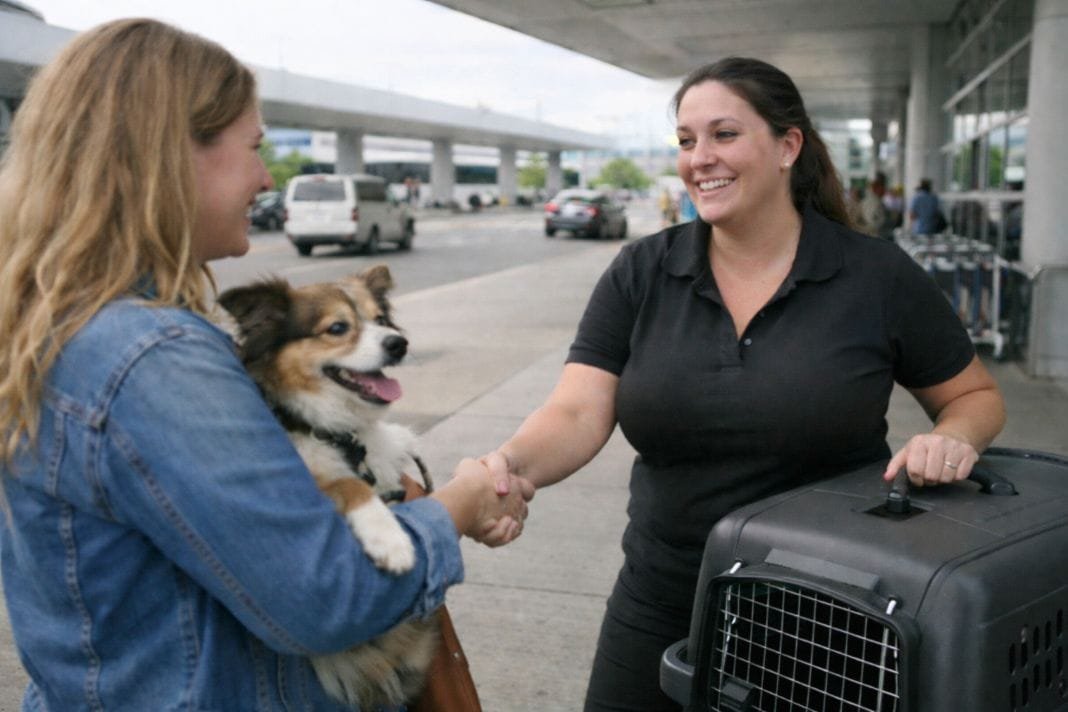
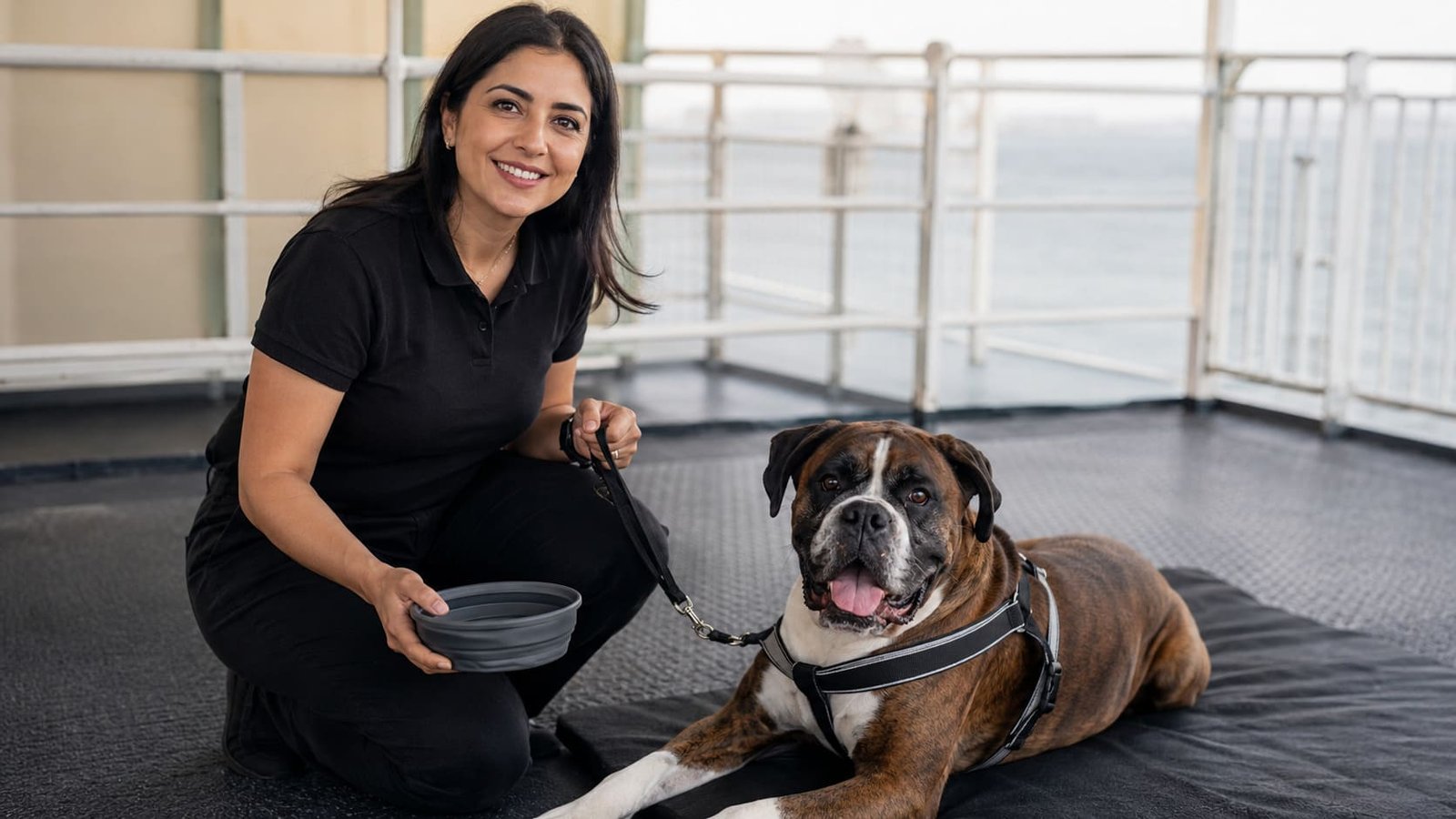
Outdoor pet pickup with crate, dog and travel team preparing for relocation – Illustrative Image
Here's What We Have Covered In This Article
The Appeal and Reality of Taking Your Dog to Europe in Summer
A beach walk in Brittany, a shaded café in northern Spain, or a long ramble through the countryside can make dog-friendly European holidays sound easy and deeply appealing. Many owners picture a happier trip because the dog comes too, especially if leaving them behind feels unsettling or simply out of character for the household.
That emotional pull is real. So is the owner-pet bond that makes summer travel with dogs feel like the obvious choice. Yet bringing your dog to Europe changes the shape of the holiday from the start. Spontaneity drops, planning expands, and small details carry more weight than they would on a pet-free trip.
A short break without a pet often allows flexible routing, broad accommodation choice, and easier decisions on day trips. A holiday with a dog usually brings a different set of expectations, including meal stops, exercise needs, rest periods, temperature management, and restrictions set by pet-friendly accommodation providers.
Some of the most common assumptions look like this:
- A pet-friendly listing means every part of the stay will be straightforward
- Crossing from the UK into Europe with a dog is much the same as it used to be
- A dog that enjoys car rides at home will cope well with a long international process
In practice, rules set by the UK government, DEFRA, and European Union pet travel regulations can affect timing and viability long before the holiday begins. For many owners, the question is less about whether taking pets abroad is possible and more about whether the trip still feels like a holiday once the practical limits come into view.
Understanding the Regulatory Landscape: What You Need to Know
Compliance sits at the centre of any UK to EU pet process. A missed requirement can lead to refusal at a border, delay at a port, or the need to change plans under pressure.
Post-Brexit travel has added more friction for many owners. Depending on the route and current rules, an Animal Health Certificate may be needed, and older assumptions about a pet passport may no longer apply in the way people expect. That is where confusion often starts, especially for those relying on outdated advice from friends, forums, or old travel habits.
Border control authorities do not treat missing or incorrect dog travel documents as a minor issue. They are dealing with import and export rules, health certification, and disease control requirements. A document that is incomplete, mistimed, or issued in the wrong context can affect the whole process.
Key regulatory touchpoints usually include:
- The current DEFRA position on pet travel regulations in Europe
- Whether an Animal Health Certificate is required for the planned trip
- The validity and relevance of any existing pet passport
- Entry rules enforced by the destination country and border authorities
Rules can also shift. The European Commission framework and national interpretation do not always feel simple from the outside, and changes can catch out owners who planned months earlier. A trip that seemed straightforward in winter can look very different by the time summer departure dates arrive.

Senior dog outdoors in autumn for caring pet relocation and travel support – Illustrative Image
Welfare Considerations: Is Summer Travel Safe and Comfortable for Dogs?
A dog may be allowed to travel and still not be well suited to the process. That distinction matters most in summer, when heat, delays, and unfamiliar surroundings can turn a manageable trip into a hard one for the animal.
Hot vehicles, warm ferry terminals, traffic hold-ups, and limited shade all increase pressure on a dog’s system. Long travel days also reduce the margin for recovery, particularly for older dogs, very young dogs, and those with existing health concerns. Veterinary professionals often look at the full picture rather than one isolated factor, because a dog that copes well in one setting may struggle once heat and travel stress combine.
Heat stress can build faster than owners expect, especially during loading, waiting periods, or border checks.
Travel anxiety may show up in ways that are easy to miss at first, including restlessness, panting, refusal to settle, or changes in eating and drinking.
Breed and physical factors can alter risk significantly. Dogs with breathing difficulties, reduced mobility, or poor tolerance for hot weather may need much more caution.
IATA Live Animals Regulations are often discussed in relation to air travel, but the broader welfare message applies across all transport modes. Safe movement is not simply a matter of reaching the destination. Comfort, rest, hydration, temperature, and the dog’s ability to cope with disruption matter just as much.
Animal welfare organisations and veterinary professionals tend to frame the issue in a simple way: possible does not always mean sensible. That becomes especially relevant if the holiday involves repeated travel days, southern summer temperatures, or accommodation without cool indoor space.
The Logistics: Transport, Accommodation, and On-the-Ground Realities
Even with the right paperwork, dog transport in Europe can become complicated once the route meets real life. Ferry timings shift, road traffic builds, rail options vary, and air travel brings its own restrictions around carriers, crates, and booking acceptance.
A smooth outbound trip can give a false sense of security. Return travel, weather changes, illness, accommodation problems, or a simple delay at a crossing can quickly disrupt routines that matter to the dog.
Road and ferry travel may feel more manageable because the owner stays closer to the animal. Eurotunnel or ferry operators can suit some journeys well, though availability, route rules, and waiting conditions still matter. Air travel may be appropriate in some circumstances, but IATA-related requirements, carrier policies, and heat management raise the stakes.
Accommodation creates another gap between expectation and reality. Some properties accept dogs but limit where they can go, how long they can be left alone, or how many dogs are permitted. Pet-friendly hotel chains and holiday lets vary widely, and acceptance on a booking platform does not always translate into a relaxed stay once you arrive.
Common pressure points include:
- Refused or restricted bookings despite a pet-friendly label
- Limited exercise space near the accommodation
- Changes to feeding, walking, and sleeping routines
- Difficulty managing the dog during long sightseeing days
- Transport crate or vehicle space issues
Once the holiday starts, daily care becomes part of every decision. A lunch stop in the sun, a museum visit, or a full day on the move may work well for people and poorly for the dog. That mismatch often shapes the trip more than owners anticipate, particularly in busy summer destinations where shade, parking, and quiet walking routes are harder to find.
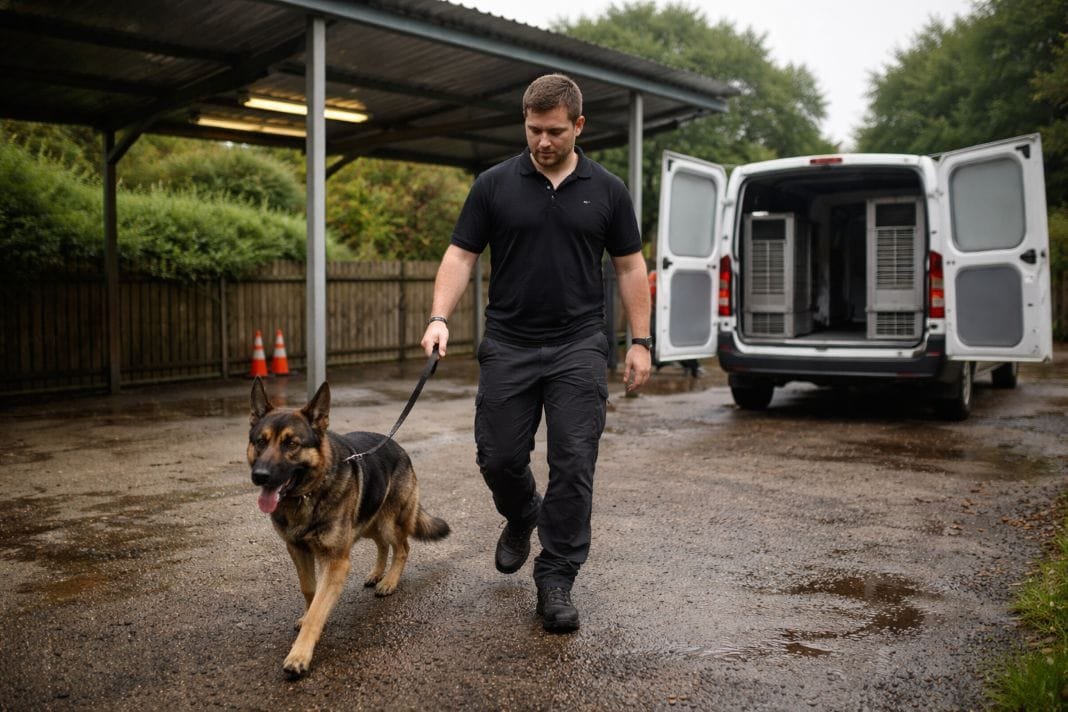
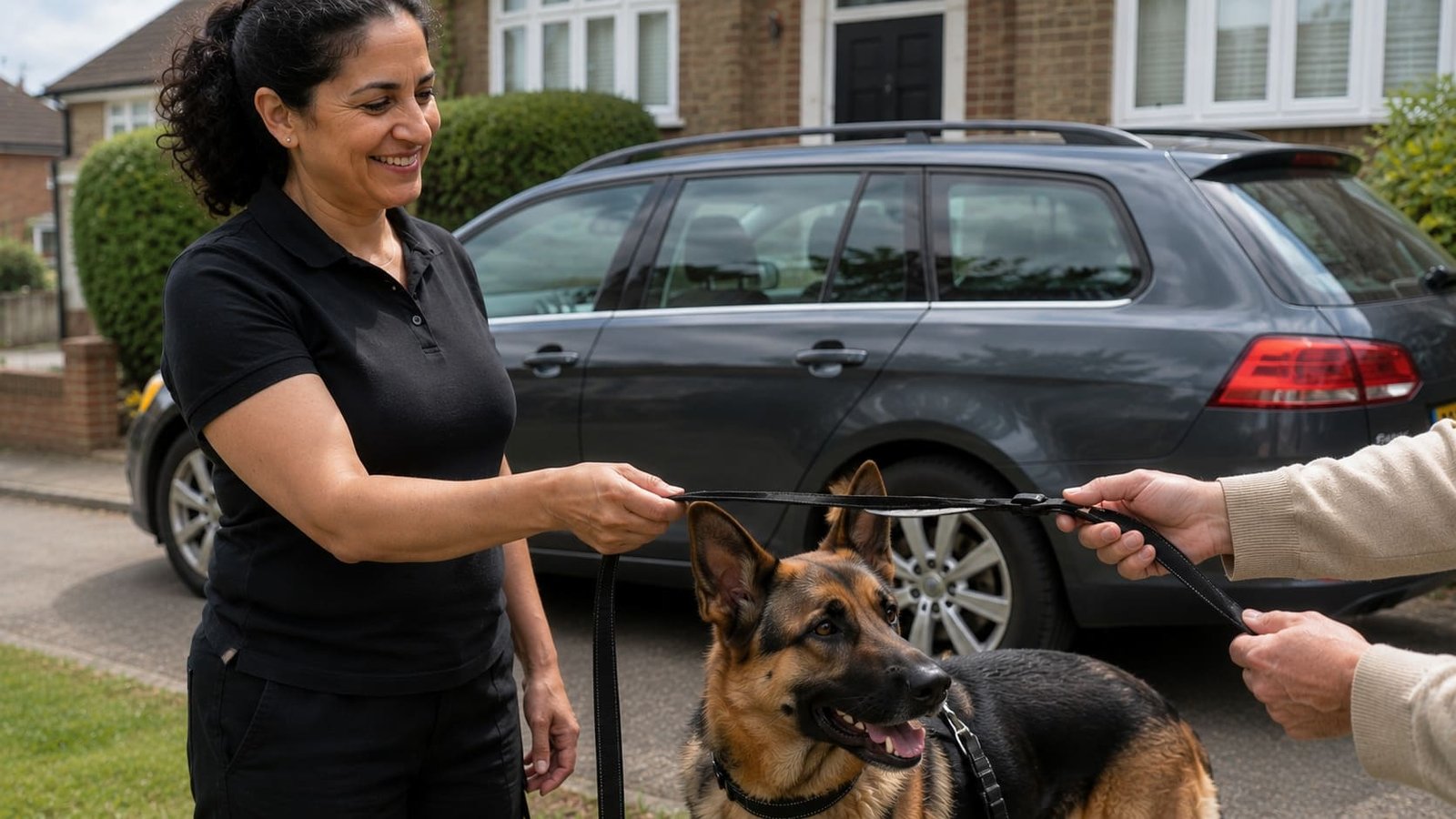
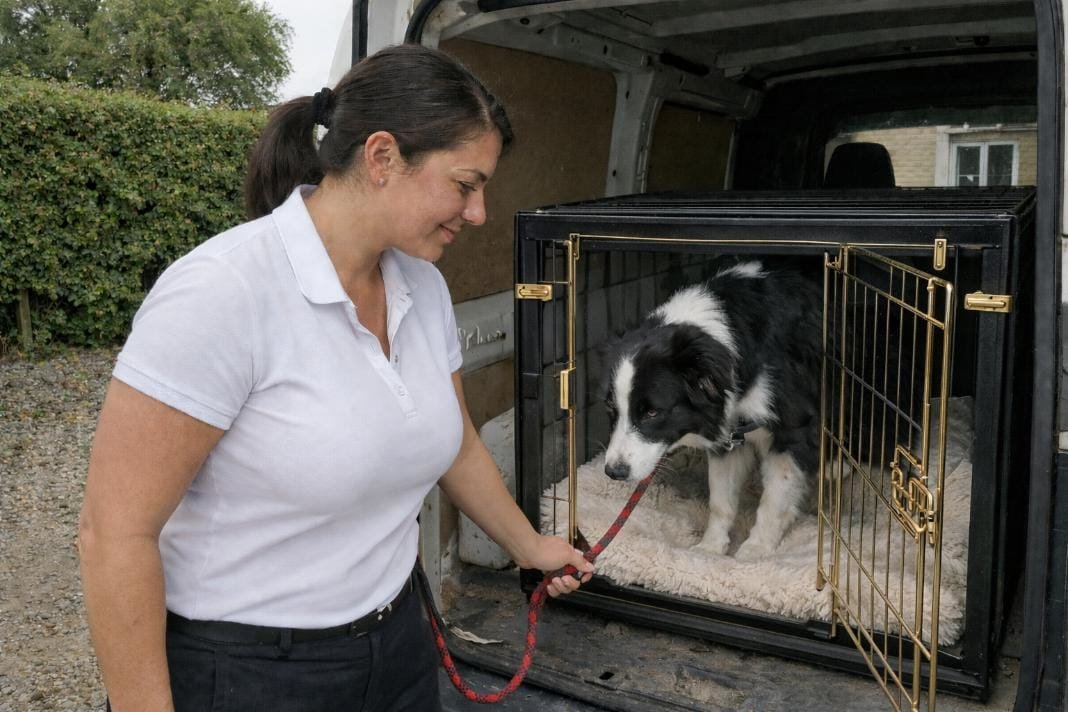
Dog being escorted by pet travel handler during ground relocation service – Illustrative Image
When Professional Support Makes Sense
Some journeys stay within a manageable range. Others become complex very quickly because the margin for error is small and the consequences of mistakes are high.
Professional pet travel support tends to make the most sense when the trip involves multiple risk points at once. That could mean a tight timeline, a dog with medical or behavioural considerations, complex paperwork, a long route with crossings, or more than one pet travelling together.
Situations where outside support often becomes sensible include:
- A booking has been refused or changed late
- The route includes several transport stages or border checks
- The dog has age, health, or welfare considerations
- The owner is relocating or combining the holiday with a move
- Documentation uncertainty is creating genuine risk
In those cases, the value is usually not convenience alone. Regulatory confidence, trained animal handlers, and calm oversight can reduce the chance of distressing mistakes. For owners under time pressure, that kind of support can turn an unstable plan into something more controlled.
Tailored Pet Travel is one example of the type of specialist service people look at when a process stops being routine and starts carrying wider welfare or compliance concerns. The benefit is often clearest when plans have already become complicated, such as after a missed crossing, a last-minute rule issue, or a dog whose needs make standard travel arrangements unsuitable.
Is It Worth It? Balancing Experience, Effort, and Risk
Whether dog travel is worth it depends on what kind of holiday you want and what kind of traveller your dog actually is. A calm, adaptable dog on a well-paced route with suitable accommodation may enjoy the experience. A heat-sensitive, anxious, or older dog may find the same trip tiring and disorientating.
For some owners, the reward is obvious. Shared time away, fewer worries about separation, and a holiday that includes the dog as part of family life can feel entirely worth the extra effort. For others, the reality includes heavy planning, tighter schedules, less freedom, and ongoing concern about the animal’s comfort.
A balanced view usually looks something like this:
- Benefits can include companionship, continuity of care, and a more inclusive holiday
- Drawbacks can include regulatory pressure, reduced flexibility, and welfare concerns in summer conditions
- Satisfaction often depends on the dog’s temperament as much as the destination itself
Veterinary professionals and pet travel consultants can help owners think more clearly about whether the plan fits the dog, rather than the other way round. That is often the point at which the decision becomes easier. If the holiday needs too many compromises from the animal, leaving the dog at home with trusted care may be the kinder choice. If the route, timing, and conditions genuinely suit the dog, the trip can be enjoyable for both of you.

Small white dog on grass for puppy travel, pet courier and relocation services – Illustrative Image
Looking Ahead: Rethinking Pet Travel for Future Holidays
Pet travel is unlikely to become simpler in every respect. Rules can change, border checks can tighten, and welfare expectations are receiving more attention from regulators, carriers, and owners alike.
That does not mean future holidays with dogs are unrealistic. It means they reward better judgement, earlier planning, and a willingness to adjust when a route or destination no longer suits the animal as well as it suits the family.
Several trends are worth watching:
- Ongoing changes linked to DEFRA guidance and European Commission frameworks
- Greater emphasis on documented compliance at borders
- Higher awareness of summer welfare risks and transport suitability
- More scrutiny of whether a trip is appropriate for the individual dog
Animal welfare bodies have helped shift the conversation in a useful direction. The focus is moving away from whether a dog can be taken abroad and closer to whether the full process is fair, safe, and manageable. That is a healthier way to think about holiday decisions.
Services such as Tailored Pet Travel sit within that wider shift because owners increasingly want informed support when the route is complicated or the stakes feel high. Even so, the core judgement stays the same: the best summer holiday plan is the one that respects the dog’s wellbeing as carefully as the booking itself.