What does “door-to-door” pet transport actually mean in the UK?
Picture your cat being collected from your doorstep in Surrey and arriving safely at your new flat in Glasgow, without being moved between vans or stopping off at a depot. That’s what proper door-to-door pet transport should look like. But not all services are as straightforward as they appear.
In the UK, door-to-door pet travel usually means that your pet is picked up from your home and delivered directly to its destination. It’s more like a private car service for animals than a standard pet courier. However, marketing can blur the details, so it’s worth checking exactly what’s included.
Some companies may transfer pets between vehicles or combine several journeys into one, which isn’t always clear from the outset. A solo journey with one dedicated handler is the preferred standard, but it’s not always the default option.
Also, services in rural or remote areas may be more limited or require extra arrangements. For example, areas such as the Scottish Highlands, parts of Wales, and isolated villages may not fall within standard operating routes. This could mean longer wait times, handovers at neutral points, or additional costs to accommodate longer travel or detours. Always ask if the route is direct and whether other animals will be onboard. A bit of clarity goes a long way in making sure your pet travels comfortably and securely.
Here's What We Have Covered In This Article
Everything that’s included in a door-to-door pet transport service
A professional UK pet courier typically offers more than just basic transport. These pet relocation services often provide:
- Free quote and consultation: You’ll have a conversation with the provider to understand your needs and get a clear idea of costs.
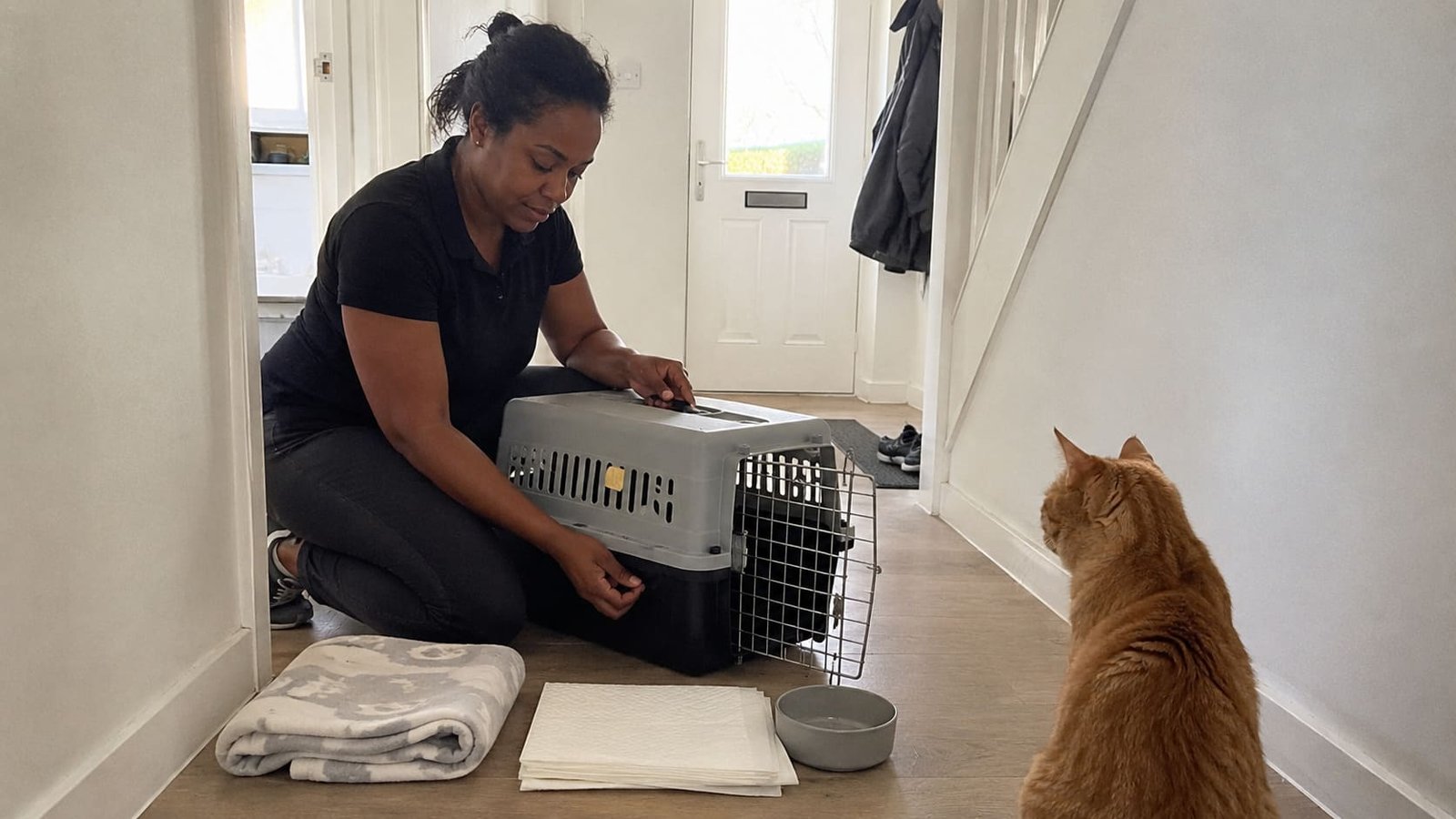
- Collection from your home: A trained pet handler will arrive at your doorstep and take your pet into their care.
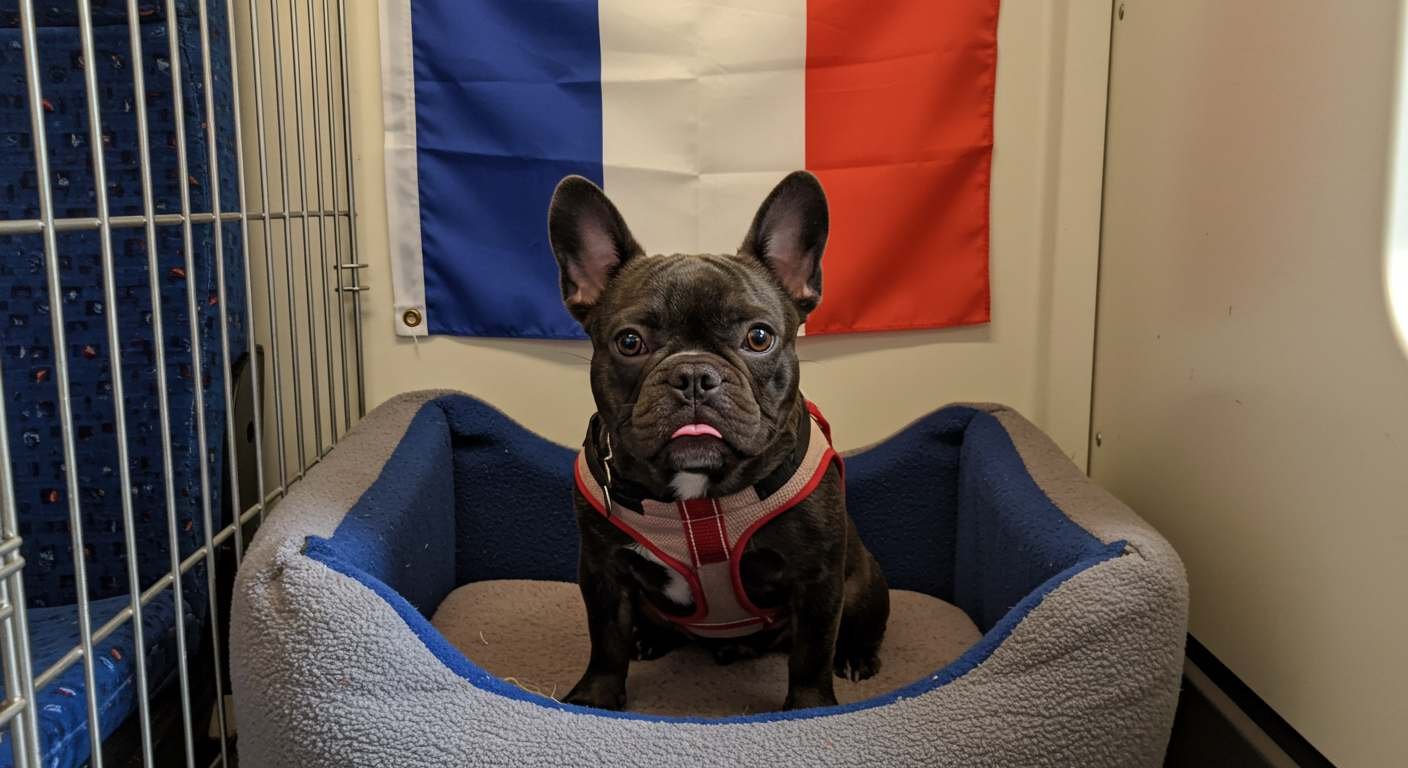
- Comfortable, secure transport: The vehicle will be DEFRA-compliant, with safety crates, ventilation, and climate control to ensure comfort.
- Planned rest breaks: Dogs especially will benefit from stops that allow time for walks, hydration, and reassurance.
- Live updates or tracking: Many couriers offer updates during the journey, either through GPS or direct communication.
- Direct delivery to the destination: Your pet will be dropped off exactly where you’ve arranged, without unnecessary transfers.
- Travel crate and accessories: Crates compliant with IATA standards, bedding, and harnesses are often included.
- Documentation support: Couriers can help with travel documents and ensure that DEFRA and APHA regulations are followed.
Some providers market these one-on-one, high-comfort options as luxury pet transport, especially when pets travel alone with no other animals onboard. These features provide peace of mind and help ensure a smooth experience for both pets and owners.
Pro Tip: Always confirm if your pet will travel solo or with others, the term “door-to-door” doesn’t always mean private transport.

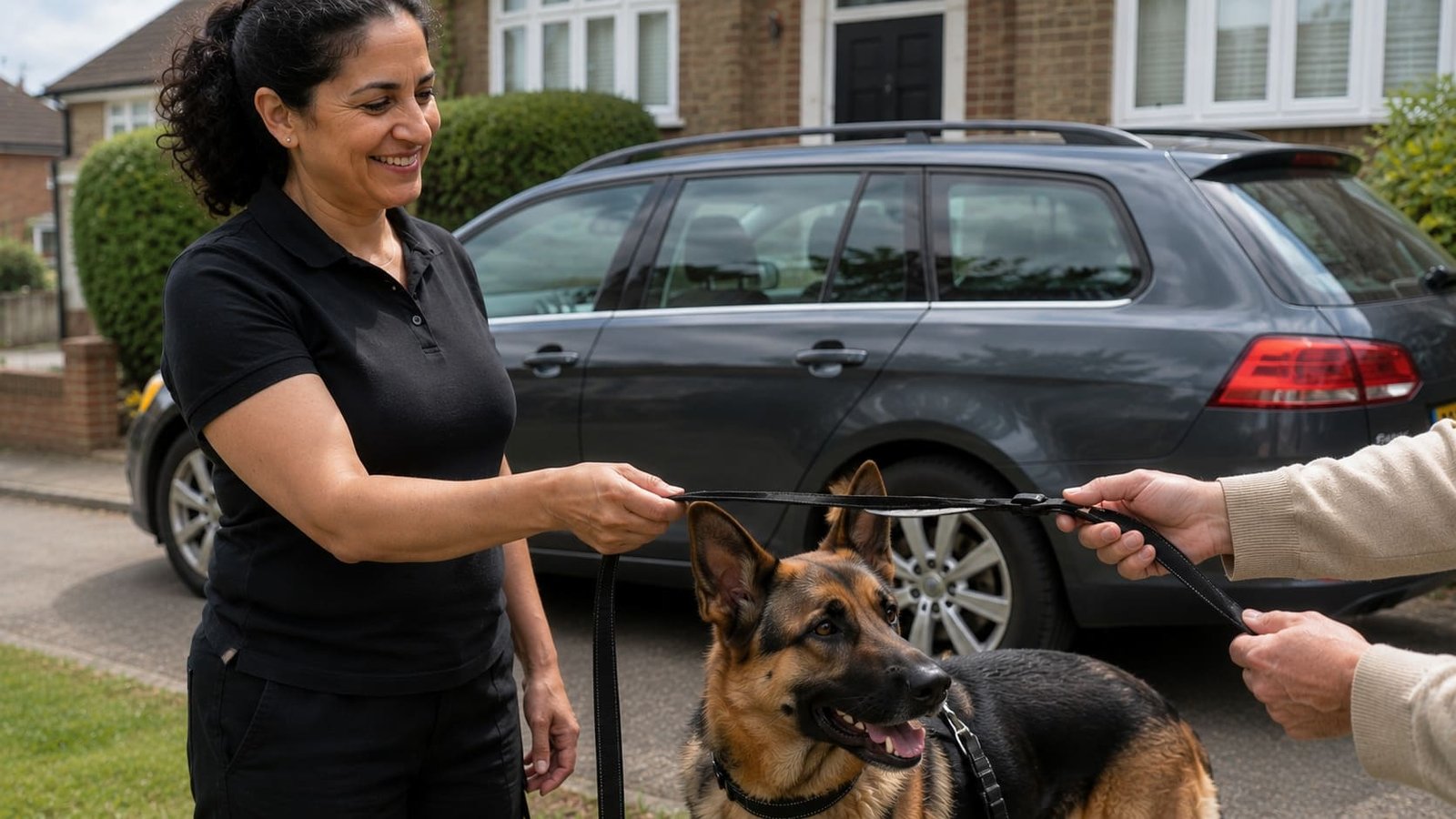
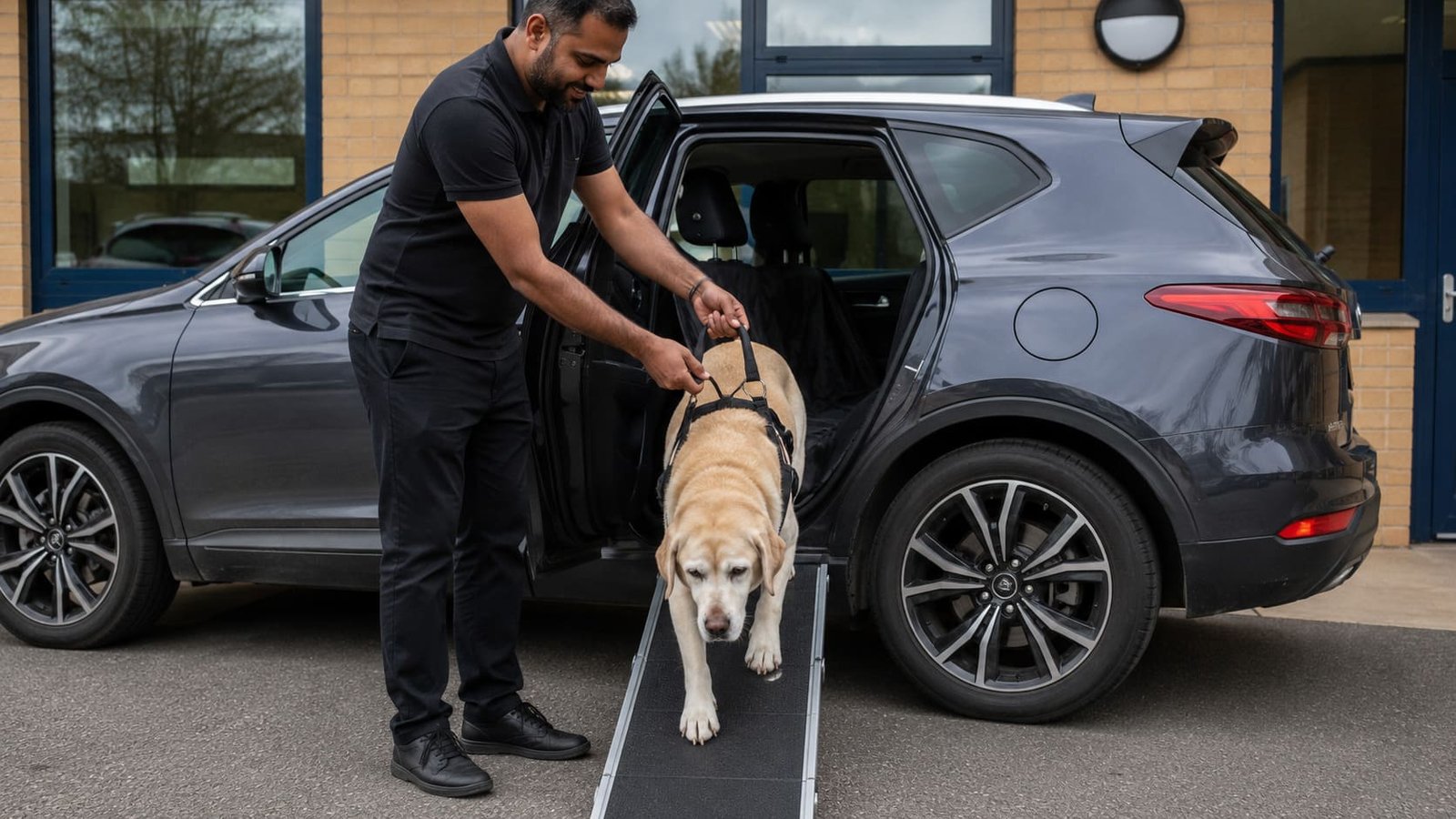
An AI photo of a pet handler delivering a pet with a door to door service.
Book Trusted Door to Door Pet Transport
Secure your pet’s journey with our fully licensed pet courier team.
What’s not usually included and when you might pay more
While most pet transport services cover the essentials, there are add-ons and exclusions to consider:
Vet appointments and health documents
You’ll be responsible for making sure vaccinations, worming, and microchipping are done beforehand. Couriers can advise but won’t typically arrange these.
Feeding and medication
If your pet needs regular meals or medicine, check whether this is offered. Some couriers provide it, but it often comes at an extra cost.
Overnight accommodation
Journeys that span multiple days or involve delays might require overnight boarding. This would usually involve an additional fee.
Out-of-area services
Deliveries to remote or less accessible locations might fall outside of standard routes, adding to the cost.
Custom crate sizes or solo transport
If you need a special crate or want your pet to travel alone, expect to pay more.
Knowing these extras helps you plan better and avoid unexpected charges.
Pro Tip: Ask for a real-time update option like WhatsApp or GPS tracking to stay informed throughout the journey.
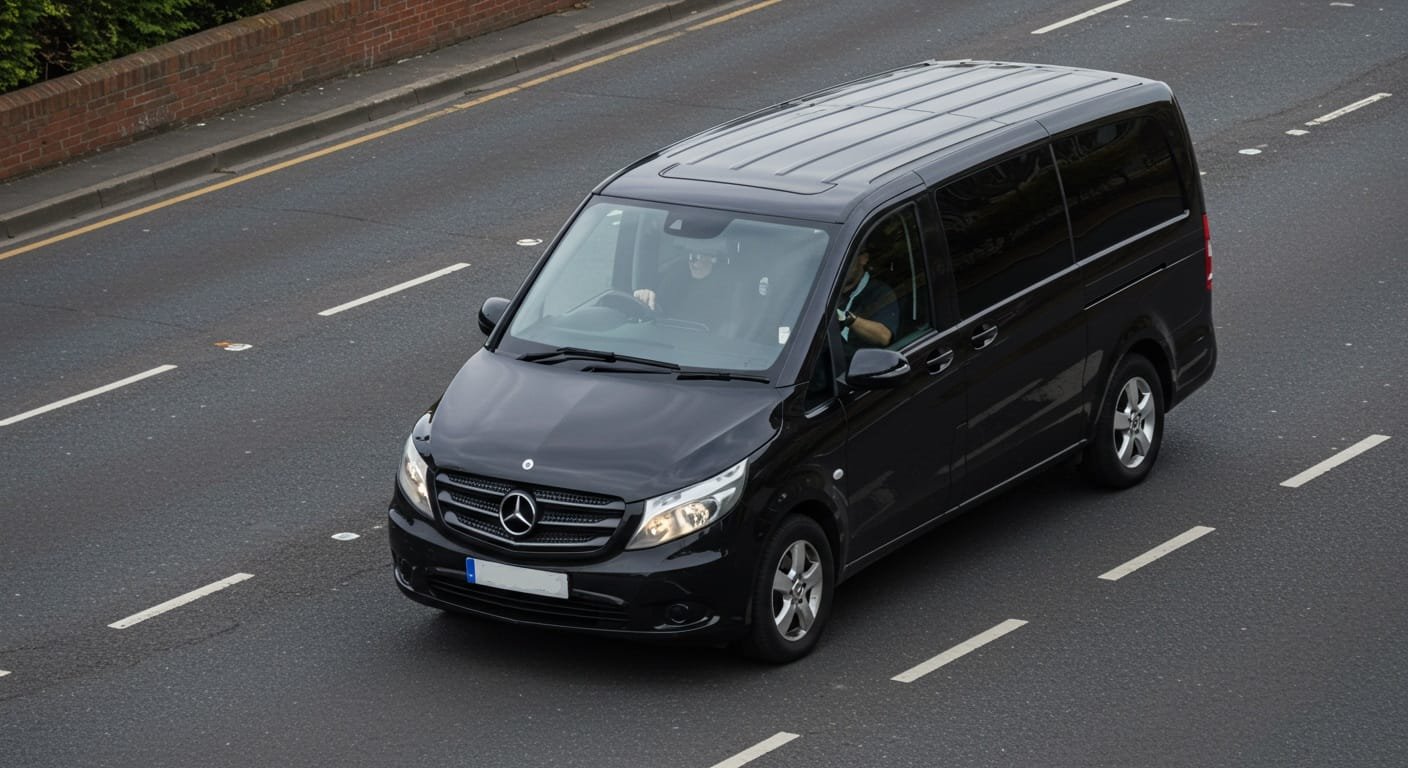
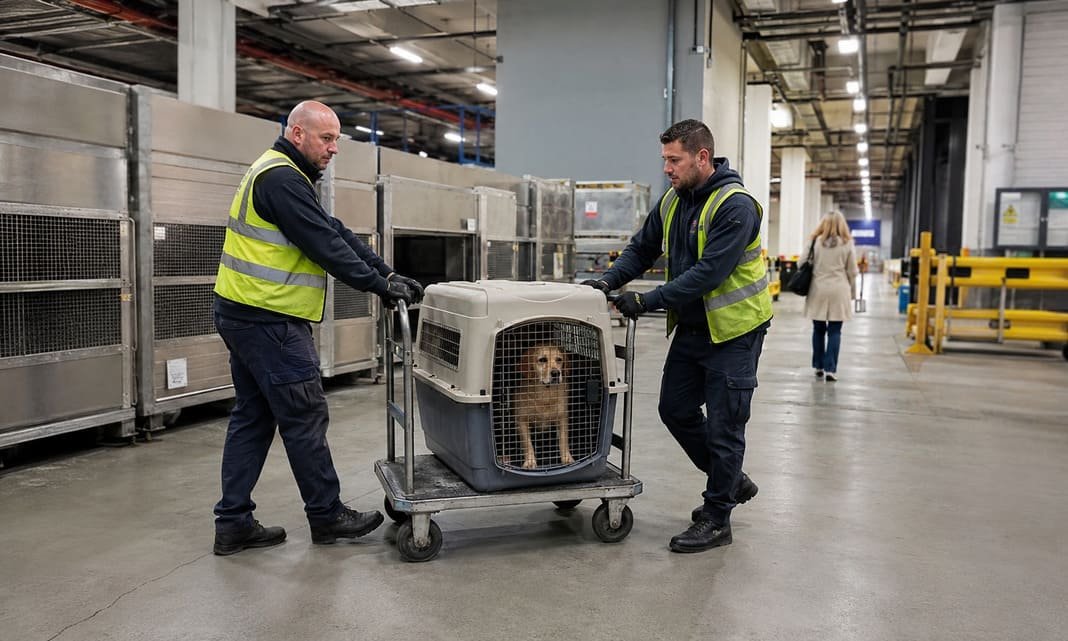
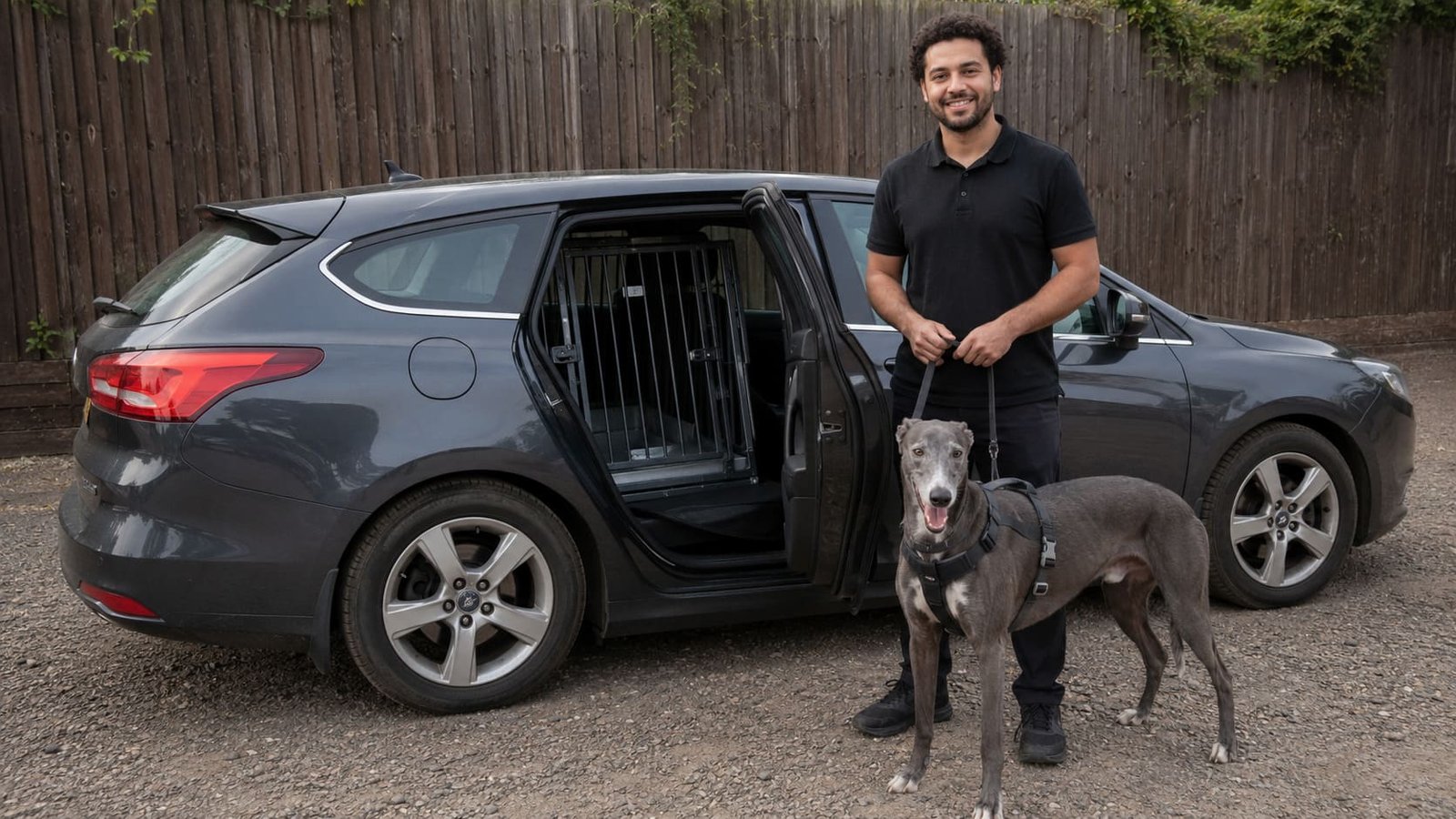
An AI photo of door to door road pet transport services
How to check if a pet transport company is licensed and trustworthy
To ensure your pet is in safe hands, it’s important to check that the provider is fully compliant with UK regulations:
- DEFRA licence: They should have either a Type 1 or Type 2 transport authorisation, depending on the journey duration. This is a legal requirement for all animal transport over 65 km.
- APHA registration: Issued by the Animal and Plant Health Agency, this confirms they meet welfare and safety requirements for pet transport.
- IATA crate standards: The International Air Transport Association sets globally recognised standards for pet crates, important for secure and humane travel.
- Vehicle details: Ask how the transport is managed, including crate security, ventilation, and temperature control.
- Online reviews and feedback: Independent feedback with real photos is more reliable than curated testimonials.
- Official licence check: You can verify a pet courier’s licence via the DEFRA or APHA public register.
It’s like choosing a childminder thorough checks help you feel secure about who’s handling your pet.
Find Out If We Cover Your Area
Live in a rural postcode or unusual location? We’ll help you plan a stress-free pickup.
What should door-to-door pet transport cost?
Prices can vary depending on distance, pet size, service level, and whether the journey is shared or solo. Here’s a rough guide:
- Under 50 miles: £100–£250
- 100–250 miles: £300–£600
- Over 250 miles: £600–£1,200 or more
These are estimated figures based on current UK transport averages. Actual pricing depends on:
- Journey length and complexity
- Size of the animal and crate needs
- Whether the trip is shared or solo
- Extras like feeding, medication, or overnight stops
- Seasonality and route availability
Example: A solo dog courier from London to Cornwall might cost around £800, while a shared journey may reduce that to approximately £400. Always request an itemised quote.
Pet pickup day tips: how to get your pet and home ready for pickup
Preparation is key to a smooth start. Here’s a guide to help:
The day before
- Give your pet their regular food and avoid anything unfamiliar.
- Pack a small bag with documents, medicines, toys, and something that smells like home.
- Let your pet explore the travel crate if it’s available in advance.
On pickup day
- Give your dog a good walk or let your pet burn off energy.
- Keep water available, but limit food.
- Welcome the handler calmly and give your pet time to get comfortable.
- Stay relaxed – pets can sense your mood.
These steps will help your pet feel secure and reduce stress during the handover.
What happens after delivery? Helping your pet settle
Once your pet arrives, they might need a little time to get used to their new surroundings. Here’s how you can help:
- Create a quiet space for them to rest.
- Offer water and a light meal when they’re ready.
- Let them explore the new space without pressure.
- Bring out familiar items to comfort them.
- Watch for changes in behaviour, however a little restlessness is normal.
If anything seems off, reach out to your vet or the transport company. Most legitimate transporters will offer basic aftercare advice if contacted.
Questions you should always ask before booking pet transport
Before you commit, ask these important questions:
- Are you licensed by DEFRA, and what type?
- Will my pet be travelling with others?
- What kind of vehicle do you use?
- How do you handle rest breaks?
- What’s your plan in case of an emergency?
- Can you give food or medicine during travel?
- Will I get tracking or journey updates?
- Do you supply the crate, or do I need to?
- What’s included in the quote?
- Are there any location-based or optional extras?
These UK pet travel tips will help you feel confident that you’re choosing the right service and giving your pet the care they need.