Who is qualified to safely transport pets that have medical conditions?
Safely transporting pets with medical conditions relies on qualified, welfare-led specialists who understand the medical, regulatory, and emotional challenges involved. Licensed pet transporters, trained animal handlers, and those operating under strict compliance with DEFRA, IATA, and veterinary oversight are best equipped to manage these journeys and protect animal welfare.
Here's What We Have Covered In This Article
Understanding the Risks of Transporting Pets with Medical Conditions
Medical conditions reshape the landscape of pet travel. What might seem a straightforward move for a healthy animal transforms into a high-stakes situation when a pet’s medical needs demand precision, care, and informed oversight. Missed medication, unmanaged stress, or simple documentation errors can place both animal wellbeing and immigration compliance at risk.
Pets carrying existing medical conditions such as heart issues, diabetes, epilepsy, joint disorders, allergies, or anxiety face higher risks in transit. Even conditions considered stable at home can deteriorate under the combined pressures of travel, temperature changes, and unfamiliar handling.
- Cardiovascular or respiratory disease
- Insulin-dependent diabetes
- Recent surgery or injuries
- Chronic pain or mobility challenges
- Medication-dependent seizures or epilepsy
Standard pet transport often deals only with logistics, such as timing and route. The medically complex process, by contrast, centres on risk mitigation, medication scheduling, comfort management, and emergency preparedness. Regulatory authorities, including DEFRA and IATA, set high standards to try to minimize avoidable suffering or health incidents on the move. However, true safety depends on understanding both the legal obligations and the nuances of each pet’s medical profile.
Pro Tip: Confirm in advance how emergency procedures will be managed if your pet’s condition changes suddenly in transit.
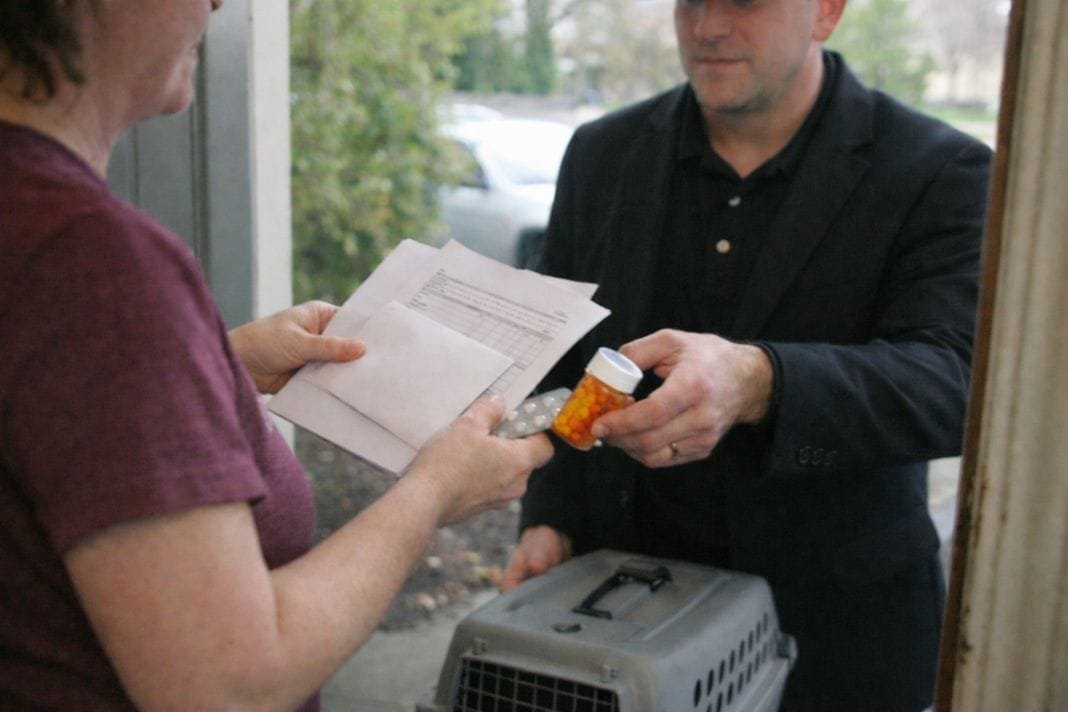
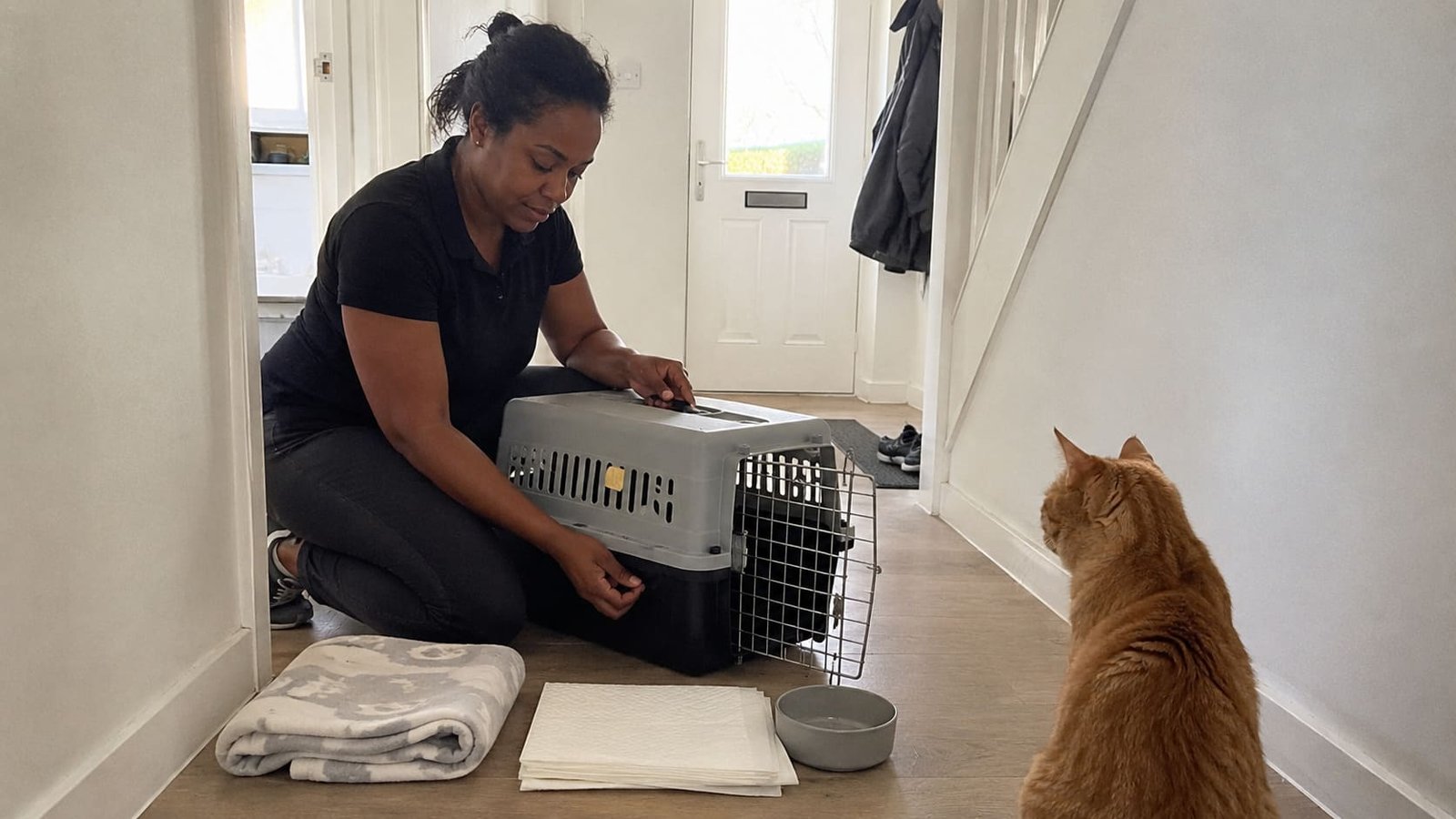
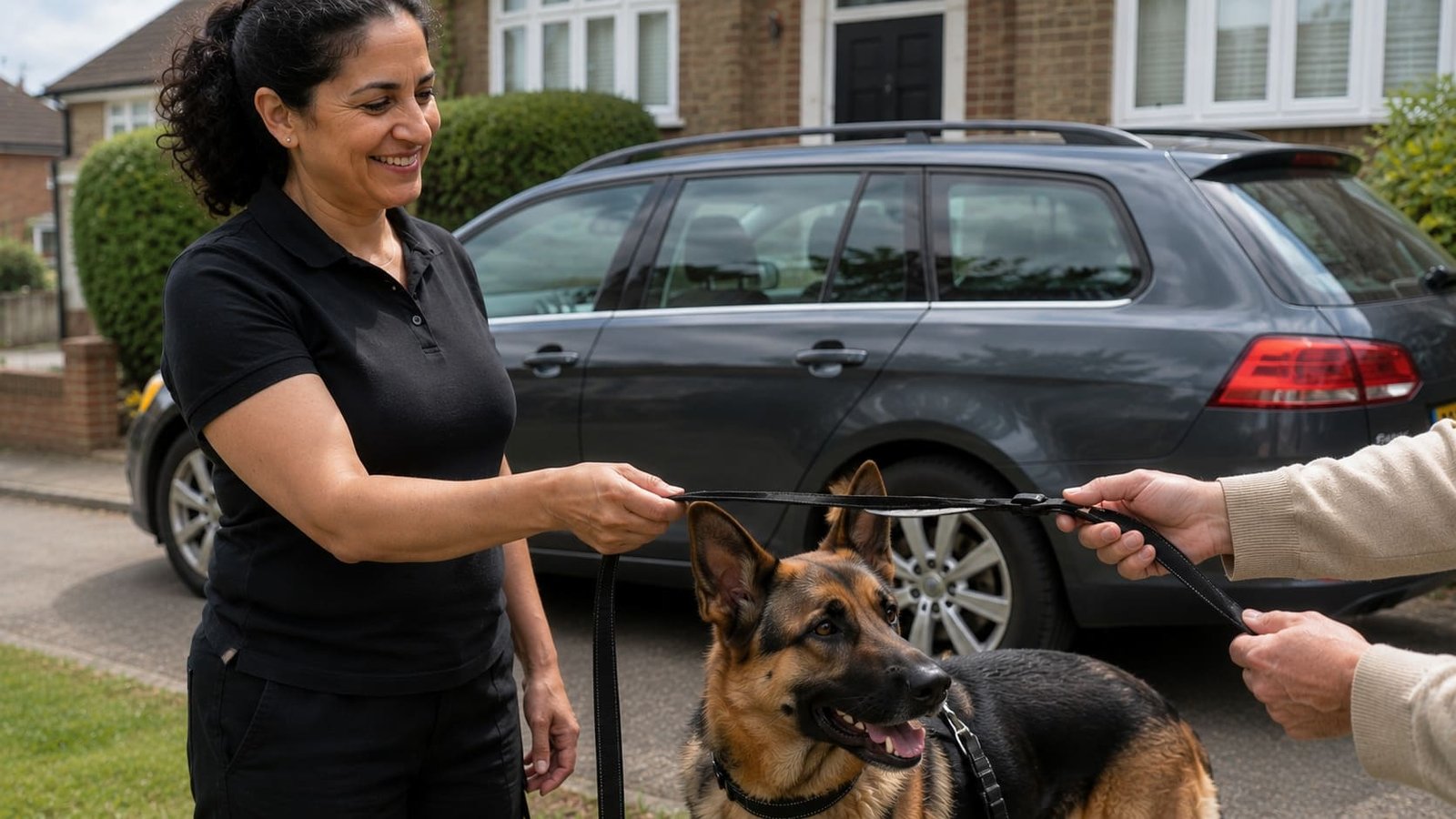
An illustrative image of a pet owner handing over medical documents and medication to a pet transport provider at their front door
Arrange Emergency Pet Transport
Who Is Legally and Practically Qualified to Transport Medically Vulnerable Pets?
Not every pet transport provider has the credentials or skills needed to handle animals with significant health requirements. Regulations from DEFRA in the UK and IATA internationally mandate specific welfare protocols and licensing for those transporting live animals, especially when additional medical care may be involved.
Qualified transporters must demonstrate:
- DEFRA and other relevant licensing
- Handler training validated for animal welfare and medical understanding
- Proof of compliance checks and welfare measures
- Evidence of access to veterinary input throughout the process
By contrast, general couriers or budget animal taxis may lack the training, medical awareness, or permission to handle medication or respond appropriately in a health crisis. Relying on unlicensed or generalist providers increases the risk of medication mismanagement, administrative error, or an inability to handle emergencies calmly.
Trying to cut corners often leads to delays at border crossings, denied entry, or, at worst, heightened risk to the animal. Engaging a qualified, specialist provider makes these risks less likely and provides peace of mind for both owner and animal.
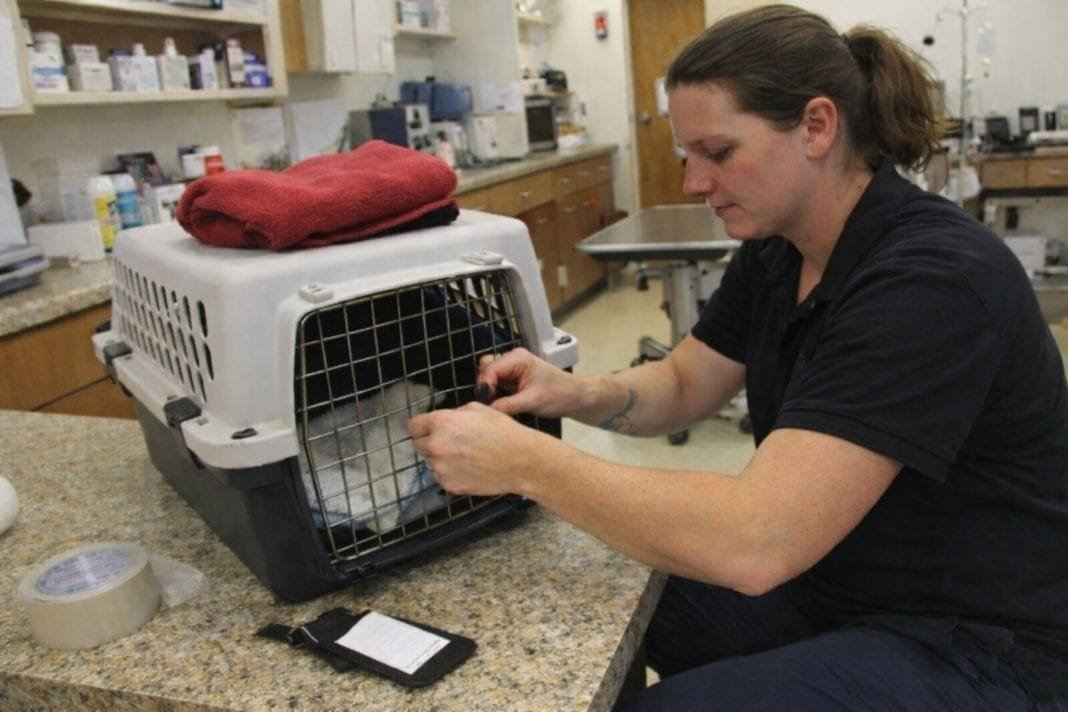
An illustrative image of a animal handler preparing a pet carrier for travel inside a well-lit veterinary clinic
Key Considerations Before Booking Pet Transport for Animals with Medical Needs
Consider a pet with epilepsy who requires daily medication, routine quiet time, and swift intervention in case of a seizure. While travel may be possible, success depends on more than just booking the right route.
Before committing to any process, prioritise the following:
- Secure veterinary clearance for fitness to travel, factoring in the specific risks posed by both the route and the means of transport.
- Confirm medication logistics, such as storage requirements, dosing schedules, and the ability to administer drugs in transit.
- Ensure all documentation, from medical records to travel certificates, is current and accepted by authorities at borders and destinations.
- Pre-plan for emergencies. Check that handlers know protocols for medical escalation, that contact numbers are shared, and that contingency plans account for delays or diversions.
- Select timings and routes that minimise animal stress. Consider quieter times of day, direct routes where possible, and plans that avoid extreme temperatures or extended layovers.
Each of these considerations adds a layer of safety, reducing avoidable complications and supporting a smoother process.
Enquire About Tailored Pet Transport
Discuss your pet’s unique medical needs with our specialist team for a personalised travel plan.
The Role of Professional Pet Transport Companies in Complex Medical Cases
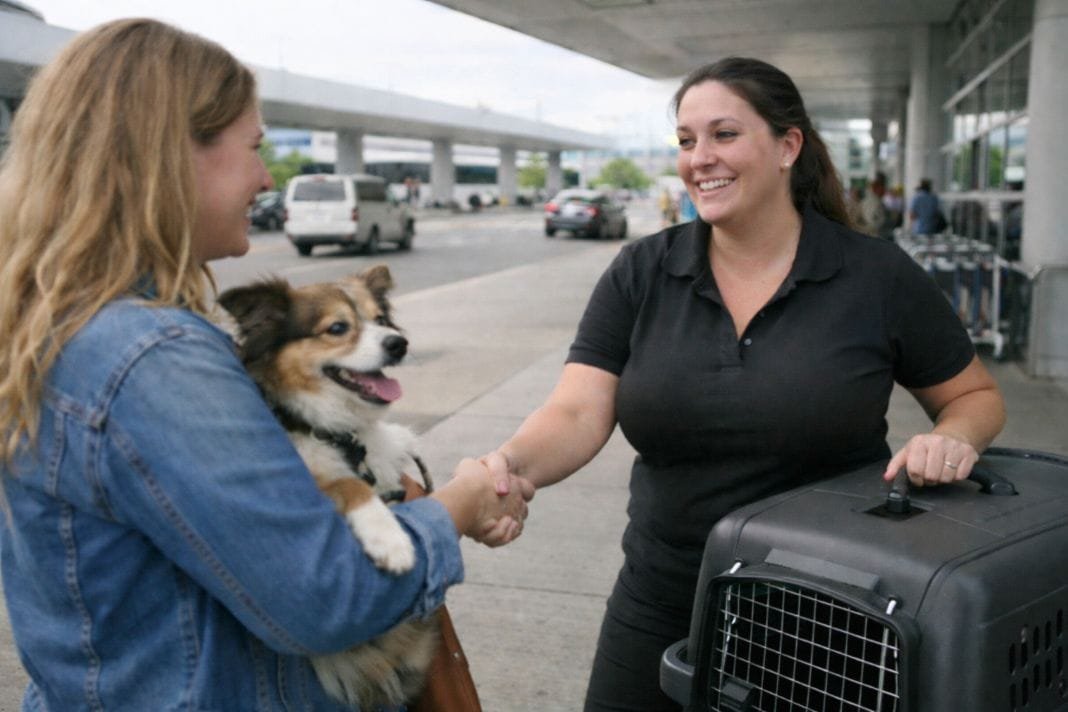
When a pet’s health places routine travel out of reach, professional pet transport companies provide the cushion needed to manage risk and compliance. Specialist providers create structured welfare plans that go beyond logistics, centring the animal’s medical history and comfort.
Companies such as Tailored Pet Travel have recognised experience in:
- Conducting pre-process welfare assessments
- Coordinating with veterinary authorities for route and protocol approval
- Equipping handlers with clear emergency and medication protocols
- Offering real-time monitoring and status updates for both owners and responsible parties
Their teams include professionals trained in animal handling and medical awareness, familiar with the nuances and stress triggers of complex journeys. The distinction between animal-welfare-led providers and courier-led services is meaningful: only the former can adjust protocols instantly and handle escalation with confidence.
Selecting an experienced professional impacts more than logistics. It offers reassurance that, should a condition flare or medication need adjustment, there is a trained adult in the room making measured decisions for animal welfare.
Pro Tip: Always keep a copy of your pet’s medical records and medication instructions with you during travel, not just with the transport provider.
What to Expect During the Process: Managing Medical Needs in Transit
From the moment a pet with medical demands departs, careful management is constant. Specialist handlers keep a detailed medication schedule, ensuring correct dosages at precisely timed intervals. Many companies operate live monitoring and tracking tools, updating owners on progress and responding to signals of distress or medical need.
Key aspects include:
- Medication administration aligned with veterinary instructions and adjusted for time zones where relevant
- Ongoing stress reduction measures, such as comfort items or breaks for reassurance, where allowed by authority frameworks
- Regular communication with owners, offering updates but transparency about the animal’s state
- A clear escalation protocol for emergencies, with pre-approved contacts and steps should the animal require immediate intervention
The process, therefore, shifts from a simple transfer to a managed, welfare-led operation.

Recognising When Professional Help Is Important
Certain warning signs indicate that standard travel solutions, or DIY approaches, may place a pet at risk. These include:
- A medical history involving recent surgery, unstable conditions, or ongoing medication that cannot be given by untrained staff
- Requirements for specialist handling, such as syringe-based medication, oxygen support, or close monitoring
- Cross-border moves where paperwork challenges or regulatory scrutiny surge due to a medical issue
- Previous travel refusals, missed connections because of health flare-ups, or advice from veterinary professionals to seek specialist support
In these situations, delaying or avoiding expert help brings real cost, and not just financially, but in the potential impact on an animal’s welfare and the owner’s peace of mind. Companies like Tailored Pet Travel are set up to receive late-stage, complex inquiries and can reframe a stressful or high-risk situation into a controlled, safe process.
Final Thoughts: Moving Forward with Confidence
Moving pets with medical conditions is a responsibility that rewards thoroughness, expertise, and clear communication. Prioritising qualified, welfare-led transport does more than safeguard compliance. It protects the wellbeing of animals at their most vulnerable. With careful choices and support from professionals, safe outcomes are more than possible; they are expected. If in any doubt, seeking guidance from a recognised expert allows families to move forward with clarity and confidence.