

What are the pet vaccination requirements for moving from the UK to Australia?
Relocating to Australia with your pet involves a strict process. The Australian Department of Agriculture, Fisheries and Forestry (DAFF) outlines a set of requirements that must be followed precisely. These include a recognised microchip, an approved rabies jab, a successful RNATT (rabies antibody serology test), and proof of at least 180 days of residency in the UK or another approved country. Every stage must be confirmed by an Official Veterinarian (OV), and skipping or mistiming any part could delay your plans or extend your pet’s quarantine.

Here's What We Have Covered In This Article
Why are pet vaccination rules for UK to Australia moves so strict?
Australia’s biosecurity system is designed to prevent the introduction of diseases like rabies, which the country has remained free from. These strict rules protect both public health and Australia’s unique wildlife.
Some UK pet owners assume that a rabies vaccination alone is enough. However, the process requires careful timing, document validation, and coordination. Small errors in paperwork or scheduling could lead to delays, unexpected quarantine periods, or denied entry.
By understanding and following the requirements set by DAFF, DEFRA, the Animal and Plant Health Agency (APHA), and the UK Pet Travel Scheme, you can make the transition smoother and avoid unnecessary stress.
Pro Tip: A missed booster resets everything including your RNATT and 180 day wait.

An AI image of a dog pre-travel vaccination – Tailored Pet Travel
Plan Your Pet’s Australia Journey
Let our relocation experts handle everything from documents to quarantine prep.
What does the 180 day residency rule mean?
Australia categorises the UK as a Group 3 approved country. However, your pet must have remained only in approved countries for at least 180 days before travel. Even a short visit to a non approved country will reset the clock.
Residency refers to continuous living, not just physical presence. If your dog visited a non approved country in the past few months, it could disrupt your timeline. Always check your pet’s movement history and confirm eligibility before beginning the relocation process.
Pro Tip: Make sure your pet’s microchip is ISO compliant before starting the rabies process.
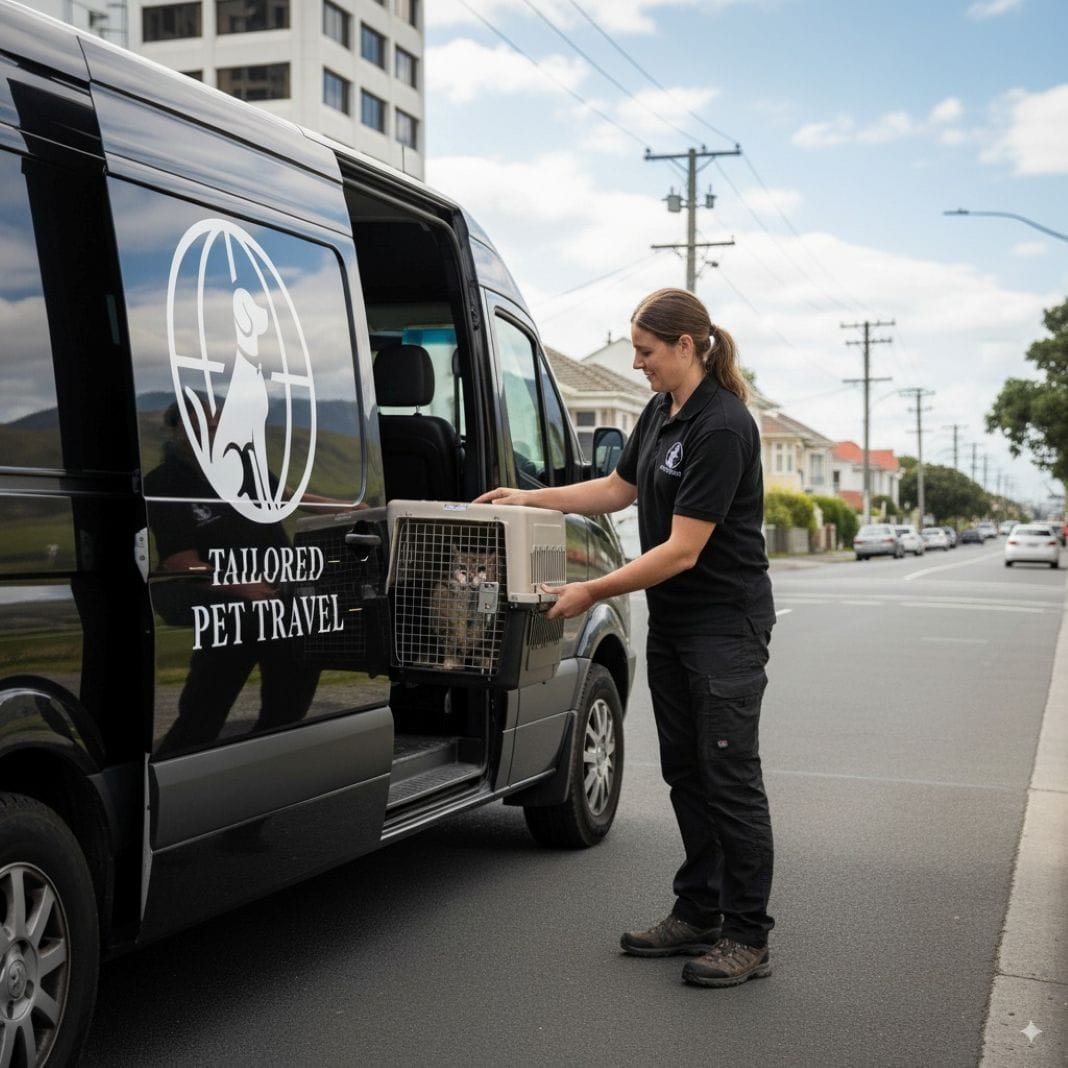
An AI photo of a pet handler professionally transporting a cat in Australia
How do microchip errors delay pet relocation?
A mismatched or non compliant microchip is one of the main reasons pets are turned away. Australia requires ISO standard microchips (11784 or 11785). If your pet’s chip is not compliant, it must be replaced before vaccination.
Since 2024, Official Veterinarians are required to scan your pet’s chip before each major step including vaccination, blood testing, and export. If the scanned chip does not match the documented ID, your pet may be refused entry.
Ask your OV certified vet:
-
Is the chip ISO standard?
-
Can you log and date each scan in line with entry compliance?
-
Will we double check the ID before each treatment?
Expert Help With Pet Export Paperwork
Avoid costly delays. Our team ensures every form and vet step is 100 percent compliant.
What are the rabies vaccine requirements for Australia pet import?
The rabies jab must be administered after microchipping, using a product approved for use in the UK. Your pet must be at least 12 weeks old. Following vaccination, you must wait at least 21 days before the RNATT can be done.
Pet passports are not sufficient. You’ll need certified vaccination records signed and dated by an OV and consistent with the movement declaration.
How does the RNATT work?
The RNATT confirms your pet has a protective level of antibodies against rabies. Here is how it works:
-
Wait 21 days after rabies vaccination.
-
Have an OV draw a blood sample.
-
Send the sample to an OIE approved lab.
-
The result must show at least 0.5 IU per mL.
-
Once passed, your 180 day residency countdown can begin.
If the test fails, your pet must be revaccinated and retested. The 180 days will restart from the date of the successful blood draw. Your pet must remain vaccinated the entire time.
How do I keep my pet’s vaccination status valid before export?
To maintain RNATT validity, your pet must remain fully vaccinated. That means no lapses in rabies coverage between the test date and departure.
You’ll need to:
-
Give boosters before the vaccine expires.
-
Track the booster schedule in a pet export calendar.
-
Work with your vet to avoid missing key deadlines.
Consider creating a booster diary with your OV to stay organised and avoid restarting the certification timeline.
If you’re working with a pet relocation company like Tailored Pet Travel, their team can also manage booster tracking, appointment planning, and paperwork deadlines as part of their end-to-end service.
What paperwork is needed for exporting pets to Australia?
Your pet travel documents must be error free. Even small issues can cause quarantine delays.
You’ll need:
-
Certification from an OV66 Official Veterinarian.
-
A valid import permit from DAFF.
-
Matching vaccination, identity, and test documentation.
Avoid these common form issues:
-
Using the wrong ink colour.
-
Writing down the wrong chip number.
-
Leaving out vet signatures or making corrections without initials.
Check everything before submission and ensure each form supports biosecurity clearance.
How do vaccinations affect quarantine length?
If your documents and identity checks are all in order, your pet may only need to quarantine for 10 days at Mickleham. Incomplete or incorrect paperwork often results in a 30 day stay.
This difference impacts cost, stress, and timeline. Booking flights and planning accommodation becomes easier when you’re certain about quarantine length.
To qualify for the shorter stay, confirm with your OV that identity checks have been logged and entry compliance has been reviewed.
What happens if something goes wrong with the vaccine or RNATT?
Some steps can go off track. Here is how to respond if they do.
Troubleshooting Chart: What to Do If Something Goes Wrong

What is a sample 9 month pet relocation timeline?
If you are aiming to move in 9 months, here is a sample timeline:
- Month 1: Microchip verification and rabies vaccine.
- Month 2: RNATT blood draw and lab submission.
- Months 2 to 8: Residency period, booster management, permit prep.
- Month 7: Apply for import permit.
- Month 8: Final OV visit and document check.
- Month 9: Depart and begin quarantine in Australia.
This timeline reflects the full certification process and keeps your pet on track for on time export.
Your UK to Australia Pet Prep Checklist
-
Microchip is ISO standard and verified
-
Rabies jab given after microchipping
-
21 day wait completed before blood draw
-
RNATT result is 0.5 IU per mL or higher
-
180 day residency in approved countries confirmed
-
Boosters scheduled to avoid lapses
-
OV66 certification and documents checked
-
DAFF import permit approved
-
Quarantine reservation and travel booked
Top FAQs About Pet Vaccination and Health for Moving to Australia
Can I use a vet outside the UK? No. All treatments must be done in the UK by an Official Veterinarian (OV66).
Is a pet passport enough? Not for Australia. You’ll need formal veterinary certificates and rabies test results.
How long do RNATT results take? Typically three to four weeks after the sample reaches the lab.
Can my pet fly with me in the cabin? No. Pets must travel as cargo with an IATA approved airline and handler.
Can I export two pets together? Yes, but each must have its own documents, tests, and vet sign offs.
What if my pet is pregnant or unwell? Contact DAFF early. Pregnant or high risk pets may need additional checks.
Can we travel during the 180 day wait? Only to other approved countries. Visiting a non approved country resets the residency clock.
Where can I find official pet relocation help? Check DEFRA, DAFF, APHA, and your relocation agent. Companies like Tailored Pet Travel offer IATA-compliant pet flights, quarantine guidance, and full logistics support for Australia and beyond.
Where to get help and official guidance
Useful sources:
– DEFRA: Exporting pets
– DAFF: Importing dogs and cats
– OIE approved lab list
– IATA: Live animal transport guidelines
– Tailored Pet Travel – Full pet travel services
Still unsure? Book a consultation with your OV66 vet. With early planning and the right documents, your pet’s journey can be smooth, safe, and stress free.