

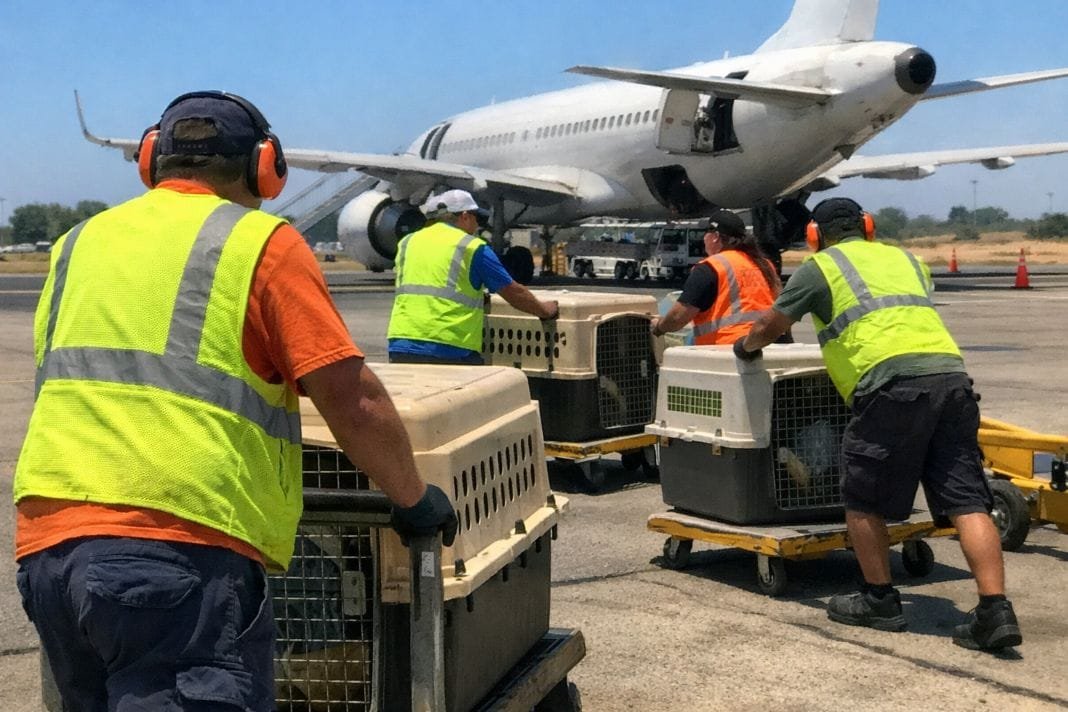
What should you do first when your pet’s summer flight is rescheduled because of bad weather?
Start by confirming exactly what has changed, where your pet is being held, and whether any welfare or document deadlines are now affected. Summer pet flight delays can involve airline animal welfare policies, airport handling limits, and time-sensitive paperwork, so calm coordination matters more than quick guesses.
A weather delay for a person is frustrating. A weather delay for a pet can raise welfare, handling, and compliance issues within hours.
Summer conditions create a particular problem because airlines do not assess disruption in the same way for animals as they do for passengers. Heat restrictions, tarmac delays, and sudden flight embargoes may lead an airline to move or cancel an animal booking even when the human itinerary still appears possible. That difference often catches owners off guard.
Rules from bodies such as IATA, along with airline animal welfare policies and oversight within UK aviation practice, shape these decisions. DEFRA requirements may also sit in the background if the process involves specific health documents or border timings. In other words, a reschedule is often driven by welfare protection, not convenience.
Three factors usually sit behind weather-related pet travel disruption:
- Unsafe temperatures during loading, transfer, or waiting periods
- Operational delays that increase the risk of prolonged crate time
- Airport or airline restrictions linked to animal handling capacity
A common misconception is that the next available flight will solve the problem. In practice, a new flight may create fresh issues if the temperature window changes, the receiving facility has limited capacity, or a health certificate is close to expiry. Animal flight rescheduling is therefore less about finding any seat and more about finding a safe and compliant route.
Here's What We Have Covered In This Article
Immediate steps to take when your pet’s flight is rescheduled
The first priority is to slow the situation down mentally, even if the timetable has suddenly changed. Fast decisions made on incomplete information can make pet travel documentation and welfare issues harder to untangle.
Focus on the points that affect your pet right away:
- Confirm the new status of the booking with the airline or handling team.
- Establish your pet’s current location, including any airport animal reception or holding facility.
- Check whether the revised timing affects health documents, entry rules, or onward transport.
- Ask whether additional welfare checks are being carried out before any rebooking is confirmed.
Those first contacts matter because an owner may be speaking to an airline customer service team, a cargo handler, and an airport animal facility, each with different information. A flight confirmation for the human part of the booking does not always confirm the animal movement.
Documentation also needs attention early. Some papers remain valid for a set period, but delay length, destination requirements, and veterinary timing can alter what remains usable. A rushed assumption at this stage can create a second problem that has nothing to do with weather.
Assessing risks: animal welfare, compliance, and timing
If a flight moves by a few hours, the impact may stay manageable. If it slips into the next day or beyond, the risk picture can change quickly.
One issue is animal welfare during the waiting period. A pet that was fit to travel at the original departure time may become tired, stressed, overheated, or unsettled after an extended hold. Stress indicators vary by species and temperament, but the wider point stays the same: delay changes condition, and condition affects whether travel remains appropriate.
Another area is certificate validity. Veterinary documents, entry approvals, and related compliance checks often rely on timing being exact. A missed departure can interfere with a destination’s permitted window, particularly where connecting transport, border inspection, or quarantine timing is involved. A process that looked straightforward on paper can become much tighter after one weather-related change.
Breed, age, and medical profile also matter. Older pets, brachycephalic animals, very young animals, and pets with known health concerns may need closer review if there has been a long wait in summer conditions. A delay that is inconvenient for one dog may be unsuitable for another.
Then there is the chain effect. Airport arrival slots, road transfers, ferry timings, and receiving arrangements at the destination do not always move neatly with the flight. A late aircraft can therefore affect far more than the departure board, including booked collection windows or approved entry periods.
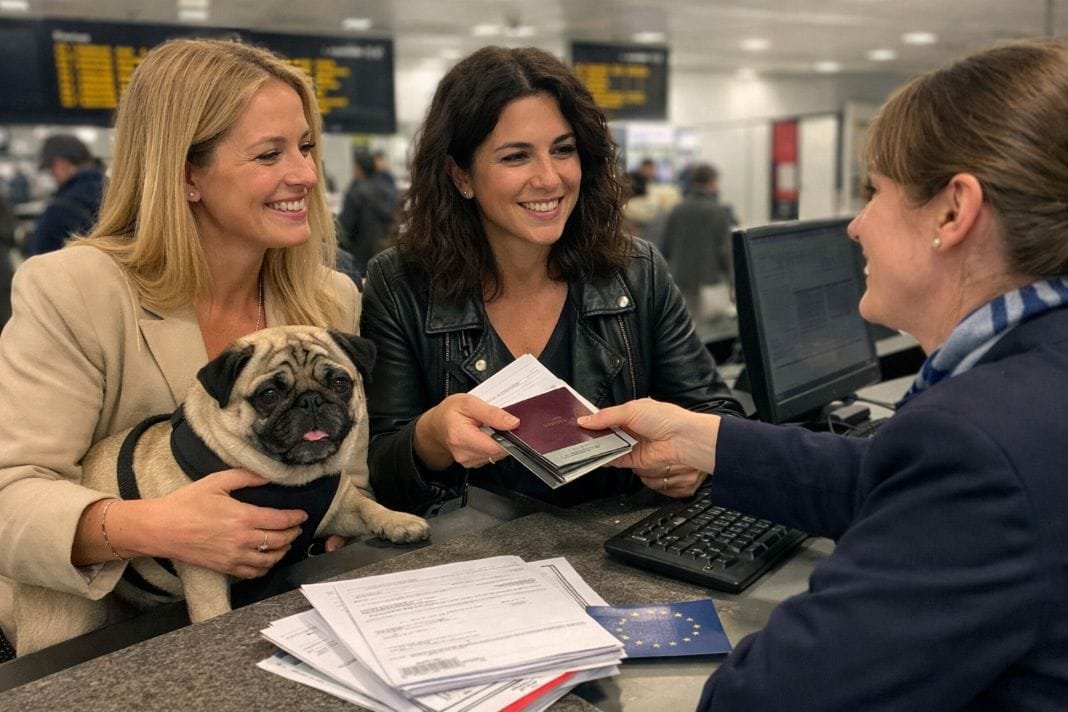
Family pet relocation meeting with travel paperwork and small companion animal – Illustrative Image
Coordinating with airlines and authorities: what to expect
Once a pet flight is rescheduled, communication rarely happens through one simple channel. Airlines, cargo teams, animal reception centres, and border or veterinary authorities may each hold part of the picture.
Some airlines will review the booking against updated weather and handling conditions before offering a new movement date. Others may require document checks to be repeated or revalidated before they will confirm a fresh departure. That can feel slow from the owner’s side, but the delay often reflects the fact that animal welfare policies are being applied to a changed set of conditions.
Owners should also expect that airport animal reception centres may operate to their own capacity and acceptance rules. A pet cannot always remain in transit indefinitely just because a flight has moved. Space, staffing, welfare standards, and timing windows all influence what can happen next.
In more difficult cases, the sensible task is coordination rather than repeated chasing. That is one point where firms such as Tailored Pet Travel are often brought in, especially if the route is international, the paperwork timing is tight, or several authorities need to stay aligned at once. The benefit is not speed for its own sake. The benefit is fewer gaps between welfare, compliance, and movement planning.
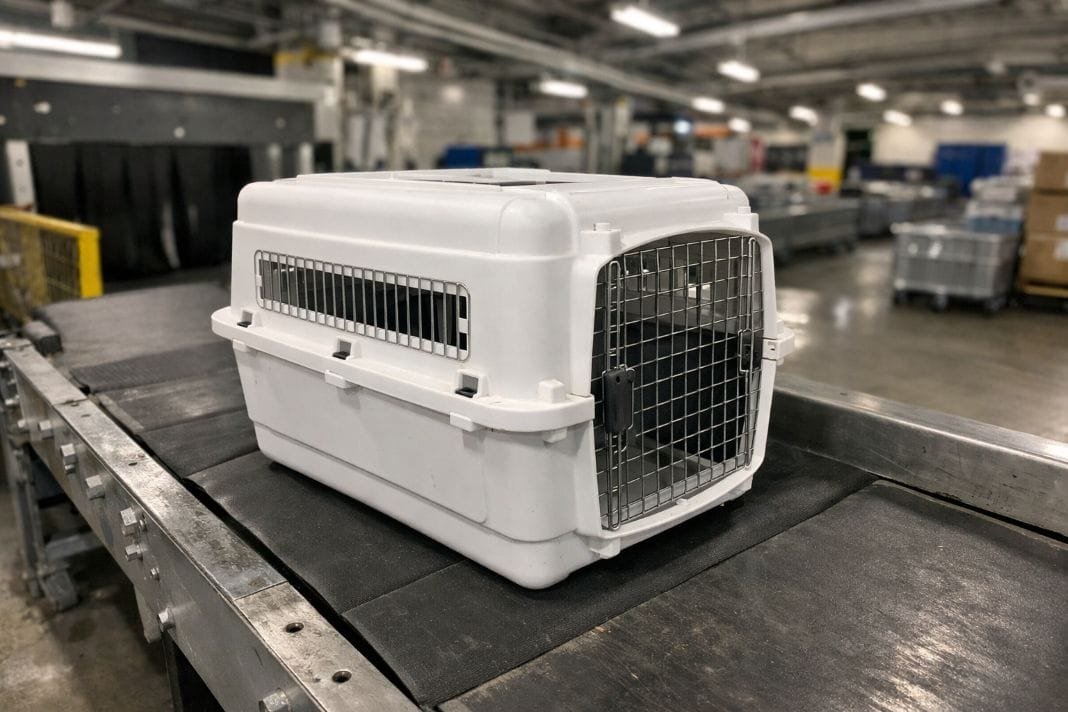
Airline pet crate on cargo handling line for professional pet relocation – Illustrative Image
Managing your pet’s welfare during unexpected delays
A delayed flight can place a pet in an unfamiliar environment for longer than expected, and that alone can increase stress. Summer conditions add another layer because temperature control becomes part of the welfare picture, not a background detail.
Signs that call for prompt attention include visible distress, heavy panting in dogs, unusual lethargy, repeated vocalisation, or behaviour that seems markedly different from the animal’s normal response to travel. Airport animal facilities and welfare officers are better placed than an owner at a distance to assess immediate handling needs, particularly if the pet is already airside or in a regulated holding area.
Hydration, crate condition, ventilation, and handling frequency all matter during an extended delay. Even a sound travel setup can become less suitable if waiting times increase or if the pet has already been processed for departure. That is why welfare-led decision-making sometimes results in further delay rather than immediate movement.
Veterinary input may also become relevant if the animal’s condition changes or if the original fitness assessment no longer reflects the travel timeline. In that setting, caution is usually a sign that the system is working as intended, especially where warm weather and extended waiting periods overlap.
When professional oversight reduces risk
Some reschedules remain inconvenient but manageable. Others cross into a category where too many moving parts are linked to leave safely to ad hoc calls and partial updates.
That threshold often appears when documentation may need review, the destination has tight entry controls, the pet has a medical or breed-specific concern, or the itinerary includes several stages. Professional pet travel coordinators can then reduce risk by keeping airline policy, DEFRA requirements, IATA standards, and welfare decisions connected in one plan rather than in separate conversations.
A missed summer departure can also expose the limits of a DIY approach very quickly. Rebooking one flight is only part of the issue if the pet’s arrival slot, onward ground transport, or receiving arrangements have all shifted as well. In those circumstances, Tailored Pet Travel may be used for oversight where the main value lies in managed pet transport decisions that protect both compliance and animal welfare.
Professional involvement is therefore most useful when the cost of getting one detail wrong is high, such as border refusal, document invalidity, or a process that no longer suits the animal’s condition.
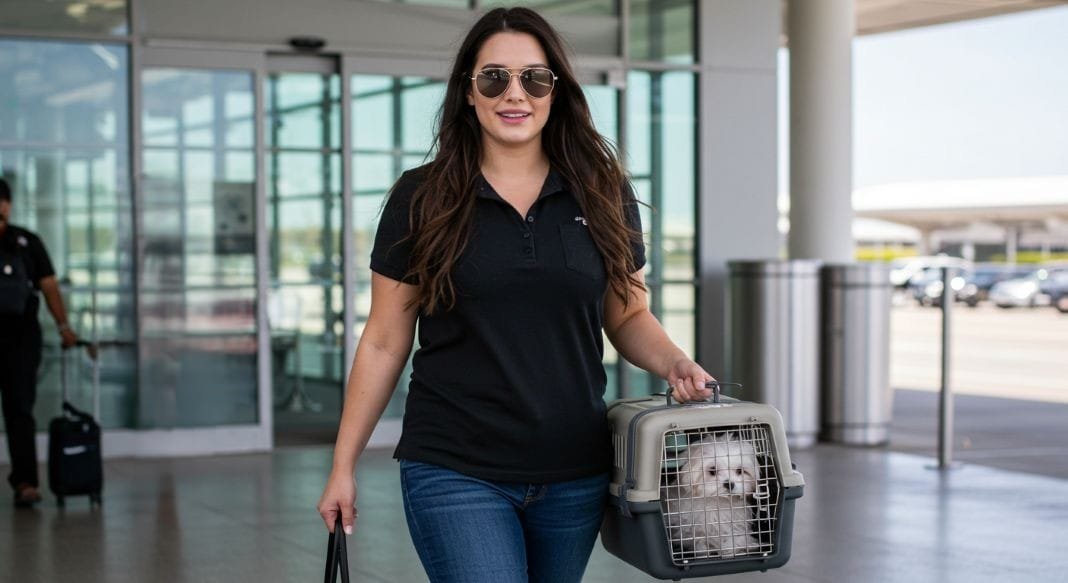
Airport pet handler moving a secure carrier during pet relocation logistics – Illustrative Image
Looking ahead: rethinking summer pet travel and weather risks
Summer often looks like the obvious season for pet flights because families move then, school holidays affect timing, and long daylight hours can seem reassuring. Yet summer pet travel risks are often greater precisely because heat and weather instability can narrow the safe operating window.
Forecasts from sources such as the UK Met Office help with broad awareness, but they do not amount to a guarantee that an airline can move an animal as booked. Conditions on the ground, airport congestion, and handling exposure all matter alongside the headline forecast. A clear day in one location does not remove the risk from a route that involves stopovers or hot tarmac elsewhere.
Another assumption worth dropping is the idea that airlines can always offer a simple like-for-like replacement if weather disrupts the original booking. Animal movements sit inside stricter welfare rules than standard passenger changes, which means flexibility has limits.
A better way to think about summer travel is to treat contingency as part of responsible planning. The strongest plans leave room for weather-related pet travel disruption, document timing pressure, and welfare reassessment if conditions shift. That mindset does not remove uncertainty, but it does place the pet’s safety exactly where it belongs, at the centre of every decision.