What do pet travel companies handle that pet owners usually overlook?
Pet travel companies handle the coordination of time-sensitive tasks, compliance interpretation, and animal welfare details that are often invisible to owners. These hidden pet travel risks are usually what decide whether a journey succeeds or falls apart. Even when every visible requirement is met, a missed dependency or misinterpreted rule can derail everything.
Here's What We Have Covered In This Article
When “Everything Looks Fine” Still Isn’t
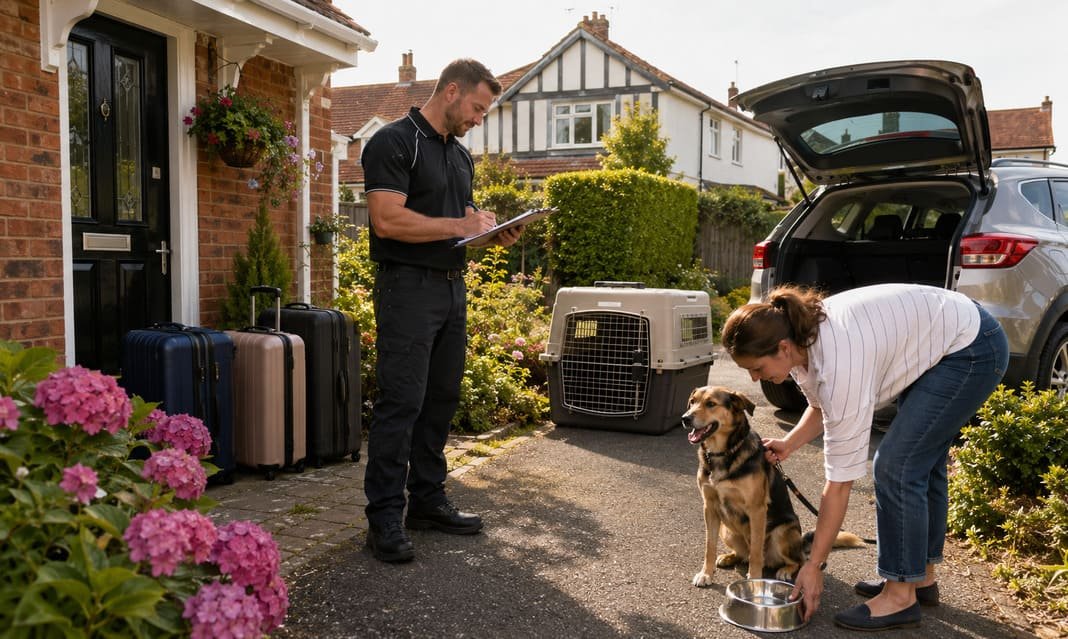
Many pet owners follow all the instructions, only to face issues just before departure. The problems usually stem from dependencies they can’t see overlapping responsibilities, rigid timing, and systems that don’t always signal when something’s gone wrong.
Confidence early in the process can quickly shift to uncertainty. That shift is not due to a lack of care or diligence. It reflects the fact that pet travel is built on structures that are rarely explained in full. Risk layers build up quietly and only become visible under pressure.
Pro Tip: Always double-check the expiration date and destination validity of your Animal Health Certificate before booking.
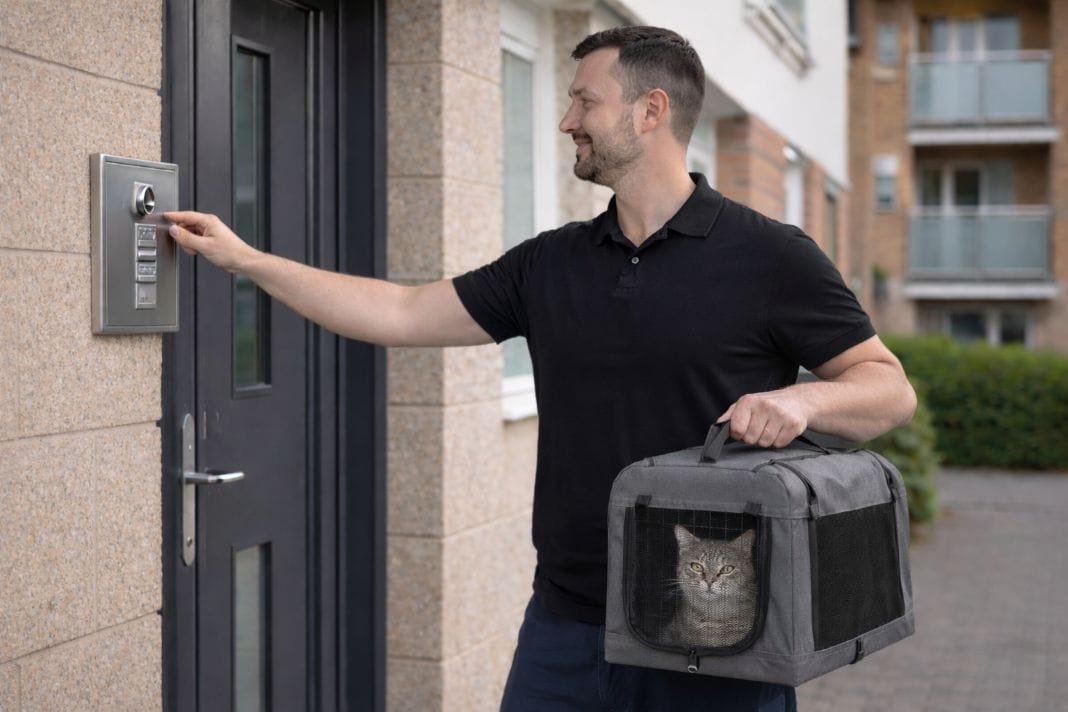
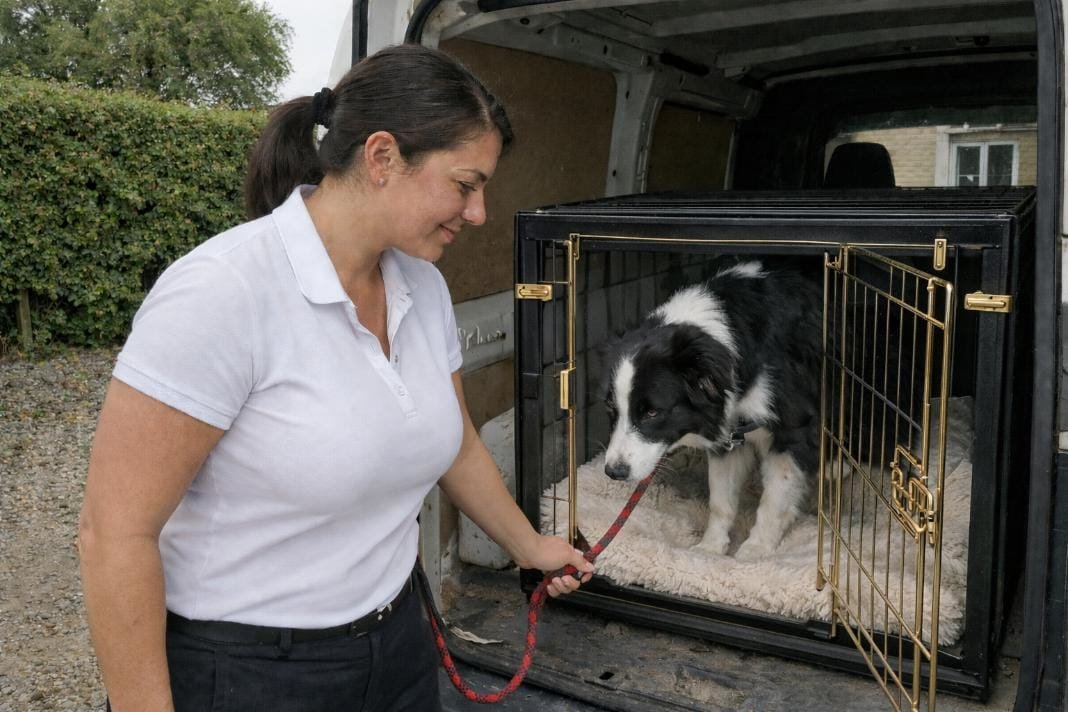
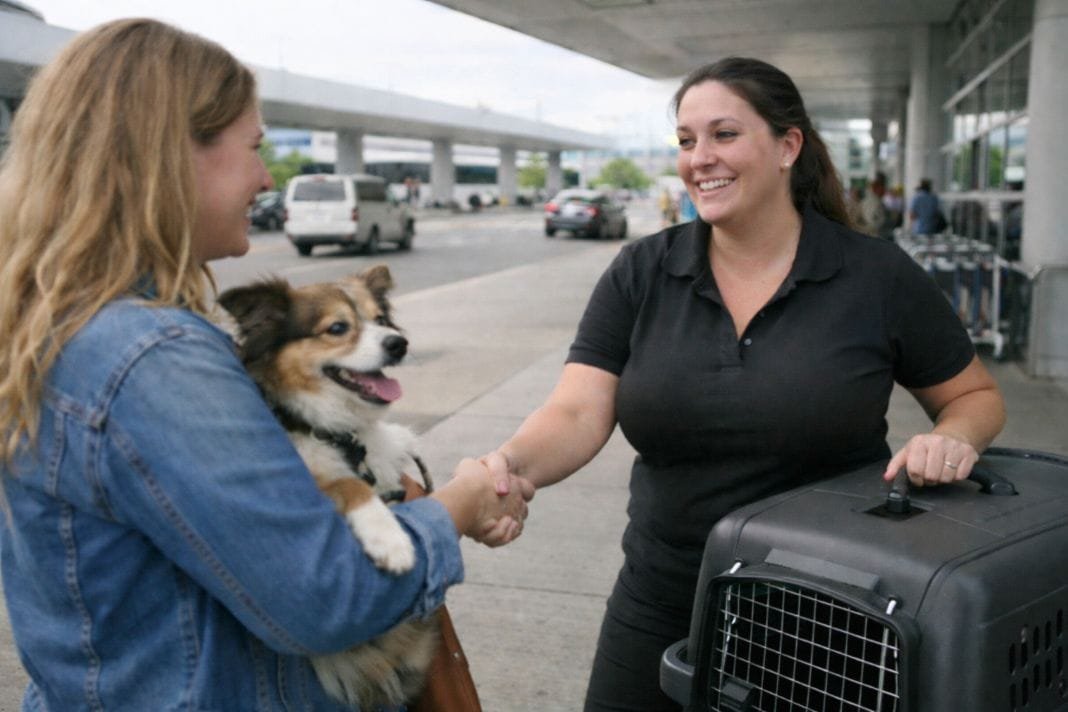
An ai photo of a pet handler delivering a pet to its destination
Got a Complicated Route?
We specialise in complex pet relocations, including last-minute clearances and multi-country itineraries.
The Difference Between Meeting Rules and Interpreting Them
Ticking all the right boxes doesn’t always guarantee acceptance. Rules may be followed, but decisions rely on how people interpret them.
One country or airline might accept paperwork that another queries. A form could be technically valid yet rejected because of formatting or perceived inconsistencies. Pet travel compliance depends not just on preparation, but on how others apply discretion. Border control interpretation varies more than many owners expect.
Why do timing problems cause pet travel to fail?
Each link in the journey relies on precise timing. A delay at the vet, a postponed flight, or an unavailable customs officer can unravel the plan. Documents such as Animal Health Certificates may expire. Connecting times may fall outside welfare-safe travel periods.
Even a small slip can throw everything off. Pet travel timing isn’t linear – it behaves more like interlocking gears. One shift can stop the system altogether. This is why pet relocation timing issues often result in cascading failure.
Who is responsible for a pet during travel?
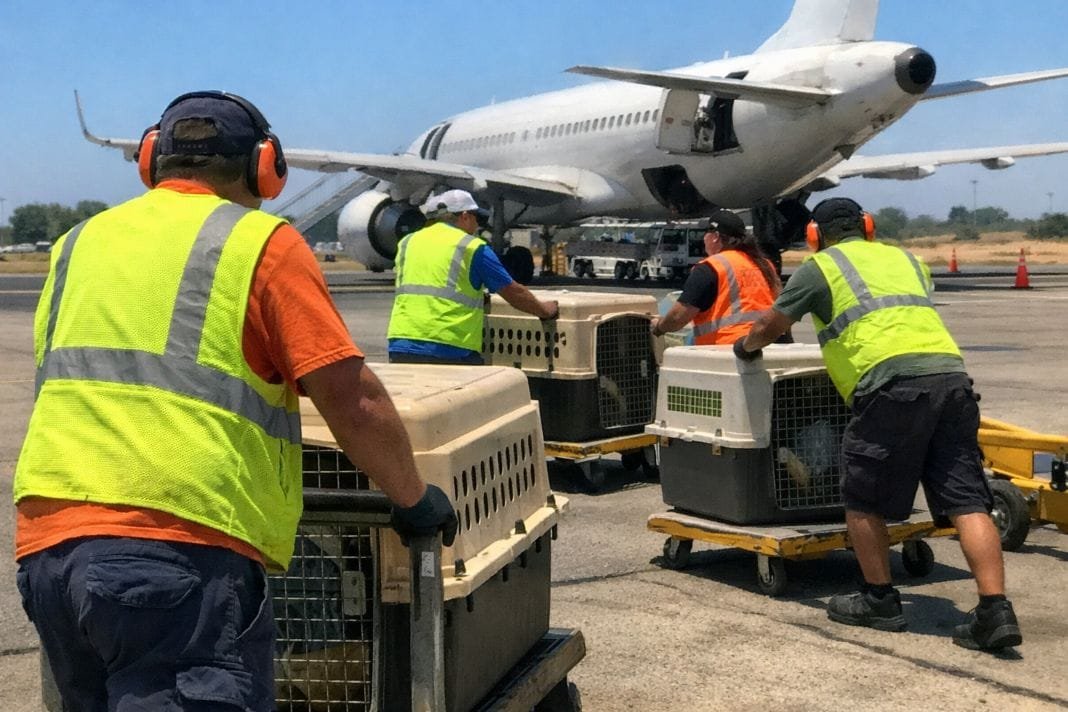
As the journey progresses, so does accountability. Control of the pet passes between owners, transport handlers, airline teams, and border officials.
If something breaks down mid-transit, it can be difficult to know who holds responsibility at that exact moment. Pet travel professionals track those transitions and stay alert to weak points. Keeping oversight continuous is part of managing risk. Understanding who is responsible for pet relocation at each stage prevents accountability handover gaps.

What if something disrupts the travel plan?
Weather, stress, mechanical issues, or hold access can alter the route or force unplanned delays. These changes don’t wait for a good time to show up.
Most owners have backup plans in mind, but executing them on short notice is another matter. It’s the difference between theory and action.
Common mid-journey disruptions include:
- Last-minute aircraft substitutions
- Staff handover errors
- Weather-related delays
- Pet stress triggering hold restrictions
Managing disruption in pet travel takes more than foresight. It requires options that can be actioned without hesitation. Pet travel contingency planning means building in safety rather than reacting in real time.
Animal Welfare Considerations Beyond the Crate
Welfare isn’t something you tick off once the crate meets airline standards. It extends through the entire experience.
Noise levels, light exposure, handling, wait times, and the transitions between checkpoints all influence a pet’s wellbeing. Even well-prepared animals can accumulate stress over time. Crate quality matters, but it’s only one piece of the wider welfare picture.
Animal transport handovers play a large part in maintaining consistent welfare across all touchpoints. Stress load can increase not because of one moment, but from how all the moments link together.
Trusted by Pet Owners Across the UK and Beyond
Whether it’s a move abroad or domestic support, we’re ready when the stakes are high.
Why Problems Often Appear Late in the Process
The final checks are where decisions are made. What passed early scrutiny may be denied at the point of departure or entry.
That late-stage enforcement can feel like a surprise. It is often the first time documents are reviewed against destination-specific rules in full. This is where compliance is confirmed or challenged. Owners who seemed ready may still face unexpected setbacks without clear compliance confidence.
When Professional Oversight Becomes the Safer Decision
Some moves carry more risk than others. That might be because of breed-specific regulations, flight connections, or time pressure. Other times, it’s about knowing your emotional limit.
Choosing professional support isn’t about giving up control. It is about offloading risk before something goes wrong. Tailored Pet Travel supports owners who want certainty when certainty matters most.
Whether the concern is timing, rules, or welfare, professional involvement adds a layer of safety that’s hard to replicate alone. The ability to transfer risk while gaining peace of mind often changes the outcome.
Pro Tip: Timing affects vet clearance, customs entry and animal stress recovery, not just flight schedules.
Missing Details Are Still Details
Getting most things right doesn’t always lead to a successful outcome. Gaps appear where the systems don’t align or where expectations don’t match enforcement.
Trusting that “almost right” is enough can lead to last-minute refusals. Knowing where the lines shift and when support is worth it is part of achieving a safe result.
From UK moves to international relocations, Tailored Pet Travel helps owners cross from near-ready to truly prepared. The goal is never just movement. It is movement with confidence and a protected pet relocation outcome.