What does it mean if a pet is denied boarding, and who has the authority to resolve it quickly?
When a pet is refused boarding, the animal is formally prevented from travelling due to legal, welfare, or procedural shortcomings identified at the point of departure. Only specific individuals or professional companies with regulatory standing have the authority and resources to resolve this swiftly and safely.
Here's What We Have Covered In This Article
When a Pet Is Denied Boarding: What It Means and Why It Happens
A pet being denied boarding means that, despite preparations, the airline or border authority refuses to allow the animal to travel. This often occurs at the final stages of check-in or pre-boarding, creating an immediate problem with significant consequences.
Common reasons include:
- Incomplete or incorrect documentation: Missing, expired, or improperly filled certificates, such as AHCs or pet passports.
- Failure to meet welfare standards: Signs of distress, unsuitable travel crates, or failing pre-flight veterinary checks.
- Regulatory mismatches: Breeds restricted by certain authorities, or routes not permitted under IATA or DEFRA rules.
- Last-minute policy changes: Sudden adjustments by airlines or border officials that invalidate previous arrangements.
Owners often underestimate the impact of minor documentation errors, but even a single oversight can prevent travel. Emotional stress is heightened by the sense of urgency, as delays may have financial, logistical, and welfare risks. Some cases result from pure circumstance, such as an animal becoming unwell at the airport, while others could have been avoided with rigorous pre-checks.
Denied boarding is not simply a clerical hiccup. It signals that an authority believes the process cannot happen safely or lawfully.
Pro Tip: Consult a pet travel expert as soon as you encounter vague or confusing feedback from airline staff.
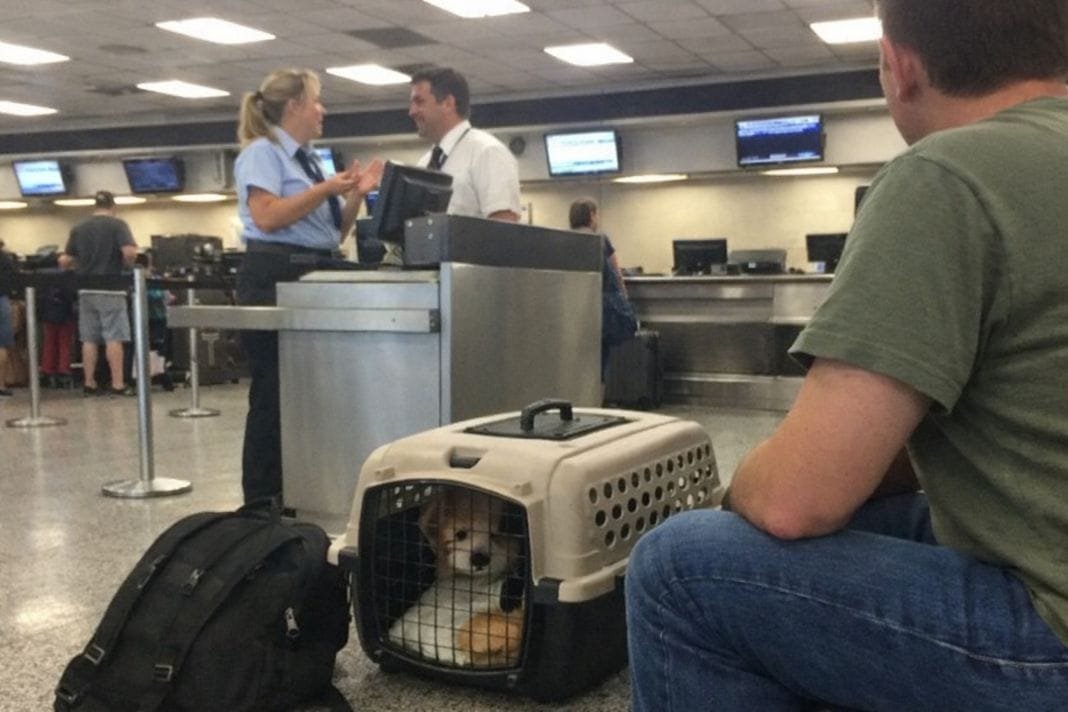
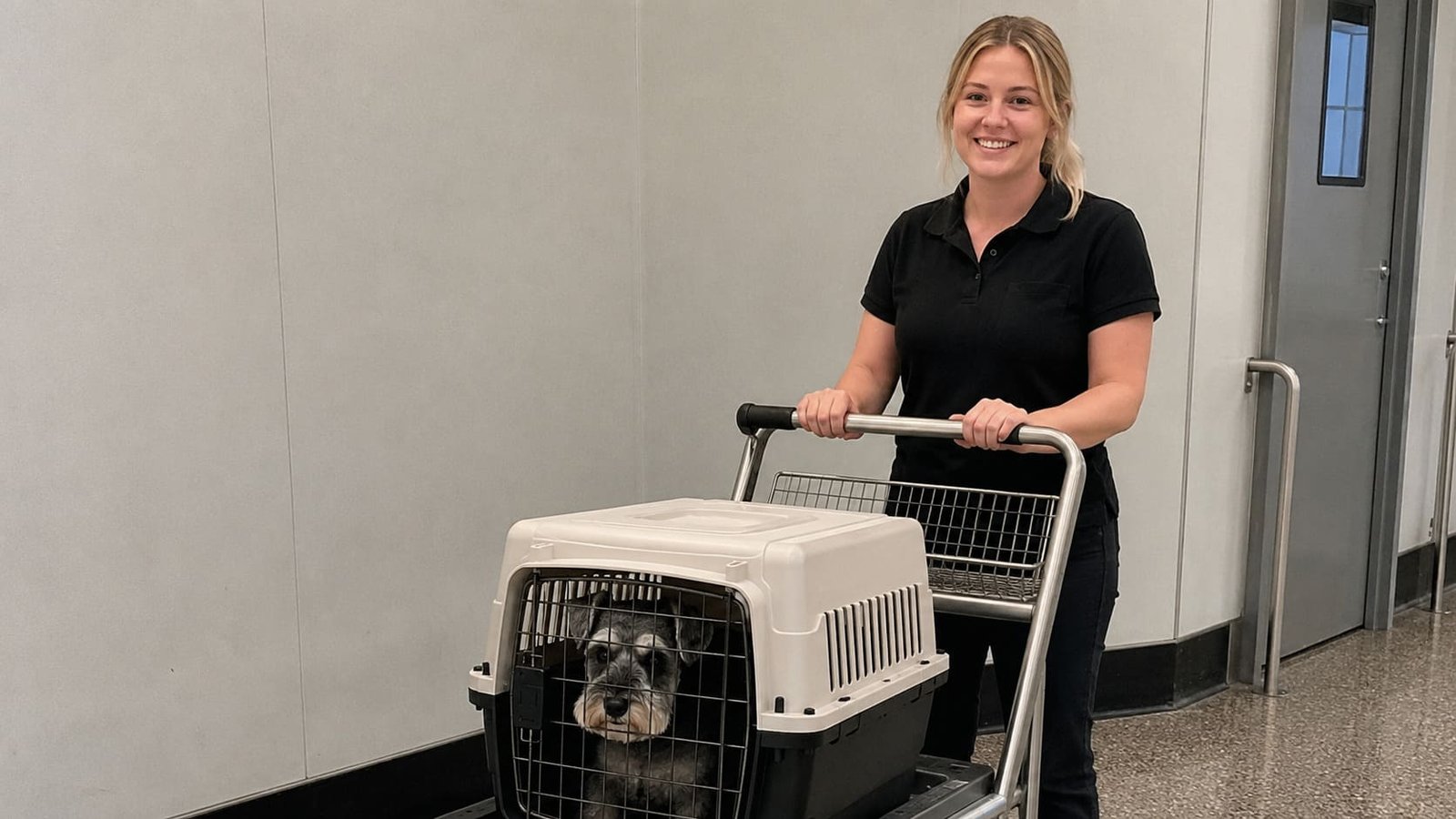
An illustrative image of a moderately busy airport check-in area where a person waits next to a pet in a carrier
Arrange Emergency Pet Transport
We organise urgent transport and compliant documentation for pets facing travel disruptions.
Immediate Consequences: Risks, Costs, and Welfare Concerns
Once a pet is refused boarding, a rapid chain of consequences begins. Owners must immediately make tough decisions, often under pressure.
Typical outcomes include:
- Holding or return to owner: The pet may be kept in an airport animal facility, returned to its handler, or, in rare cases, kept at a veterinary centre.
- Unexpected expenses: Costs can include storage fees, last-minute transport arrangements, new documentation, or additional veterinary checks. These charges often come as a surprise.
- Welfare risks: Prolonged waiting, lack of familiar care, missed medications, or inappropriate holding environments can jeopardise an animal’s wellbeing.
- Disrupted onward plans: Owners may miss flights, connecting journeys may collapse, and pre-booked arrangements at the destination could be lost.
- Difficulty sourcing support: Emergency solutions are rarely simple, particularly when language barriers or international regulations become involved.
The idea of a quick fix is often misleading. While some minor issues resolve with fast documentation, most situations require a blend of regulatory intervention, hands-on support, and welfare oversight to ensure no further harm is caused.
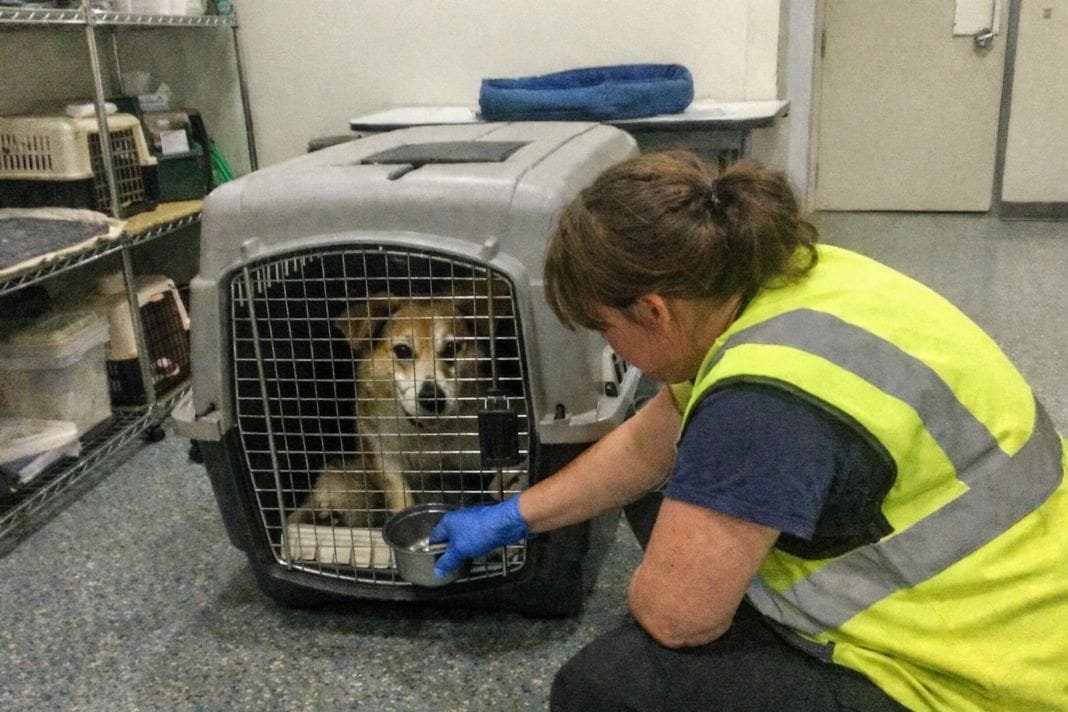
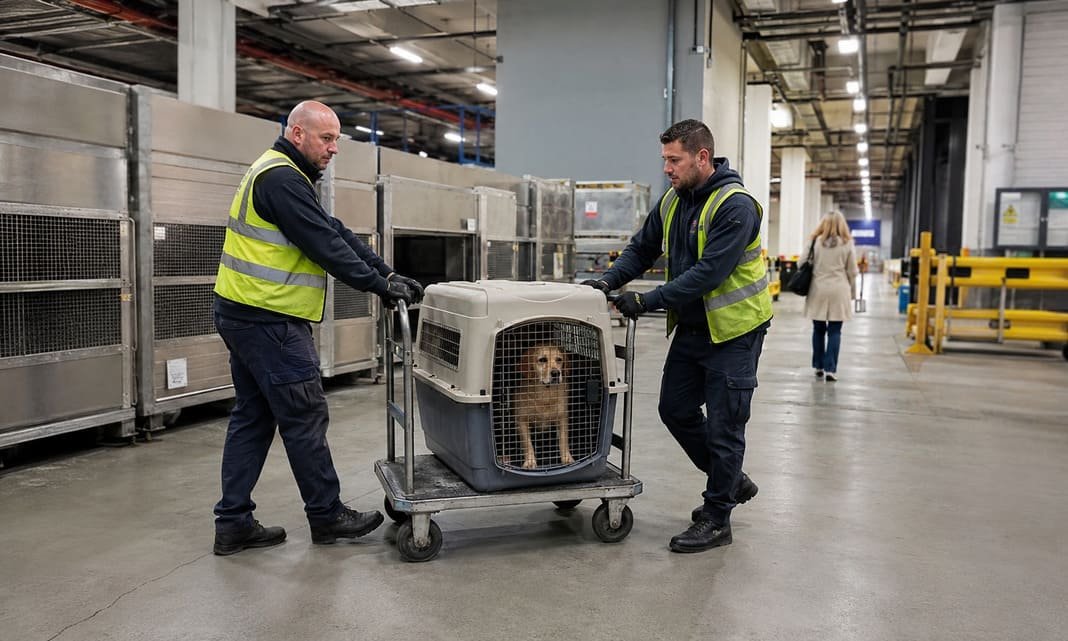
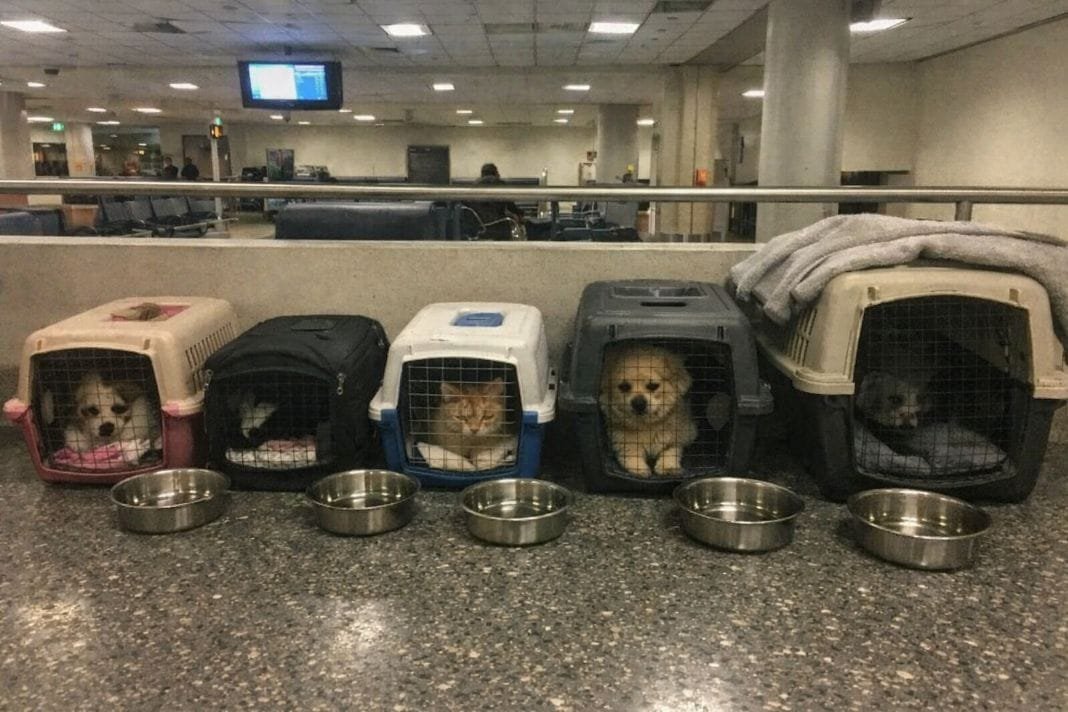
An illustrative image of an animal reception centre room in an airport, showing a pet inside a crate being cared for
Who Has Authority to Resolve a Denied Boarding, And Who Does Not
Decisions to deny pet boarding come from staff empowered by strict regulations. Not every person at the airport can intervene or override protocol.
Who can help:
- Airline supervisors: They may authorise boarding in cases of internal miscommunication, but only within clear regulatory boundaries.
- Airport animal reception centres: These facilities manage the immediate welfare of pets held or returned, but have limited power over travel authorisation.
- Professional pet transport specialists: Companies with regulatory knowledge, such as Tailored Pet Travel, can coordinate with authorities, obtain missing documents, and arrange compliant, welfare-focused solutions.
- Relevant authorities (DEFRA, border veterinarians): These officials can clarify or correct documentation, and sometimes expedite assessments.
Who cannot help:
- Check-in staff or junior handlers: Their authority is limited to escalating the issue; they cannot override compliance checks.
- Customer service lines: These can provide information, but most issues require on-the-ground resolution and direct contact with decision-makers.
- General couriers or friends present: Unless they possess specific authorisation or expertise, they can only support logistically, not help travel.
Persistence does not substitute for regulatory compliance. Recognising the correct escalation channel early prevents wasted time and further complications.
Speak to a Pet Travel Specialist
If your pet has been denied boarding, our specialists can assess the situation and provide immediate support.
How Professional Pet Travel Specialists Respond, and And Why Speed Matters
When a pet is denied boarding, every hour lost increases stress and the risk of cascading problems. Professional pet travel specialists bring immediate clarity, grounded in real experience and regulatory confidence.
Experts like Tailored Pet Travel take rapid, structured actions:
- Situation triage: Identify precisely what has failed, whether documentation, welfare, or policy alignment.
- Regulatory liaison: Reach out to authorities, airline supervisors, and border officials with established contacts, cutting through delays.
- Animal welfare first: Arrange safe, comfortable care during any holding period, with access to necessary medications or comfort items.
- Ownership of next steps: Assess the fastest and safest way to enable travel or, if necessary, arrange secure return.
- Transparent communication: Keep owners informed, reducing stress and helping them make decisions with confidence.
The difference between a trained handler and a general courier is significant. Regulatory knowledge, rapid contact networks, and a welfare-first approach minimise both delay and harm.
Pro Tip: Carry digital and printed copies of all pet travel documents to streamline urgent checks at the airport.
When to Seek Expert Help: Decision Points and Warning Signs
Some denied boarding situations can be resolved with minor fixes, but several warning signs indicate when expert help is the prudent, risk-reducing choice.
Consider seeking professional support if:
- The reason for denial is unclear, disputed, or regulatory in nature.
- No one at the airport can provide a definite timeline for resolution.
- The pet is at risk of missing medication, experiencing stress, or requires special welfare attention.
- There are multiple failed attempts to resolve the issue with standard airline or airport staff.
- You feel overwhelmed by conflicting advice or cannot secure new bookings on your own.
- The delay threatens jobs, family reunification, or other sensitive outcomes.
Timely action does more than avert logistical frustration. It protects animal welfare and brings reassurance at a critical moment. Experienced pet travel companies remain ready to step in, manage challenges, and restore momentum when plans unravel.