
How can you keep your pet cool and safe while travelling in warm weather?
To keep your pet cool and safe during travel, make sure they stay well hydrated, avoid the hottest parts of the day, and have plenty of fresh air. Use cooling aids like mats or vests, offer chilled treats, and take regular breaks so they can stretch and relax. Whether you are going by car, train or plane, planning ahead reduces the risk of heat stress and keeps your pet comfortable throughout the journey.

Here's What We Have Covered In This Article
1. Travel Smart: Beat the Heat with Timing
Travel During Cooler Hours
Leaving early in the morning or later in the evening helps avoid the hottest times of day. Cooler hours reduce the likelihood of your pet overheating and encourage them to settle calmly into the trip.
Avoid Peak Heat Times
Try not to travel between 11am and 3pm, when the sun is strongest. Roads, pavements and car interiors can become dangerously hot, putting extra strain on your pet. It is safer to travel outside these hours whenever possible.
2. Prioritise Ventilation for Safety and Comfort
Maximise Airflow in Cars
Keep the car cool with the air conditioning running or a window slightly open. Make sure the airflow reaches your pet. Window shades reduce heat build-up and protect pets from direct sunlight.
Crate Ventilation Essentials
Choose a crate that supports adequate airflow. Mesh sides and ventilation panels are important for temperature control. Avoid covering the crate entirely. If needed, place a light cotton cloth on just one side to provide some shade without blocking ventilation.
Pro Tip: When flying, choose overnight or early morning flights to reduce heat exposure on the tarmac, especially if your pet will be in the hold.
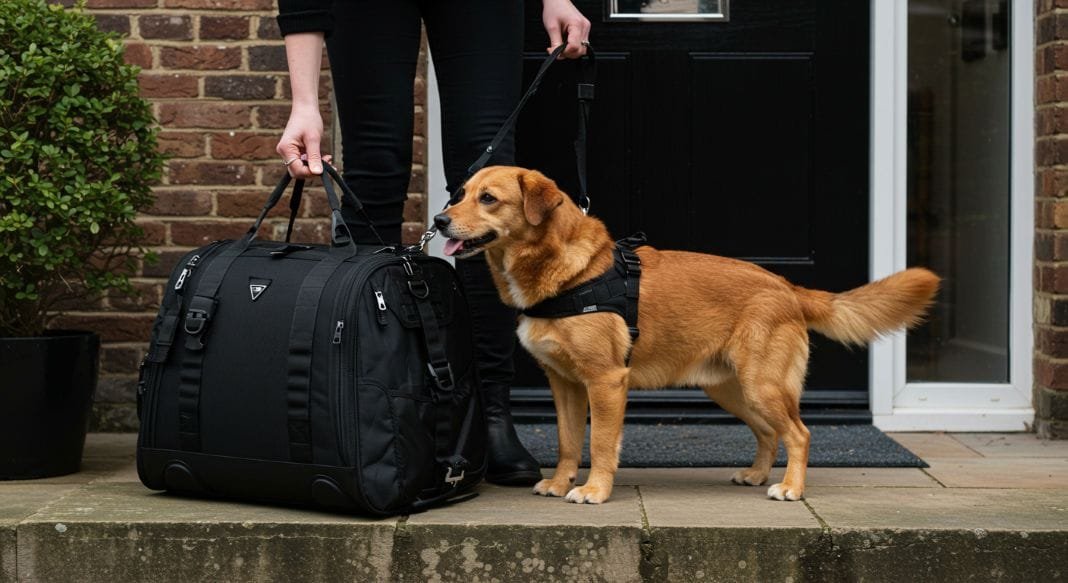
Safe Summer Travel Kits for Pets
Prepare your pet for the warmer months with our handpicked summer travel kits.
3. Keep Hydration Levels High
Always Have Fresh Water
Hydration helps regulate body temperature. Always carry fresh water, and bring more than you expect to use. Heat increases thirst and can lead to dehydration if not managed carefully.
Use Thermos or Portable Dispensers
Use insulated containers to keep water cool throughout the day. Foldable travel bowls or integrated water bottles with attached trays are helpful for offering water during short breaks.
4. Use Cooling Gear Designed for Pets
Cooling Mats, Vests, and Pads
Cooling mats and pads absorb heat from your pet’s body, helping them stay comfortable in confined spaces. Choose products that are pressure activated or made with phase change materials that do not require refrigeration.
Frozen Treats and Toys
Frozen treats such as dog-safe fruit cubes, frozen broth, or a stuffed chew toy can help cool your pet from the inside. These are especially useful for anxious pets who benefit from soothing activities.
5. Take Consistent Breaks
Stretch, Hydrate, and Cool Down
For longer trips, plan rest stops every hour and a half. Allow your pet to move around, rehydrate, and rest in a shaded area. This keeps their core temperature stable and helps prevent fatigue.
Prioritise Shaded Rest Areas
When choosing a stop, look for rest areas with natural shade or designated pet relief zones. Avoid surfaces like asphalt or metal, which retain heat and can damage your pet’s paws.
Need Help Booking Your Pet's Next Trip?
We take the guesswork out of safe pet transport, wherever you’re headed.
6. Select the Right Travel Equipment
Breathable Carriers and Lightweight Harnesses
Use carriers with multiple ventilation panels. Lightweight harnesses made from breathable mesh reduce heat retention while keeping your pet safely secured.
Fans and Reflective Sunshades
Battery operated fans positioned near your pet can help air circulate effectively. Reflective window covers reduce solar gain and help maintain a more stable internal vehicle temperature.
7. Monitor and Respond to Overheating
What are the signs of heat stress in pets?
Look out for symptoms such as rapid panting, drooling, lethargy, vomiting, or bright red gums. These are indicators that your pet may be overheating and needs immediate attention.
What to Do in Case of Emergency
Move your pet to a cool area, offer small amounts of water, and use a damp cloth to cool their legs, underarms and abdomen. Avoid using ice cold water, as it can shock the system. Contact your veterinary practice right away.
8. Create a Safe In-Car Environment
Securing Your Pet
A crash tested harness or fixed crate helps prevent injury during travel. It also gives your pet a dedicated space where they can rest comfortably without sliding or moving around.
Managing Cabin Temperature Effectively
Position your pet in a well ventilated part of the car, away from direct sunlight. If using the rear cargo area, ensure that air conditioning vents reach this space or use an in-car fan to assist airflow. Avoid placing pets in the footwell where heat from the engine or sunlight on the dashboard can increase discomfort.
9. Book Climate Controlled Transportation
Pet Transport Services with Air Conditioning
For longer distances or air travel, use licensed pet couriers that offer temperature regulated vehicles. These services often monitor temperatures in real time and provide breaks as needed.
Airline Approved Carriers and Guidelines
Choose an IATA approved travel crate with built-in ventilation on all sides. Some carriers have cooling pads or access points for water containers. Always check the airline’s pet travel policy in advance to ensure compliance with safety standards.
Pro Tip: Place a thin, damp cotton towel under your pet during travel. It improves cooling while remaining comfortable and safe for long durations.
Pet Health and Safety Is Our Number 1 Priority
10. Prepare for the Destination’s Climate
Check the Weather Forecast Before You Travel
Understanding the temperature and humidity at your destination helps you pack appropriately. Prepare cooling aids or extra water if you’re travelling to a warmer region.
Plan Activities to Suit the Conditions
Limit time outside during peak heat and plan pet friendly indoor visits if needed. Use local resources to find shaded walks or dog friendly cafes with outdoor parasols.
11. Cooling Techniques for Different Types of Pets
How do you cool down different kinds of pets while travelling?
Short nosed dogs like French Bulldogs and Pugs struggle more in heat because of their restricted airways. Keep them cool with light clothing, minimal physical activity and access to cool surfaces. Long haired breeds benefit from regular grooming to thin their coat before travel. Cats often prefer quiet, shaded spaces and should not be handled more than necessary in warm conditions. Small mammals such as rabbits and guinea pigs are highly sensitive to heat. Use frozen ceramic tiles, cool packs wrapped in cloth and ventilated carriers to help keep them safe.
12. Cooling Techniques on Arrival
Cool and Calm Indoor Environments
Set up your pet’s resting area on tiled or uncarpeted floors. Open windows where safe, use fans to circulate air, and keep fresh water bowls in every room. If you’re staying in accommodation, ask for a room on the lower floor where it tends to be cooler.
DIY Cooling Solutions
Wrap frozen bottles in towels and place them near your pet’s bed. Wet flannels or tea towels can also be gently wiped along the back and sides of the body to help cool them gradually.
13. Misconceptions About Cooling Pets
What should pet owners avoid when trying to cool their pets?
Avoid using ice packs directly on skin or dunking pets in cold water, which can cause shock. Do not shave double coated breeds, as their coat helps regulate temperature. Instead, brush them regularly to remove excess fur.
14. Vet Approved Recommendations For Seasonal Pet Care
Veterinary professionals recommend preparing cooling tools and hydration in advance rather than reacting once your pet is already hot. Organisations like the RSPCA and Blue Cross offer free seasonal advice on their websites. You can also speak to your local vet for travel specific recommendations tailored to your pet’s health.
15. Final Tips for Keeping Pets Cool on the Move
Your pet’s wellbeing during travel depends on planning, observation and access to the right cooling tools. Think about where they will sit, how often they can stop for breaks, and whether they will be exposed to heat for long periods. With small changes and a bit of awareness, your trip can be comfortable for both of you.
For more pet travel tips, advice and seasonal care tips, visit our Pet Travel Resources or read our Summer Safety Guide.
FAQs
- Can I use a fan to keep my pet cool while traveling? Yes, small battery-powered fans can provide extra airflow. Make sure they are secured and directed safely to avoid cold stress.
- What kind of cooling mat is best for pets? Look for self-activating gel mats or those certified by pet safety standards. Ensure the mat fits within your travel crate or pet’s resting area.
- Is it safe to give ice cubes to pets during travel? Yes, in moderation. Avoid giving large cubes to small breeds or using them as a replacement for hydration.
- How do I know if my pet is too hot? Symptoms include heavy panting, drooling, glazed eyes, or unsteady movement. If these appear, move to a cool space and contact a vet.
5. What is the best travel crate for warm climates? Choose IATA-compliant crates with mesh ventilation, light-coloured materials, and the capacity for cooling pads or frozen water packs.