
If your employer is moving you overseas, who is responsible for your pet’s relocation?
In most international moves, responsibility is shared, but not equally. Employers may cover some pet travel costs or offer relocation support, yet the pet owner usually remains responsible for legal compliance, welfare decisions, and making sure the process is suitable for the animal. The detail sits in relocation policies, contract clauses, and any written agreement with HR or a relocation management company.
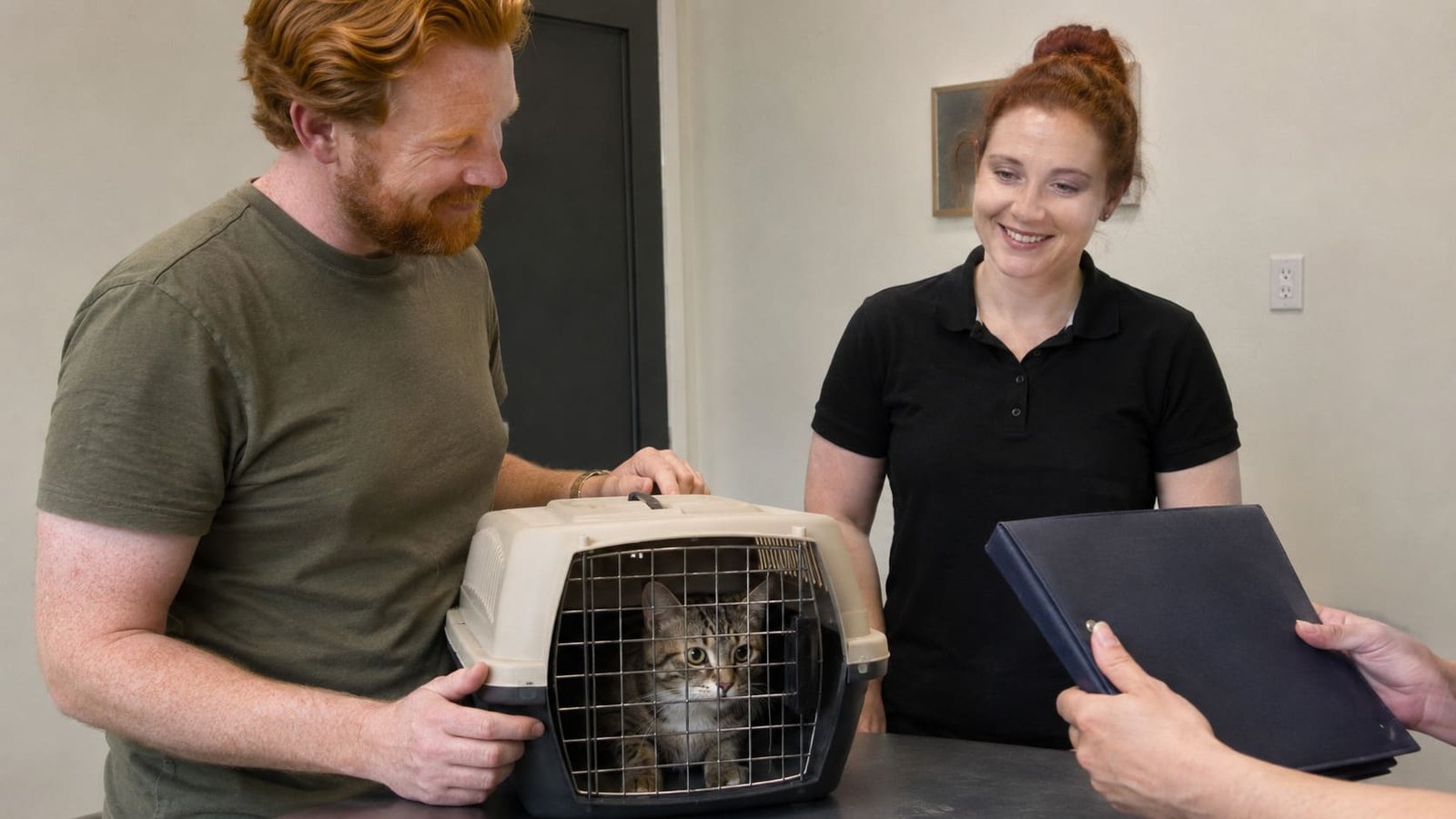
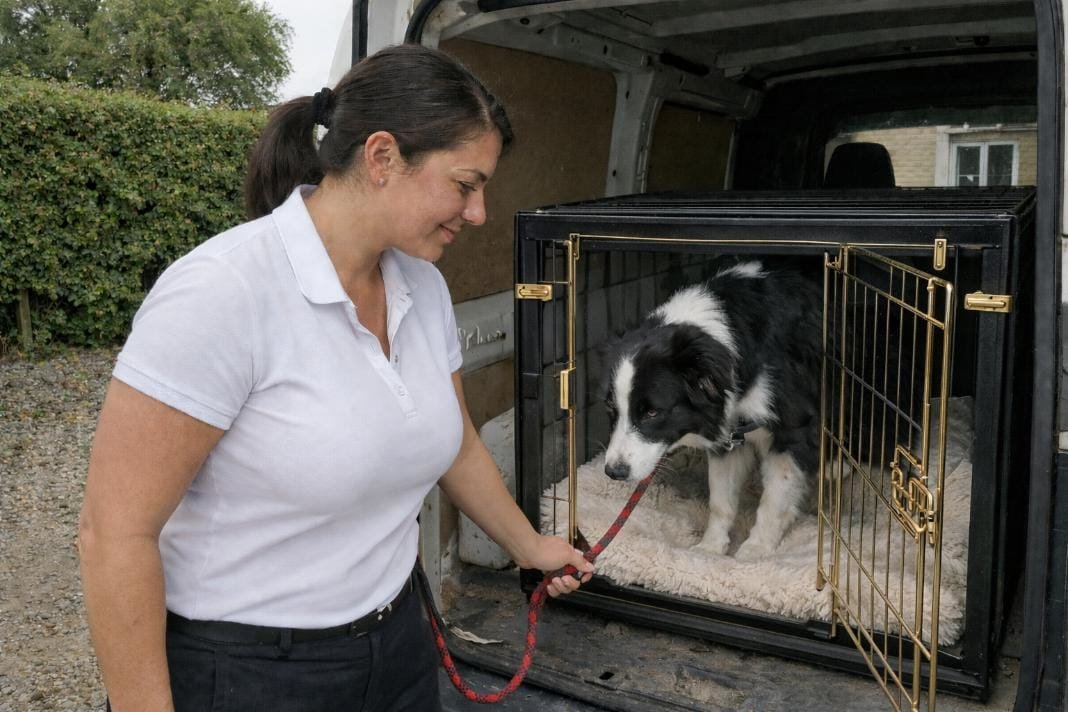
Owner and pet travel handler prepare a cat carrier together.
Here's What We Have Covered In This Article
Understanding the Division of Responsibility in International Pet Relocation
An overseas job move can make pet travel arrangements feel as though they should sit inside the wider relocation package. In practice, that is often where confusion starts.
Employers generally manage the employment move. Employees generally remain responsible for the animal. That split matters because pet relocation responsibility does not always follow the same logic as flights, shipping, temporary housing, or school support.
A company may approve a relocation allowance that can be used for pet-related costs, or it may appoint relocation consultants to coordinate parts of the move. Even so, that does not automatically mean the employer has accepted responsibility for the pet’s documentation, route suitability, or welfare planning. Human relocation and animal relocation operate under different rules, with separate compliance and handling concerns.
A simple way to think about the division is this:
- Employers may cover agreed costs, policy-based support, or referrals to third-party providers.
- Employees usually remain responsible for ownership records, vet requirements, timing, and decisions affecting the animal’s welfare.
- Pet relocation specialists may take on the logistical handover once the scope is clearly agreed.
HR departments often work from standard policy wording, and standard wording can leave gaps. A clause that refers to “family relocation support” may or may not include pets. A reimbursement line for “travel expenses” may apply to airline tickets for people, but not to crates, customs charges, or country-specific animal entry rules. That difference often becomes clear late, which is where stress builds.
What Employers Commonly Cover, And What They Don’t
Corporate relocation policies vary widely, so no single package can be treated as typical in every case. Still, certain patterns appear more often than others.
Some employers offer limited pet relocation benefits as part of an international assignment contract, particularly for senior hires or long-term transfers. Others exclude pets altogether and treat them as a personal matter, even when the move itself is employer-led. The reason is often about scope and liability, not indifference.
Common inclusions may involve:
- a capped expense reimbursement
- a contribution to pet travel expenses
- support from relocation consultants in identifying providers
- payment for agreed transport costs where the policy says pets are included
Frequent exclusions tend to involve specialist handling, quarantine fees, emergency changes, welfare-led routing choices, and extra costs triggered by delays or non-standard requirements. If an animal needs a more complex process because of age, breed, health, or destination rules, that extra layer is often outside standard employer relocation benefits.
Seniority can also affect the package. A director-level move may include broader policy exceptions, whereas a fixed relocation budget for a mid-level role may leave little room for additional pet relocation support. Contract type matters too. Permanent transfers, short assignments, and intra-company moves can each sit under different policy wording.
For that reason, a verbal assurance from HR is less useful than a written statement that names what is covered, what is excluded, and whether any spending limit applies.

Pet travel administration and relocation planning with service notes and paperwork – Illustrative Image
Your Responsibilities as a Pet Owner During an International Move
Even where an employer pet relocation package exists, the pet owner duties do not disappear. Ownership carries legal and welfare obligations that cannot simply be handed off by assumption.
DEFRA rules, destination-country entry rules, and airline or IATA-related travel standards may all affect the move. Local vets play a separate role because vaccination records, health documents, and fitness for travel decisions depend on the individual animal, not the employer’s schedule.
Key responsibilities usually include:
- making sure the pet meets the entry requirements for the destination country
- keeping documentation accurate and current, including vaccination records and any relevant travel papers
- considering whether the travel plan is actually suitable for the animal’s age, health, temperament, and previous travel experience
- allowing enough time for crate training, vet appointments, and any changes if the first plan stops being workable
Welfare decisions remain particularly personal. A company may be willing to fund part of an international pet move, but the owner still has to judge whether the route, season, timing, and travel conditions are sensible. That becomes more important with older pets, nervous animals, snub-nosed breeds, or multi-leg journeys.
Timelines also sit heavily with the owner, even if someone else is coordinating bookings. A missed document window or a late veterinary appointment can affect travel dates in ways that no relocation allowance can fix.
When and Why to Involve a Professional Pet Relocation Service
Some pet moves stay straightforward. Others become complex very quickly.
If the route involves multiple borders, time-sensitive documents, unusual import rules, or an animal with added welfare considerations, professional pet relocation support becomes a practical decision instead of an optional extra. The same applies where a family is already stretched by housing, school moves, notice periods, and the wider pressure of relocating abroad.
Situations that often justify expert oversight include:
- Tight deadlines linked to an employment start date.
- Destination rules that are difficult to interpret from public guidance alone.
- Pets with health, age, breed, or behaviour factors that affect travel planning.
- Journeys involving connecting flights, customs checks, or handovers across more than one provider.
In those cases, the value is less about convenience and more about reducing the chance of a compliance or welfare problem. A welfare-led animal travel specialist looks at the move as a live risk issue, not just a transport booking. That distinction matters because customs authorities, DEFRA-linked requirements, and IATA-based constraints can interact in ways that are easy to misread under time pressure.
Companies such as Tailored Pet Travel sit in that specialist category, where the focus is on safe outcomes, regulatory confidence, and active process management. That is a different model from a general courier arrangement, especially where the consequences of delay or refusal would be serious.
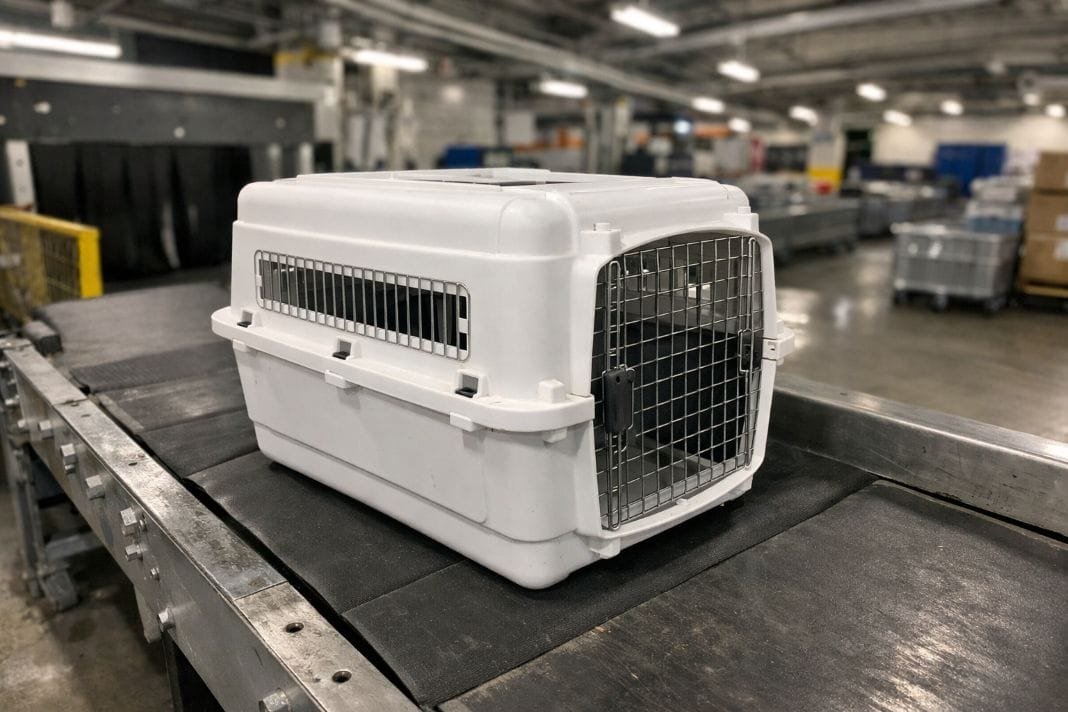
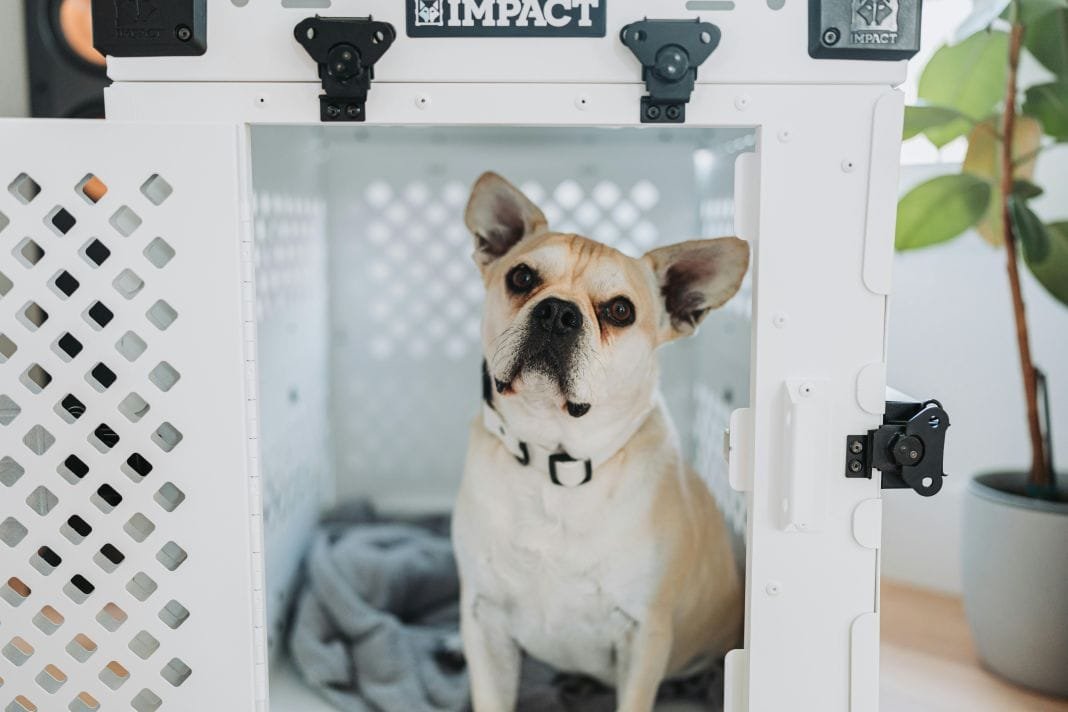
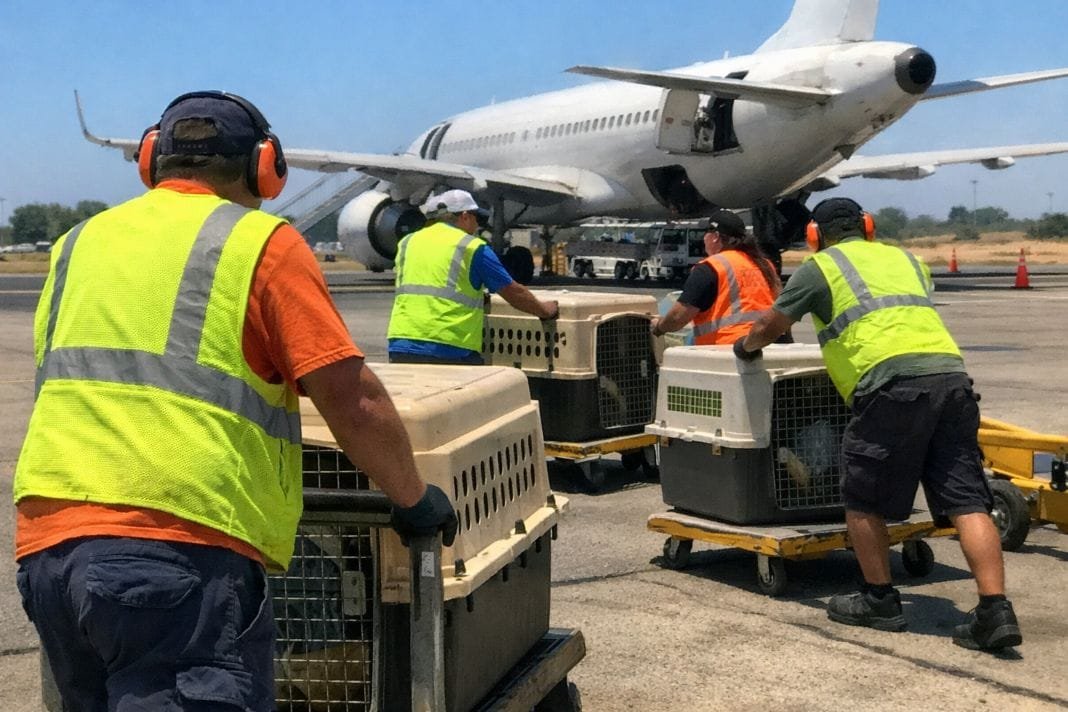
Airline pet crate on cargo handling line for professional pet relocation – Illustrative Image
Working through Employer Discussions and Setting Clear Expectations
The best time to raise pet travel is early, ideally before assumptions harden into plans. Waiting until flights are booked or housing is agreed can leave very little room for sensible negotiation.
A calm discussion with HR or the relocation coordinator works better when it stays specific. General questions about whether “pets are covered” often produce vague answers. Clearer wording tends to get clearer responses, particularly if you refer back to the relocation policy or employment contract.
Points worth clarifying include:
- Whether any pet relocation policy exists at all.
- Whether support is reimbursement, direct payment, or referral only.
- Which costs are covered, with any spending cap or policy exception stated in writing.
- Whether responsibility for compliance and documentation remains with the employee.
- What happens if plans change because of delays, route changes, or destination entry issues.
Grey areas should be documented, not left to memory. Written confirmation is useful where the policy language is broad or where a manager has approved something outside the standard package. That reduces the chance of disagreement later, particularly if staff change during the move or expenses are reviewed after travel has taken place.
Where an employer cannot extend support, the conversation can still be useful. It may clarify budget boundaries, timing pressures, and who has authority to approve exceptions, which gives the rest of the planning a firmer base.
Common Pitfalls and How to Avoid Them
Most international pet move risks come from assumptions made too early or details checked too late.
One common mistake is assuming employer coverage because the overall move is company-funded. Pet travel expenses often sit in a separate category, and that distinction may only appear in the small print of relocation policies.
Another frequent issue is underestimating documentation timing. A pet can appear ready to travel and still face a delay if a supporting record is incomplete, out of date, or not accepted by the destination authorities. Airlines and customs authorities do not usually smooth over that kind of mismatch on the day.
Last-minute bookings create their own problems. Route choices may narrow, welfare-friendly timing may become harder to secure, and costs can rise without improving the quality of the process. An owner under pressure may end up accepting arrangements that looked manageable on paper but feel much less suitable once the date approaches.
Quarantine or import conditions are another area where people can be caught out. Some moves look simple because the destination sounds familiar, yet the animal entry rules may still be strict, especially if the route includes transit points or non-standard paperwork.
A quieter but significant pitfall involves relying on fragmented advice from multiple sources. A vet, an airline representative, an HR contact, and an online forum may each provide part of the picture. Those parts do not always fit neatly together, which is why cross-checking matters before travel is fixed.
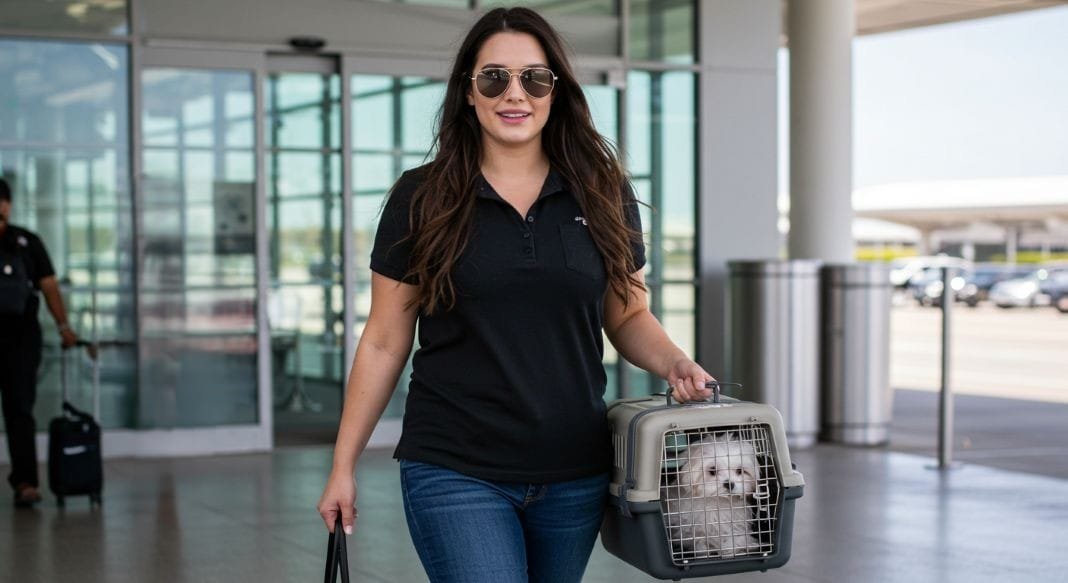
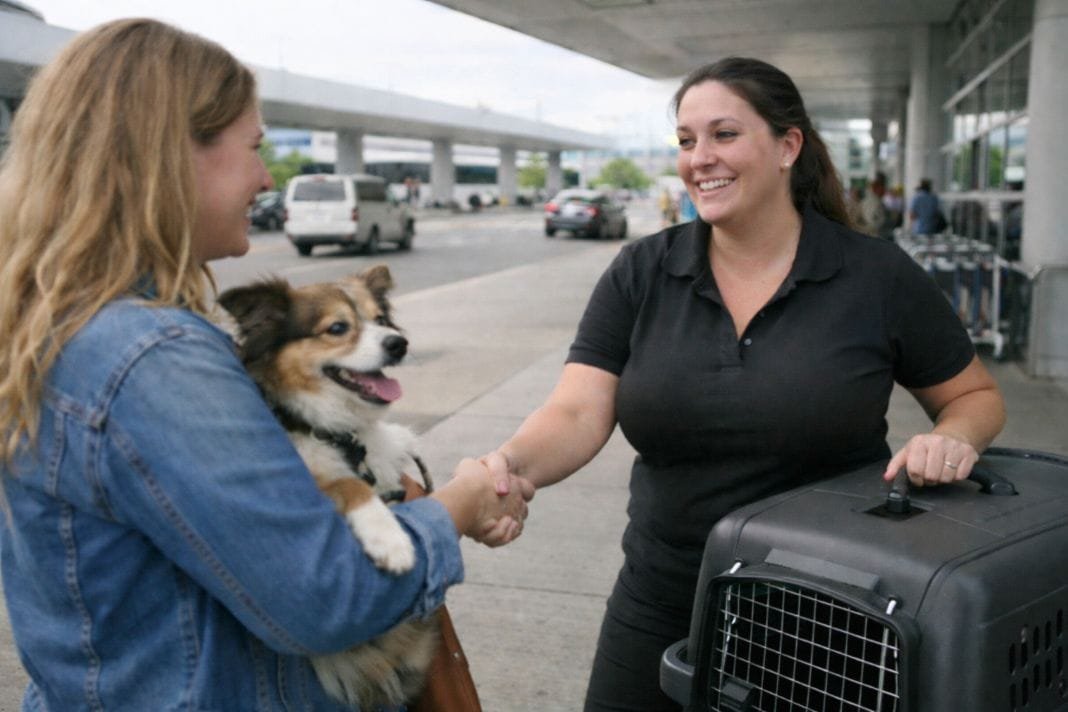
Airport pet handler moving a secure carrier during pet relocation logistics – Illustrative Image
Looking Ahead: What Successful Pet Relocation Really Looks Like
A successful pet relocation does not simply mean the animal arrives.
Real success means the process was legally compliant, suitable for the pet, and managed with enough foresight that avoidable disruption never became a welfare issue. That standard applies whether the move is within Europe or much further afield.
Smooth outcomes usually share the same features. Documentation aligns with the destination rules. Travel timing reflects the animal’s needs as well as the owner’s schedule. Decisions are made early enough to allow for changes without panic. Confidence comes from clarity, not guesswork.
Professional oversight can improve that picture in more complex cases, although the goal remains the same in every move. The pet should travel under conditions that respect welfare, meet the relevant rules, and leave the owner feeling informed rather than overwhelmed.
What looks like a simple overseas transfer on an employment letter can become far more layered once an animal is involved. The most reliable way to judge the move is not by how quickly it was arranged, but by whether the pet reached the new home safely, calmly, and without loose ends waiting at the border.