What does the 5-day rule mean for your pet’s travel?
The 5-day rule means your dog, cat or ferret can travel separately from you and still count as non-commercial, but only if the pet moves within 5 days before or after you and remains under your responsibility through an authorised person. Ownership, timing and responsibility decide the category.

Pet travel administration and relocation planning with service notes and paperwork – Illustrative Image
Here's What We Have Covered In This Article
Commercial status is about classification, not your motive
Many owners assume “commercial” means a sale. That assumption causes the problem. A pet movement can feel entirely personal to you, yet still fall outside the non-commercial rules if the timing, ownership position or person responsible for the animal does not fit.
A non-commercial pet movement is tied to the owner’s own movement. The European Commission describes it as a pet accompanying its owner, with no sale or transfer of ownership intended, and with the movement carried out under the owner’s direct responsibility. We look first at that link between you and the pet, because the transport method alone does not settle the point.
The 5-day rule gives some flexibility. Your pet does not have to be physically beside you at every moment. An authorised person can travel with the pet, or the pet can move separately, provided the timing stays within the allowed window and the legal responsibility remains clear.
A useful way to read the rule is this: the pet can be separate in logistics, but it must still be part of your owner-linked travel. Once that link breaks, the paperwork question changes into a regime question.
Non-commercial travel has tighter limits than most owners expect
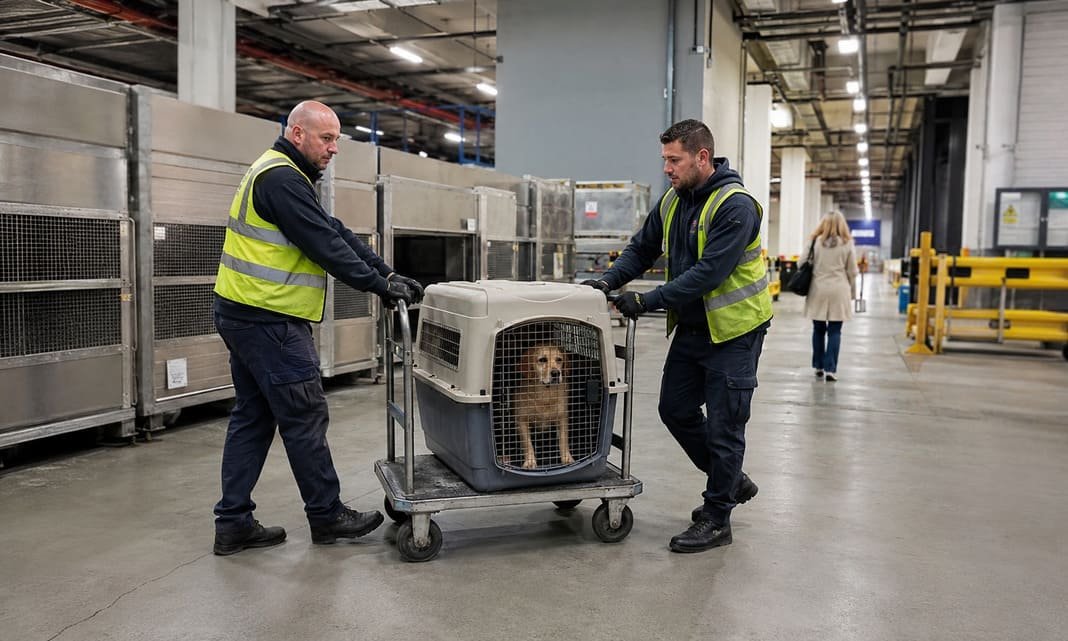
The carrier, route or cabin arrangement does not decide the category by itself. A dog flying in the hold can still be part of a non-commercial movement if the owner or authorised person is on the same flight and remains responsible for the animal.
Here is the practical split we use when we first assess commercial vs non-commercial pet travel:
| Non-commercial indicators | Commercial-scope indicators |
|---|---|
| You are moving with your own pet, or the pet moves within the owner-linked timing window. | The pet cannot meet the timing link with you or your representative. |
| No sale, rehoming or other change of ownership is involved. | The movement involves rescue, rehoming or a change of ownership. |
| An authorised person is responsible for the pet with the right permission. | The person moving the pet is not clearly linked to your owner responsibility. |
| Hold or cargo travel still matches your own travel pattern. | Separate transport has become detached from your movement. |
| The number of pets stays within the non-commercial limit. | The number of animals pushes the movement into commercial-scope treatment. |
Great Britain uses separate regimes for cats, dogs and ferrets entering the country: the Pet Travel Regulations for animals that meet pet travel requirements, and the Balai regime for commercial movements. GOV.UK is clear that the animal must travel under the correct regime for the type of movement.
That is why Tailored Pet Travel checks classification before fixing the route around flight space, ferries or Eurotunnel timings. A courier can be an authorised person in the right arrangement, but the courier label does not settle the legal category either way.
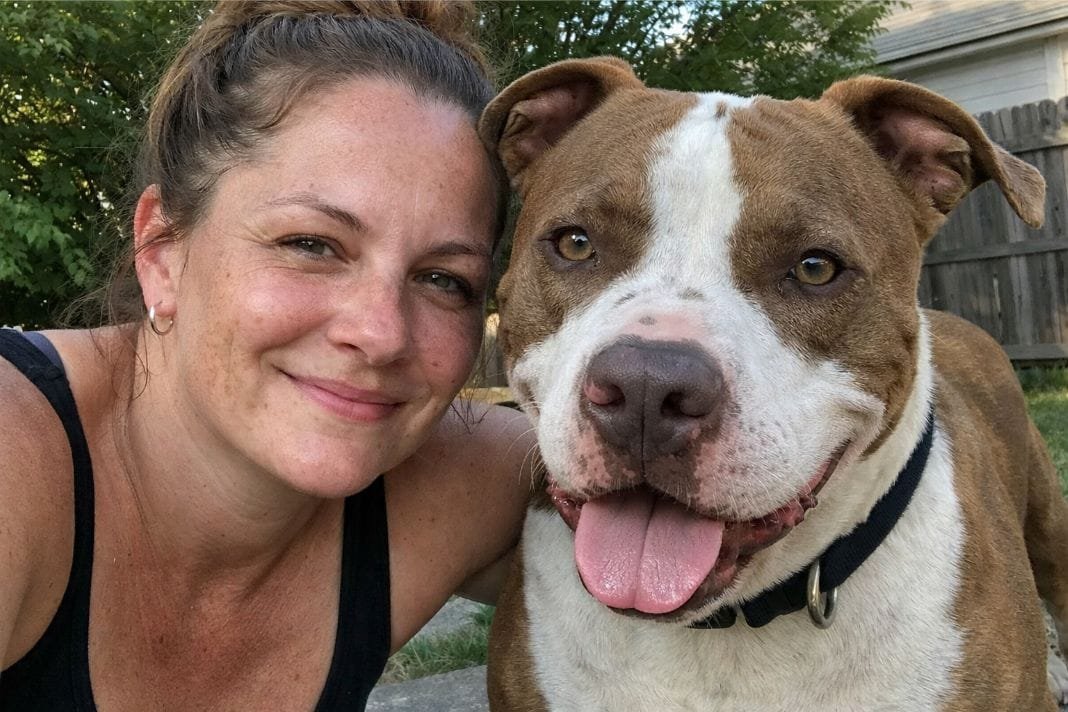
Pet owner smiling with happy dog before a trusted pet travel and relocation journey – Illustrative Image
The people caught out are usually not selling a pet
A very ordinary timing change can alter the assessment. You fly ahead for work, your dog waits for a later cargo space, and the gap moves outside the allowed owner-linked window. Nobody is selling the dog, but the movement may no longer fit the non-commercial route.
The caught-out cases usually sit in a few patterns:
- Split travel dates after plans are made. Your own flight changes, or the animal’s transport moves later, and the timing link is no longer clean.
- Family handovers. A relative can travel with the pet, but the arrangement still needs to preserve your responsibility and sit within the timing rule.
- Rescue or rehoming movements. A rescue dog or a pet changing ownership can fall into commercial-scope treatment even where no normal sale is happening.
- Multiple pets travelling together. For Great Britain to EU non-commercial travel, GOV.UK says the limit is a maximum of 5 pets per private vehicle, with the foot passenger limit still set at 5 pets, subject to event-related exceptions.
- A pet waiting for available cargo space can stop being a simple pet travel case if the timing no longer matches the owner’s travel.
We do not treat these as panic points. We treat them as classification points. The question at the border is whether the animal has been moved under the right legal regime, with documents that match that regime.
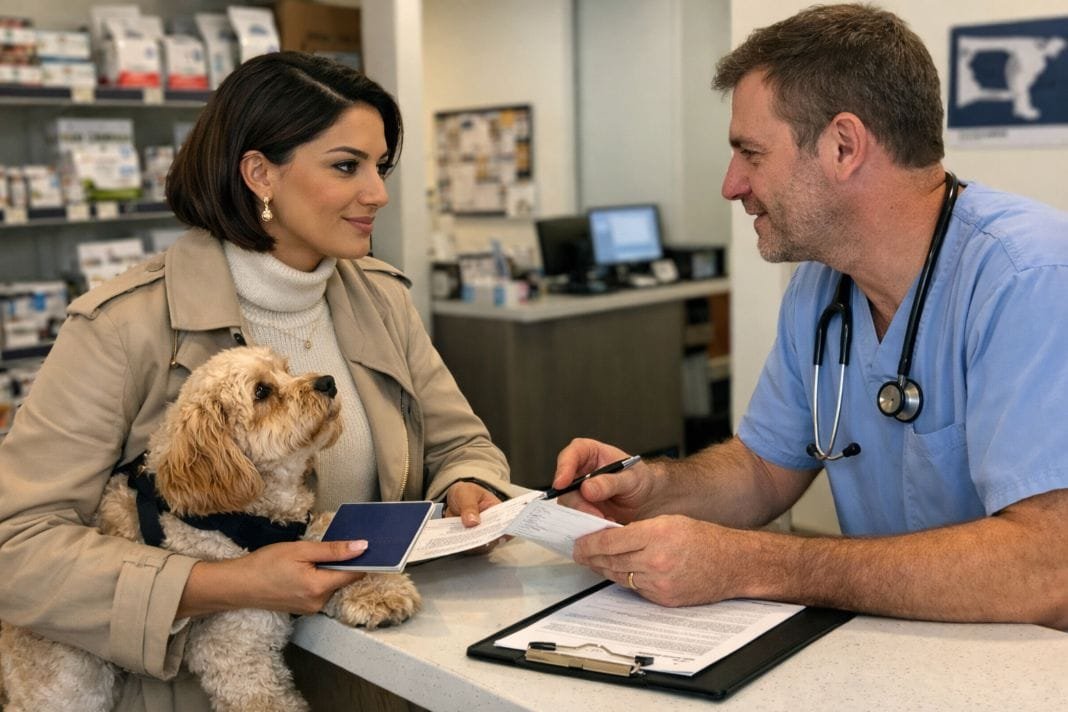
Pet travel consultation with client, paperwork and small pet for relocation planning – Illustrative Image
Current Great Britain to EU rules make old advice risky
Old pet travel advice can be partly right and still mislead you. A page might explain the 5-day rule correctly, then give outdated advice on EU pet passports or pet limits for Great Britain residents entering the EU.
New EU rules for Great Britain residents travelling with pet dogs, cats and ferrets came into effect on 22 April 2026. In practical terms, GB residents should no longer rely on an EU pet passport for entry to the EU, and an Animal Health Certificate, or AHC, is now the safer document reference for travel from Great Britain to an EU country. An AHC is the official veterinary travel certificate used for that movement.
Someone else travelling with your pet adds another point to check. The pet still has to travel within 5 days of you, and the accompanying person must carry written permission from you with the pet’s travel document. Written permission does not override the timing rule.
We keep the document discussion narrow here because your main risk is not choosing a form in isolation. The risk is lining up the wrong document with the wrong classification, then finding the issue when the animal reaches the travellers’ point of entry.
The safest plan starts with classification, not bookings
Booking first feels efficient, but pet travel becomes harder to fix once dates, handovers and documents start pulling in different directions. We start with the status of the movement because that decides which rules the rest of the plan has to support.
The useful facts are simple enough to name: who owns the pet, who is responsible during travel, whether anyone else is accompanying the animal, how the pet’s dates relate to yours, and whether the number of pets fits non-commercial treatment. Where any of those answers is awkward, professional help has real value because the regime, route and documents need to stay aligned.
For Tailored Pet Travel, the work is welfare-led and compliance-led before it is transport-led. That matters most when your pet is travelling separately, a date has slipped, a handover is involved or the movement already sits close to commercial-scope treatment.
Once you see the issue this way, the decision becomes clearer. You are no longer asking whether the trip feels personal to you. You are checking whether ownership, timing and responsibility still prove that it is non-commercial before any booking is locked in.
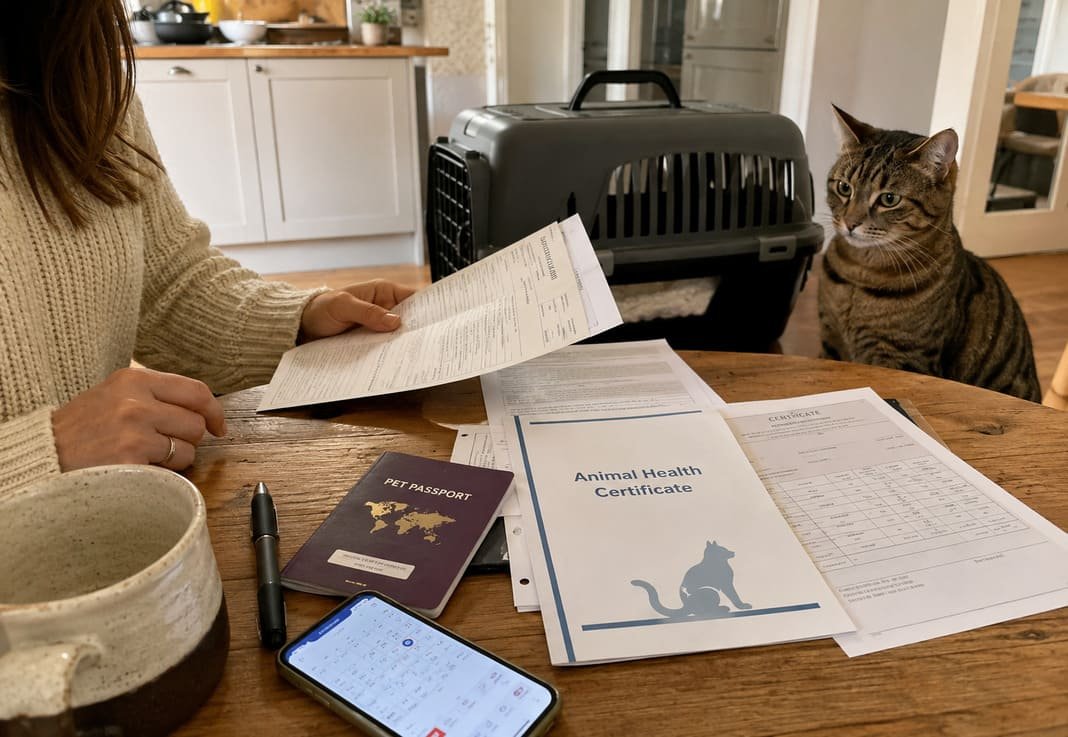
Pet travel documentation and international relocation paperwork
Questions we get asked about commercial and non-commercial pet travel
Does a pet flying in cargo make the travel commercial?
Cargo travel alone does not make a pet movement commercial. The key point is whether the pet is still moving as part of your owner-linked travel and remains under the right responsibility.
Can a family member travel with my pet instead of me?
A family member can accompany your pet if the arrangement fits the rules for an authorised person. The pet must still travel within the allowed timing window, and written permission must travel with the pet’s documents.
Does an Animal Health Certificate remove the 5-day rule?
An Animal Health Certificate does not remove the 5-day rule. The certificate and the classification have to work together, so the pet’s timing and responsibility still need to match non-commercial travel.
Is rescue dog transport treated as commercial travel?
Rescue dog transport can fall within commercial-scope treatment, even where the person collecting the dog is not buying it in the usual sense. Rehoming and change of ownership are the points that matter.
What if my travel dates change after the pet documents are arranged?
A date change can affect whether the pet still fits non-commercial travel. We treat any timing change as a classification check, because the pet’s documents need to match the way the movement is assessed.
This is general information, not professional advice.