
How do summer heat and flight restrictions affect pet relocation from the UK to Dubai?
Summer conditions can change a routine pet move into a far more sensitive operation. High temperatures in Dubai, combined with airline embargoes, breed restrictions, and strict import rules, can narrow travel windows and increase welfare risks. Anyone planning UK to UAE pet relocation needs to treat climate, timing, and compliance as linked issues rather than separate tasks.
Here's What We Have Covered In This Article
Understanding Dubai’s climate and why it matters in transit
Dubai’s climate places very different demands on dogs and cats than most pets experience in the UK. Heat is the obvious factor, but temperature alone does not explain the full risk. Humidity, ground conditions, waiting times on the tarmac, transfer delays, and the pet’s own age, health, and breed can all affect how safely a process can be managed.
Heat stress can develop quickly in transit. A dog or cat does not need to be outdoors for long periods to be affected if the surrounding conditions are already severe. Once a pet is stressed, body temperature regulation becomes harder, which means that even short handling stages can matter.
Some owners assume that a pet will simply acclimatise after arrival. Acclimatisation is not the same as tolerating a demanding process in peak summer. A pet moving from a mild UK climate into intense UAE heat faces a sharp environmental change, and that shift has to be treated seriously from the start.
Several climate-related dangers tend to shape planning:
- Heatstroke risk increases when external temperatures are high and movement through airports is delayed.
- Humidity can make cooling harder, especially for pets already prone to respiratory strain.
- Hydration pressure becomes more significant over long travel periods and handover stages.
- Temperature thresholds used in operational decision-making may trigger restrictions even before travel day.
The IATA Live Animals Regulations exist to support safe animal transport, but compliance on paper does not remove the practical impact of weather. Rules, handling standards, and welfare judgement all have to work together. In a place such as Dubai, timing stops being a convenience issue and becomes part of animal welfare itself.
Pro Tip: Always check the latest airline embargo and breed restrictions for your specific route before booking your pet’s travel.

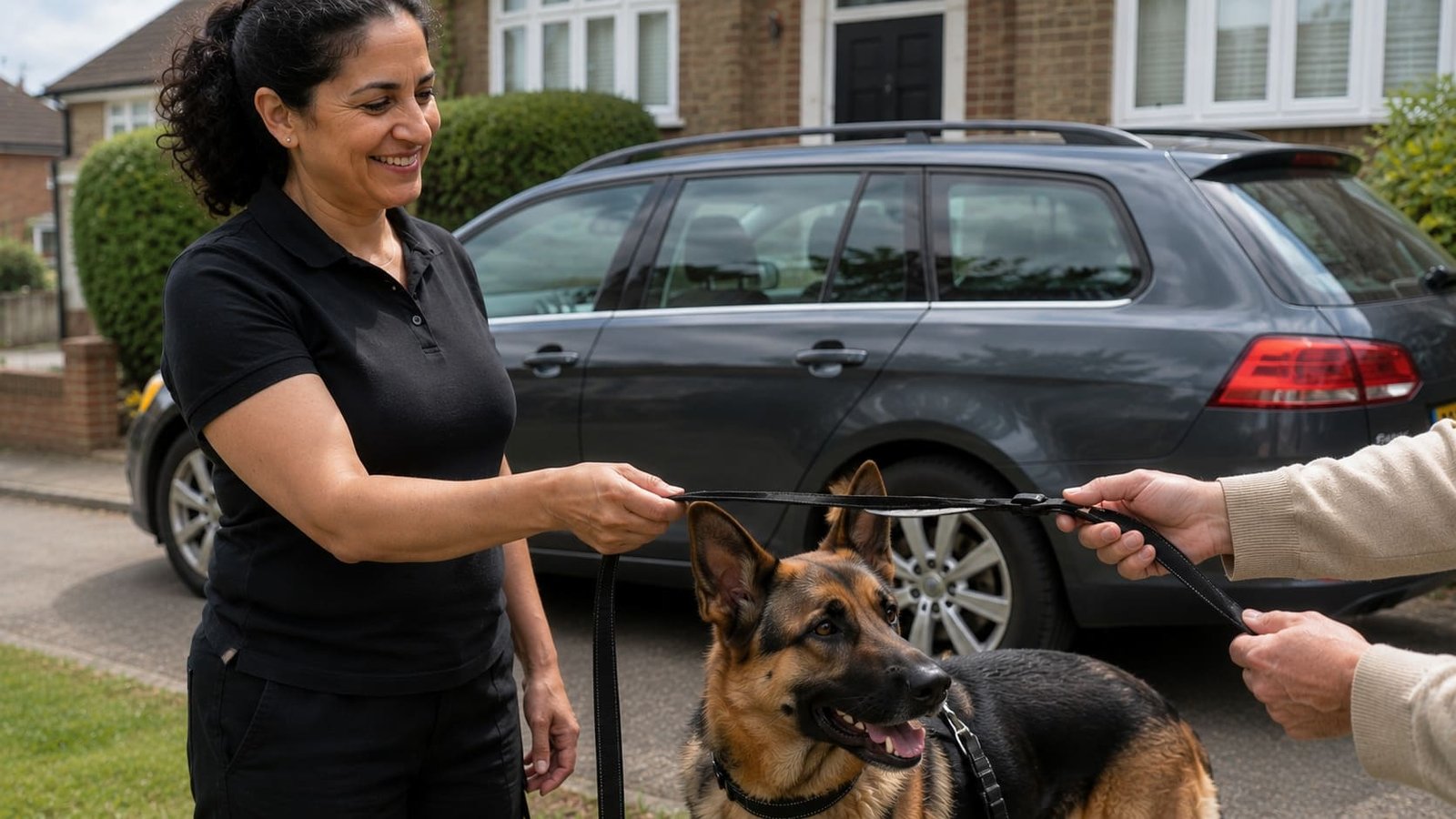
An illustrative image of pet owners discussing pet relocation logistics with a pet consultant
Arrange a Personal Pet Relocation Consultation
Speak with our team to review your options and timing for moving your pet to Dubai with full regulatory confidence.
Airline flight restrictions: what changes in summer
Airline rules often tighten in hotter months, and those changes are not always easy to predict from public information alone. A route that appears available one week may be restricted the next if weather, airport handling conditions, or operational risk assessments shift. That uncertainty catches many people out, especially if they assume that a pet booking works like an ordinary passenger ticket.
Seasonal embargoes are one of the main pressure points. Some airlines restrict or suspend pet movements during parts of summer, particularly on routes where ground temperatures can become extreme. Others may continue operating but apply narrower acceptance rules for certain breeds, ages, or health profiles.
Cargo and cabin policies can also be misunderstood. A pet-friendly airline does not automatically mean broad summer access for every animal. Breed type, crate setup, route structure, aircraft type, and airport infrastructure can all affect whether a process is accepted.
A simple comparison shows how summer can alter the picture:
- Outside peak heat periods: airlines may have wider acceptance windows and fewer weather-based interruptions.
- During summer: embargoes, shortened travel windows, and route-specific restrictions may all become more likely.
- For higher-risk pets: brachycephalic animals, older pets, or those with existing health concerns may face extra limits at any time, with stricter scrutiny in hot weather.
Airport infrastructure matters as much as airline policy. Ground handling arrangements, shaded transfer areas, holding times, and local temperature management all influence whether a route is workable in practice. Guidance from IATA and oversight in UK aviation are relevant here, but day-to-day decisions can still change at short notice. A family expecting a fixed departure date may therefore find that summer rules move faster than the rest of their relocation plans.
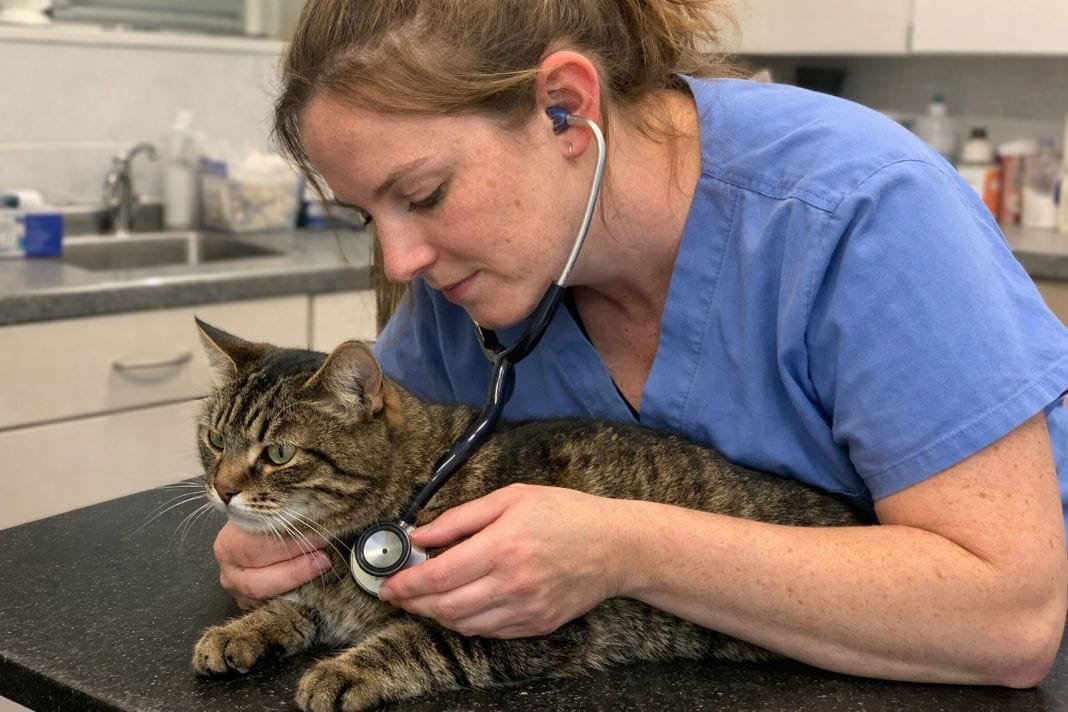
An illustrative image of a veterinary nurse performing a thorough health check on a tabby cat at a clinic
Timing your move: when is it safe to relocate your pet?
Timing shapes almost every other part of the move. A well-timed relocation can leave room for document validity, flight availability, and safer handling conditions. A poorly timed one can compress options so sharply that even a straightforward case becomes difficult.
Late spring and the cooler parts of the year often present fewer heat-related constraints than the height of summer, but no single date range guarantees an easy passage. Conditions at departure, transit, and arrival all matter, and school holidays or work relocation deadlines do not always align with safer travel windows.
Imagine a household move that has already been fixed around employment start dates and school places. If the pet’s travel is left until the final weeks, any change in weather, airline acceptance, or document timing can force a replan. In that situation, the issue is rarely one problem on its own. Heat exposure, scheduling pressure, and compliance deadlines tend to collide.
Several timing factors usually carry more weight than people expect:
- Seasonal heat exposure at the point of arrival and during airport handling.
- Airline embargo periods and route-specific summer restrictions.
- Public holidays, reduced staffing periods, or congestion affecting document and customs processing.
Ramadan and other calendar events may alter operating rhythms in ways that affect handovers, clearances, or service availability, even if flights continue to run. UAE customs and related authorities still apply the rules, but practical timing around those rules can become tighter during busy periods.
Good scheduling therefore depends on more than choosing a cooler month. It also depends on leaving enough margin for approvals, welfare decisions, and changes outside the owner’s control. A pet relocation calendar works best when it is treated as a risk window, not a date in a diary.
Request a Custom Quote for Safe Pet Transport
Get transparent pricing and detailed plans tailored to your pet’s needs and seasonal travel conditions.
Regulatory and documentation challenges: avoiding costly errors
Documentation problems can derail a move even when the flight itself appears settled. UK departure requirements and UAE import rules do not always line up in ways that feel intuitive, and confusion remains common around pet passports, health certification, and entry permissions after Brexit.
One of the main problems is false confidence. Owners may assume that a document used on a previous European process will still apply, or that a standard veterinary paper is enough for an international relocation. Dubai pet import rules are stricter than many people expect, and a mismatch between what has been prepared and what is required can lead to refusal, delay, or expensive rebooking.
Common pitfalls include:
- Relying on outdated assumptions about pet passports for post-Brexit travel
- Misreading the validity window of health certificates or related approvals
- Treating import permits as an administrative detail rather than a condition of entry
- Assuming that airline acceptance confirms border compliance
- Missing small discrepancies in names, dates, microchip details, or supporting records
A minor inconsistency in paperwork can have consequences far beyond admin inconvenience. If a document falls outside the required format or validity period, the issue may only become visible when the process is already in motion. At that stage, options are usually narrower and more expensive.
DEFRA guidance, UK government pet travel information, IATA standards, and the requirements of the UAE Ministry of Climate Change and Environment all play a part, but they do not function as one simple rulebook. The difficulty lies in how those layers interact on a live case with a fixed travel date.
This is why regulatory oversight matters most when the move looks simple on the surface. A summer relocation to Dubai can leave very little room for correcting an error once bookings, certificates, and entry permissions are linked together.
Pro Tip: Review the validity dates on all health certificates and permits to prevent last-minute documentation issues at departure.
Animal welfare in transit: practical realities and non-negotiables
Animal welfare is not a soft extra in pet relocation. It is the basis on which any flight, transfer, or handover should be judged, especially on a UK to UAE route where climate pressure can amplify stress.
Stress affects pets physically as well as behaviourally. A dog that pants heavily, a cat that becomes withdrawn, or an older animal that tires easily may all need more careful assessment before any travel decision is made. Heat can intensify those concerns, particularly if handling is rushed or the process has weak oversight.
A welfare-led process differs from a standard pet movement in several important ways:
- The focus stays on the pet’s condition and suitability for the route, not just the booking slot.
- Crate suitability is treated as a welfare issue, not simply a compliance item.
- Handler training matters because animal behaviour in transit can change quickly.
- In-transit monitoring and accountable oversight reduce the chance that warning signs are missed.
By contrast, a basic courier-style approach may treat the move as a transport task first and an animal welfare responsibility second. That difference becomes far more serious during summer restrictions, when small delays can have larger effects.
The IATA Live Animals Regulations set a recognised framework, yet the quality of judgement around those standards still matters. DEFRA rules and animal welfare guidance establish part of the picture, but real protection depends on how closely the process is managed in practice. For that reason, welfare-led operators such as Tailored Pet Travel tend to be associated with outcomes that prioritise safe handling over simple movement from one airport to another.
A compliant route is not necessarily a kind one, and a kind route is not necessarily compliant unless both standards are met together.
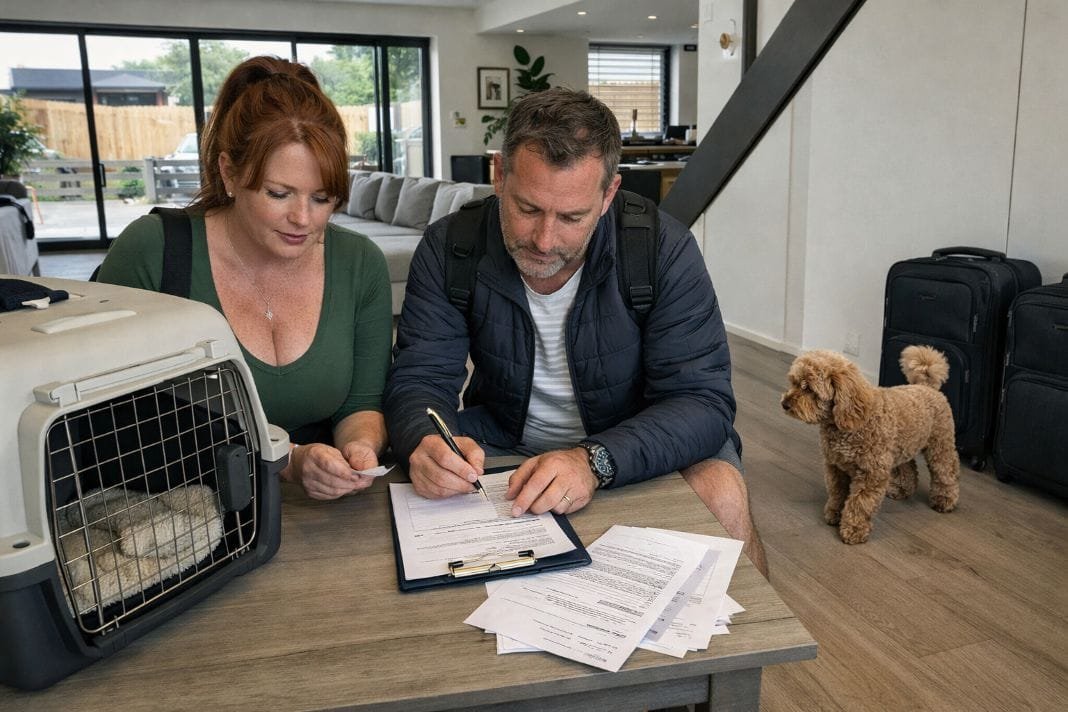
An illustrative image of a couple preparing their travel documents
Rethinking pet relocation in a changing climate
Pet relocation to Dubai is becoming less predictable because climate pressure and travel rules do not stand still. Hot weather periods can feel longer, operational decisions can change faster, and international pet travel bodies continue to refine standards around risk, welfare, and suitability.
A move that might once have been planned around paperwork and flight space alone now sits inside a wider set of variables. Climate adaptation, airport operations, animal welfare expectations, and regulatory scrutiny are all moving at once. For owners, that means the future of pet relocation is likely to involve narrower margins for error, particularly on long-distance routes into very hot destinations.
The most useful way to view a pet move now is as a risk-managed welfare decision shaped by timing, environment, and compliance at the same time. That perspective does not make relocation impossible. It simply reflects the fact that safe pet travel increasingly depends on judgement that keeps pace with a changing climate.