
Is summer heat enough to stop a pet from flying?
Yes, it can be. Airlines may delay, refuse, or change a pet booking if temperatures at departure, transit, or arrival create a welfare risk. Heat decisions are usually based on a mix of airline rules, animal welfare standards, route conditions, and the individual pet’s age, breed, health, and travel set-up.
Here's What We Have Covered In This Article
Why Temperature Matters: The Real Risks of Flying Pets in Summer
A pet flight can look straightforward on a booking screen and feel very different in real conditions. The main concern is not simply the time spent in the air. Pressure points often happen on the ground, including loading, waiting areas, transport between buildings, and periods on the tarmac where heat can build quickly.
Dogs, cats, and small animals regulate body temperature differently from people. Once an animal becomes too hot, the situation can worsen fast, especially if stress, confinement, and unfamiliar surroundings are added to the picture. Heatstroke is the risk that owners hear about most often, although milder heat stress can also leave an animal distressed, dehydrated, or less able to cope with the rest of the process.
Aircraft climate control often causes confusion. A temperature-controlled hold does not remove every summer risk linked to flying pets in hot weather. Conditions before boarding and after landing still matter, and those stages are often outside the calm, sealed environment people imagine when they think about a flight.
Some pets face higher pet travel heat risks than others. Brachycephalic breeds, older animals, very young pets, and those with existing health concerns may be more sensitive to heat, reduced ventilation, or travel stress. Acclimatisation matters as well. An animal used to mild weather may struggle more than expected during a summer route involving warmer airports or long ground handling windows.
Industry bodies such as IATA publish the Live Animals Regulations, and airlines use those standards alongside their own animal transport guidelines. DEFRA and wider animal welfare regulations also shape what carriers, handlers, and owners can reasonably allow. These rules exist because a summer process can move from manageable to unsafe in a short space of time, particularly in pre-flight waiting areas where airflow and shade may be limited.
Key risk factors usually include:
- high temperatures at any airport on the route
- limited ventilation during parts of ground handling
- breed sensitivity or underlying medical concerns
- long layovers or complex connections
A cool morning departure from the UK can still become problematic if the onward airport is significantly hotter by the time the pet arrives.
Pro Tip: Check temperature forecasts for all airports in your pet’s itinerary, not just the point of departure.
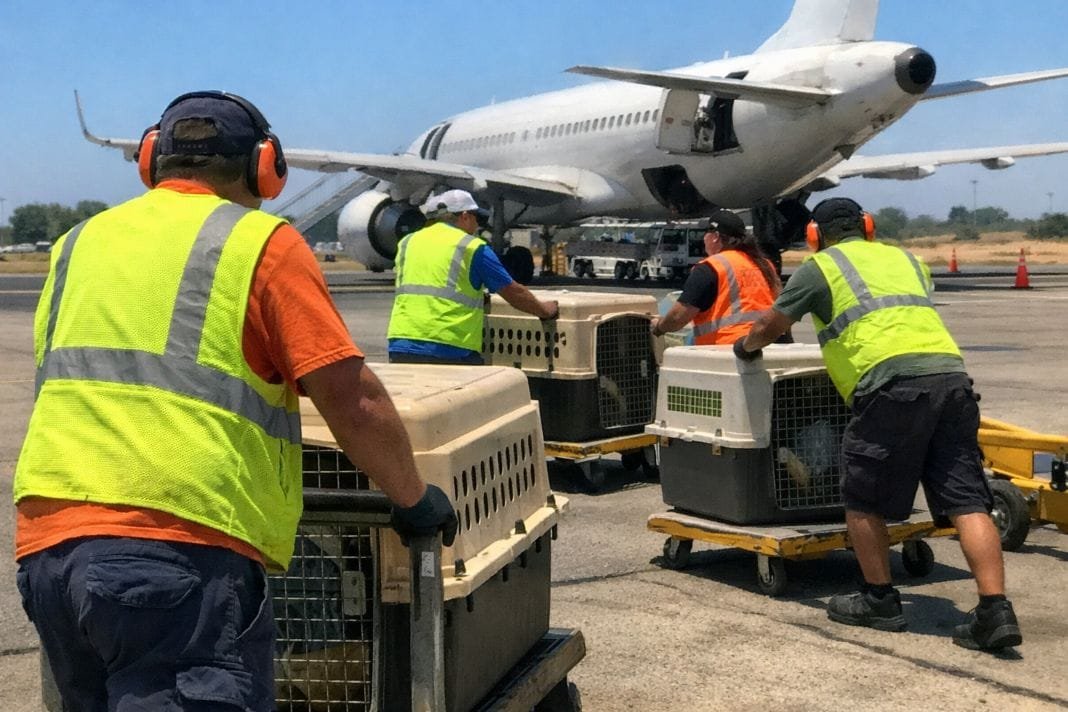
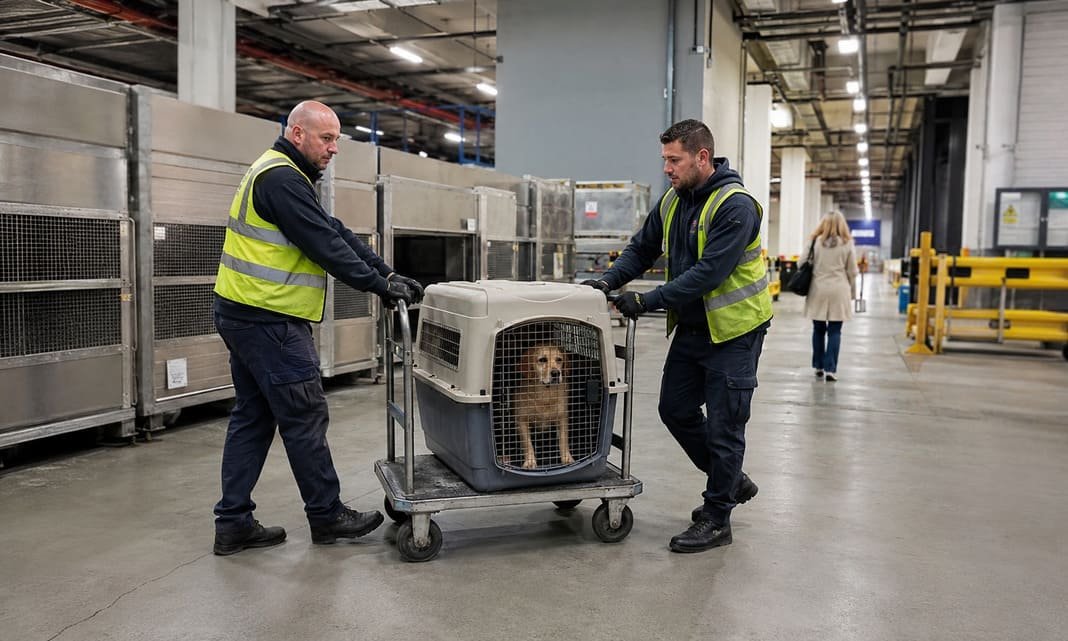
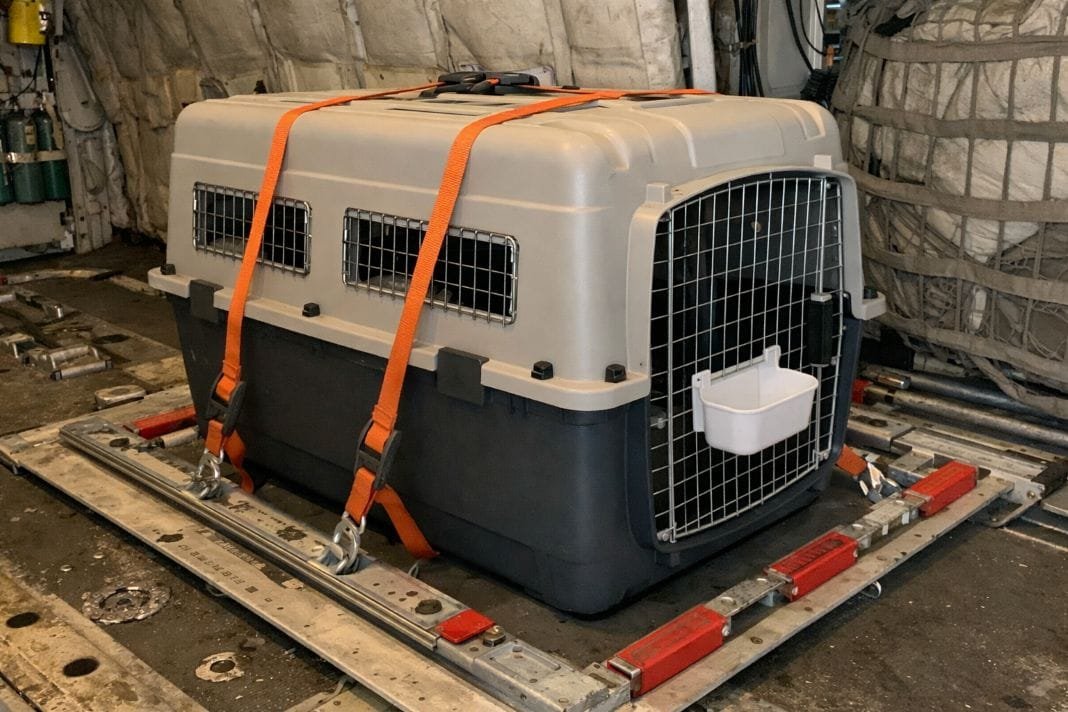
An illustrative image of people moving animal crates towards a waiting aircraft
Assess Your Route for Summer Safety
Let us review your pet travel route for heat risk and welfare compliance. We help you prepare for every scenario and avoid avoidable disruptions.
How Airlines Assess Heat Risk: Policies, Protocols, and Thresholds
Airlines do not usually make these decisions on instinct. Most rely on internal animal transport safety protocols informed by IATA Live Animals Regulations, airport handling rules, and route-specific operational limits.
One common feature is the temperature cut-off. A carrier may set a maximum temperature for accepting pets in the hold, although the exact figure and method of assessment can vary. Some airlines apply embargo periods in the hottest months on certain routes. Others accept bookings only at cooler times of day or suspend animal movements through airports known for severe summer heat.
Departure conditions are only one part of the picture. Transit and arrival temperatures can matter just as much, especially where an animal has to be transferred between flights. A route that appears manageable on paper may be refused if one airport on the itinerary is expected to exceed the carrier’s limit during the relevant handling window.
Eligibility can also change according to the pet itself. Breed, age, recent health history, and the wording on a veterinary health certificate may affect whether a booking is accepted. A fit adult dog on a direct route may meet the rules, whereas an older pet with breathing issues on a multi-stop process may not.
Airline assessment often turns on a few practical points:
- Forecast temperature at each airport involved.
- Time of day for loading, transfer, and unloading.
- Route challenge, including layovers and missed connection risk.
- Pet-specific factors, including breed sensitivity and health status.
If conditions move beyond a safe margin, the airline animal transport department may place the booking on hold, refuse carriage for that date, or ask for rescheduling. In some cases, an owner may only learn that a summer pet flight restriction applies close to departure because weather forecasts and airport operations can change in the final days.
That can feel abrupt, although the logic is simple. Once the expected environment is judged unsafe, commercial convenience no longer drives the decision.
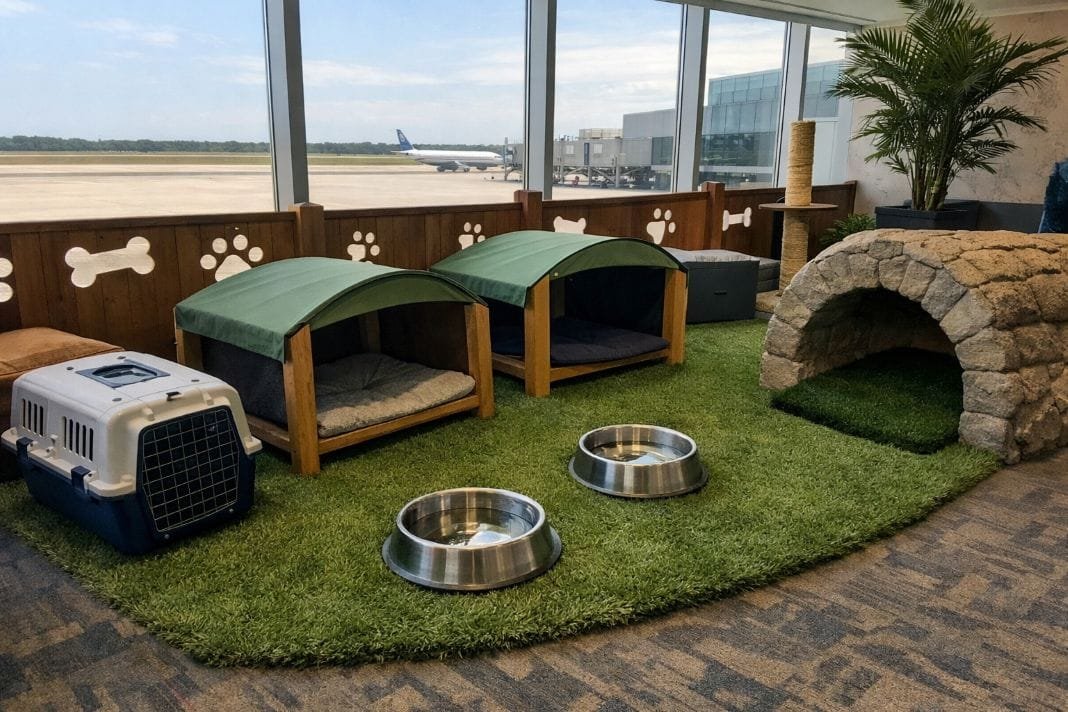
An illustrative image of a pet-friendly waiting area inside an airport
What Happens If It’s Too Hot: Booking Changes, Delays, and Alternatives
A heat-related refusal does not always mean the whole process is impossible. It usually means the original plan no longer fits the conditions safely.
Airlines may rebook the pet onto a different day, move the departure to a cooler time, or suspend that part of the process until temperatures drop. Connecting plans can become harder to manage at that point, particularly if the owner’s own travel is fixed or if import timing in the destination country is tight. Airport animal reception centres and ground teams may also have their own operational limits, which can narrow the available options further.
Alternative arrangements sometimes involve a different route or a non-air solution for part of the process. Ground transport may be considered for shorter legs, and direct flights may become preferable to multi-stop itineraries where summer handling conditions introduce more uncertainty. For some complex cases, professional oversight can reduce the chance of a poor last-minute decision. Tailored Pet Travel is one example of the type of specialist service used when welfare, compliance, and timing all need close management under pressure.
The practical effect of a hot-weather disruption is often wider than the pet booking itself. Owner travel dates, accommodation, border paperwork validity, and handover timings can all shift at once. A route that looked efficient can quickly become fragile if there is no room in the plan for weather-related movement.
Plan Your Pet’s Journey with Experts
Get tailored advice for your upcoming pet travel during the summer months. Our specialists ensure compliance, comfort, and safety at every stage.
The Role of Animal Welfare Regulations in Summer Pet Flights
Heat decisions are not simply an airline preference. They sit within a wider framework of welfare law, transport regulation, and handler responsibility.
In the UK, the Animal Welfare Act sets a general duty of care. DEFRA guidance and border requirements also shape how animals are moved, documented, and presented for travel. Alongside that, IATA Live Animals Regulations provide industry standards for air transport, including container suitability, handling expectations, and conditions linked to safe carriage.
Those frameworks matter because they place limits on what can be accepted, even if an owner is willing to take the risk. A pet-friendly route is still subject to compliance. If temperature, ventilation, or handling conditions do not meet the required standard, the trip may need to change.
Responsibility is shared across several parties. Airlines, handlers, animal reception centres, and owners each have duties linked to the pet’s welfare. A veterinary certificate supports the booking, but it does not override operational judgement at the airport if conditions become unsafe on the day.
Misunderstandings often arise around the idea that a paid booking guarantees travel. In regulated pet transport, payment secures space only within the limits of welfare and legal compliance. If those limits are crossed, refusal can be the correct decision, even when it is inconvenient and expensive.
That point is easy to miss until a summer route involves a hot transfer airport, a late aircraft, or a breed that needs more cautious handling than the owner first realised.
Pro Tip: Book direct flights where possible to reduce layovers and exposure to unpredictable weather conditions.
What This Means for Your Booking: Practical Considerations and Decision Points
Summer bookings need a slightly different mindset. Convenience matters, but flexibility matters more.
Earlier planning can help, although no booking is completely insulated from weather. A sensible approach usually includes looking at route challenge, the hottest point in the itinerary, and how much movement is possible if the airline applies temperature restrictions for pets at short notice. Flights with fewer handovers often carry less exposure to heat-related pet flight issues, especially during peak summer periods.
Some decisions deserve closer attention before anything is confirmed:
- whether the route includes a hot transit airport
- whether the pet has any breed, age, or health factor that changes risk
- whether travel dates can move if the forecast turns against the booking
- whether the process is simple enough to manage without specialist support
Professional input is not necessary for every trip. Even so, once the route involves multiple airports, tight timings, unusual welfare concerns, or high-stakes relocation, outside coordination can become the more sensible choice. In those situations, a specialist such as Tailored Pet Travel may help reduce uncertainty by keeping welfare and compliance at the centre of the plan rather than treating the pet as standard cargo.
One point tends to separate manageable summer travel from stressful summer travel. If the booking only works under perfect conditions, it may be too fragile for the season.
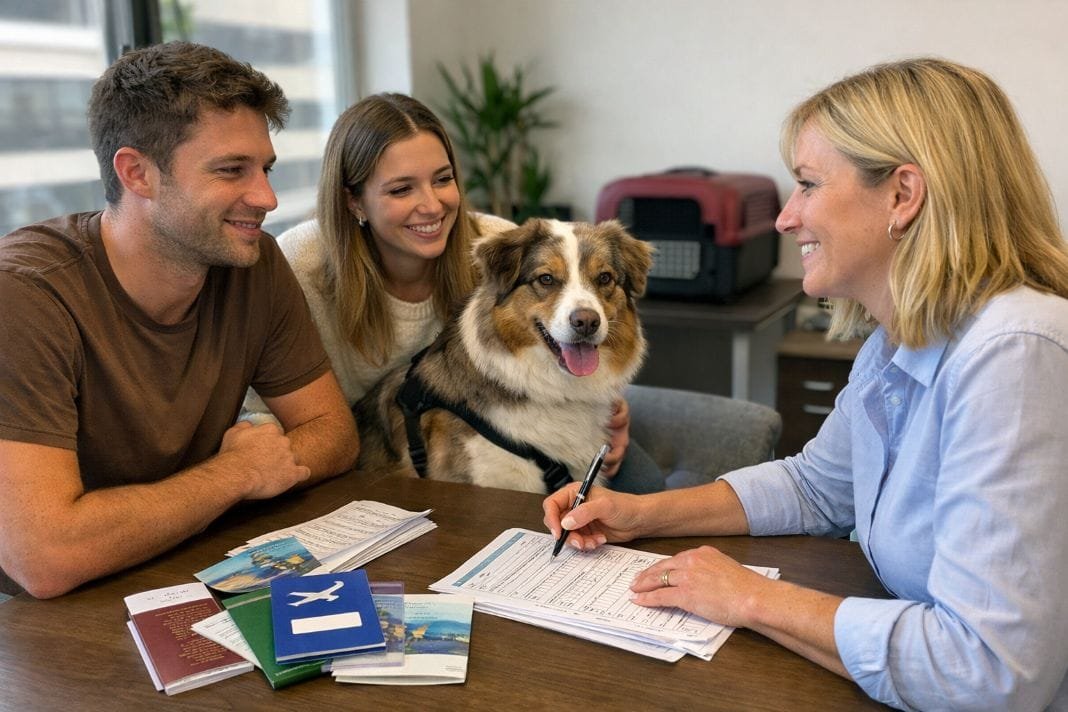
An illustrative image of a couple with a well-groomed dog consulting a professional pet travel advisor
Beyond the Booking: Rethinking Summer Pet Travel and Common Misconceptions
One of the most persistent myths is that any airline offering pet travel can carry a pet safely in any weather. That assumption ignores how much depends on airport temperature, timing, handling windows, and the individual animal.
Another misconception is that the main risk sits in the aircraft hold alone. Many summer pet transport realities are shaped before take-off and after landing, during the parts of the process that owners rarely see. A route can therefore look acceptable online and still become unsuitable in practice.
Standards also continue to tighten as welfare expectations become more visible across aviation and transport. IATA guidance, DEFRA oversight, and wider animal welfare thinking all push the same general principle: if heat makes safe carriage doubtful, the trip should not proceed as planned.
A better way to view summer pet travel is as a welfare decision first and a booking decision second. Once that order is clear, airline restrictions make more sense, delays feel less arbitrary, and plans become easier to judge with a cooler head.